
1. Introduction
Farmers grow different crops for food, income and other uses.
However, some crops are sold or consumed immediately after harvesting without undergoing further processing.
Processing crops into different products can improve their quality, usefulness, appearance and market value.
This process is known as value addition.
Value addition is the process of improving the usefulness, quality, appearance, storage life or market value of agricultural produce through processing, packaging or other suitable activities.
For example, fresh cassava can be processed into flour, while sweet potatoes can be made into dried chips.
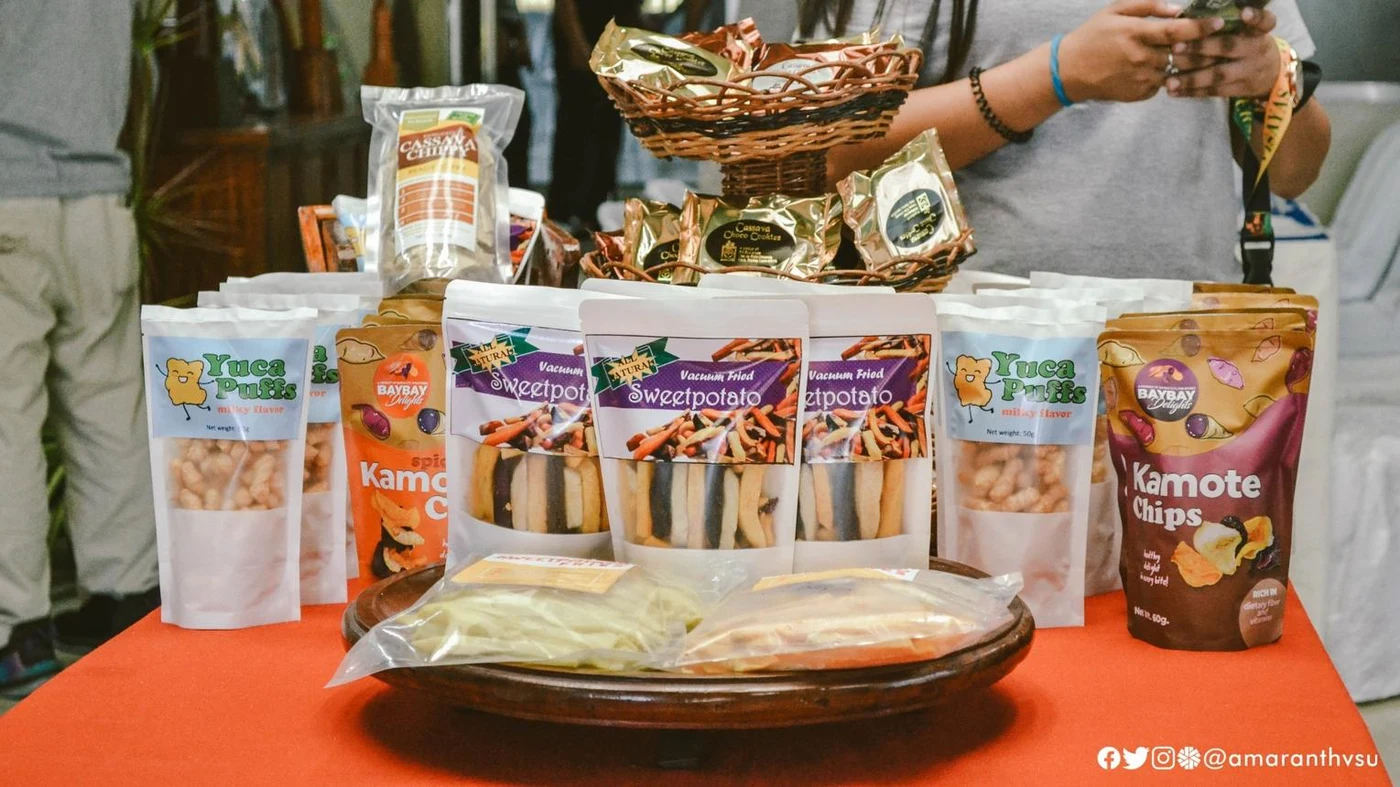
Examples of value-added agricultural products.
2. Meaning of crop produce
Crop produce refers to useful products obtained from cultivated plants after harvesting.
Examples include:
- Potatoes.
- Cassava.
- Groundnuts.
- Simsim.
- Sweet potatoes.
- Pumpkins.
- Maize.
- Fruits.
- Vegetables.
These crops can be processed into different products for household consumption and sale.
3. Importance of adding value to crop produce
A. Increasing market value
Processing can make agricultural produce more valuable.
For example, groundnuts can be processed into groundnut paste, which may attract a different market price from raw groundnuts.
B. Extending storage life
Some processing methods reduce moisture content and slow down spoilage.
Drying is particularly useful because many microorganisms require moisture to grow.
C. Reducing post-harvest losses
Farmers sometimes harvest more produce than they can immediately consume or sell.
Processing helps preserve surplus produce and reduce wastage.
D. Improving food variety
Processing allows the same crop to be prepared in different forms.
For example, potatoes can be made into chips, crisps or flour.
E. Creating employment
Value addition creates opportunities for people to work in:
- Food processing.
- Packaging.
- Transportation.
- Marketing.
- Food retailing.
F. Increasing household income
Processed products may attract additional customers and create opportunities for selling different products.
G. Improving convenience
Some processed products are easier to prepare, transport or use.
For example, dried vegetables are convenient to store and can be used when fresh vegetables are unavailable.
H. Supporting food security
Processing and preservation help households maintain food supplies beyond the harvesting season.
4. Common methods of adding value to crop produce
The KICD curriculum identifies drying and frying as suitable methods for adding value to selected crop produce.
Other processing methods may include roasting, milling, grinding and packaging.
A. Drying
Drying is the process of removing moisture from agricultural produce to improve its storage life.
It is one of the oldest food preservation methods.
Drying reduces the amount of water available for microorganisms that cause food spoilage.
Examples of crops that can be dried include:
- Cassava.
- Sweet potatoes.
- Pumpkins.
- Groundnuts.
- Vegetables.
- Fruits.
- Simsim.
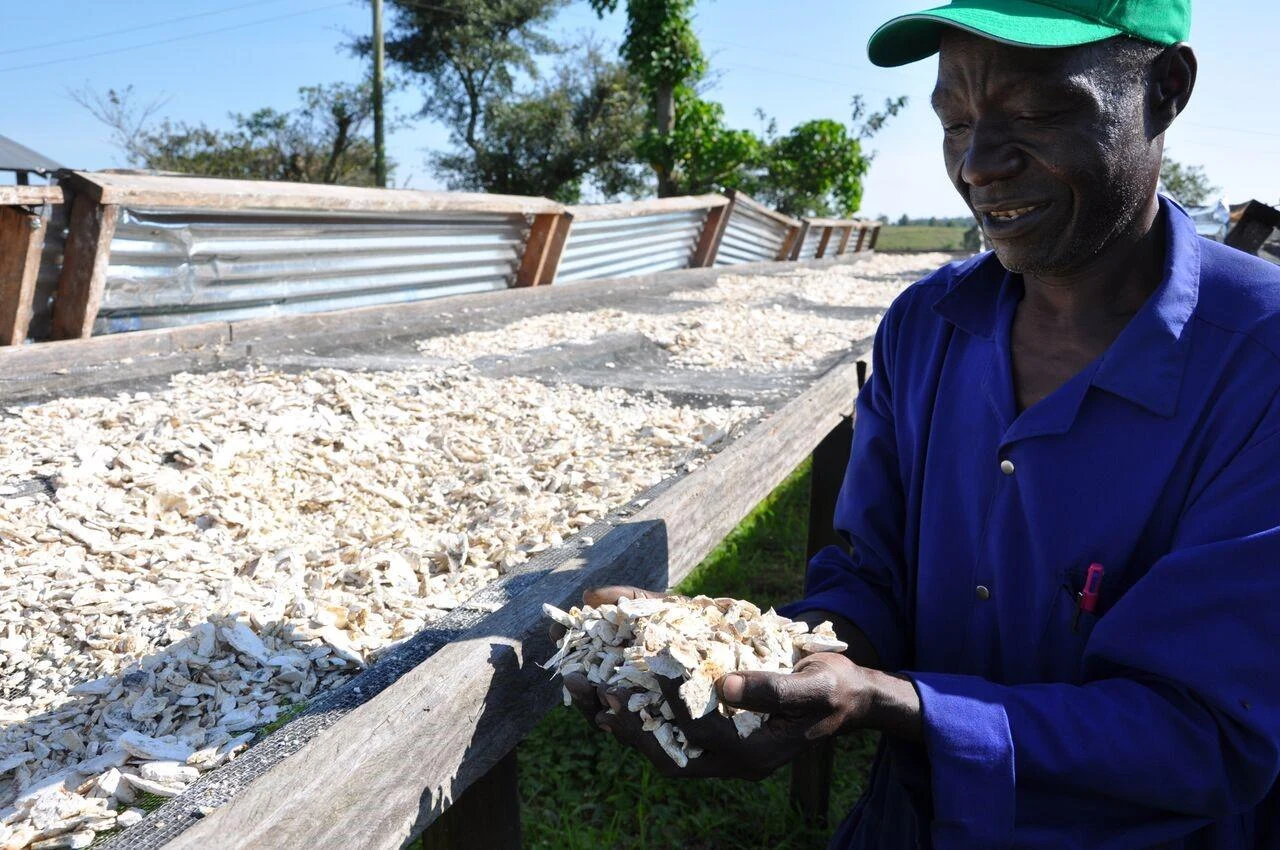
Drying agricultural produce to improve storage life.
Methods of drying crop produce
1. Sun drying
Sun drying involves spreading prepared produce in a suitable clean area where it is exposed to sunlight.
It is commonly used for crops such as maize, groundnuts and some fruits.
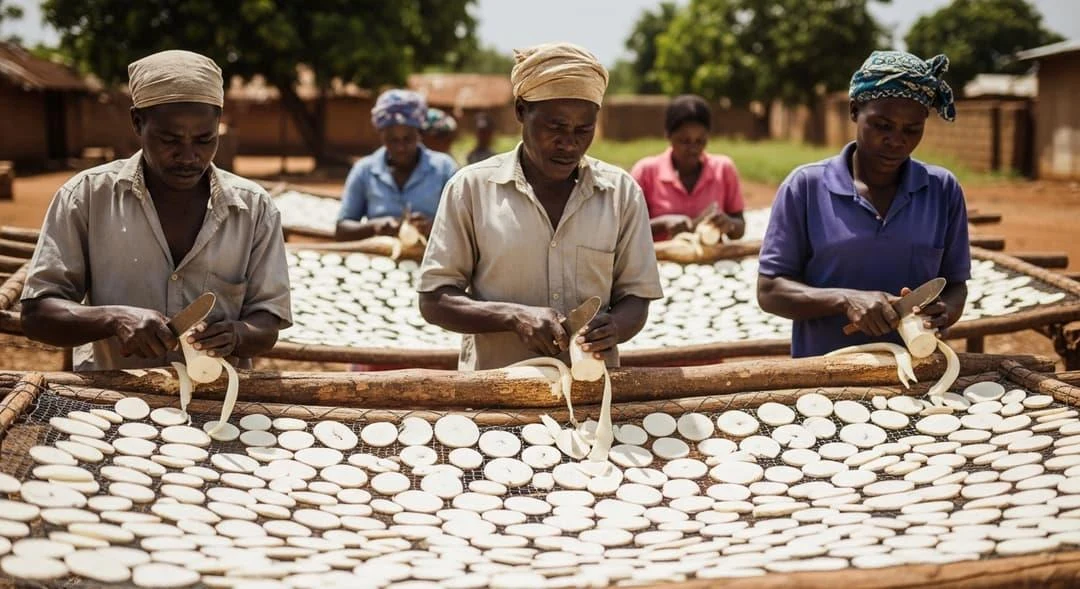
Sun drying agricultural produce.
2. Solar drying
Solar drying involves using a solar dryer to remove moisture from agricultural produce.
A solar dryer uses energy from the sun to heat air, which passes around the produce and removes moisture.
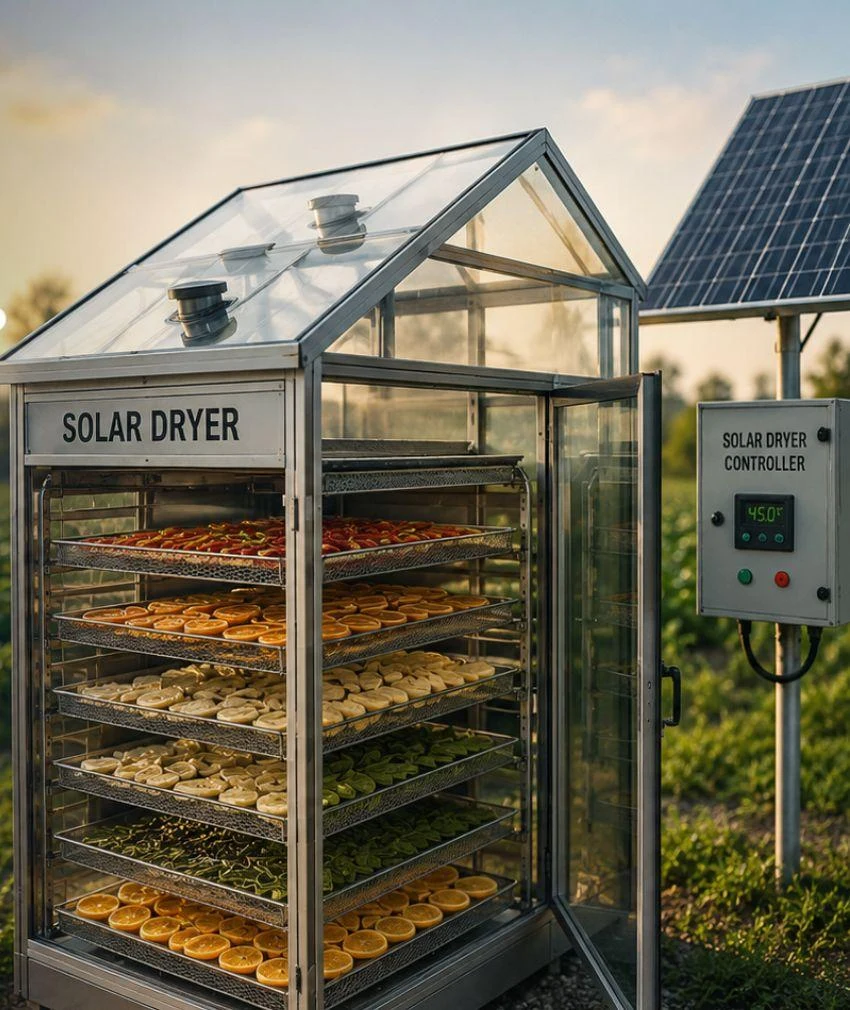
A solar dryer used to preserve agricultural produce.
3. Mechanical drying
Mechanical drying uses equipment that produces controlled heat and airflow to remove moisture from agricultural products.
It is commonly used in larger food-processing operations.
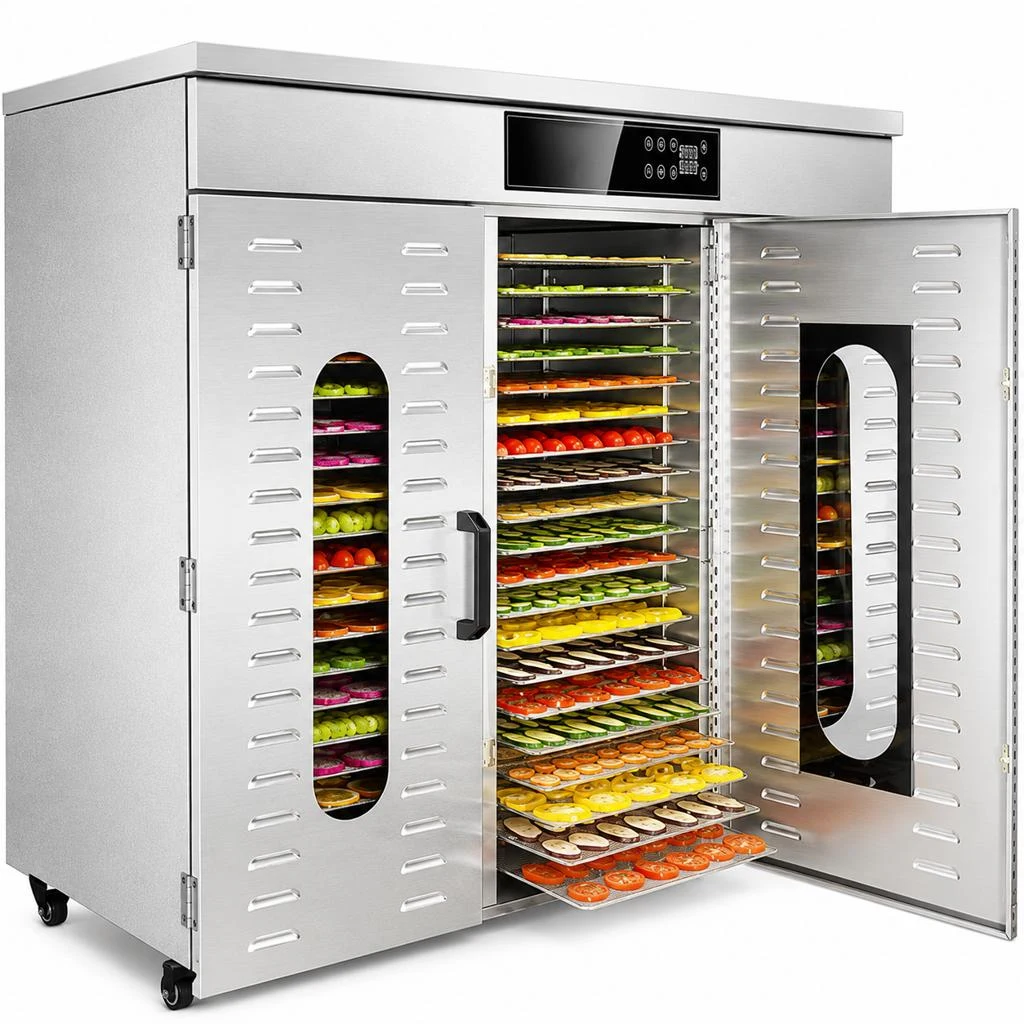
Mechanical drying equipment for agricultural produce.
Procedure for drying crop produce
- Select mature and suitable crop produce.
- Remove damaged and rotten portions.
- Sort the produce according to quality.
- Wash where necessary using clean water.
- Peel the produce where appropriate.
- Cut it into suitable sizes.
- Spread the pieces on clean drying trays or suitable surfaces.
- Expose the produce to suitable drying conditions.
- Protect it from dust, insects, animals and moisture.
- Turn the produce where necessary to promote even drying.
- Allow it to dry sufficiently.
- Cool the dried produce where appropriate.
- Pack it in clean, dry and suitable containers.
- Store it in a cool, dry place.
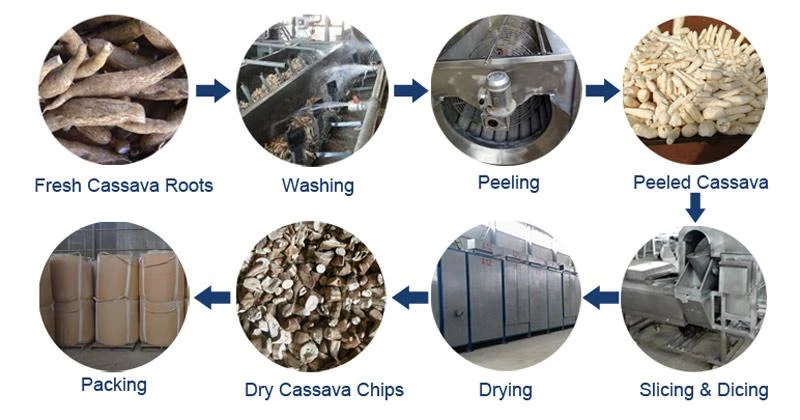
Preparing cassava for drying and processing.
Advantages of drying
- Extends storage life.
- Reduces moisture content.
- Reduces some post-harvest losses.
- Makes some products easier to transport.
- Allows seasonal produce to be stored.
- Creates opportunities for selling processed products.
Disadvantages of drying
- It may take a long time.
- Rain can interrupt sun drying.
- Poor drying conditions may cause contamination.
- Some nutrients may be lost during prolonged exposure to heat, air or sunlight.
- Dried products may absorb moisture if poorly stored.
B. Frying
Frying is a method of cooking food using hot cooking oil or fat.
It can be used to process certain agricultural products into different food products.
Examples include:
- Potato chips.
- Sweet potato crisps.
- Fried cassava chips.
- Fried groundnuts.
- Some pumpkin products.
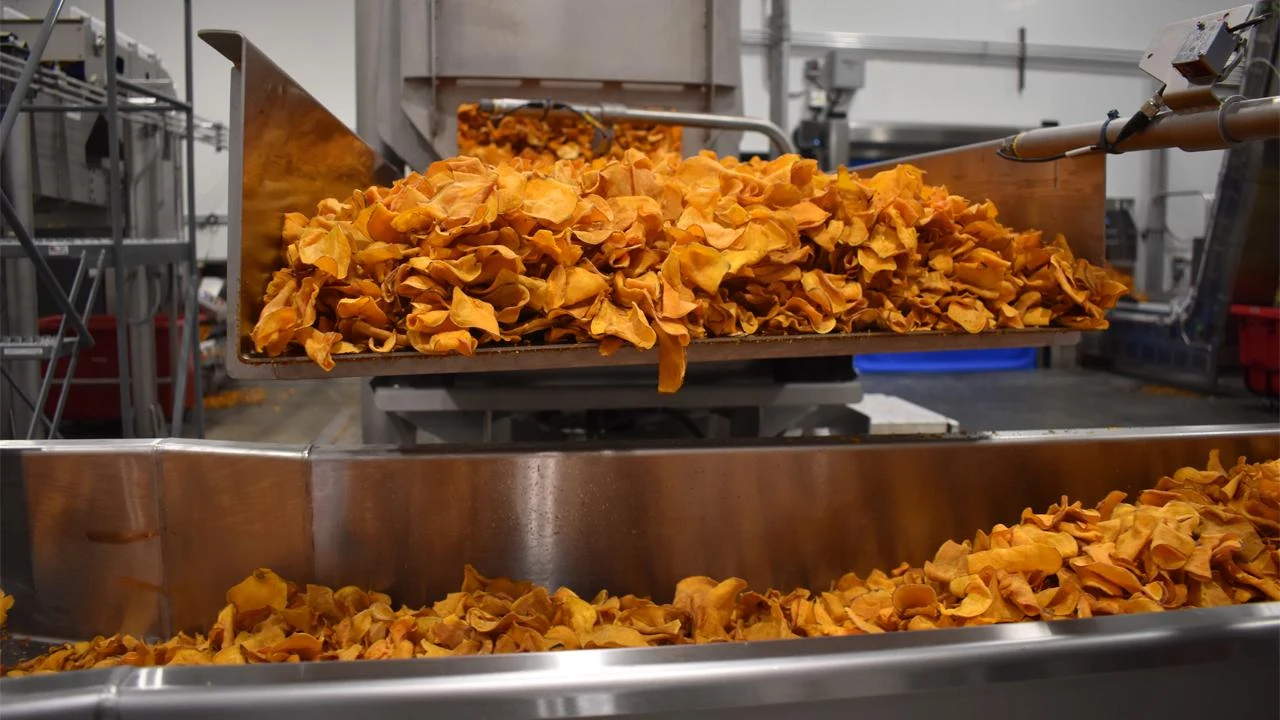
Potato and sweet potato products prepared through frying.
Procedure for frying potato chips
- Select fresh and suitable potatoes.
- Remove damaged portions.
- Wash the potatoes thoroughly.
- Peel them where appropriate.
- Slice them into suitable sizes.
- Rinse and drain the slices.
- Heat suitable cooking oil.
- Add the potato slices carefully.
- Fry until they are sufficiently cooked.
- Remove the chips using a suitable utensil.
- Drain excess oil.
- Allow them to cool.
- Pack them in suitable food-grade packaging.
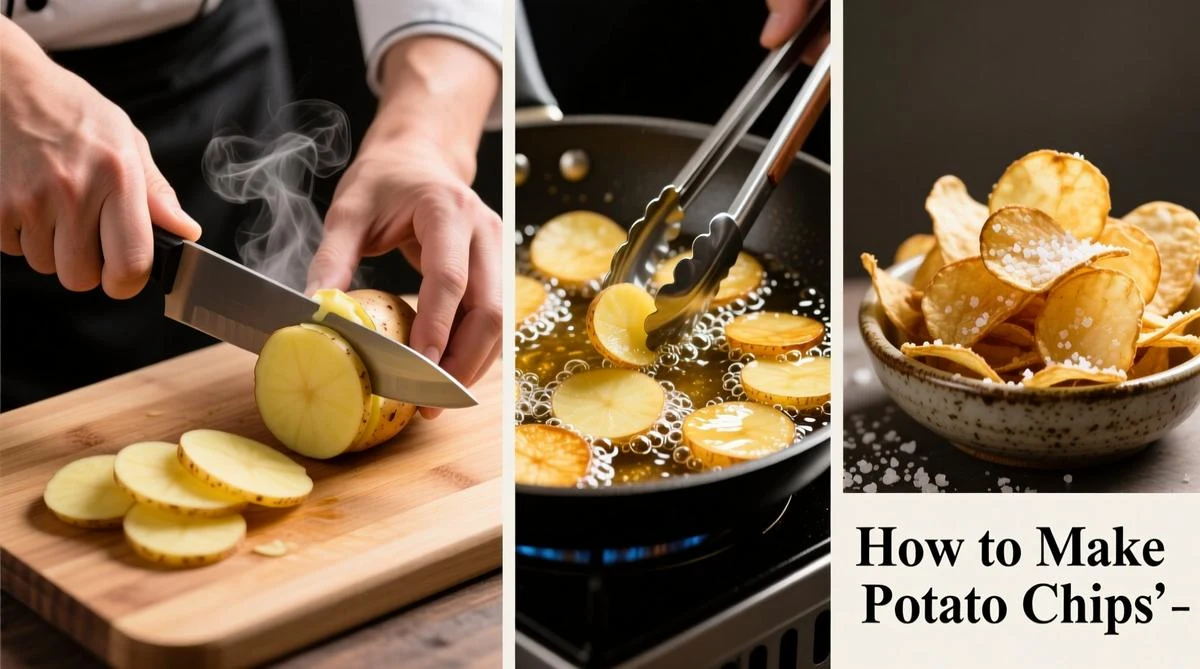
Processing potatoes into chips through frying.
Advantages of frying
- It improves the flavour of some foods.
- It produces attractive food products.
- It creates different products from raw crops.
- It can increase the market appeal of produce.
- It allows farmers to sell ready-to-eat products.
Disadvantages of frying
- It requires cooking oil.
- It may increase production costs.
- Hot oil can cause serious burns.
- Excessive frying may reduce some nutrients.
- Fried foods may become rancid if stored poorly.
C. Roasting
Roasting involves cooking agricultural produce using dry heat.
Examples include:
- Groundnuts.
- Maize.
- Pumpkin seeds.
- Simsim.
- Sweet potatoes.
Бирманский салат леппет тхок с квашеным чаем – Классический рецепт с фото для приготовления дома
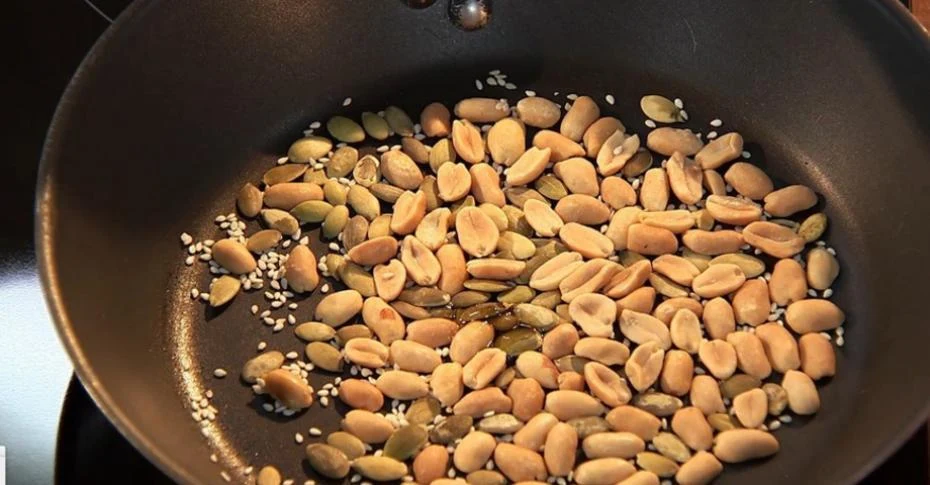
Roasting groundnuts, simsim and pumpkin seeds.
Procedure for roasting groundnuts
- Select good-quality groundnuts.
- Remove stones and unwanted materials.
- Sort out damaged nuts.
- Clean the groundnuts appropriately.
- Prepare suitable roasting equipment.
- Apply controlled heat.
- Stir regularly to promote even roasting.
- Remove the groundnuts when sufficiently roasted.
- Allow them to cool.
- Package them in clean containers.
Importance of roasting
- Improves flavour.
- Changes the texture.
- Makes some products more attractive.
- Provides a different form of food for consumption.
- Creates opportunities for selling processed products.
D. Milling and grinding
Milling is the process of reducing agricultural produce into smaller particles or powder using suitable equipment.
Grinding is a similar process that breaks produce into smaller pieces or paste.
Examples include:
- Cassava flour.
- Sweet potato flour.
- Groundnut paste.
- Pumpkin flour.
- Simsim paste.
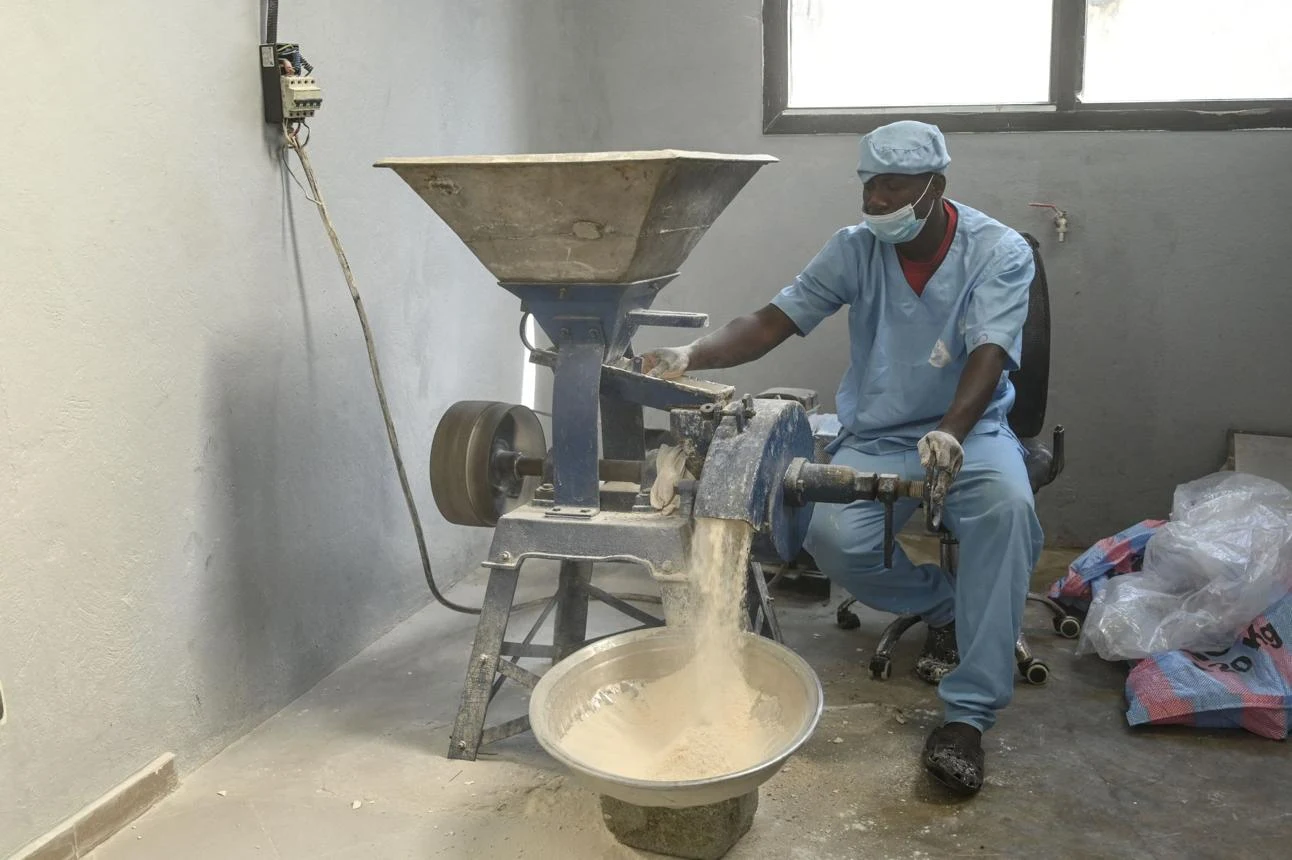
Milling dried cassava into flour.
E. Packaging
Packaging is placing processed agricultural products in suitable containers or materials to protect them and make handling easier.
Examples include:
- Plastic food-grade bags.
- Paper bags suitable for dry foods.
- Bottles.
- Jars.
- Food-grade containers.
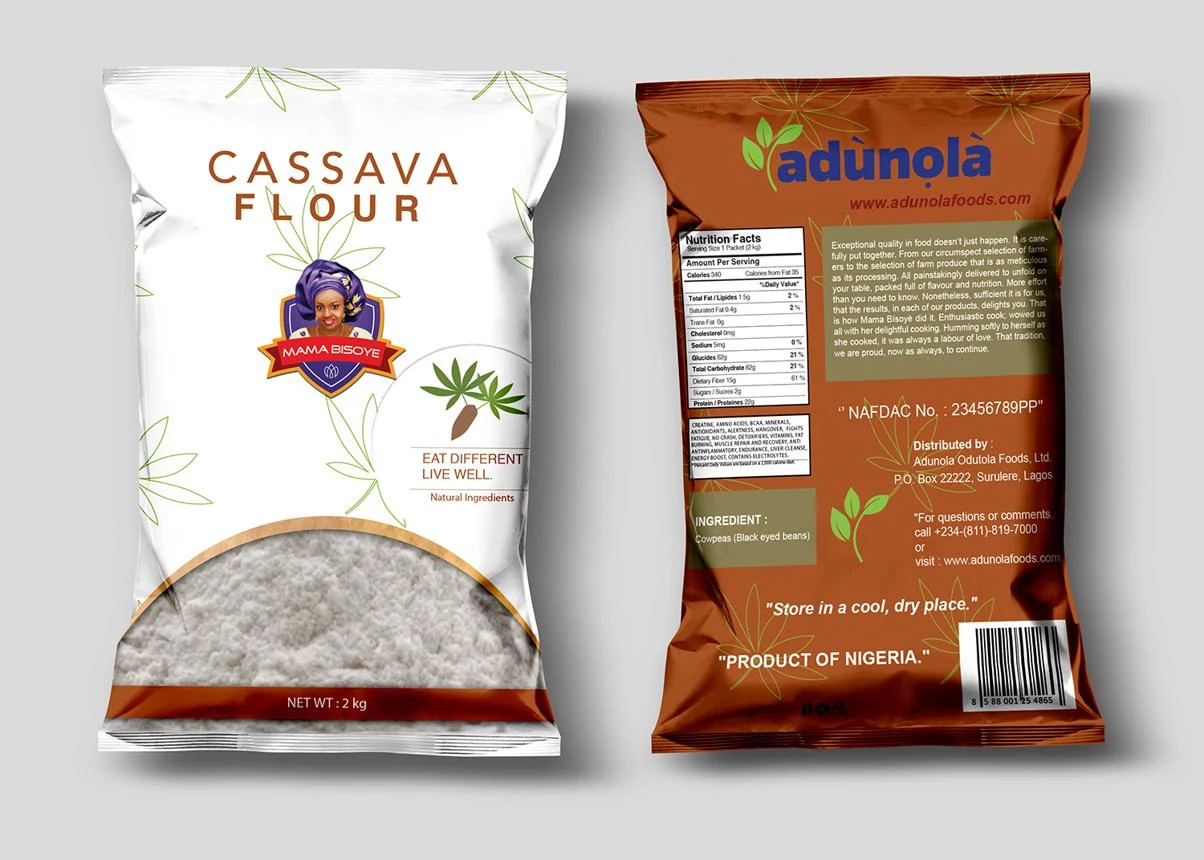
Packaging processed agricultural products for storage and sale.
Importance of packaging
- Protects products from contamination.
- Improves product presentation.
- Makes transportation easier.
- Helps maintain product quality.
- Makes storage easier.
- Provides space for product labels.
- Supports marketing.
5. Adding value to selected crop produce
The curriculum identifies potatoes, cassava, groundnuts, simsim, sweet potatoes and pumpkins as examples of crops that can undergo value addition.
A. Potatoes
Potatoes can be processed into:
- Potato chips.
- Potato crisps.
- Dried potato pieces.
- Potato flour.
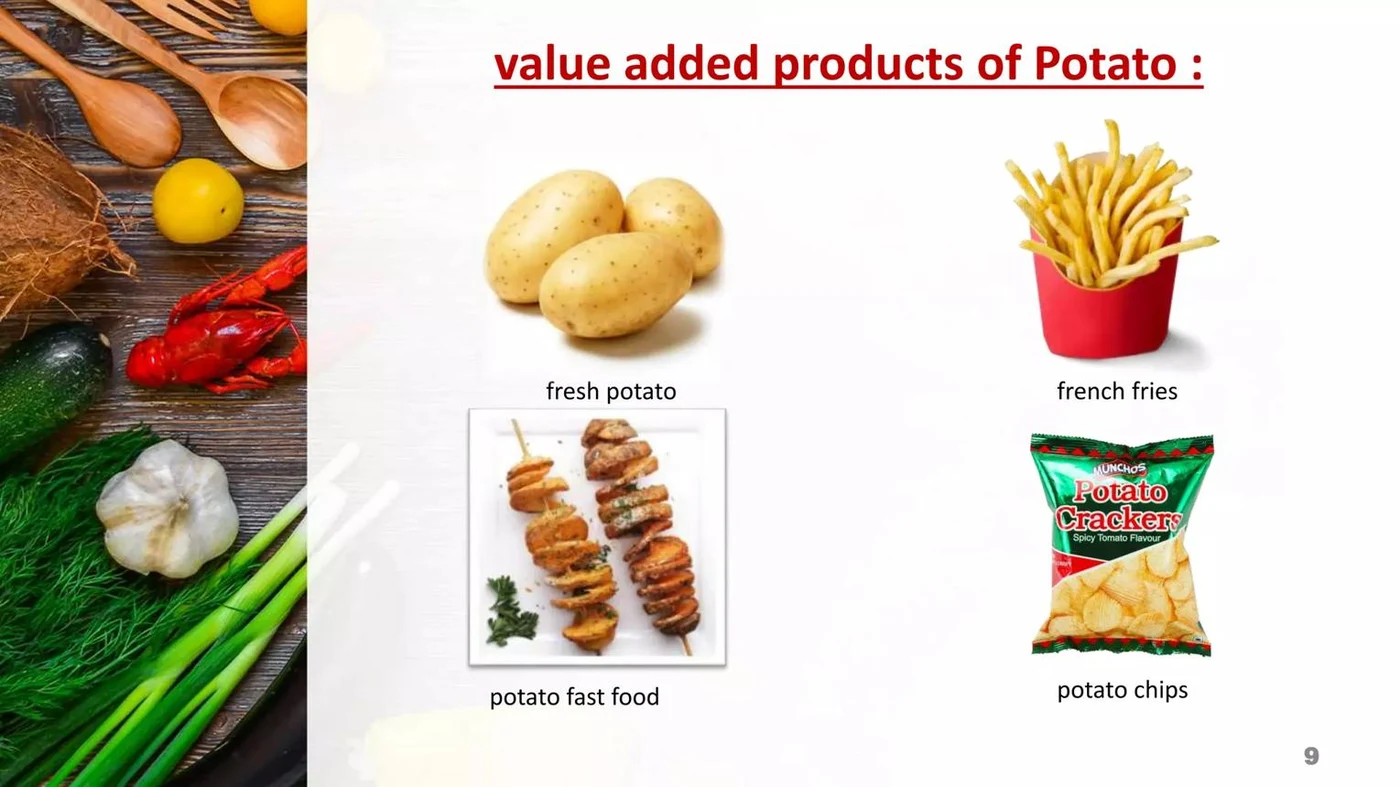
Different products obtained from potatoes.
Example: Processing potatoes into crisps
- Select fresh potatoes.
- Wash and peel them where necessary.
- Slice them thinly.
- Rinse and drain.
- Fry using suitable cooking oil.
- Remove excess oil.
- Cool the crisps.
- Package appropriately.
B. Cassava
Cassava is an important root crop grown for food.
It can be processed into:
- Cassava flour.
- Dried cassava chips.
- Cassava starch.
- Other suitable food products.
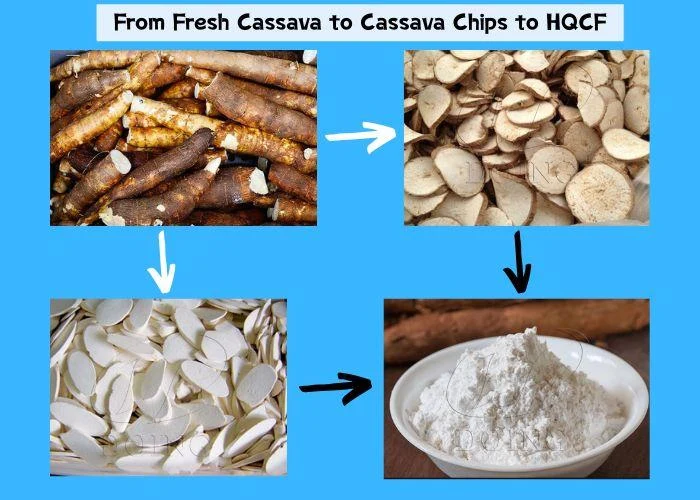
Cassava processed into dried chips and flour.
Example: Processing cassava into flour
- Select mature and healthy cassava roots.
- Remove damaged and rotten roots.
- Wash the roots thoroughly.
- Peel them.
- Process them using an approved method suitable for the cassava variety.
- Slice or grate the cassava.
- Apply the recommended soaking, fermentation or other detoxification process where required.
- Dry the processed cassava thoroughly.
- Mill the dried material into flour.
- Sieve where necessary.
- Package in clean, dry containers.
Food safety
Cassava must be properly processed before consumption because it naturally contains cyanogenic compounds. Learners should use established safe-processing procedures under teacher guidance.
C. Groundnuts
Groundnuts are oil-rich seeds grown for food and commercial purposes.
They can be processed into:
- Roasted groundnuts.
- Groundnut paste.
- Groundnut flour.
- Groundnut oil.
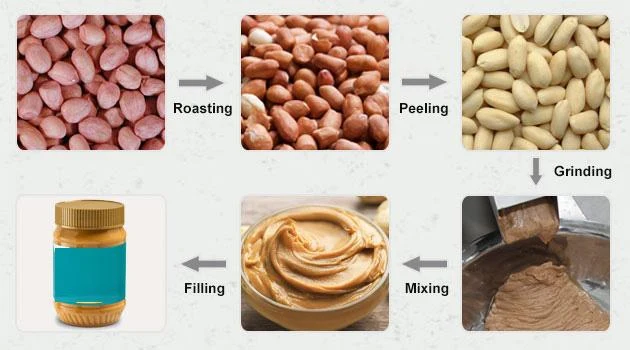
Products obtained through groundnut processing.
Example: Processing groundnuts into paste
- Select good-quality groundnuts.
- Remove stones and unwanted materials.
- Sort out damaged and mouldy nuts.
- Roast the groundnuts appropriately.
- Allow them to cool.
- Remove the loose outer skins where necessary.
- Grind the nuts into paste using suitable equipment.
- Place the paste in clean containers.
- Seal the containers properly.
- Store under suitable conditions.
D. Simsim
Simsim, also called sesame, is an oilseed crop grown for its edible seeds.
It can be processed into:
- Roasted simsim.
- Simsim paste.
- Simsim flour.
- Sesame oil.
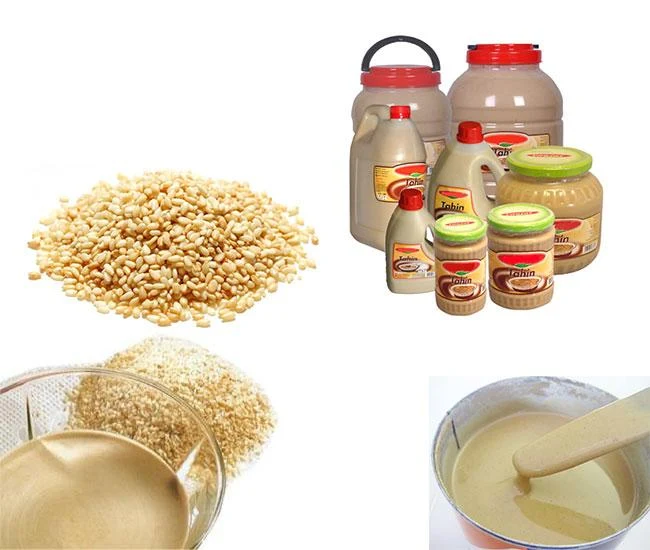
Different products obtained from simsim.
Example: Preparing roasted simsim
- Select good-quality simsim seeds.
- Remove stones and other unwanted materials.
- Sort the seeds.
- Clean them appropriately.
- Drain excess water if washed.
- Roast using controlled heat.
- Stir regularly.
- Remove when sufficiently roasted.
- Allow the seeds to cool.
- Package in suitable containers.
E. Sweet potatoes
Sweet potatoes are root crops grown for their edible storage roots.
They can be processed into:
- Sweet potato crisps.
- Dried sweet potato slices.
- Sweet potato flour.
- Sweet potato chips.
- Other suitable food products.
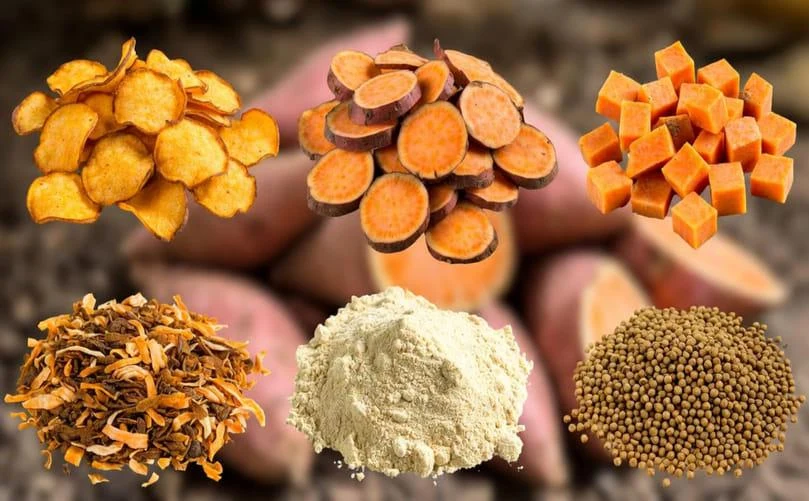
Value-added products from sweet potatoes.
Example: Processing sweet potatoes into dried slices
- Select healthy sweet potatoes.
- Wash them thoroughly.
- Peel where necessary.
- Slice into suitable pieces.
- Arrange the slices on clean drying trays.
- Dry using a suitable drying method.
- Protect them from contamination.
- Allow them to dry sufficiently.
- Cool the slices.
- Package in suitable containers.
F. Pumpkin
Pumpkin is a crop grown for its edible fruits and seeds.
Different parts of the pumpkin can be used in food preparation.
It can be processed into:
- Dried pumpkin slices.
- Pumpkin flour.
- Pumpkin seed products.
- Pumpkin puree.
- Roasted pumpkin seeds.
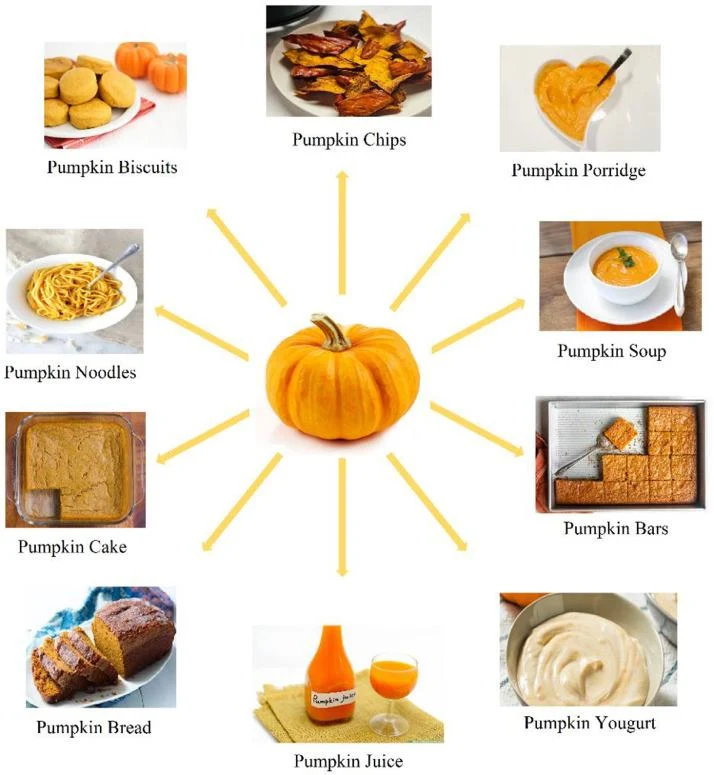
Different products obtained from pumpkins.
Example: Processing pumpkin into dried slices
- Select a mature and healthy pumpkin.
- Wash the outer surface.
- Cut the pumpkin carefully.
- Remove the seeds and unwanted internal materials.
- Peel where appropriate.
- Cut the flesh into suitable slices.
- Arrange the slices on clean drying trays.
- Dry under suitable conditions.
- Protect the slices from dust and insects.
- Package the dried product properly.
6. Comparing raw and processed crop produce
|
Crop |
Raw product |
Value-added product |
|---|---|---|
|
Potatoes |
Fresh potatoes |
Crisps and chips |
|
Cassava |
Fresh cassava roots |
Flour and dried chips |
|
Groundnuts |
Raw groundnuts |
Groundnut paste |
|
Simsim |
Raw sesame seeds |
Roasted simsim and paste |
|
Sweet potatoes |
Fresh sweet potatoes |
Flour and dried chips |
|
Pumpkin |
Fresh pumpkin |
Dried pumpkin and flour |
7. Importance of comparing raw and processed products
Farmers and food processors compare raw and processed products to determine the benefits of value addition.
They consider:
A. Monetary value
They compare the selling price of raw produce with the selling price of processed products.
B. Storage life
They examine how long the raw and processed products can remain in good condition under suitable storage.
C. Quality
They compare the appearance, taste, texture and cleanliness of the products.
D. Convenience
They consider whether processing makes the products easier to transport, prepare or consume.
E. Production costs
They compare the cost of processing, packaging, labour and transportation with the additional income obtained.
8. Food hygiene during value addition
Food safety is important during crop processing.
Good practices include:
- Wash hands before handling food.
- Clean processing equipment.
- Use safe water.
- Remove rotten crop materials.
- Protect produce from dust and insects.
- Use clean drying surfaces.
- Avoid placing food directly on dirty ground.
- Use suitable food-grade packaging.
- Store processed products correctly.
- Observe recommended food-processing procedures.
9. Practical activity: Adding value to crop produce
Activity: Processing a selected crop
Materials:
- Potatoes, cassava, groundnuts, simsim, sweet potatoes or pumpkin.
- Suitable processing equipment.
- Clean water.
- Drying trays or cooking equipment.
- Food-grade packaging.
Procedure:
- Select one crop.
- Identify a suitable value-addition method.
- Sort the crop produce.
- Remove damaged materials.
- Clean and prepare the produce.
- Process it using an appropriate method.
- Allow the product to cool or dry where necessary.
- Package the processed product.
- Compare it with the original raw produce.
- Discuss changes in appearance, storage life and market value.
10. Key inquiry questions
Q1. Why do we add value to crop produce?
We add value to improve product quality, increase market value, extend storage life, reduce post-harvest losses and create income-generating opportunities.
Q2. How can we add value to crop produce?
We can add value through drying, frying, roasting, milling, grinding and packaging.
11. Revision questions and answers
Q1. What is value addition?
It is improving the usefulness, quality, storage life or market value of agricultural produce through processing and other suitable activities.
Q2. Name six crops that can undergo value addition.
Potatoes, cassava, groundnuts, simsim, sweet potatoes and pumpkins.
Q3. Define drying.
Drying is removing moisture from agricultural produce to improve its storage life.
Q4. What is frying?
Frying is cooking food using hot cooking oil or fat.
Q5. State five advantages of adding value to crop produce.
- Increases market value.
- Extends storage life.
- Reduces post-harvest losses.
- Creates employment.
- Increases household income.
Q6. Give three products obtained from cassava.
Cassava flour, dried cassava chips and cassava starch.
Q7. Name three products obtained from groundnuts.
Groundnut paste, roasted groundnuts and groundnut oil.
Q8. Why should agricultural produce be packaged?
Packaging protects products from contamination and makes storage, transportation and marketing easier.
Q9. Differentiate between raw and processed crop produce.
Raw produce is obtained directly from harvesting, while processed produce has undergone activities that improve its usefulness, quality or storage life.
Q10. Why should cassava be properly processed before consumption?
Because it naturally contains cyanogenic compounds that may cause poisoning if it is not properly processed.