
1. Introduction
Soap is an important household product used for cleaning the body, clothes, utensils and other surfaces.
It helps remove dirt, grease and some microorganisms from different surfaces.
Soap can be manufactured commercially or prepared at home using suitable ingredients.
Homemade soap is soap prepared using available ingredients and simple processing methods for household use.
The KICD curriculum introduces the use of natural ingredients such as:
- Ashes.
- Salt.
- Water.
- Animal fats.
- Plant oils.
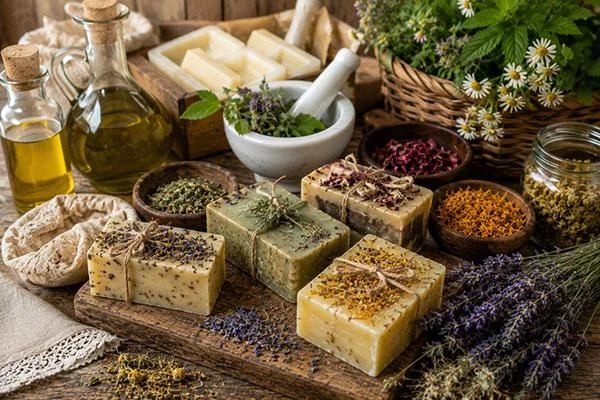
Homemade soap prepared using suitable ingredients.
2. Forms of soap used at household level
Soap is available in different forms depending on how it is manufactured and used.
The four main forms studied are:
A. Liquid soap
Liquid soap is soap available in liquid form.
It is commonly used for:
- Washing hands.
- Washing utensils.
- Cleaning surfaces.
- General household cleaning.

Liquid soap used for household cleaning.
B. Cake or bar soap
Cake soap is solid soap manufactured in the form of bars or blocks.
It is commonly used for:
- Washing clothes.
- Bathing.
- Washing hands.
- General cleaning.
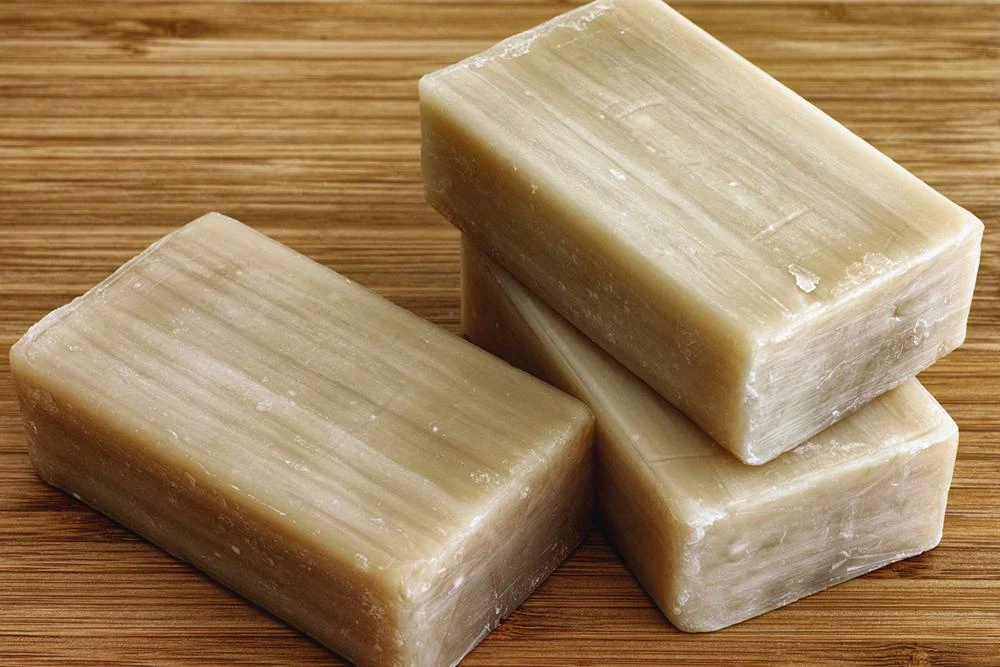
Cake or bar soap used in households.
C. Soap paste
Soap paste is soap prepared in a thick, semi-solid form.
It can be used for:
- Cleaning utensils.
- Washing clothes.
- Scrubbing suitable surfaces.
- General household cleaning.
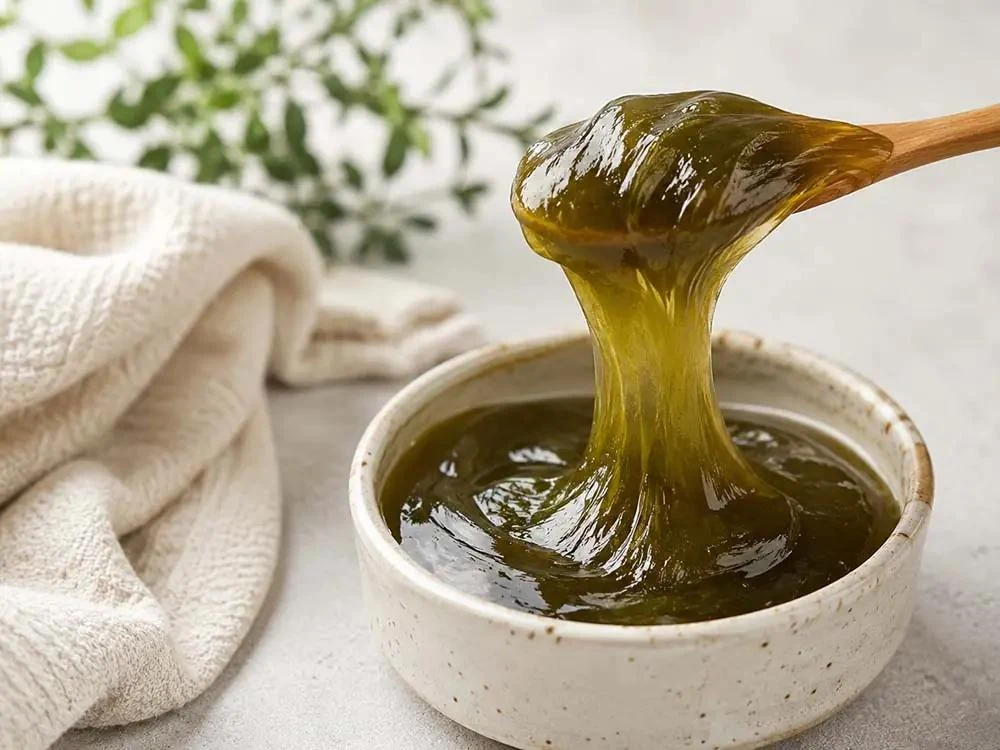
Soap paste used for household cleaning.
D. Powder soap
Powder soap is soap or detergent available in dry powdered form.
It is commonly used for:
- Washing clothes.
- Cleaning household fabrics.
- General laundry activities.
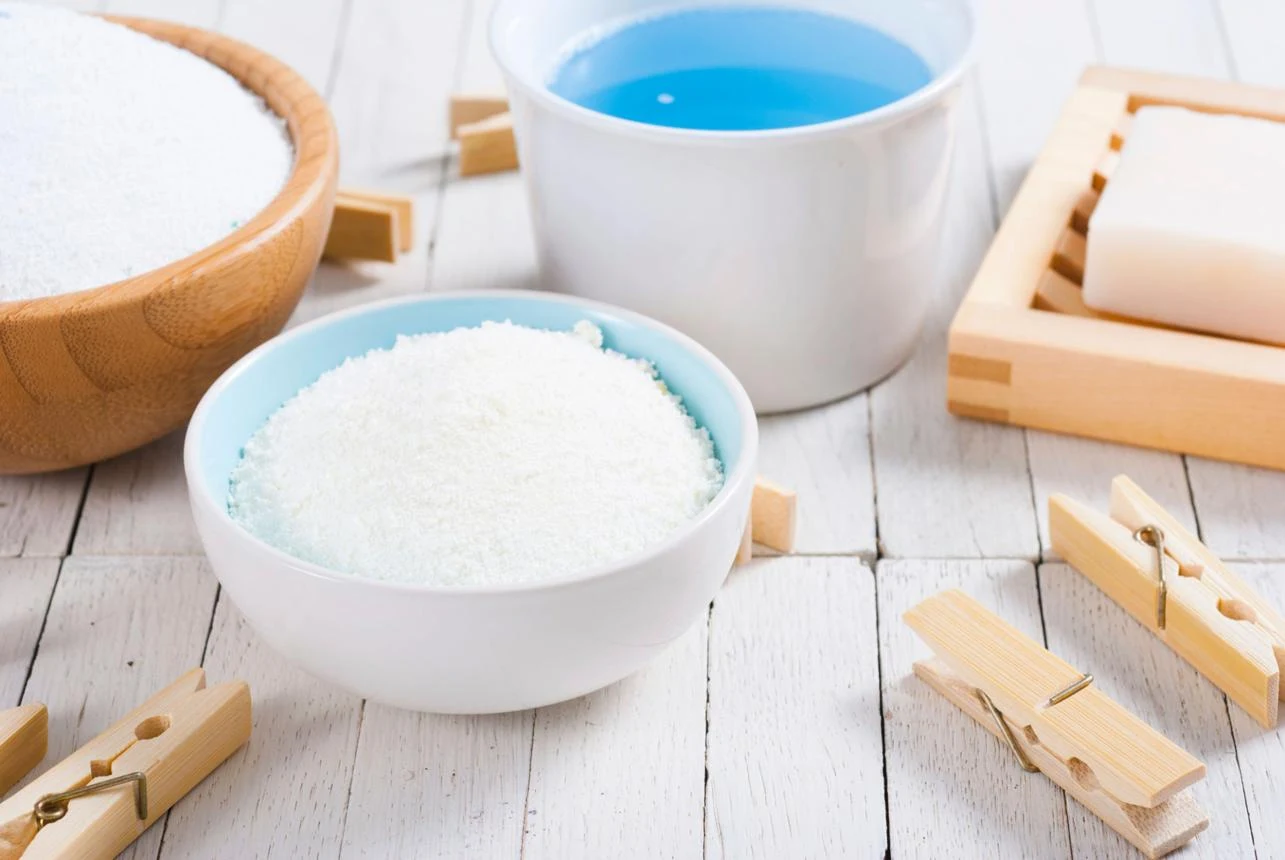
Powder soap used for laundry.
3. Importance of soap in the household
- It helps remove dirt from the body.
- It helps remove grease from utensils.
- It supports personal hygiene.
- It helps maintain clean clothes.
- It supports environmental cleanliness.
- It helps reduce the spread of some infectious diseases when used correctly with water and proper handwashing.
- It makes household cleaning easier.
4. Natural ingredients used in making homemade soap
A. Ashes
Ashes are the remains obtained after burning suitable plant materials or wood.
Some ashes contain alkaline substances that can be extracted using water.
The resulting alkaline liquid can be used in traditional soapmaking.
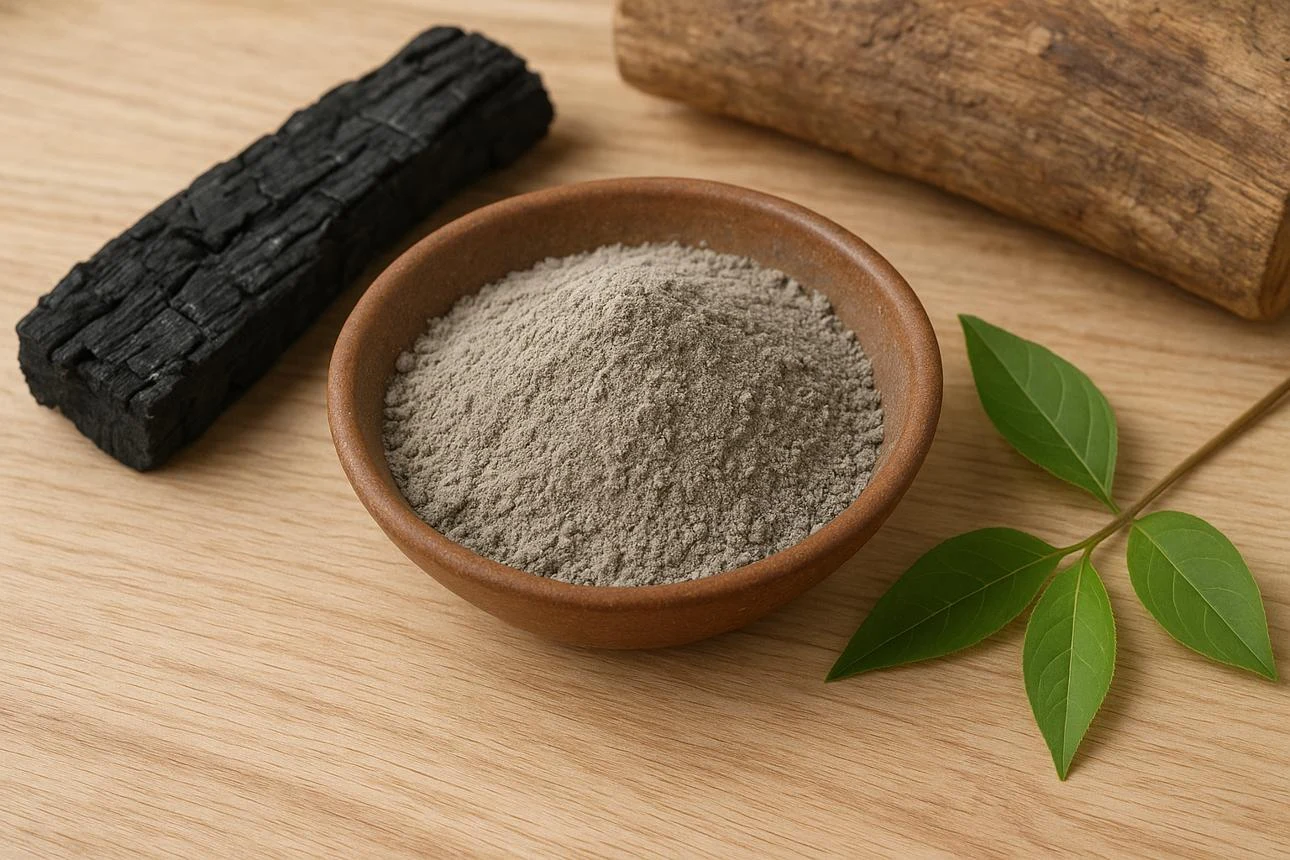
Wood ashes used in traditional soapmaking.
B. Water
Water is used during soap preparation to dissolve or extract suitable ingredients.
It also helps in combining the ingredients during processing.
Clean water should be used.
C. Animal fats
Animal fats are fats obtained from animals.
Examples include:
- Beef fat.
- Goat fat.
- Sheep fat.
Suitable animal fats can be processed and used in soapmaking.
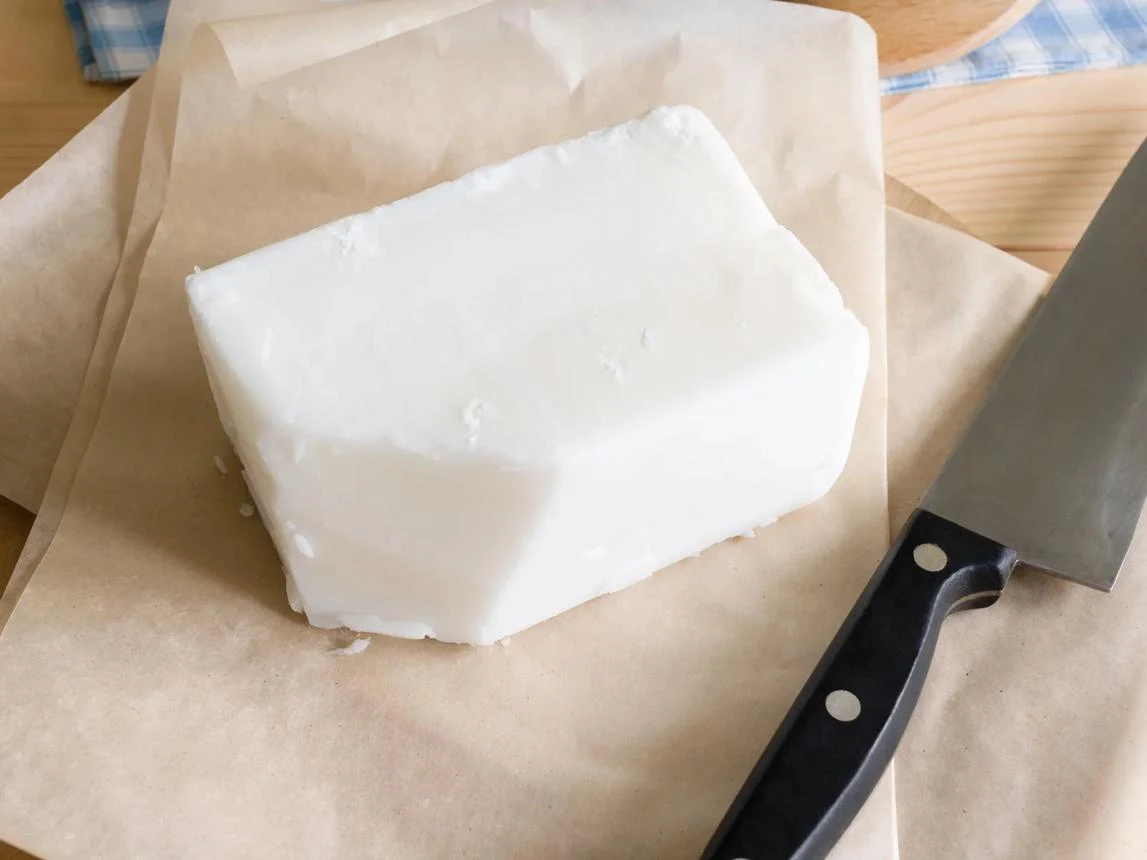
Animal fat as a traditional soapmaking ingredient.
D. Plant oils
Plant oils are oils obtained from plants.
Examples include:
- Coconut oil.
- Palm oil.
- Sunflower oil.
- Groundnut oil.
- Olive oil.
These oils can be used in soap production.
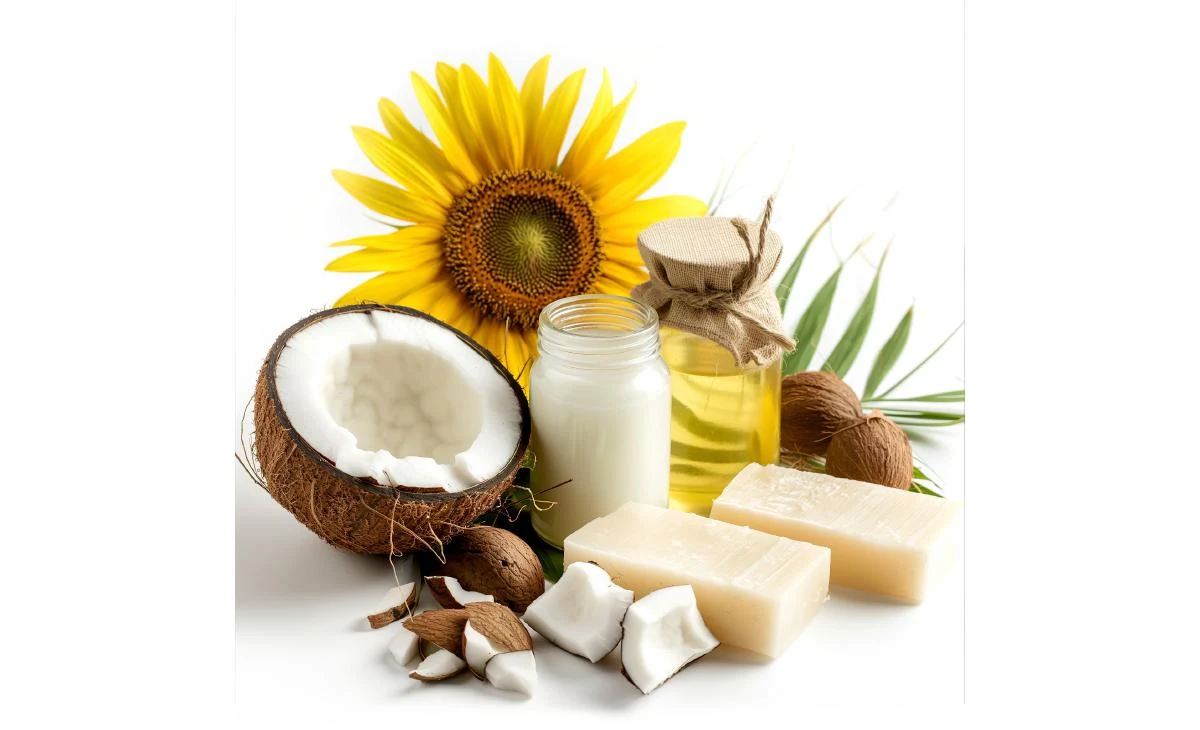
Different plant oils used in soapmaking.
E. Salt
Salt is used in some traditional soapmaking methods.
It may help separate soap from the remaining liquid during processing.
The amount and method of use depend on the soapmaking process.
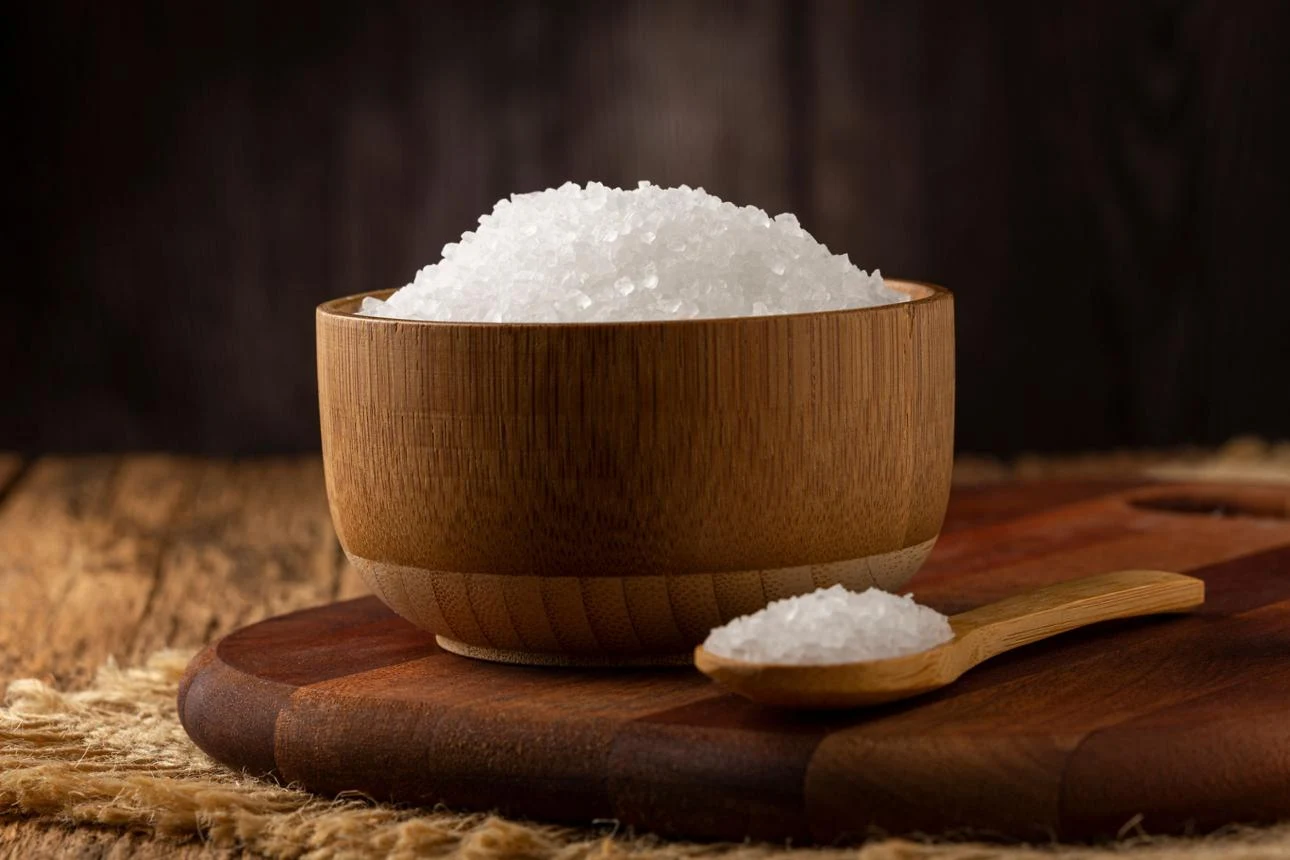
Salt used in some traditional soapmaking processes.
5. How soap is formed
Soap is produced when suitable fats or oils react with an alkaline substance in a process called saponification.
Saponification is a chemical reaction in which fats or oils react with an alkali to produce soap and glycerol.
In traditional soapmaking, the alkali may be obtained from suitable wood or plant ashes.
In modern soapmaking, substances such as sodium hydroxide or potassium hydroxide may be used.
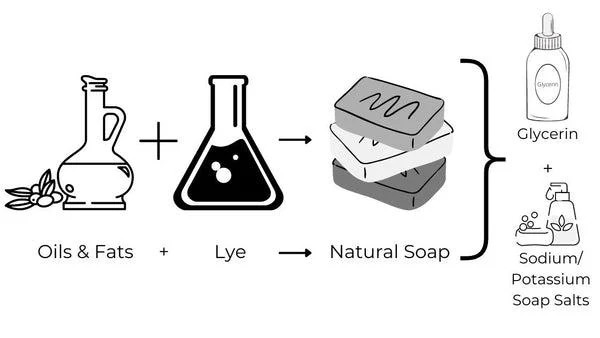
The basic process involved in soap formation.
Basic materials involved in soap formation
|
Ingredient |
Function |
|---|---|
|
Animal fat |
Provides fats for soap formation |
|
Plant oil |
Provides oils for soap formation |
|
Alkaline solution |
Reacts with fats and oils |
|
Water |
Helps dissolve or prepare ingredients |
|
Salt |
May assist in separating soap in some traditional methods |
6. Traditional procedure for making homemade soap
The following explains the traditional process using suitable natural ingredients.
Teacher supervision required
Important safety note: Ash-derived alkali can be strongly corrosive. Modern soapmaking may use caustic soda, which can cause severe skin and eye burns. Learners must not prepare or handle concentrated alkali. The process should be demonstrated by a trained adult using appropriate protective equipment.
Step 1: Collect the ingredients
Obtain suitable:
- Clean plant ashes.
- Animal fat or plant oil.
- Water.
- Salt where required by the selected method.
Ensure that the ingredients are suitable for soap production.
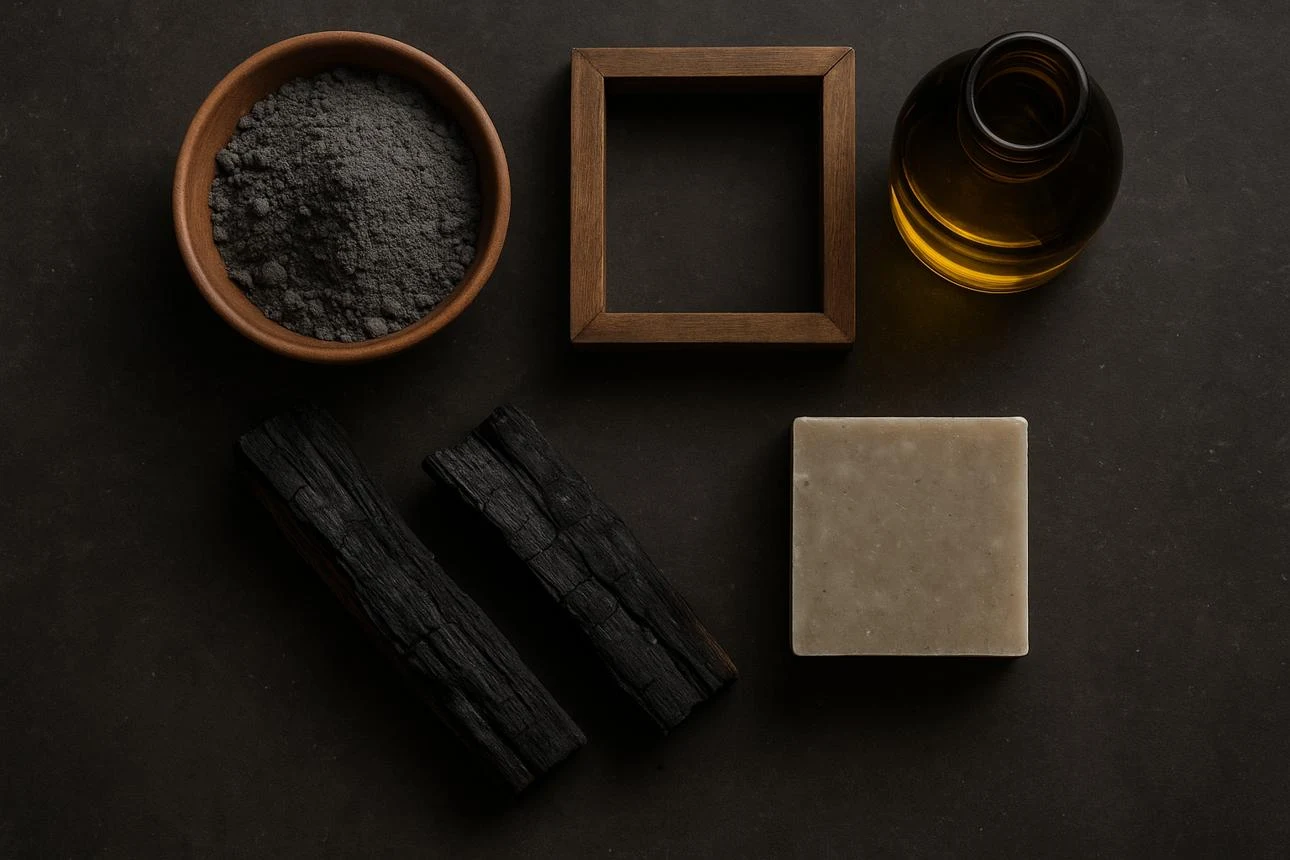
Ingredients used in traditional soapmaking.
Step 2: Prepare the alkaline solution
In traditional soapmaking, suitable ashes are mixed with water to extract an alkaline liquid.
The liquid is separated from the solid ash particles through appropriate filtration.
This stage must be handled by a trained adult because the resulting liquid may be corrosive.
Step 3: Prepare the fats or oils
Suitable animal fats or plant oils are prepared for processing.
Animal fats may require rendering and filtering to remove unwanted solid materials.
Plant oils should be clean and suitable for soap production.
Step 4: Combine the ingredients
A trained adult carefully combines the prepared alkaline solution with the suitable fats or oils.
The mixture is stirred using appropriate equipment.
The reaction gradually produces soap.
Step 5: Separate the soap where necessary
In some traditional processes, salt is used to help separate the soap from the remaining liquid.
The exact procedure depends on the method used.
Step 6: Pour the soap mixture into moulds
The prepared soap mixture is placed into suitable moulds.
The moulds determine the shape and size of the finished soap.
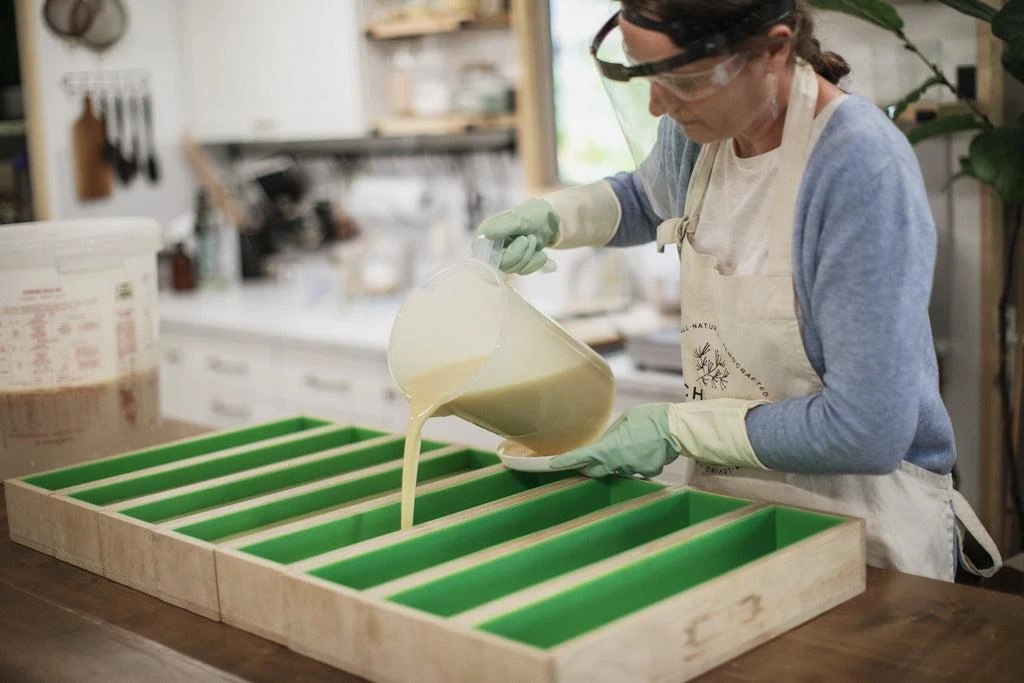
Pouring prepared soap into moulds.
Step 7: Allow the soap to set
The soap is left undisturbed under appropriate conditions to harden.
It should not be used before the soapmaking reaction has been completed and its safety confirmed.
Step 8: Remove and store the soap
After suitable processing and curing, the soap can be removed from the moulds.
It should be stored in a clean and dry place.
Homemade soap bars after moulding and curing.
7. Safety precautions when making homemade soap
Soapmaking requires careful handling of materials.
The following precautions are important:
- Wear suitable protective gloves.
- Protect the eyes when handling soapmaking chemicals.
- Work in a well-ventilated area.
- Keep children away from concentrated alkalis.
- Never taste soapmaking ingredients.
- Keep all ingredients away from food.
- Avoid direct contact with ash-derived alkaline solutions.
- Use suitable containers and equipment.
- Follow the instructions provided by a trained soapmaker.
- Store unfinished soap securely.
- Do not use soap before it has been properly processed and declared safe.
- If an alkali contacts the skin or eyes, immediately rinse with plenty of clean running water and seek urgent medical assistance.
Note for learners: A safer classroom activity is to observe a teacher-led demonstration or use a commercially prepared melt-and-pour soap base. This avoids learners handling concentrated alkalis.
8. Advantages of making homemade soap
- It can reduce household expenditure.
- It makes use of suitable locally available ingredients.
- It develops practical production skills.
- It promotes creativity and innovation.
- It may provide opportunities for income generation.
- It encourages self-reliance.
- It promotes cleanliness within the household.
- It provides opportunities for small-scale entrepreneurship.
9. Challenges of making homemade soap
- Some ingredients may be difficult to obtain.
- Soapmaking requires proper knowledge.
- Incorrect preparation may produce unsafe soap.
- Some traditional methods require considerable time.
- Processing requires appropriate equipment.
- Poor storage may affect the quality of finished soap.
- Handling alkaline ingredients without protection may cause injuries.
10. Uses of homemade soap
Homemade soap can be used for different household activities depending on its formulation and quality.
Examples include:
- Washing hands.
- Washing clothes.
- Cleaning utensils.
- Cleaning suitable household surfaces.
- General household cleaning.
11. Practical activity: Making homemade soap
Activity: Identifying ingredients and observing soap production
Materials:
- Samples or pictures of wood ashes.
- Plant oil.
- Animal fat.
- Water.
- Salt.
- Different forms of soap.
- Soap moulds.
Procedure:
- Identify the different forms of soap used in households.
- Observe the natural ingredients used in soapmaking.
- Discuss the function of each ingredient.
- Observe a teacher-led demonstration of soap production.
- Identify the stages involved in preparing soap.
- Observe the prepared soap being placed into moulds.
- Discuss the importance of proper curing and storage.
- Display different soap products.
- Explain the uses of homemade soap.
Assessment activity: Learners should identify the ingredients, explain their functions and describe the soapmaking process.
12. Key inquiry question
How can we make soap using natural ingredients?
Homemade soap can be made by combining suitable animal fats or plant oils with an alkaline solution prepared from appropriate ashes. The mixture is processed through saponification, placed in moulds and allowed to set and cure safely.
13. Revision questions and answers
Q1. What is homemade soap?
It is soap prepared at home using suitable ingredients and processing methods.
Q2. Name four forms of soap used at household level.
Liquid soap, cake soap, soap paste and powder soap.
Q3. Identify five natural ingredients used in traditional soapmaking.
Ashes, salt, water, animal fats and plant oils.
Q4. What is saponification?
It is the chemical reaction in which fats or oils react with an alkali to produce soap and glycerol.
Q5. Give three examples of plant oils used in soapmaking.
Coconut oil, palm oil and sunflower oil.
Q6. What is the importance of ashes in traditional soapmaking?
Suitable ashes can provide alkaline substances used in soap production.
Q7. State four advantages of homemade soap.
- Reduces household expenditure.
- Develops practical skills.
- Encourages self-reliance.
- Can generate income.
Q8. Why should soapmaking chemicals be handled carefully?
Some alkaline ingredients are corrosive and can cause serious skin and eye injuries.
Q9. Why is curing important in soapmaking?
It allows the soap to complete the required processing and become suitable for use when properly tested and confirmed safe.
Q10. State four uses of soap.
Washing hands, washing clothes, cleaning utensils and cleaning household surfaces.
|
Term |
Meaning |
|---|---|
|
Grilling |
Cooking food using direct heat |
|
Roasting |
Cooking food using dry heat |
|
Steaming |
Cooking food using hot water vapour |
|
Animal hygiene |
Practices that maintain cleanliness among domestic animals |
|
Feeder |
A container used to provide food to animals |
|
Waterer |
A container used to provide drinking water |
|
Ventilation |
Movement of fresh air into and out of a space |
|
Laundry |
Washing, drying and finishing clothes |
|
Loose-coloured article |
A fabric whose dye may come out during washing |
|
Kneading and squeezing |
Gently pressing and squeezing fabric in soapy water |
|
Knitting |
Making fabric by joining loops of yarn |
|
Yarn |
A continuous strand of fibres used in knitting |
|
Knit stitch |
A basic stitch that produces a V-shaped appearance |
|
Purl stitch |
A basic stitch that produces a raised, bumpy appearance |
|
Casting on |
Creating the first row of knitting loops |
|
Casting off |
Securing the final knitting stitches |
|
Suspended garden |
A raised gardening structure used for growing crops |
|
Value addition |
Improving the usefulness, quality or market value of agricultural produce |
|
Drying |
Removing moisture from agricultural produce |
|
Frying |
Cooking food using hot oil or fat |
|
Soap |
A cleaning product used to remove dirt and grease |
|
Saponification |
The reaction of fats or oils with an alkali to produce soap |
END-OF-NOTES ASSESSMENT QUESTIONS
- Explain the meaning of grilling, roasting and steaming.
- Differentiate between grilling and roasting.
- Describe the procedure for steaming vegetables.
- Explain six reasons for maintaining hygiene when rearing domestic animals.
- Describe how to clean animal feeders and waterers.
- Explain the importance of proper ventilation in animal houses.
- Describe the procedure for laundering a loose-coloured article.
- Explain why loose-coloured clothes should be washed separately.
- Differentiate between knit and purl stitches.
- Describe the procedure for making a simple knitted scarf.
- Explain the importance of knitting skills in the household.
- Describe how to construct a framed suspended garden.
- Explain six advantages of framed suspended gardens.
- Identify suitable crops for growing in suspended gardens.
- Define value addition.
- Explain six benefits of adding value to crop produce.
- Describe how potatoes can be processed into crisps.
- Explain how cassava can be processed into flour safely.
- Describe how groundnuts can be processed into paste.
- Identify four forms of soap used at household level.
- Explain the natural ingredients used in traditional soapmaking.
- Describe the basic process of making homemade soap.
- State five safety precautions when making homemade soap.