
1. Introduction to Creative Arts and Sports
Creative Arts and Sports is a learning area that combines artistic expression, physical activities, creativity and talent development.
It allows learners to express their ideas, feelings and experiences through different forms of art and physical activities.
Creative Arts and Sports also helps learners develop physical fitness, communication skills, teamwork and appreciation of different cultures.
People participate in creative arts and sports for various reasons. Some participate for entertainment, while others participate for education, competition, income generation and cultural preservation.
2. Categories of Creative Arts and Sports
Creative Arts and Sports has four main categories:
- Visual Arts.
- Music and Dance.
- Drama and Film.
- Sports.
A. Visual Arts
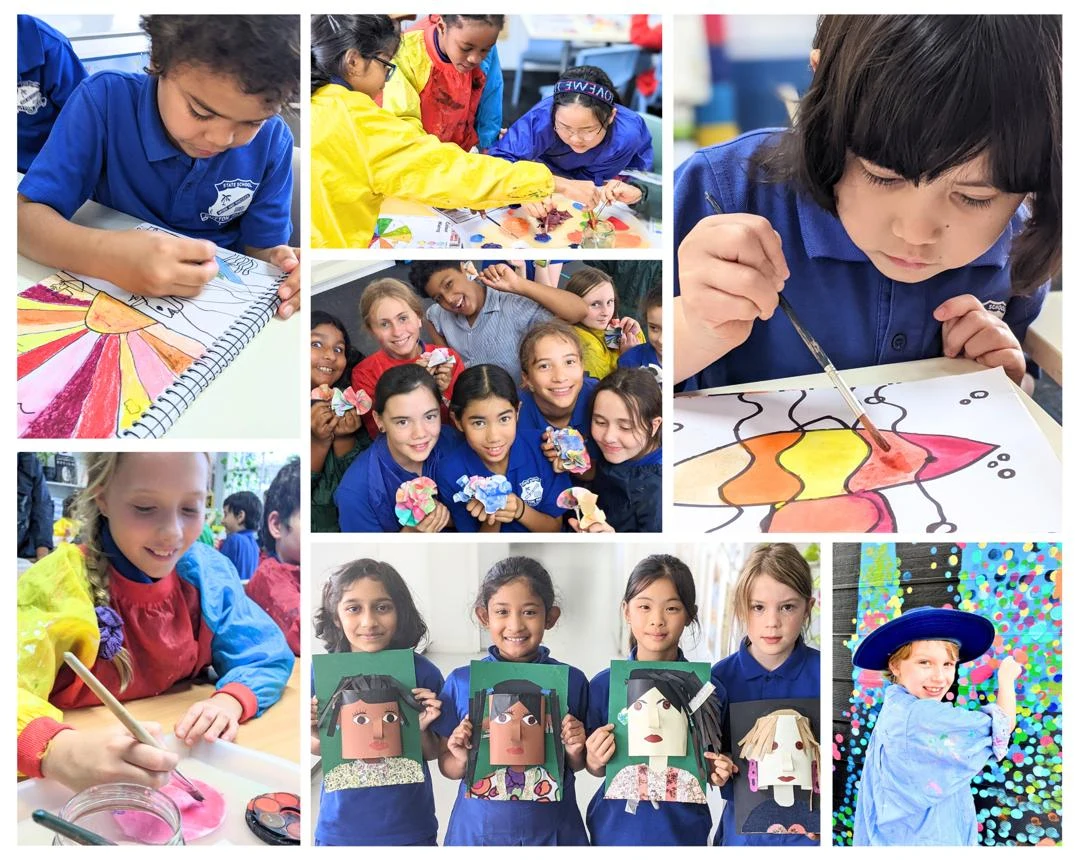
Learners explore visual arts through drawing, painting and collage.
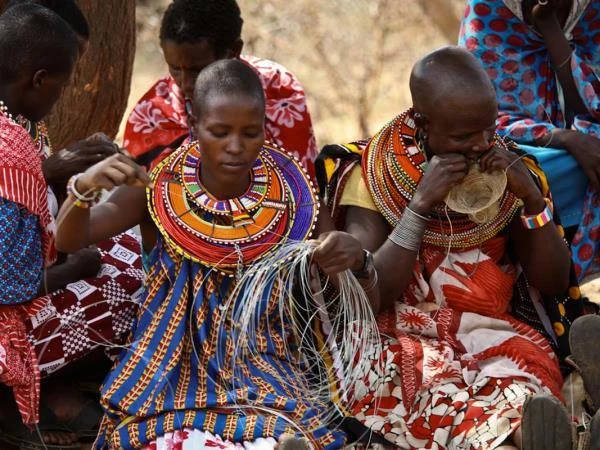
Beadwork is one example of a traditional visual art.
Visual Arts refers to artistic activities that communicate ideas through things that people can see.
Artists use different materials, tools, colors, shapes and techniques to produce artworks.
Examples of visual arts include:
- Drawing: Producing pictures using pencils, charcoal, crayons and other drawing materials.
- Painting: Applying paint to a surface using brushes or other suitable tools.
- Sculpture: Creating three-dimensional objects by shaping or carving materials.
- Collage: Creating an artwork by arranging and pasting different materials onto a surface.
- Beadwork: Making decorative objects using beads, strings and other materials.
- Pottery: Making objects using clay.
Importance of visual arts
- Develops creativity and imagination.
- Provides opportunities for self-expression.
- Preserves cultural practices and traditions.
- Develops hand-eye coordination.
- Provides opportunities for employment and income generation.
- Improves observation and problem-solving skills.
- Makes the environment attractive through decoration.
B. Music and Dance
Music is an art that involves organizing sounds to create enjoyable and meaningful compositions.
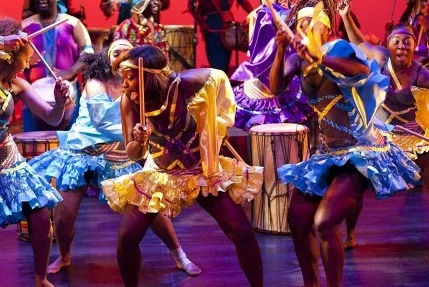
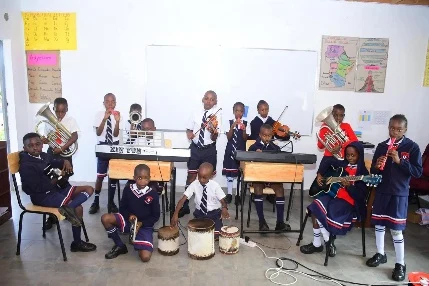
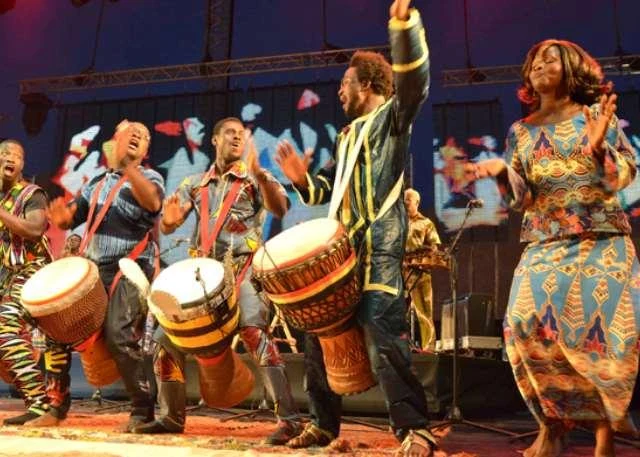
Music and dance bring together rhythm, movement and cultural expression.
Music uses elements such as rhythm, melody, pitch, tempo and dynamics.
Dance involves moving the body rhythmically in response to music or other forms of sound.
People use music and dance to communicate messages, celebrate important occasions and express emotions.
Examples of music activities
- Singing.
- Playing musical instruments.
- Composing songs.
- Performing folk songs.
- Listening to music.
- Reading musical notation.
Examples of dance activities
- Traditional dances.
- Contemporary dance.
- Cultural dances.
- Creative movement.
- Choreographed performances.
Importance of music and dance
- Preserve cultural traditions.
- Provide entertainment.
- Promote physical fitness.
- Develop coordination and body movement.
- Communicate important messages.
- Promote unity and cooperation.
- Develop confidence and self-expression.
C. Drama and Film
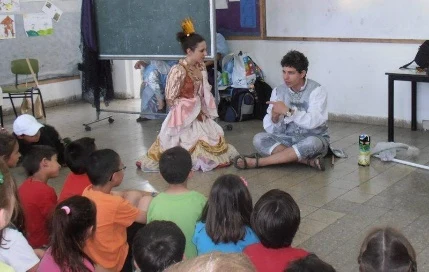

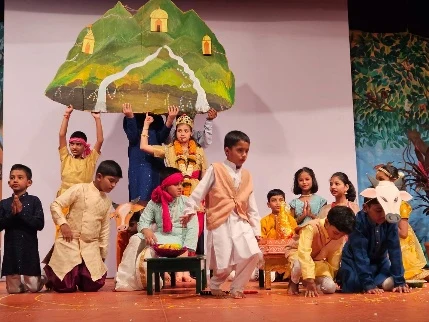
Drama and film communicate stories through acting and recorded performance.
Drama is an art that involves presenting stories, situations and experiences through acting and performance.
Film is a visual recording of moving images that communicates stories, information or entertainment.
Drama and film use different techniques to communicate messages to an audience.
Elements used in drama and film
- Characters: People or figures who take part in a story.
- Dialogue: Words spoken by characters.
- Setting: The place and time where events happen.
- Plot: The sequence of events in a story.
- Costumes: Clothes worn by performers to represent characters.
- Props: Objects used by performers during a presentation.
- Sound: Music and other sounds that support a performance.
Examples of drama activities
- Role-playing.
- Storytelling.
- Acting.
- Improvisation.
- Mime.
- Stage performances.
Importance of drama and film
- Develops communication skills.
- Promotes creativity and imagination.
- Educates people about social issues.
- Preserves cultural stories.
- Builds confidence.
- Provides entertainment.
- Develops teamwork and cooperation.
D. Sports
Sports refers to physical activities and games performed individually or in teams.
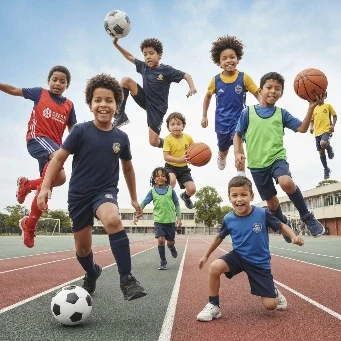
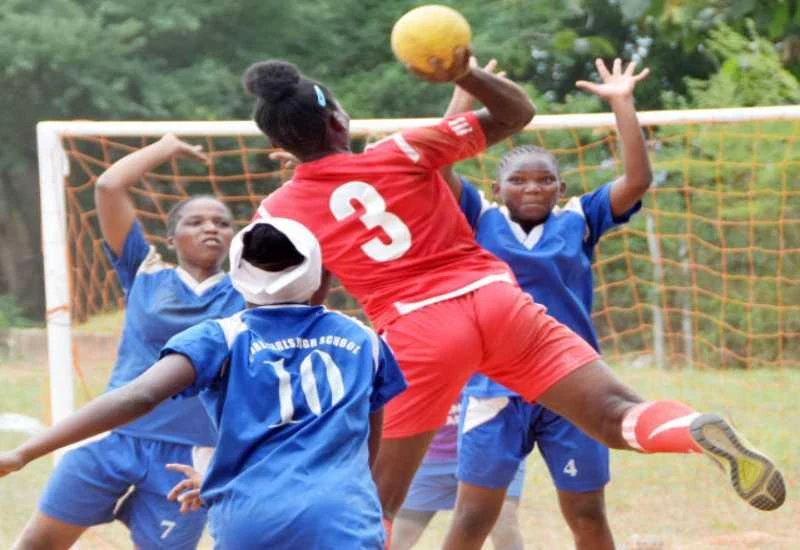
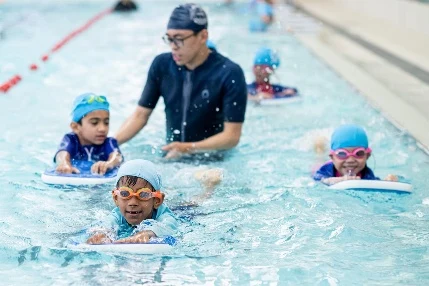
Sports develop physical skills, fitness and cooperation.
Sports activities may involve competition, recreation, physical fitness and skill development.
Some sports require special equipment, while others require little or no equipment.
Examples of sports
- Football.
- Handball.
- Athletics.
- Basketball.
- Volleyball.
- Swimming.
- Tennis.
- Gymnastics.
Importance of sports
- Improves physical fitness.
- Develops strength and coordination.
- Promotes teamwork.
- Encourages discipline.
- Promotes friendship.
- Develops leadership skills.
- Provides entertainment.
- Promotes healthy living.
3. Meaning of Collage
A collage is an artwork created by arranging and attaching different materials onto a supporting surface.
The materials may include pictures, photographs, newspapers, magazines, colored papers, fabric and natural materials.
Collage allows artists to combine different textures, colors, shapes and images to communicate ideas.
4. Materials Used in Making a Collage
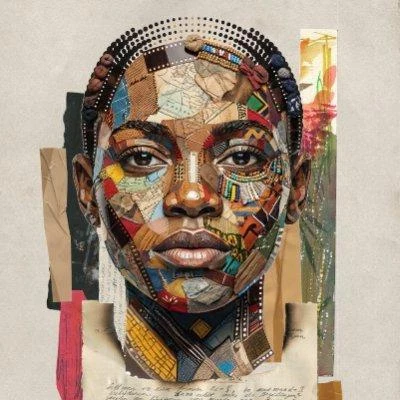

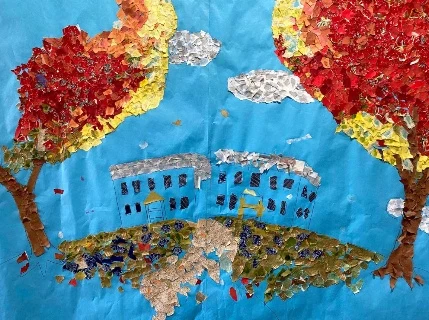
A collage combines pictures and materials to create a unified artwork.
The following materials can be used:
|
Material |
Function |
|---|---|
|
Old newspapers |
Provide printed pictures and text |
|
Magazines |
Provide colorful pictures |
|
Colored paper |
Provides different colors and shapes |
|
Photographs |
Provide images for the artwork |
|
Fabric pieces |
Provide texture |
|
Leaves |
Provide natural shapes and patterns |
|
Glue |
Attaches materials to the surface |
|
Scissors |
Cut materials into different shapes |
|
Mounting paper |
Provides the working surface |
5. Steps in Making a Collage
- Identify the theme of the collage.
- Collect suitable materials.
- Select pictures and other materials related to the theme.
- Cut the materials into suitable shapes and sizes.
- Arrange the materials on the mounting surface.
- Experiment with different arrangements before pasting.
- Apply glue to attach the materials.
- Allow the collage to dry.
- Display the completed artwork.
- Give and receive feedback about the artwork.
6. Relationships Among the Categories of Creative Arts and Sports
The four categories are connected because they share several characteristics and can support one another during performances and activities.
The relationships can be explained as follows:
A. Function
Creative arts and sports serve different purposes, including entertainment, education, communication and cultural preservation.
For example, a traditional dance can entertain people while teaching them about their cultural practices.
B. Execution
Execution refers to how an activity is carried out or performed.
All categories require skills and preparation.
For example:
- A painter must understand painting techniques.
- A musician must understand rhythm and melody.
- An actor must understand character presentation.
- A football player must understand ball control.
C. Visual presentation
All categories involve elements that can be seen by an audience.
For example, paintings communicate through images, while sports performances involve body movements and players' attire.
D. Competition
Some activities in creative arts and sports involve competition.
Examples include:
- Music competitions.
- Drama festivals.
- Drawing competitions.
- Football tournaments.
E. Audience
An audience consists of people who watch or listen to a performance.
Music, dance, drama, film and sports performances may attract audiences who appreciate the activities.
F. Attire
Attire refers to clothing worn during an activity or performance.
Examples include:
- Traditional costumes worn during cultural dances.
- Sports uniforms worn during football matches.
- Special costumes worn by drama performers.
G. Themes
A theme is the main idea or subject communicated through an artistic work or performance.
Examples include environmental conservation, patriotism, peace, love and unity.
H. Team effort
Many creative arts and sports activities require people to work together.
For example, a drama performance requires actors, costume designers and other supporting participants to cooperate.
A football team also depends on cooperation among players to achieve its objectives.
7. Differences Between the Four Categories
|
Category |
Main activity |
Examples |
|---|---|---|
|
Visual Arts |
Creating visible artworks |
Drawing, painting, collage |
|
Music and Dance |
Organizing sounds and body movements |
Singing, dancing |
|
Drama and Film |
Presenting stories through acting and recorded images |
Theatre, acting |
|
Sports |
Physical activities and games |
Football, swimming |
8. Values Developed Through Creative Arts and Sports
- Respect: Appreciating the abilities and contributions of others.
- Cooperation: Working together to achieve a common goal.
- Responsibility: Taking care of materials and equipment.
- Patriotism: Showing love and commitment to one's country.
- Tolerance: Accepting differences among people.
- Discipline: Following instructions and established rules.
- Integrity: Being honest during activities and competitions.
9. Practical Activity: Making a Collage
Activity: Create a collage showing the four categories of Creative Arts and Sports.
Requirements:
- Mounting paper.
- Glue.
- Scissors.
- Newspapers.
- Magazines.
- Photographs.
- Colored paper.
Procedure:
- Divide the mounting paper into four sections.
- Label each section using the four categories.
- Collect pictures representing each category.
- Cut out the pictures carefully.
- Arrange them in their appropriate sections.
- Paste the pictures.
- Write a suitable title.
- Display the collage for assessment.
Summary
- Creative Arts and Sports has four main categories.
- The categories are Visual Arts, Music and Dance, Drama and Film, and Sports.
- Collage is an artwork made by combining different materials on a surface.
- The categories are related through their functions, execution, presentation, competition, audience, attire, themes and teamwork.
- Creative Arts and Sports promotes creativity, fitness, cultural preservation and cooperation.
Revision Questions
- Define Creative Arts and Sports.
- Identify the four categories of Creative Arts and Sports.
- Explain five importance of Visual Arts.
- Differentiate between drama and film.
- What is a collage?
- Identify five materials used in making a collage.
- Explain five relationships among the categories of Creative Arts and Sports.
- Describe the steps involved in making a collage.