
Introduction
An oral narrative is a story passed from one generation to another through spoken communication.
A legend is a traditional story about a person, event or achievement that may be based partly on historical events.
Legends often celebrate heroic individuals and communicate important values in society.
A. Meaning of a legend
A legend is a traditional narrative about an important person or event.
It may contain a mixture of historical information, cultural beliefs and imaginative elements.
Examples of subjects in legends include:
- Community heroes.
- Brave warriors.
- Great leaders.
- Founders of communities.
- People who performed extraordinary acts.
- Historical struggles.
B. Characteristics of legends
- They are often passed down orally.
- They may describe heroic characters.
- They communicate cultural values.
- They may be associated with historical events.
- They contain important moral lessons.
- They reflect community beliefs and traditions.
- They may include extraordinary achievements.
C. Heroic characters
A heroic character is a person portrayed as demonstrating exceptional courage, determination or commitment to helping others.
Examples of heroic qualities include:
- Courage.
- Patriotism.
- Generosity.
- Honesty.
- Selflessness.
- Leadership.
- Determination.
- Responsibility.
D. Identifying heroic characters
When reading a legend, learners should identify:
- The main character.
- The challenge faced.
- The actions performed.
- The qualities demonstrated.
- The outcome of the actions.
- The influence on society.
E. Predicting the actions of characters
Prediction involves suggesting what a character may do next based on clues from the story.
For example:
If a legend introduces a courageous leader who protects a community, learners may predict that the leader will continue defending the people.
F. Moral lessons in legends
Legends communicate different lessons.
Examples include:
- Courage helps people face difficult situations.
- Leaders should serve their communities.
- Honesty promotes trust.
- Generosity strengthens relationships.
- Selflessness benefits society.
- Cooperation promotes unity.
- People should respect their cultural heritage.
G. Importance of legends in communities
- Preserve cultural history.
- Recognise heroic individuals.
- Teach moral values.
- Encourage responsible behaviour.
- Promote community identity.
- Entertain audiences.
- Develop imagination.
- Help younger generations understand their heritage.
H. Relating legends to real life
Learners should compare the actions of characters with situations in modern society.
For example:
- A generous character can encourage learners to help vulnerable people.
- A courageous character can inspire learners to stand against injustice.
- A responsible leader can demonstrate the importance of serving others.
I. Collecting narratives from the community
Learners can collect legends from:
- Parents.
- Grandparents.
- Community elders.
- Traditional storytellers.
- Cultural resource persons.
Steps:
- Identify a suitable storyteller.
- Explain the purpose of the activity.
- Request permission to record or write the narrative.
- Listen carefully.
- Record the main events.
- Ask questions to clarify information.
- Write the narrative.
- Acknowledge the storyteller.
- Share the narrative respectfully.
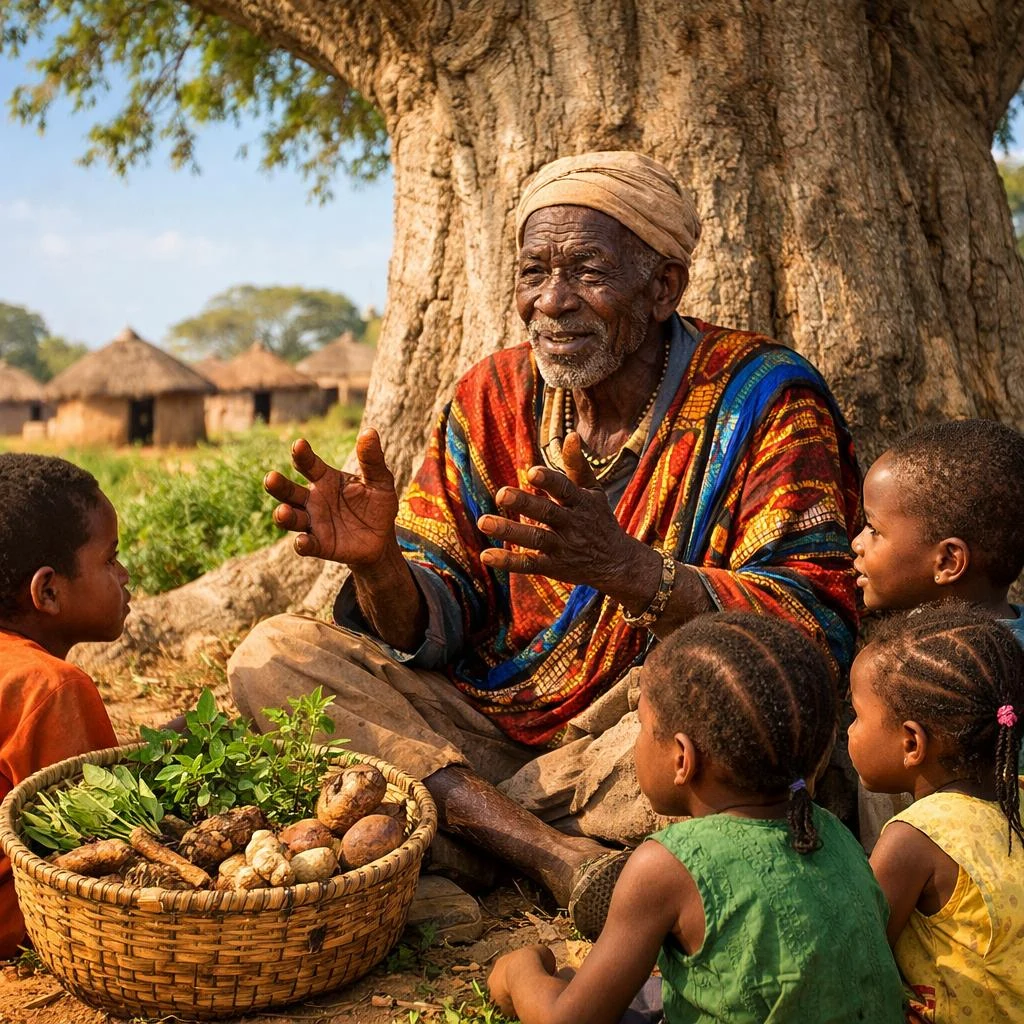

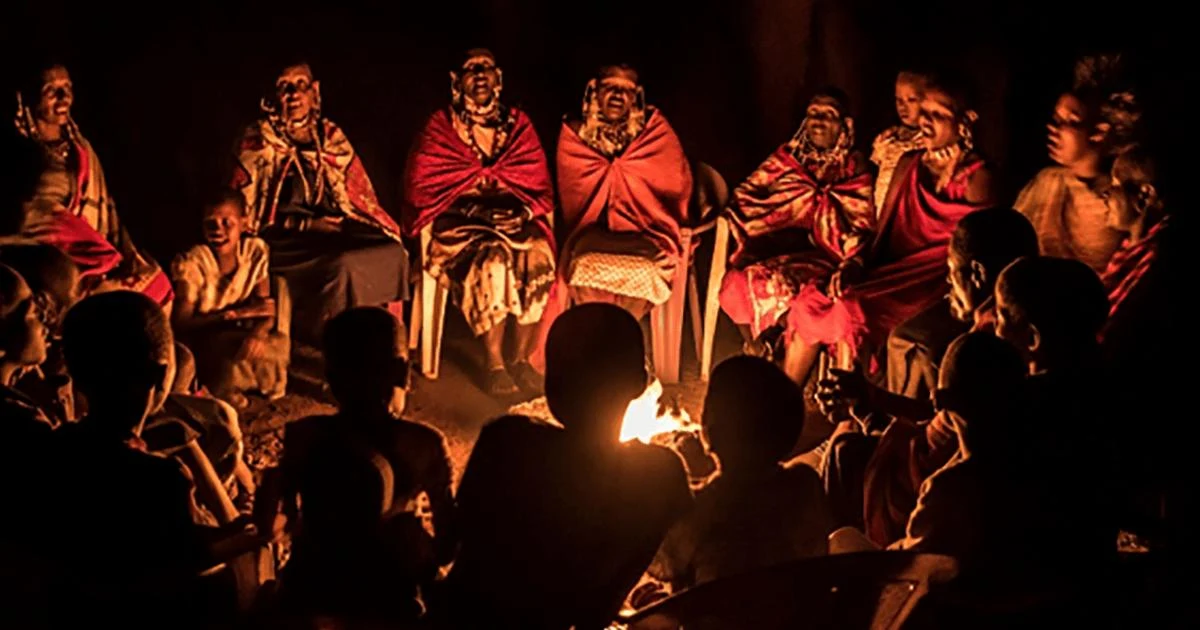
Traditional life and performance provide useful contexts for telling community stories and legends.
J. Creating a legend narrative
When developing a legend, learners should:
- Select a community-related subject.
- Identify the main character.
- Establish the setting.
- Identify a major challenge.
- Develop the heroic actions.
- Present the consequences.
- Communicate a moral lesson.
Activities
- Predict the actions of characters in legends.
- Read heroic narratives aloud.
- Identify heroic characters.
- Discuss their actions.
- Identify moral lessons.
- Relate the lessons to real life.
- Collect legends from the community.
- Prepare mind maps showing their messages.
- Develop a legend in groups.
Summary
Legends are traditional narratives that celebrate important people and events. They preserve cultural heritage, recognise heroic actions and teach moral lessons that can guide people in everyday life.