
1.1.1 Meaning of Integrated Science
Integrated Science is the study of different branches of science together to help us understand the natural world and how things work.
It combines knowledge and skills from different scientific fields, including:
- Biology.
- Chemistry.
- Physics.
The different branches of science are connected because they help us understand different aspects of our environment.
For example:
- Biology helps us understand living things, including plants, animals and human beings.
- Chemistry helps us understand substances, their properties and how they interact.
- Physics helps us understand energy, forces, electricity, light and movement.
Integrated Science enables learners to use knowledge from these fields to solve everyday problems.
1.1.2 Components of Integrated Science
A. Biology
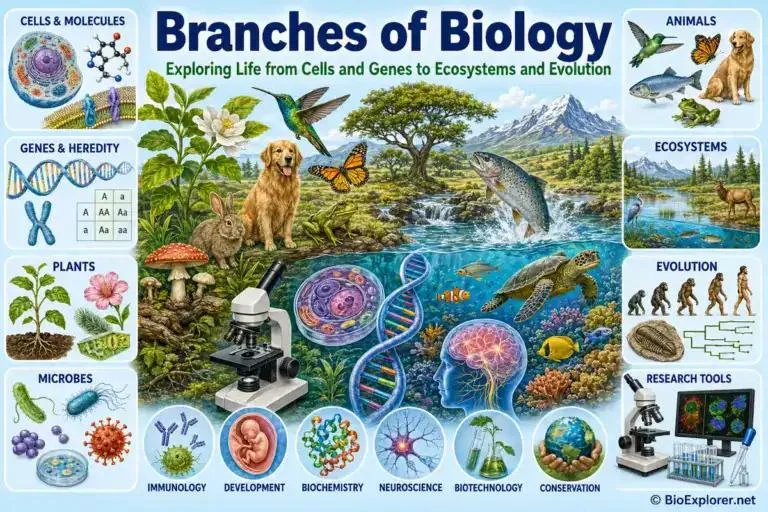
Biology is the branch of science that deals with the study of living things.
It focuses on plants, animals, human beings and microorganisms.
Examples of areas studied in biology include:
- Human body systems.
- Plant growth and development.
- Reproduction in living organisms.
- Diseases and their prevention.
- Nutrition and health.
- Relationships between living organisms and their environment.
B. Chemistry
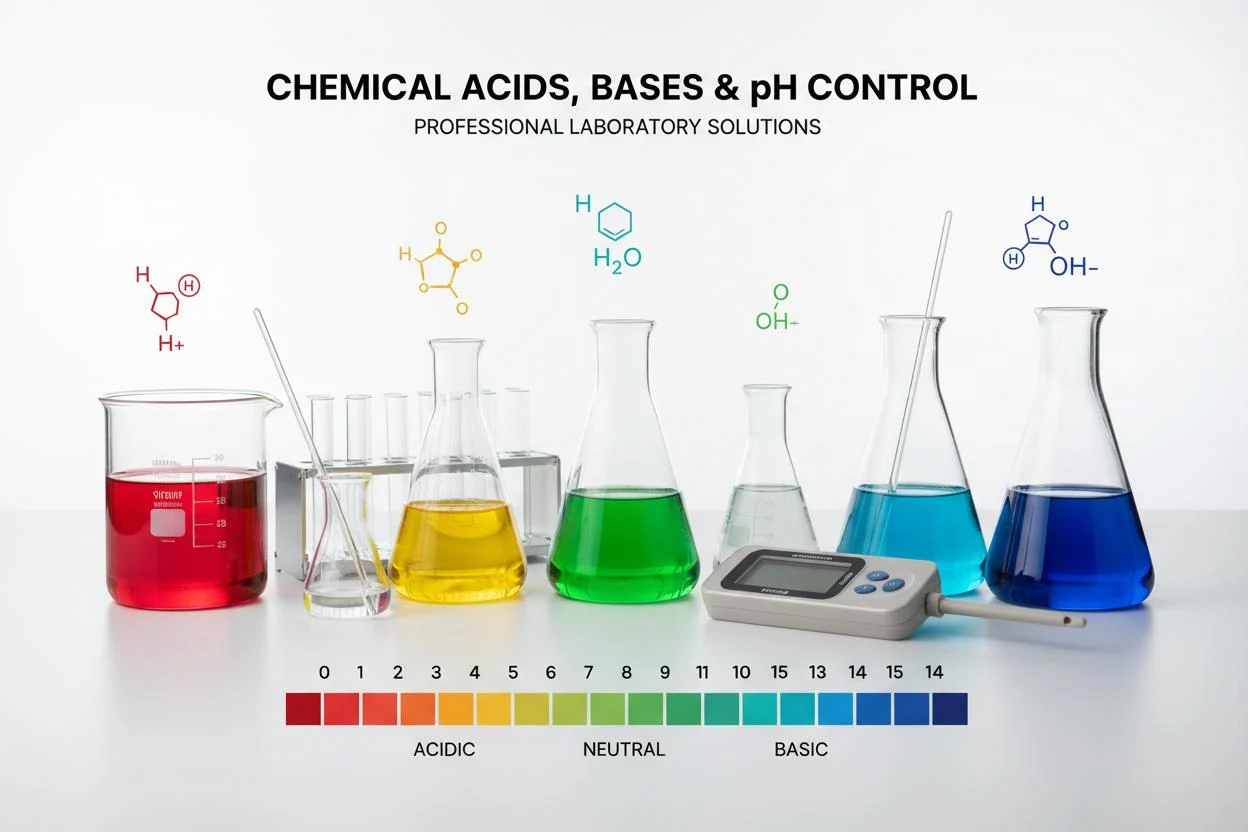
Chemistry is the branch of science that deals with the study of substances, their properties, composition and changes.
It helps us understand the materials that make up the world around us.
Examples of areas studied in chemistry include:
- Acids and bases.
- Mixtures and separation of substances.
- Elements and compounds.
- Properties of materials.
- Chemical reactions.
- Solutions.
C. Physics
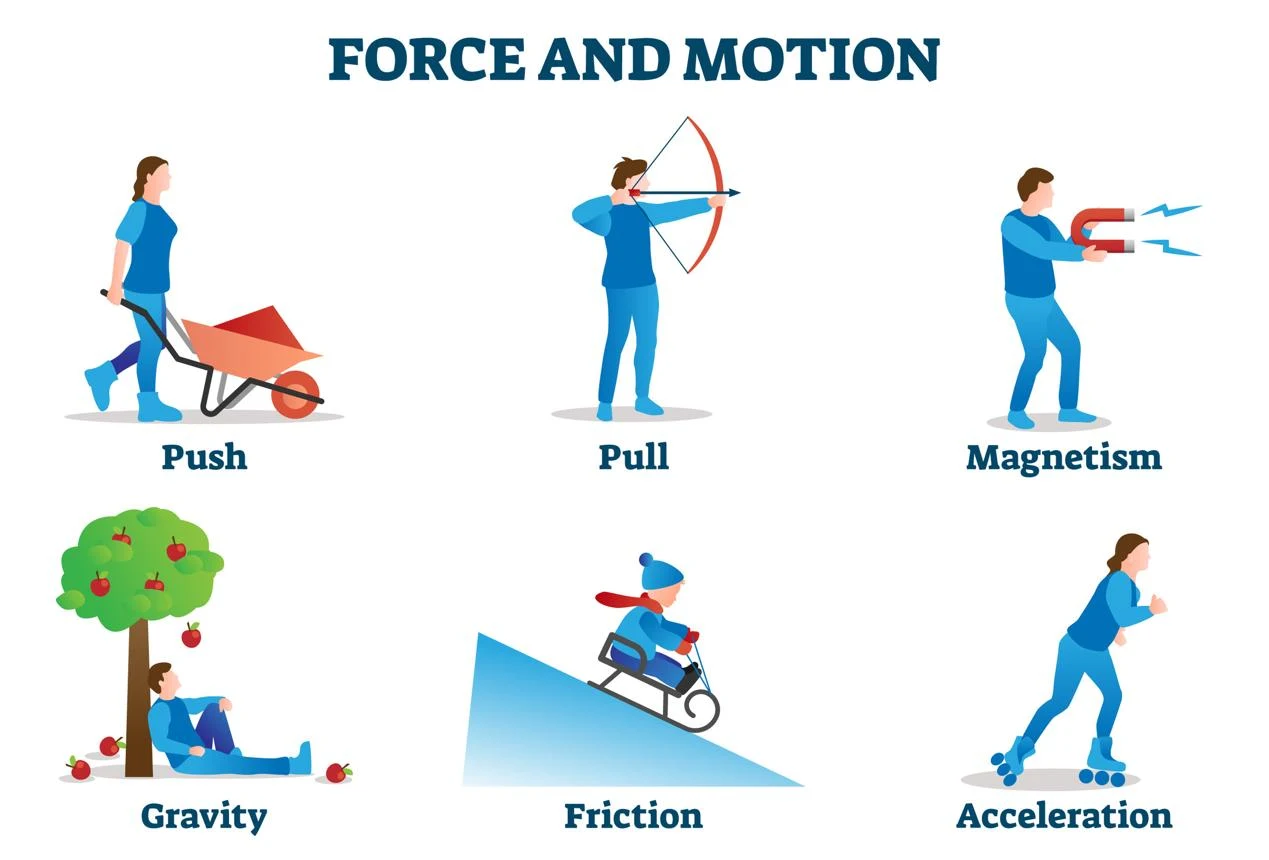
Physics is the branch of science that deals with matter, energy, forces and how they interact.
Examples of areas studied in physics include:
- Electricity.
- Magnetism.
- Light.
- Sound.
- Heat.
- Forces and motion.
- Energy.
1.1.3 Importance of Science in Daily Life
Science is important because it helps people understand their surroundings, solve problems, improve living conditions and develop new technologies.
Science is applied in many areas of everyday life.
1. Health
Science is important in maintaining good health and preventing diseases.
Applications include:
- Developing medicines and vaccines.
- Understanding how the human body works.
- Diagnosing and treating diseases.
- Maintaining personal hygiene.
- Preparing balanced diets.
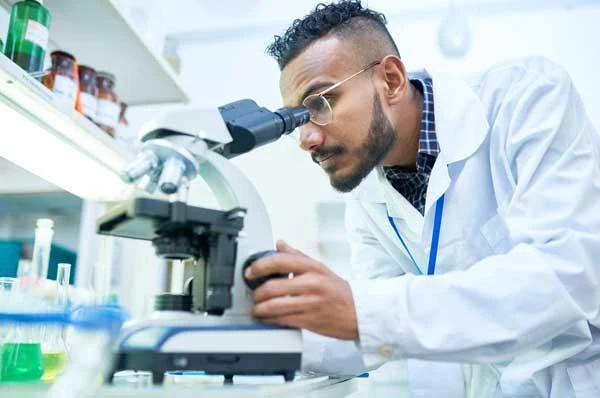
- Developing medical equipment such as thermometers and microscopes.
Example: Medical workers use scientific knowledge to diagnose diseases and recommend appropriate treatment.
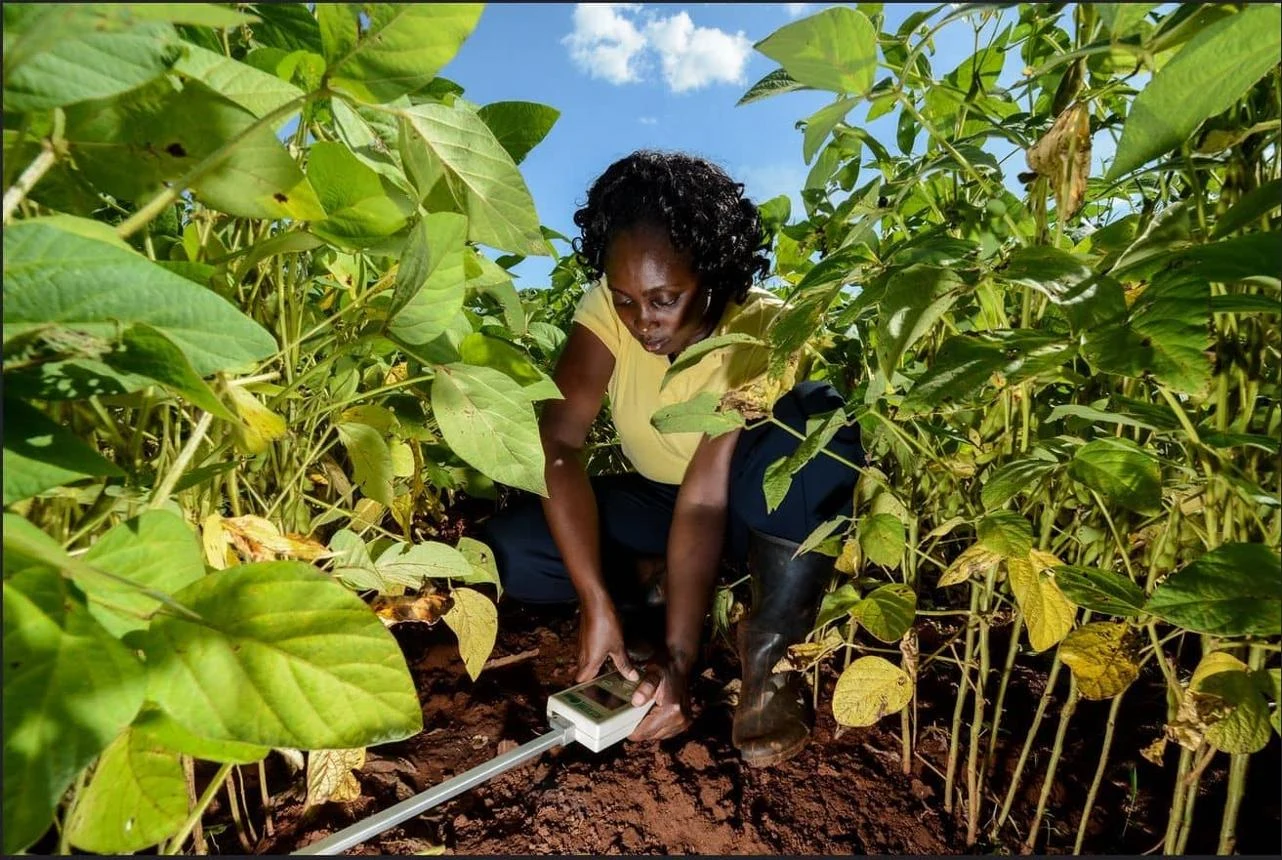
2. Agriculture
Science helps farmers improve agricultural production and manage their farms effectively.
Applications include:
- Developing improved crop varieties.
- Understanding soil properties.
- Controlling crop pests and diseases.
- Improving livestock production.
- Conserving water through irrigation.
- Developing suitable fertilizers.
- Preserving agricultural products.
Example: Farmers use scientific knowledge to determine suitable planting conditions for different crops.
3. Industry
Industries use scientific knowledge to manufacture goods and improve production processes.
Applications include:
- Manufacturing chemicals.
- Processing agricultural products.
- Producing cement and construction materials.
- Manufacturing medicines.
- Producing textiles and clothing.
- Developing machines and equipment.
Example: Food processing industries use scientific methods to preserve milk and manufacture other food products.
4. Transport
Science has contributed to the development of different means of transport.
Applications include:
- Designing vehicles.
- Developing aircraft and ships.
- Improving fuel efficiency.
- Developing electric vehicles.
- Improving road safety.
- Developing navigation systems.
Example: Engineers apply physics to design vehicles that move efficiently and safely.
5. Food Production and Preservation
Science helps people produce, process, store and preserve food.
Applications include:
- Food drying.
- Refrigeration.
- Pasteurisation of milk.
- Canning.
- Food packaging.
- Testing food quality.
Example: Refrigerators use scientific principles to maintain low temperatures that slow down food spoilage.
6. Textile Industry
Science is used in the production and processing of fabrics and other textile materials.
Applications include:
- Manufacturing synthetic fibres.
- Dyeing fabrics.
- Testing the strength of materials.
- Developing waterproof fabrics.
- Producing different types of clothing.
Example: Chemistry is used to develop dyes that give clothes different colours.
1.1.4 Career Opportunities Related to Integrated Science
Studying Integrated Science can prepare learners for different career pathways.
|
Career |
Role |
|---|---|
|
Doctor |
Diagnoses and treats diseases |
|
Nurse |
Provides healthcare services |
|
Pharmacist |
Prepares and dispenses medicines |
|
Laboratory technologist |
Conducts laboratory investigations |
|
Agricultural scientist |
Improves agricultural production |
|
Engineer |
Designs and develops machines and structures |
|
Environmental scientist |
Studies and protects the environment |
|
Food technologist |
Develops and tests food products |
|
Textile technologist |
Develops and processes fabrics |
|
Science teacher |
Teaches scientific knowledge and skills |
|
Electrician |
Installs and maintains electrical systems |
|
Research scientist |
Investigates scientific problems |
1.1.5 Importance of Learning Integrated Science
Learning Integrated Science helps learners to:
- Develop curiosity about the natural world.
- Solve problems using scientific knowledge.
- Make informed decisions in everyday life.
- Develop practical skills through experiments.
- Promote good health and hygiene.
- Protect the environment.
- Develop creativity and innovation.
- Prepare for future science-related careers.
- Develop critical thinking and decision-making skills.
- Understand and use modern technology.
Key inquiry question
How is the knowledge acquired in Integrated Science useful in daily life?
Remember: Science is not only studied in the classroom. It is applied in homes, hospitals, farms, industries, transport systems and other areas of society.