
1. Meaning of Plant Propagation
Plant propagation is the process of producing new plants from seeds or vegetative parts of existing plants.
There are two main methods of plant propagation:
- Sexual propagation.
- Asexual or vegetative propagation.
Sexual propagation involves producing plants from seeds formed through sexual reproduction.
Asexual propagation involves producing plants using vegetative parts such as stems, roots, buds, or leaves.
Examples of vegetative propagation include:
- Grafting.
- Budding.
- Layering.
- Cuttings.
- Division.
2. Meaning of Grafting
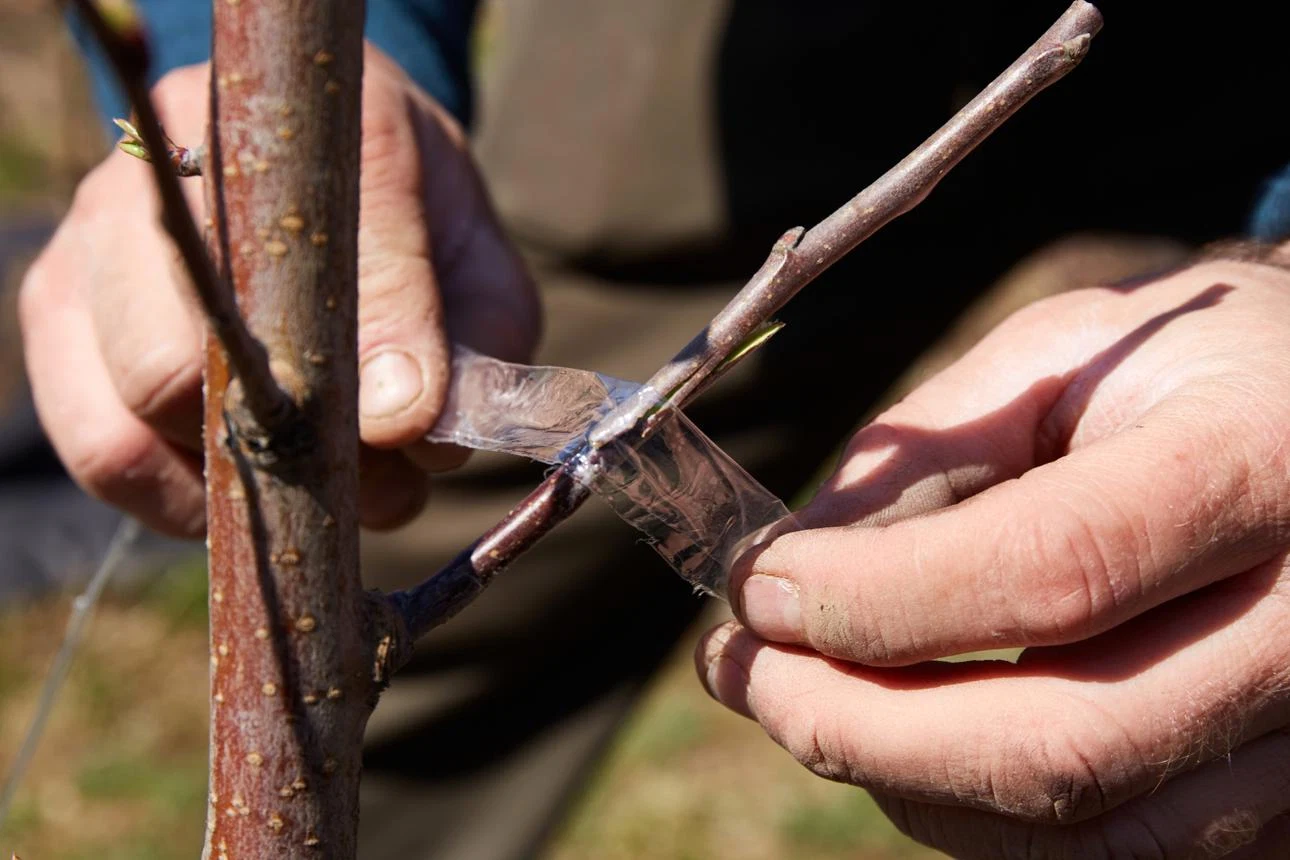
Grafting is a method of vegetative plant propagation in which a part of one plant is joined to another compatible plant so that the two parts grow together as one plant.
Grafting is commonly used in fruit production, horticulture, and ornamental gardening.
3. Important Terms Used in Grafting
A. Rootstock
A rootstock is the rooted plant or lower plant portion onto which another plant part is grafted.
It provides the root system and usually the lower stem.
Rootstocks may be selected for:
- Disease resistance.
- Adaptation to soil conditions.
- Drought tolerance.
- Control of plant size.
- Strong root development.
B. Scion
A scion is a shoot or stem portion taken from a plant with desirable characteristics and joined to a rootstock.
Scions may be selected for:
- Good fruit quality.
- High productivity.
- Desirable growth characteristics.
- Attractive flowers.
- Suitable fruiting traits.
C. Cambium
The cambium is a thin layer of actively dividing cells found between the wood and bark of many woody plants.
Successful grafting usually requires close contact between the cambium regions of the scion and rootstock.
D. Graft Union
The graft union is the point where the scion and rootstock are joined and grow together.
4. Reasons for Grafting Plants
- To combine desirable characteristics.
- To propagate suitable fruit varieties.
- To improve disease resistance through appropriate rootstocks.
- To improve adaptation to certain soil conditions.
- To control plant size.
- To repair damaged trees.
- To rejuvenate suitable older plants.
- To change the variety growing on an established tree.
- To improve ornamental appearance.
- To increase productivity under suitable conditions.
5. Plants Commonly Propagated by Grafting
Examples include:
- Mango.
- Avocado.
- Citrus fruits.
- Apple.
- Pear.
- Rose.
- Some ornamental trees.
Grafting success depends on compatibility between the plants, proper technique, and suitable growing conditions.
6. Types of Grafting
A. Whip-and-Tongue Grafting
This method is commonly used when the scion and rootstock have similar stem diameters.
Both pieces are prepared with matching cuts that fit together.
B. Cleft Grafting
In cleft grafting, a prepared scion is inserted into a split made in the rootstock.
It is often used when the rootstock is thicker than the scion.
C. Side Grafting
Side grafting involves inserting a scion into a suitable cut made on the side of a rootstock.
D. Bark Grafting
Bark grafting involves inserting scions beneath the bark of a suitable rootstock or branch.
It is commonly used in certain top-working and tree-repair operations.
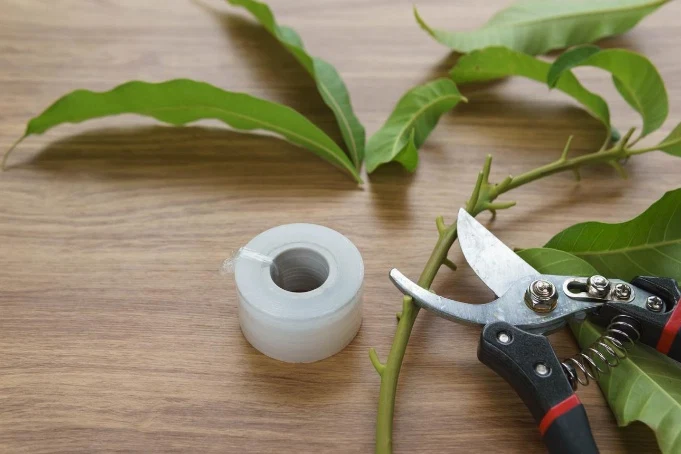
7. Tools and Materials Required for Grafting
Tools:
- Grafting knife.
- Secateurs.
- Pruning saw, where appropriate.
- Suitable disinfecting materials.
- Protective gloves.
Materials:
- Healthy rootstock.
- Healthy compatible scion.
- Grafting tape.
- Grafting wax or suitable sealing material, where required.
- Plant labels.
- Clean water.
8. Factors to Consider When Selecting Rootstock and Scion
Selection of Rootstock
A suitable rootstock should:
- Be healthy.
- Be compatible with the scion.
- Have a well-developed root system.
- Be free from serious pests and diseases.
- Be adapted to the growing environment.
- Have desirable growth characteristics.
Selection of Scion
A suitable scion should:
- Come from a healthy plant.
- Have desirable characteristics.
- Be free from visible disease.
- Have suitable healthy buds.
- Be compatible with the rootstock.
- Be collected at an appropriate growth stage.
9. Procedure for Carrying Out Grafting
The following describes a simplified cleft-grafting procedure. Because grafting requires sharp cutting tools, learners should perform cutting operations only under close teacher supervision.
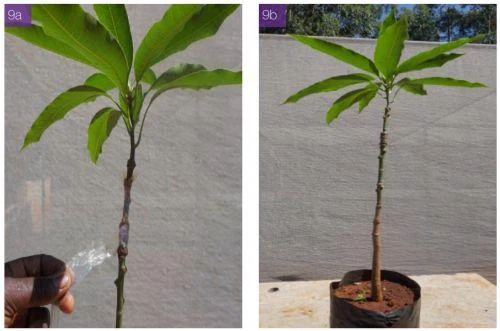
Step 1: Select planting materials
Choose healthy, compatible rootstock and scion materials.
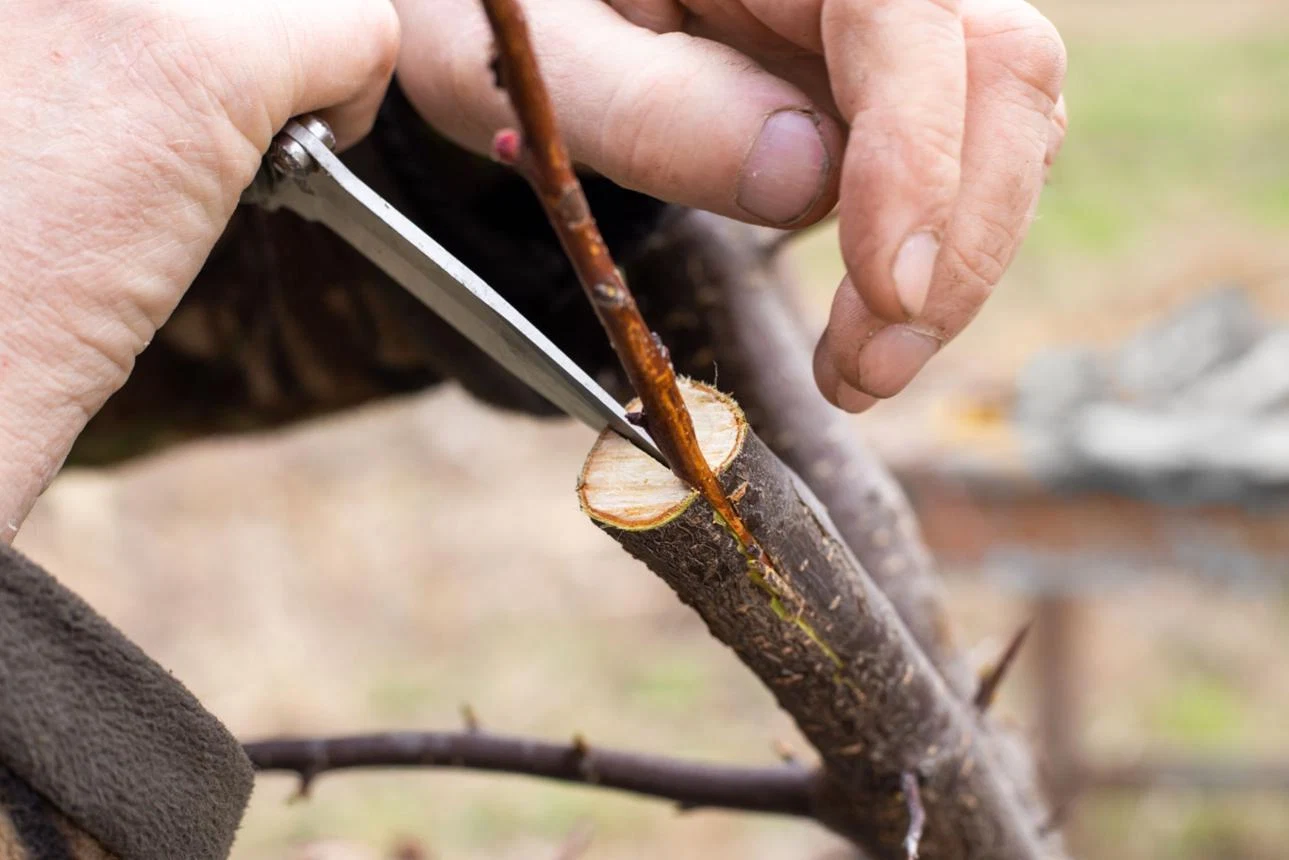
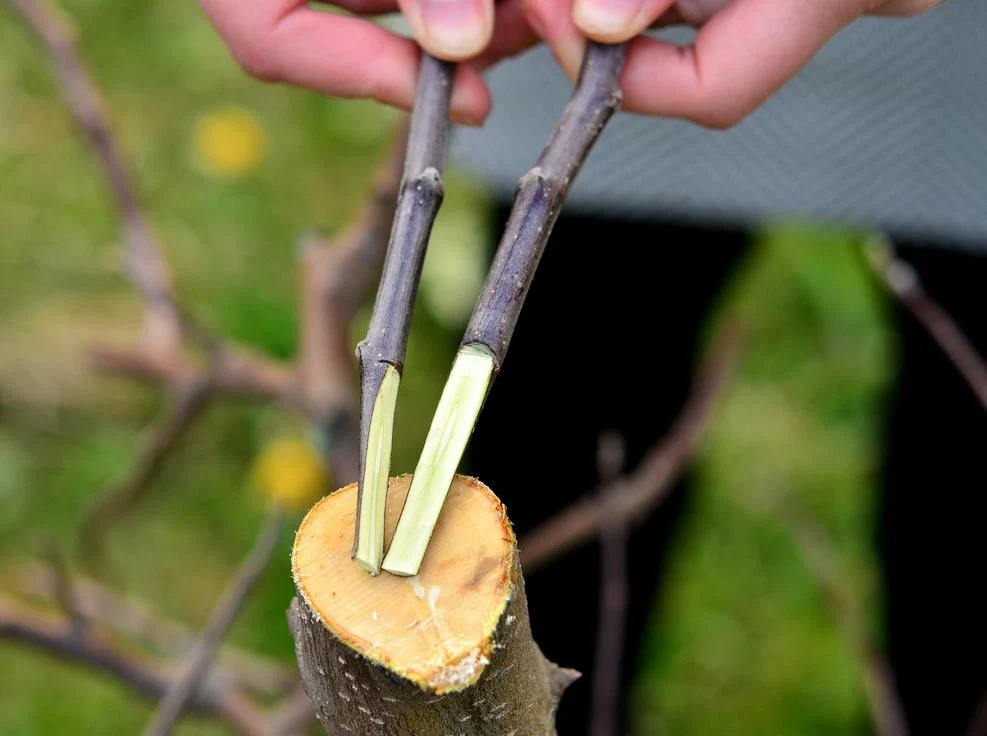
Step 2: Prepare the rootstock
Make a suitable cut on the rootstock using a clean, sharp grafting tool.
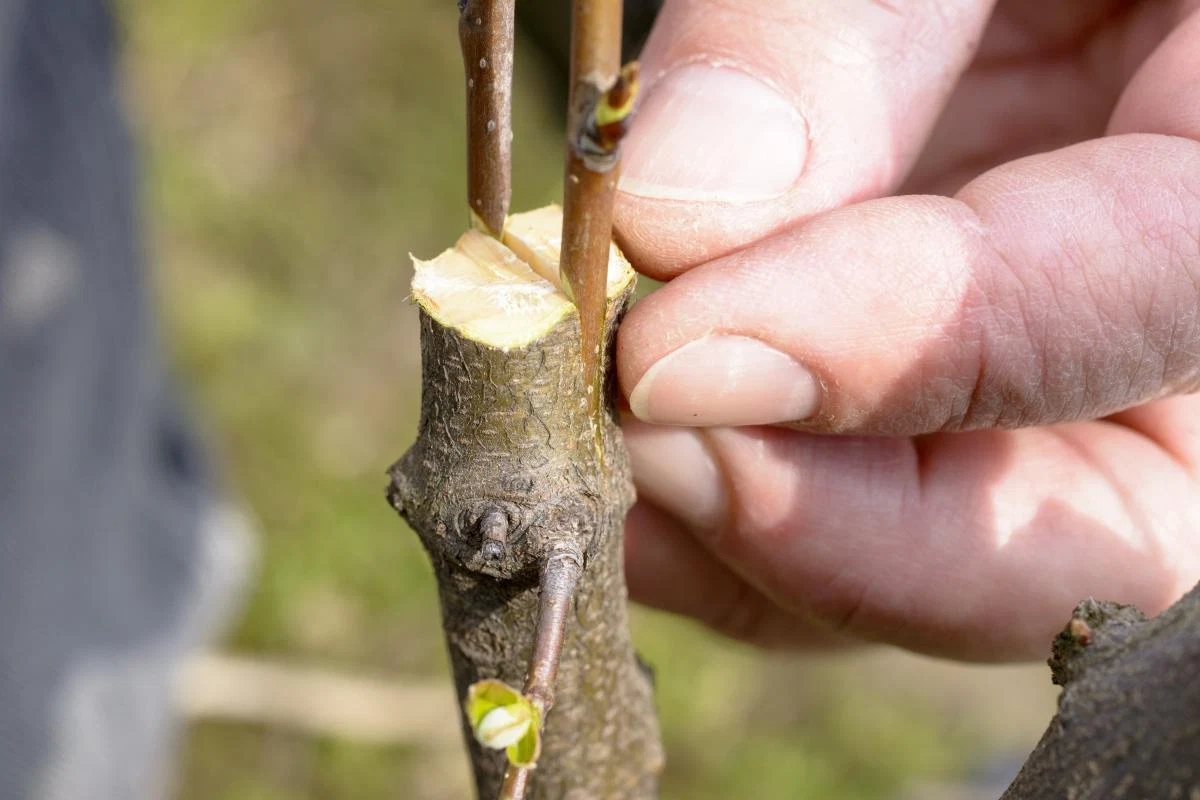
Step 3: Prepare the scion
Shape the base of the scion so it fits the prepared rootstock.
Step 4: Join the plant parts
Insert the scion carefully and ensure suitable cambium contact.
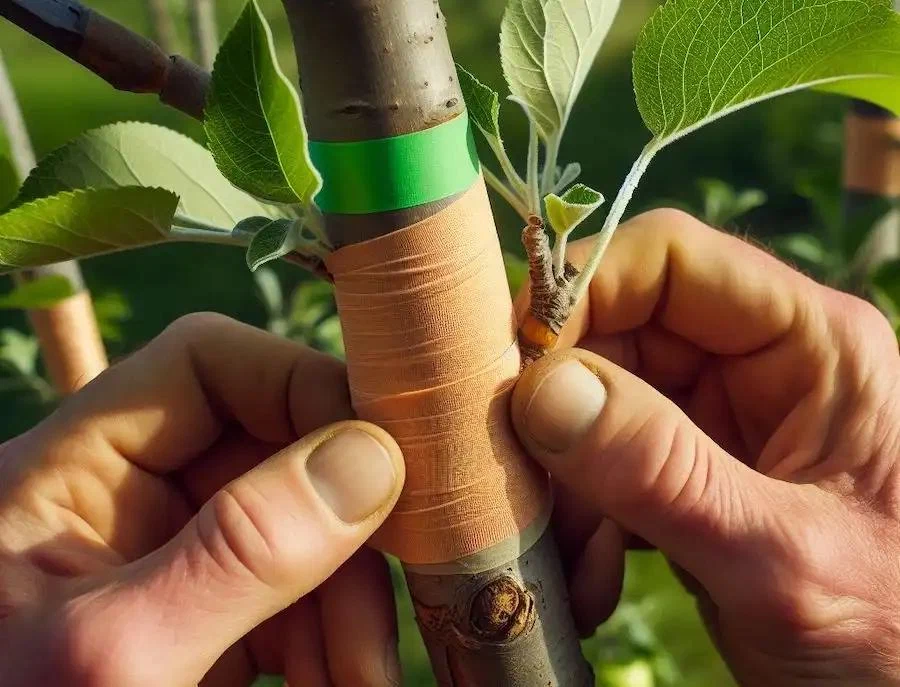
Step 5: Secure the graft
Wrap the joint using suitable grafting tape and seal exposed areas if required.
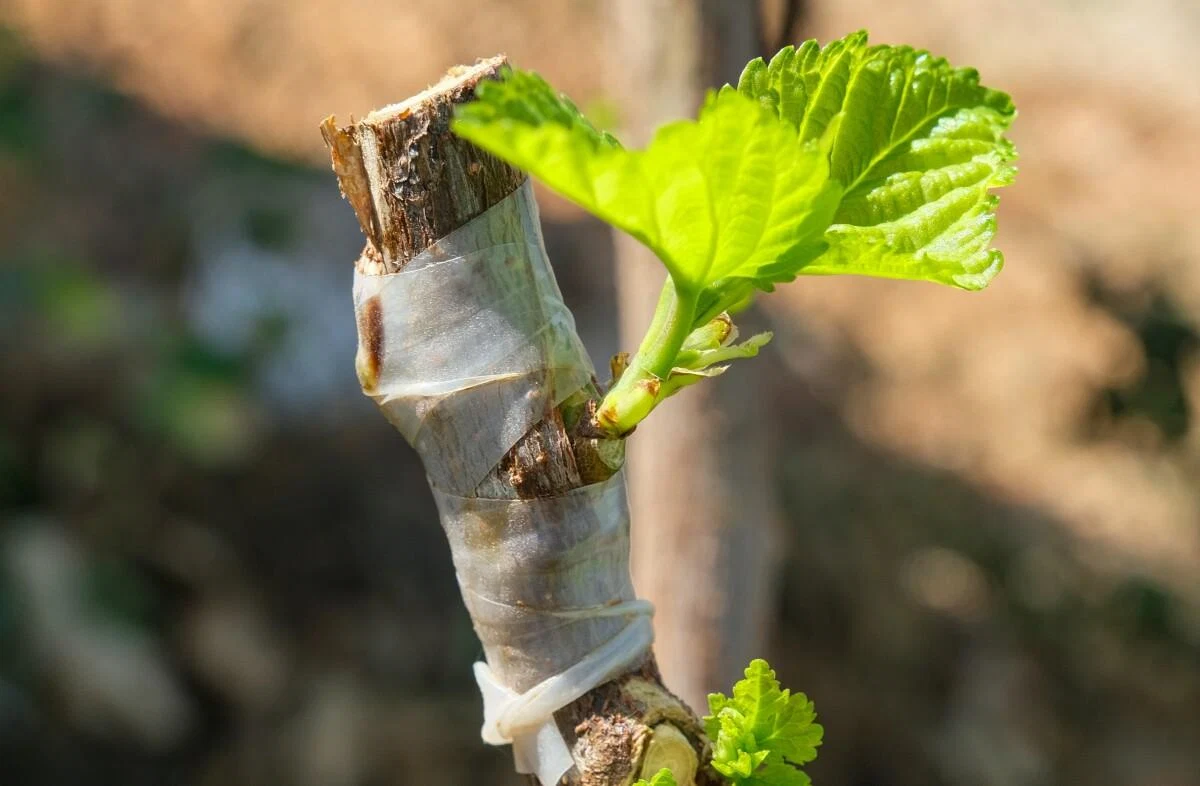
Step 6: Care for the plant
Place the plant under suitable conditions and monitor the union for successful growth.
10. Care of Grafted Plants
- Water appropriately.
- Protect the plant from strong wind.
- Provide suitable shade when necessary.
- Inspect the graft union regularly.
- Remove unwanted shoots emerging below the graft union.
- Protect the plant from pests and diseases.
- Avoid disturbing the union.
- Support weak stems where necessary.
- Remove or loosen grafting materials at the correct stage if required.
- Maintain suitable growing conditions.
11. Signs of Successful Grafting
- Healthy buds begin to grow.
- The scion remains firm.
- New leaves develop.
- The graft union begins to heal.
- The plant shows continued healthy growth.
- No serious signs of drying or rotting occur.
12. Signs of Unsuccessful Grafting
- The scion dries up.
- Buds fail to develop.
- The graft union rots.
- Leaves wilt severely.
- The scion becomes discolored.
- The graft union separates.
13. Factors Affecting Grafting Success
- Compatibility of rootstock and scion.
- Health of the planting materials.
- Proper alignment of cambium.
- Sharpness and cleanliness of tools.
- Suitable environmental conditions.
- Correct timing.
- Protection against drying.
- Proper aftercare.
- Skill of the person carrying out grafting.
14. Purposes of Grafting
A. Aesthetic Purposes
Grafting may improve the appearance of ornamental plants.
For example, roses can be grafted to produce plants with desirable flower characteristics.
B. Repair Purposes
Certain grafting methods can help restore damaged trunks or maintain connections across damaged sections of trees.
C. Improvement Purposes
Grafting allows desirable scion varieties to be combined with suitable rootstocks.
For example, a fruit variety known for good-quality fruits may be grafted onto a rootstock selected for adaptation to local soil conditions.
D. Rejuvenation Purposes
Grafting may be used to replace the fruiting variety on an established tree or encourage renewed productive growth.
15. Advantages of Grafting
- Maintains desirable characteristics of selected scion varieties.
- Allows early fruiting in some crops.
- Combines useful rootstock and scion characteristics.
- Helps propagate varieties that are difficult to reproduce true-to-type from seeds.
- Can improve adaptation to certain environments.
- Supports repair and top-working of suitable trees.
- Provides opportunities for ornamental plant production.
16. Disadvantages of Grafting
- Requires specialized skills.
- Some plants are incompatible.
- Grafted plants require careful aftercare.
- Poor technique may lead to graft failure.
- Disease may be transmitted through infected plant material.
- Grafting materials and tools may be costly.
- Some graft unions may remain structurally weak.
Revision Questions
- Define plant propagation.
- Explain the meaning of grafting.
- Differentiate between a rootstock and a scion.
- Explain the importance of cambium alignment.
- Identify four types of grafting.
- State six plants commonly propagated through grafting.
- List six tools and materials required for grafting.
- Describe the procedure for cleft grafting.
- Explain eight ways of caring for a grafted plant.
- State five signs of successful grafting.
- Explain the aesthetic, repair, improvement, and rejuvenation purposes of grafting.
- State six advantages and four disadvantages of grafting.