
1. Meaning of Jihad
Jihad is an Arabic term relating to striving or exerting effort in a cause.
Within Islamic teachings, it can refer to efforts toward moral improvement, resisting wrongdoing and fulfilling religious responsibilities.
Some classical legal discussions also address armed struggle, subject to specific rules and restrictions.
Jihad should not be equated automatically with terrorism.
2. Forms of striving discussed in Islamic teachings
Personal moral striving: Working to overcome harmful habits and improve one's character.
Striving through knowledge: Learning, teaching and correcting misinformation responsibly.
Striving through charitable action: Helping vulnerable people and supporting community welfare.
Armed struggle: Discussed within Islamic legal traditions and subject to important constraints, including prohibitions on unjust aggression and deliberate attacks on non-combatants.
3. Rules and ethical limits
Islamic teachings relating to armed conflict include principles concerning lawful authority, legitimate justification, protection of non-combatants, avoidance of unnecessary destruction and respect for agreements.
Qur'an 2:190 forbids transgression in the context of fighting.
Qur'an 5:32 strongly emphasises the sanctity of human life.
Islamic scholarly interpretations of the laws of war are complex, but deliberate violence against civilians and indiscriminate attacks cannot be justified as ordinary religious devotion.
4. Meaning of terrorism
Terrorism generally involves the use or threat of serious violence to intimidate populations or pressure authorities for political, ideological or other objectives. Exact legal definitions vary.
5. Meaning of violent extremism
Violent extremism involves supporting, encouraging or engaging in violence to pursue extreme ideological aims.
Holding strong religious beliefs alone does not constitute violent extremism.
6. Factors contributing to violent extremism
- Manipulation through misinformation.
- Recruitment by violent groups.
- Social exclusion and grievance.
- Political instability and conflict.
- Personal vulnerability.
- Coercion and intimidation.
- Exposure to extremist propaganda.
- Lack of reliable information and support.
There is no single pathway to violent extremism, and poverty or religious identity alone should not be used to label someone as dangerous.
7. Effects of terrorism
- Loss of human life.
- Physical injuries and psychological trauma.
- Destruction of property.
- Displacement of communities.
- Disruption of education.
- Economic losses.
- Increased fear and distrust.
- Damage to community relationships.
8. Measures to curb terrorism and violent extremism
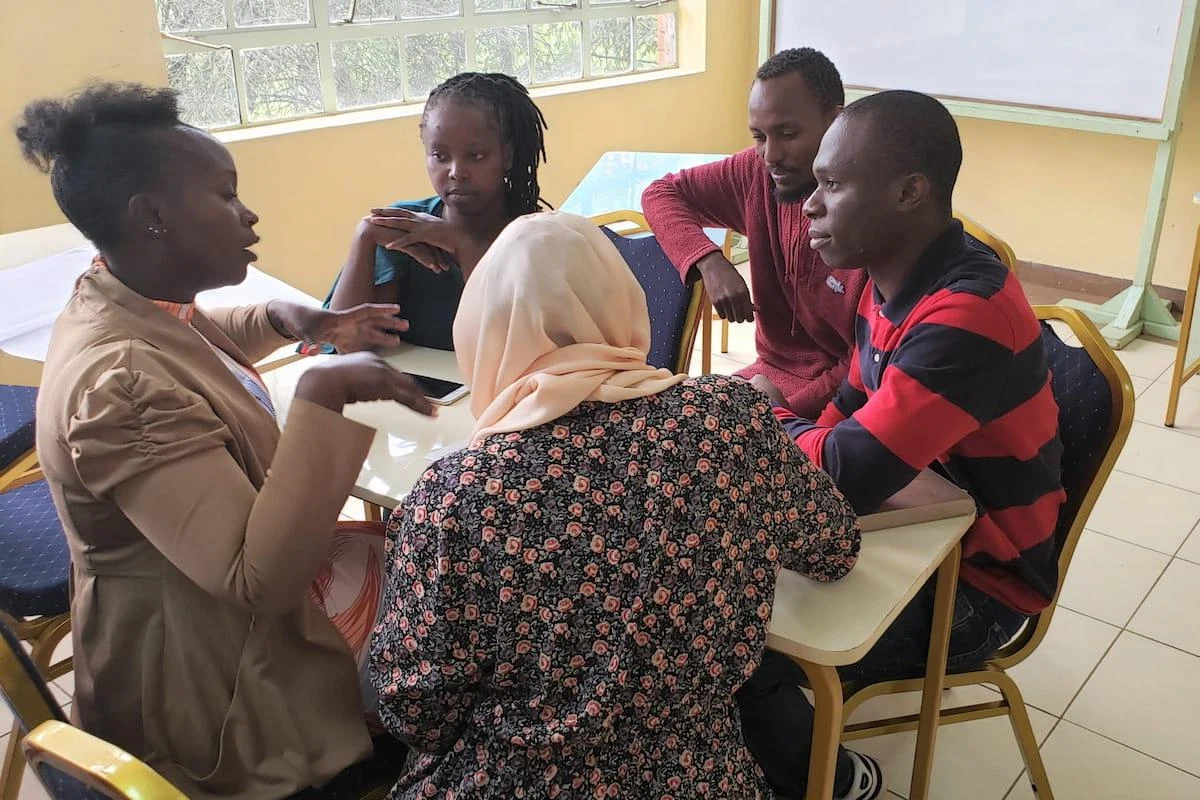
keough.nd.edu
- Teach authentic religious and ethical principles.
- Encourage critical thinking and media literacy.
- Promote peaceful dialogue.
- Reject discrimination.
- Support safe opportunities for youth.
- Strengthen community trust.
- Report credible threats to appropriate authorities.
- Provide support to individuals affected by violence.
- Encourage lawful, rights-respecting prevention measures.
9. Role of learners
Learners should avoid sharing violent propaganda, reject bullying and hatred, verify online information, seek guidance from trusted adults and promote peaceful relationships.
If a learner encounters a credible threat or attempts at recruitment into violence, they should inform a trusted adult or appropriate safety authority.
Activity 6.6
- Explain the meaning of Jihad.
- Differentiate between Jihad and terrorism.
- Identify four causes of violent extremism.
- Explain five effects of terrorism.
- Propose six measures that promote peaceful coexistence.