
1. Introduction
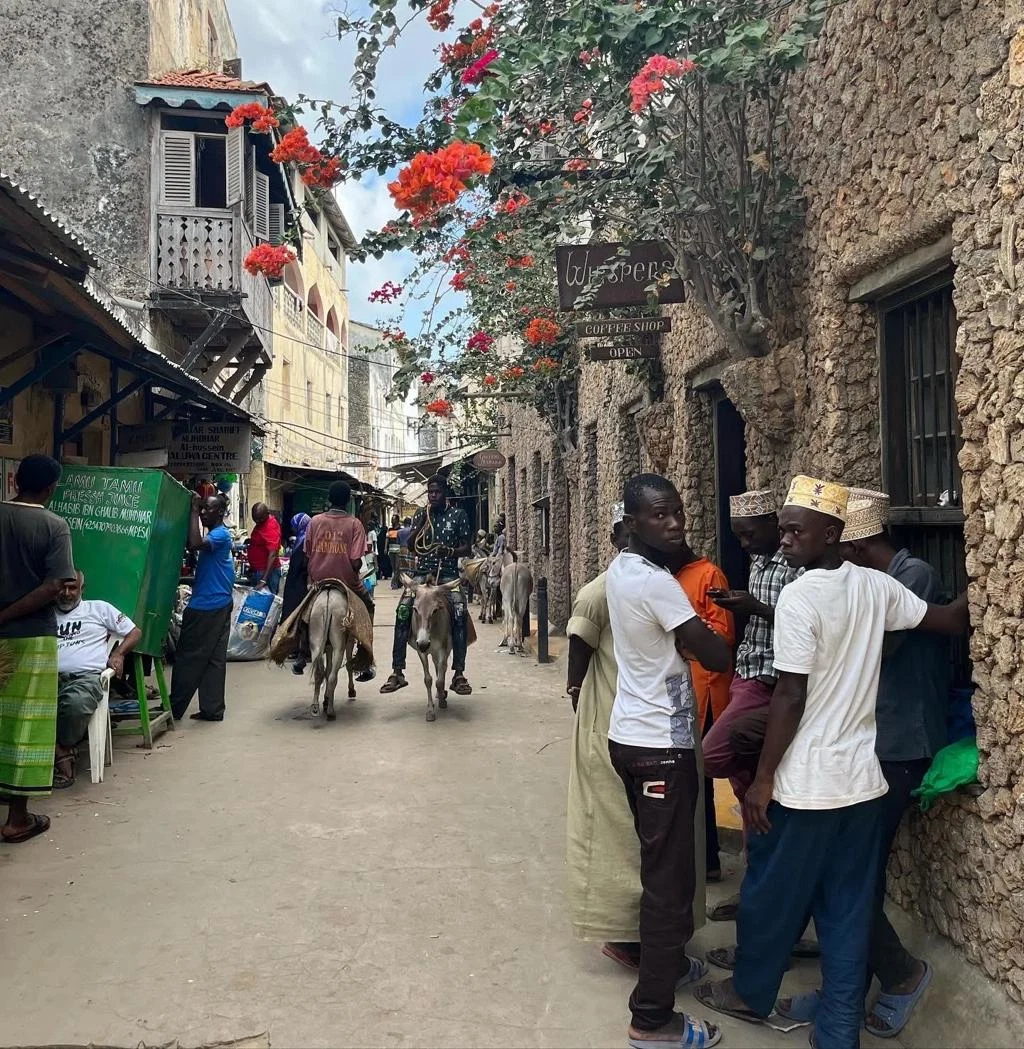
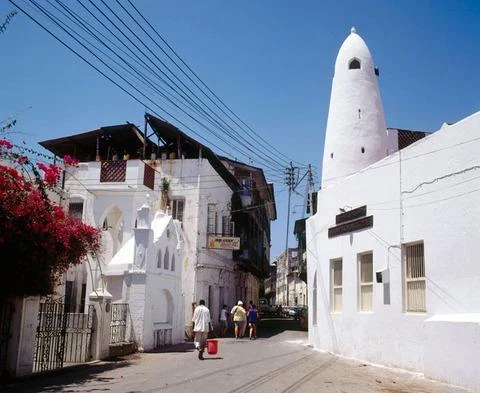
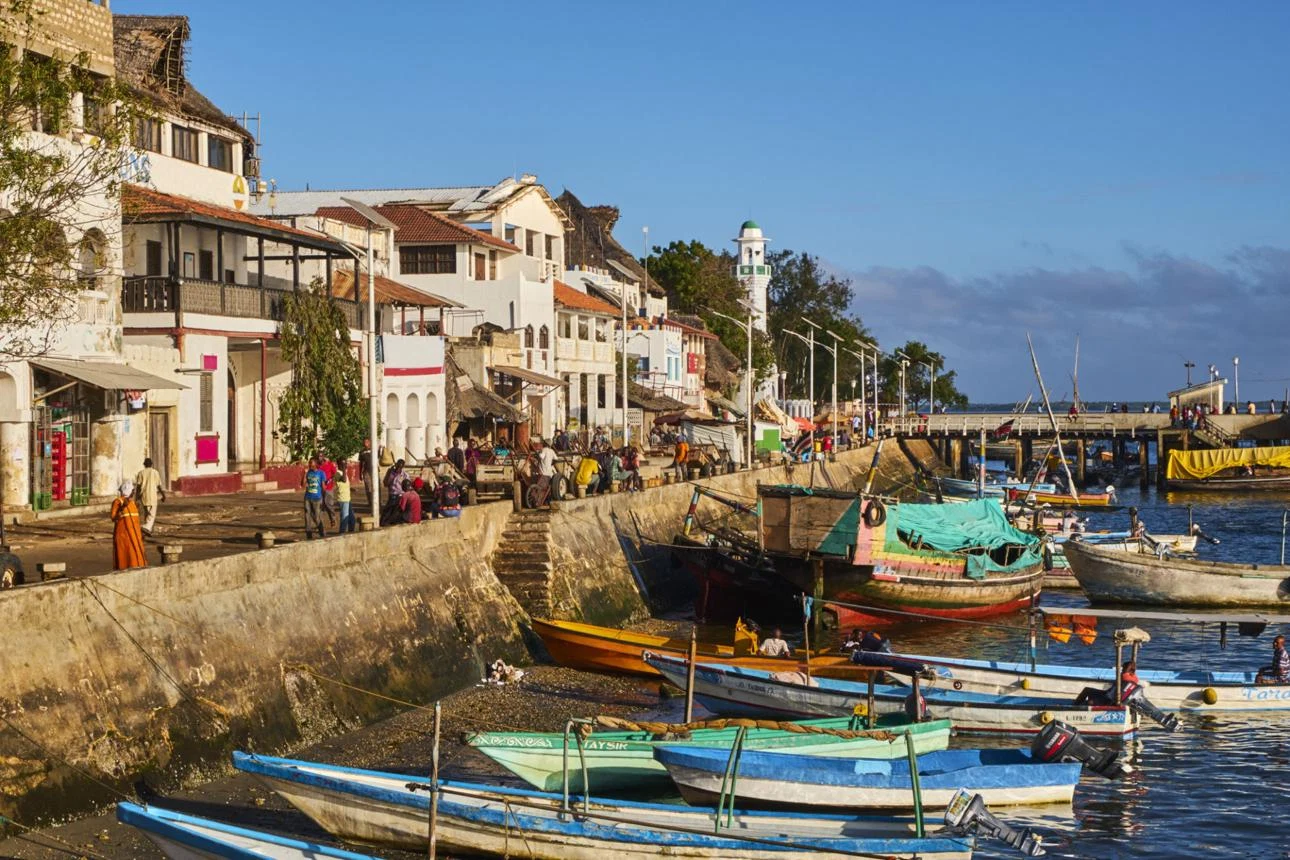
Islam has a long history in Kenya, especially along the Indian Ocean coast.
Its development is connected with Indian Ocean trade, settlement, cultural exchange, religious teaching and the growth of Swahili communities.
9
2. Factors that facilitated the spread of Islam in Kenya
A. Indian Ocean trade
Merchants from Arabia, Persia and other Indian Ocean regions maintained commercial relationships with East African coastal communities over many centuries.
Trade brought people into contact with different cultures, languages and religious practices.
B. Settlement along the coast
Muslim traders and settlers established communities in coastal towns such as Mombasa, Lamu, Malindi and Pate.
Religious practices became part of these communities.
C. Intermarriage and family relationships
Family relationships contributed to cultural interaction and the transmission of religious traditions.
D. Islamic religious education
Mosques and Qur'anic learning centres helped transmit Islamic teachings.
E. Religious scholars and teachers
Scholars and teachers promoted Islamic learning through instruction, preaching and community leadership.
F. Trade routes into the interior
Commercial networks connected coastal settlements with communities farther inland and encouraged the movement of people and ideas.
G. Migration and urbanisation
Movement between regions and the growth of towns contributed to the establishment of additional Muslim communities.
3. Effects of contact between early Muslims and local communities
|
Area |
Historical influence |
|---|---|
|
Language |
Arabic contributed vocabulary to Kiswahili |
|
Education |
Development of Qur'anic education and Islamic scholarship |
|
Architecture |
Mosques, coral-stone buildings and Swahili urban design |
|
Trade |
Expansion of commercial networks |
|
Religion |
Spread of Islamic practices and institutions |
|
Writing |
Use of Arabic script, including in some historical Swahili manuscripts |
|
Food and dress |
Cultural exchange in cuisine, clothing and social practices |
|
Arts |
Development of calligraphy, decorative design and manuscript traditions |
These changes resulted from interactions among African communities and people from across the Indian Ocean. Swahili civilisation developed through local African foundations and extensive regional exchange.
4. Islamic heritage sites in Kenya
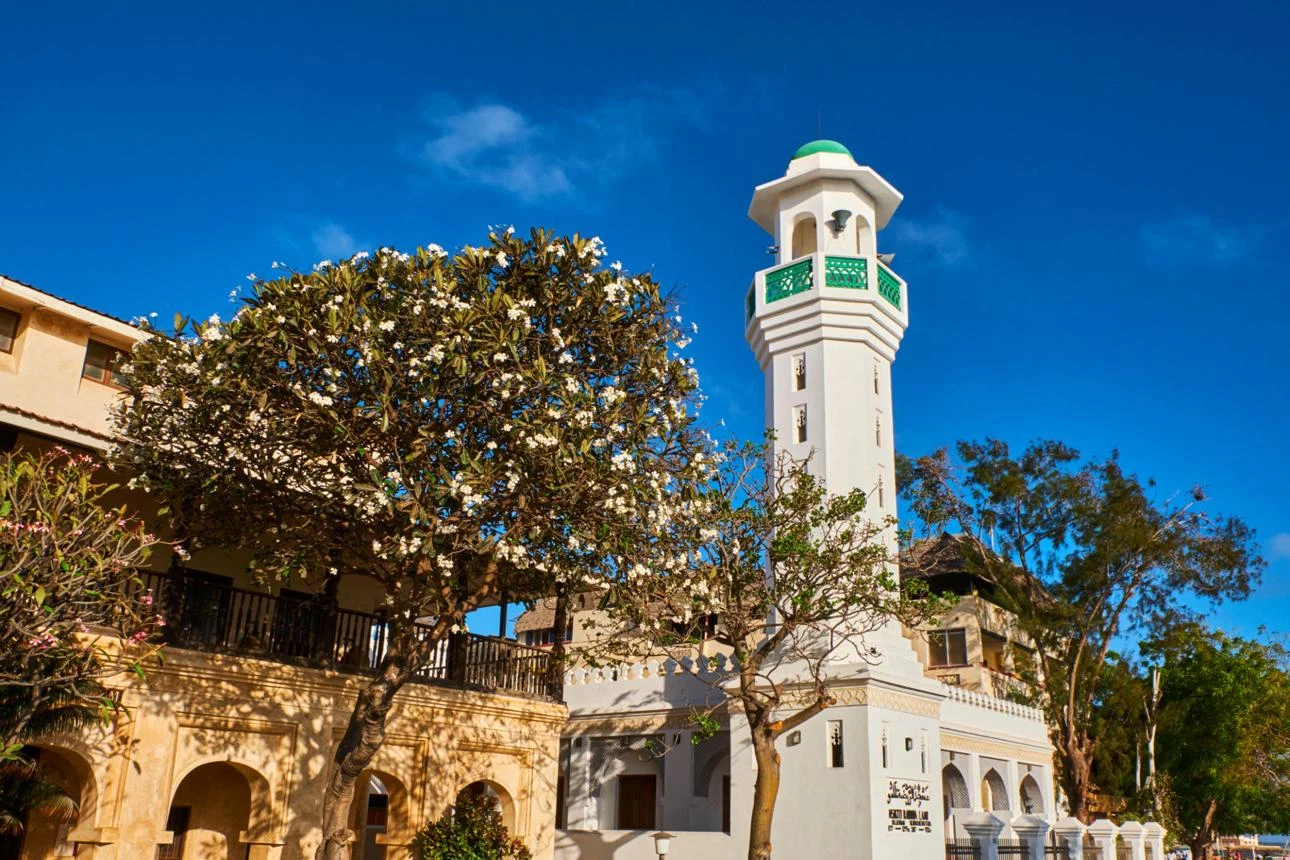
Lamu Old Town
Known for Swahili architecture, historic streets and Islamic cultural traditions.
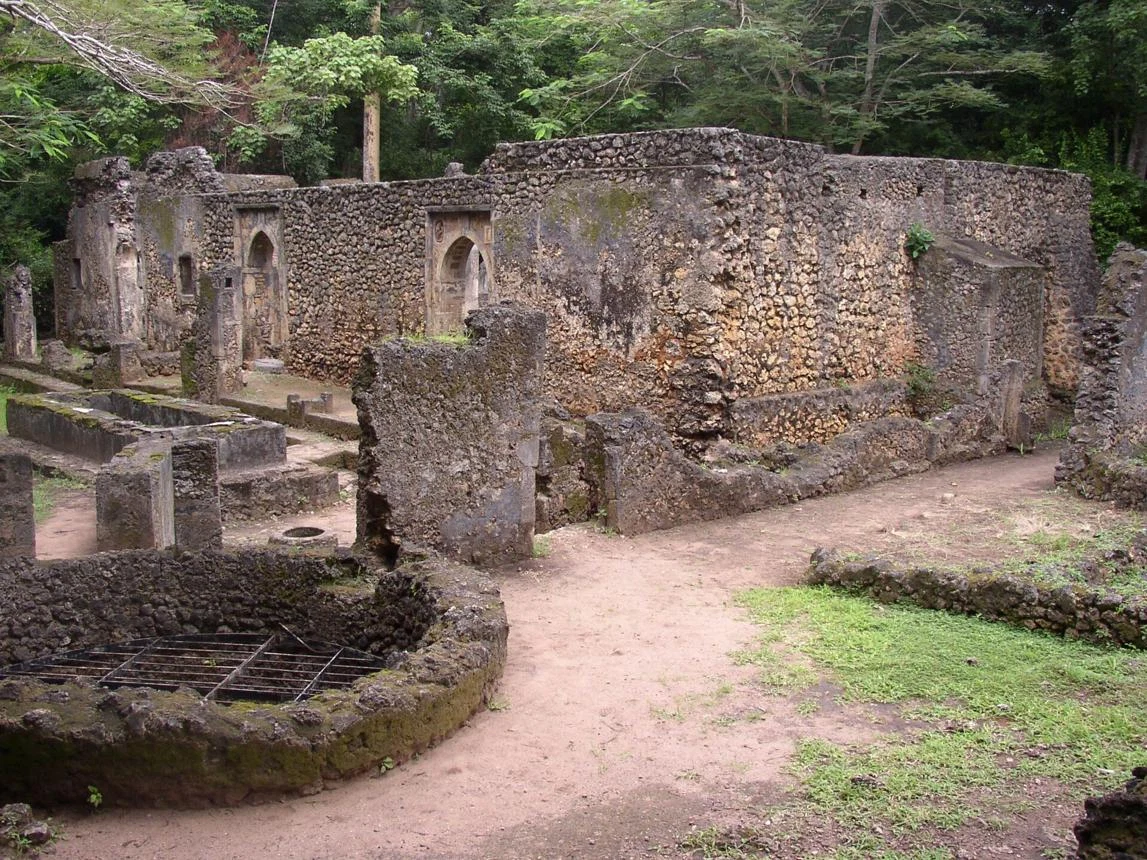
Gede Ruins
Historic Swahili settlement containing archaeological remains of mosques and other structures.
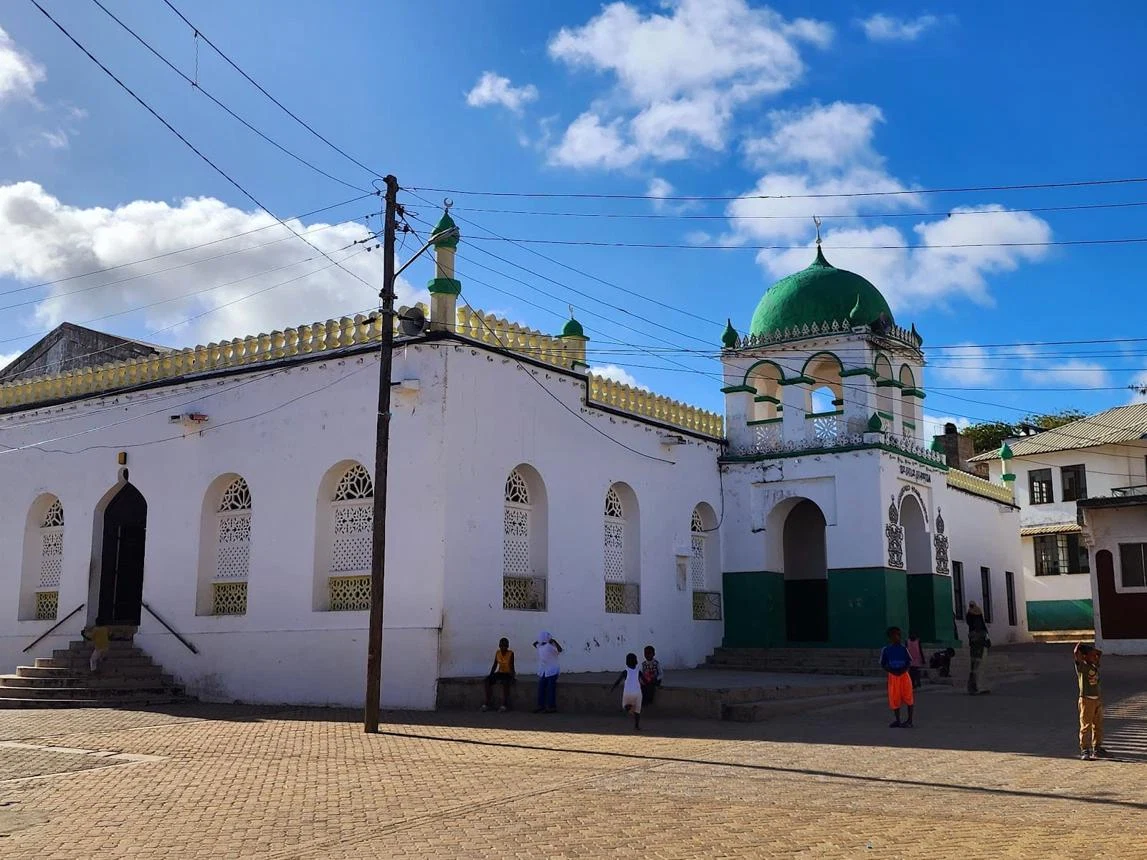
Historic Lamu mosques
Important centres of worship, education and community life.
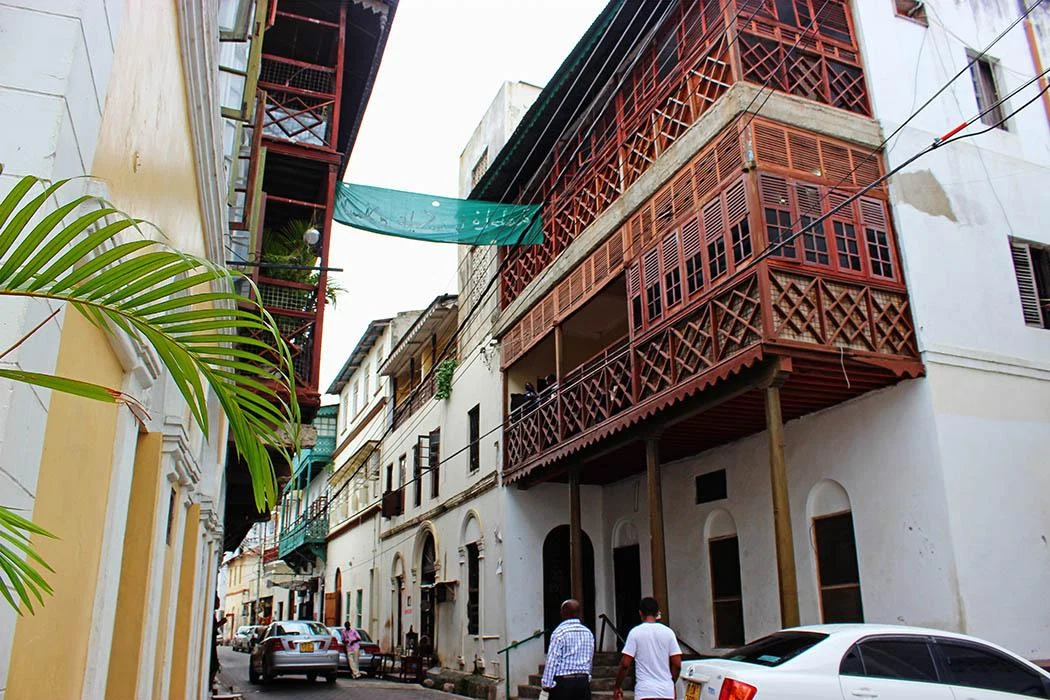
Mombasa Old Town
Illustrates centuries of Indian Ocean cultural and commercial exchange.
5. Challenges faced by early Muslim communities and teachers
Historical challenges varied across regions and periods, but could include:
- Long and difficult journeys.
- Language differences.
- Resistance to religious change.
- Competition among political powers.
- Limited educational resources.
- Insecurity along some trade routes.
- Economic difficulties.
- Conflicts affecting coastal settlements.
6. Contributions of Islam to Kenyan society
Islamic institutions and communities have contributed to education, charitable assistance, healthcare, cultural heritage, architecture, business, community leadership and intercommunity relations.
7. Importance of preserving Islamic heritage
Preservation helps learners understand Kenya's history, respect cultural diversity, protect historical buildings and pass knowledge to future generations.
Activity 7.1
- Explain five factors that facilitated the spread of Islam in Kenya.
- Identify four coastal towns associated with early Islamic history.
- Describe five cultural effects of contact between Muslim traders and local communities.
- Explain challenges faced by early Muslim teachers.
- Suggest ways of preserving historic mosques and manuscripts.