
1. Meaning of Muslim institutions
Muslim institutions are organisations established to support worship, Islamic education, charity, community welfare and preservation of religious heritage.
Major examples include mosques, madrasas and Muslim non-governmental organisations.
2. The mosque (Masjid)
A mosque is a place of Muslim worship and may also serve as a centre for education, community meetings and charitable activity.
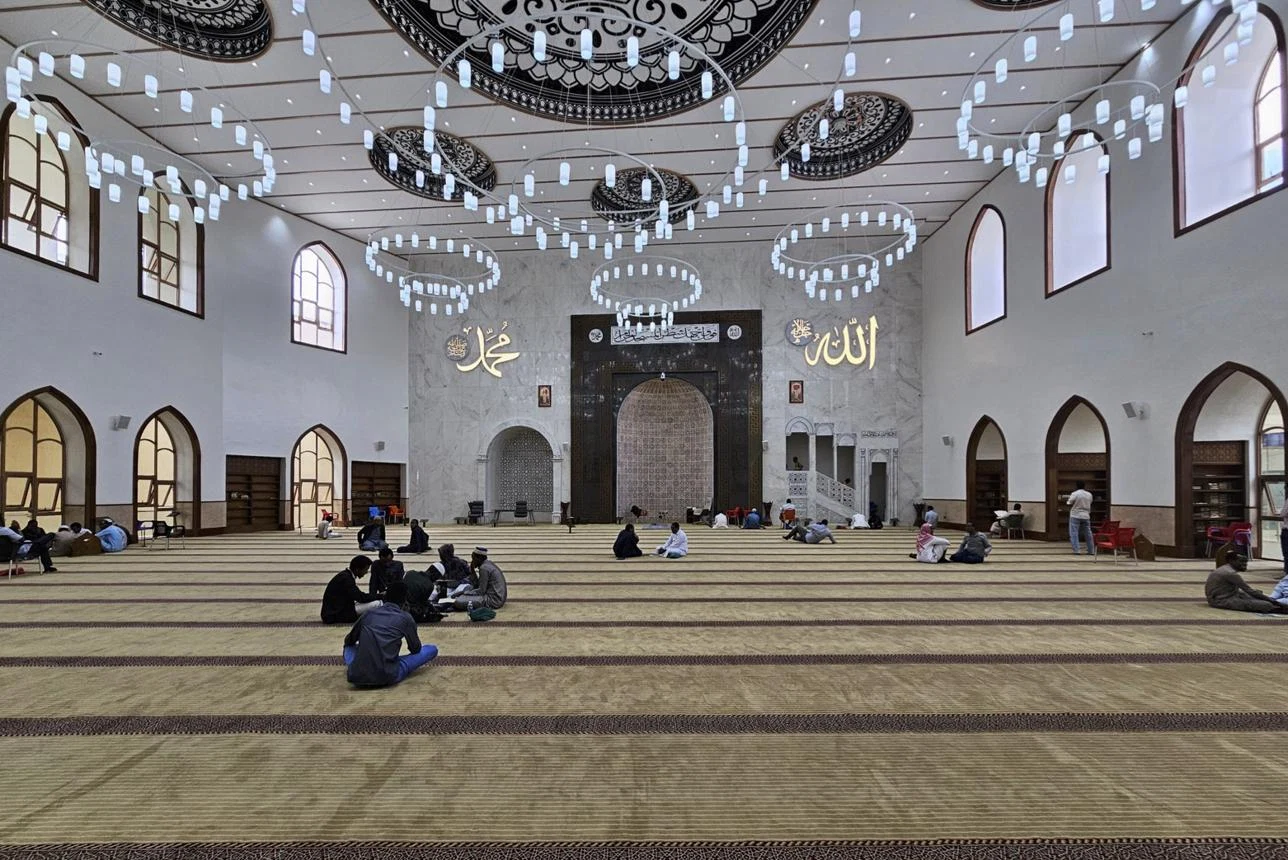
mimarizm.com
Functions of mosques
- Providing space for congregational prayers.
- Supporting Qur'anic recitation and religious learning.
- Hosting sermons and community instruction.
- Encouraging unity among Muslims.
- Coordinating charitable activities.
- Supporting moral guidance.
- Preserving Islamic traditions.
- Facilitating appropriate community discussions.
3. Madrasa
A madrasa is an institution for Islamic religious education. The scope of teaching varies according to the institution.
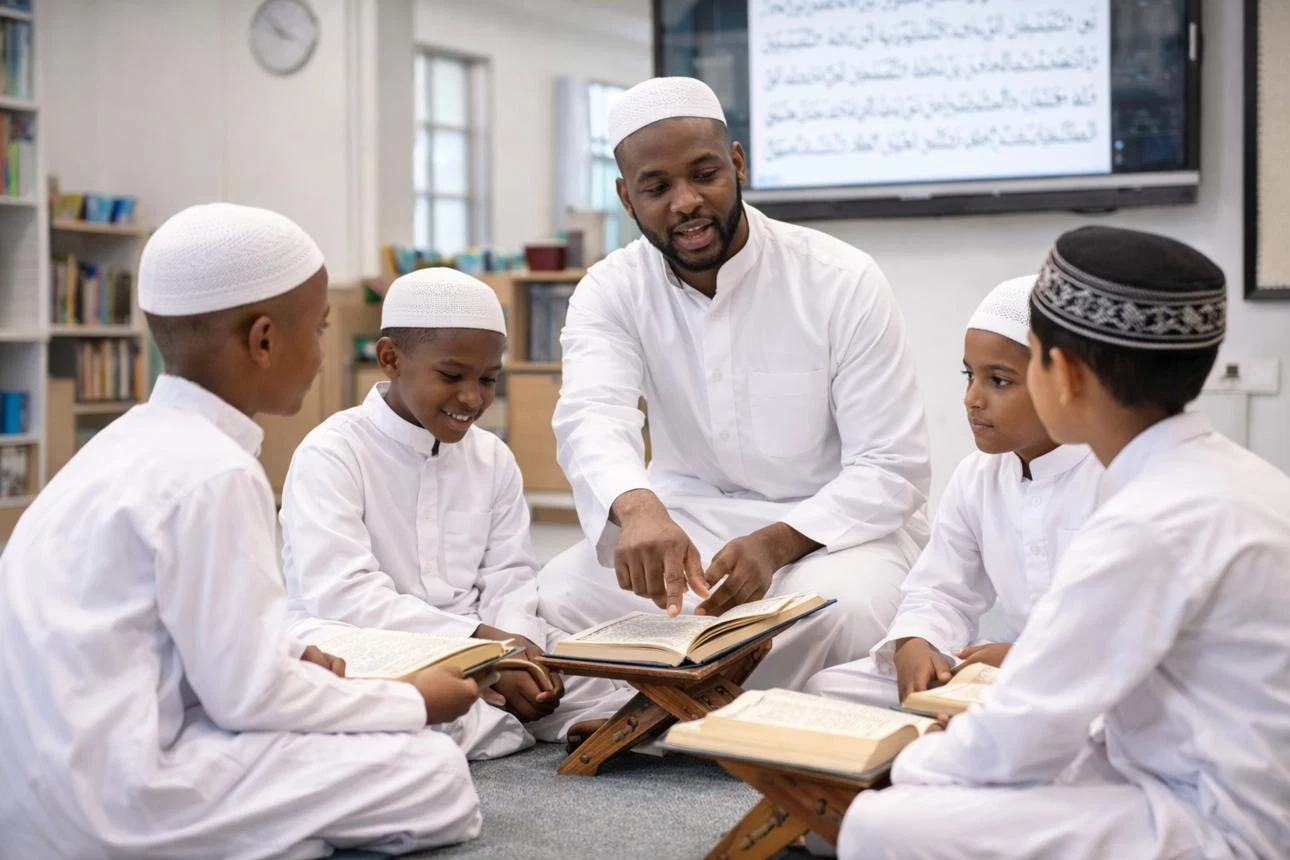
maassafarah.com
Functions of madrasas
- Teaching Qur'anic recitation.
- Teaching Arabic.
- Providing Islamic moral education.
- Introducing Hadith and Islamic history.
- Supporting memorisation.
- Preserving Islamic knowledge.
- Training learners in religious responsibilities.
4. Muslim non-governmental organisations
Muslim NGOs are civil society organisations that may offer charitable and developmental services guided by Islamic ethical values.
Their activities can include:
- Food assistance.
- Healthcare support.
- Education assistance.
- Water and sanitation projects.
- Support for vulnerable families.
- Disaster relief.
- Community development.
- Peacebuilding programmes.
5. Role of Muslim institutions in preserving heritage
|
Institution |
Heritage preservation role |
|---|---|
|
Mosque |
Preserves worship practices, community history and some historic structures |
|
Madrasa |
Transmits religious knowledge, Arabic language and recitation |
|
Muslim NGOs |
May fund education, heritage activities and community welfare |
|
Libraries and archives |
Protect manuscripts and historical records |
|
Community cultural organisations |
Support cultural education and preservation |
6. Challenges facing Muslim institutions
- Inadequate funding.
- Shortages of qualified staff.
- Deterioration of old buildings.
- Limited learning materials.
- Weak administrative structures.
- Technology and infrastructure challenges.
- Loss of historical manuscripts.
- Community disagreements.
- Difficulties reaching underserved communities.
7. Possible solutions
Resource mobilisation: Encourage transparent fundraising and responsible financial management.
Professional training: Improve the skills of teachers, administrators and community leaders.
Technology: Use appropriate digital platforms to support learning and preserve historical records.
Heritage conservation: Maintain historic buildings and protect valuable manuscripts.
Partnerships: Cooperate with schools, community groups and suitable public institutions.
Good governance: Promote accountability, fairness and effective leadership.
8. Importance of Muslim institutions
Muslim institutions support religious learning, promote charity, preserve cultural heritage, build community relationships and contribute to social development.
Activity 7.3
- Define mosque, madrasa and Muslim NGO.
- State six functions of mosques.
- Explain the role of madrasas in Islamic education.
- Identify five challenges facing Muslim institutions.
- Suggest practical solutions to these challenges.
GRADE 9 ISLAMIC RELIGIOUS EDUCATION REVISION
Summary of All 20 Sub-strands
|
Strand |
Sub-strands |
Main areas of learning |
|---|---|---|
|
Qur'an |
2 |
Ulum al-Qur'an and Surah al-Hujurat |
|
Hadith |
2 |
Hadith sciences, authentication and selected Hadith |
|
Pillars of Iman |
2 |
Last Day, Qadar and Qadha |
|
Devotional Acts |
2 |
Shariah and Tawbah |
|
Akhlaq |
3 |
Islamic virtues, morality and the prohibition of Zina |
|
Muamalat |
6 |
Domestic violence, Iddah, child custody, polygamy, Islamic finance and contemporary issues |
|
Islamic Heritage and Civilisation |
3 |
Islam in Kenya, unity and Muslim institutions |
|
Total |
20 |
Important Islamic Terms
|
Arabic term |
Meaning |
|---|---|
|
Iman |
Faith |
|
Tawhid |
Oneness of Allah |
|
Ulum al-Qur'an |
Sciences of the Qur'an |
|
I'jaz al-Qur'an |
Miraculous nature of the Qur'an |
|
Hadith |
Report of the Prophet's words, actions or approvals |
|
Sanad |
Chain of transmission |
|
Matn |
Text of a Hadith |
|
Sahih |
Authentic |
|
Hasan |
Good |
|
Da'if |
Weak |
|
Qiyamah |
Resurrection or Day of Judgement |
|
Qadar |
Divine decree |
|
Shariah |
Divinely guided path of Islamic life |
|
Tawbah |
Repentance |
|
Akhlaq |
Moral character |
|
Haya' |
Modesty |
|
Qana'ah |
Contentment |
|
Amanah |
Trustworthiness |
|
Muamalat |
Social relations and transactions |
|
Iddah |
Prescribed waiting period |
|
Hadanah |
Child custody and care |
|
Qard Hasan |
Benevolent interest-free loan |
|
Riba |
Prohibited interest or usury |
|
Jihad |
Striving or exertion in a cause |
|
Masjid |
Mosque |
|
Madrasa |
Islamic educational institution |
Interactive Revision Quiz
Islamic Religious Education Quiz
10 questions • 10 marks
0/10 answered
1. How many verses are in Surah al-Hujurat?
A. 12
B. 18
C. 20
D. 30
2. Which verse of Surah al-Hujurat teaches verification of information?
A. 49:1
B. 49:6
C. 49:13
D. 49:18
3. What does sanad mean?
A. Text of a Hadith
B. Chain of transmission
C. A chapter of the Qur'an
D. Religious school
4. Which term describes a weak Hadith?
A. Sahih
B. Hasan
C. Da'if
D. Mubah
5. Which is one of the pillars of Iman?
A. Belief in the Last Day
B. Trade
C. Madrasa
D. Mubah
6. What does Tawbah mean?
A. Trade
B. Charity
C. Repentance
D. Fasting
7. Which virtue means trustworthiness?
A. Sabr
B. Amanah
C. Qana'ah
D. Haya'
8. What is the general Iddah for a widow who is not pregnant?
A. One month
B. Two lunar months
C. Three days
D. Four lunar months and ten days
9. What is Qard Hasan?
A. A benevolent interest-free loan
B. A prohibited transaction
C. A type of punishment
D. An obligatory tax
10. Which two institutions commonly support Islamic worship and education?
A. Markets and banks
B. Mosques and madrasas
C. Factories and shops
D. Roads and airports
Check answers Reset
Suggested End-of-Term Assessment
|
Section |
Assessment |
Marks |
|---|---|---|
|
A |
Short-answer questions on Qur'an and Hadith |
20 |
|
B |
Pillars of Iman and devotional acts |
20 |
|
C |
Islamic moral teachings |
15 |
|
D |
Social relations and contemporary issues |
25 |
|
E |
Islamic heritage and civilisation |
20 |
|
Total |
100 |
Suggested CBC Learning Projects
- Qur'an study: Prepare a chart identifying the major moral teachings of Surah al-Hujurat, with verse references.
- Hadith research: Prepare a table comparing sahih, hasan and da'if Hadith and identify the six major Sunni collections.
- Moral education: Develop a classroom presentation demonstrating modesty, contentment and trustworthiness.
- Peace education: Design a poster showing peaceful ways of resolving disputes and rejecting violence.
- Islamic heritage: Research a historic mosque or Islamic educational institution in Kenya and present its contribution.
- Community service: Organise a teacher-supervised charitable activity that promotes compassion and cooperation.
Key Learning Outcomes
By the end of Grade 9 Islamic Religious Education, learners should be able to explain the Qur'an and Hadith as sources of Islamic guidance, describe central beliefs concerning the Last Day and divine decree, demonstrate understanding of Islamic moral teachings, apply ethical principles in social relationships, and appreciate the contribution of Islam to Kenya's history and cultural development.