
Suggested lessons: 20
4.2.1 Meaning of Instrumental Music
Instrumental music is music produced using musical instruments.
It may be performed independently or used to accompany singing, dance, worship and cultural ceremonies.
Different instruments produce sound through vibrating strings, air columns, membranes or solid materials.
4.2.2 Importance of Instrumental Music
Instrumental music:
- Supports religious and cultural performances.
- Provides rhythmic and melodic accompaniment.
- Helps preserve musical traditions.
- Develops concentration and coordination.
- Encourages creativity.
- Strengthens group cooperation.
- Creates opportunities for musical careers.
- Enhances cultural festivals.
- Supports artistic expression.
- Encourages appreciation of cultural diversity.
4.2.3 Classification of Musical Instruments
Musical instruments may be grouped according to how they produce sound.
|
Category |
Sound production |
Examples |
|---|---|---|
|
String instruments |
Vibrating strings |
Sitar, sarod, tanpura, violin, sarangi |
|
Wind instruments |
Vibrating air |
Flute |
|
Membrane percussion |
Vibrating stretched membrane |
Tabla, dhol |
|
Free-reed instruments |
Vibrating metal reeds |
Harmonium |
4.2.4 Selected Musical Instruments
The curriculum identifies nine instruments for study.
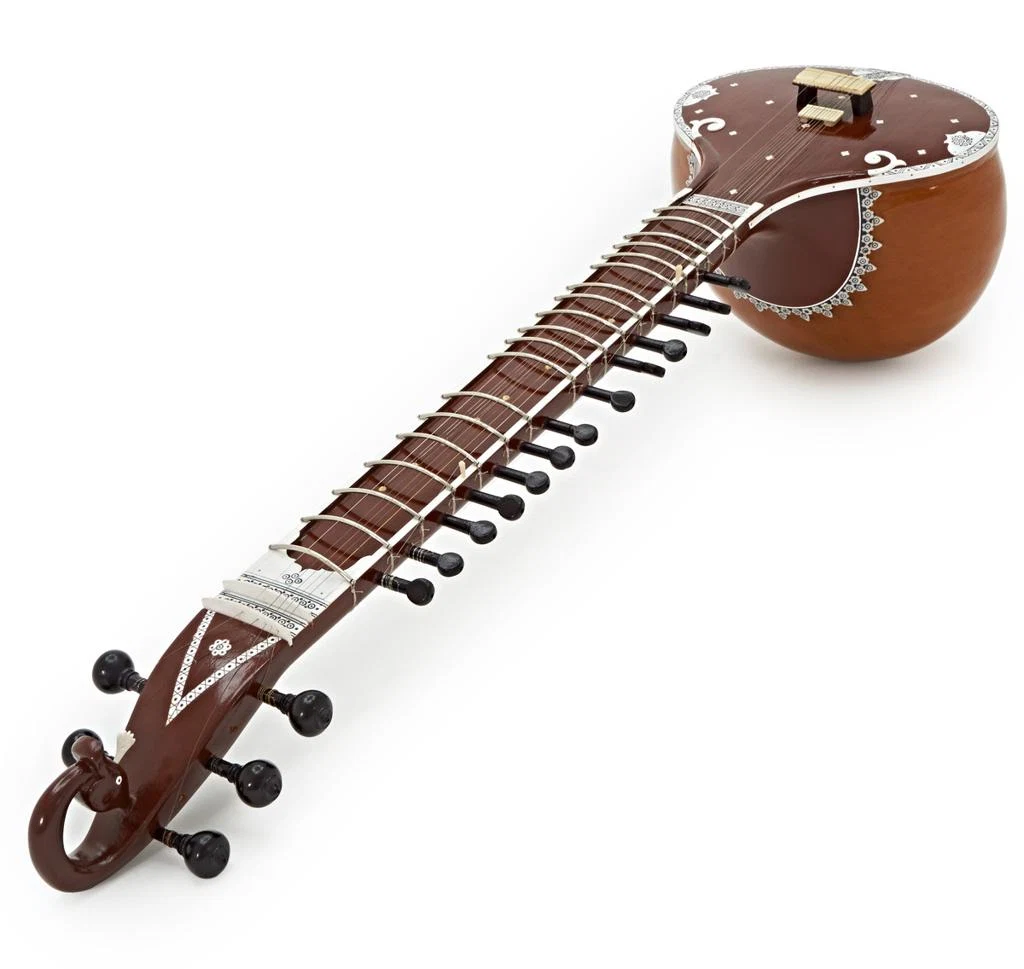
1. Sitar
The sitar is a plucked string instrument associated particularly with Hindustani classical music. It has a long neck, movable frets and resonating strings.
It is used to perform melodies and elaborate musical improvisations.
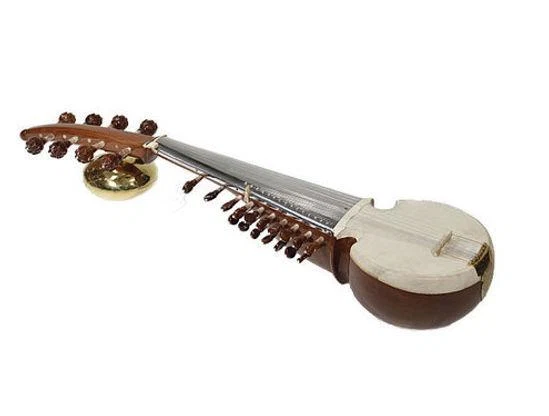
2. Sarod
The sarod is a plucked string instrument with a smooth, fretless fingerboard. It produces rich tones and is commonly used in Hindustani classical music.
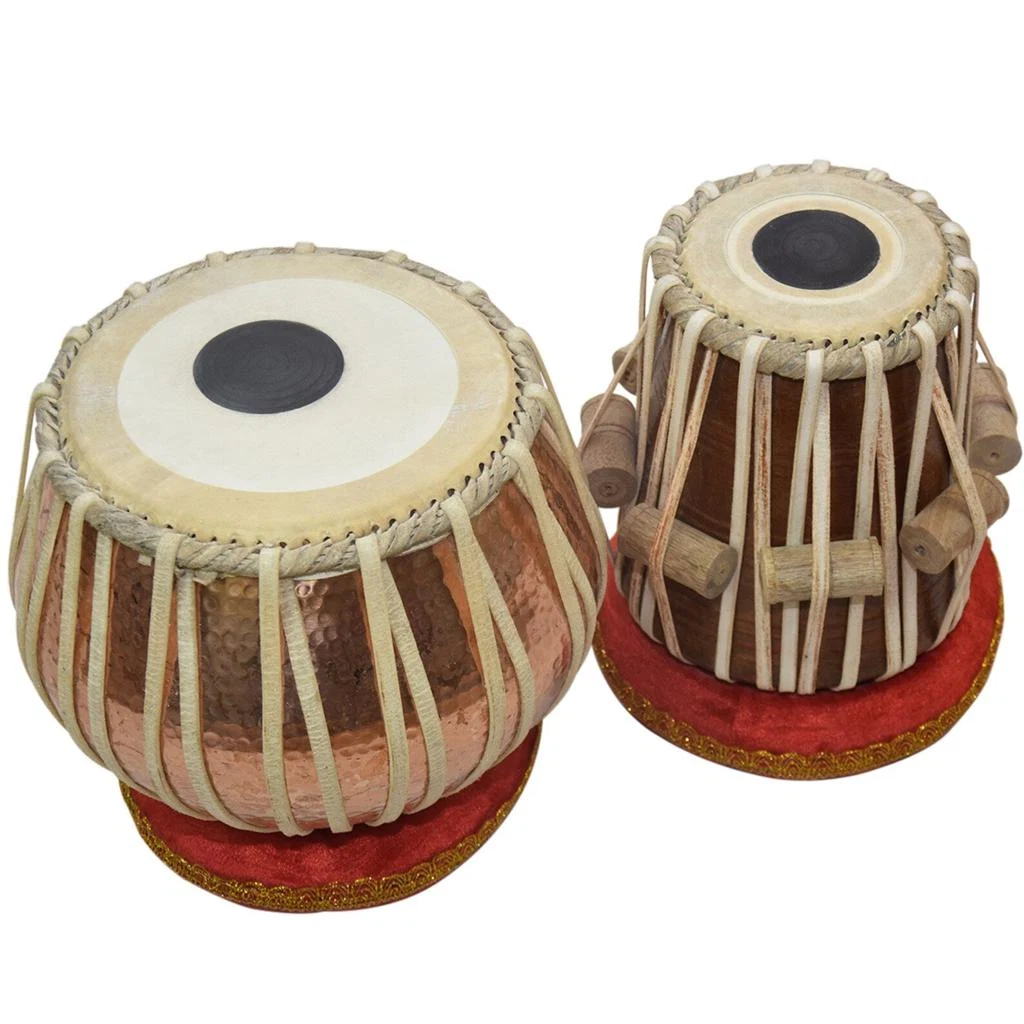
3. Tabla
The tabla consists of two hand-played drums. It is widely used in Indian classical, devotional and other musical traditions.
The player produces different sounds by striking parts of the drumheads with the fingers and palms.
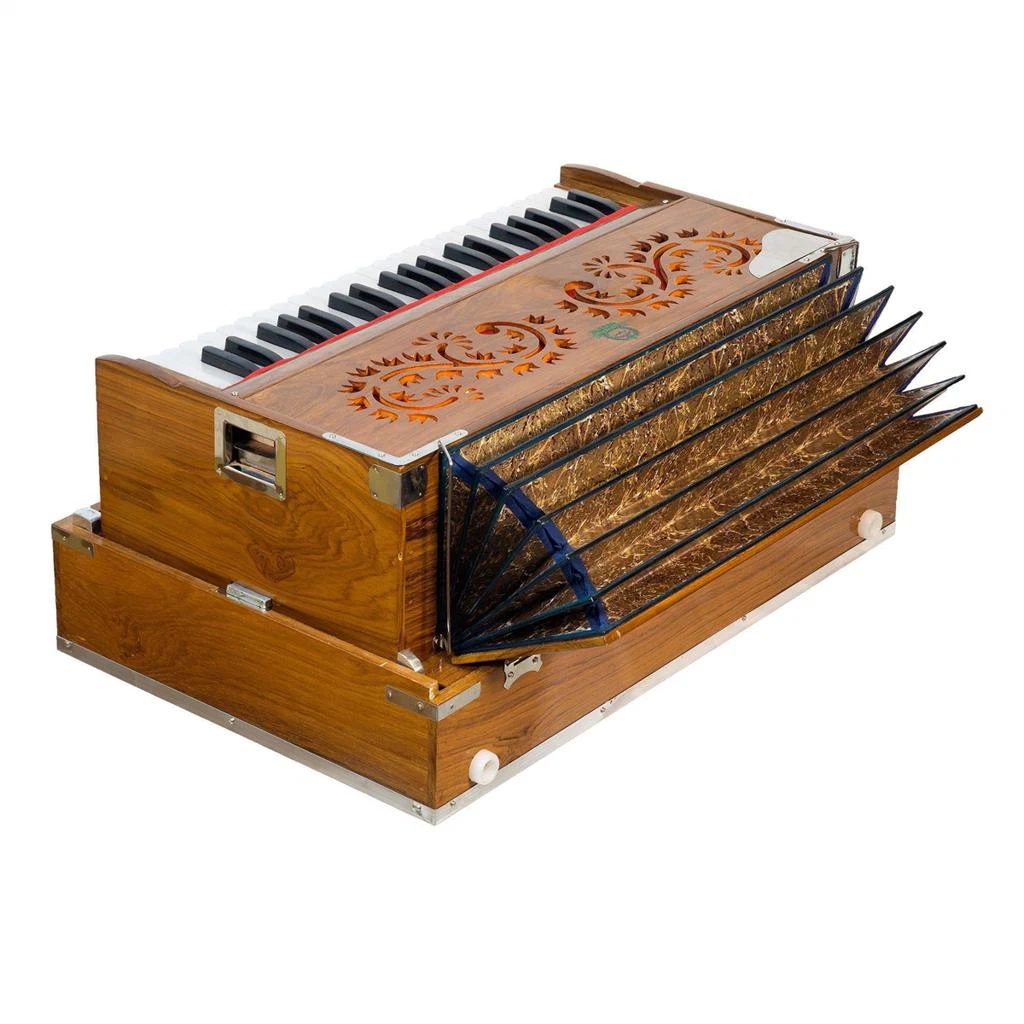
4. Harmonium
The harmonium is a free-reed keyboard instrument. Air is supplied through bellows, while the keyboard controls the notes.
It commonly accompanies devotional singing, including bhajans and some Sikh kirtan performances.
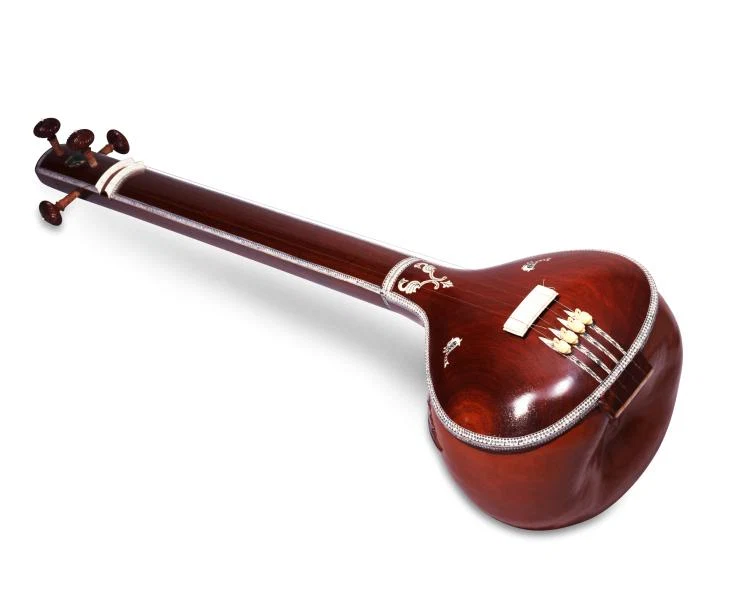
5. Tanpura (Taanpura)
The tanpura is a string instrument used mainly to provide a continuous harmonic drone.
Its sustained tonal background helps singers and instrumentalists maintain pitch.
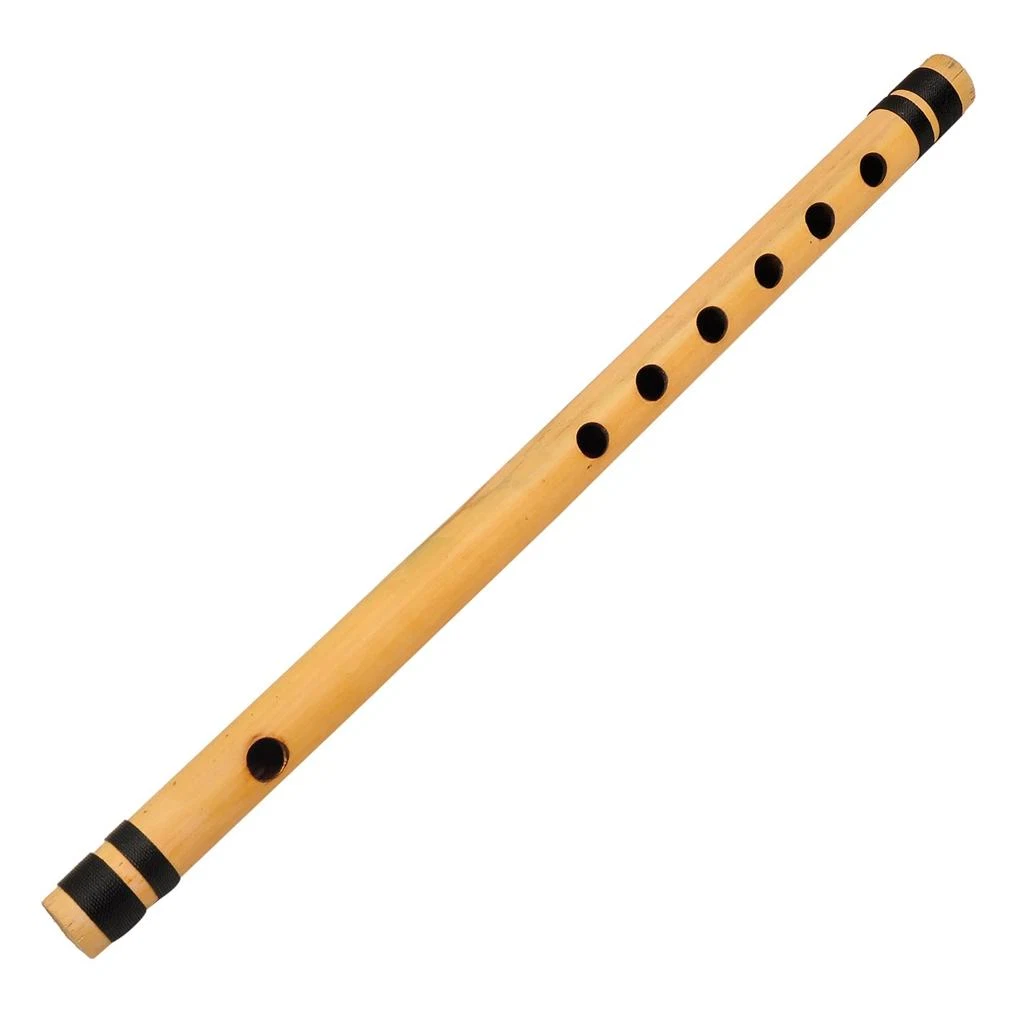
6. Flute
The flute is a wind instrument. Sound is produced when air passes across an opening.
The Indian bamboo flute, often called the bansuri, is associated with classical and devotional music and with traditional representations of Krishna.
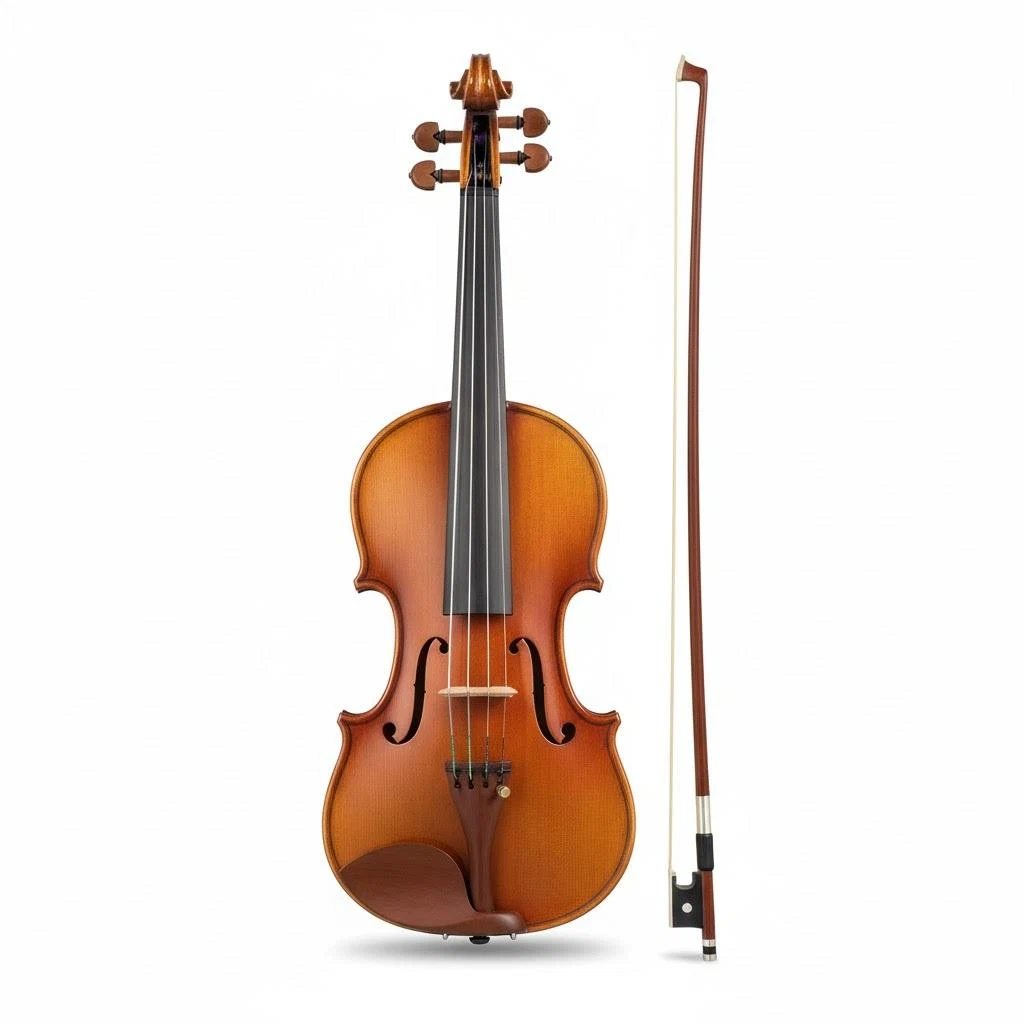
7. Violin
The violin is a bowed string instrument.
It is used in several musical traditions, including Carnatic classical music, where it frequently accompanies vocal performances.
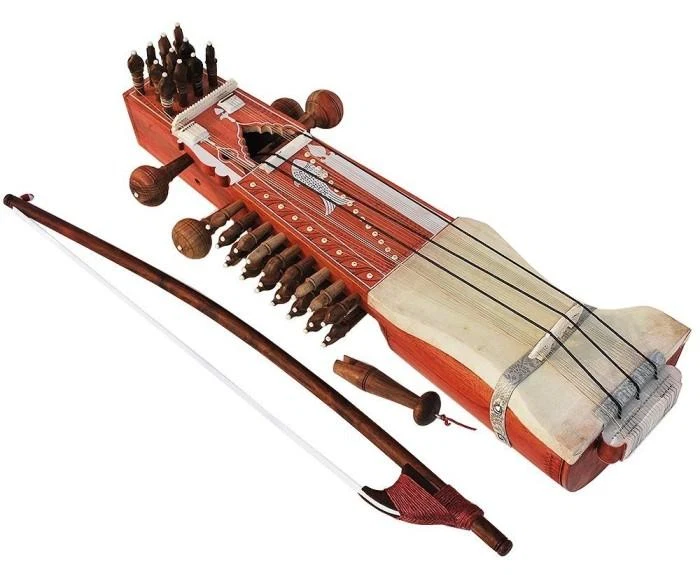
8. Sarangi (Saarangi)
The sarangi is a bowed string instrument associated with North Indian music.
It is recognised for its expressive tone and its ability to imitate qualities of the human voice.
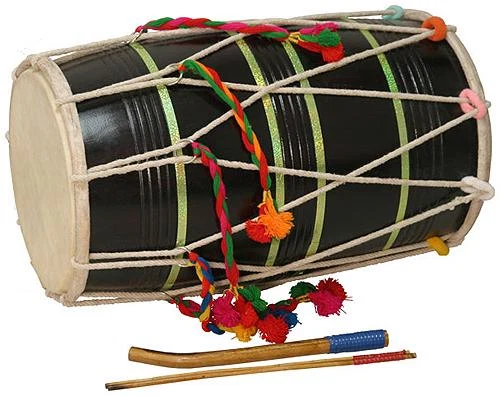
9. Dhol
The dhol is a double-headed drum commonly played with sticks.
It is especially associated with Punjabi folk music, celebrations and dances such as Bhangra.
4.2.5 Musical Instruments in the Four Faiths
Musical practices vary between communities and religious schools. The following are representative examples, not universal requirements.
|
Faith |
Instrumental practices |
|---|---|
|
Sanatan/Vedic |
Instruments such as harmonium, tabla, flute, sitar and others may accompany devotional music |
|
Jain |
Harmonium, tabla and other instruments may accompany devotional songs in some communities |
|
Buddhist |
Depending on the tradition, bells, drums, cymbals, horns and other instruments may accompany ceremonies |
|
Sikh |
Instruments such as harmonium, tabla, rabab, taus, dilruba and jori have associations with Sikh musical traditions |
Some Buddhist and Jain communities emphasise unaccompanied chanting or have particular restrictions on musical performance. Learners should investigate the practices of the specific community being studied.
4.2.6 Basic Instrumental Performance Skills
A learner should understand the following:
Posture: Maintaining a suitable body position when playing.
Technique: Using hands, fingers, breath or sticks correctly.
Rhythm: Following the beat and timing of the music.
Pitch: Producing or selecting appropriate notes.
Coordination: Controlling movements accurately.
Listening: Paying attention to other performers.
Care: Handling, cleaning and storing instruments properly.
Example: Learning a Simple Rhythm
A teacher may guide learners to clap four equal beats:
ONE – TWO – THREE – FOUR
Learners can then practise the same rhythm on a suitable percussion instrument.
They should begin slowly and increase speed only after mastering the pattern.
4.2.7 Caring for Musical Instruments
Proper care increases the lifespan and reliability of musical instruments.
- Keep instruments in clean, dry and suitable storage conditions.
- Avoid unnecessary exposure to heat and moisture.
- Handle fragile strings and components carefully.
- Clean instruments according to the manufacturer's or instructor's guidance.
- Do not force damaged keys or tuning mechanisms.
- Report faults to a responsible adult or technician.
Suggested Illustration 4.2
Title: Nine Musical Instruments Used in Indian Cultural Traditions
Image type: Nine-panel educational infographic, 16:9, pure white background.
Description: Show separate, accurately drawn representations of sitar, sarod, tabla, harmonium, tanpura, flute, violin, sarangi and dhol.
Required labels: Sitar, Sarod, Tabla, Harmonium, Tanpura, Flute, Violin, Sarangi, Dhol.
Placement: After the explanation of the nine instruments.
Practical Activity: Instrument Identification
The teacher displays images or actual instruments.
Learners identify each instrument, state its category, explain how it produces sound and describe an occasion on which it may be used.
Practical Activity: Instrumental Performance
In groups, learners select an available instrument and practise a short, teacher-approved rhythm or melody.
Each group presents its performance and receives constructive feedback on rhythm, coordination, care of the instrument and teamwork.
Revision Questions — 4.2
- Define instrumental music.
- Name nine instruments identified in the curriculum.
- Classify the sitar according to sound production.
- How does the tabla produce sound?
- Explain the function of the tanpura.
- What type of instrument is the harmonium?
- State two uses of the dhol.
- Give three reasons for learning instrumental music.
- State four rules for caring for instruments.
- Explain why musical instruments may be important during religious and cultural occasions.
Direct Answers
- Music produced using musical instruments.
- Sitar, sarod, tabla, harmonium, tanpura, flute, violin, sarangi and dhol.
- A string instrument.
- By the vibration of stretched drum membranes when struck.
- It provides a continuous drone that supports pitch.
- A free-reed keyboard instrument.
- Accompanying folk dances and celebrations.
- Developing coordination, preserving culture and encouraging creativity.
- Store safely, clean appropriately, handle carefully and report damage.
- They provide accompaniment, support communal participation and help preserve musical traditions.