
1. Introduction
After establishing crops, farmers must carry out various activities to ensure proper growth and development.
These activities are called crop management practices.
Crop management practices are activities carried out after planting to promote healthy crop growth, reduce competition and improve crop production.
The KICD curriculum identifies four selected practices:
- Gapping.
- Thinning.
- Weeding using physical methods.
- Earthing-up.
2. Gapping
Gapping is the practice of replacing missing or dead plants in a crop field to maintain the required plant population.
Sometimes seeds fail to germinate or young seedlings die.
This creates empty spaces within crop rows.
Gapping involves filling these spaces with healthy seedlings or other suitable planting materials.
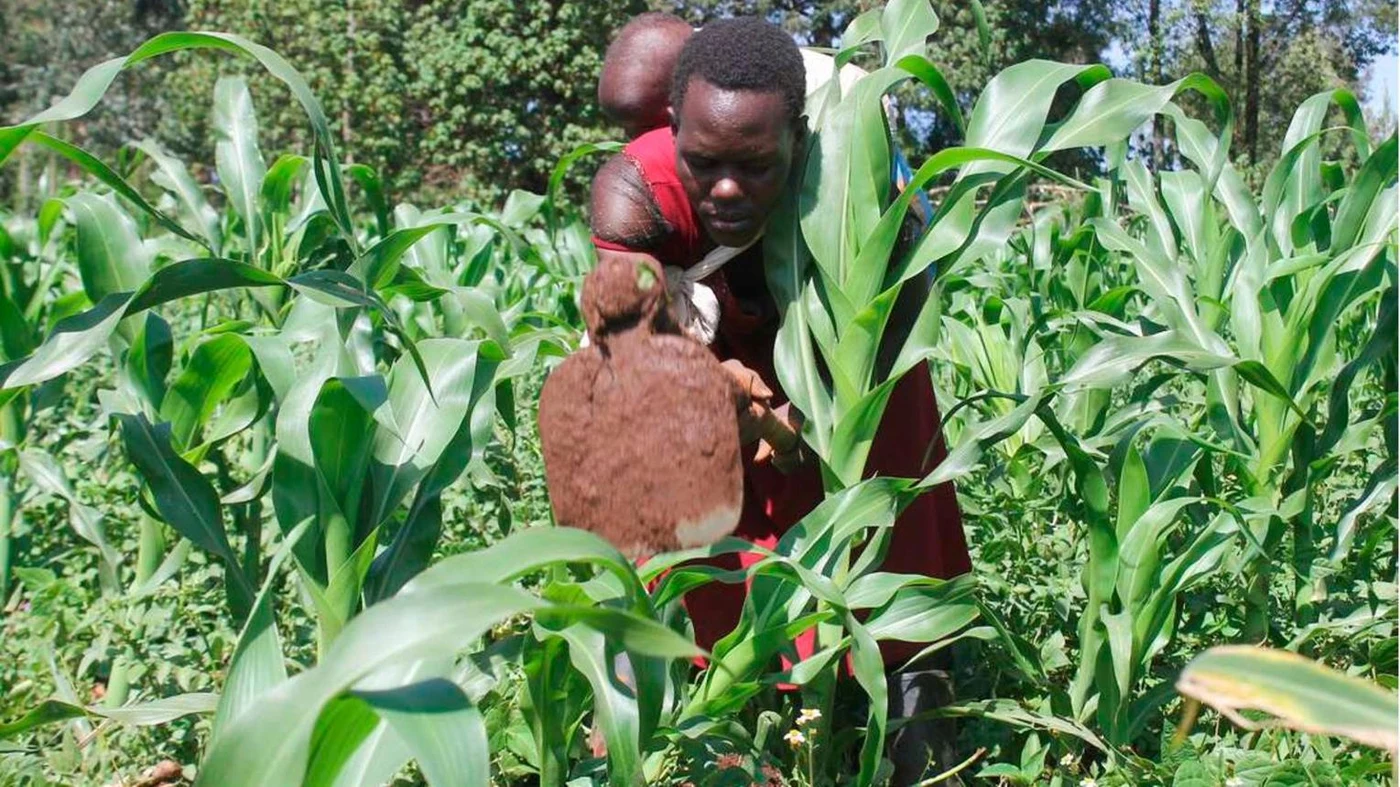
Gapping involves replacing missing plants in crop rows.
Causes of gaps in crop fields
- Failure of some seeds to germinate.
- Planting poor-quality seeds.
- Attacks by pests and diseases.
- Dry conditions after planting.
- Damage by animals.
- Poor planting methods.
- Waterlogging.
Procedure for carrying out gapping
- Inspect the crop field after germination.
- Identify spaces where plants are missing.
- Select healthy replacement seedlings.
- Prepare the empty planting positions.
- Transplant the seedlings carefully.
- Cover their roots with soil.
- Firm the soil gently.
- Water the seedlings where necessary.
- Monitor the replacement plants.
Importance of gapping
- It maintains the recommended plant population.
- It promotes uniform crop growth.
- It prevents unnecessary empty spaces.
- It improves the use of available land.
- It helps maintain the expected crop yield.
- It promotes uniform crop maturity.
3. Thinning
Thinning is the removal of excess seedlings from a planting station or crop row to provide sufficient space for the remaining plants.
It is carried out when too many seedlings have germinated in one planting position.
For example, if several maize seedlings grow in one hole, some may be removed to leave the recommended number.
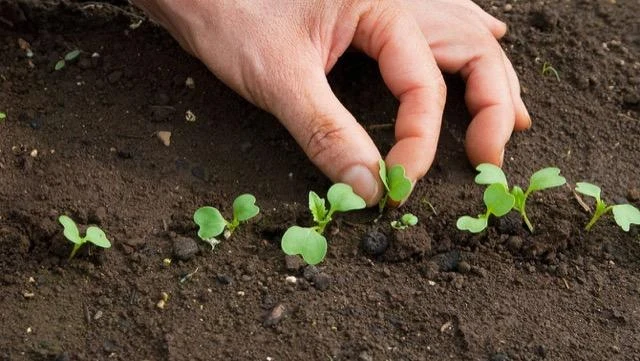
Removing excess seedlings during thinning.
Reasons for carrying out thinning
- To reduce competition for nutrients.
- To provide enough growing space.
- To improve air circulation.
- To allow sufficient sunlight to reach the plants.
- To support healthy root development.
- To promote uniform crop growth.
Procedure for carrying out thinning
- Inspect the crop after germination.
- Identify planting positions containing excess seedlings.
- Select the strongest and healthiest seedlings to remain.
- Remove unwanted seedlings carefully.
- Avoid damaging the roots of the remaining plants.
- Maintain the recommended spacing.
- Dispose of removed seedlings appropriately.
Precautions during thinning
- Thin at the appropriate growth stage.
- Avoid pulling out the seedlings that should remain.
- Maintain the recommended plant population.
- Avoid damaging neighbouring plants.
- Use clean hands or appropriate tools.
4. Difference between gapping and thinning
|
Gapping |
Thinning |
|---|---|
|
It involves replacing missing plants. |
It involves removing excess plants. |
|
It increases plant population in empty spaces. |
It reduces overcrowding. |
|
It fills gaps in crop rows. |
It creates sufficient space between plants. |
|
It uses healthy replacement seedlings. |
It removes unwanted seedlings. |
Remember: Gapping adds missing plants, while thinning removes excess plants.
5. Weeding
Weeding is the removal of unwanted plants from crop fields.
Unwanted plants growing among crops are called weeds.
Weeds compete with crops for:
- Water.
- Nutrients.
- Sunlight.
- Growing space.
Some weeds also harbour pests and diseases that may affect crops.
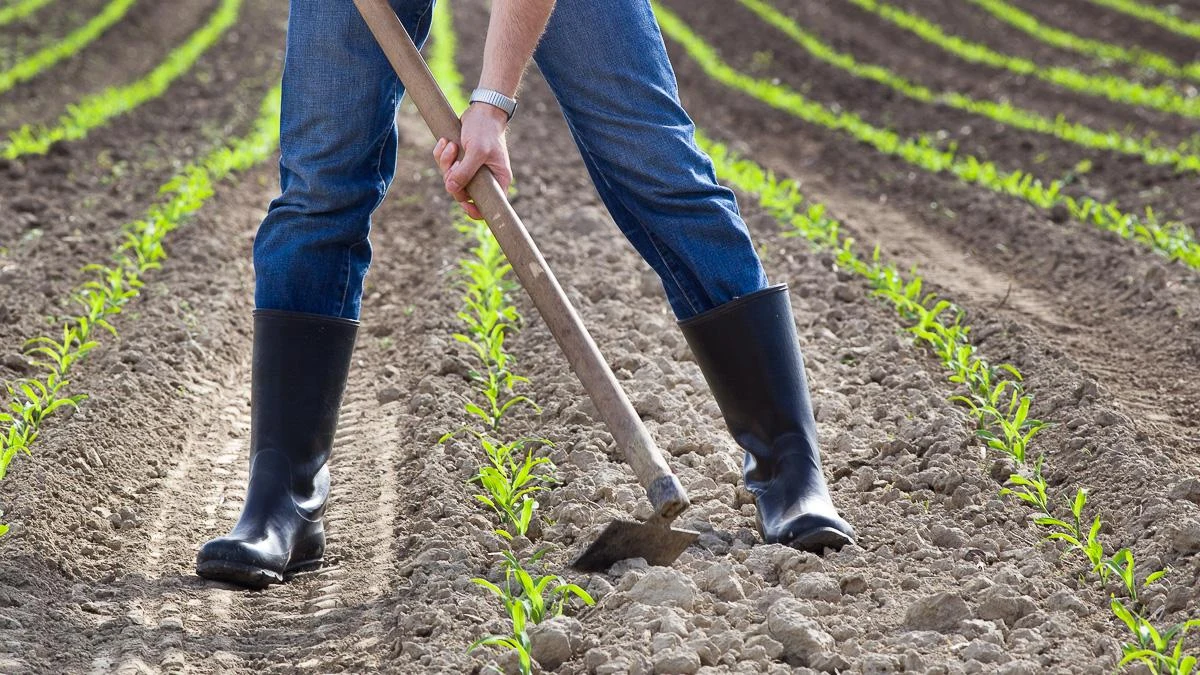
Removing weeds from a crop field using a hand hoe.
Examples of common weeds
- Black jack.
- Couch grass.
- Mexican marigold.
- Wandering Jew.
- Nut grass.
- Pigweed.
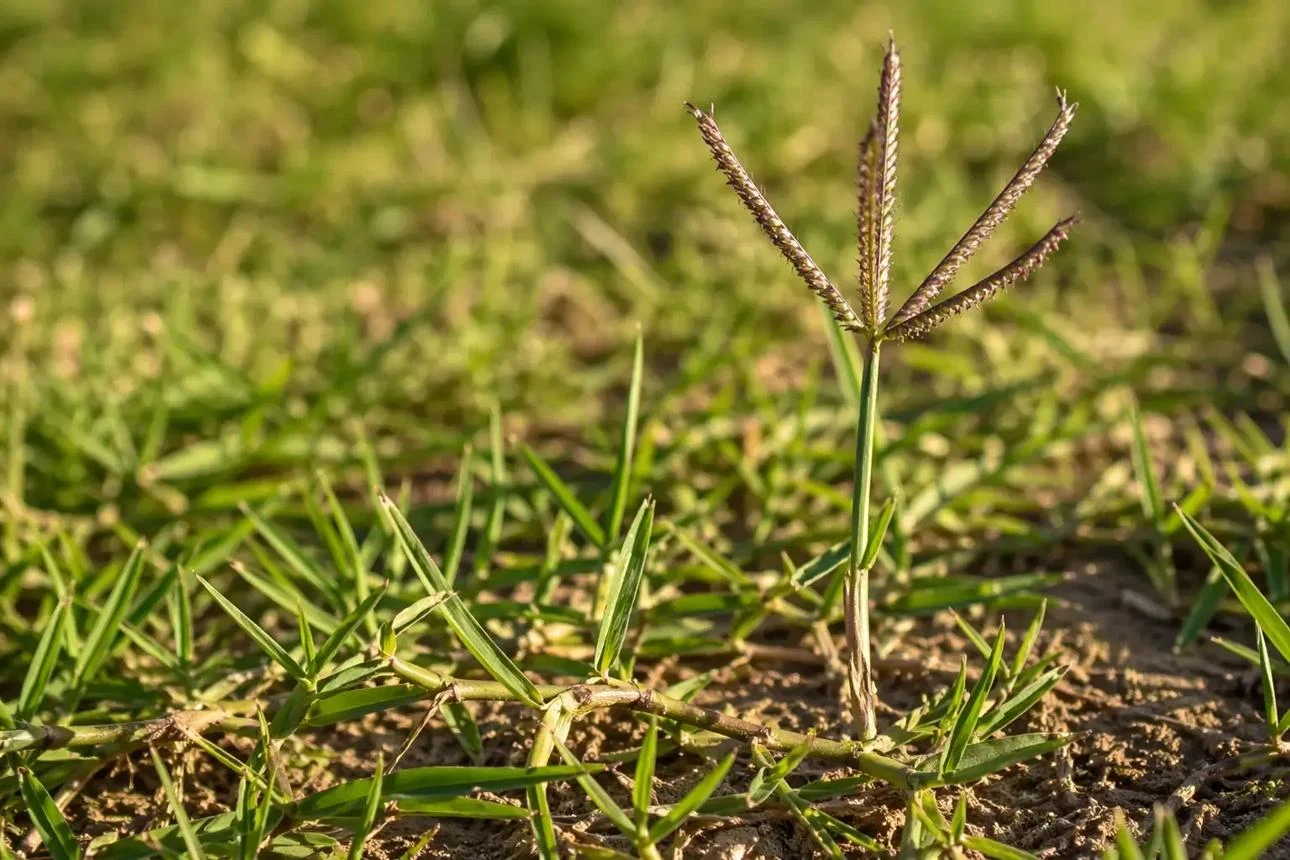
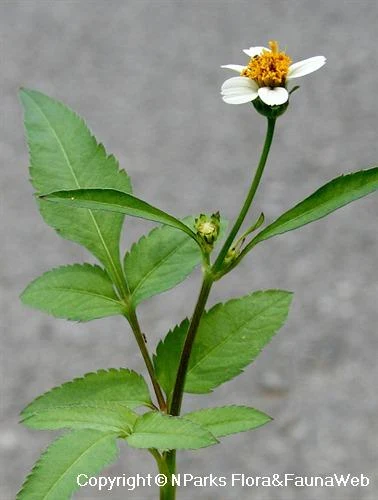
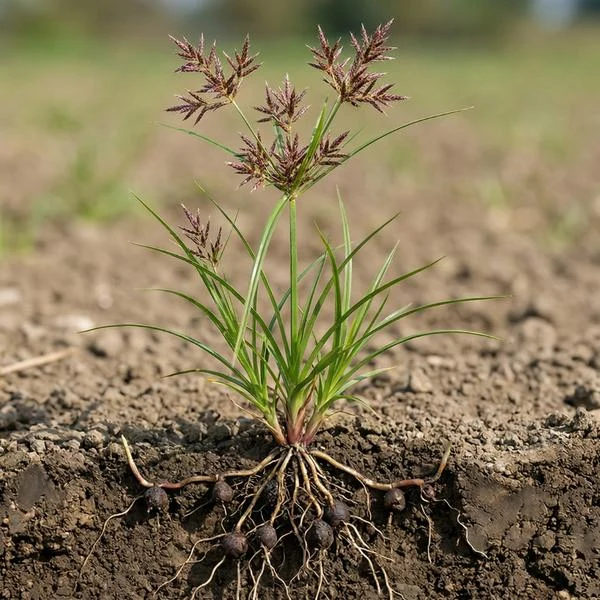
8
Examples of common weeds found in agricultural fields.
6. Physical methods of weeding
Physical weeding involves removing unwanted plants using hands or tools without applying herbicides.
The curriculum emphasizes physical methods of weeding.
A. Hand pulling
This involves removing weeds manually using the hands.
Procedure
- Identify the weeds growing among crops.
- Hold the weed near its base.
- Pull it gently to remove as much of the root as possible.
- Collect the removed weeds.
- Dispose of them appropriately.
Advantages
- It is simple.
- It requires few tools.
- It is suitable for small gardens.
- It allows selective removal of weeds.
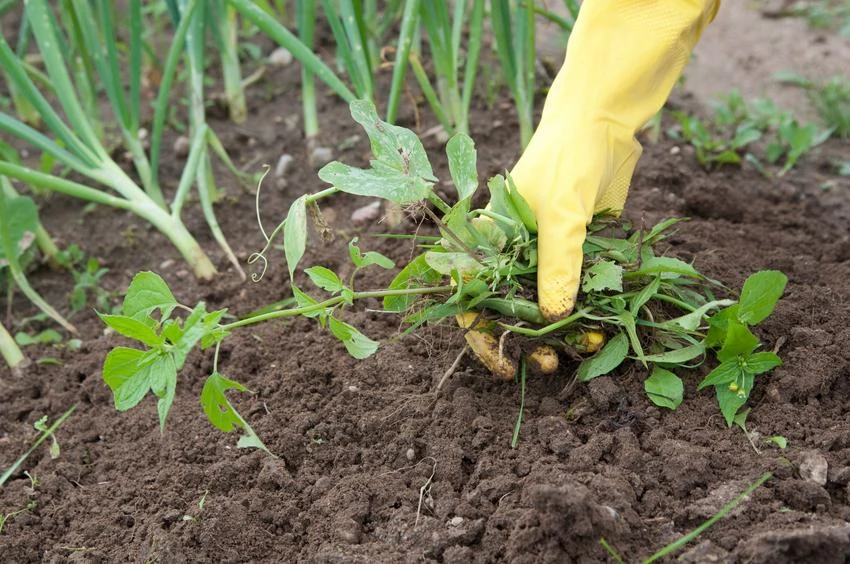
Removing weeds manually by hand.
B. Hoeing
Hoeing involves removing weeds using a hand hoe or jembe.
Procedure
- Identify areas with weeds.
- Hold the hoe firmly.
- Loosen the soil around the weeds.
- Cut or uproot the weeds.
- Collect the removed weeds.
- Repeat the process in other affected areas.
Advantages
- It removes weeds from crop fields.
- It is suitable for inter-row weeding.
- It loosens the soil surface.
- It can be carried out using locally available tools.
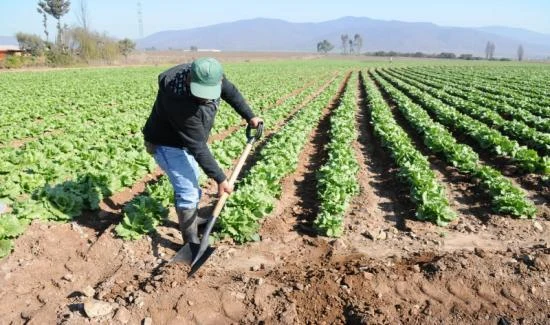
Hoeing as a physical method of weed control.
C. Slashing
Slashing involves cutting unwanted vegetation using a slasher or other suitable cutting tool.
It is commonly used to control tall weeds and grass.
Procedure
- Identify areas with excessive vegetation.
- Wear suitable protective clothing.
- Hold the slasher correctly.
- Cut the unwanted vegetation carefully.
- Collect or manage the cut vegetation appropriately.
- Inspect the area after slashing.
Advantages
- It controls tall weeds.
- It helps maintain clean surroundings.
- It can be used in large open spaces.
- It reduces competition from unwanted vegetation.
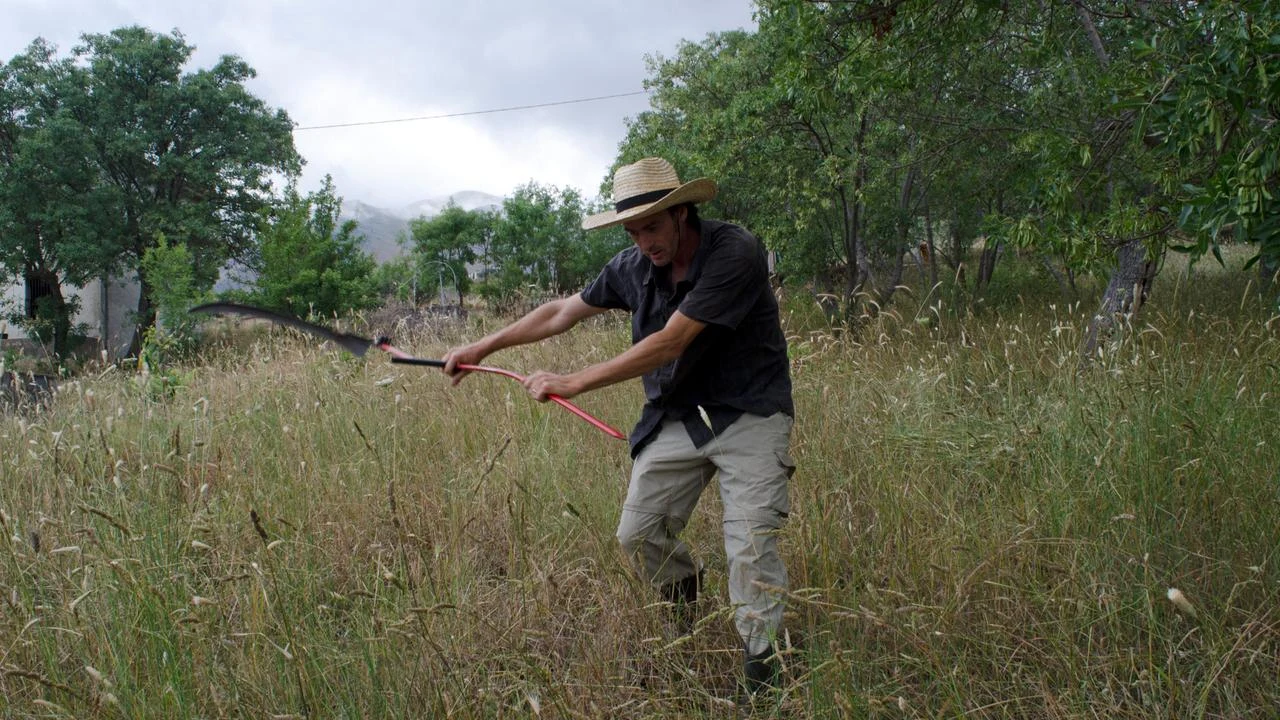
Controlling unwanted vegetation through slashing.
7. Importance of weeding
- It reduces competition for nutrients.
- It reduces competition for water.
- It allows crops to receive sufficient sunlight.
- It improves air circulation.
- It helps control weeds that harbour pests.
- It improves the appearance of the farm.
- It promotes healthy crop growth.
- It may improve crop yields.
8. Earthing-up
Earthing-up is the practice of drawing soil around the base of growing plants to form a small mound or ridge.
It is commonly carried out on crops such as Irish potatoes.
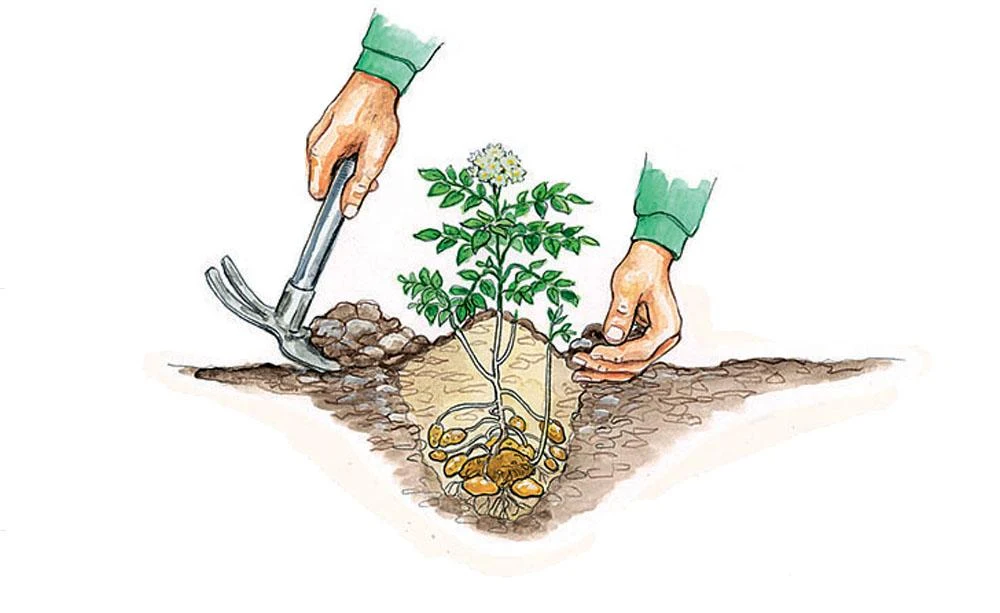
Earthing-up potatoes by drawing soil around the plant base.
Crops that require earthing-up
Examples include:
- Irish potatoes.
- Maize in suitable production systems.
- Some root and tuber crops.
- Other crops that benefit from soil being drawn around their bases.
Procedure for carrying out earthing-up
- Inspect the growing crop.
- Identify the plants that require earthing-up.
- Obtain a suitable tool such as a jembe or hoe.
- Loosen soil between the crop rows.
- Draw soil towards the base of the plants.
- Form a suitable mound or ridge.
- Ensure that the crop is not buried excessively.
- Repeat when necessary according to crop requirements.
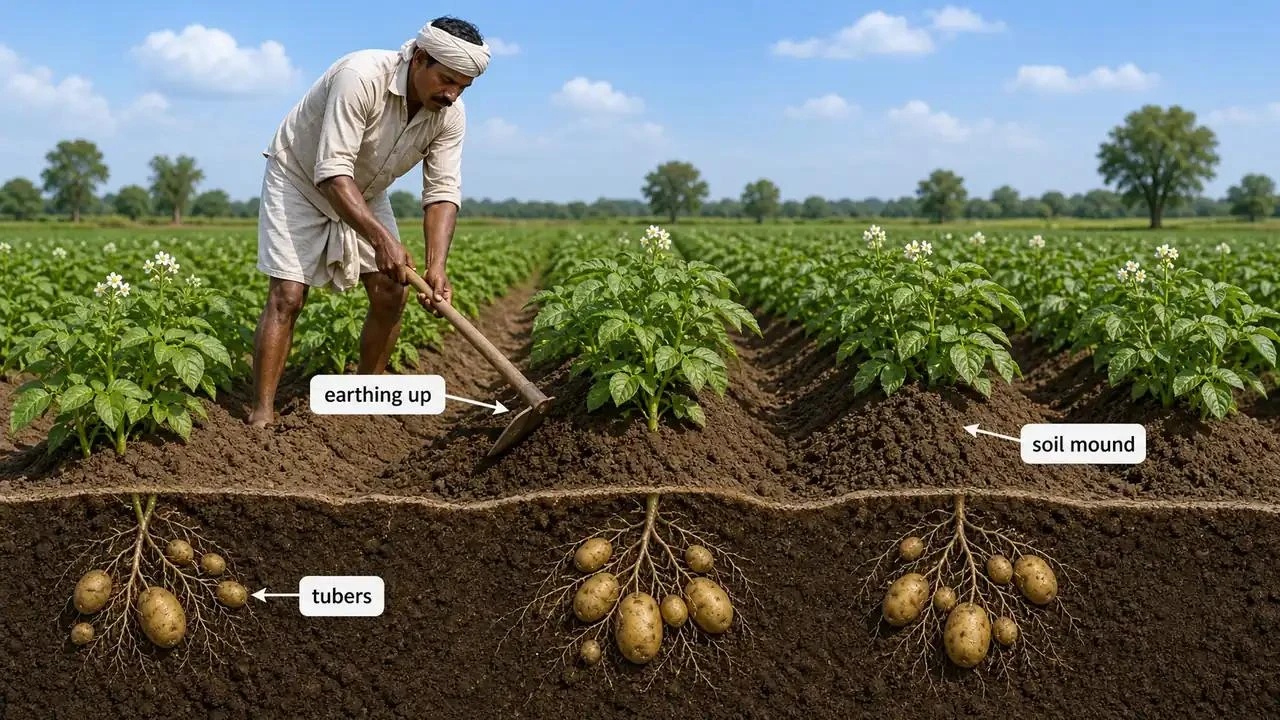
Earthing-up protects developing potato tubers from exposure to sunlight.
Importance of earthing-up
1. Protecting tubers from sunlight
In potato production, earthing-up covers developing tubers with soil and prevents exposure to sunlight.
Potatoes exposed to light may turn green and develop harmful glycoalkaloids.
2. Supporting plant growth
Soil around the base provides additional support to growing plants.
3. Conserving soil moisture
The raised soil around plants may help conserve moisture in the root zone.
4. Controlling weeds
Earthing-up can bury or suppress some weeds growing near crop rows.
5. Supporting tuber development
In potato production, earthing-up provides soil cover around the developing tubers.
6. Reducing some pest damage
Adequate soil cover may reduce exposure of developing potato tubers to certain pests.
9. Comparison of the four crop management practices
|
Practice |
Meaning |
Main purpose |
|---|---|---|
|
Gapping |
Replacing missing plants |
Maintaining plant population |
|
Thinning |
Removing excess seedlings |
Reducing overcrowding |
|
Weeding |
Removing unwanted plants |
Reducing competition |
|
Earthing-up |
Drawing soil around plant bases |
Supporting plants and covering developing tubers |
10. Tools used in crop management
|
Tool |
Use |
|---|---|
|
Jembe |
Hoeing and earthing-up |
|
Hand hoe |
Removing weeds |
|
Slasher |
Cutting tall weeds and grass |
|
Hand fork |
Loosening soil and removing weeds |
|
Gloves |
Protecting hands |
|
Watering can |
Watering replacement seedlings |
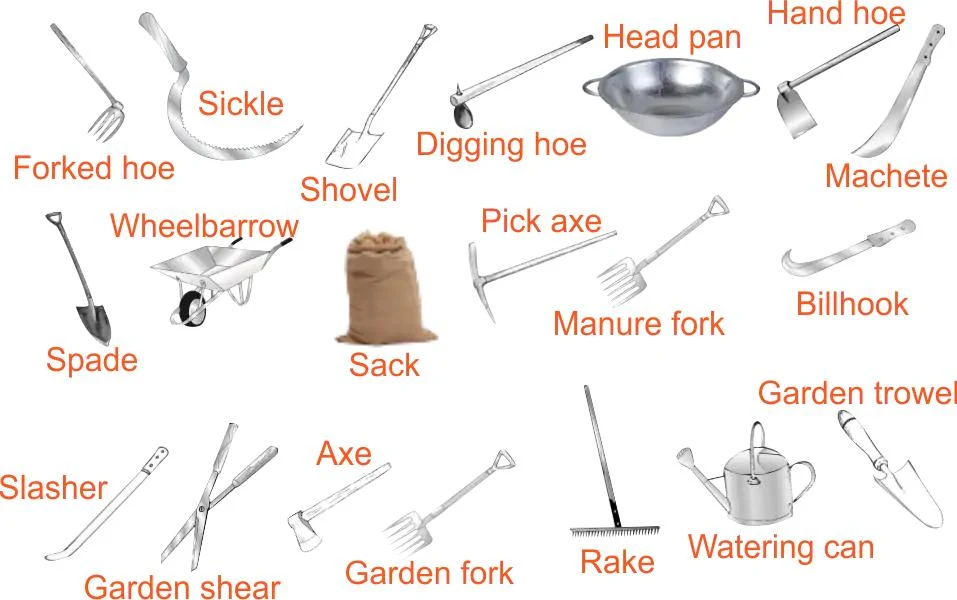
Common tools used in crop management.
11. Safety precautions during crop management
- Use the correct tool for each activity.
- Wear suitable protective clothing.
- Keep sharp tools away from other learners.
- Do not leave tools scattered around the farm.
- Avoid damaging crops during weeding.
- Wash hands after completing farm activities.
- Store tools safely after use.
- Work under appropriate supervision.
12. Practical activity: Carrying out crop management practices
Activity: Managing crops in a school or home garden
Materials:
- Jembe.
- Hand hoe.
- Slasher.
- Watering can.
- Healthy replacement seedlings.
- Gloves.
Procedure:
- Visit an established crop field.
- Inspect the crops and identify empty spaces.
- Carry out gapping where necessary.
- Identify overcrowded planting positions.
- Practise thinning.
- Identify unwanted plants.
- Remove weeds using physical methods.
- Identify crops requiring earthing-up.
- Carry out earthing-up where appropriate.
- Discuss the importance of each activity.
13. Key inquiry question
How can we carry out management practices in crop production?
We carry out crop management practices by replacing missing plants through gapping, removing excess seedlings through thinning, removing weeds using physical methods and drawing soil around plant bases through earthing-up.
14. Revision questions and answers
Q1. What are crop management practices?
They are activities carried out after planting to promote healthy crop growth and development.
Q2. Name four selected crop management practices.
- Gapping.
- Thinning.
- Weeding.
- Earthing-up.
Q3. Define gapping.
Gapping is replacing missing or dead plants in a crop field.
Q4. What is thinning?
Thinning is removing excess seedlings to provide enough space for the remaining plants.
Q5. Differentiate between gapping and thinning.
Gapping replaces missing plants, while thinning removes excess plants.
Q6. What is weeding?
Weeding is the removal of unwanted plants from crop fields.
Q7. Identify three physical methods of weeding.
Hand pulling, hoeing and slashing.
Q8. What is earthing-up?
It is drawing soil around the base of growing plants to form a mound or ridge.
Q9. State four benefits of earthing-up.
- Protects developing tubers from sunlight.
- Supports plant growth.
- Conserves soil moisture.
- Suppresses some weeds.
Q10. Why is crop management important?
It promotes healthy crop growth, reduces competition and helps improve agricultural production.