
1. Introduction to cooking food
Cooking is the process of preparing food using heat to make it suitable for eating.
Food can be cooked using different methods depending on its type, texture, taste and intended use.
Cooking makes many foods softer and easier to chew and digest. It also improves their flavour, appearance and acceptability.
Some cooking methods help destroy harmful microorganisms that may cause food poisoning.
Common methods of cooking include:
- Boiling.
- Steaming.
- Grilling.
- Roasting.
- Frying.
- Baking.
- Stewing.
The KICD Grade 7 curriculum specifically focuses on grilling, roasting and steaming.
2. Importance of cooking food
Cooking food is important for several reasons.
- Improves digestibility: Heat softens many foods, making them easier to chew and digest.
- Improves flavour: Cooking develops the taste and aroma of food.
- Destroys harmful microorganisms: Sufficient cooking kills many bacteria and parasites that may cause diseases.
- Improves appearance: Some cooking methods give food an attractive colour.
- Improves food variety: Different methods allow people to prepare the same food in different ways.
- Softens tough foods: Heat helps soften some hard food materials.
- Makes some foods safe to eat: Certain foods require cooking before consumption.
3. Factors to consider when choosing a cooking method
The cooking method selected depends on several factors.
A. Type of food
Different foods require different cooking methods. For example, meat may be grilled or roasted, while vegetables can be steamed.
B. Texture of food
Hard foods may require longer cooking times. Soft foods usually require less time.
C. Availability of equipment
The available cooking equipment influences the method selected.
D. Time available
Some cooking methods take longer than others.
E. Nutritional value
Some methods help reduce nutrient losses. Steaming, for example, uses little water.
F. Desired flavour
Different methods produce different flavours. Grilling and roasting can produce a characteristic browned flavour.
G. Safety
The selected method must allow food to reach a safe cooking temperature.
4. Grilling
Grilling is a method of cooking food using direct heat from below or above.
Food is placed on a grill rack or suitable grilling surface. Heat cooks the food while giving it a characteristic browned surface.
Common foods that can be grilled include:
- Meat.
- Fish.
- Chicken.
- Sausages.
- Some vegetables.
- Sweet corn.
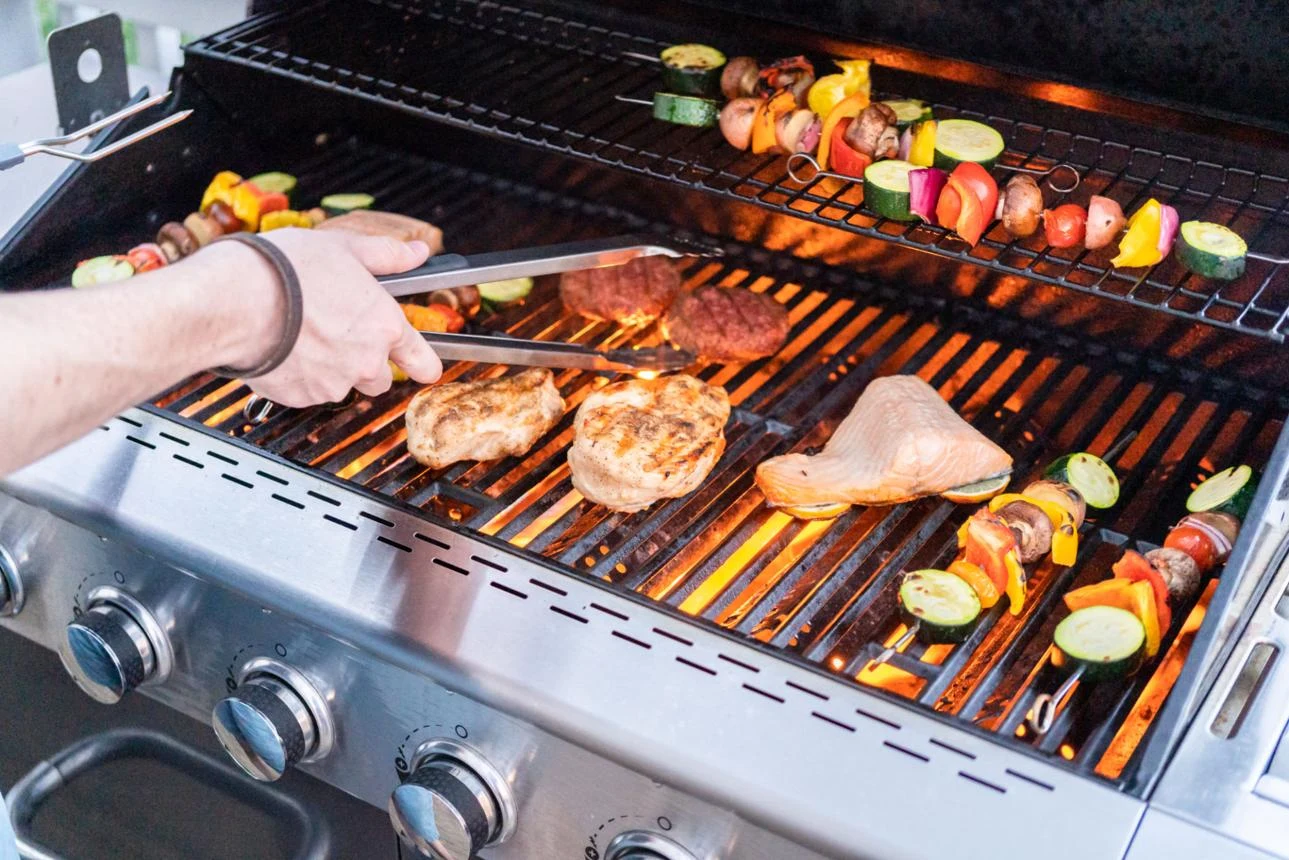
Different foods being prepared using the grilling method.
Equipment used in grilling
- Grill rack.
- Charcoal or gas grill.
- Tongs.
- Cooking brush.
- Heat-resistant gloves.
- Serving plate.
- Food thermometer where available.
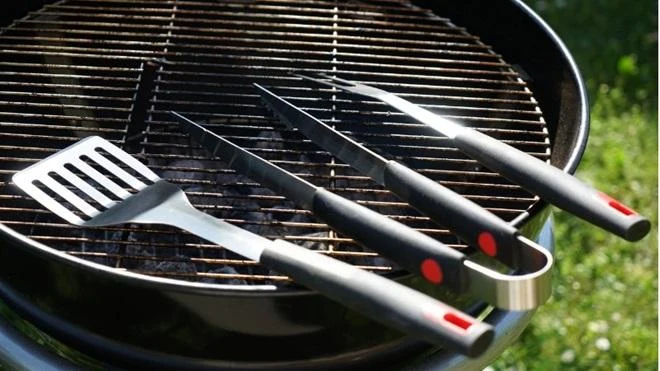
Equipment used when grilling food.
Procedure for grilling food
- Select suitable food for grilling.
- Clean and prepare the food.
- Cut the food into suitable sizes where necessary.
- Prepare the grill and heat source.
- Allow the grill to become sufficiently hot.
- Place the food on the grill rack.
- Turn the food when necessary using suitable tongs.
- Continue cooking until the food is thoroughly cooked.
- Remove the food carefully.
- Serve using clean plates and utensils.
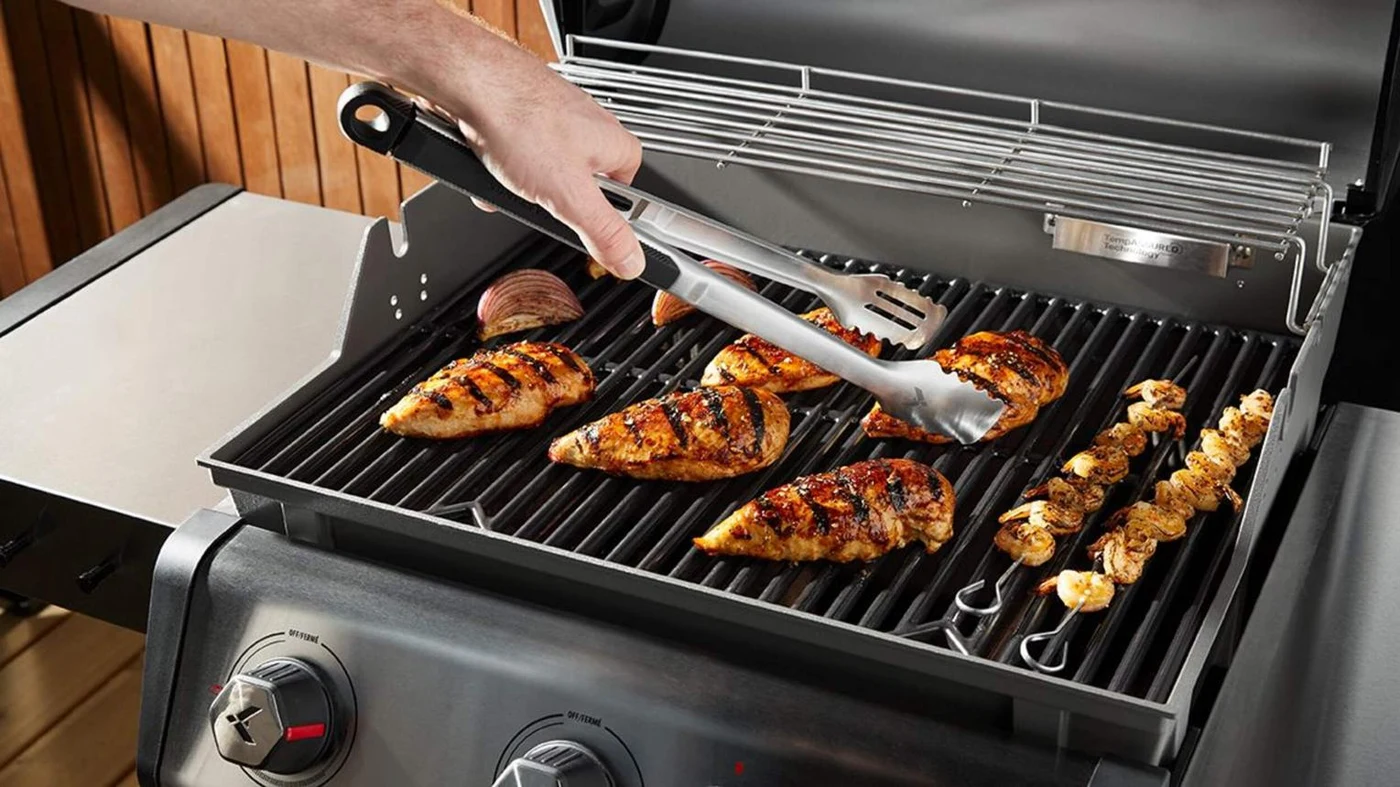
Food being placed, turned and cooked on a grill.
Advantages of grilling
- It gives food a distinctive flavour.
- It can reduce the need for added cooking oil.
- It allows excess fat to drip away from some foods.
- It can cook food relatively quickly.
- It produces an attractive browned surface.
- It is suitable for preparing different types of food.
Disadvantages of grilling
- Food can burn if not monitored.
- It requires careful control of heat.
- Smoke may be produced when using charcoal.
- It may be difficult to grill large quantities at once.
- Food may cook unevenly if the heat is not properly controlled.
Safety precautions when grilling
- Keep children away from hot grills.
- Use heat-resistant gloves.
- Use suitable tongs to turn food.
- Keep flammable materials away from the heat source.
- Grill in a well-ventilated area.
- Never leave a hot grill unattended.
- Ensure meat and poultry are thoroughly cooked.
- Use separate utensils for raw and cooked foods.
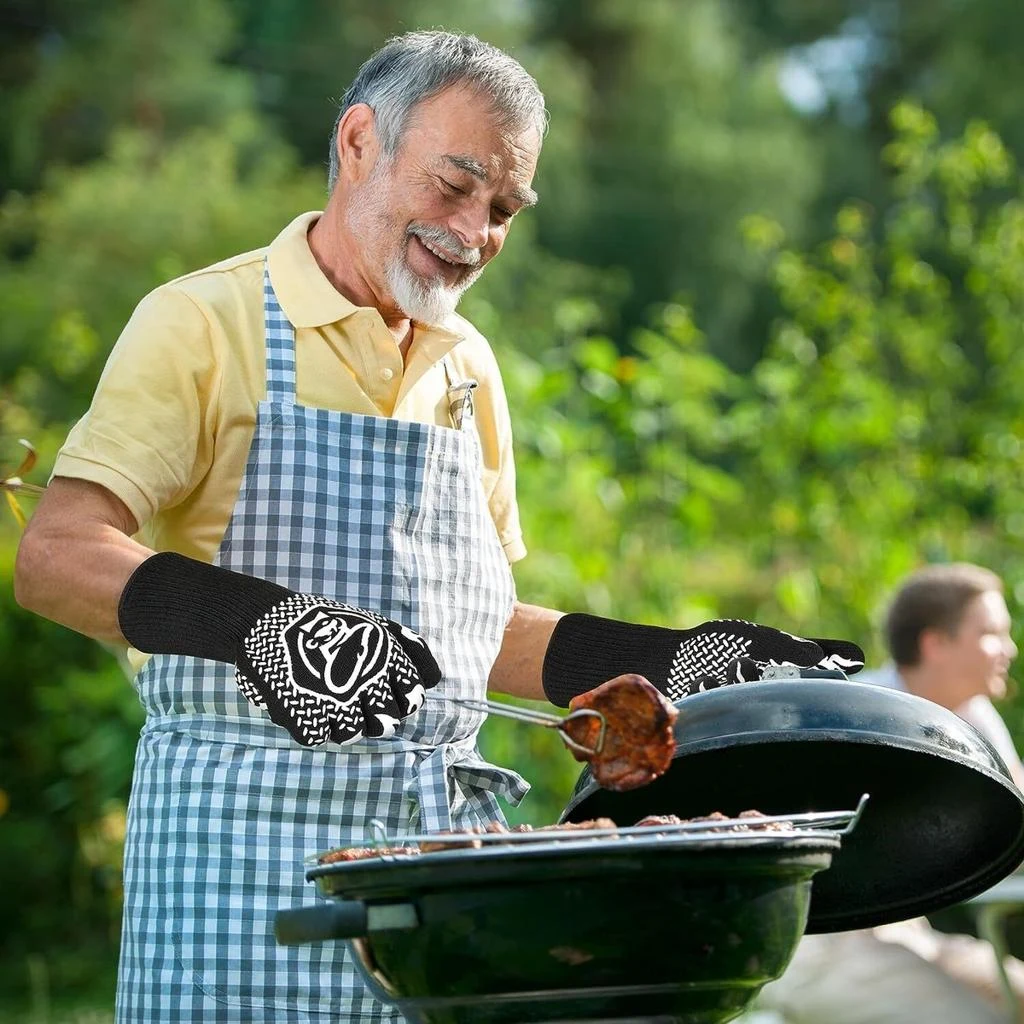
Safe handling of food during grilling.
5. Roasting
Roasting is a method of cooking food using dry heat, usually in an oven or over an open fire.
The food is exposed to heat until it becomes sufficiently cooked.
Roasting is commonly used for:
- Meat.
- Chicken.
- Fish.
- Potatoes.
- Sweet potatoes.
- Maize.
- Groundnuts.
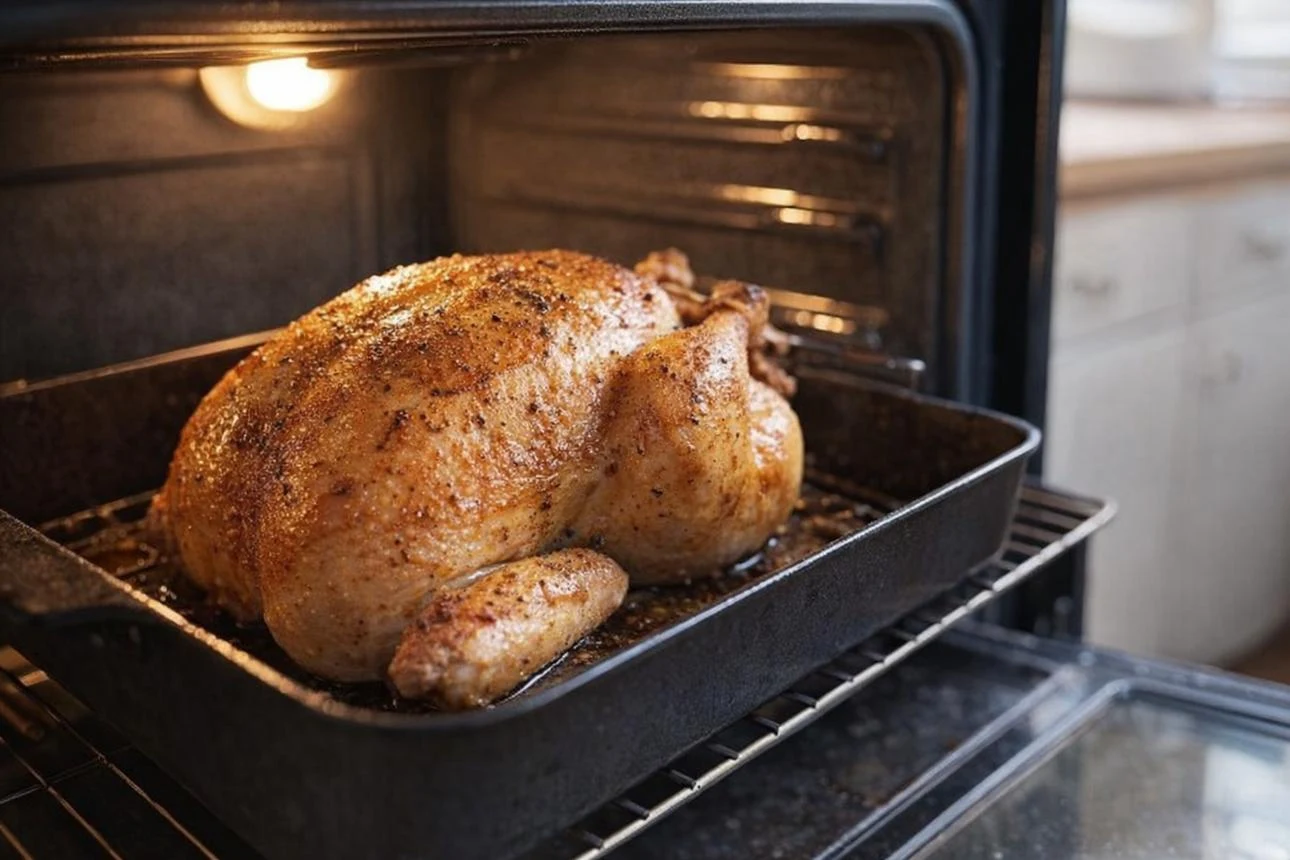
A chicken prepared using the roasting method.
Equipment used in roasting
- Oven or suitable roasting equipment.
- Roasting tray.
- Tongs.
- Cooking brush.
- Heat-resistant gloves.
- Serving plate.
- Food thermometer where available.
Procedure for roasting food
- Select suitable food for roasting.
- Clean the food thoroughly.
- Prepare the food by peeling or cutting where necessary.
- Season the food if required.
- Preheat the oven where an oven is used.
- Place the food in a suitable roasting tray.
- Put the tray in the oven or arrange the food over the appropriate heat source.
- Allow the food to cook.
- Turn or baste the food when necessary.
- Check that the food is thoroughly cooked.
- Remove it carefully.
- Allow it to rest where appropriate before serving.
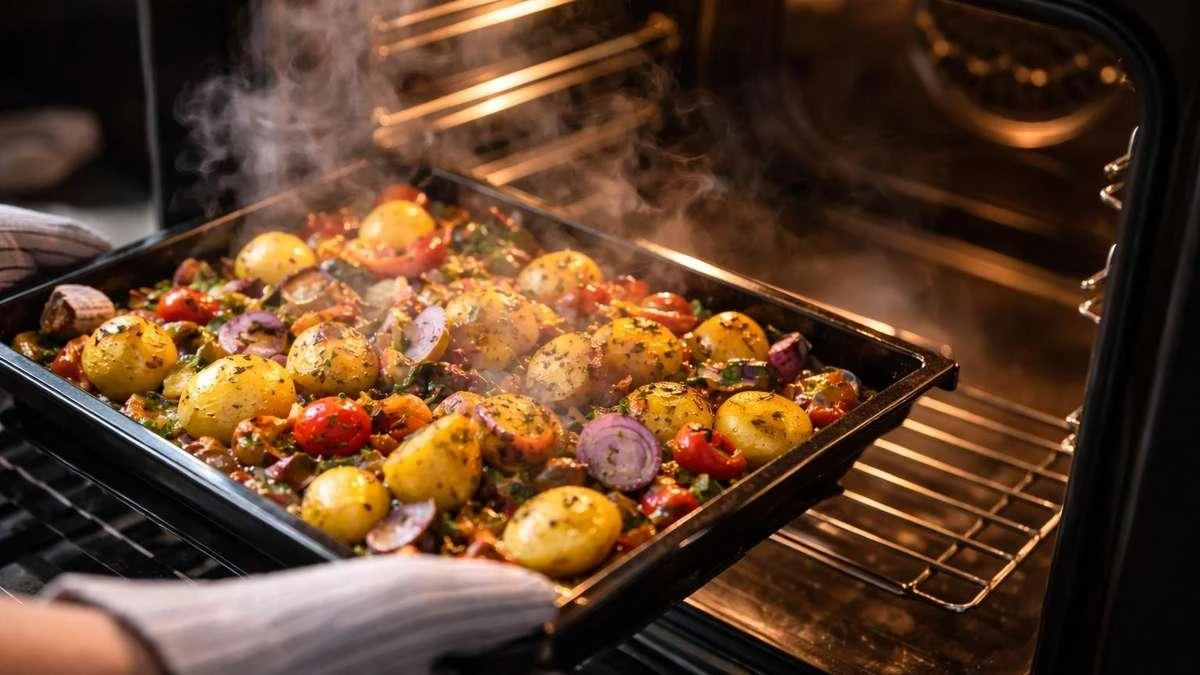
Vegetables being prepared through oven roasting.
Advantages of roasting
- It produces attractive food.
- It develops a rich flavour.
- It can cook large pieces of food.
- It gives some foods a crispy outer surface.
- It may require little additional cooking oil.
- It allows different foods to be prepared using dry heat.
Disadvantages of roasting
- It may take a long time for large pieces of food.
- It requires suitable roasting equipment.
- Food may dry out if overcooked.
- It requires careful monitoring.
- It may consume considerable fuel or electricity.
Safety precautions during roasting
- Use oven gloves when handling hot trays.
- Avoid touching hot oven surfaces.
- Keep children away from hot equipment.
- Use suitable utensils to remove food.
- Avoid overcrowding roasting trays.
- Ensure food is cooked thoroughly.
- Switch off equipment after use.
6. Steaming
Steaming is a method of cooking food using hot water vapour.
The food is placed in a steaming basket or perforated container above boiling water.
The steam rises and cooks the food without completely immersing it in water.
Foods commonly prepared through steaming include:
- Vegetables.
- Fish.
- Chicken.
- Dumplings.
- Some traditional dishes.
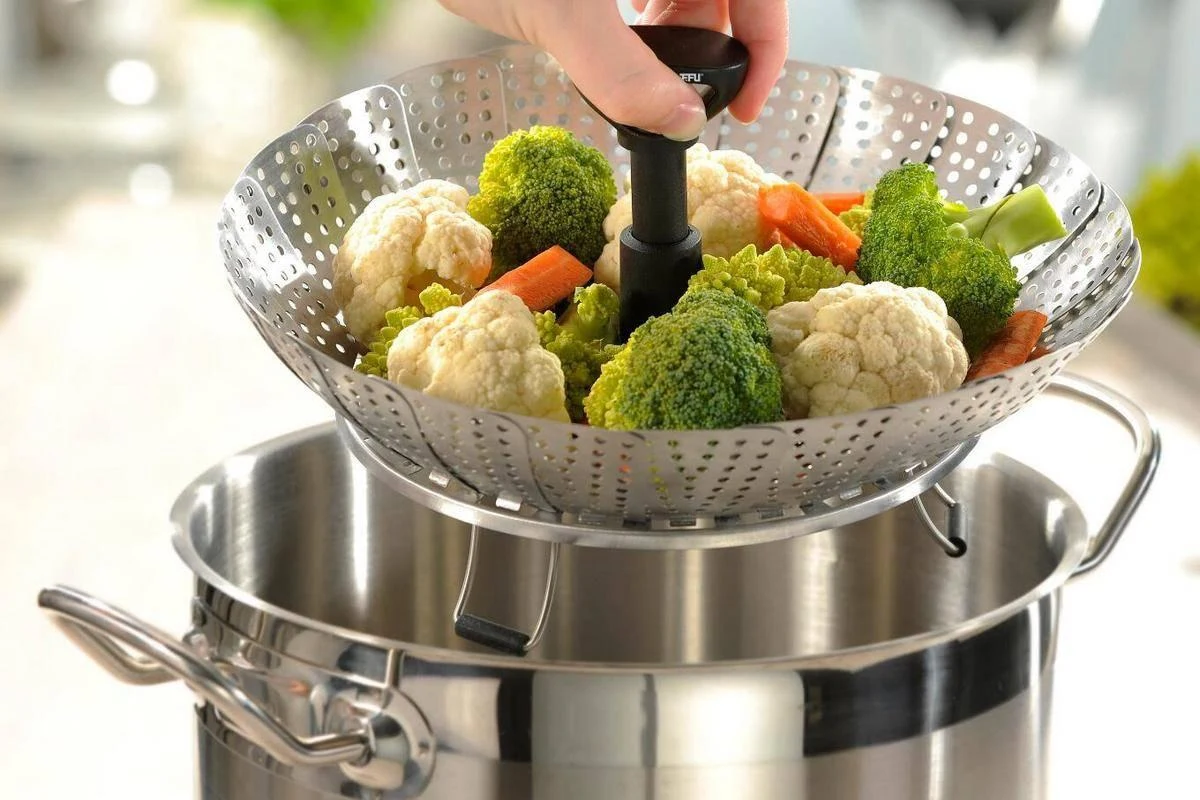
Vegetables being cooked using hot steam.
Equipment used in steaming
- Cooking pot.
- Steaming basket.
- Pot lid.
- Heat source.
- Tongs.
- Serving plate.
- Heat-resistant gloves.
Procedure for steaming food
- Select the food to be steamed.
- Clean the food thoroughly.
- Cut it into suitable pieces.
- Put a suitable amount of water into a cooking pot.
- Place the steaming basket above the water.
- Arrange the food inside the basket.
- Cover the pot with a lid.
- Heat the water until it boils.
- Allow the steam to cook the food.
- Check whether the food is sufficiently cooked.
- Remove the food carefully.
- Serve using clean utensils.
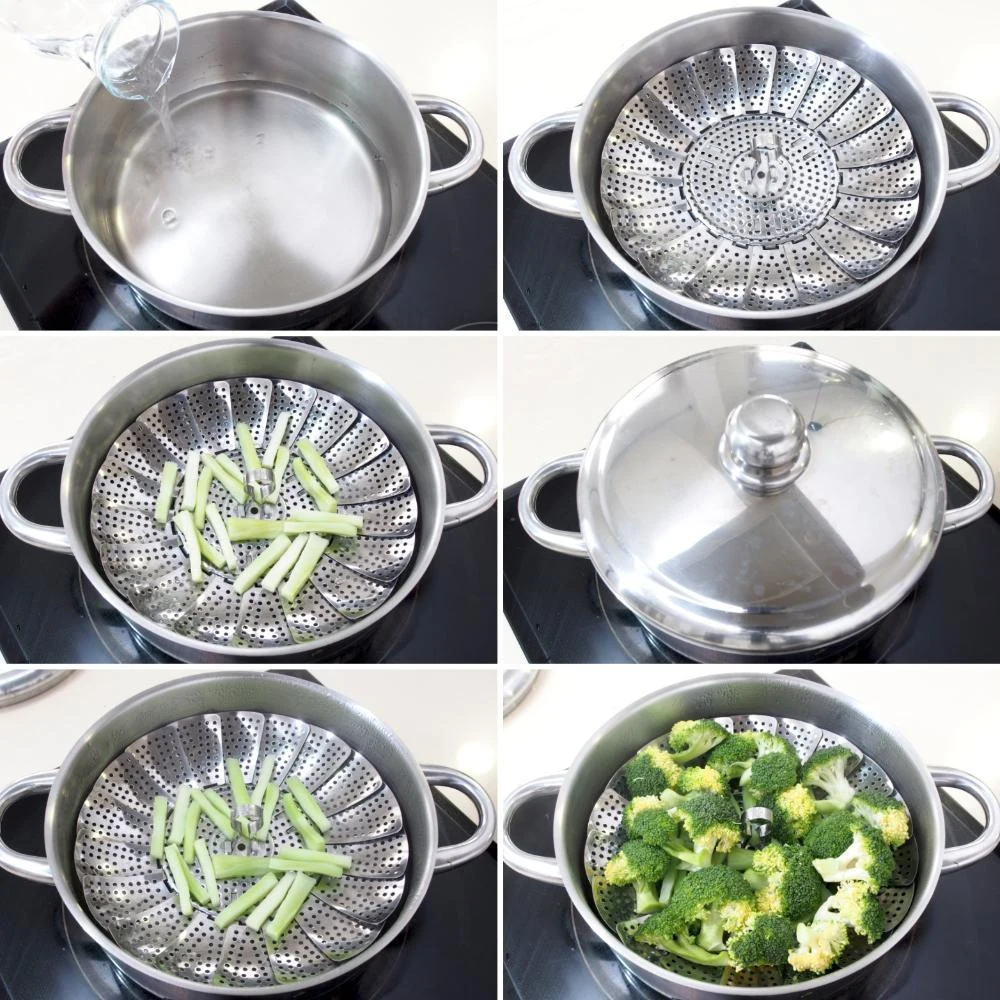
The process of steaming food in a covered pot.
Advantages of steaming
- It uses little cooking water.
- It helps preserve water-soluble vitamins.
- It can retain the natural colour of vegetables.
- It helps preserve food texture.
- It does not require large amounts of added cooking oil.
- It allows gentle cooking of delicate foods.
Disadvantages of steaming
- It requires suitable steaming equipment.
- Some foods may take longer to cook.
- It may not produce a crispy surface.
- Food may lack the browned flavour associated with roasting.
- The cooking process requires sufficient water to produce steam.
Safety precautions during steaming
- Handle hot lids carefully.
- Keep your face away from rising steam.
- Use heat-resistant gloves.
- Avoid touching boiling water.
- Ensure the pot contains sufficient water.
- Use suitable utensils when removing food.
- Work under adult supervision.
7. Differences between grilling, roasting and steaming
|
Grilling |
Roasting |
Steaming |
|---|---|---|
|
Uses direct heat. |
Uses dry heat. |
Uses hot water vapour. |
|
Food is placed on a grill surface. |
Food is placed in an oven or over a suitable heat source. |
Food is placed above boiling water. |
|
Produces a browned surface. |
Often produces a browned or crisp surface. |
Usually produces soft and moist food. |
|
Commonly used for meat, fish and vegetables. |
Commonly used for meat, potatoes and vegetables. |
Commonly used for vegetables, fish and other suitable foods. |
|
Requires a grill or suitable grilling equipment. |
Requires an oven or roasting equipment. |
Requires a pot and steaming basket. |
8. Importance of using different cooking methods
- They increase food variety.
- They improve food flavour.
- They allow different foods to be prepared appropriately.
- They provide different food textures.
- They help households prepare balanced meals.
- They make it possible to select methods that reduce unnecessary nutrient losses.
9. Practical activity: Cooking using different methods
Activity A: Grilling
Materials:
- Suitable food.
- Grill.
- Tongs.
- Heat-resistant gloves.
- Serving plate.
Procedure:
- Select and clean the food.
- Prepare the grill.
- Place the food on the grill.
- Turn it when necessary.
- Cook until sufficiently done.
- Remove and serve.
Activity B: Roasting
Materials:
- Suitable food.
- Oven or appropriate roasting equipment.
- Roasting tray.
- Oven gloves.
Procedure:
- Clean and prepare the food.
- Preheat the oven where applicable.
- Place the food in a roasting tray.
- Roast until thoroughly cooked.
- Remove carefully.
- Serve appropriately.
Activity C: Steaming
Materials:
- Vegetables.
- Cooking pot.
- Steaming basket.
- Water.
- Serving plate.
Procedure:
- Wash the vegetables.
- Cut them into suitable pieces.
- Put water in a cooking pot.
- Place the vegetables in a steaming basket.
- Cover the pot.
- Allow the steam to cook the vegetables.
- Remove and serve.
10. Key inquiry question
Why should we use different methods of cooking food?
Different cooking methods help prepare different types of food. They improve flavour, texture and appearance. They also provide variety and allow households to select appropriate methods for particular foods.
11. Revision questions and answers
Q1. What is cooking?
Cooking is preparing food using heat to make it suitable for eating.
Q2. Name three cooking methods studied in this sub-strand.
Grilling, roasting and steaming.
Q3. Define grilling.
Grilling is cooking food using direct heat from below or above.
Q4. What is roasting?
Roasting is cooking food using dry heat, usually in an oven or over an open fire.
Q5. Define steaming.
Steaming is cooking food using hot water vapour.
Q6. Give three advantages of steaming.
- It uses little water.
- It helps preserve water-soluble vitamins.
- It retains the natural colour of vegetables.
Q7. State four safety precautions when grilling.
- Keep children away from hot grills.
- Use heat-resistant gloves.
- Keep flammable materials away.
- Ensure food is properly cooked.
Q8. Differentiate between roasting and steaming.
Roasting uses dry heat, while steaming uses hot water vapour.
Q9. Give four foods that can be roasted.
Meat, chicken, potatoes and sweet potatoes.
Q10. Why should different cooking methods be used?
They improve food variety, flavour, texture and acceptability.