
1. Introduction to Analysis of Creative Arts and Sports
Analysis in Creative Arts and Sports involves examining an artwork, song, story or sporting activity to understand its qualities, purpose and effectiveness.
It helps learners identify strengths, weaknesses and areas that need improvement.
Through analysis, learners develop observation, critical thinking, appreciation and evaluation skills.
The curriculum focuses on:
- Sports values.
- Analysis of Kenyan folk songs.
- Analysis of storytelling performances.
- Preparation of a creative arts and sports portfolio.
2. Meaning of Appreciation
Appreciation is the recognition and enjoyment of the value, quality and effort involved in producing an artwork or performing an activity.
In Creative Arts and Sports, appreciation involves recognizing the abilities and contributions of oneself and others.
Ways of demonstrating appreciation
- Giving positive feedback.
- Recognizing creativity.
- Respecting different talents.
- Encouraging other performers.
- Following sporting rules.
- Appreciating cultural differences.
3. Sports Values
Sports values are positive principles that guide the behavior of participants during sporting activities.
The curriculum identifies three main sports values:
- Fairness.
- Team building.
- Equality.
A. Fairness
Fairness means treating all participants honestly and following the rules of a sporting activity.
A fair player does not cheat or deliberately disadvantage others.
Examples of fairness
- Following the rules.
- Accepting the referee's decisions.
- Avoiding cheating.
- Respecting opponents.
- Playing honestly.
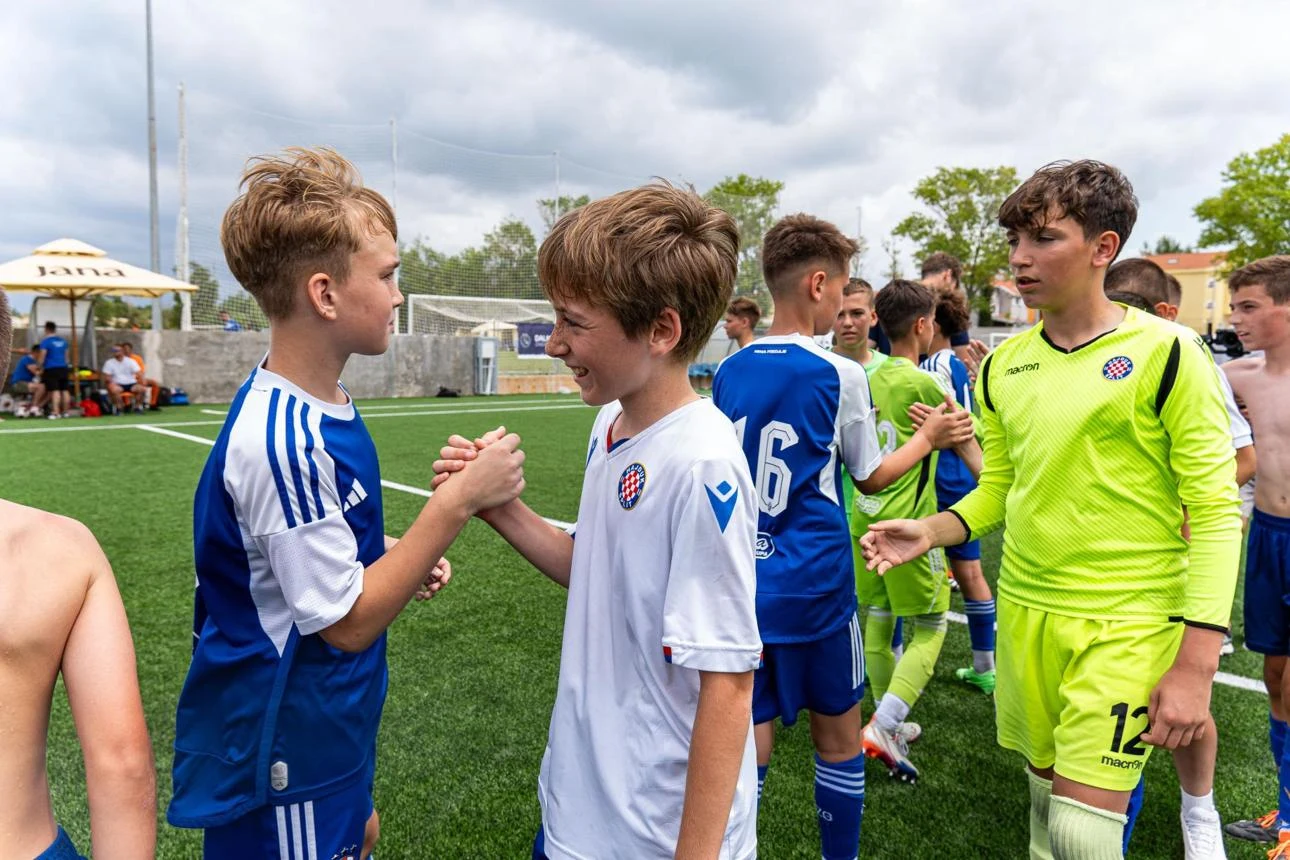
Fair play includes respecting opponents and following the rules.
Importance of fairness
- Promotes honesty.
- Encourages respect.
- Promotes peaceful competition.
- Builds trust among players.
- Makes sports enjoyable.
B. Team Building
Team building refers to activities and efforts that help individuals cooperate and work together towards a common goal.
In sports, team building helps players understand their roles and support one another.
Examples of team building
- Training together.
- Communicating during games.
- Sharing responsibilities.
- Supporting teammates.
- Solving disagreements peacefully.
- Celebrating achievements together.
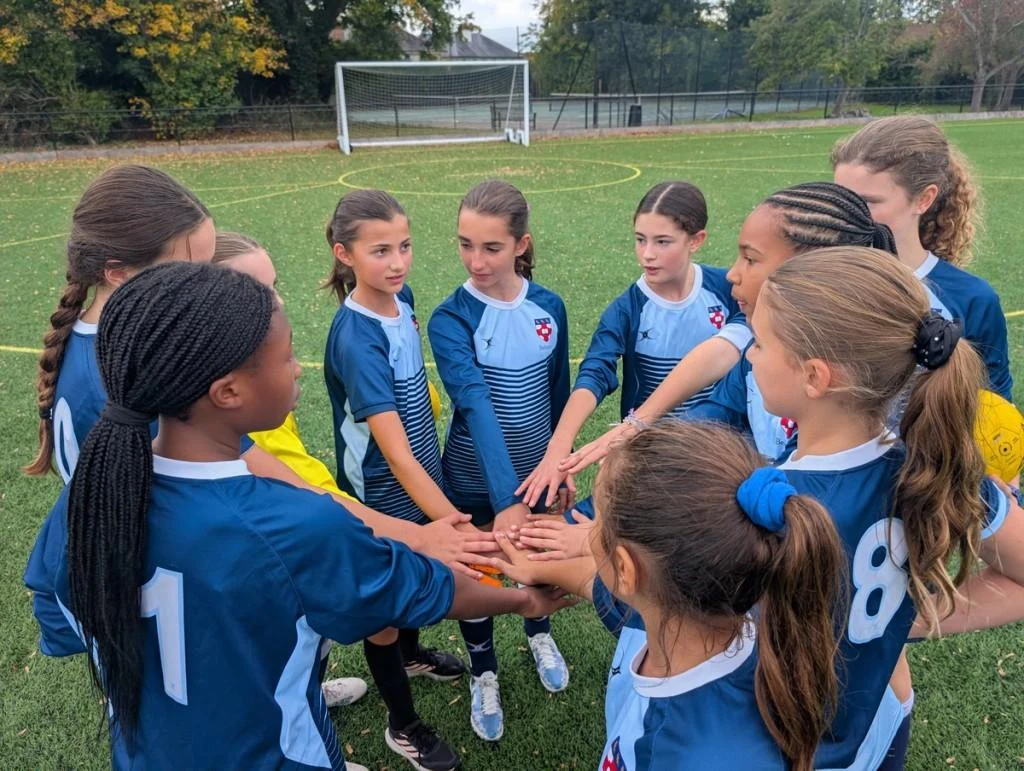
Team building encourages cooperation and shared responsibility.
Importance of team building
- Promotes cooperation.
- Improves communication.
- Builds friendship.
- Develops leadership.
- Improves sporting performance.
C. Equality
Equality means giving all participants fair opportunities and treating them with respect without discrimination.
In sports, every learner should be given an opportunity to participate.
Examples of equality
- Allowing both boys and girls to participate.
- Respecting players from different communities.
- Giving learners equal opportunities to practise.
- Avoiding discrimination based on ability.
- Appreciating different talents.
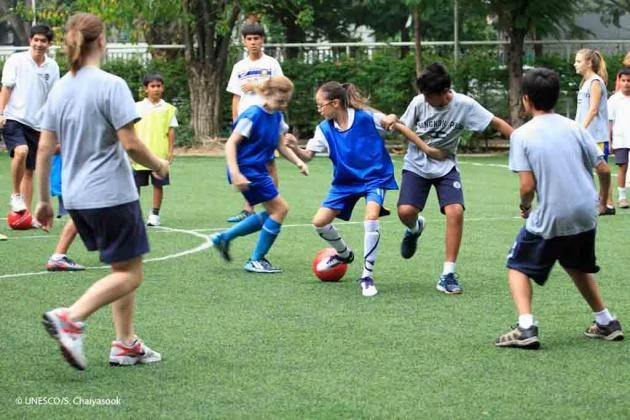
Equality in sport means giving all learners a fair opportunity to participate.
Importance of equality
- Promotes inclusion.
- Builds respect.
- Reduces discrimination.
- Encourages participation.
- Promotes unity.
4. Differences Between Fairness, Team Building and Equality
|
Value |
Meaning |
Example |
|---|---|---|
|
Fairness |
Following rules and treating others honestly |
Avoiding cheating |
|
Team building |
Working together towards a shared goal |
Supporting teammates |
|
Equality |
Giving everyone fair opportunities |
Allowing all learners to participate |
5. Analysis of a Kenyan Folk Song
Folk song analysis involves examining the different components of a traditional song to understand its origin, performance, purpose and message.
Learners should not only listen to a folk song but also identify its important characteristics.
The curriculum identifies the following components.
A. Media of Performance
Media of performance refers to the means through which a folk song is presented.
Examples include:
- Human voice.
- Drums.
- String instruments.
- Wind instruments.
- Hand clapping.
- Other traditional musical instruments.
B. Style of Performance
Style of performance refers to the manner in which a folk song is presented.
Examples include:
- Solo singing.
- Group singing.
- Call and response.
- Singing accompanied by dance.
- Singing accompanied by musical instruments.
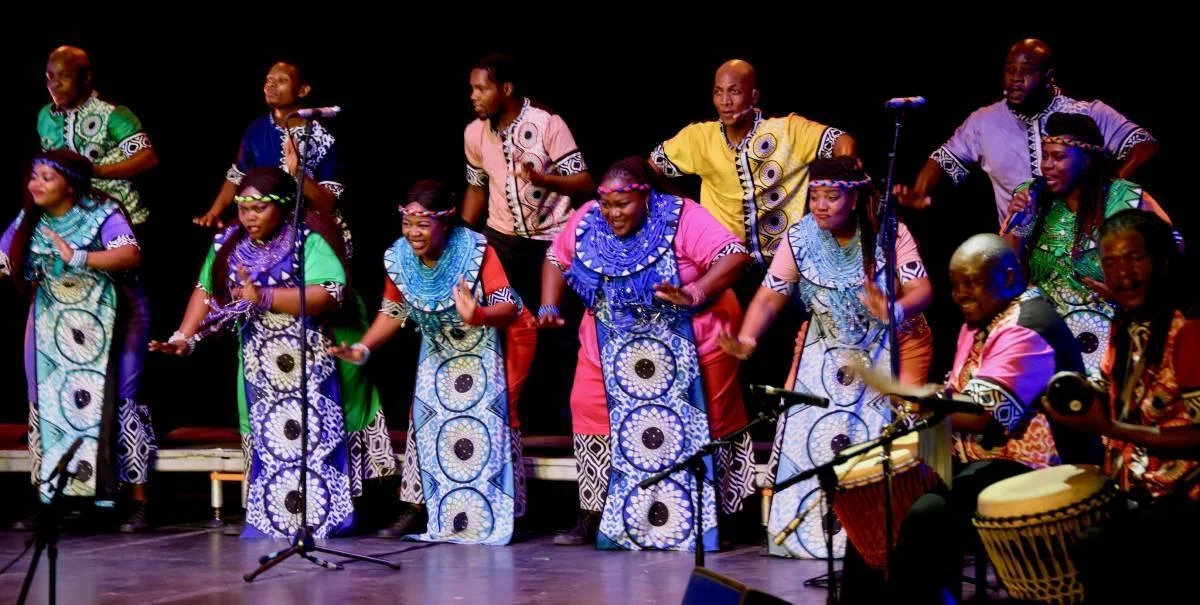
Kenyan folk songs may be accompanied by dance and instruments.
C. Community of Origin
This identifies the Kenyan community associated with the folk song.
Examples include songs from the Kikuyu, Luo, Kamba, Maasai, Luhya and other communities.
D. Participants
Participants are the individuals who take part in the performance.
They may include:
- Lead singers.
- Supporting singers.
- Instrumentalists.
- Dancers.
- Audience members.
E. Singing
This involves examining how the singers perform the song.
The analysis may consider:
- Clarity of words.
- Voice projection.
- Voice balance.
- Coordination.
- Accuracy of the melody.
F. Messages
Messages are the ideas or information communicated through the song.
A folk song may communicate:
- Peace.
- Unity.
- Love.
- Respect.
- Courage.
- Cultural values.
- Community responsibilities.
G. Role of Props
Props are objects used to support a performance.
Examples include:
- Drums.
- Baskets.
- Sticks.
- Calabashes.
- Traditional objects used during cultural presentations.
Props help make a performance meaningful and attractive.
H. Body Movements
These are physical movements that accompany singing.
Examples include:
- Clapping.
- Stamping.
- Dancing.
- Hand gestures.
- Swaying.
I. Purpose
Purpose refers to the reason why a folk song is performed.
Examples include:
- Entertainment.
- Education.
- Celebration.
- Cultural preservation.
- Work coordination.
- Ceremony.
J. Costumes
Costumes are clothes worn by performers.
Traditional costumes may reflect the cultural identity and practices of a particular community.
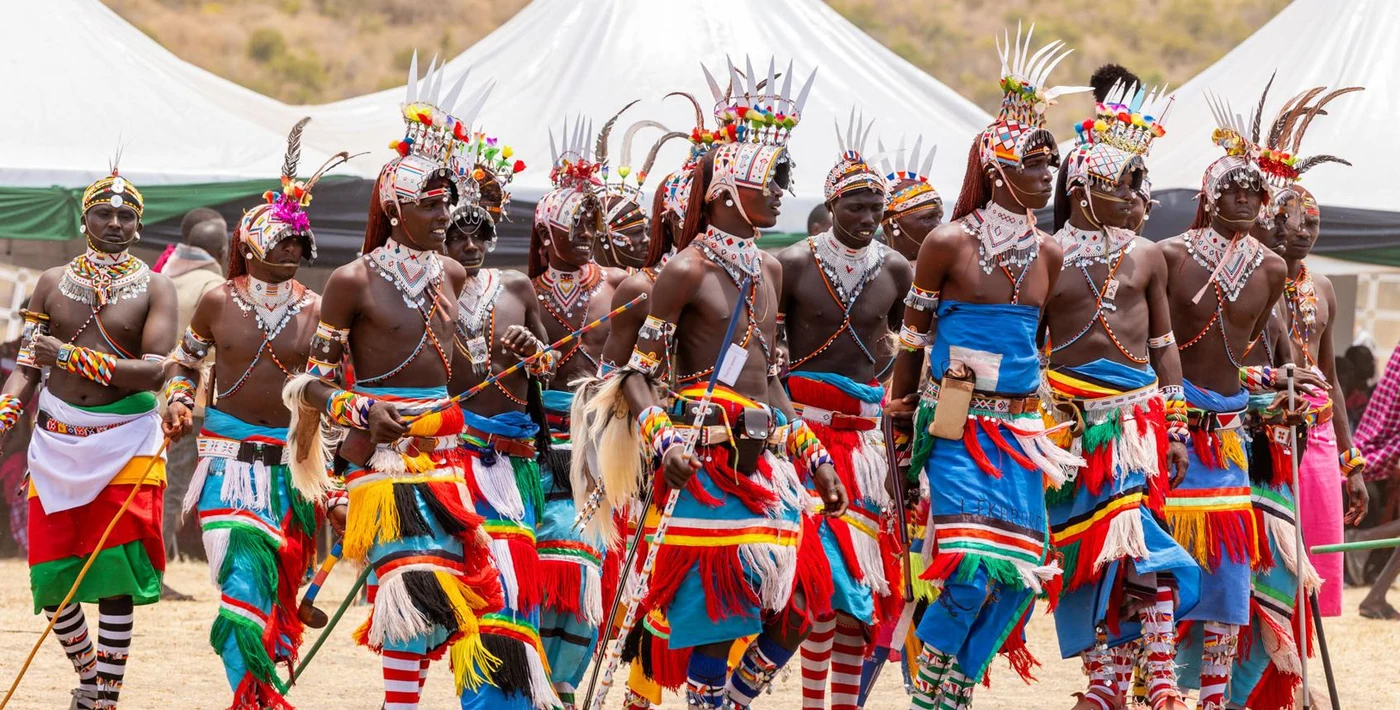
Traditional costumes can communicate community identity and the purpose of a performance.
K. Mood
Mood refers to the feelings created by the song.
Examples include happiness, sadness, excitement, calmness and celebration.
6. How to Analyse a Kenyan Folk Song
When analysing a folk song, learners should follow these steps:
- Listen carefully to the song.
- Identify the community of origin.
- Identify the occasion associated with the song.
- Identify the participants.
- Examine the style of performance.
- Identify the instruments or other media used.
- Examine the singing techniques.
- Identify the message.
- Observe the role of props.
- Examine body movements.
- Identify the costumes.
- Describe the mood and purpose.
7. Analysis of a Storytelling Performance
Storytelling analysis involves examining how a story is composed and presented before an audience.
It helps learners identify the strengths and weaknesses of a storytelling performance.
The curriculum identifies the following areas for analysis:
A. Theme
The theme is the main message or idea communicated by the story.
Examples include honesty, environmental conservation, peace and unity.
B. Plot
The plot refers to the sequence of events in the story.
Learners should examine whether the story has a clear beginning, middle and end.
C. Confidence of the Performer
Confidence refers to the ability of the storyteller to present the story comfortably and without unnecessary fear.
A confident performer maintains good posture and communicates clearly.
D. Use of Voice
Learners examine how the storyteller uses the voice to communicate the story.
This includes:
- Clarity.
- Loudness.
- Softness.
- Variation in tone.
- Pauses.
- Appropriate speech speed.
E. Use of Body
This involves examining how the performer uses gestures, facial expressions and body movements.
F. Costumes and Props
Learners examine whether the costumes and props are suitable for the story.
They should consider how these materials support the performance.
G. Audience Involvement
This involves examining how the storyteller interacts with the audience.
For example, the storyteller may ask questions or invite the audience to participate.
H. Time Management
Time management refers to the ability of the storyteller to complete the performance within the allocated time.
The curriculum requires a 3 to 5-minute storytelling performance.
8. Giving Feedback on a Storytelling Performance
Feedback is information given to a performer to recognize strengths and suggest improvements.
Examples of positive feedback
- The story had an interesting theme.
- The performer used clear voice projection.
- The characters were presented well.
- The costumes supported the story.
- The audience was actively involved.
Examples of suggestions for improvement
- The performer should speak more clearly.
- The story should have a stronger ending.
- The props should be better arranged.
- The performer should improve time management.
- More body movements could be used.
Feedback should always be respectful and constructive.
9. Meaning of a Portfolio
A portfolio is a collection of selected works that shows a learner's activities, progress, skills and achievements.
In Creative Arts and Sports, a portfolio provides evidence of the learner's work and development.
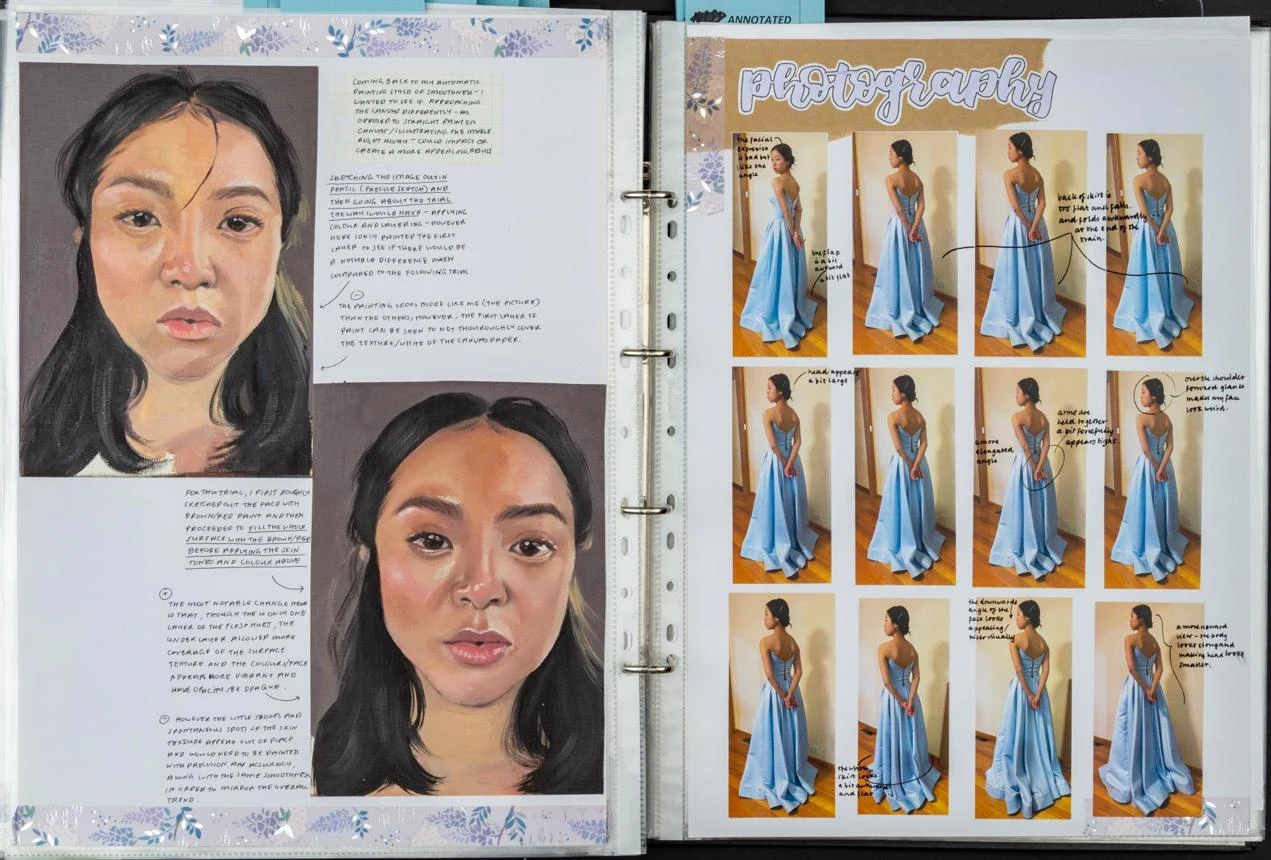
A portfolio provides evidence of a learner's creative work and progress.
10. Materials Used in Making a Portfolio
The curriculum encourages learners to use recyclable materials.
Examples include:
- Old cardboard.
- Used cartons.
- Manila paper.
- Reused folders.
- Old magazines.
- Drawing papers.
- Reusable binding materials.
- String.
- Adhesive materials.
11. Steps in Making an A3 Portfolio
- Collect suitable recyclable materials.
- Select the materials for making the portfolio.
- Prepare an A3-sized working surface.
- Cut and arrange the materials.
- Assemble the materials to form a portfolio.
- Bind the materials securely.
- Decorate the portfolio appropriately.
- Label the portfolio clearly.
- Arrange selected artworks and other evidence inside.
- Store the portfolio safely.
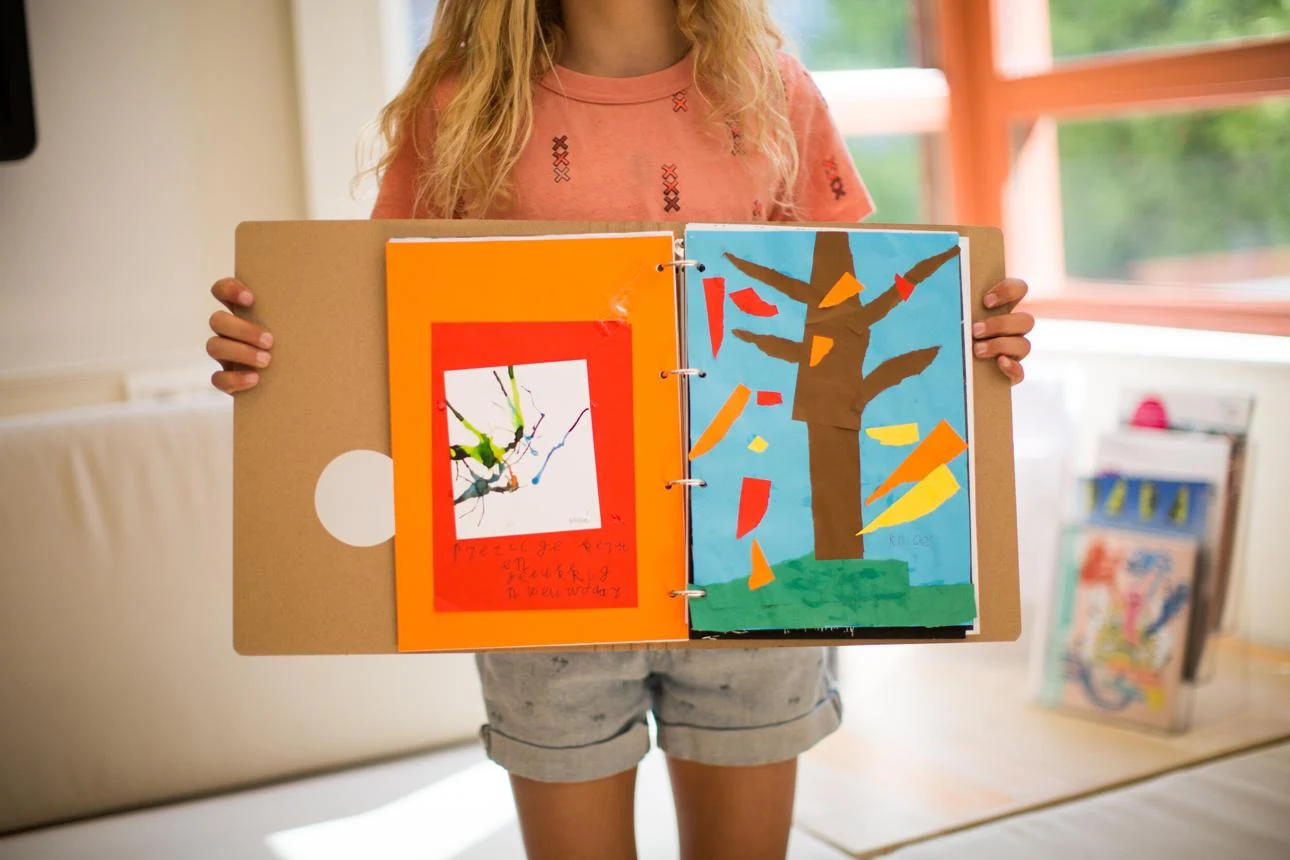
A portfolio cover or label helps identify the learner and their collection.
12. Information to Include on a Portfolio Label
A portfolio label should identify the learner and the contents of the portfolio.
It may include:
- Learner's name.
- School name.
- Grade.
- Learning area.
- Academic year.
- Portfolio title.
13. Importance of a Portfolio
- Stores learners' creative work.
- Shows progress over time.
- Provides evidence of learning.
- Helps teachers assess learners.
- Encourages organization.
- Promotes creativity.
- Allows learners to appreciate their achievements.
- Provides a record of completed activities.
14. Why We Analyse Creative Arts and Sports Work
Analysis is important because it:
- Helps identify strengths.
- Shows areas that require improvement.
- Develops critical thinking.
- Encourages creativity.
- Promotes appreciation of other people's work.
- Improves performance.
- Helps preserve cultural practices.
- Develops evaluation skills.
- Encourages positive feedback.
- Promotes quality artistic and sporting performances.
Summary
- Analysis involves examining creative works and sporting activities.
- The main sports values are fairness, team building and equality.
- Folk songs can be analysed according to their media, style, origin, participants, singing, messages, props, movements, purpose, costumes and mood.
- Storytelling analysis considers theme, plot, confidence, voice, body, costumes, props, audience involvement and time management.
- A portfolio is a collection of selected learner works.
- An A3 portfolio can be made using recyclable materials.
- Analysis helps improve the quality of creative arts and sports activities.
Revision Questions
- Define analysis in Creative Arts and Sports.
- Identify three sports values emphasized in the curriculum.
- Explain the importance of fairness in sports.
- What is team building?
- Explain the meaning of equality in sports.
- Identify ten components used when analysing a Kenyan folk song.
- Explain the importance of costumes and props in folk song performances.
- What is the purpose of analysing a storytelling performance?
- Identify eight areas considered when analysing storytelling.
- Define a portfolio.
- Identify six materials used in making a portfolio.
- Describe the steps involved in making an A3 portfolio.
- State five reasons why learners should analyse creative arts and sports work.