
1. Introduction to Kenyan Indigenous Games
Indigenous games are traditional games that have been developed and played by communities over generations.
They reflect the cultural practices, knowledge and recreational activities of different communities.
Indigenous games help preserve cultural identity while promoting physical fitness, cooperation and entertainment.
The curriculum focuses on indigenous rope games and rope skipping performed to musical rhythm.
2. Meaning of Rope Games
Rope games are physical activities that involve using a rope to perform different movements and coordinated actions.
Participants may jump over a turning rope or perform other movements according to the rules of a particular game.
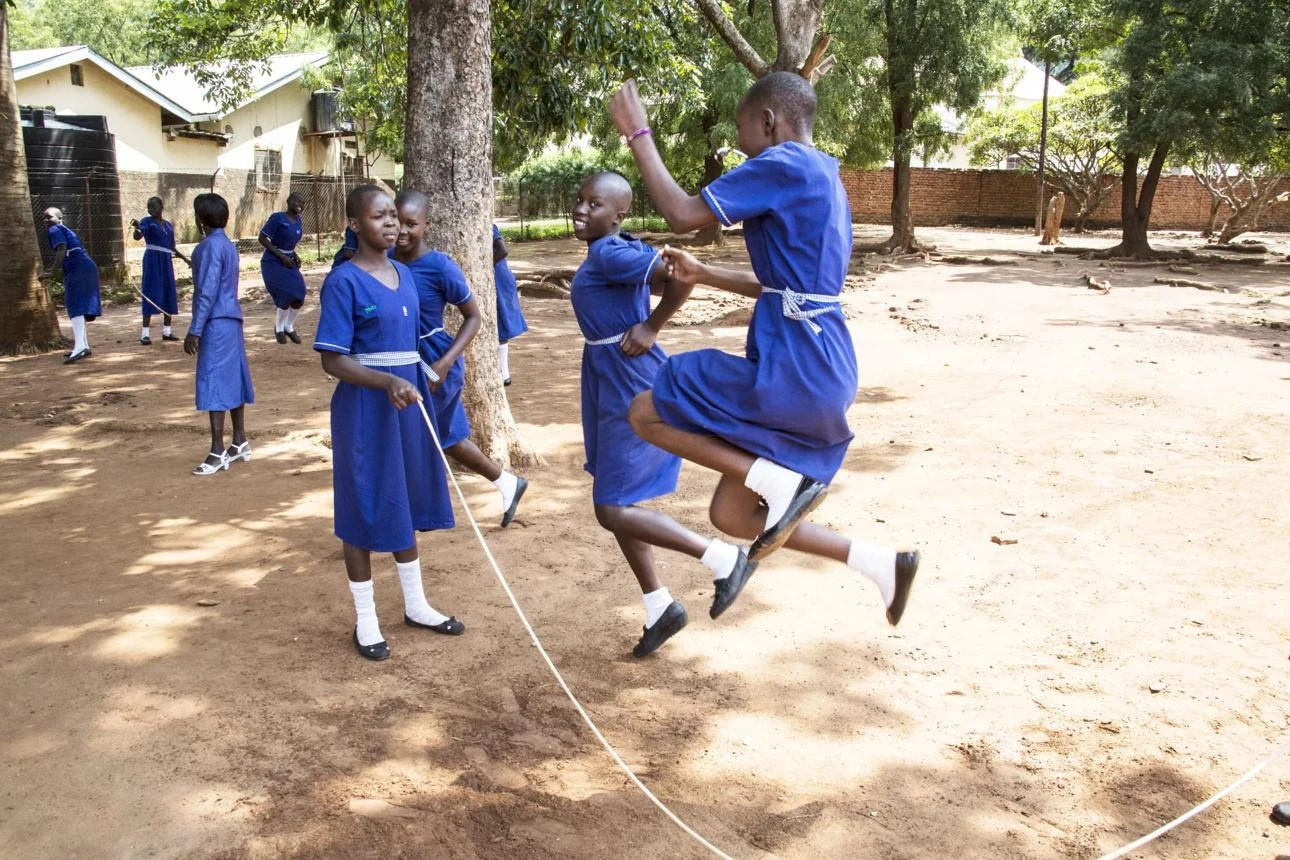
Traditional rope games encourage movement, rhythm and cooperation.
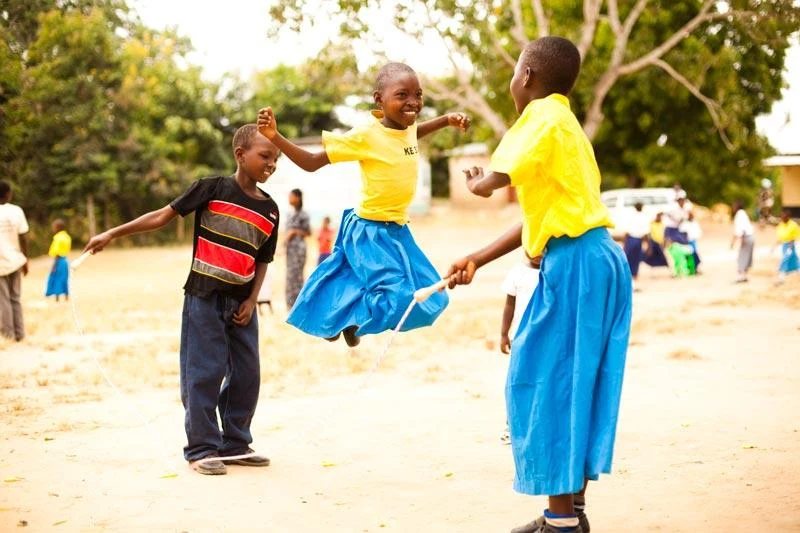
Learners can practise rope-skipping games in groups.
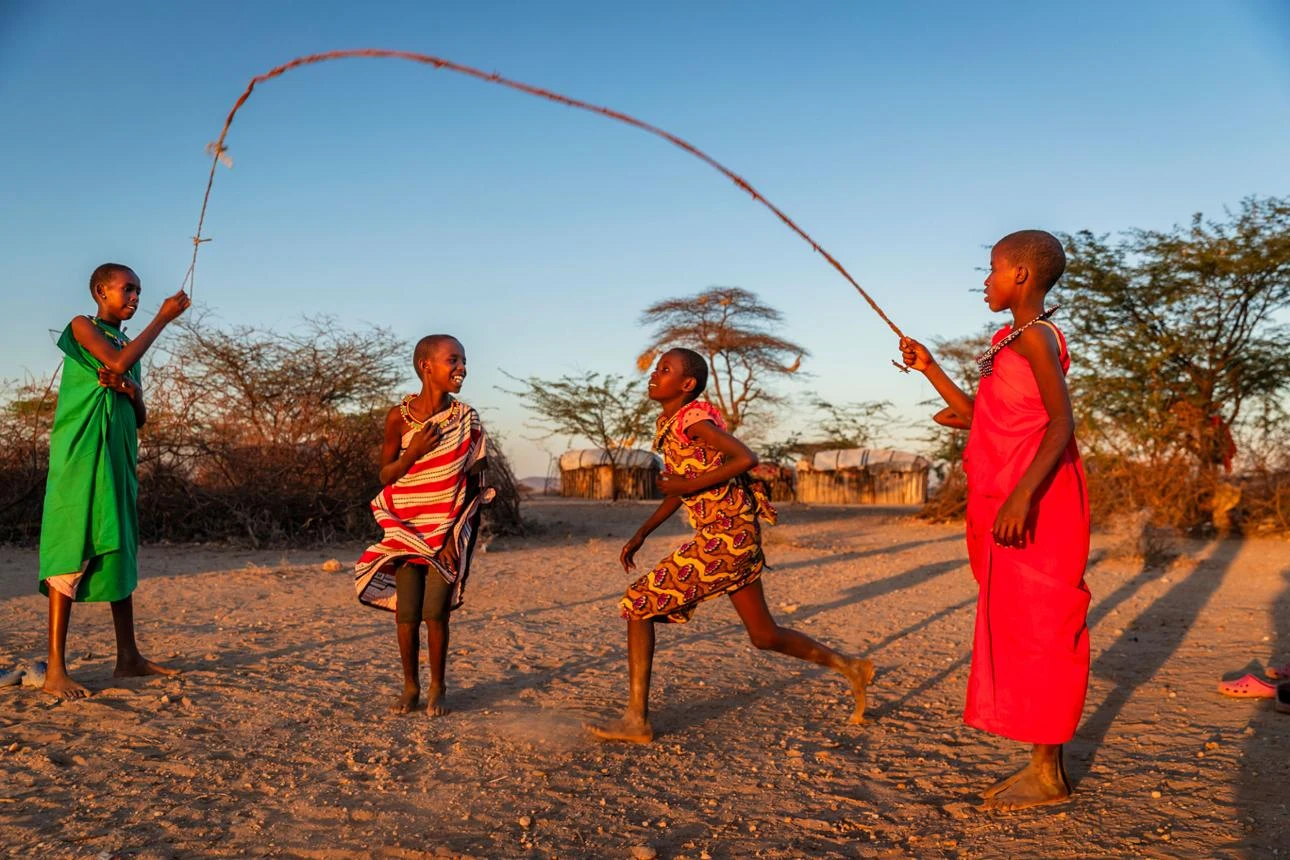
Long-rope games require coordinated turning and jumping.
3. Types of Rope-Skipping Activities
Rope-skipping activities can be performed in different ways.
A. Individual Rope Skipping
One learner holds both ends of a rope and jumps over it as it passes beneath the feet.
B. Partner Rope Skipping
Two learners cooperate in performing rope-skipping movements.
C. Group Rope Skipping
Several learners participate in an organized rope-skipping activity.
D. Long-Rope Skipping
Two participants turn a long rope while another learner or a group jumps over it.
These are general forms of rope-skipping activities. Learners should also identify the specific indigenous rope games known in their local communities.
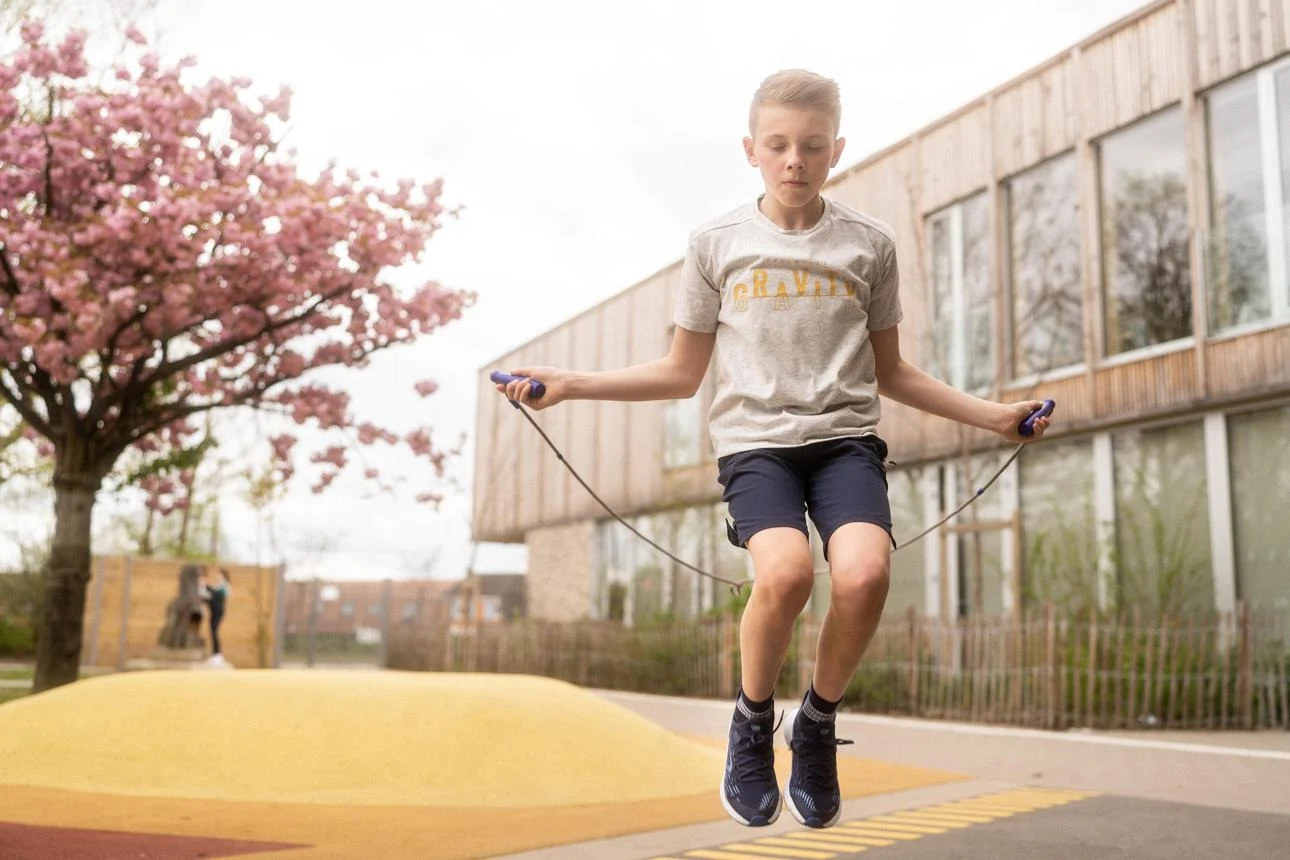
Individual rope skipping develops timing and coordination.
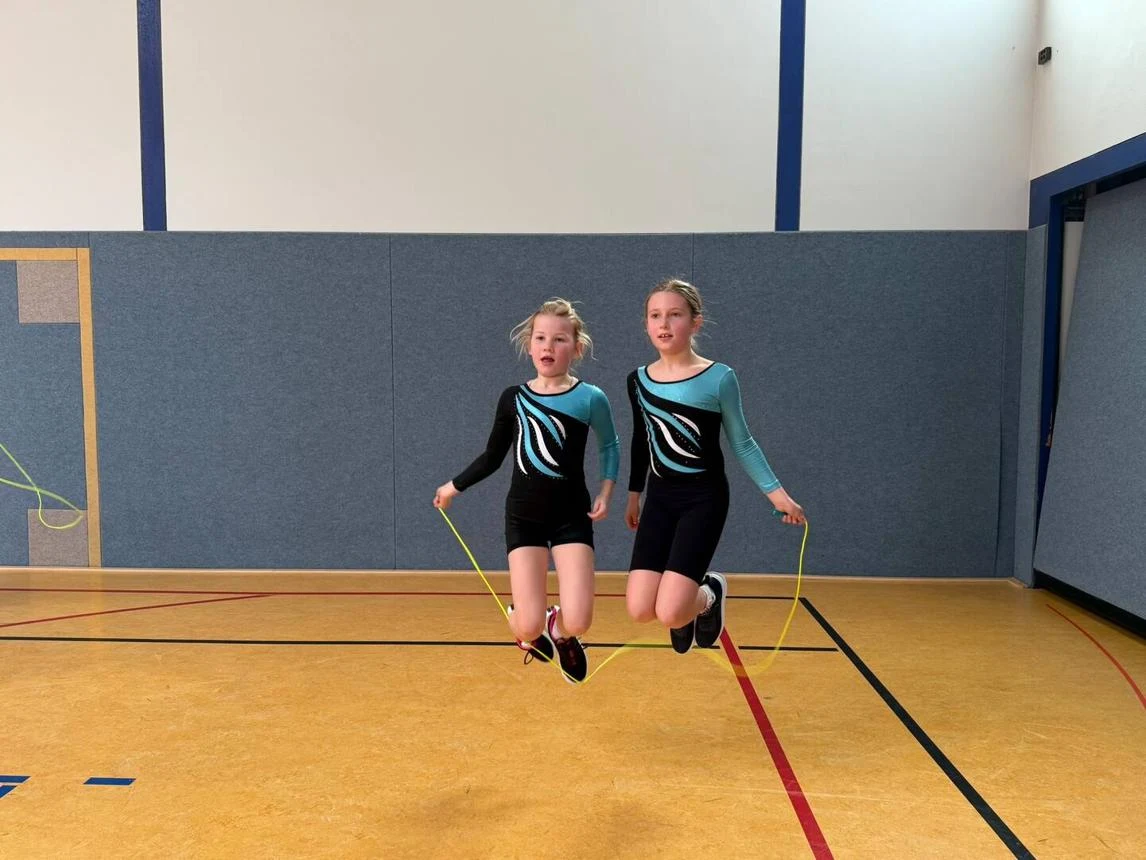
Partner rope-skipping activities encourage shared timing.
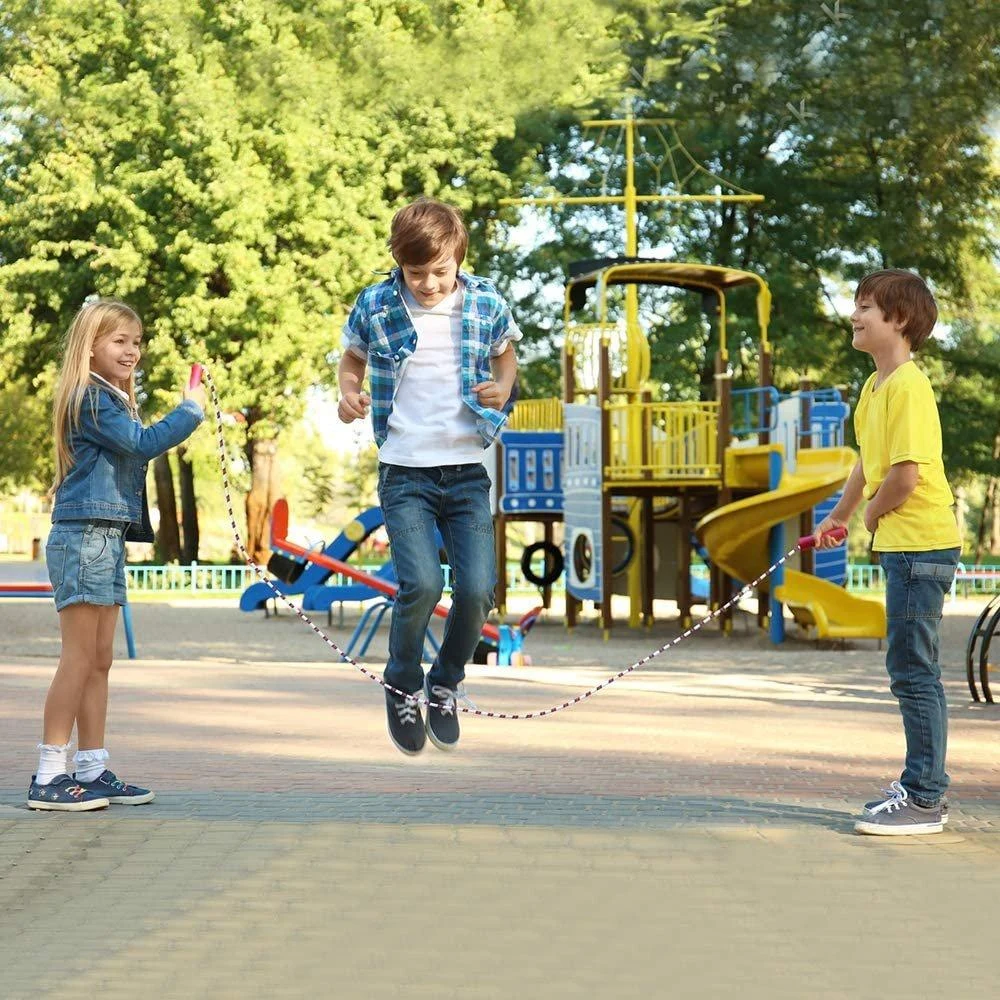
Learners can practise rope games in outdoor play spaces.
4. Equipment Required for Rope Games
- Skipping ropes.
- Suitable playing space.
- Comfortable sportswear.
- Appropriate sports shoes.
- Music or rhythmic accompaniment where required.
5. Skills Used in Rope Skipping
A. Holding the Rope
The learner holds the two handles firmly.
B. Turning the Rope
The rope is rotated smoothly using the wrists and arms.
C. Jumping
The learner jumps at the appropriate time to allow the rope to pass underneath the feet.
D. Landing
The learner lands gently on the feet and maintains balance.
E. Maintaining Rhythm
The learner coordinates jumping movements with the regular movement of the rope.
6. Rope Skipping to Musical Rhythm
Rope skipping can be performed while following a musical beat.
Music helps learners maintain a regular jumping pattern.
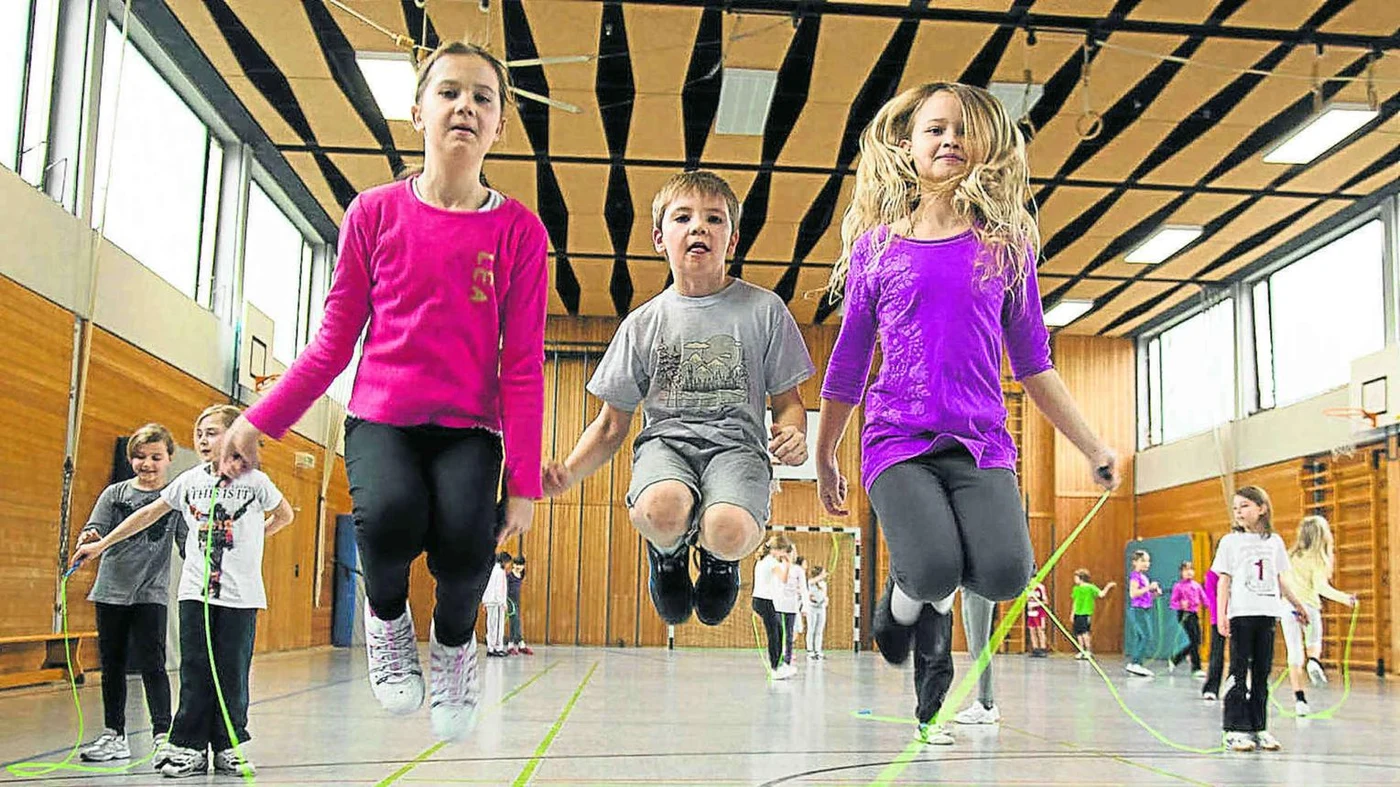
Rope-skipping can be performed to a steady musical beat.
Steps
- Select a suitable musical rhythm.
- Hold the rope correctly.
- Listen carefully to the beat.
- Begin turning the rope in time with the music.
- Jump as the rope approaches the feet.
- Maintain a regular jumping pattern.
- Coordinate body movements with the music.
- Continue while maintaining balance.
7. Importance of Indigenous Rope Games
- Develop physical fitness.
- Improve coordination.
- Improve agility.
- Develop endurance.
- Promote teamwork.
- Encourage cooperation.
- Preserve indigenous games.
- Provide entertainment.
- Promote cultural identity.
- Develop discipline.
8. Safety Precautions During Rope Skipping
- Use a suitable rope.
- Ensure there is enough space.
- Avoid standing too close to other participants.
- Wear suitable sports shoes.
- Warm up before playing.
- Avoid using damaged ropes.
- Maintain proper jumping techniques.
- Stop when feeling excessively tired.
- Follow the teacher's instructions.
- Cool down after the activity.
Summary
- Indigenous games are traditional games passed down through generations.
- Rope skipping is an example of an indigenous physical activity.
- Rope games can be performed individually or in groups.
- Learners should practise skipping to a musical rhythm.
- Rope games improve fitness, coordination and teamwork.
- Safety should be observed during all activities.
Revision Questions
- Define indigenous games.
- What are rope games?
- Identify four forms of rope-skipping activities.
- State five skills used in rope skipping.
- Explain how rope skipping can be performed to musical rhythm.
- State six benefits of indigenous rope games.
- Explain five safety precautions during rope skipping.
- Why is it important to preserve indigenous games?