
Introduction
Communication is the process of sharing information, ideas, feelings and opinions between people.
People communicate through speaking, listening, writing and non-verbal expressions.
In everyday communication, it is important to use polite language when introducing ourselves and other people. Polite language demonstrates respect, courtesy and good manners.
An introduction is the process of presenting oneself or another person to someone for the first time.
A. Types of introductions
There are two main types of introductions.
1. Self-introduction
Self-introduction is the process of presenting information about oneself to another person or group.
It helps people become familiar with one another.
Information commonly included in a self-introduction includes:
- Full name.
- Age, where appropriate.
- School or place of work.
- Hometown or place of residence, where appropriate.
- Interests and hobbies.
- Personal abilities and talents.
- Purpose of the introduction.
Example:
"Good morning, everyone. My name is Brian Mwangi. I am a Grade 7 learner at Green Valley Junior School. I enjoy reading, playing football and participating in music activities. I am happy to meet you all."
2. Introducing other people
This involves presenting one person to another person or group.
When introducing others, we should mention relevant information about them.
Example:
"Allow me to introduce my friend, Mary. She is a Grade 7 learner who enjoys singing and drawing."
B. Polite expressions used during introductions
Polite expressions are words and phrases used to communicate respectfully.
|
Situation |
Polite expression |
|---|---|
|
Greeting someone |
Good morning. |
|
Introducing yourself |
My name is Brian. |
|
Introducing another person |
Allow me to introduce my friend. |
|
Requesting information |
May I know your name, please? |
|
Responding to an introduction |
It is nice to meet you. |
|
Expressing gratitude |
Thank you for introducing us. |
|
Requesting permission |
May I introduce my teacher? |
|
Apologising |
I am sorry for interrupting. |
|
Welcoming someone |
You are most welcome. |
|
Taking leave |
It was a pleasure meeting you. |
C. Formal and informal introductions
An introduction can be formal or informal depending on the situation and the people involved.
1. Formal introduction
A formal introduction is used in official or professional situations.
Examples include:
- School meetings.
- Public gatherings.
- Interviews.
- Official ceremonies.
- Business meetings.
Example:
"Good morning, ladies and gentlemen. It is my pleasure to introduce our guest speaker, Mr. John Kamau, who is an experienced educationist."
2. Informal introduction
An informal introduction is used in relaxed situations involving friends, relatives and familiar people.
Example:
"Hi, Peter! This is my cousin, Mary. She has just joined our school."
D. Details necessary when introducing people
Before introducing someone, it is important to identify the information that is relevant to the situation.
|
Detail |
Explanation |
|---|---|
|
Name |
Helps identify the person. |
|
School or workplace |
Shows where the person studies or works. |
|
Occupation |
Explains what the person does. |
|
Interests |
Shows activities the person enjoys. |
|
Achievements |
Highlights important accomplishments. |
|
Relationship |
Explains how the people know one another. |
Not every introduction requires all these details. The information should be appropriate to the occasion.
E. Qualities of polite communication
A polite communicator should:
- Use respectful words.
- Listen attentively.
- Avoid interrupting unnecessarily.
- Maintain appropriate eye contact.
- Speak in a calm and respectful tone.
- Respect other people's opinions.
- Avoid insulting or embarrassing others.
- Use appropriate greetings.
- Respond courteously.
- Observe cultural and social expectations.
F. Non-verbal communication during introductions
Non-verbal communication involves sending messages without using spoken or written words.
Examples include:
- Smiling.
- Nodding.
- Maintaining appropriate eye contact.
- Using suitable facial expressions.
- Standing appropriately.
- Using respectful gestures.
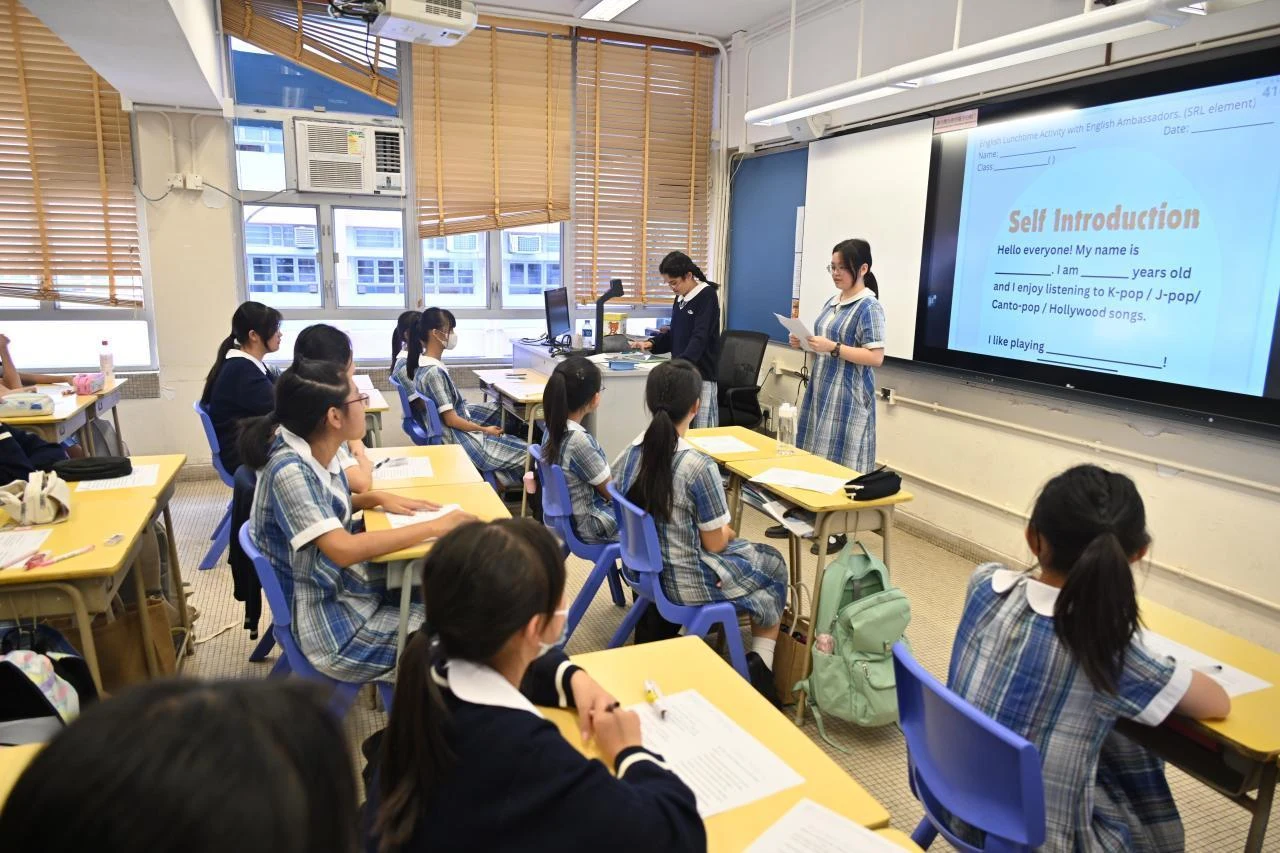
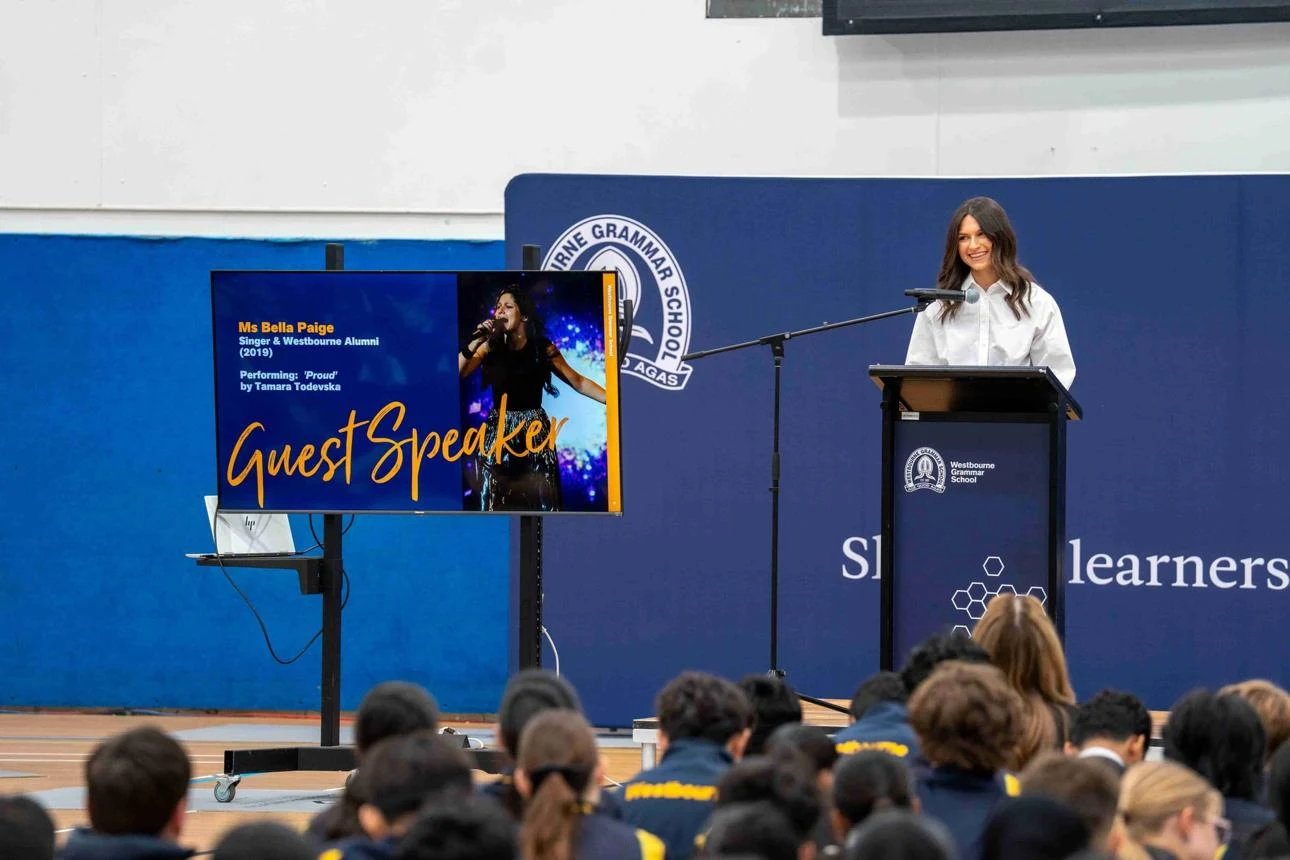
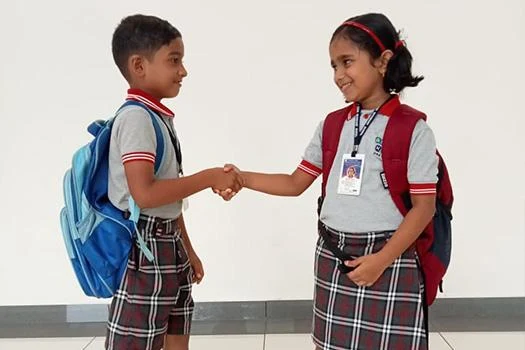
Classroom discussion, a guest speaker and a polite greeting illustrate respectful communication in different settings.
G. Reasons for using polite language during introductions
- It demonstrates respect.
- It creates a positive first impression.
- It promotes friendship.
- It encourages peaceful interaction.
- It builds confidence.
- It prevents unnecessary misunderstandings.
- It promotes good relationships.
- It demonstrates good manners.
H. Sample dialogue: Introducing oneself and others
Brian: Good morning. My name is Brian. May I know your name?
Mary: Good morning, Brian. My name is Mary. It is nice to meet you.
Brian: It is nice to meet you too. Which school do you attend?
Mary: I attend Green Valley Junior School. What about you?
Brian: I also attend Green Valley Junior School. Allow me to introduce my friend, Peter.
Mary: It is a pleasure to meet you, Peter.
Peter: Thank you, Mary. I am happy to meet you too.
Activities
- List the details required when introducing oneself.
- Identify polite expressions used during introductions.
- Match polite expressions with different situations.
- Discuss why polite language is important.
- Introduce yourself before your classmates.
- Introduce a friend to another learner.
- Role-play formal and informal introductions.
- Record your introductions and review your performance.
Summary
Polite language is important when introducing oneself and other people. Learners should use appropriate greetings, respectful expressions, good listening skills and suitable non-verbal communication.