
Introduction
Reading is the process of looking at written symbols and understanding the information they communicate.
Independent reading is reading books and other materials without depending entirely on a teacher or another person.
It allows learners to acquire knowledge, improve vocabulary and develop a lifelong reading habit.
A. Meaning of independent reading
Independent reading is the ability to select and read suitable materials individually for information, enjoyment and personal development.
Learners can read different types of materials, including:
- Storybooks.
- Novels.
- Newspapers.
- Magazines.
- Biographies.
- Poems.
- Educational articles.
- Digital books.
- Informational websites.
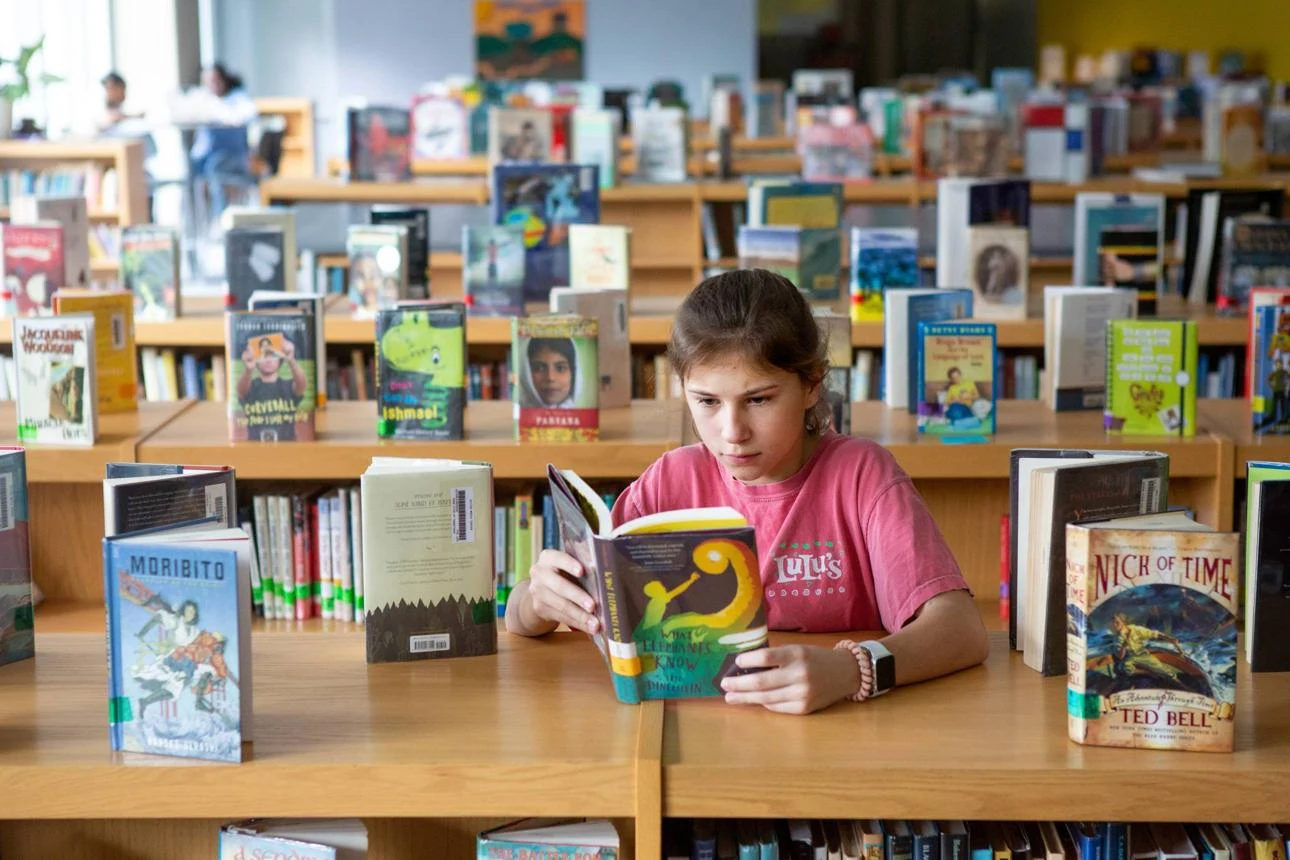
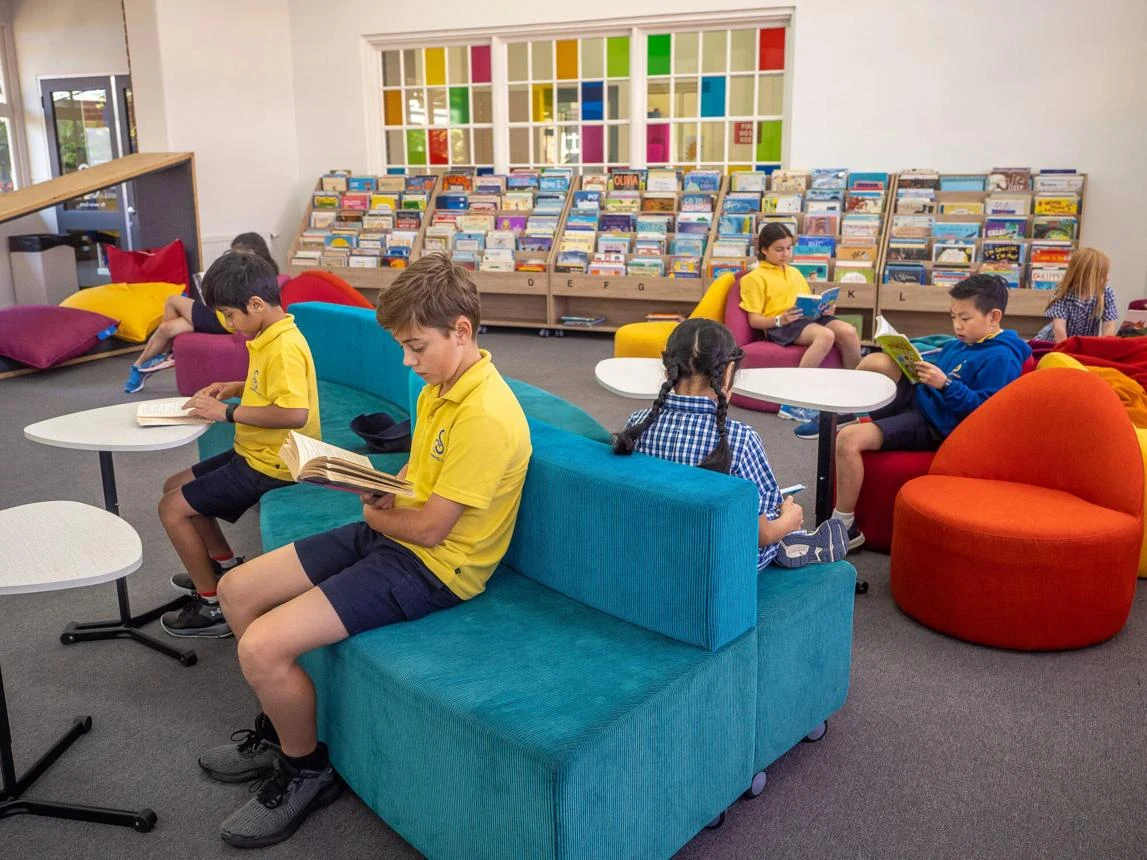
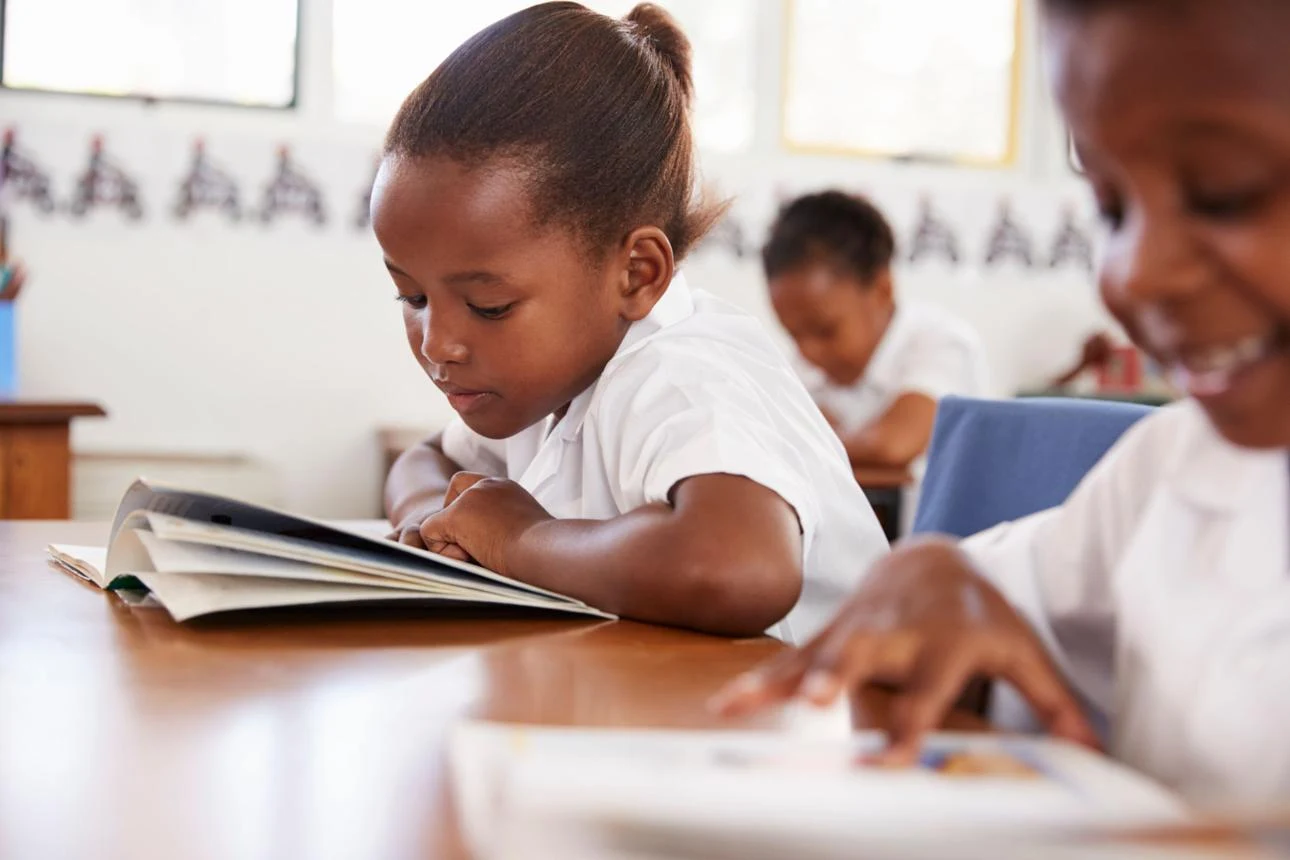
Learners select and read books independently in a library or quiet reading space.
B. Factors to consider when selecting reading materials
A learner should consider the following factors when choosing reading materials.
1. Age appropriateness
The material should be suitable for the learner's age and level of understanding.
2. Interest
The material should address topics that interest the learner.
3. Language level
The vocabulary and sentence structures should be appropriate for the learner's reading ability.
4. Purpose of reading
The learner should determine whether the material is intended for information, research or enjoyment.
5. Accuracy of information
Informational materials should come from reliable sources.
6. Length of the material
The learner should choose a text that can be read within the available time.
7. Quality of presentation
The material should be clear, organised and easy to read.
C. Types of reading materials
|
Reading material |
Description |
|---|---|
|
Storybooks |
Contain fictional or imaginative stories. |
|
Newspapers |
Provide information about current events. |
|
Magazines |
Contain articles on different topics. |
|
Biographies |
Explain the lives of real people. |
|
Novels |
Present extended fictional stories. |
|
Poems |
Communicate ideas and feelings creatively. |
|
Encyclopedias |
Provide organised factual information. |
|
Digital books |
Electronic books read using digital devices. |
D. Good reading habits
A good reader should:
- Read regularly.
- Choose suitable reading materials.
- Read in a quiet environment.
- Maintain an appropriate reading posture.
- Concentrate on the text.
- Avoid unnecessary distractions.
- Record unfamiliar words.
- Consult a dictionary when necessary.
- Take notes where appropriate.
- Reflect on what has been read.
E. Setting reading goals
A reading goal is a target that a learner intends to achieve during a reading session.
Examples:
- Reading one chapter every day.
- Reading a storybook every week.
- Learning five new words daily.
- Completing a selected book within two weeks.
- Reading for thirty minutes each day.
Reading goals help learners manage their time and monitor their progress.
F. Reading for information and enjoyment
Reading for information
This involves reading to acquire knowledge or obtain specific facts.
Examples:
- Reading an article about personal responsibility.
- Reading a textbook to understand a concept.
- Reading a newspaper to learn about current events.
Reading for enjoyment
This involves reading because the material is interesting or entertaining.
Examples:
- Reading adventure stories.
- Reading humorous stories.
- Reading poems.
- Reading fictional books.
G. Reading journals and portfolios
A reading journal is a record of a learner's reading experiences.
It may contain:
- Book titles.
- Authors.
- Dates of reading.
- Important events.
- New vocabulary.
- Personal opinions.
- Lessons learnt.
Example:
|
Date |
Book title |
Author |
What I learnt |
|---|---|---|---|
|
5 May |
The Brave Boy |
A. Kamau |
Courage and honesty |
|
8 May |
Our Environment |
J. Wanjiku |
Environmental care |
|
12 May |
The Wise Leader |
P. Otieno |
Responsible leadership |
A reading portfolio is a collection of reading-related work, including journals, summaries, book reviews and vocabulary records.
H. Benefits of independent reading
- Develops vocabulary.
- Improves reading fluency.
- Improves comprehension.
- Increases general knowledge.
- Encourages creativity.
- Develops imagination.
- Improves writing skills.
- Promotes independent learning.
- Develops concentration.
- Encourages lifelong learning.
Activities
- Identify different materials suitable for independent reading.
- Discuss factors to consider when selecting a book.
- Select reading materials related to personal responsibility.
- Set personal reading goals.
- Read selected materials independently.
- Maintain a reading journal.
- Exchange reading journals with classmates.
- Review and discuss reading experiences.
Summary
Independent reading involves selecting and reading materials individually for information and enjoyment. It develops vocabulary, comprehension, creativity and lifelong learning habits.