
Introduction
A narrative is a spoken or written account of events involving characters.
A trickster narrative is a story in which one character uses cleverness, deception, intelligence or unusual strategies to trick another character.
Trickster narratives are common in African oral literature. They are used to entertain audiences and communicate moral lessons.
A. Meaning of a trickster
A trickster is a character who uses cleverness, deception or unusual behaviour to outsmart other characters.
A trickster may be:
- An animal.
- A human being.
- An imaginary creature.
In many African folktales, animals are given human characteristics and abilities.
Common trickster characters in African folklore include:
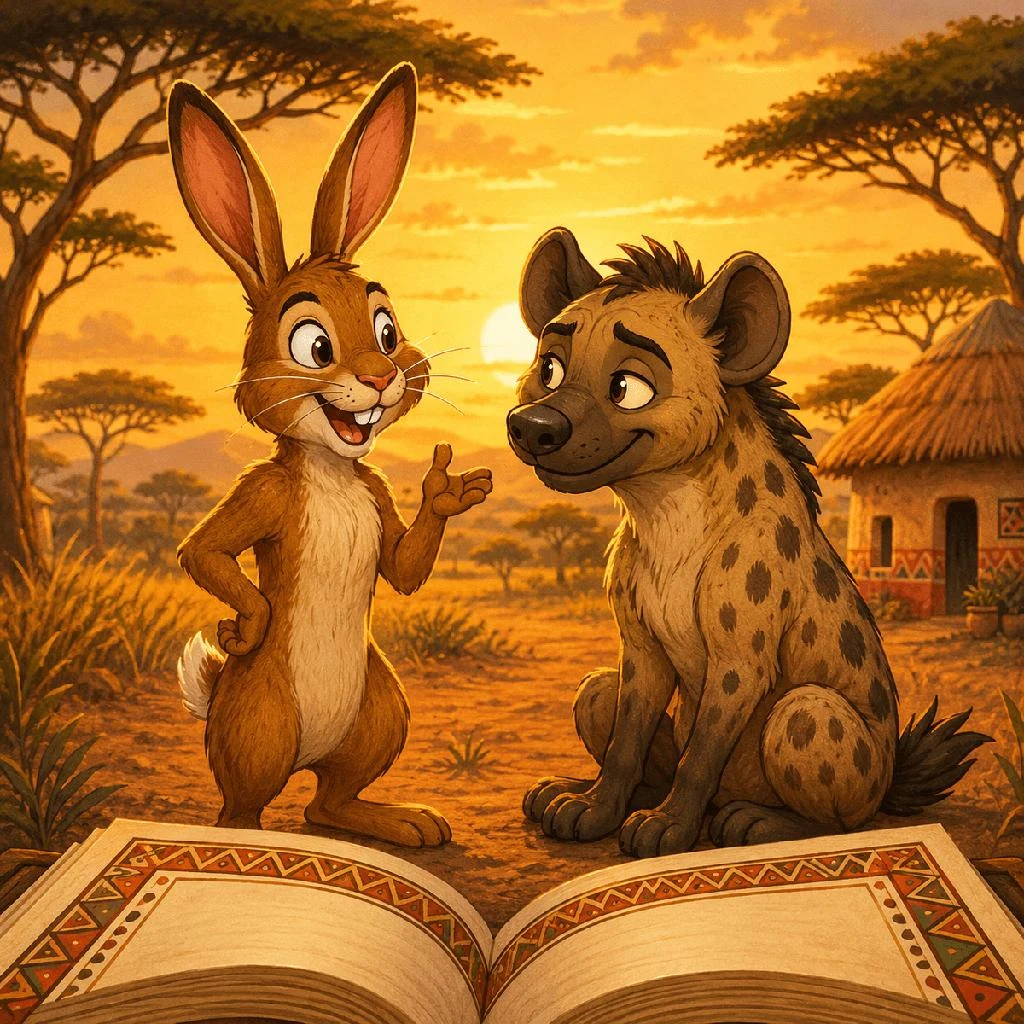
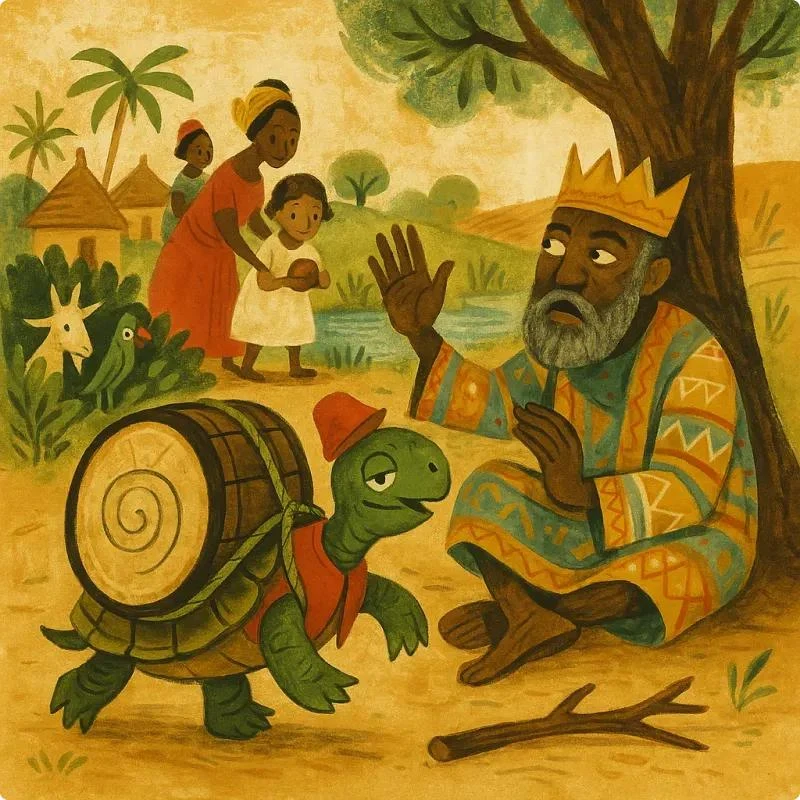
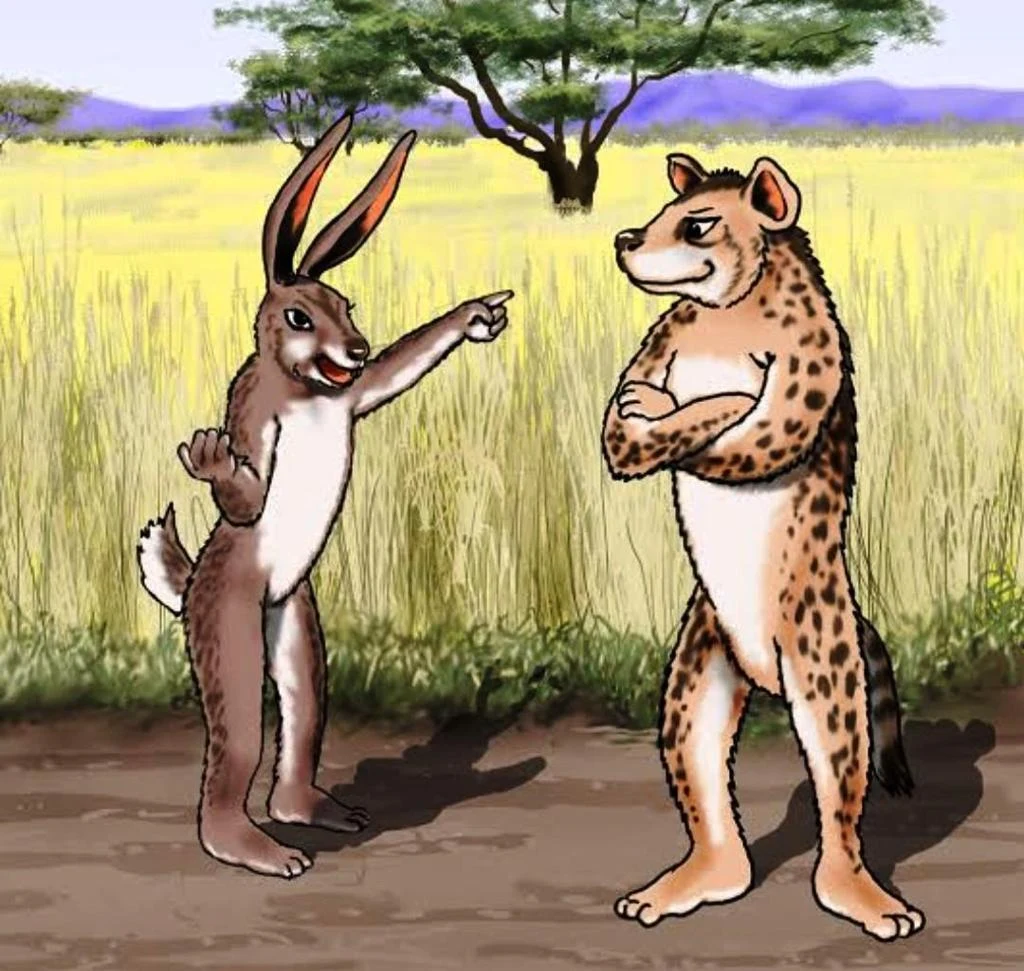
Animal characters such as the hare and tortoise are commonly used in African trickster narratives.
- Hare.
- Tortoise.
- Spider.
- Fox.
- Hyena.
The specific character depends on the community and narrative.
B. Characteristics of trickster characters
A trickster character may display the following qualities:
1. Cleverness
The character uses intelligence to solve problems or escape difficult situations.
2. Deception
The character may mislead others to achieve a particular objective.
3. Greed
Some tricksters want more than their fair share.
4. Selfishness
A trickster may think mainly about personal benefits.
5. Creativity
The character may invent unusual ways of dealing with challenges.
6. Confidence
The trickster may believe that they can outsmart others.
7. Dishonesty
Some tricksters use lies to achieve their goals.
C. Elements of a trickster narrative
A trickster narrative contains several important elements.
1. Characters
These are the people or animals involved in the story.
2. Setting
The setting refers to the time and place where the story occurs.
3. Plot
The plot is the sequence of events in the story.
4. Conflict
Conflict refers to the problem or disagreement affecting the characters.
5. Theme
A theme is the central idea or message explored in the story.
6. Moral lesson
A moral lesson is the principle or behaviour that readers learn from the narrative.
D. Main events in a trickster narrative
Events are the actions or incidents that take place in a story.
A narrative usually follows this order:
- Introduction of characters and setting.
- Development of events.
- Introduction of a problem.
- The trickster develops a plan.
- The trick is carried out.
- The outcome is revealed.
- The story ends with a lesson.
E. Understanding the trick in a narrative
When reading a trickster narrative, learners should identify:
- Who planned the trick.
- Who was tricked.
- Why the trick was carried out.
- How the trick was executed.
- Whether the trick succeeded.
- What happened afterwards.
F. Character traits and their evidence
A character trait should be supported by actions or words from the narrative.
Example:
If Hare shares false information to obtain food, the reader may describe Hare as deceitful.
If Tortoise develops a clever plan to escape danger, the reader may describe Tortoise as intelligent.
G. Moral lessons from trickster narratives
Trickster narratives may teach the following lessons:
- Dishonesty can lead to trouble.
- Greed can cause people to lose what they already have.
- Intelligence can help solve problems.
- People should be careful when trusting others.
- Cooperation is important.
- Selfishness can damage relationships.
- People should accept responsibility for their actions.
- One should not misuse intelligence to harm others.
H. Relating trickster narratives to real life
The characters and events in trickster narratives may reflect situations in everyday life.
For example:
- A greedy character may represent someone who refuses to share resources.
- A dishonest character may represent a person who misleads others.
- A clever character may demonstrate the importance of problem-solving.
Learners should discuss how the lessons can help them become responsible members of society.
I. Steps in reading a trickster narrative
1. Previewing
Examine the title, illustrations and other clues before reading.
2. Predicting
Suggest what might happen in the story.
3. Reading
Read the narrative carefully to understand the events.
4. Recounting
Explain the events in the order in which they occurred.
5. Analysing characters
Describe the characters and their traits.
6. Identifying the trick
Explain the trick used by the trickster.
7. Discussing moral lessons
Identify the messages communicated by the story.
Activities
- Read a trickster narrative from an African community.
- Preview the title and pictures.
- Predict what might happen.
- Identify the main characters.
- Recount the main events.
- Explain the trick used in the story.
- Describe the character traits.
- Discuss the moral lessons.
- Retell the story in groups.
- Relate the story to situations in everyday life.
Summary
Trickster narratives are stories involving characters who use cleverness or deception to outsmart others. They entertain audiences, preserve cultural traditions and communicate important lessons about human behaviour.