
Introduction
Non-fiction refers to writing based on factual information, real people, actual events and existing situations.
Unlike fiction, which is imaginative, non-fiction aims to provide accurate information about the real world.
Extensive reading involves reading a variety of materials independently for information, enjoyment and lifelong learning.
A. Examples of non-fiction materials
- Newspapers.
- Biographies.
- Autobiographies.
- Encyclopedias.
- Textbooks.
- Magazines.
- Dictionaries.
- Informational websites.
- Instruction manuals.
- Historical accounts.
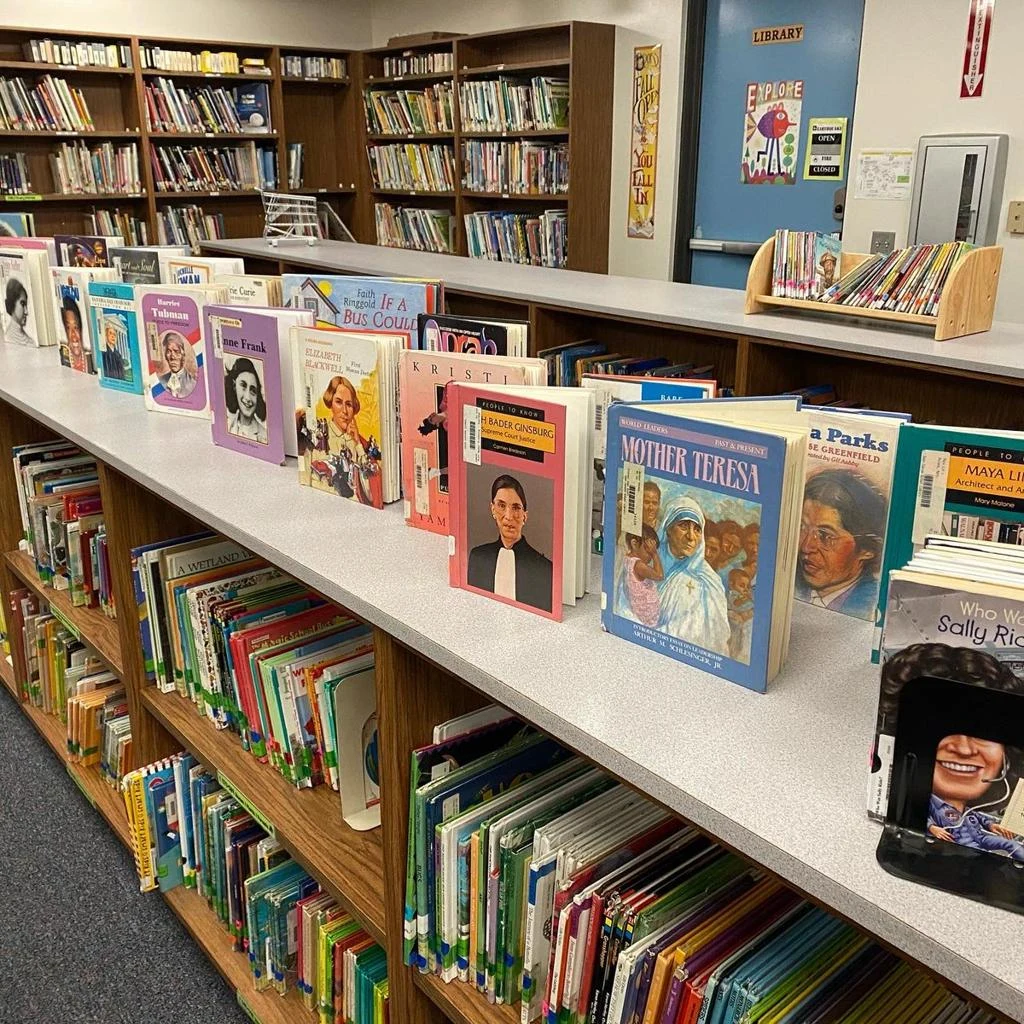
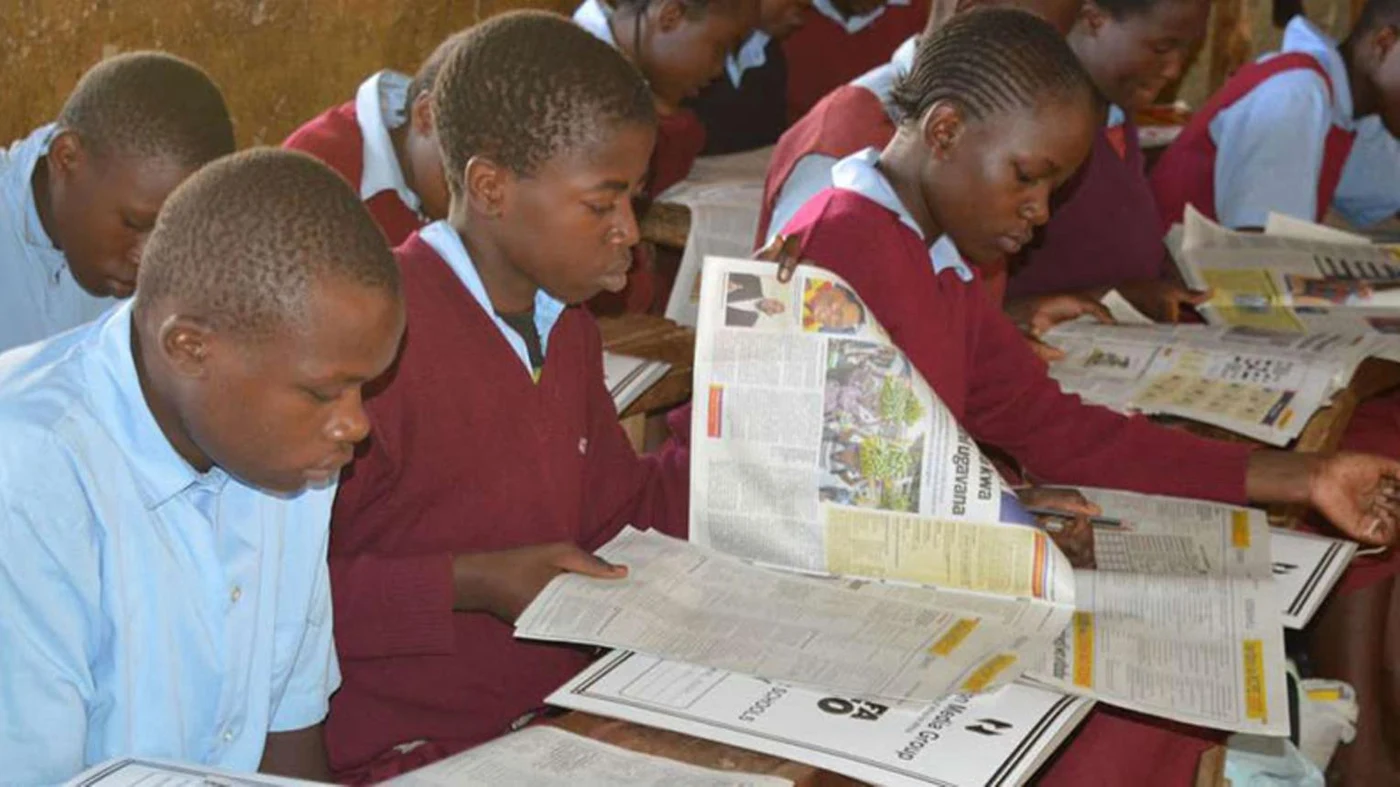
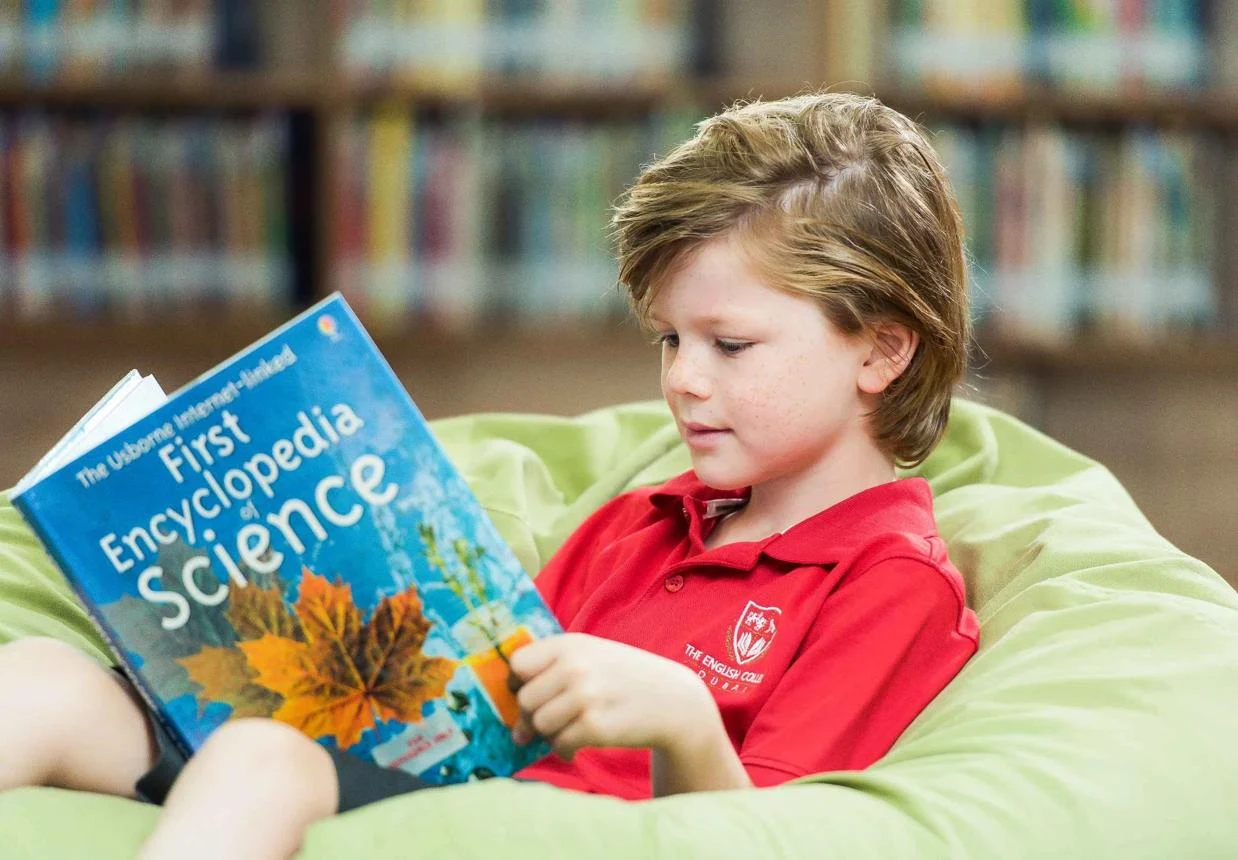
Non-fiction reading materials include reference books and other texts that provide factual information.
B. Types of non-fiction materials
1. Biography
A biography is an account of another person's life written by someone else.
Example: A book about the life of a Kenyan national hero.
2. Autobiography
An autobiography is an account of a person's life written by that person.
3. Newspaper
A newspaper provides information about current events, politics, education, business and sports.
4. Encyclopedia
An encyclopedia contains organised information about different subjects.
5. Magazine
A magazine contains articles and other information about specific or general interests.
6. Instruction manual
An instruction manual explains how to use or operate something.
C. Selecting non-fiction materials
When selecting non-fiction materials, learners should consider:
- Age appropriateness.
- Accuracy of information.
- Relevance to their interests.
- Language level.
- Author credibility.
- Quality of presentation.
- Availability of useful information.
D. Reading non-fiction independently
Independent reading means reading without depending entirely on a teacher or another person.
A learner should:
- Select suitable material.
- Set reading goals.
- Read regularly.
- Record unfamiliar words.
- Identify important ideas.
- Reflect on the information.
- Share useful information with others.
E. Reading strategies
1. Skimming
Reading quickly to understand the general idea of a text.
2. Scanning
Searching for specific information such as dates, names, figures or places.
3. Inferring
Using contextual clues to understand information that is not directly stated.
4. Identifying main ideas
Recognising the central message of a paragraph or passage.
5. Vocabulary development
Recording unfamiliar words and learning their meanings.
F. Reading log
A reading log is a record of books and other materials a learner has read.
Example:
|
Date |
Material |
Main topic |
New words |
|---|---|---|---|
|
2 May |
Biography |
Kenyan hero |
Sacrifice |
|
5 May |
Newspaper |
Education |
Curriculum |
|
8 May |
Magazine |
Technology |
Innovation |
G. Recommending non-fiction materials
A learner can recommend a book to classmates by explaining:
- Its title.
- Its author.
- The subject matter.
- The intended audience.
- Important information contained in it.
- Why it is useful or interesting.
Example:
"I recommend this biography because it explains the life and achievements of a Kenyan freedom fighter. It teaches readers about courage, patriotism and sacrifice."
H. Importance of reading non-fiction
- Provides factual knowledge.
- Develops vocabulary.
- Improves comprehension.
- Encourages independent learning.
- Develops critical thinking.
- Helps learners understand society.
- Supports lifelong learning.
- Improves general knowledge.
Summary
Non-fiction materials provide factual information about real people, events and subjects. Learners should develop independent reading habits, use reading strategies and recommend useful materials to others.