
Introduction
A visual is an image or graphical representation used to communicate information.
Visuals help readers understand messages quickly and can communicate ideas without using lengthy written explanations.
Examples include:
- Photographs.
- Road signs.
- Billboards.
- Posters.
- Maps.
- Charts.
- Drawings.
- Symbols.
- Illustrations.
A. Types of visuals
1. Photographs
Photographs are pictures captured using cameras.
They may communicate information about people, places, events and objects.

A photograph can communicate information about natural resources and the environment.
2. Road signs
Road signs are visual symbols placed along roads to communicate instructions, warnings and information to road users.
Examples:
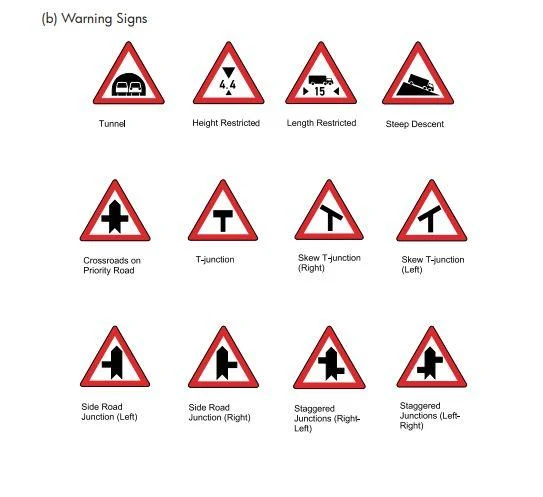
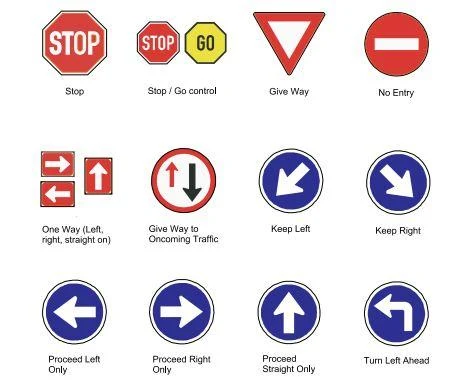
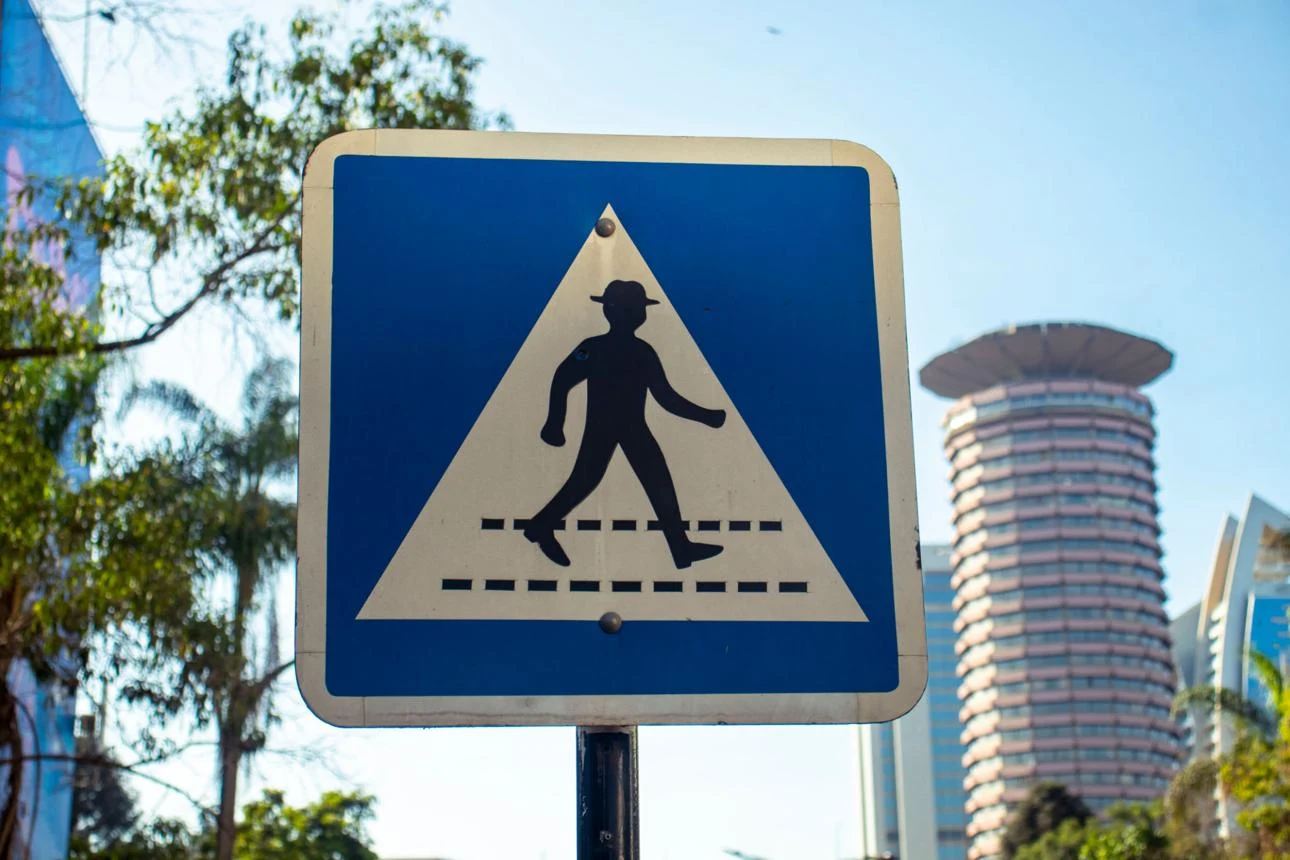
Road signs use familiar symbols and colours to communicate warnings, directions and instructions to road users.
3. Billboards
Billboards are large display structures used to communicate advertisements, public messages and announcements.
4. Posters
Posters combine words, images and colours to communicate particular messages.
5. Maps
Maps represent geographical areas and show the location of places and physical features.
6. Charts and graphs
These present information using organised visual representations.
B. Types of information communicated through visuals
Visuals may communicate:
1. Stories
A series of pictures may show events in a particular order.
2. Messages
A poster may communicate a message about environmental conservation.
3. Feelings and emotions
Facial expressions may show happiness, sadness, anger or fear.
4. Relationships
Pictures may show how people interact with one another.
5. Mood
Colours, expressions and surroundings may communicate the atmosphere of a situation.
C. Interpreting visuals
Interpreting a visual means examining it carefully to understand the information it communicates.
Steps:
- Identify the type of visual.
- Examine the title or caption.
- Identify the main objects or people.
- Observe the colours and symbols.
- Identify the actions taking place.
- Determine the message.
- Draw conclusions.
- Answer questions about the visual.
D. Comprehension strategies used when interpreting visuals
The curriculum identifies five important strategies.
1. Prediction
Prediction involves suggesting what a visual may communicate before examining it fully.
Example:
A picture showing trees and a river may suggest that the topic concerns environmental conservation.
2. Making connections
This involves relating information in a visual to personal experiences or previously acquired knowledge.
Example:
A photograph of a school garden may remind learners of gardening activities at their school.
3. Inference
Inference involves using visual clues to reach conclusions.
Example:
A photograph showing dry land, dead plants and empty water containers may suggest drought.
4. Questioning
Questioning involves asking questions to understand the visual.
Examples:
- What is happening?
- Where is the activity taking place?
- Who is involved?
- What message is communicated?
- Why was the picture taken?
5. Visualising
Visualising involves creating mental pictures from information obtained through a visual.
It helps readers understand the situation and connect the information to real-life experiences.
E. Visuals of national importance
The curriculum identifies the following examples:
1. The Kenyan national flag

The Kenyan national flag is a national symbol representing the country's identity and sovereignty.
The national flag is an important national symbol.
It represents Kenya's identity and sovereignty.
Its colours and symbols communicate important national meanings.
2. Kenyan currency
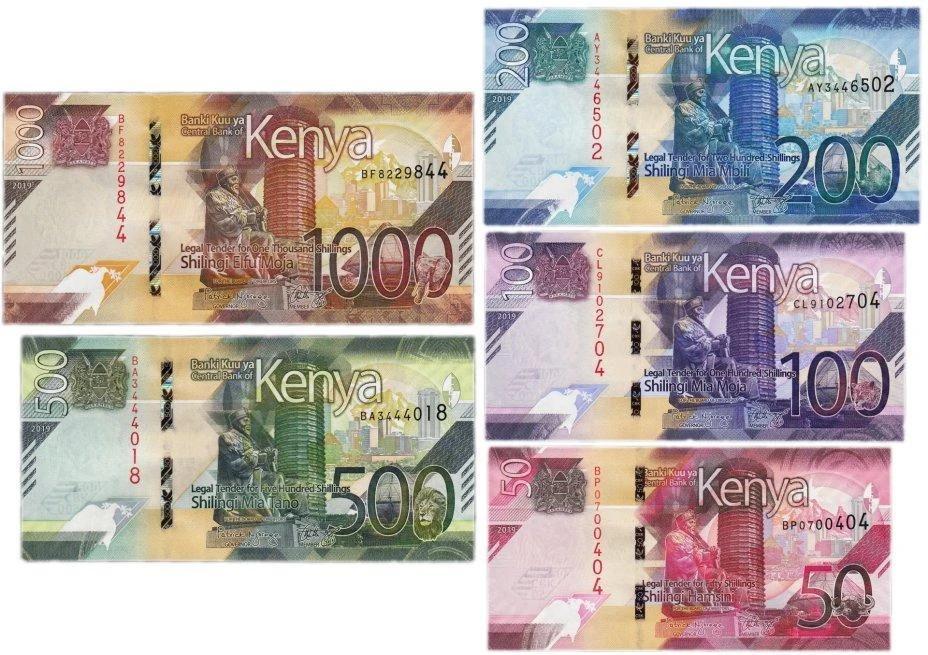
Examples of Kenyan currency show how banknotes carry national symbols and images.
Currency is used in financial transactions and also carries national symbols and images.
Learners can examine the images and information displayed on Kenyan banknotes.
F. Creating simple visuals
Learners can create visuals using:
- Photography.
- Drawing.
- Painting.
- Collage.
- Digital design.
- Models and realia.
Realia refers to real objects used for teaching and learning.
Examples include actual leaves, tree seeds, fruits and other natural materials.
G. Creating a visual about forest conservation
A learner may prepare a poster containing:
- A picture of a forest.
- A heading.
- A message about protecting trees.
- Illustrations showing tree planting.
- A slogan.
Example slogan:
"SAVE FORESTS, SAVE OUR FUTURE!"
H. Importance of visual interpretation
- Improves comprehension.
- Develops observation skills.
- Communicates information quickly.
- Develops creativity.
- Encourages critical thinking.
- Helps people interpret public messages.
- Improves visual literacy.
Activities
- Identify common visuals in the environment.
- Collect photographs, road signs and billboards.
- Explain the information communicated by each visual.
- Interpret pictures about environmental conservation.
- Answer comprehension questions.
- Predict information from visuals.
- Create stories or songs based on pictures.
- Discuss the Kenyan flag and currency.
- Use digital devices to create simple visuals about forests.
Summary
Visuals communicate information through pictures, symbols, colours and other graphical features. Learners should develop skills in predicting, making connections, inferring, questioning and visualising when interpreting visuals.