
Introduction
An explanatory narrative is a story that explains how or why something happens.
It combines storytelling with an explanation of events, situations or natural occurrences.
Explanatory narratives help learners understand relationships between events, identify characters and discover moral lessons.
A. Meaning of an explanatory narrative
An explanatory narrative is a spoken or written account of events intended to explain a particular occurrence or situation.
It may explain:
- Why something happened.
- How an event occurred.
- Why a character behaved in a particular way.
- How a particular situation developed.
- The origin of a practice or phenomenon.
B. Characteristics of explanatory narratives
- Have characters.
- Have a setting.
- Present a sequence of events.
- Explain an occurrence.
- May contain dialogue.
- Communicate lessons.
- Have a beginning, middle and ending.
C. Identifying characters from a listening text
Characters are the individuals or creatures involved in the narrative.
When listening, learners should identify:
- The main character.
- Supporting characters.
- Their relationships.
- Their actions.
- Their behaviour.
- Their roles in the story.
D. Sequencing events
Sequencing involves arranging events in the order in which they happen.
Useful sequencing expressions include:
- First.
- Initially.
- Next.
- Then.
- Afterwards.
- Later.
- Finally.
Example:
A story about a journey may follow this sequence:
- A family prepares for a journey.
- They pack their belongings.
- They travel to the bus station.
- They board a bus.
- The bus encounters a problem.
- The passengers receive assistance.
- They arrive at their destination.
E. Identifying moral lessons
A moral lesson is an important principle or value communicated by a narrative.
Examples:
- Honesty is important.
- People should cooperate.
- Travellers should observe safety rules.
- People should help those in need.
- Responsible behaviour prevents problems.
F. Understanding character behaviour
When listening to an explanatory narrative, learners should examine:
- What the characters say.
- What they do.
- Why they behave in particular ways.
- How their actions affect others.
- Whether their decisions are appropriate.
G. Retelling an explanatory narrative
Retelling involves narrating the story again using one's own words.
Steps:
- Listen to the entire narrative.
- Identify the characters.
- Record the main events.
- Arrange events in sequence.
- Identify the main message.
- Retell the narrative clearly.
H. Dramatizing dialogues
Dramatization involves presenting a story through acting and dialogue.
Learners should:
- Identify the speakers.
- Allocate roles.
- Prepare dialogue.
- Practise pronunciation.
- Use appropriate gestures.
- Rehearse.
- Present the drama.
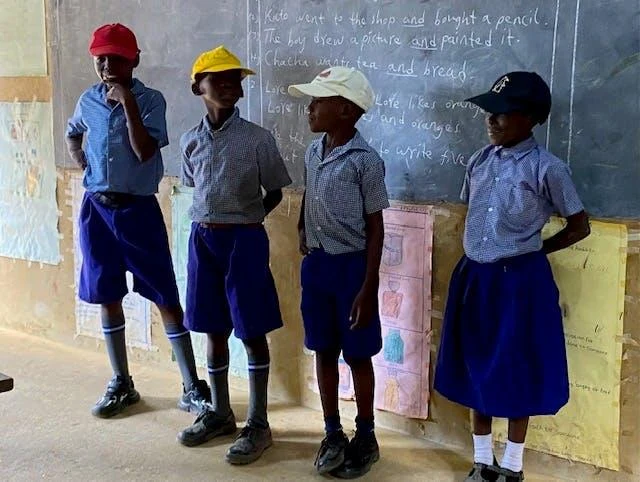


Learners and community members use oral explanation, demonstration and performance to make events understandable.
I. Importance of explanatory narratives
- Explain events.
- Develop listening comprehension.
- Improve storytelling skills.
- Communicate moral lessons.
- Develop imagination.
- Preserve cultural information.
- Improve speaking confidence.
Activities
- Listen to a recorded explanatory narrative.
- Identify the characters.
- Sequence the events.
- Discuss the characters' behaviour.
- Identify moral lessons.
- Relate the lessons to real-life situations.
- Dramatise the dialogue.
- Create an explanatory narrative and share it with classmates.
Summary
Explanatory narratives are stories that explain how or why events happen. Learners should identify characters, sequence events, interpret behaviour and explain moral lessons.