
Introduction
Reading is an important language skill that enables people to obtain information, develop vocabulary and enjoy written works.
Fiction is one of the major forms of literature. It involves imaginative stories created by writers. Although fictional stories may contain imaginary characters and events, they can communicate important lessons about real-life experiences.
In this sub-strand, learners select and read fictional materials for information and enjoyment.
A. Meaning of fiction
Fiction refers to imaginative literary writing in which characters, events or situations are created by an author.
A fictional story may be inspired by real-life experiences, but the story itself is not necessarily a factual account.
Examples of fictional materials
- Short stories.
- Novels.
- Fairy tales.
- Legends.
- Fables.
- Adventure stories.
- Fantasy stories.
- Mystery stories.
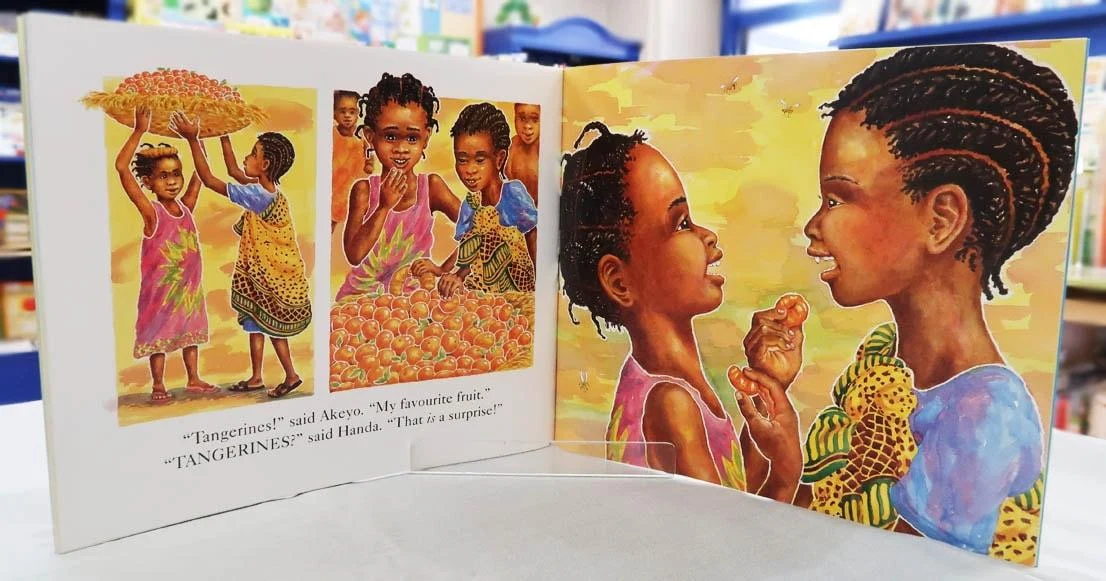
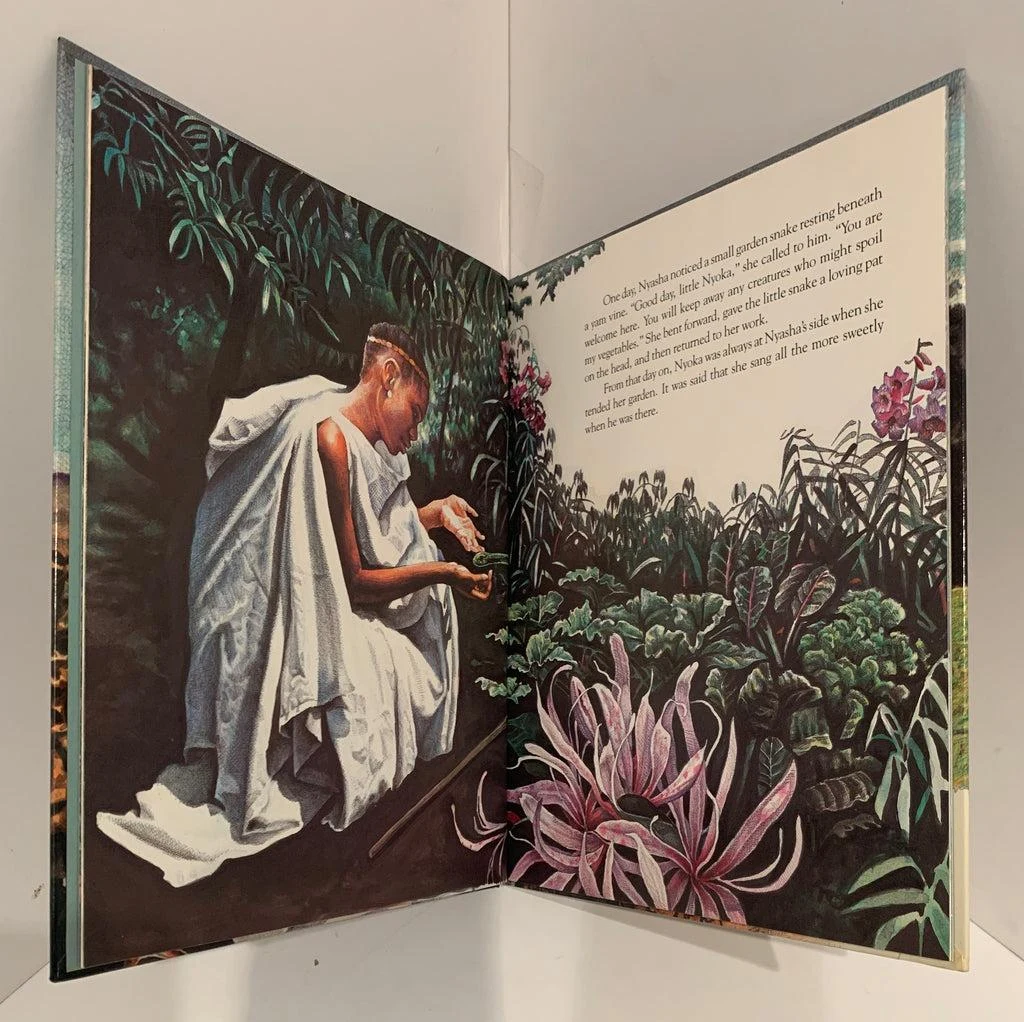
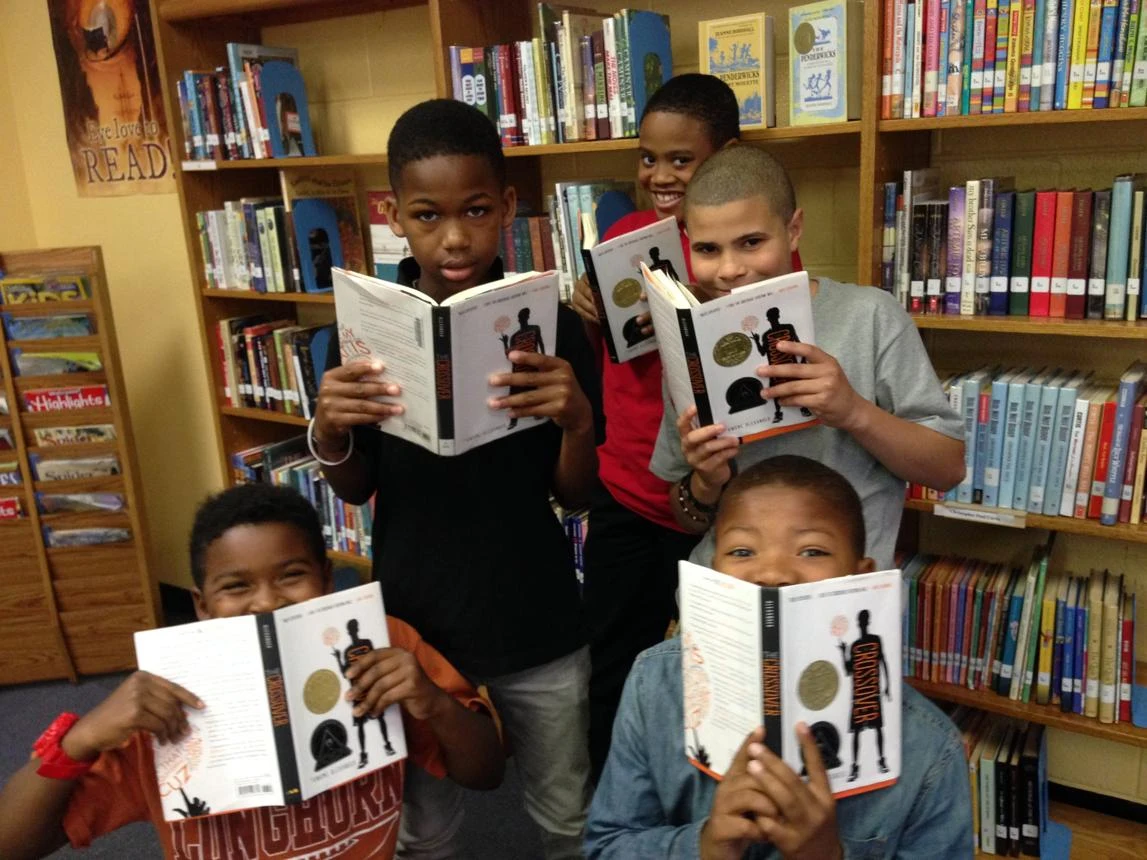
Examples of illustrated fiction show the variety of stories learners may read independently.
B. Features of fictional materials
1. Characters
Characters are the people, animals or imaginary beings that participate in a story.
Examples:
- A brave young girl.
- A wise old man.
- A talking animal.
- A village chief.
2. Setting
Setting refers to the time and place in which a story happens.
Examples:
- A village in Kenya.
- A school in Nairobi.
- A forest during the night.
- A kingdom many years ago.
3. Plot
Plot refers to the sequence of events that make up a story.
A typical plot contains:
- Introduction: The characters and setting are introduced.
- Rising action: Events develop and problems emerge.
- Climax: The most exciting or important point is reached.
- Falling action: Events move towards a solution.
- Resolution: The story comes to an end.
4. Theme
A theme is the main idea or message explored in a story.
Examples:
- Courage.
- Honesty.
- Friendship.
- Patriotism.
- Sacrifice.
- Responsibility.
5. Conflict
Conflict is a problem or disagreement that creates tension in a story.
Examples:
- A disagreement between friends.
- A character fighting against injustice.
- A community facing a natural disaster.
C. Selecting fictional materials
Before reading a fictional book, a learner should examine the following:
1. The title
The title gives an indication of what the story may be about.
2. The cover page
The cover may contain illustrations, the author's name and other information about the story.
3. The blurb
A blurb is a short description of a book, usually found on the back cover. It introduces the story and encourages readers to read it.
4. The author
The author's name identifies the person who wrote the book.
5. The language level
The book should use language that the learner can understand.
6. The subject matter
The topic should be suitable, interesting and appropriate for the learner's age.
D. Reading fiction for information and enjoyment
Fictional materials can be read for different reasons.
Reading for information
A learner may read fiction to:
- Understand human behaviour.
- Learn about different communities.
- Understand social problems.
- Learn moral lessons.
- Develop critical thinking.
- Explore different cultures.
Reading for enjoyment
A learner may read fiction to:
- Enjoy interesting stories.
- Experience imaginative worlds.
- Follow exciting events.
- Relax during leisure time.
- Develop a love for reading.
E. Reading strategies
1. Previewing
Previewing involves examining a book before reading it in detail.
A learner can look at the title, cover, illustrations and blurb.
2. Predicting
Predicting involves suggesting what may happen in a story before or during reading.
3. Skimming
Skimming means reading quickly to obtain the general idea of a text.
4. Scanning
Scanning means looking quickly through a text to locate particular information.
5. Inferring
Inferring means using clues in a text to reach a conclusion that is not directly stated.
6. Retelling
Retelling involves explaining the story in one's own words while maintaining the main events.
F. Keeping a reading vocabulary list
As learners read fictional materials, they may encounter unfamiliar words.
They should record these words in a vocabulary notebook.
|
New word |
Meaning |
Sentence |
|---|---|---|
|
Courage |
Ability to face danger or difficulty |
The soldier showed courage. |
|
Patriotism |
Love and loyalty towards one's country |
Patriotism encourages national unity. |
|
Sacrifice |
Giving up something valuable for another person or cause |
The hero made a great sacrifice. |
|
Justice |
Fair treatment according to what is right |
Every citizen deserves justice. |
G. Importance of reading fiction
- Develops imagination.
- Improves vocabulary.
- Strengthens reading comprehension.
- Promotes moral development.
- Encourages creativity.
- Develops empathy towards others.
- Improves writing skills.
- Provides entertainment and enjoyment.
H. Relating fiction to real life
Readers should reflect on the events and messages in fictional stories.
For example, a story about a dishonest character may teach learners the importance of telling the truth.
A story about a brave national hero may encourage learners to demonstrate courage and patriotism.
Activities
- Select a fictional story about a Kenyan hero or heroine.
- Examine its title, cover and blurb.
- Read the story independently.
- Identify its characters, setting and theme.
- Record unfamiliar vocabulary.
- Retell the story to classmates.
- Dramatise an interesting section.
- Explain how the story relates to real-life experiences.
Summary
Fiction consists of imaginative stories that entertain, educate and communicate important messages. Learners should develop the habit of selecting appropriate fictional books, reading independently and relating the lessons to real life.