
2.1.1 Meaning of Hadith
Hadith refers to the recorded sayings, actions, approvals and descriptions of Prophet Muhammad (S.A.W.).
Hadith provides guidance to Muslims on how to understand and practise the teachings of Islam.
The Hadith is the second primary source of Islamic guidance after the Holy Qur'an.
It explains many teachings of the Qur'an and demonstrates how Prophet Muhammad (S.A.W.) practised them in his daily life.

2.1.2 Meaning of Ulumul Hadith
Ulumul Hadith means the Sciences of Hadith.
It refers to the knowledge used to study, understand, classify and verify the sayings and actions attributed to Prophet Muhammad (S.A.W.).
It helps Muslims determine the reliability of Hadith and understand their teachings.
Areas covered under Ulumul Hadith include:
- Meaning of Hadith.
- Forms of Hadith.
- Components of Hadith.
- Types of Hadith.
- Importance of Hadith.
- Verification and transmission of Hadith.
2.1.3 Forms of Hadith
The KICD curriculum identifies four main forms of Hadith:
- Qaul.
- Fi'l.
- Taqrir.
- Sifat.
1. Qaul (Sayings of the Prophet)
Qaul refers to the spoken words or statements of Prophet Muhammad (S.A.W.).
These include instructions, advice, explanations and teachings given by the Prophet.
Examples include Hadith in which the Prophet teaches Muslims to:
- Speak good words.
- Respect their neighbours.
- Show kindness.
- Maintain good intentions.
- Avoid harming others.
Importance of Qaul
- Provides direct guidance from the Prophet.
- Helps Muslims understand Islamic teachings.
- Encourages good moral behaviour.
- Explains religious responsibilities.
2. Fi'l (Actions of the Prophet)
Fi'l refers to the actions performed by Prophet Muhammad (S.A.W.).
Muslims study these actions to understand how the Prophet practised Islam.
Examples include:
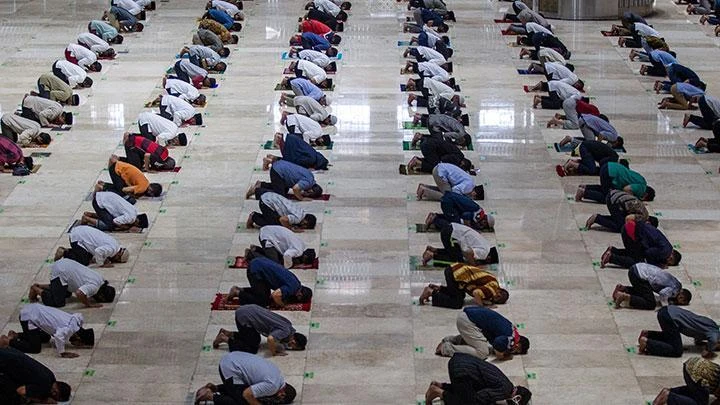
- The way he performed Swalah.
- The way he treated children.
- His acts of charity.
- His treatment of neighbours.
- His manner of fasting.
- His conduct when dealing with other people.
Importance of Fi'l
- Demonstrates practical ways of following Islam.
- Provides examples of good behaviour.
- Helps Muslims understand how to perform acts of worship.
- Encourages Muslims to follow the Sunnah.
3. Taqrir (Approvals of the Prophet)
Taqrir refers to actions or statements performed or made by the companions in the presence of Prophet Muhammad (S.A.W.), which he approved or did not object to when approval was appropriate.
The approval of the Prophet provides guidance on the permissibility of certain actions.
For example, when a companion performed an action in the Prophet's presence and the Prophet approved it, this approval could become evidence of Islamic guidance.
Importance of Taqrir
- Helps Muslims understand what is permissible.
- Provides guidance on acceptable conduct.
- Demonstrates the Prophet's approval of certain practices.
- Helps explain Islamic rulings.
4. Sifat (Characteristics and Descriptions of the Prophet)
Sifat refers to the physical characteristics and moral qualities of Prophet Muhammad (S.A.W.).
His descriptions help Muslims understand his personality and excellent character.
Examples of his moral qualities include:
- Honesty.
- Patience.
- Kindness.
- Humility.
- Forgiveness.
- Generosity.
- Courage.
- Compassion.

Importance of Sifat
- Helps Muslims learn about the Prophet's character.
- Encourages good moral behaviour.
- Promotes humility and kindness.
- Helps Muslims appreciate the personality of the Prophet.
- Encourages Muslims to follow his example.
2.1.4 Summary of the Forms of Hadith
|
Form |
Meaning |
Example |
|---|---|---|
|
Qaul |
Sayings of the Prophet |
His verbal instructions |
|
Fi'l |
Actions of the Prophet |
His manner of performing Swalah |
|
Taqrir |
Approvals of the Prophet |
His approval of an action |
|
Sifat |
Characteristics of the Prophet |
His honesty and kindness |
2.1.5 Components of Hadith
A Hadith generally consists of two major components:
- Isnad or Sanad.
- Matn.
1. Isnad (Chain of Narrators)
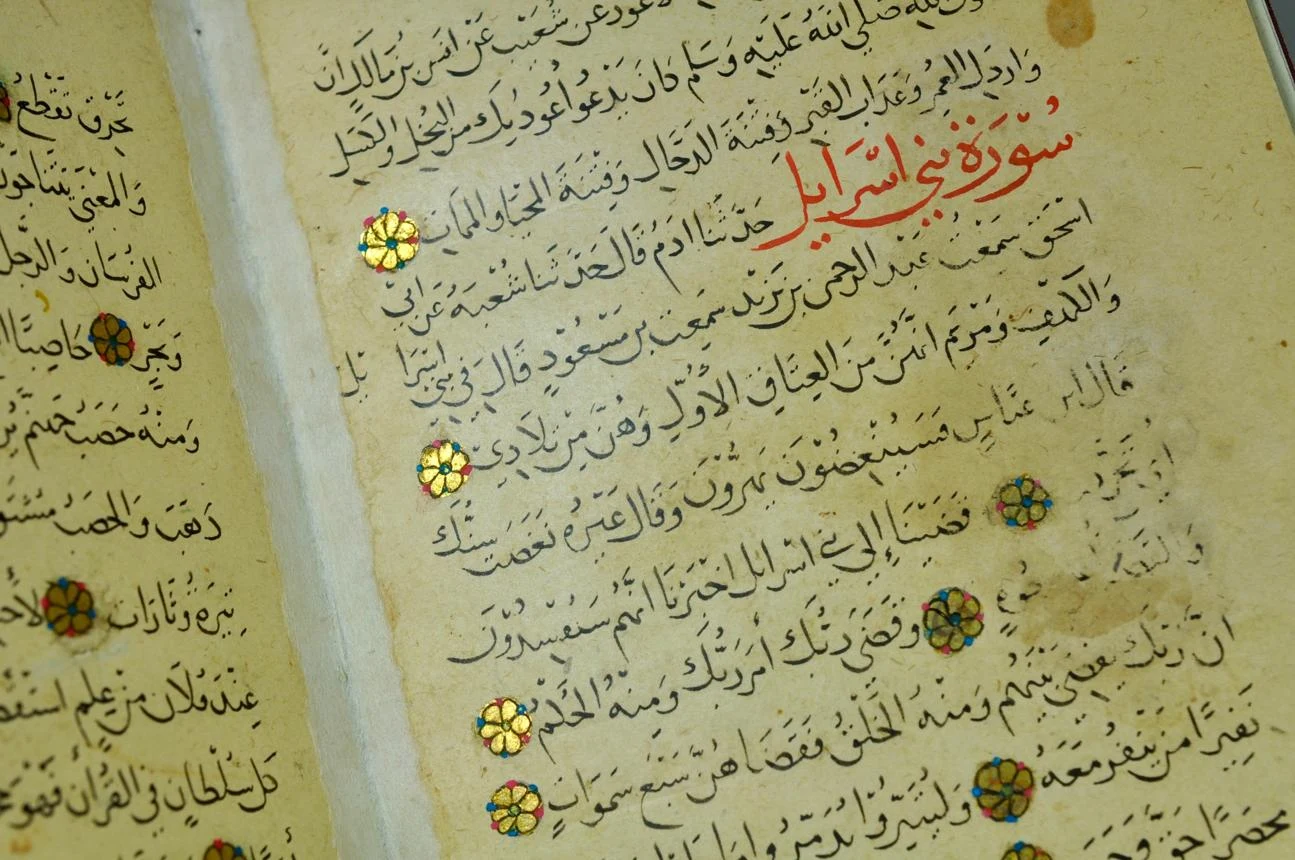
Isnad refers to the chain of people who transmitted a Hadith from one person to another until it was recorded.
These people are called narrators.
The chain helps scholars investigate how a Hadith was transmitted and whether its narrators were reliable.
For example, a Hadith may be transmitted from a companion of the Prophet through several narrators before being recorded by a Hadith scholar.
Importance of Isnad
- Helps verify the origin of a Hadith.
- Identifies the people who transmitted it.
- Helps scholars assess reliability.
- Helps distinguish authentic reports from unreliable ones.
2. Matn (Text of Hadith)
Matn refers to the actual words or content of a Hadith.
It contains the statement, action, approval or description being reported.
For example, in the Hadith:
"Actions are judged by intentions."
The statement itself is the Matn.
Importance of Matn
- Provides the actual teaching of the Hadith.
- Helps Muslims understand the message.
- Provides guidance on Islamic conduct.
- Enables scholars to examine the meaning and content of Hadith.
2.1.6 Difference Between Isnad and Matn
|
Isnad |
Matn |
|---|---|
|
Refers to the chain of narrators |
Refers to the actual text of the Hadith |
|
Shows who transmitted the Hadith |
Shows what the Hadith says |
|
Helps establish reliability |
Provides the message and teaching |
|
Contains names of narrators |
Contains the reported words or description |
2.1.7 Types of Hadith
The Grade 7 curriculum identifies two main types:
- Hadith Qudsy.
- Hadith Nabawy.
A. Hadith Qudsy (Sacred Hadith)
Hadith Qudsy refers to a Hadith in which Prophet Muhammad (S.A.W.) reports a message from Allah (S.W.T.).
It is commonly explained as a Hadith whose meaning is from Allah, with the wording conveyed by the Prophet.
It is different from the Holy Qur'an.
Characteristics of Hadith Qudsy
- It contains a message attributed to Allah.
- It is narrated by Prophet Muhammad (S.A.W.).
- It is not part of the Qur'an.
- It is not recited as Qur'an during Swalah.
- Its authenticity depends on the reliability of its transmission.
- It provides spiritual and moral guidance.
B. Hadith Nabawy (Prophetic Hadith)
Hadith Nabawy refers to Hadith attributed to Prophet Muhammad (S.A.W.), including his sayings, actions, approvals and descriptions.
It provides practical guidance on how Muslims should live according to Islam.
Characteristics of Hadith Nabawy
- It is attributed to Prophet Muhammad (S.A.W.).
- It includes his sayings.
- It includes his actions.
- It includes his approvals.
- It includes descriptions of his characteristics.
- It provides guidance on worship and daily conduct.
2.1.8 Differences Between Hadith Qudsy and Hadith Nabawy
|
Hadith Qudsy |
Hadith Nabawy |
|---|---|
|
Reports a message from Allah through the Prophet |
Reports the sayings, actions, approvals or descriptions of the Prophet |
|
Its message is attributed to Allah |
Its content is attributed to the Prophet |
|
Commonly explained as having meaning from Allah and wording conveyed by the Prophet |
Expresses Prophetic teachings and guidance |
|
Is not part of the Qur'an |
Is not part of the Qur'an |
|
Can be authentic or weak depending on its chain |
Can also be authentic or weak depending on its chain |
Important distinction: Neither Hadith Qudsy nor Hadith Nabawy is the Qur'an. Both are studied as Hadith, and their reliability must be examined.
2.1.9 Importance of Hadith in Islam
Hadith is important because it provides additional guidance for understanding and practising Islam.
1. Second Primary Source of Islamic Guidance
The Qur'an is the first primary source of Islamic guidance, while Hadith is the second.
Muslims use Hadith alongside the Qur'an to understand Islamic teachings.
2. Explains the Qur'an
Hadith explains and demonstrates how certain Qur'anic instructions should be practised.
For example, the Qur'an commands Muslims to perform Swalah, while the Sunnah demonstrates how the Prophet performed it.
3. Provides Practical Examples
The Prophet's actions demonstrate how Muslims should behave in different situations.
4. Promotes Good Character
Hadith encourages honesty, kindness, patience, generosity and respect.
5. Guides Worship
Hadith provides guidance on how to perform different acts of worship, including:
- Swalah.
- Saum.
- Zakat.
- Hajj.
6. Guides Social Relationships
Hadith teaches Muslims how to treat:
- Parents.
- Children.
- Neighbours.
- Friends.
- Teachers.
- The poor and needy.
7. Promotes Peaceful Coexistence
The teachings of Hadith encourage Muslims to avoid harming others and to maintain peaceful relationships.
8. Strengthens Faith
Hadith provides reminders about Allah, accountability, Paradise, Hell and righteous conduct.
9. Develops Self-Efficacy
Studying and practising Hadith helps Muslims develop confidence in applying Islamic teachings in their daily lives.
10. Preserves the Sunnah
Hadith records the teachings and practices of Prophet Muhammad (S.A.W.) for future generations.
2.1.10 Importance of Emulating Prophet Muhammad (S.A.W.)
Emulating means following the good example of another person.
Muslims are encouraged to follow the teachings and good character of Prophet Muhammad (S.A.W.).
They can do this by:
- Being honest.
- Showing kindness.
- Respecting parents.
- Helping needy people.
- Forgiving others.
- Being patient.
- Keeping promises.
- Avoiding arrogance.
- Speaking politely.
- Treating people fairly.
The Prophet's life provides a practical example of how Islamic teachings should be applied.
2.1.11 Summary of Ulumul Hadith
|
Concept |
Meaning |
|---|---|
|
Hadith |
Reports of the sayings, actions, approvals and descriptions of the Prophet |
|
Ulumul Hadith |
Sciences of Hadith |
|
Qaul |
Sayings of the Prophet |
|
Fi'l |
Actions of the Prophet |
|
Taqrir |
Approvals of the Prophet |
|
Sifat |
Characteristics of the Prophet |
|
Isnad |
Chain of narrators |
|
Matn |
Text of the Hadith |
|
Hadith Qudsy |
Sacred Hadith reporting a message from Allah |
|
Hadith Nabawy |
Prophetic Hadith |
Key inquiry question
Why is Hadith important in the life of a Muslim?