
6.2.1 Meaning of Trade
Trade refers to the buying and selling of goods and services.
In Islam, trade is permitted when it is conducted through lawful, honest and fair practices.
Muslims are encouraged to earn a living through legitimate activities and avoid dishonest transactions.
Examples of trade include:
- Selling food.
- Selling clothes.
- Providing transport services.
- Operating shops.
- Selling agricultural produce.
- Offering professional services.

Figure 37: Illustration supporting 6.2.1 Meaning of Trade.
6.2.2 Meaning of Finance in Islam
Islamic finance refers to the management and use of money according to Islamic principles.
It encourages Muslims to earn, save, spend and invest wealth through lawful means.
Islamic finance emphasises:
- Honesty.
- Fairness.
- Transparency.
- Responsibility.
- Avoidance of exploitation.
- Lawful earnings.
- Charity.
- Social welfare.
6.2.3 Meaning of Halal
Halal means lawful or permitted according to Islamic teachings.
A halal source of income is an activity through which a Muslim earns money in a manner permitted by Islam.
Examples include:
- Farming.
- Teaching.
- Lawful trading.
- Carpentry.
- Tailoring.
- Engineering.
- Lawful transport services.
- Providing medical services.
- Selling permitted products.
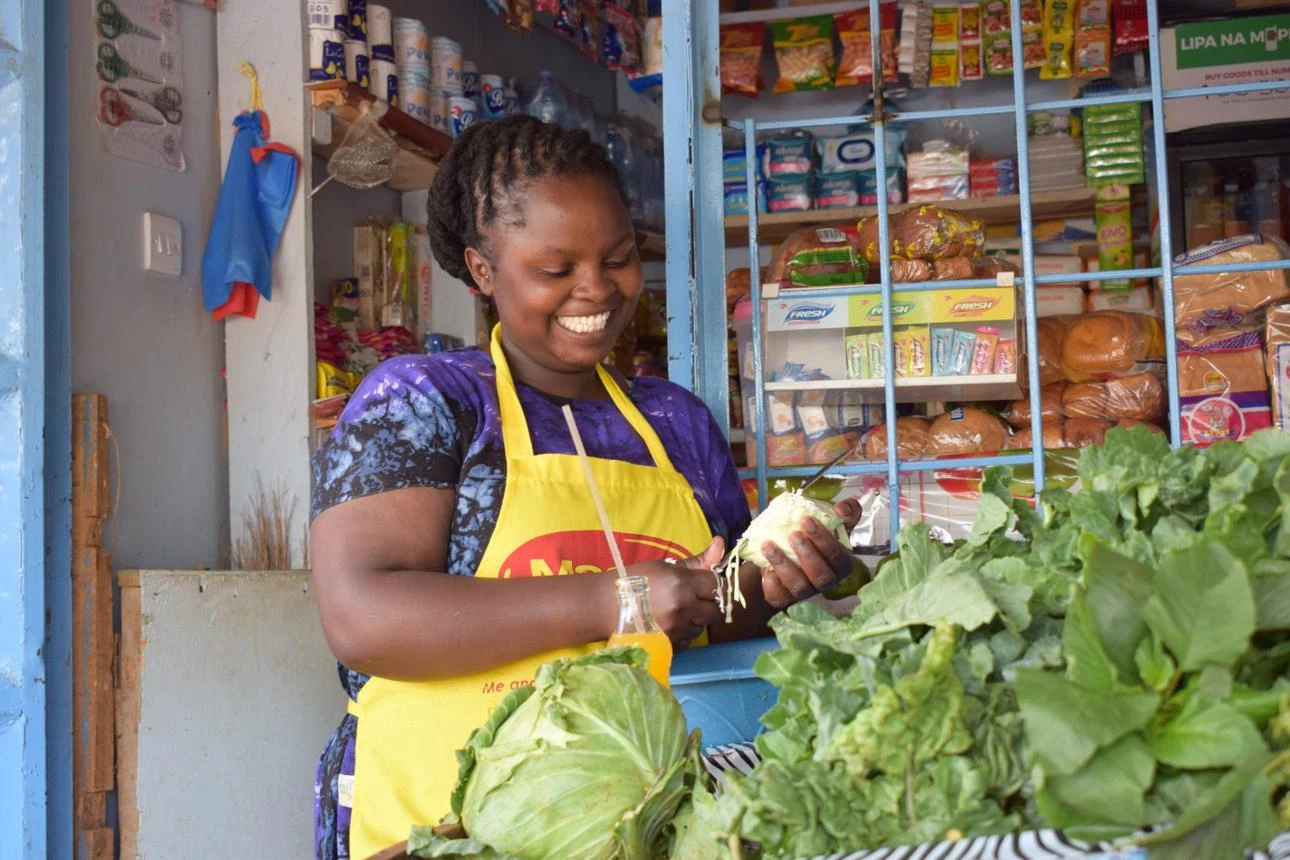
Figure 38: Illustration supporting 6.2.3 Meaning of Halal.
6.2.4 Meaning of Haram
Haram means prohibited or forbidden according to Islamic teachings.
A haram source of income is an activity through which a person earns money using methods or activities prohibited by Islam.
Examples include:
- Theft.
- Fraud.
- Bribery.
- Selling prohibited substances.
- Gambling.
- Cheating customers.
- Selling counterfeit goods through deception.
- Charging or receiving prohibited interest under Islamic rules.
6.2.5 Halal Sources of Earning
1. Farming
A Muslim may earn a lawful income through growing crops and keeping livestock.
2. Teaching
Teaching and providing beneficial education are lawful ways of earning income.
3. Lawful Trading
Buying and selling permitted goods honestly is a recognised means of earning a livelihood.
4. Skilled Work
Activities such as carpentry, plumbing, tailoring and electrical installation can provide lawful income.
5. Professional Services
Muslims may earn money through professions such as medicine, engineering, accounting and other lawful occupations.
6. Transport Services
Providing lawful transport services is a permitted economic activity.
7. Manufacturing
Producing useful and lawful goods can provide income.
8. Technology Services
Providing legitimate computer, communication and technology services can be a source of lawful income.
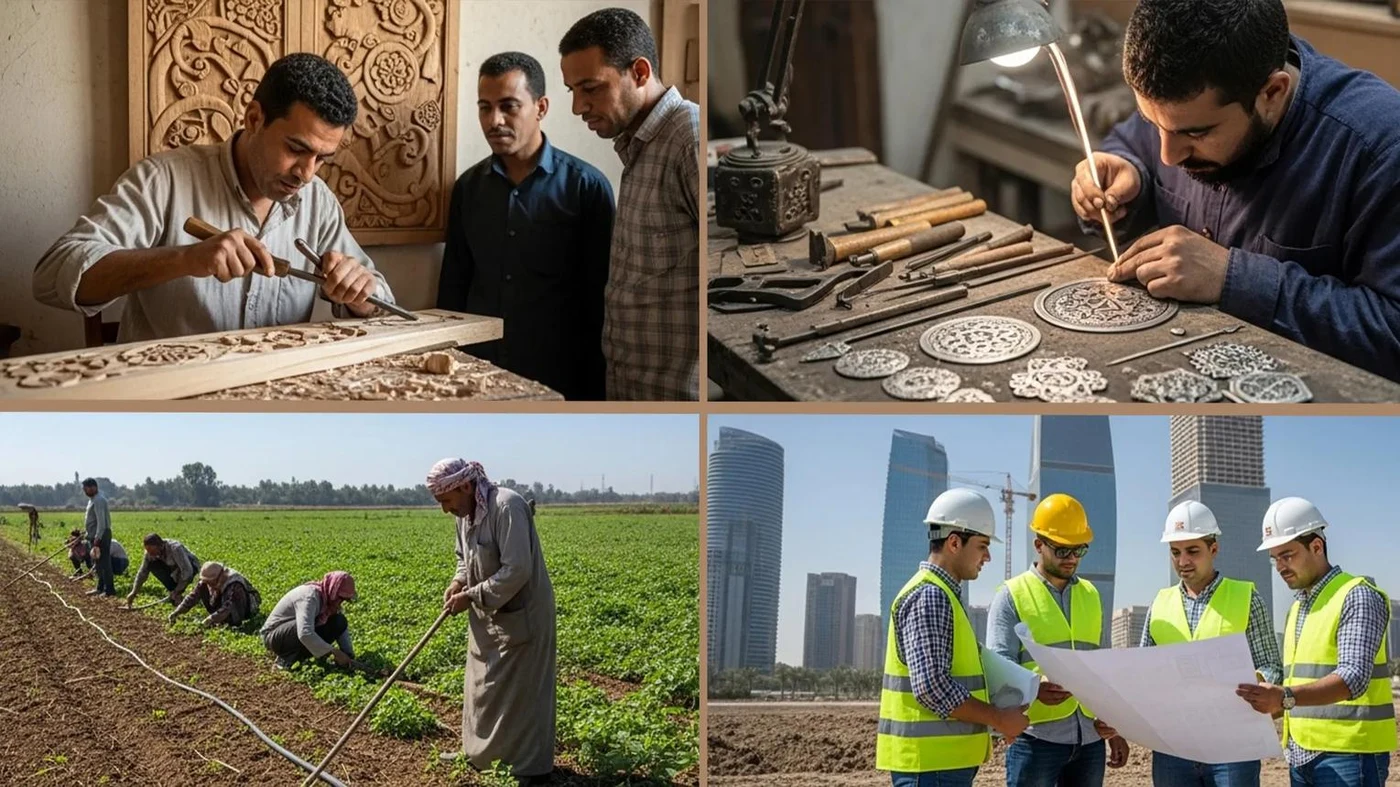
Figure 39: Illustration supporting 6.2.5 Halal Sources of Earning.
6.2.6 Haram Sources of Earning
1. Theft
Taking another person's property without permission is prohibited.
2. Fraud
Fraud involves deliberately deceiving people to obtain money or other benefits.
3. Bribery
Bribery involves offering or receiving unlawful payments to influence decisions or obtain unfair advantages.
4. Gambling
Gambling involves risking money or valuables on uncertain outcomes in a prohibited wagering arrangement.
5. Drug Trafficking
Selling prohibited harmful substances is an unlawful source of income.
6. Corruption
Corruption involves abusing entrusted authority for personal benefit.
7. Cheating in Trade
Using false measurements, misleading information or deliberate deception to obtain money is prohibited.
8. Riba
Riba refers to prohibited forms of interest or usury under Islamic law.
6.2.7 Meaning of Riba
Riba refers to an increase or excess prohibited in certain financial transactions under Islamic law.
It is commonly discussed in relation to interest-based lending and certain prohibited exchanges.
Islam prohibits Riba because it can lead to exploitation and unfair financial relationships.
Qur'anic reference:
Surah Al-Baqarah (2:275) distinguishes lawful trade from prohibited Riba.
6.2.8 Differences Between Halal and Haram Sources of Income
|
Halal income |
Haram income |
|---|---|
|
Earned through lawful activities |
Earned through prohibited activities |
|
Promotes honesty |
Often involves deception or wrongdoing |
|
Encourages fairness |
May involve exploitation |
|
Supports responsible living |
Can lead to social harm |
|
Permitted under Islamic teachings |
Prohibited under Islamic teachings |
|
Includes lawful trade and services |
Includes theft, fraud and bribery |
6.2.9 Legitimate Ways of Spending Income in Islam
Islam teaches Muslims to spend their income responsibly.
The following are examples of legitimate spending.
1. Providing for Family
Muslims should use their income to provide food, clothing, shelter and other necessities for their families.
2. Paying Zakat
Eligible Muslims should fulfil their Zakat obligations.
3. Giving Sadaqah
Muslims are encouraged to give voluntary charity to needy people.
4. Supporting Education
Income may be used to pay school fees, purchase books and support learning.
5. Supporting Healthcare
Muslims may use their money to obtain medical care and support the health of family members.
6. Investing in Lawful Businesses
Muslims may invest in businesses that operate according to Islamic principles.
7. Supporting Community Development
Income may be used to support beneficial community projects.
8. Saving for Future Needs
Muslims are encouraged to manage money responsibly and prepare for future responsibilities.
9. Helping Relatives
Supporting needy relatives is an important charitable act.
10. Avoiding Waste
Muslims should avoid unnecessary extravagance and wasteful spending.

Figure 40: Illustration supporting 6.2.9 Legitimate Ways of Spending Income in Islam.
6.2.10 Prohibited Ways of Spending Income
Muslims should avoid spending money on activities prohibited by Islam.
Examples include:
- Gambling.
- Purchasing prohibited intoxicants.
- Funding criminal activities.
- Supporting dishonest business transactions.
- Spending on activities involving exploitation.
- Wasting money on harmful substances.
- Financing corruption.
- Spending extravagantly and irresponsibly.
6.2.11 Importance of Lawful Earnings in Islam
1. Demonstrates Obedience to Allah
Earning through halal means shows commitment to Islamic teachings.
2. Promotes Honesty
Lawful earning encourages integrity in business and employment.
3. Protects Society
Honest economic activities promote trust and cooperation.
4. Promotes Financial Stability
Responsible earning and spending help individuals manage their resources.
5. Protects Human Dignity
Lawful work allows people to earn a livelihood through responsible activities.
6. Encourages Social Development
Lawful businesses create opportunities for employment and economic growth.
7. Supports Family Welfare
Lawful income helps families meet their needs.
8. Promotes Spiritual Well-Being
Muslims believe that earning and spending through lawful means are important aspects of obedience to Allah.
6.2.12 Effects of Spending Income in Haram Ways
Effects on an Individual
- Loss of spiritual discipline.
- Financial difficulties.
- Involvement in unlawful activities.
- Loss of personal reputation.
- Development of harmful habits.
- Family disagreements.
- Legal consequences.
- Loss of trust.
Effects on the Family
- Financial instability.
- Family conflicts.
- Neglect of basic needs.
- Emotional distress.
- Poor upbringing of children.
- Breakdown of relationships.
Effects on Society
- Increased crime.
- Corruption.
- Exploitation.
- Economic instability.
- Poverty.
- Loss of public trust.
- Social inequality.
- Reduced community development.
6.2.13 Importance of Spending Income in Legitimate Ways
- Promotes responsible financial management.
- Supports family welfare.
- Helps needy people.
- Encourages social development.
- Promotes economic fairness.
- Reduces waste.
- Strengthens faith.
- Encourages generosity.
- Builds trust.
- Promotes peaceful coexistence.
6.2.14 Practical Activity: Classifying Sources of Income
Learners classify the following activities as halal or haram according to Islamic principles.
|
Activity |
Classification |
|---|---|
|
Selling vegetables honestly |
Halal |
|
Teaching learners |
Halal |
|
Stealing money |
Haram |
|
Selling lawful clothing |
Halal |
|
Taking bribes |
Haram |
|
Farming |
Halal |
|
Gambling for money |
Haram |
|
Providing lawful medical services |
Halal |
|
Cheating customers |
Haram |
|
Selling prohibited drugs |
Haram |
6.2.15 Scenario-Based Learning Activity
Scenario:
A Muslim owns a small shop. They sell food and household products. However, they sometimes use false measurements to obtain additional money from customers.
Questions
- Is selling food a lawful source of income?
- Is using false measurements acceptable in Islam?
- What should the shopkeeper do to correct the behaviour?
- How does honesty benefit the business?
- What lessons can other traders learn from this situation?
Expected learning points
- Trade is permitted in Islam.
- Dishonesty is prohibited.
- Traders should use correct measurements.
- Customers should be treated fairly.
- Lawful earnings promote trust and social development.
Key inquiry questions
- How do Muslims spend their income?
- Why should Muslims spend their income in a halal manner?
- Why are some sources of earning considered haram in Islam?