
6.3.1 Meaning of Contemporary Issues
Contemporary issues are matters or challenges affecting people and society in the present day.
They may involve health, social relationships, equality, safety, education, technology and human rights.
Islam provides guidance on how Muslims should respond to contemporary issues while maintaining good moral values.
The Grade 7 curriculum focuses on:
- Rights of women in Islam.
- HIV and AIDS.
- COVID-19.
- Child road safety.
6.3.2 Rights of Women in Islam
Islam recognises women as individuals with dignity, rights and responsibilities.
Women have important roles in families, education, economic activities, worship and society.
Islam teaches Muslims to treat women with fairness, kindness and respect.
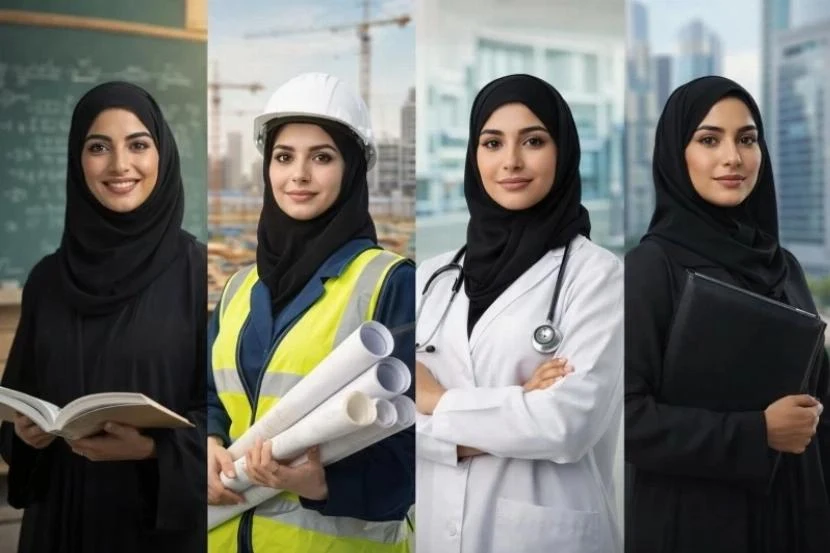
Figure 41: Illustration supporting 6.3.2 Rights of Women in Islam.
6.3.3 Important Rights of Women in Islam
1. Right to Education
Islam encourages the acquisition of beneficial knowledge.
Women have the right to seek religious and other useful knowledge.
2. Right to Own Property
A Muslim woman has the right to own property in her own name.
Her property belongs to her and should not be taken without lawful justification.
3. Right to Inheritance
Women are entitled to prescribed shares of inheritance under Islamic law.
The exact share depends on the family circumstances and the other eligible heirs.
4. Right to Mahr
A wife has the right to receive Mahr from her husband.
5. Right to Maintenance
A wife is entitled to maintenance according to the applicable Islamic requirements.
6. Right to Respect and Dignity
Women should be treated with dignity and should not be subjected to humiliation, oppression or abuse.
7. Right to Religious Practice
Women have the right to perform Islamic acts of worship and fulfil their religious responsibilities.
8. Right to Marriage Consent
A woman should not be forced into marriage.
Her consent is an important consideration in Islamic marriage.
9. Right to Financial Ownership
A woman retains ownership of her lawful earnings and property.
10. Right to Protection
Women have the right to protection from abuse, exploitation and injustice.
6.3.4 Contributions of Women to Society
Women contribute to society in many ways.
1. Education
Women work as teachers, researchers and education leaders.
2. Healthcare
Women serve as doctors, nurses, midwives and other healthcare professionals.
3. Family Development
Women contribute to raising children and strengthening families.
4. Economic Development
Women participate in agriculture, trade, manufacturing and professional employment.
5. Leadership
Women contribute to leadership in community organisations and other institutions.
6. Religious Education
Women participate in Islamic education, teaching and community guidance.
6.3.5 Responsibilities of Society Towards Women
- Respect women's dignity.
- Provide equal opportunities for education according to Islamic and legal principles.
- Protect women from violence.
- Respect their property rights.
- Protect their rights in marriage.
- Promote access to healthcare.
- Avoid discrimination and exploitation.
- Encourage their participation in community development.
- Support women experiencing hardship.
- Promote justice and fairness.
6.3.6 Islamic Teachings on Respecting Women
Surah An-Nisa (4:19)
This verse instructs believers to live with women in kindness.
It promotes respectful treatment within marriage.
Surah Al-Ahzab (33:35)
This verse recognises the spiritual value and responsibility of believing men and women.
It emphasises that both men and women are accountable to Allah for their faith and actions.
Hadith teaching
Prophet Muhammad (S.A.W.) taught Muslims to treat women well.
His teachings encourage kindness, respect and fairness in family relationships.
6.3.7 Importance of Respecting Women's Rights
- Promotes justice.
- Strengthens families.
- Encourages education.
- Promotes economic development.
- Protects human dignity.
- Reduces exploitation.
- Promotes peaceful coexistence.
- Strengthens communities.
- Encourages responsible relationships.
- Demonstrates obedience to Islamic teachings.
6.3.8 Meaning of HIV
HIV stands for Human Immunodeficiency Virus.
It is a virus that attacks the body's immune system, particularly cells that help the body fight infections.
If HIV is not treated, it can progressively weaken the immune system.
Modern antiretroviral treatment helps people living with HIV maintain their health and live long, productive lives.
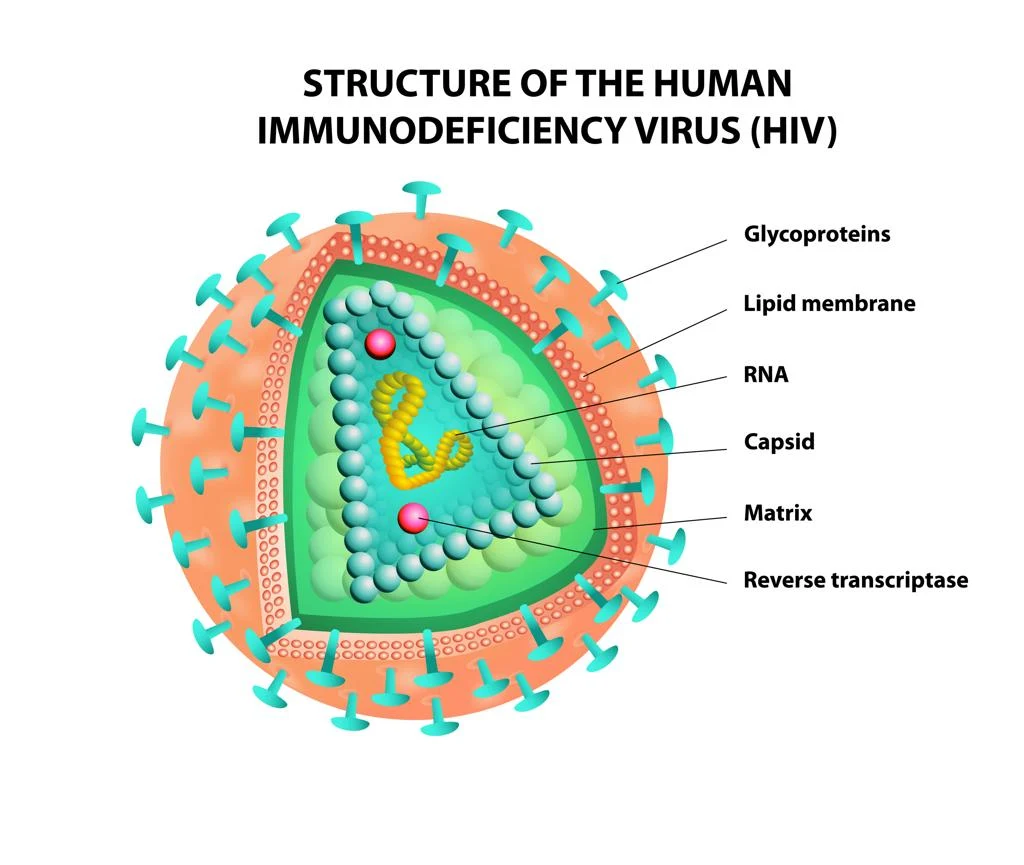
Figure 42: Illustration supporting 6.3.8 Meaning of HIV.
6.3.9 Meaning of AIDS
AIDS stands for Acquired Immunodeficiency Syndrome.
It is the most advanced stage of HIV infection.
It occurs when HIV has severely damaged the immune system and the person develops certain serious infections or conditions.
HIV and AIDS are related, but they are not the same.
A person living with HIV who receives effective treatment may never develop AIDS.
6.3.10 Difference Between HIV and AIDS
|
HIV |
AIDS |
|---|---|
|
A virus |
The most advanced stage of HIV infection |
|
Attacks the immune system |
Occurs when the immune system is severely damaged |
|
Can be managed through treatment |
Requires medical management of HIV and associated conditions |
|
Can be present without symptoms for a long time |
May involve serious opportunistic infections and illnesses |
|
Does not automatically mean a person has AIDS |
Develops as a consequence of advanced untreated or inadequately controlled HIV |
6.3.11 Modes of Transmission of HIV
HIV is transmitted through specific body fluids from a person living with HIV.
These include blood, semen, vaginal fluids, rectal fluids and breast milk.
The main routes of transmission include:
1. Unprotected Sexual Contact
HIV can be transmitted through sexual contact involving exposure to infected body fluids.
2. Sharing Contaminated Needles
Sharing needles or syringes contaminated with infected blood can transmit HIV.
3. Mother-to-Child Transmission
HIV can be transmitted from a mother living with HIV to her child during:
- Pregnancy.
- Childbirth.
- Breastfeeding.
Appropriate medical treatment greatly reduces this risk.
4. Contaminated Blood Products
HIV can be transmitted through infected blood that has not been properly screened.
Modern blood screening has significantly reduced this risk.
5. Unsterile Instruments
Using instruments contaminated with infected blood may transmit HIV if they penetrate the skin.
6.3.12 Ways HIV Is NOT Transmitted
HIV is not transmitted through ordinary social contact.
Examples include:
- Shaking hands.
- Hugging.
- Sharing classrooms.
- Sharing toilets.
- Sharing plates and cups.
- Sitting next to a person living with HIV.
- Sharing ordinary household furniture.
- Mosquito bites.
- Casual conversation.
- Working or studying together.
Learners should avoid discrimination against people living with HIV.
6.3.13 Prevention of HIV Transmission
1. HIV Testing
Knowing one's HIV status helps individuals make informed health decisions.
2. Using Condoms Correctly
Correct and consistent condom use reduces the risk of sexual transmission.
3. Avoiding Sharing Needles
Needles and syringes should never be shared.
4. Medical Screening
Blood intended for transfusion should be properly screened.
5. Antiretroviral Treatment
People living with HIV should access treatment and follow medical guidance.
Effective treatment can reduce HIV to an undetectable level. When viral suppression is sustained, HIV is not sexually transmitted. This is commonly summarised as U=U (Undetectable = Untransmittable).
6. Prevention of Mother-to-Child Transmission
Pregnant women should access appropriate HIV testing and treatment services.
7. Health Education
Communities should receive accurate information about HIV prevention.
6.3.14 Treatment and Management of HIV
There is currently no widely available cure for HIV, but effective treatment exists.
Antiretroviral therapy (ART) uses medicines to control HIV.
Benefits include:
- Reduces the amount of HIV in the body.
- Protects the immune system.
- Reduces the risk of developing AIDS.
- Helps people living with HIV maintain good health.
- Reduces the risk of sexual transmission when viral suppression is sustained.
- Supports long and productive lives.
6.3.15 Social Responsibility Towards People Living with HIV
Muslims should treat people living with HIV with kindness and dignity.
They should:
- Avoid discrimination.
- Provide emotional support.
- Respect confidentiality.
- Encourage access to medical treatment.
- Avoid spreading false information.
- Promote accurate health education.
- Support affected families.
- Avoid stigmatising language.
6.3.16 Meaning of COVID-19
COVID-19 is an infectious disease caused by a virus called SARS-CoV-2.
It was first identified in 2019 and spread to many countries, leading to a global pandemic.
COVID-19 mainly affects the respiratory system, although it can also affect other parts of the body.
People may experience mild, moderate or severe illness.
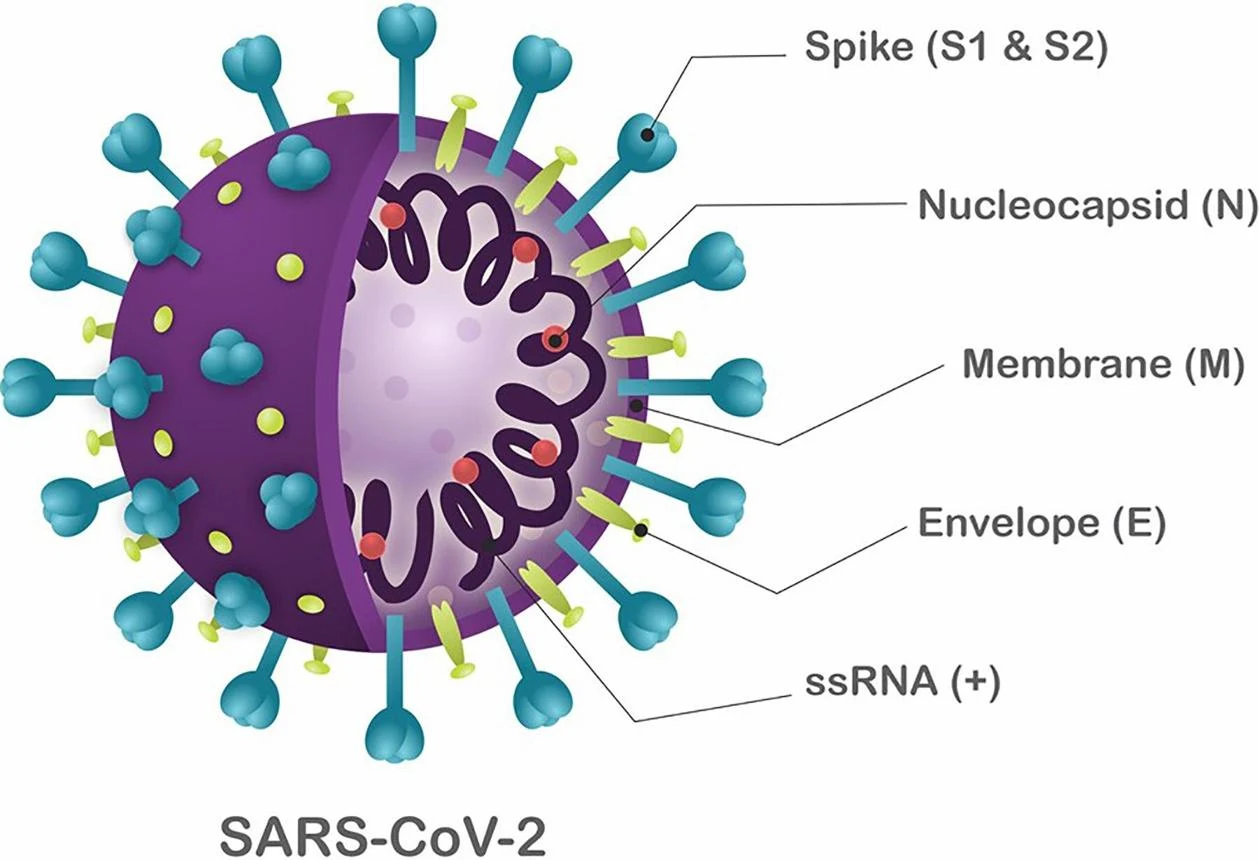
Figure 43: Illustration supporting 6.3.16 Meaning of COVID-19.
6.3.17 Common Symptoms of COVID-19
Common symptoms include:
- Fever.
- Cough.
- Sore throat.
- Headache.
- Fatigue.
- Muscle or body aches.
- Loss or change of smell.
- Loss or change of taste.
- Runny or blocked nose.
- Difficulty breathing in severe cases.
Some infected people may have no noticeable symptoms.
6.3.18 Modes of Transmission of COVID-19
COVID-19 mainly spreads through respiratory particles released when an infected person breathes, talks, coughs or sneezes.
The main modes of transmission include:
1. Respiratory Droplets and Particles
An infected person releases particles containing the virus into the air.
Other people may become infected when they breathe in these particles.
2. Close Contact
Being close to an infected person, especially in crowded or poorly ventilated places, increases the possibility of transmission.
3. Poorly Ventilated Spaces
The virus can spread more easily in indoor spaces where fresh air circulation is inadequate.
4. Contaminated Surfaces
Transmission through contaminated surfaces is possible but is not considered the main route.
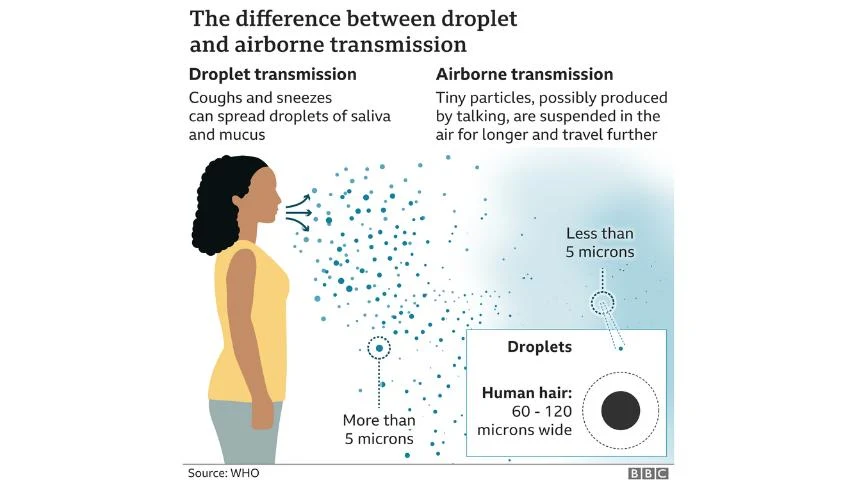
Figure 44: Illustration supporting 6.3.18 Modes of Transmission of COVID-19.
6.3.19 Prevention of COVID-19
1. Handwashing
Wash hands regularly with soap and clean running water.
2. Respiratory Hygiene
Cover the mouth and nose when coughing or sneezing.
Use a tissue or the elbow and dispose of used tissues properly.
3. Ventilation
Improve airflow by opening windows and doors where appropriate.
4. Avoiding Close Contact When Sick
People who are unwell should reduce close contact with others.
5. Wearing Masks When Appropriate
Masks can help reduce the spread of respiratory infections, particularly in crowded or poorly ventilated settings and when someone is experiencing respiratory symptoms.
6. Vaccination
COVID-19 vaccination helps reduce the risk of severe illness and complications.
7. Seeking Medical Advice
People experiencing serious symptoms should seek medical attention.
8. Maintaining Environmental Cleanliness
Frequently touched surfaces should be cleaned appropriately.
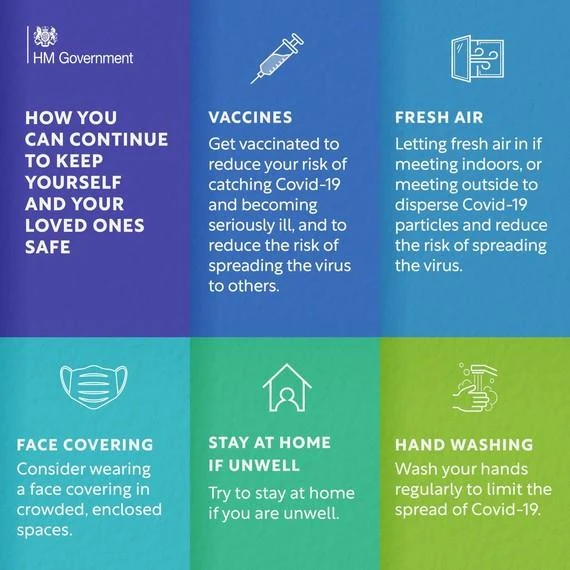
Figure 45: Illustration supporting 6.3.19 Prevention of COVID-19.
6.3.20 Treatment and Management of COVID-19
The management of COVID-19 depends on the severity of the illness.
For mild cases:
- Rest.
- Drink adequate fluids.
- Maintain good nutrition.
- Monitor symptoms.
- Seek medical advice when necessary.
For severe cases:
People experiencing severe breathing difficulties or other serious symptoms require urgent medical assessment.
Healthcare professionals may provide oxygen and other appropriate treatments.
6.3.21 Comparison Between HIV and COVID-19
|
HIV |
COVID-19 |
|---|---|
|
Caused by Human Immunodeficiency Virus |
Caused by SARS-CoV-2 |
|
Attacks the immune system |
Mainly affects the respiratory system, but may affect other organs |
|
Transmitted through specific infected body fluids |
Mainly transmitted through respiratory particles |
|
Not spread through casual contact |
Can spread through close contact and shared air |
|
Managed using antiretroviral treatment |
Managed through supportive care and other appropriate medical treatments |
|
Can be prevented through specific HIV prevention measures |
Can be prevented through vaccination and respiratory infection prevention measures |
6.3.22 Social Responsibility During Disease Outbreaks
Muslims should demonstrate responsible behaviour during disease outbreaks.
They should:
- Follow reliable health guidance.
- Protect vulnerable members of society.
- Maintain personal hygiene.
- Avoid spreading false information.
- Seek medical attention when necessary.
- Support sick people.
- Avoid discrimination.
- Encourage vaccination where appropriate.
- Practise responsible respiratory hygiene.
- Protect the health of the community.
Islamic perspective
Islam encourages Muslims to protect human life, avoid causing harm and demonstrate compassion towards people experiencing illness.
The principle of preventing harm is important in responding to public health challenges.
6.3.23 Meaning of Road Safety
Road safety refers to the measures and practices used to prevent road accidents and protect the lives of drivers, passengers, pedestrians, cyclists and other road users.
Islam teaches Muslims to protect human life and avoid actions that may cause harm to themselves or others.
Road safety is therefore an important responsibility for every member of society.
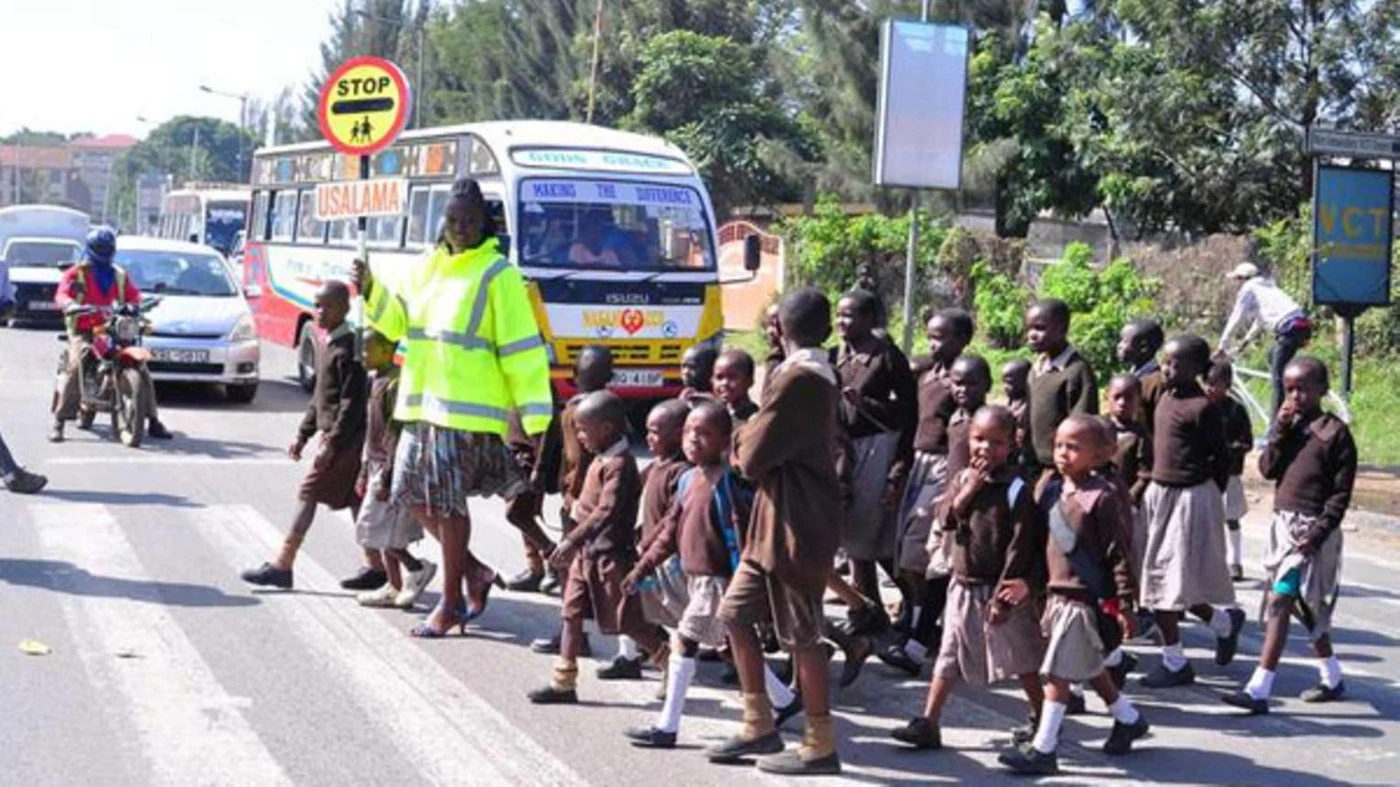
Figure 46: Illustration supporting 6.3.23 Meaning of Road Safety.
6.3.24 Categories of Road Users
Road users are people who use roads for different purposes.
They include:
1. Pedestrians
People who walk along or across roads.
2. Cyclists
People who use bicycles on roads.
3. Motorcyclists
People who operate motorcycles.
4. Drivers
People who operate motor vehicles.
5. Passengers
People travelling in vehicles or other forms of transport.
6. Public Transport Operators
People who operate public transport vehicles, including buses and matatus.
7. People with Disabilities
People who may use wheelchairs or other mobility aids on roads and pedestrian facilities.
6.3.25 Safe Behaviour for Pedestrians
Pedestrians should observe the following safety practices.
- Use designated pedestrian walkways.
- Cross roads at designated crossing points.
- Use footbridges where available.
- Look right, left and right again before crossing where appropriate.
- Obey traffic lights.
- Avoid playing on roads.
- Avoid running across busy roads.
- Avoid using mobile phones while crossing.
- Wear visible clothing when walking at night.
- Walk facing oncoming traffic where there are no pedestrian walkways, where safe and permitted.
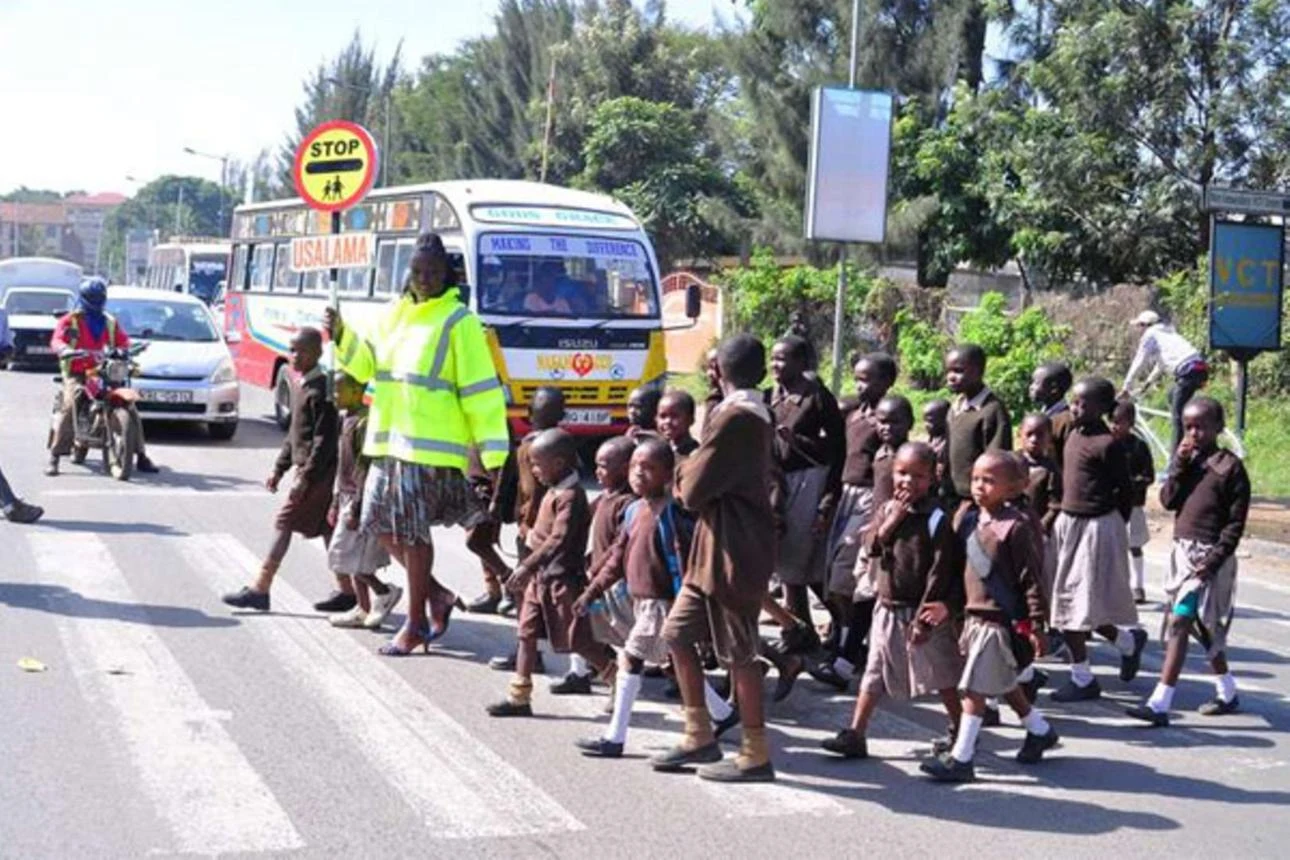
Figure 47: Illustration supporting 6.3.25 Safe Behaviour for Pedestrians.
6.3.26 Safe Behaviour for Cyclists
Cyclists should:
- Wear a properly fitted helmet.
- Use bicycles that are in good condition.
- Obey road signs.
- Use appropriate cycling paths where available.
- Avoid carrying excessive loads.
- Use lights and reflectors when necessary.
- Avoid using mobile phones while cycling.
- Maintain a safe distance from vehicles.
- Use hand signals when turning.
- Avoid cycling under the influence of intoxicating substances.
6.3.27 Safe Behaviour for Motorcyclists
Motorcyclists should:
- Wear approved helmets.
- Wear protective clothing.
- Avoid speeding.
- Obey traffic signs.
- Avoid carrying excessive passengers.
- Maintain their motorcycles.
- Avoid reckless overtaking.
- Avoid using mobile phones while riding.
- Avoid riding under the influence of alcohol or drugs.
- Follow the requirements for motorcycle safety.
6.3.28 Safe Behaviour for Drivers
Drivers should:
- Observe speed limits.
- Avoid distracted driving.
- Avoid driving under the influence of alcohol or drugs.
- Wear seat belts.
- Maintain their vehicles.
- Respect pedestrians.
- Avoid dangerous overtaking.
- Observe traffic signs and signals.
- Avoid using mobile phones while driving.
- Ensure that passengers are safely seated.
- Avoid driving when excessively tired.
- Maintain a safe following distance.
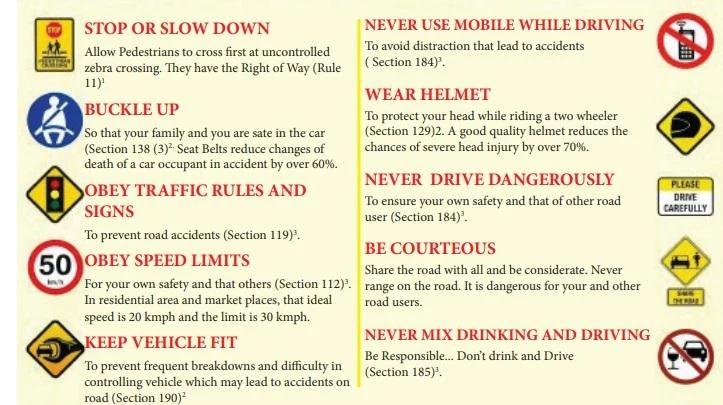
Figure 48: Illustration supporting 6.3.28 Safe Behaviour for Drivers.
6.3.29 Road Safety Practices for Children
Children are particularly vulnerable road users because they may not fully understand traffic dangers.
They should observe the following precautions:
1. Walk with Guidance
Young children should be accompanied by responsible adults when crossing busy roads.
2. Avoid Playing on Roads
Roads are meant for transport and are not safe playgrounds.
3. Use Footbridges
Children should use available footbridges when crossing busy roads.
4. Avoid Distractions
Children should not use headphones or mobile devices while crossing roads.
5. Board Vehicles Safely
Children should board and leave vehicles at safe designated locations.
6. Avoid Hanging on Moving Vehicles
Children should never hold onto moving vehicles.
7. Use Safe School Transport
Children should use properly maintained vehicles operated by responsible drivers.
8. Wear Seat Belts
Children travelling in vehicles should use appropriate safety restraints.
9. Avoid Crossing Between Parked Vehicles
Parked vehicles may block the view of approaching drivers.
10. Follow Traffic Instructions
Children should obey traffic lights, road signs and guidance from responsible adults.
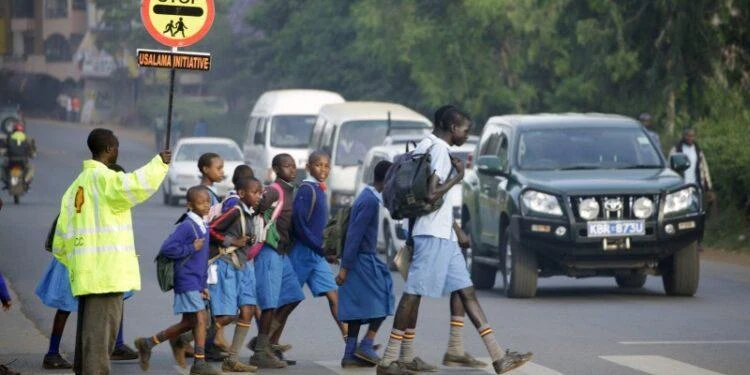
Figure 49: Illustration supporting 6.3.29 Road Safety Practices for Children.
6.3.30 Risky Behaviours That Cause Road Accidents
The KICD curriculum highlights several dangerous behaviours.
1. Playing Along the Road
Children who play near roads may accidentally enter the path of moving vehicles.
2. Speeding
Driving beyond the permitted speed reduces the time available to react to danger.
3. Distracted Driving
Using mobile phones or other devices while driving can cause serious accidents.
4. Using Headphones While Walking
Listening to loud music may prevent pedestrians from hearing approaching vehicles or warnings.
5. Reckless Overtaking
Overtaking without ensuring that the road is clear may cause collisions.
6. Ignoring Traffic Lights
Disobeying traffic signals increases the risk of accidents.
7. Driving Under the Influence
Alcohol and drugs impair judgement and coordination.
8. Overloading Vehicles
Carrying more passengers or goods than a vehicle is designed for can make it unsafe.
9. Failure to Wear Safety Equipment
Failure to use seat belts and helmets increases the risk of serious injuries.
10. Crossing Roads Carelessly
Crossing without checking for approaching vehicles can lead to accidents.
6.3.31 Consequences of Road Accidents
Road accidents may result in:
- Loss of human life.
- Serious injuries.
- Permanent disability.
- Financial losses.
- Family suffering.
- Damage to property.
- Psychological trauma.
- Disruption of education.
- Increased healthcare costs.
- Reduced productivity.
6.3.32 Ways of Promoting Road Safety in the Community
- Educating children about road safety.
- Reporting dangerous road conditions.
- Encouraging responsible driving.
- Observing speed limits.
- Maintaining vehicles.
- Providing pedestrian walkways.
- Installing appropriate road signs.
- Using footbridges.
- Encouraging helmet and seat-belt use.
- Reporting reckless road behaviour to responsible authorities.
6.3.33 Islamic Teachings on Road Safety
Islam teaches Muslims to protect human life and avoid causing harm.
These principles can be applied to road safety.
1. Protection of Life
Muslims should avoid reckless behaviour that may endanger human life.
2. Responsibility
Road users should recognise their responsibility towards other people.
3. Respect for Others
Drivers and pedestrians should consider the safety of other road users.
4. Avoiding Harm
Muslims should avoid dangerous actions that may cause injury or death.
5. Helping Others
Muslims should assist accident victims and seek emergency help when necessary.
6. Obedience to Lawful Regulations
Responsible road use includes observing lawful traffic regulations established to protect the public.
6.3.34 Practical Activity: Road Safety Awareness
Activity: Learners form groups and prepare a road safety awareness presentation.
Each group should:
- Identify common road safety risks.
- Explain dangerous road user behaviours.
- Suggest preventive measures.
- Prepare road safety posters.
- Demonstrate safe road crossing.
- Present their findings to the class.
Key inquiry questions
- How should women be treated in Islam?
- What are the possible remedies for the spread of HIV and AIDS and COVID-19?
- Why is it important to observe road safety?