
1. Meaning of Organic Gardening
Organic gardening is the practice of growing crops using natural and ecologically based methods to maintain soil fertility, manage pests, and support healthy plant growth.
Organic gardening emphasizes compost, animal manure, crop rotation, mulching, biological pest management, and other approved organic methods.
It generally avoids synthetic fertilizers and pesticides that are prohibited under organic production standards.
2. Meaning of Organic Matter
Organic matter consists of materials originating from plants and animals that can decompose and improve soil properties.
Examples include:
- Dry leaves.
- Plant residues.
- Compost.
- Well-rotted animal manure.
- Grass clippings.
- Decomposed crop remains.
Organic matter helps improve soil structure, water retention, and nutrient availability.
3. Organic Gardening Practices
A. Application of Compost
Compost is decomposed organic material used to improve soil fertility.
It is made from suitable plant residues and other biodegradable materials.
Benefits of compost:
- Adds nutrients to soil.
- Improves soil structure.
- Increases water-holding capacity.
- Encourages beneficial soil organisms.
- Helps reduce reliance on purchased fertilizers.
- Makes use of suitable organic waste.
B. Use of Animal Manure
Well-rotted animal manure can be added to soil to improve fertility.
Examples include manure from cattle, goats, sheep, and poultry.
Raw manure may contain harmful microorganisms and should be properly managed before use, especially around crops eaten without cooking.
C. Mulching
Mulching involves covering the soil surface with suitable materials.
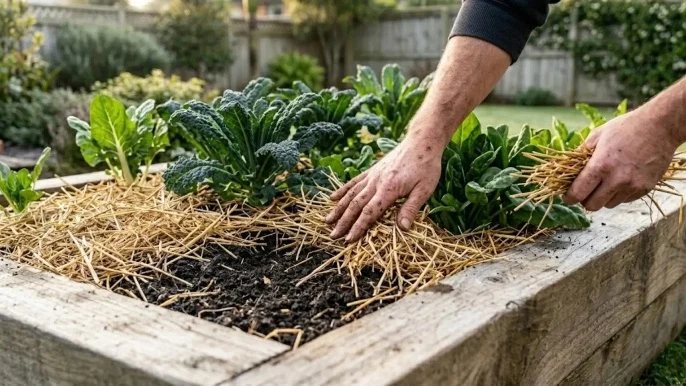
Examples of organic mulching materials:
- Dry grass.
- Straw.
- Dry leaves.
- Suitable crop residues.
- Wood chips.
Importance of mulching:
- Conserves soil moisture.
- Reduces weed growth.
- Protects soil from erosion.
- Regulates soil temperature.
- Adds organic matter as it decomposes.
- Reduces soil splashing onto crops.
D. Crop Rotation
Crop rotation involves growing different crops on the same piece of land in a planned sequence over different seasons.
Example:
- Season 1: Kale.
- Season 2: Beans.
- Season 3: Carrots.
Benefits:
- Helps manage certain pests and diseases.
- Improves nutrient management.
- Reduces continuous depletion of particular soil nutrients.
- Supports soil health.
- Helps manage weeds.
E. Intercropping
Intercropping is the practice of growing two or more crops together on the same piece of land during the same season.
Examples:
- Maize and beans.
- Cabbage and onions.
- Sorghum and suitable legumes.
Benefits:
- Makes efficient use of land.
- Can improve resource utilization.
- Provides different crops.
- May help manage some pests.
- Reduces dependence on one crop.
F. Biological Pest Control
Biological pest control involves using living organisms, such as natural predators and parasites, to reduce pest populations.
Examples include:
- Ladybirds feeding on aphids.
- Parasitoid wasps attacking certain crop pests.
- Beneficial microorganisms controlling specific pests.
G. Hand Weeding
Hand weeding involves removing unwanted plants manually using hands or suitable tools.
Weeds compete with crops for light, water, nutrients, and space.
H. Water Conservation
Organic gardens can conserve water through:
- Mulching.
- Watering at suitable times.
- Collecting rainwater.
- Improving soil organic matter.
- Using efficient irrigation methods.
4. Crops Suitable for Organic Gardening
- Kale (sukuma wiki).
- Spinach.
- Amaranth (terere).
- Cowpeas (kunde).
- Tomatoes.
- Onions.
- Carrots.
- Cabbages.
- Beans.
- Coriander (dhania).
5. Tools and Materials Required for Organic Gardening
Tools:
- Jembe or hoe.
- Rake.
- Spade.
- Watering can.
- Garden fork.
- Wheelbarrow.
- Trowel.
- Measuring tape.
Materials:
- Seeds or seedlings.
- Compost.
- Well-rotted manure.
- Water.
- Mulching materials.
- Suitable organic pest-management materials.
6. Procedure for Growing Kale Using Organic Gardening Practices
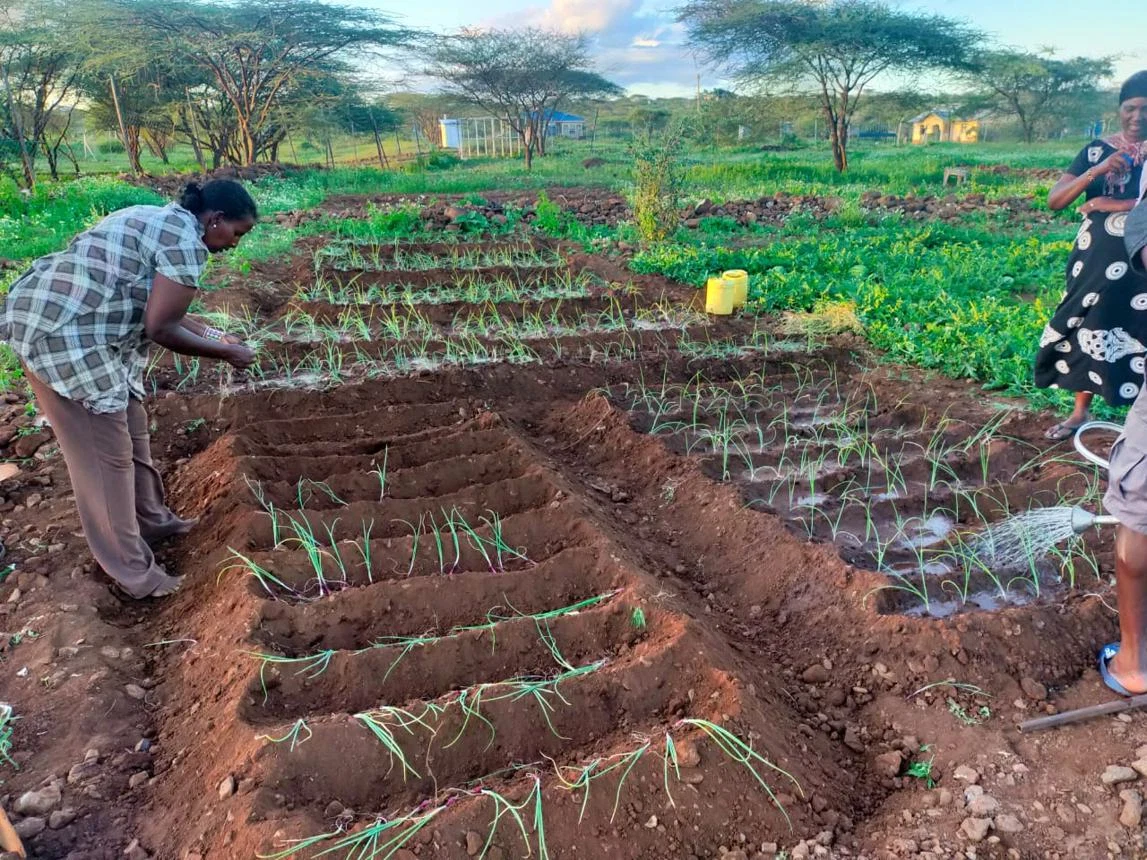
Step 1: Select and prepare the site
Choose a well-drained location receiving sufficient sunlight. Clear weeds and unwanted materials.
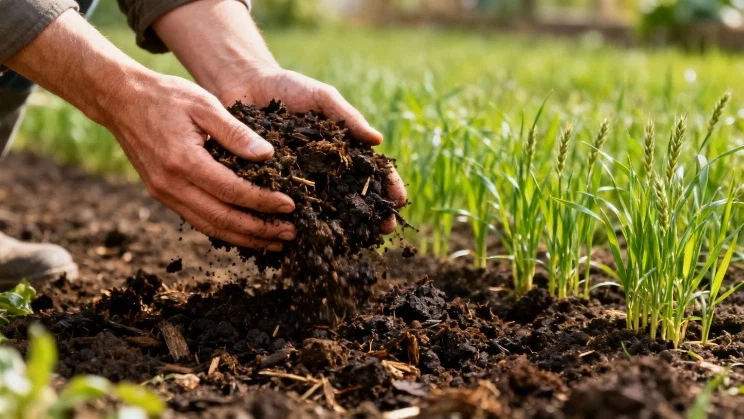
Step 2: Improve the soil
Loosen the soil and incorporate well-prepared compost or mature manure.
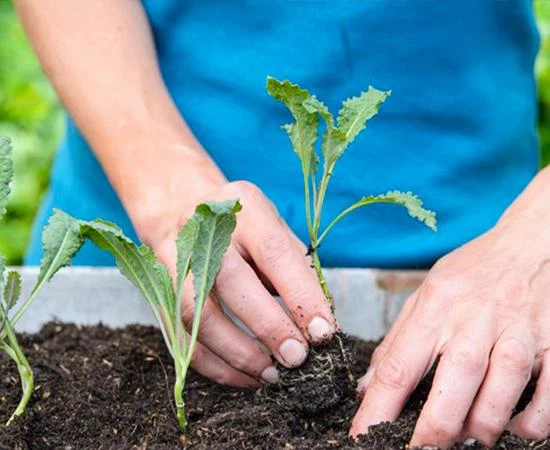
Step 3: Plant the crop
Transplant healthy seedlings using suitable spacing for the selected variety.
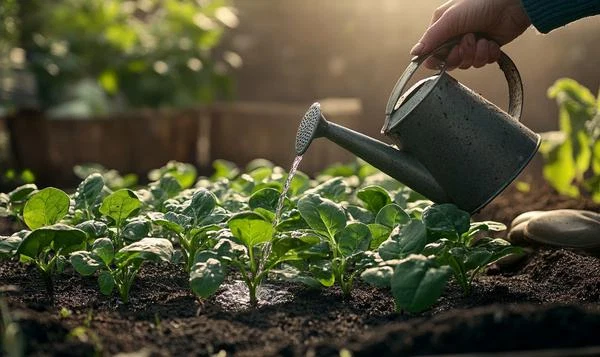
Step 4: Maintain the crop
Water appropriately, mulch the soil, remove weeds, and observe crops for pest or disease problems.
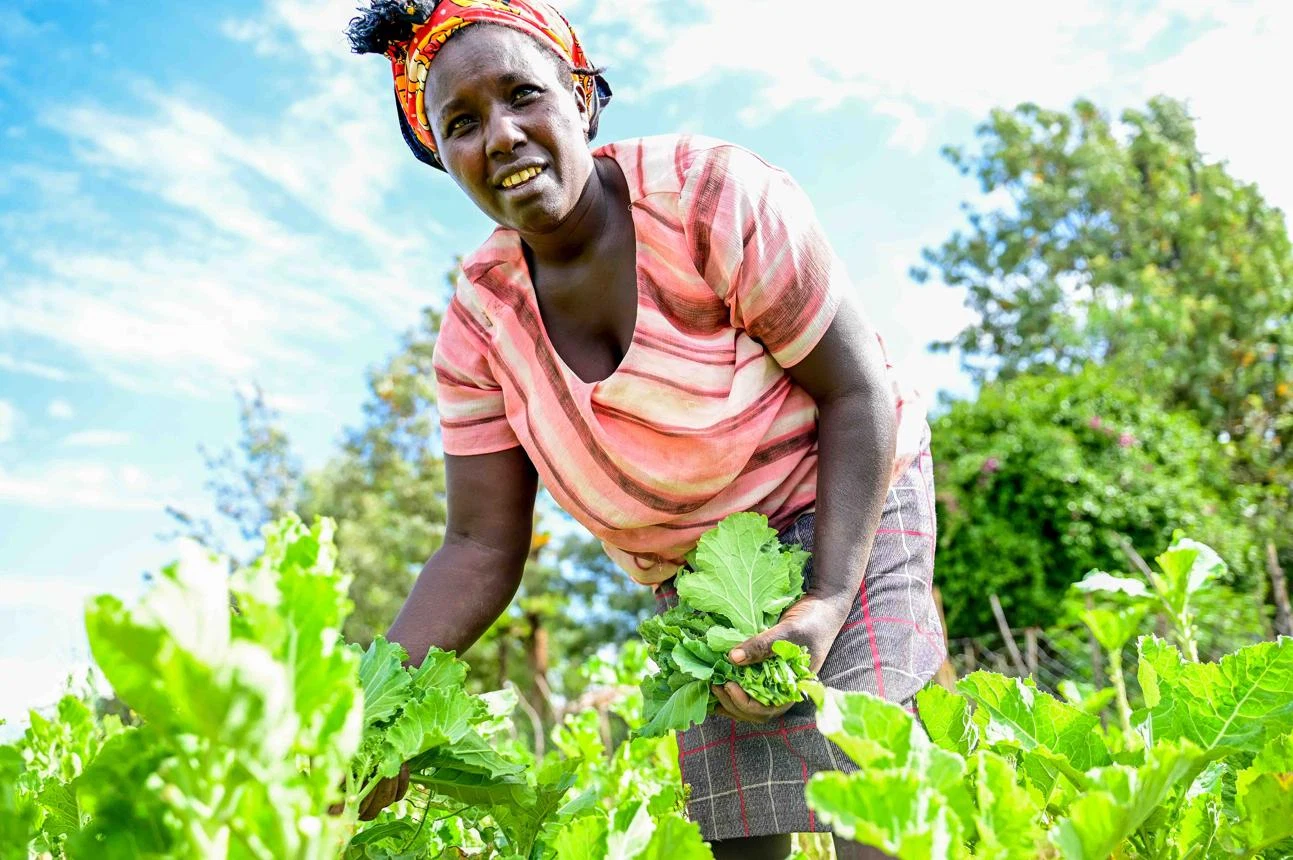
Step 5: Harvest
Harvest healthy leaves carefully when they reach a suitable size, using clean tools and hygienic handling.
7. Advantages of Organic Gardening
- Helps conserve soil fertility.
- Encourages recycling of organic materials.
- Improves soil structure.
- Can reduce reliance on certain synthetic inputs.
- Encourages beneficial soil organisms.
- Helps conserve soil moisture.
- Supports environmental conservation.
- Produces food using organic production methods.
8. Challenges of Organic Gardening
- Requires regular management.
- Some organic materials take time to decompose.
- Pest control may require more observation and labor.
- Nutrient availability may be difficult to balance.
- Producing quality compost takes time.
- Some organic inputs may be expensive or unavailable.
- Poorly handled manure can introduce harmful microorganisms.
Note: Organic produce is not automatically free from contamination or more nutritious than conventionally grown produce. Proper hygiene and safe crop handling remain essential.
Practical Learning Activities
- Identify organic gardening practices in the locality.
- Prepare a small organic garden.
- Make compost using suitable materials.
- Demonstrate mulching.
- Plant and maintain a vegetable crop.
- Keep a record of crop growth and management.
Revision Questions
- Define organic gardening.
- Name six organic gardening practices.
- Explain five benefits of mulching.
- Differentiate between crop rotation and intercropping.
- State five benefits of compost.
- Describe how to grow kale using organic gardening methods.
- Explain six advantages of organic gardening.
- Identify five challenges associated with organic gardening.