
1. Meaning of Flour
Flour is a fine powder obtained by grinding or milling grains, legumes, roots, or other suitable food materials.
Examples include:
- Wheat flour.
- Maize flour.
- Millet flour.
- Sorghum flour.
- Rice flour.
- Cassava flour.
- Gram flour.
2. Meaning of a Flour Mixture
A flour mixture is a preparation made by combining flour with one or more ingredients, such as water, milk, eggs, fat, sugar, salt, or raising agents.
Flour mixtures are used to prepare different food products.
3. Types of Flour Mixtures
The main types commonly studied are batters and doughs.
A. Batters
A batter is a flour mixture containing enough liquid to make it pourable or spoonable.
Batters may be thin or thick.
Examples of products made from batters:
- Pancakes.
- Some types of fritters.
- Waffles.
- Certain cakes.
B. Doughs
A dough is a flour mixture with enough structure and firmness to be kneaded, rolled, cut, or shaped.
Doughs may be soft or stiff.
Examples of products made from dough:
- Chapati.
- Bread.
- Mandazi.
- Biscuits.
- Pastries.
4. Differences Between Batter and Dough
|
Batter |
Dough |
|---|---|
|
Usually contains more liquid relative to flour. |
Usually contains less liquid relative to flour. |
|
May be poured or spooned. |
Can often be handled or shaped. |
|
May be thin or thick. |
May be soft or stiff. |
|
Example: Pancake batter. |
Example: Chapati dough. |
5. Ingredients Used in Flour Mixtures and Their Functions
|
Ingredient |
Function |
|---|---|
|
Flour |
Provides bulk and structure |
|
Water |
Hydrates flour and helps form the mixture |
|
Milk |
Adds moisture, flavor, and nutrients |
|
Eggs |
Help bind ingredients and provide structure |
|
Sugar |
Adds sweetness and assists browning |
|
Salt |
Adds flavor |
|
Fat or oil |
Adds tenderness and affects texture |
|
Baking powder |
Produces gas that helps some mixtures rise |
|
Yeast |
Produces gas through fermentation in suitable doughs |
6. Methods of Preparing Flour Mixtures
A. Rubbing-In Method
Fat is rubbed into flour using fingertips until the mixture resembles fine breadcrumbs.
Commonly used for certain pastries, scones, and biscuits.
B. Creaming Method
Fat and sugar are beaten together until light and creamy.
Commonly used for some cakes.
C. Whisking Method
Ingredients, often eggs and sugar, are whisked to incorporate air.
Used for some light cakes and other preparations.
D. Straight Mixing Method
Ingredients are combined in a suitable sequence to make a batter or dough.
E. Kneading
Dough is pressed, folded, and stretched to develop its structure.
This is particularly important in suitable wheat dough preparations.
7. Tools and Equipment Used When Preparing Flour Mixtures
- Mixing bowls.
- Measuring cups.
- Weighing scales.
- Sieve.
- Wooden spoon.
- Whisk.
- Rolling pin.
- Baking tray.
- Frying pan.
- Oven or suitable cooking stove.
- Spatula.
- Measuring spoons.
8. Preparation of Pancakes
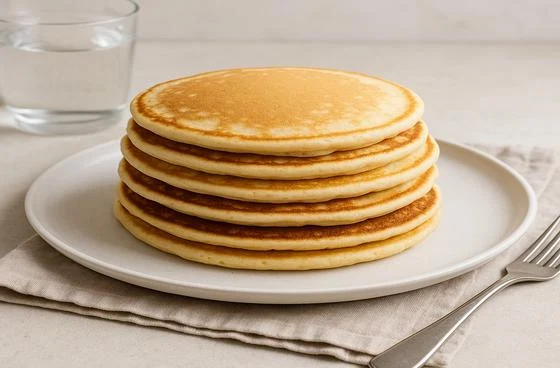
Ingredients:
- 1 cup wheat flour.
- 1 egg.
- Approximately 1 cup milk or suitable liquid.
- 1 tablespoon sugar, optional.
- A pinch of salt.
- A little cooking oil.
Procedure:
- Wash hands and clean the working area.
- Assemble the ingredients and utensils.
- Sift the flour into a clean bowl.
- Add sugar and salt.
- Beat the egg separately.
- Add the egg and some milk to the flour.
- Mix gradually to form a smooth batter.
- Adjust the liquid to obtain a suitable consistency.
- Heat a lightly oiled pan.
- Pour a small amount of batter into the pan.
- Cook until the underside is golden and the batter has set sufficiently to turn.
- Turn and cook the other side thoroughly.
- Remove and serve safely.
9. Preparation of Chapati
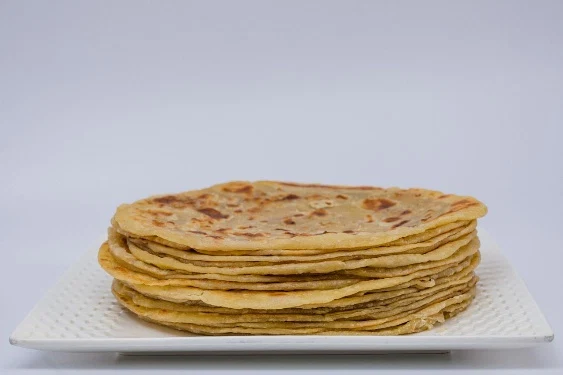
Ingredients:
- 2 cups wheat flour.
- Warm water as required.
- A little salt.
- Cooking oil.
Procedure:
- Wash hands and prepare a clean working surface.
- Sift the flour into a bowl.
- Add salt.
- Add water gradually.
- Mix the ingredients into a soft dough.
- Knead until smooth and elastic.
- Cover and allow the dough to rest.
- Divide the dough into suitable portions.
- Roll each portion into a thin circular shape.
- Heat a cooking pan.
- Cook each chapati, turning as required.
- Apply a suitable amount of oil.
- Cook until properly done.
- Remove and serve.
10. Preparation of Mandazi
Ingredients:
- Wheat flour.
- Sugar.
- Suitable raising agent, depending on the recipe.
- Milk or water.
- Cooking fat or oil.
- Optional flavoring.
Procedure:
- Prepare the ingredients.
- Mix the dry ingredients.
- Add liquid gradually.
- Mix into a suitable dough.
- Knead gently as required.
- Allow the dough to rest according to the recipe.
- Roll to the required thickness.
- Cut into desired shapes.
- Heat cooking oil carefully.
- Fry until cooked through and golden.
- Remove using a suitable utensil.
- Drain excess oil and allow to cool slightly.
Hot oil presents a serious burn hazard. Deep-frying should be supervised by a responsible adult.
11. Common Problems in Flour Mixtures
|
Problem |
Possible cause |
|---|---|
|
Tough chapati |
Excessive working, unsuitable dough consistency, or insufficient resting |
|
Lumpy batter |
Inadequate mixing or poor addition of liquid |
|
Flat cake |
Incorrect raising agent or poor mixing procedure |
|
Burnt product |
Excessive cooking temperature |
|
Uncooked center |
Insufficient cooking or excessive thickness |
|
Dry product |
Too little moisture or overcooking |
12. Safety and Hygiene When Preparing Flour Mixtures
- Wash hands before handling food.
- Use clean utensils.
- Keep raw and cooked foods separate.
- Avoid tasting raw flour mixtures.
- Cook mixtures containing eggs and flour thoroughly.
- Handle hot equipment carefully.
- Use dry oven gloves or suitable pot holders.
- Turn pan handles away from walkways.
- Keep the cooking area clean.
- Store ingredients safely.
- Avoid loose clothing near flames.
- Follow teacher or adult supervision.
13. Importance of Flour Mixtures
- Provide a variety of foods.
- Supply energy and other nutrients depending on ingredients.
- Support food preparation skills.
- Encourage creativity in cooking.
- Create business opportunities.
- Help households prepare affordable meals.
- Allow the use of different locally available flours.
Revision Questions
- Define flour.
- What is a flour mixture?
- Differentiate between batter and dough.
- Name six products made from flour mixtures.
- Explain five functions of ingredients in flour mixtures.
- Describe the rubbing-in method.
- Explain the procedure for preparing pancakes.
- Describe how chapati is prepared.
- State six food safety precautions when preparing flour mixtures.
- Explain five problems that may occur when preparing flour products.