
1. Meaning of Crop Produce
Crop produce refers to agricultural products obtained from cultivated crops after harvesting.
Examples include:
- Maize.
- Beans.
- Rice.
- Sorghum.
- Potatoes.
- Tomatoes.
- Onions.
- Groundnuts.
- Fruits.
- Vegetables.
2. Meaning of Crop Produce Storage
Crop produce storage is the process of keeping harvested agricultural products under suitable conditions to maintain their quality and reduce spoilage before consumption, sale, or processing.
3. Importance of Storing Crop Produce
- Prevents unnecessary food losses.
- Maintains food quality.
- Provides food during periods of scarcity.
- Allows farmers to sell produce at suitable times.
- Protects produce against pests.
- Reduces spoilage.
- Helps maintain seed supplies.
- Promotes household food security.
- Supports planned marketing.
- Reduces wastage of agricultural resources.
4. Types of Crop Storage Structures

A. Granary
A structure used to store dry grains, especially maize, sorghum, and millet. It should protect produce from moisture and pests.
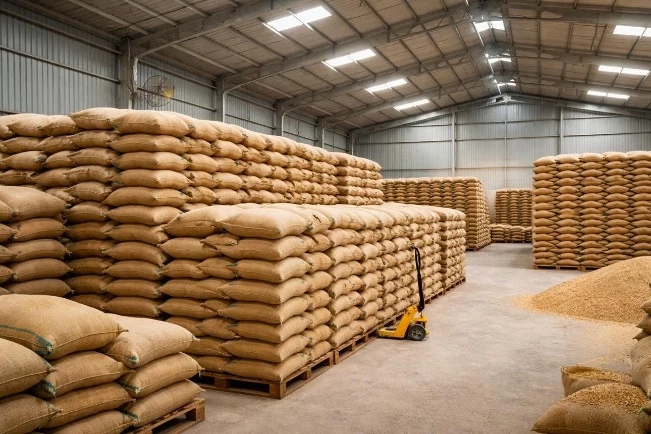
B. Warehouse
A large building used for storing substantial quantities of agricultural produce.
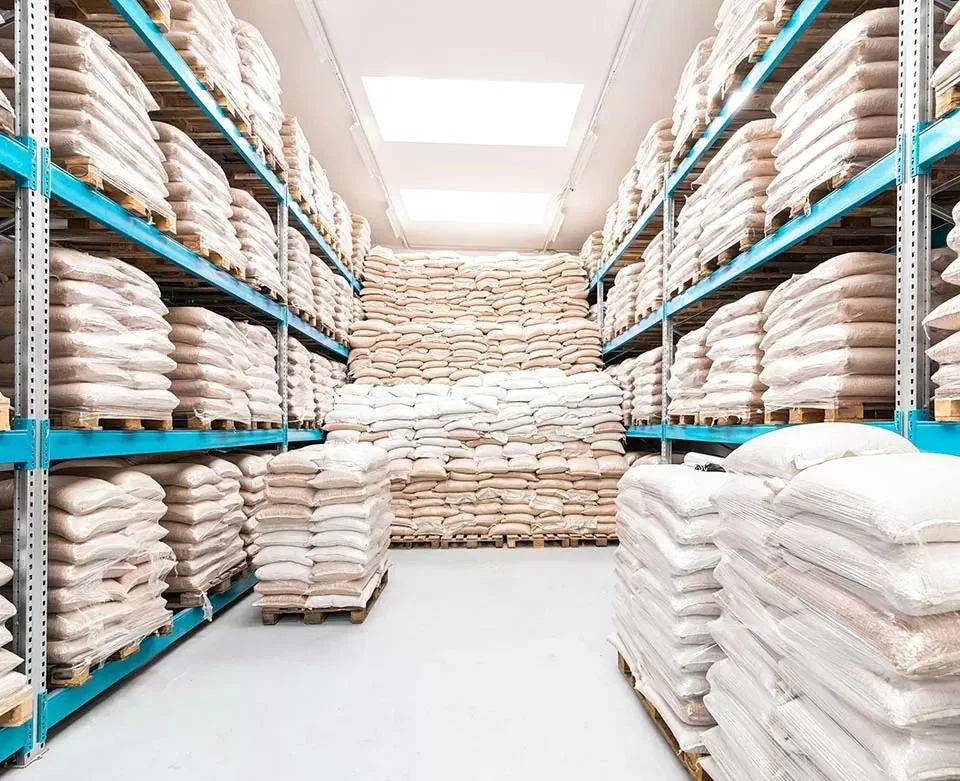
C. Hermetic Storage Bags
Airtight bags designed to limit insect activity by creating a low-oxygen storage environment when correctly sealed.
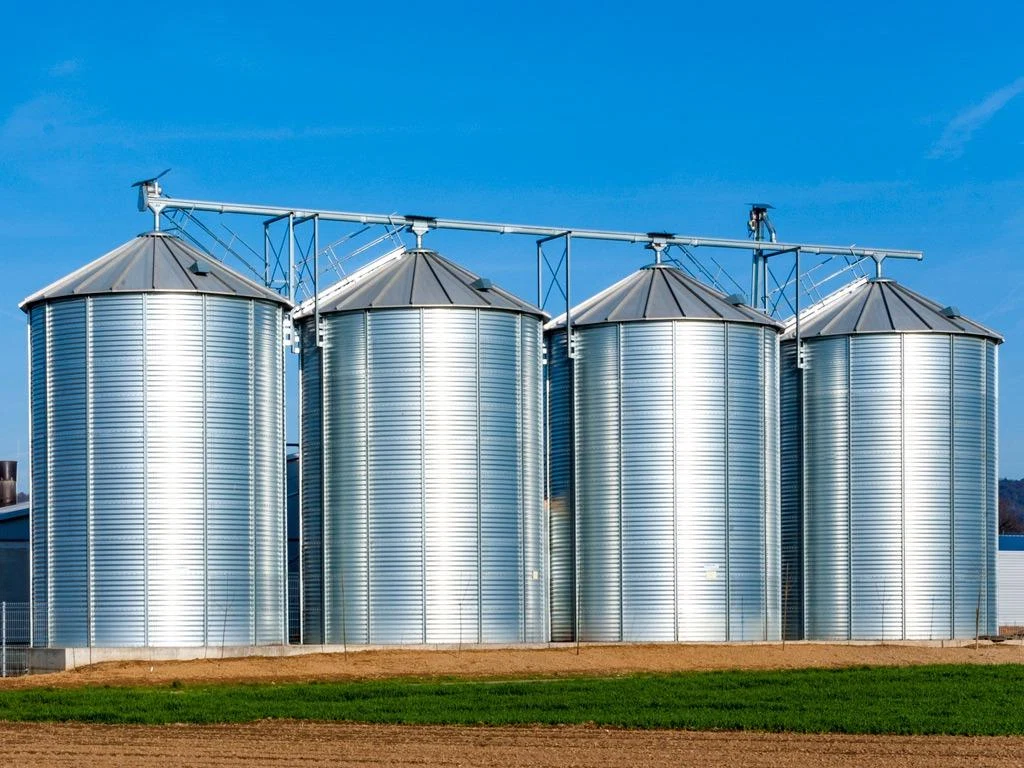
D. Silos
Large storage structures used for bulk storage of dry grains and other suitable agricultural materials.
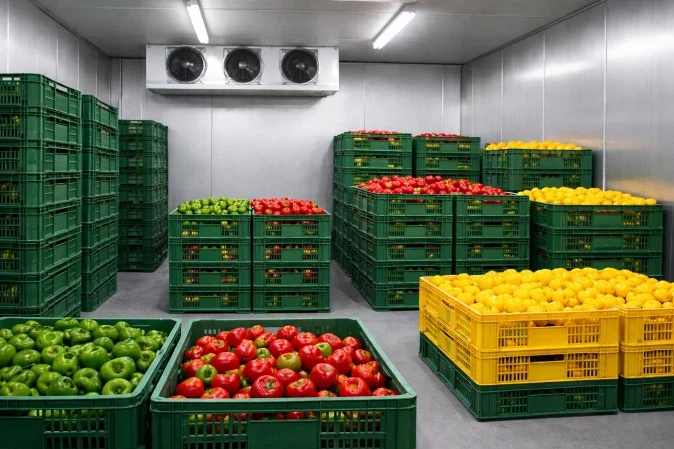
E. Cold Storage
Refrigerated facilities used to preserve suitable fresh produce under controlled temperature conditions.
5. Ways of Preparing Storage Structures Before Use
A. Cleaning
Remove old produce, dust, cobwebs, and other unwanted materials.
Cleaning reduces contamination and pest habitats.
B. Repairing Damaged Areas
Repair cracks, holes, leaking roofs, and broken doors.
This prevents entry of water, rodents, and other pests.
C. Drying the Structure
The storage structure should be sufficiently dry before produce is placed inside.
Moisture encourages mold growth and deterioration.
D. Improving Ventilation
Provide suitable ventilation where required for the stored crop.
Ventilation helps manage heat and moisture in appropriate storage systems.
E. Pest Control
Inspect the structure for insects, rodents, and other pests.
Use safe, approved pest-control methods suited to the storage system.
F. Arranging Storage Equipment
Prepare clean pallets, shelves, crates, sacks, or other appropriate containers.
G. Inspecting the Structure
Ensure that the storage structure is safe, secure, clean, and suitable for the intended crop.
6. Procedure for Preparing a Granary for Maize Storage
- Remove old maize and other materials.
- Sweep the floor and clean the walls.
- Remove cobwebs and dust.
- Inspect the roof for leaks.
- Repair holes and cracks.
- Check for rodents and insects.
- Apply approved pest-management measures where necessary.
- Allow the structure to dry thoroughly.
- Arrange suitable storage equipment.
- Check that the maize is sufficiently dry before storing it.
- Fill the structure without overloading it.
- Close and secure the storage area properly.
7. Factors Affecting the Storage of Crop Produce
- Moisture content.
- Temperature.
- Relative humidity.
- Insect infestation.
- Rodent activity.
- Cleanliness.
- Ventilation.
- Length of storage.
- Type of produce.
- Condition of storage containers.
8. Causes of Spoilage of Stored Crop Produce
High moisture: Encourages mold growth and deterioration.
Insect pests: Damage grains and may contaminate stored produce.
Rodents: Eat crops and contaminate them.
High temperatures: Can accelerate deterioration of some products.
Poor handling: Causes bruises, cracks, and other physical injuries.
Poor hygiene: Encourages contamination.
Inappropriate storage conditions: May cause rotting, sprouting, shriveling, or other losses.
9. Management Practices for Stored Produce
- Dry grains adequately before storage.
- Inspect produce regularly.
- Remove damaged or spoiled produce safely.
- Keep the storage area clean.
- Repair damaged storage structures.
- Use suitable containers.
- Protect produce from water.
- Control pests using appropriate methods.
- Keep storage records.
- Avoid mixing damaged produce with sound produce.
- Use stock rotation methods.
- Maintain appropriate storage conditions.
10. First-In, First-Out (FIFO)
FIFO means First-In, First-Out.
It is a stock management method in which older stock is used or sold before newer stock, provided the products remain safe and suitable for use.
For example, maize stored in January may be used before maize stored in March.
For products with expiry or use-by dates, stock should also be managed according to the relevant dates and safety requirements.
11. Importance of Proper Storage Management
- Reduces crop losses.
- Protects the farmer's income.
- Maintains produce quality.
- Supports food security.
- Reduces pest damage.
- Helps maintain market value.
- Promotes hygiene.
- Improves resource utilization.
Practical Learning Activities
- Identify crop storage structures.
- Inspect an existing store.
- Clean a suitable storage facility.
- Identify storage pests and their effects.
- Arrange clean storage containers.
- Prepare a simple stored-produce inspection record.
Revision Questions
- Define crop produce storage.
- Identify five types of storage structures.
- Explain six reasons for storing crop produce.
- Describe eight steps involved in preparing a granary.
- State five causes of stored crop spoilage.
- Explain six ways of managing stored produce.
- What is FIFO?
- State six benefits of proper crop storage.