
1. Meaning of Disinfection
Disinfection is the process of reducing or destroying many disease-causing microorganisms on objects and surfaces using appropriate chemical or physical methods.
Disinfection does not necessarily destroy all microorganisms or resistant spores.
2. Difference Between Cleaning and Disinfection
Cleaning involves removing visible dirt, grease, dust, and other unwanted materials from surfaces.
Disinfection involves using an appropriate method to reduce or destroy disease-causing microorganisms.
Cleaning is generally carried out before disinfection because dirt and organic matter can reduce the effectiveness of some disinfectants.
|
Cleaning |
Disinfection |
|---|---|
|
Removes dirt and other unwanted materials. |
Reduces or destroys many disease-causing microorganisms. |
|
Usually uses water, soap, or detergent. |
Uses suitable disinfectants or physical methods. |
|
May reduce microbial contamination. |
Specifically aims to control microorganisms. |
|
Often precedes disinfection. |
Is performed when necessary after cleaning. |
3. Meaning of Household Articles
Household articles are items used in everyday home activities.
Examples include:
- Bed sheets.
- Towels.
- Blankets.
- Pillowcases.
- Clothing.
- Cleaning cloths.
- Reusable household utensils.
- Certain washable household surfaces.
Different articles require different cleaning and disinfection methods.
4. Reasons for Disinfecting Clothing and Household Articles
- Helps reduce transmission of certain infections.
- Improves hygiene when articles are contaminated.
- Helps protect household members.
- Reduces microbial contamination on suitable objects.
- Supports care of sick household members.
- Promotes a clean home environment.
- Helps manage contamination after certain illness-related incidents.
Routine household laundry generally requires proper washing and drying. Additional disinfection is especially relevant when dealing with infectious contamination or specific public health needs.
5. Methods of Disinfecting Clothing and Household Articles
A. Heat Disinfection
Heat can reduce microorganisms when an appropriate temperature and exposure time are used.
Examples include:
- Suitable hot-water laundering.
- Machine laundry cycles designed for hygienic washing.
- Steam treatment of compatible articles.
Not all fabrics can withstand high temperatures.
B. Chemical Disinfection
Chemical disinfection involves using suitable disinfecting substances according to manufacturer instructions.
Examples of disinfecting agents include:
- Approved chlorine-based disinfectants.
- Certain hydrogen peroxide products.
- Other suitable household disinfectants.
Important: A product should be used only on surfaces or fabrics for which it is approved. Some disinfectants can damage clothing.
C. Laundry Disinfection
Laundry disinfection may involve washing compatible fabrics using suitable detergent, temperature, and a laundry sanitizer where necessary.
The correct method depends on:
- Type of fabric.
- Level of contamination.
- Care label instructions.
- Available laundry equipment.
- Manufacturer's disinfectant instructions.
6. Procedure for Hygienically Washing Contaminated Clothing
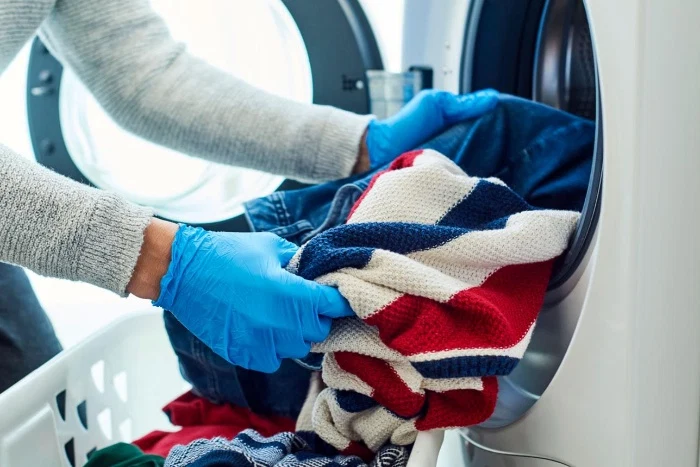
Step 1: Prepare and sort
Wear gloves where necessary. Separate heavily contaminated items and check fabric care labels. Avoid shaking contaminated laundry.
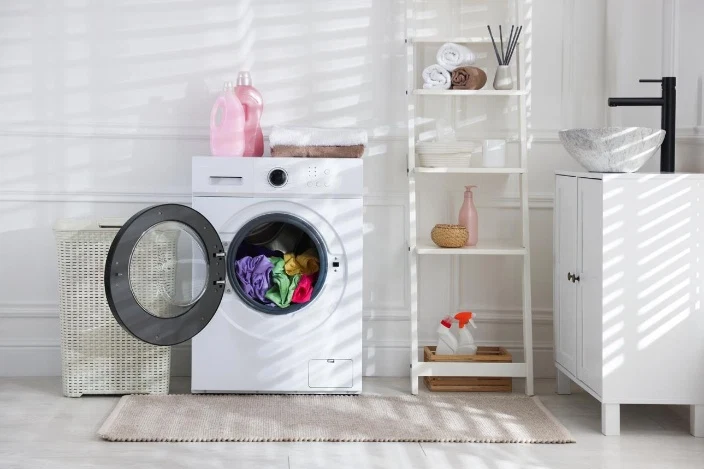
Step 2: Wash
Use an appropriate detergent and the warmest water temperature permitted by the fabric instructions.
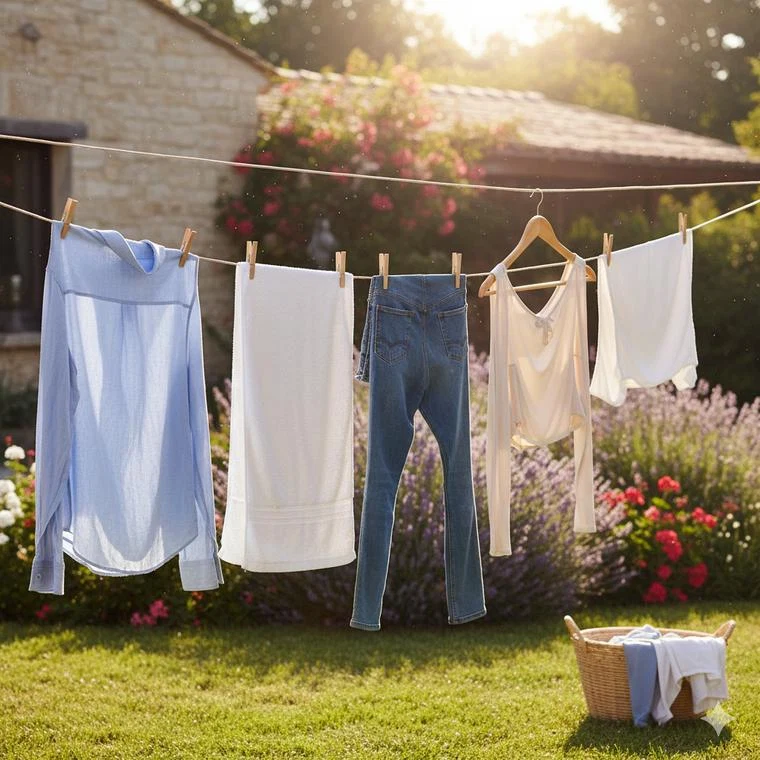
Step 3: Dry completely
Dry items according to their care instructions. Complete drying helps prevent dampness and associated odor or mold problems.
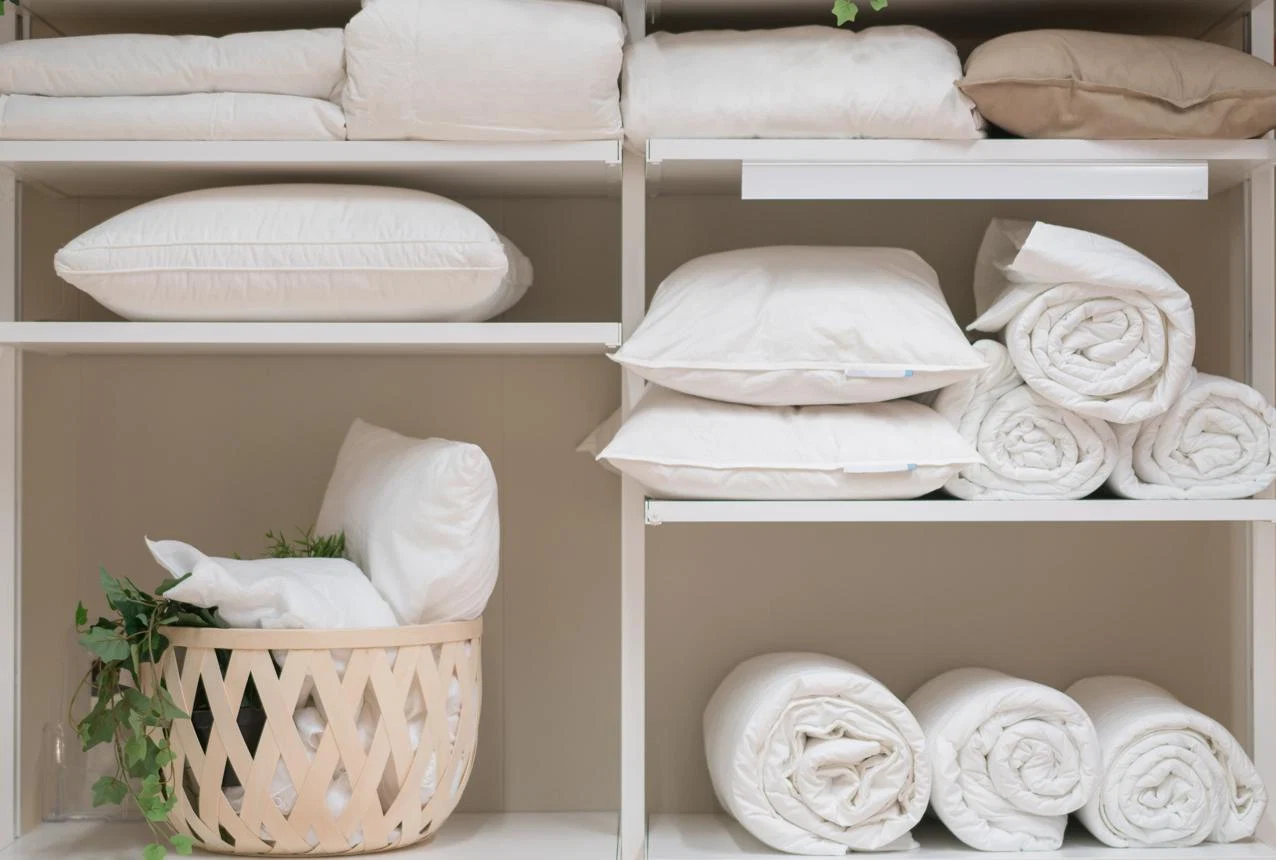
Step 4: Store hygienically
Fold clean, dry laundry using clean hands and store it in a clean, dry place.
Where additional disinfection is needed, use a suitable laundry sanitizer or validated heat process following its specific instructions.
7. Procedure for Disinfecting a Suitable Household Surface
- Identify a surface that requires disinfection.
- Wear protective gloves where necessary.
- Remove visible dirt using detergent and water.
- Rinse or wipe away cleaning residue if required.
- Select an appropriate disinfectant.
- Apply it according to its label.
- Keep the surface wet for the specified contact time.
- Rinse food-contact surfaces if the label requires rinsing.
- Allow the surface to dry.
- Wash hands after completing the task.
8. Safety Precautions During Disinfection
- Read instructions on disinfectant containers.
- Use only suitable products.
- Wear protective gloves where necessary.
- Avoid direct contact with eyes and skin.
- Ensure adequate ventilation.
- Do not mix different disinfectants.
- Do not mix bleach with acids or ammonia.
- Keep chemicals away from children.
- Store chemicals in original labeled containers.
- Avoid applying chemicals to fabrics that may be damaged.
- Follow recommended contact times.
- Wash hands after disinfection.
9. Factors to Consider When Selecting a Disinfection Method
- Type of article.
- Fabric or material characteristics.
- Nature of contamination.
- Effectiveness of the method.
- Safety.
- Availability of resources.
- Manufacturer instructions.
- Cost.
- Environmental impact.
- Risk of damaging the article.
10. Importance of Proper Disinfection
- Reduces transmission of some infections.
- Promotes hygienic living conditions.
- Protects vulnerable household members.
- Reduces microorganisms on contaminated articles.
- Encourages responsible household management.
- Supports infection prevention during illness.
Revision Questions
- Define disinfection.
- Differentiate between cleaning and disinfection.
- Identify six household articles that may require disinfection.
- Describe three methods of disinfection.
- Explain six reasons for disinfecting household articles.
- Describe the procedure for washing contaminated clothing.
- State eight safety precautions during disinfection.
- Explain five factors to consider when choosing a disinfection method.