
1. Meaning of Hygiene
Hygiene refers to practices that help maintain cleanliness and prevent the spread of diseases.
Good hygiene involves keeping the body, clothing, household items, food preparation areas, and surroundings clean.
2. Meaning of Waste
Waste refers to materials or substances that are no longer required for their original purpose and are discarded.
Waste may be solid, liquid, biodegradable, non-biodegradable, or hazardous.
3. Meaning of Waste Disposal Facilities
Waste disposal facilities are structures, containers, or systems used to collect, contain, manage, or dispose of waste.
Examples include:
- Dustbins.
- Waste collection containers.
- Compost pits.
- Latrines.
- Toilets.
- Septic tank systems.
- Designated waste collection points.
Some facilities are used for temporary collection, while others are used for treatment or final disposal.
4. Types of Waste Disposal Facilities at Household Level
A. Dustbins

Dustbins are containers used to collect household solid waste.
They may be made of plastic or metal.
Good dustbin features:
- Easy to clean.
- Suitable size.
- Strong construction.
- Has a lid where appropriate.
- Easy to empty.
- Resistant to leakage.
B. Compost Pits
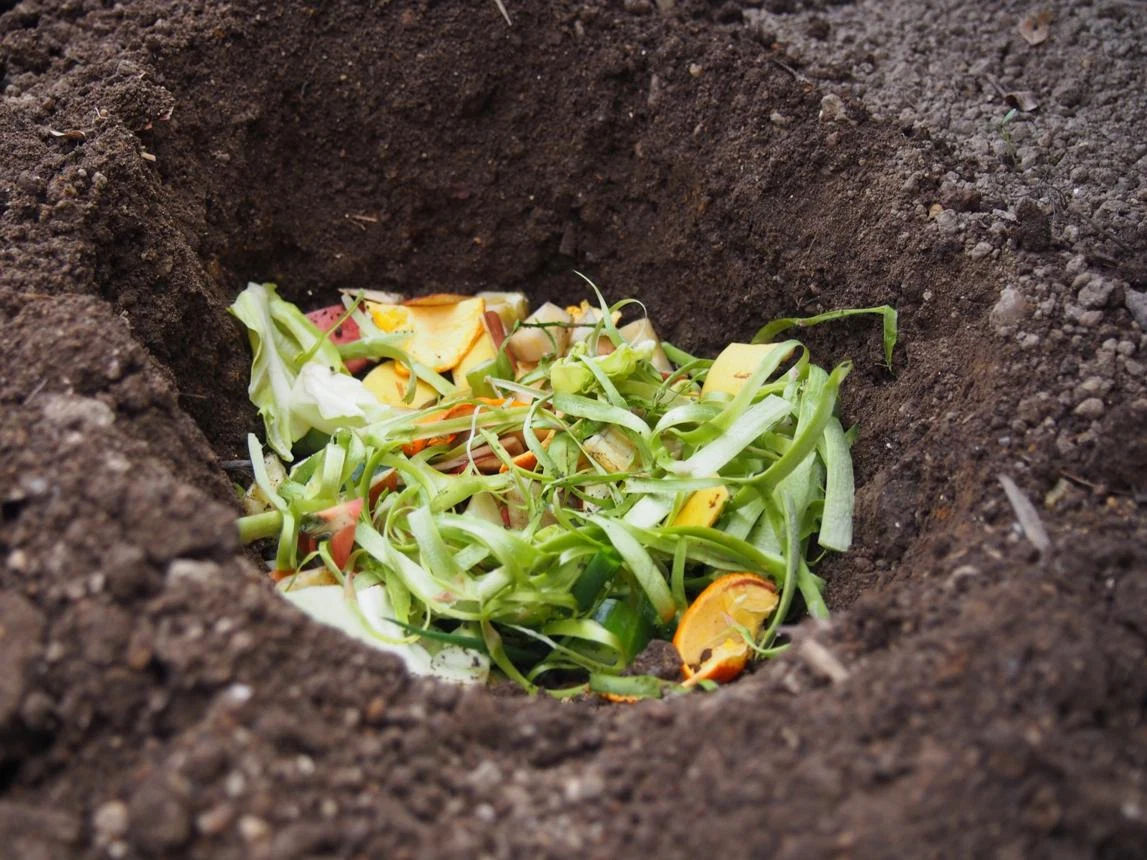
A compost pit is used to decompose suitable biodegradable materials to produce compost.
Examples of suitable materials include plant residues, leaves, and some food scraps.
C. Pit Latrines
A pit latrine is a sanitation facility in which human waste is deposited into a pit.
It may consist of a pit, slab, shelter, and other supporting structures.
D. Flush Toilets
Flush toilets use water to transport human waste into an appropriate sanitation system.
E. Waste Collection Areas
These are designated places where waste is temporarily collected before removal or further treatment.
5. Importance of Cleaning Waste Disposal Facilities
A. Preventing Diseases
Regular cleaning reduces contamination and the spread of disease-causing microorganisms.
B. Preventing Bad Smells
Removing accumulated waste and cleaning surfaces helps reduce unpleasant odors.
C. Controlling Pests
Dirty waste facilities may attract flies, rodents, and other pests.
D. Protecting the Environment
Properly managed waste facilities help prevent pollution.
E. Promoting Personal and Household Hygiene
Clean facilities make the surrounding environment safer and more comfortable.
F. Preventing Blockages
Cleaning helps prevent accumulation of unsuitable materials in drains and waste-handling systems.
G. Improving Appearance
Clean disposal facilities contribute to a neat and pleasant home environment.
6. Tools and Materials Used for Cleaning Waste Disposal Facilities
Tools and equipment:
- Broom.
- Brush.
- Mop.
- Bucket.
- Dustpan.
- Toilet brush.
- Suitable waste collection bags.
- Long-handled cleaning brush.
Cleaning materials:
- Clean water.
- Detergent.
- Soap.
- Suitable disinfectant, when required.
Personal protective equipment:
- Protective gloves.
- Closed protective footwear.
- Waterproof apron, where necessary.
- Eye protection when there is a risk of splashing.
7. Procedure for Cleaning a Household Dustbin
- Wear suitable protective gloves and footwear.
- Remove the waste without touching it directly.
- Place the waste in an appropriate collection bag or container.
- Inspect the dustbin for sharp objects.
- Wash the bin using water and detergent.
- Scrub the inside and outside surfaces.
- Rinse using clean water.
- Apply a suitable disinfectant if needed, following label directions.
- Allow the bin to dry.
- Replace the liner where appropriate.
- Return the dustbin to its designated position.
- Remove gloves safely and wash hands thoroughly.
8. Procedure for Cleaning a Household Toilet
- Assemble appropriate cleaning materials.
- Wear protective gloves.
- Ensure adequate ventilation.
- Remove visible dirt from accessible surfaces.
- Apply a suitable toilet cleaning product according to its instructions.
- Scrub the toilet bowl using a toilet brush.
- Clean the toilet seat and frequently touched surfaces.
- Rinse or wipe surfaces as required.
- Apply a suitable disinfectant if necessary.
- Allow the required contact time.
- Store cleaning materials safely.
- Remove protective equipment and wash hands.
Important: Never mix bleach with ammonia, acidic toilet cleaners, or other incompatible products because toxic gases may be released.
9. Safety Precautions When Cleaning Waste Disposal Facilities
- Wear suitable protective equipment.
- Avoid direct contact with waste.
- Do not handle sharp waste with bare hands.
- Use cleaning chemicals according to instructions.
- Never mix incompatible cleaning chemicals.
- Keep children away from hazardous waste.
- Wash hands after cleaning.
- Avoid touching the face during cleaning.
- Store cleaning chemicals safely.
- Ensure adequate ventilation.
- Report damaged sanitation facilities.
- Leave deep pits, septic tanks, and confined spaces to qualified personnel.
10. Effects of Poorly Maintained Waste Disposal Facilities
- Unpleasant smells.
- Increased pest activity.
- Spread of diseases.
- Environmental contamination.
- Blocked drainage systems.
- Poor household sanitation.
- Increased risk of injuries.
- Reduced comfort in the home.
11. Importance of Regular Cleaning
Regular cleaning:
- Prevents accumulation of dirt.
- Reduces pest infestation.
- Improves household hygiene.
- Protects family members.
- Extends the working life of some facilities.
- Encourages responsible waste management.
Practical Learning Activities
- Identify waste disposal facilities used at home.
- List tools required for cleaning household dustbins.
- Demonstrate safe cleaning of an empty dustbin.
- Prepare a household cleaning schedule.
- Discuss the effects of poor waste management.
Revision Questions
- Define hygiene.
- Explain the meaning of waste disposal facilities.
- Identify five waste disposal facilities used at home.
- State six reasons for cleaning waste disposal facilities.
- List five cleaning tools.
- Describe how to clean a household dustbin.
- Explain six safety precautions when cleaning waste disposal facilities.
- State six effects of poorly maintained waste disposal facilities.