
Meaning
Reading for understanding, also called reading comprehension, is the ability to interpret written information, identify important facts, make reasonable conclusions and answer questions about a text.
It involves understanding both stated information and ideas suggested by the passage.
1. Types of reading comprehension
|
Type |
Explanation |
Example question |
|---|---|---|
|
Literal comprehension |
Identifying facts stated directly |
Où habite Marie ? |
|
Inferential comprehension |
Using clues to reach a conclusion |
Pourquoi est-elle fatiguée ? |
|
Vocabulary comprehension |
Understanding words in context |
Que signifie « content » ? |
|
Main idea |
Finding the central message |
De quoi parle le texte ? |
|
Personal response |
Expressing an opinion about the reading |
Aimes-tu cette histoire ? Pourquoi ? |
2. Strategies for understanding written texts
Skimming (Lecture globale) means reading quickly to identify the general subject or main idea.
Scanning (Lecture sélective) means searching for particular information, such as a name, date, location or number.
Close reading (Lecture approfondie) means reading carefully to understand details, relationships and meaning.
Using context clues means examining nearby words or sentences to understand unfamiliar vocabulary.
Summarising (Résumer) means expressing the main ideas in fewer words while preserving the original meaning.
3. Reading comprehension passage: A visit to the market
linkedin.com
Texte : Au marché
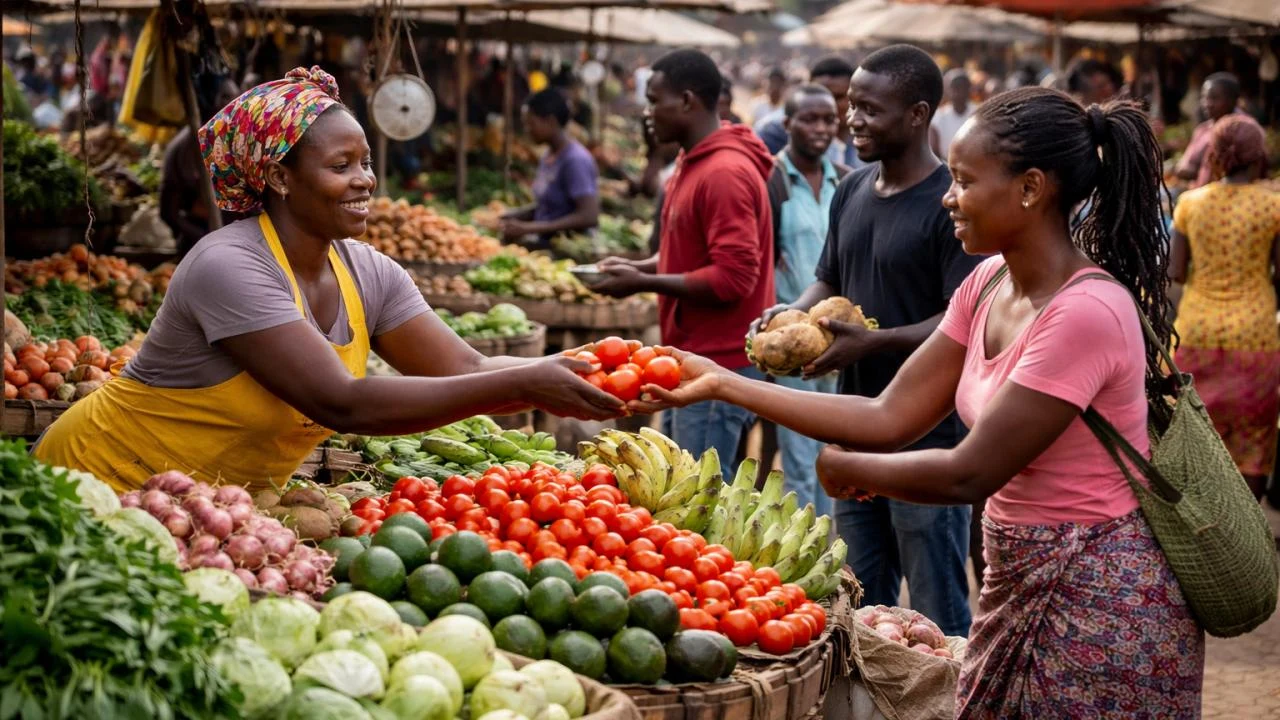
Samedi matin, Julie accompagne sa mère au marché de Nakuru. Elles veulent acheter des fruits, des légumes et du pain. Il fait beau et le marché est plein de clients.
D'abord, elles vont chez le marchand de fruits. Julie choisit quatre mangues, six oranges et un régime de bananes. Les mangues coûtent deux cents shillings kenyans.
Ensuite, elles achètent des tomates, des pommes de terre, des carottes et des oignons. La mère de Julie demande les prix avant de payer.
Après les achats, elles rentrent à la maison en matatu. Julie est heureuse parce qu'elle a aidé sa mère. Elle a aussi appris de nouveaux mots en français.
English translation
On Saturday morning, Julie accompanies her mother to the Nakuru market. They want to buy fruits, vegetables and bread. The weather is beautiful and the market is full of customers.
First, they visit the fruit seller. Julie chooses four mangoes, six oranges and a bunch of bananas. The mangoes cost two hundred Kenyan shillings.
Next, they buy tomatoes, potatoes, carrots and onions. Julie's mother asks for the prices before paying.
After shopping, they return home by matatu. Julie is happy because she helped her mother. She also learned new French words.
Vocabulary from the passage
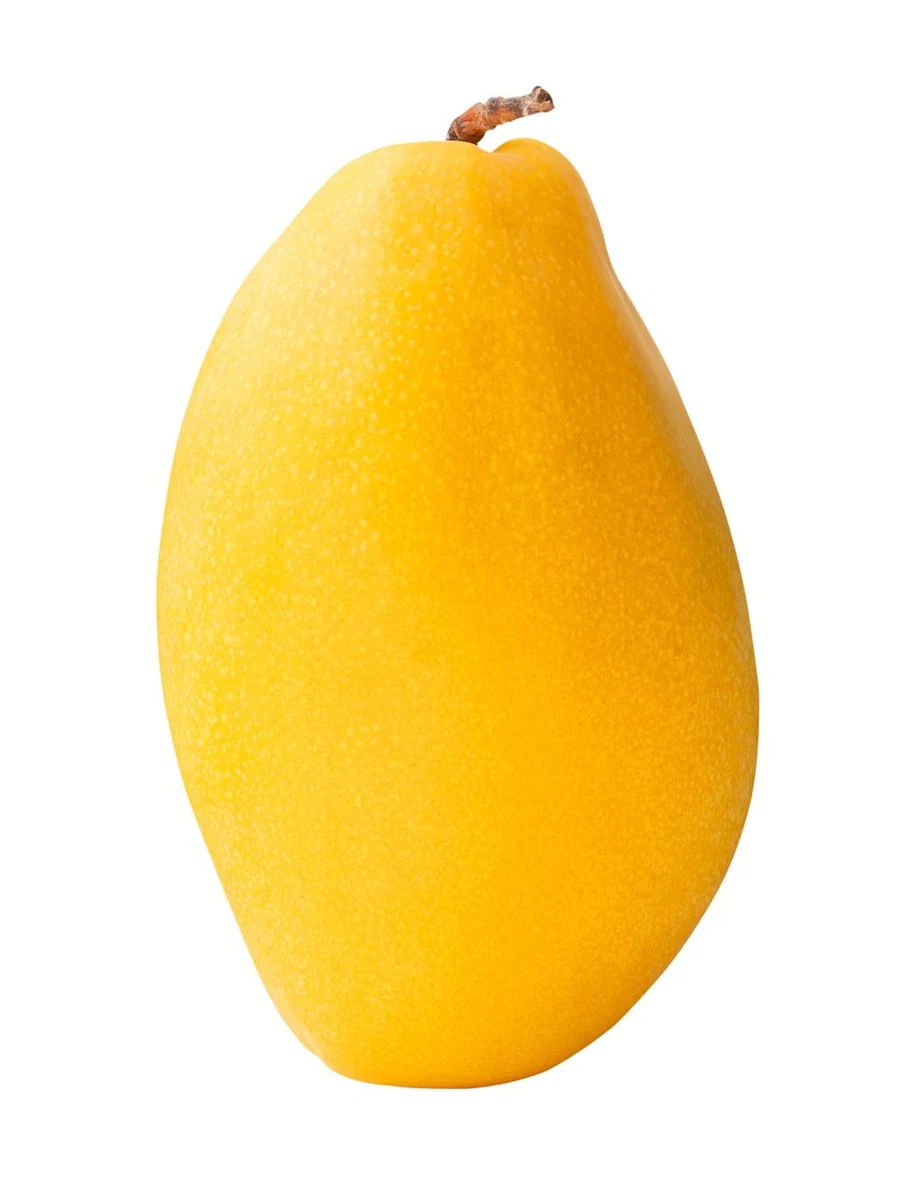
Une mangue
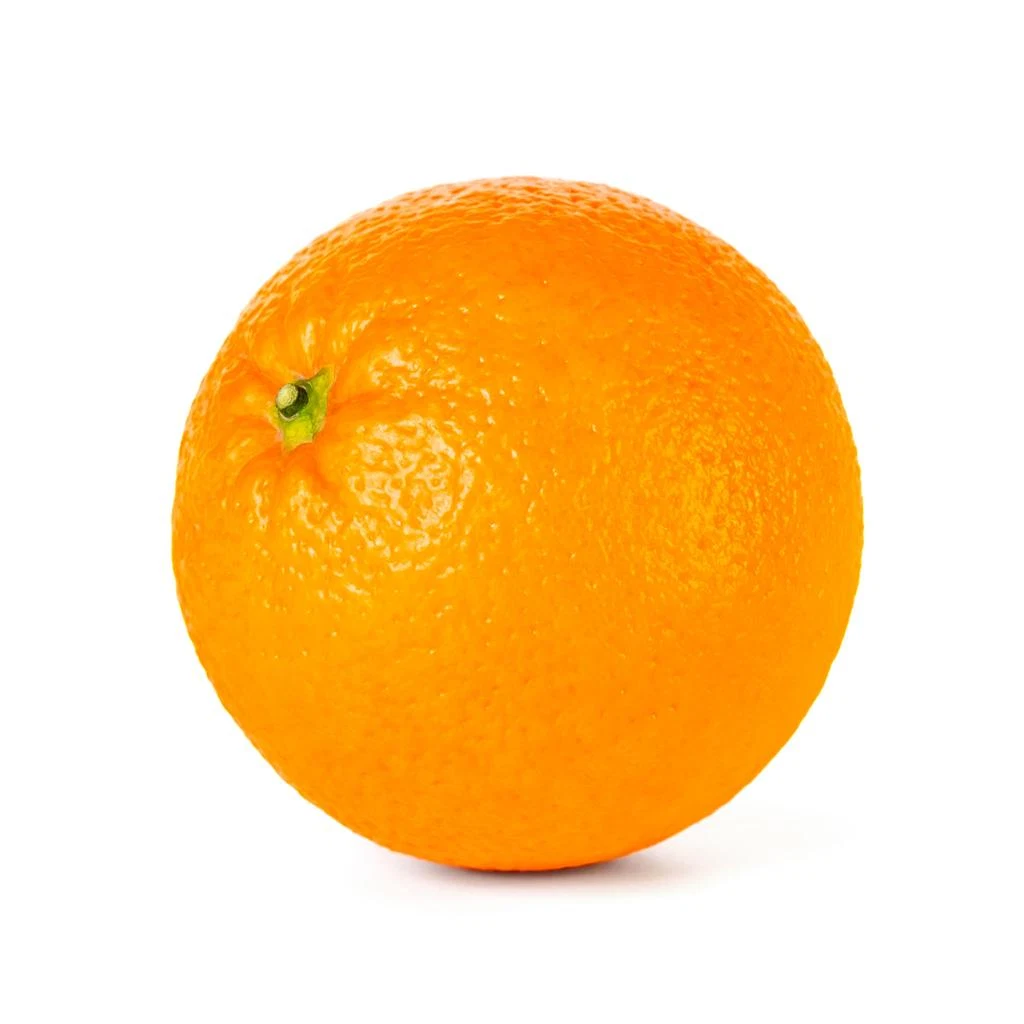
Une orange

Des bananes

Une tomate
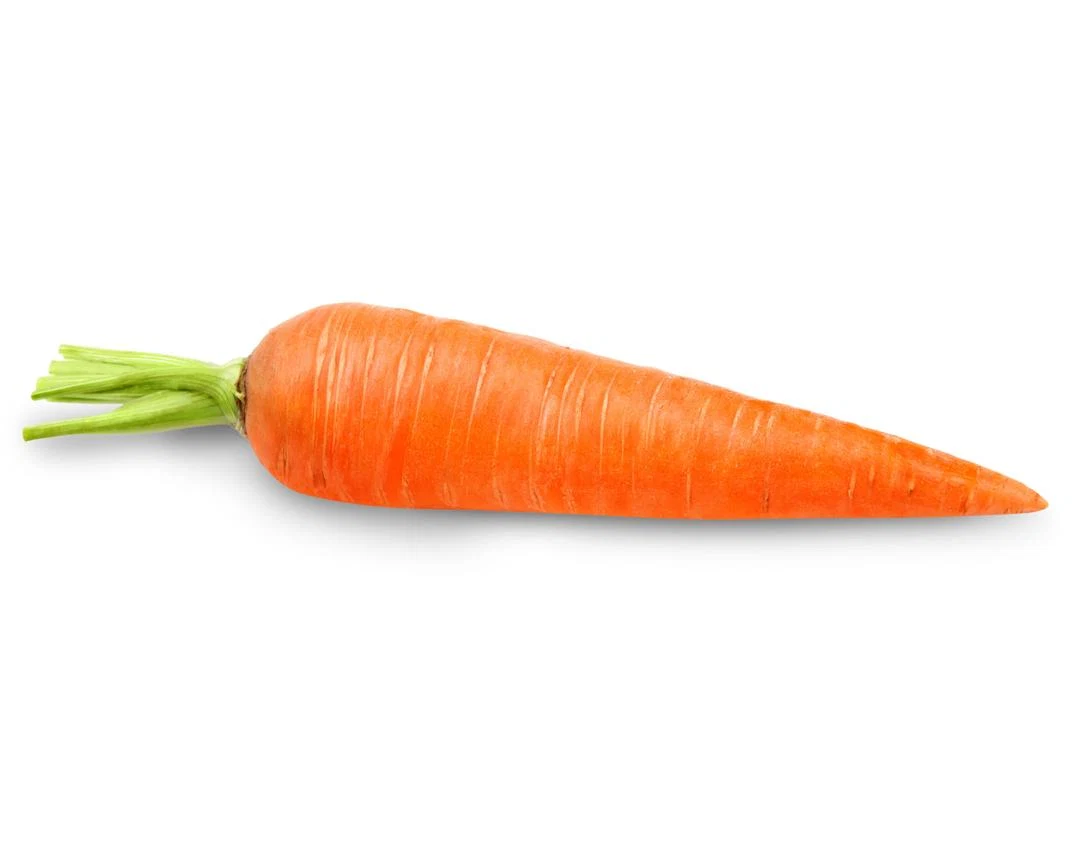
Une carotte
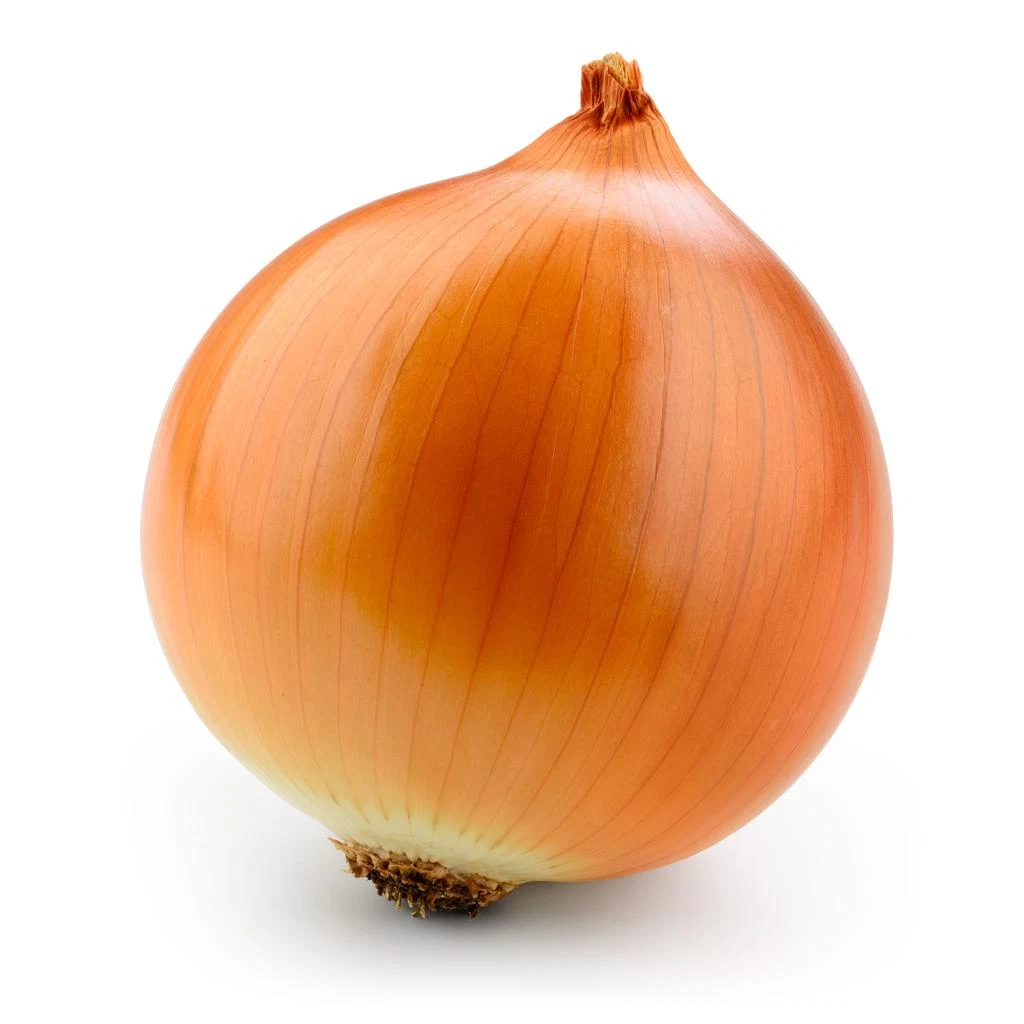
Un oignon
|
French |
English |
|---|---|
|
Le marché |
Market |
|
Le marchand |
Seller / Merchant |
|
Acheter |
To buy |
|
Choisir |
To choose |
|
Coûter |
To cost |
|
Payer |
To pay |
|
Les légumes |
Vegetables |
|
Les fruits |
Fruits |
|
Les clients |
Customers |
|
Les achats |
Purchases / Shopping |
|
Heureuse |
Happy (feminine) |
|
Accompagner |
To accompany |
Comprehension questions
- Où Julie va-t-elle samedi matin ?
- Avec qui va-t-elle au marché ?
- Combien de mangues achète-t-elle ?
- Quel est le prix des mangues ?
- Nommez trois légumes mentionnés dans le texte.
- Comment Julie et sa mère rentrent-elles à la maison ?
- Pourquoi Julie est-elle heureuse ?
Answers
- Elle va au marché de Nakuru.
- Elle y va avec sa mère.
- Elle achète quatre mangues.
- Elles coûtent deux cents shillings kenyans.
- Des tomates, des carottes et des oignons.
- Elles rentrent en matatu.
- Parce qu'elle a aidé sa mère.
4. Reading notices, signs and announcements
Short texts communicate important information in everyday life.
|
French sign or instruction |
English meaning |
|---|---|
|
Entrée |
Entrance |
|
Sortie |
Exit |
|
Défense de fumer |
No smoking |
|
Silence, s'il vous plaît ! |
Silence, please! |
|
Ne pas toucher |
Do not touch |
|
Attention ! |
Caution! |
|
Ouvert |
Open |
|
Fermé |
Closed |
|
Arrêt de bus |
Bus stop |
|
Bibliothèque |
Library |
Example notice
La bibliothèque sera fermée vendredi à partir de midi. Elle ouvrira lundi à huit heures.
The library will be closed on Friday from noon. It will reopen on Monday at eight o'clock.
A learner should identify the place, the closure time and when it will reopen.
5. Reading a personal message
Message
Chère Amina,
Je t'invite à mon anniversaire samedi prochain à deux heures de l'après-midi. La fête aura lieu chez moi, à Eldoret. Nous allons manger, chanter et jouer ensemble. J'espère que tu viendras !
À bientôt,
Fatima
Questions
- Who wrote the invitation?
- What event is being organised?
- On which day will it take place?
- At what time will it begin?
- Where will the celebration take place?
Answers: Fatima; a birthday celebration; next Saturday; 2 p.m.; Fatima's home in Eldoret.
Activity 2.2: Independent comprehension
Read the following passage silently.
Texte : L'environnement
Dans notre village, les habitants organisent une journée de nettoyage chaque mois. Les élèves ramassent les déchets, plantent des arbres et nettoient les routes. Ils utilisent des sacs et des gants pour travailler en sécurité. Tout le monde participe pour garder le village propre. Les habitants sont fiers de leur environnement.
Answer in French:
- Quelle activité les habitants organisent-ils ?
- À quelle fréquence organisent-ils cette activité ?
- Que font les élèves ?
- Pourquoi utilisent-ils des gants ?
- Quel est le but de cette activité ?