
1. Meaning of indigenous knowledge
Indigenous knowledge refers to skills, practices, beliefs and understandings developed within communities through long-term experience and passed between generations.
It is often adapted to the environment and social needs of a particular community.
2. Types of indigenous knowledge systems
|
Type |
Examples |
|---|---|
|
Agriculture |
Seed selection, mixed cropping and traditional grain storage |
|
Medicine |
Knowledge of medicinal plants |
|
Environmental management |
Protection of sacred forests and water sources |
|
Weather observation |
Observing seasonal patterns, plants and animals |
|
Food preservation |
Drying, smoking and fermentation |
|
Livestock management |
Herding systems and local animal husbandry |
|
Governance |
Councils of elders and community consultation |
|
Culture |
Oral narratives, music, crafts and ceremonies |
3. Examples from African societies
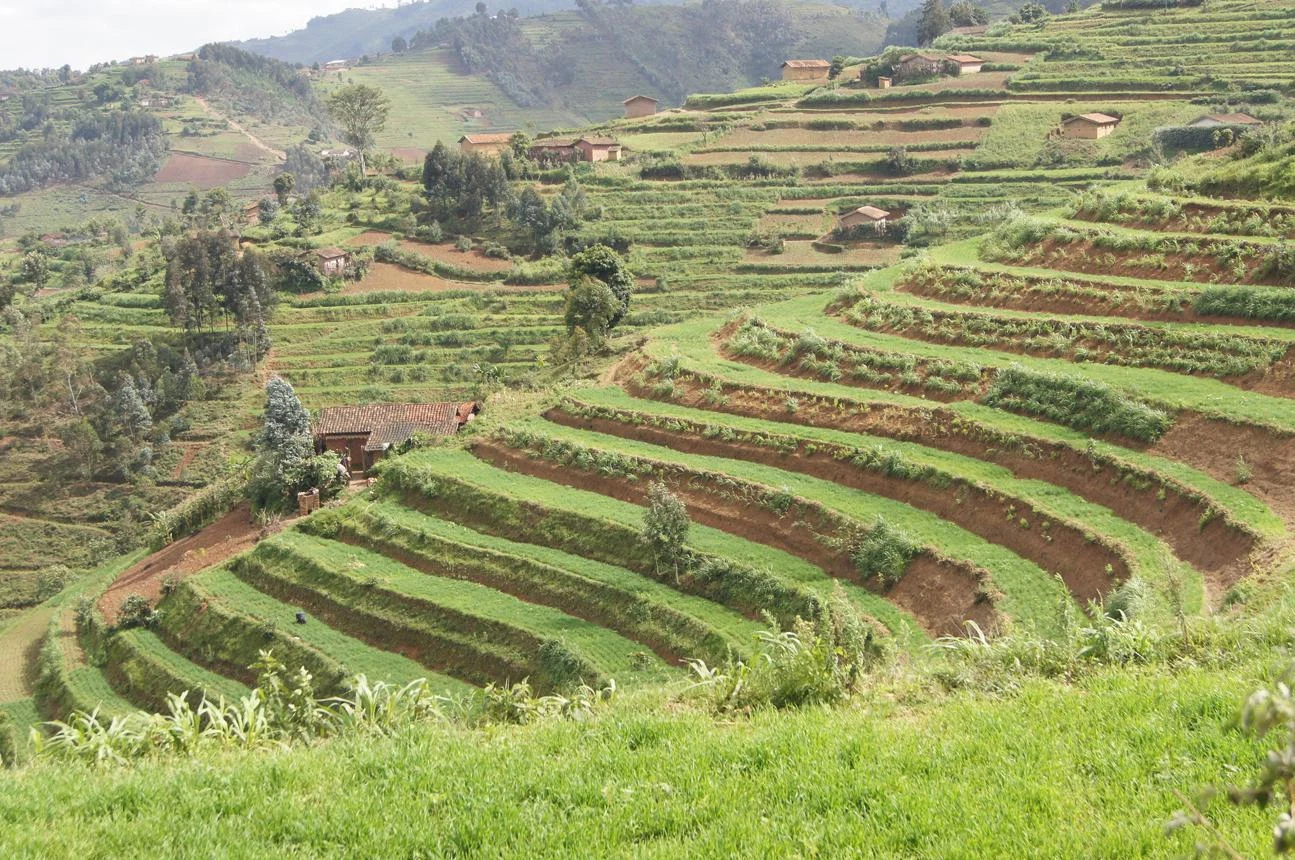
Traditional farming
Terracing and mixed farming can help manage soil and crop production.
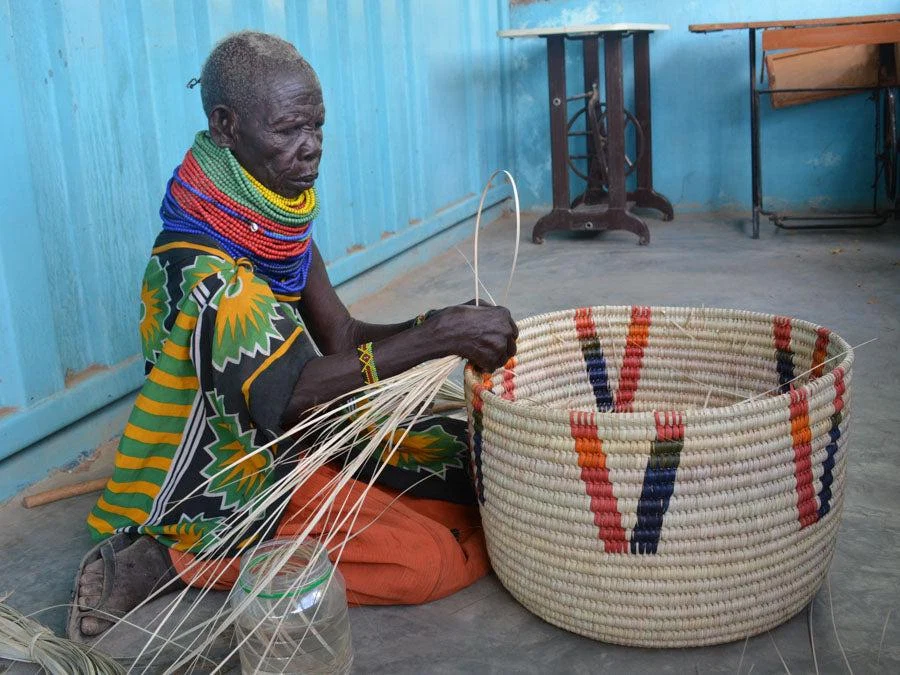
Craft knowledge
Weaving preserves useful skills and provides livelihoods.

Pastoral knowledge
Local knowledge supports seasonal grazing and animal care.
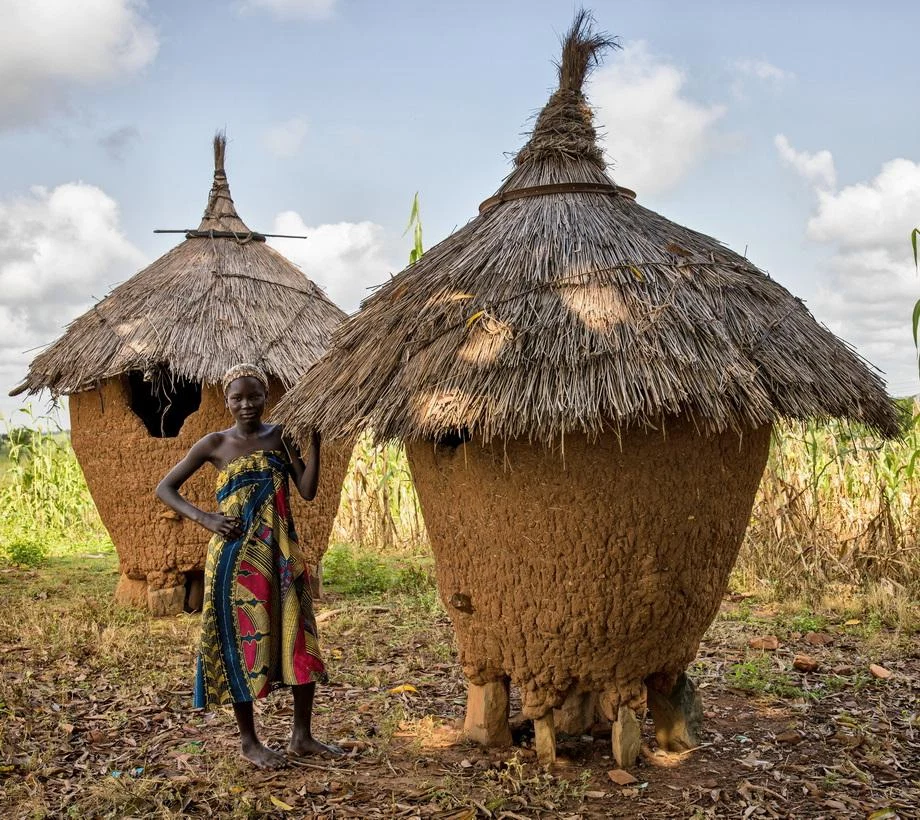
Food storage
Communities developed methods of protecting harvested foods.
4. Contribution of indigenous knowledge to sustainable living
Indigenous knowledge can support the conservation of biodiversity, protection of soils, management of water sources, food security and adaptation to environmental changes.
For example, traditional terracing may reduce soil erosion, while community rules protecting certain forests may help preserve ecosystems.
5. Integrating indigenous and modern knowledge
Indigenous knowledge and modern scientific knowledge can complement each other.
|
Community knowledge |
Modern knowledge |
Possible combined benefit |
|---|---|---|
|
Traditional seed selection |
Crop research and testing |
Better adaptation and productivity |
|
Local rainfall observations |
Meteorological forecasts |
Improved planting decisions |
|
Community water management |
Water-quality testing |
Safer water use |
|
Plant knowledge |
Medical and scientific research |
Responsible investigation of medicinal compounds |
|
Traditional soil conservation |
Soil science |
Improved land management |
Traditional practices should be evaluated for safety and effectiveness. For example, traditional remedies should not automatically replace evidence-based medical treatment.
6. Challenges facing indigenous knowledge
- Loss of knowledge when elders pass away.
- Limited written documentation.
- Environmental degradation.
- Changes in livelihoods.
- Discrimination against some traditional practices.
- Commercial exploitation without community consent.
- Difficulties preserving local languages.
7. Ways of preserving indigenous knowledge
Communities can document oral histories, teach local languages, support museums, record traditional practices with permission, and protect the rights of knowledge holders.
Activity 3.2: Interview a willing older community member about a traditional farming, food preservation or environmental practice. Compare it with a modern method and record its benefits and limitations.