
1. Meaning of poverty
Poverty is a condition in which individuals or households lack sufficient resources to meet basic needs and participate adequately in society.
It may involve inadequate income, food, housing, education, healthcare, clean water or economic opportunities.
2. Types of poverty
Absolute poverty: A severe lack of resources needed to meet essential living needs.
Relative poverty: Having substantially fewer resources than others in a particular society.
Multidimensional poverty: Deprivation involving several dimensions of well-being, such as health, education and living standards.
3. Causes of poverty in Africa
- Unemployment and underemployment.
- Limited access to quality education.
- Poor infrastructure.
- Inadequate access to markets.
- Conflict and insecurity.
- Corruption and poor governance.
- Unequal access to productive resources.
- Climate-related disasters.
- Poor access to healthcare.
- Low agricultural productivity.
- Discrimination and social exclusion.
Poverty differs considerably between countries, regions and households. No single cause explains all situations.
4. Relationship between overexploitation of natural resources and poverty
Overexploitation is the use of natural resources at a rate or intensity that undermines their long-term availability or ecological condition.
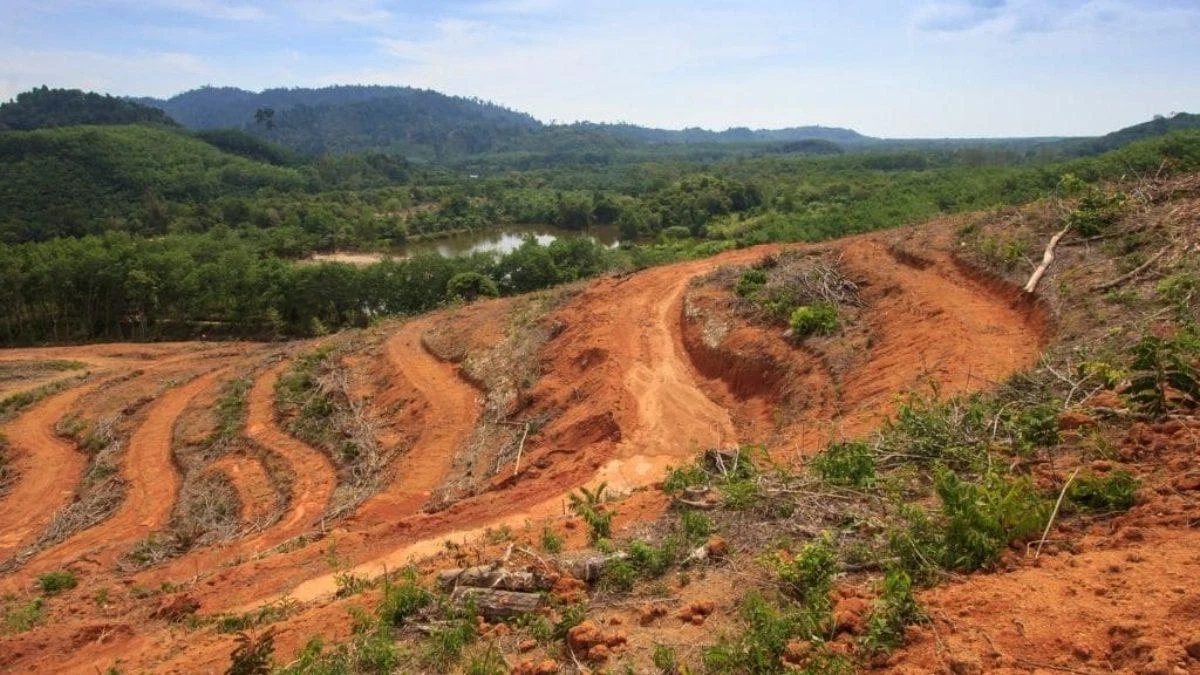
earth.org
|
Activity |
Environmental effect |
Economic or social consequence |
|---|---|---|
|
Deforestation |
Loss of forest cover and soil protection |
Reduced forest resources and agricultural productivity |
|
Overgrazing |
Vegetation loss and land degradation |
Lower livestock productivity |
|
Overfishing |
Declining fish populations |
Reduced livelihoods and food availability |
|
Poor mining practices |
Soil and water pollution |
Health risks and damaged productive land |
|
Excessive water abstraction |
Lower water availability |
Greater difficulty farming and accessing water |
|
Unsustainable cultivation |
Soil nutrient depletion |
Reduced crop yields |
5. Poverty reduction strategies
Education and training: Improve knowledge and employability.
Job creation: Support decent employment and entrepreneurship.
Agricultural improvement: Promote sustainable farming, appropriate irrigation and access to markets.
Infrastructure development: Improve roads, electricity, water and communication.
Social protection: Support vulnerable households through appropriate public programmes.
Good governance: Promote transparency and responsible use of resources.
Environmental protection: Reduce resource degradation and protect livelihoods.
Financial inclusion: Improve access to safe savings, credit and payment services.
6. Role of creativity in poverty reduction
Creative thinking can help communities develop low-cost innovations, value-added products, small businesses and sustainable local projects.
For example, a youth group may collect suitable recyclable materials, produce useful products and generate income while reducing waste.
Activity 3.3
Identify a community livelihood challenge and design a simple enterprise or social project that could help address it. Explain the resources required, possible benefits and likely difficulties.