
1. Meaning of the Bill of Rights
The Bill of Rights is the section of the Constitution that recognises and protects fundamental human rights and freedoms.
Kenya's Bill of Rights appears in Chapter Four of the Constitution of Kenya, 2010.
Article 19 explains that the Bill of Rights is an integral part of Kenya's democratic state and aims to preserve dignity, promote social justice and enable the development of human potential.

Parliament of Kenya
2. Meaning of human rights
Human rights are rights and freedoms that belong to people by virtue of being human.
They promote dignity, equality, freedom and justice.
3. Selected rights in Kenya's Constitution
|
Right |
Article |
Main protection |
|---|---|---|
|
Equality and freedom from discrimination |
27 |
Equal protection and benefit of the law |
|
Human dignity |
28 |
Respect and protection of dignity |
|
Freedom and security of the person |
29 |
Protection of personal security |
|
Privacy |
31 |
Protection of privacy |
|
Freedom of religion and belief |
32 |
Religious freedom |
|
Freedom of expression |
33 |
Protected expression within constitutional limits |
|
Access to information |
35 |
Access to information under constitutional provisions |
|
Freedom of association |
36 |
Right to associate |
|
Assembly, demonstration and petition |
37 |
Peaceful and unarmed assembly |
|
Political rights |
38 |
Political participation |
|
Property rights |
40 |
Protection of property |
|
Labour relations |
41 |
Fair labour practices |
|
Environment |
42 |
Clean and healthy environment |
|
Economic and social rights |
43 |
Health, housing, food, water, social security and education under constitutional provisions |
|
Education |
53(1)(b) |
Every child's right to free and compulsory basic education |
4. Rights of special groups
Some groups may require additional measures to overcome discrimination or disadvantage.
Children: Article 53 provides specific children's rights, including basic education, protection from abuse and consideration of their best interests.
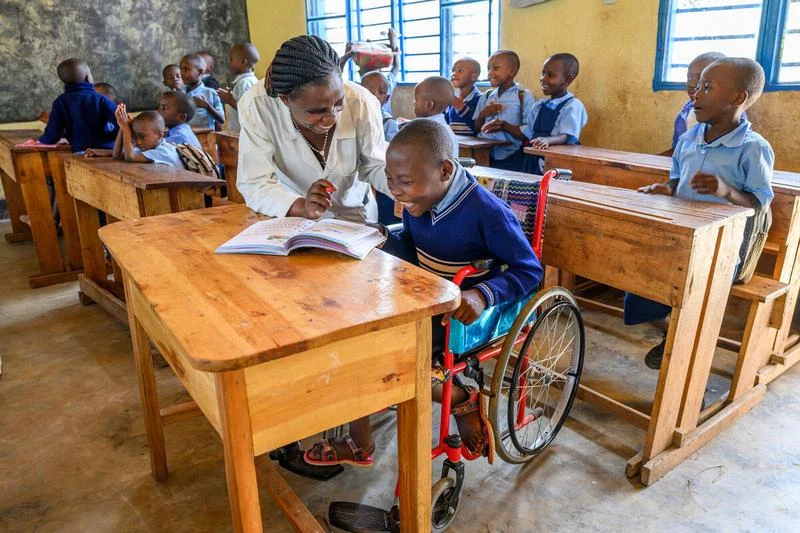
Persons with disabilities: Article 54 addresses dignity, access, representation and other protections.
Youth: Article 55 calls for measures supporting youth access to education, training, representation and employment.
Minorities and marginalised groups: Article 56 addresses affirmative action programmes and other measures.
Older members of society: Article 57 recognises important responsibilities concerning their participation, dignity, care and assistance.
worldvision.com.au
5. Meaning of social justice
Social justice is the principle that people should receive fair treatment, meaningful opportunities and protection of their rights.
It involves addressing discrimination and unjust barriers.
6. Meaning of inclusivity
Inclusivity means ensuring that people can participate in society regardless of differences such as disability, gender, ethnicity, age or social background.
7. Responsibilities associated with rights
People should exercise their rights while respecting the lawful rights and freedoms of others.
For example, freedom of expression does not justify threats of violence or unlawful incitement.
8. Ways learners can protect human rights
- Report bullying and discrimination.
- Respect classmates' dignity.
- Protect other people's privacy.
- Support learners with disabilities.
- Avoid harmful stereotypes.
- Seek help from trusted adults when rights are violated.
- Learn about constitutional protections.
- Participate in lawful, inclusive school activities.
9. Assertiveness in protecting rights
Learners can express concerns respectfully, explain unfair treatment, seek support and use established reporting channels.
Example: A learner who witnesses persistent bullying can report it to a teacher or school safeguarding officer and support the affected classmate without engaging in retaliation.
Activity 5.3
- Define the Bill of Rights.
- Identify five fundamental rights in Kenya's Constitution.
- Explain why children require particular protection.
- Give four examples of discrimination in society.
- Describe how learners can promote inclusivity in school.