
1. Meaning of culture
Culture refers to the shared values, beliefs, languages, traditions, arts, customs and ways of life of a group of people.
2. Meaning of globalisation
Globalisation is the increasing interconnectedness of people, economies and societies across the world.
3. Meaning of cultural globalisation
Cultural globalisation is the spread and interaction of cultural practices, ideas, languages, arts and lifestyles across national boundaries.
It occurs through trade, migration, education, media, tourism and technology.
4. Elements of culture that spread internationally
- Languages.
- Music.
- Food.
- Fashion.
- Literature.
- Religious traditions.
- Dance.
- Sports.
- Films.
- Art and crafts.
5. Examples of African culture with international recognition
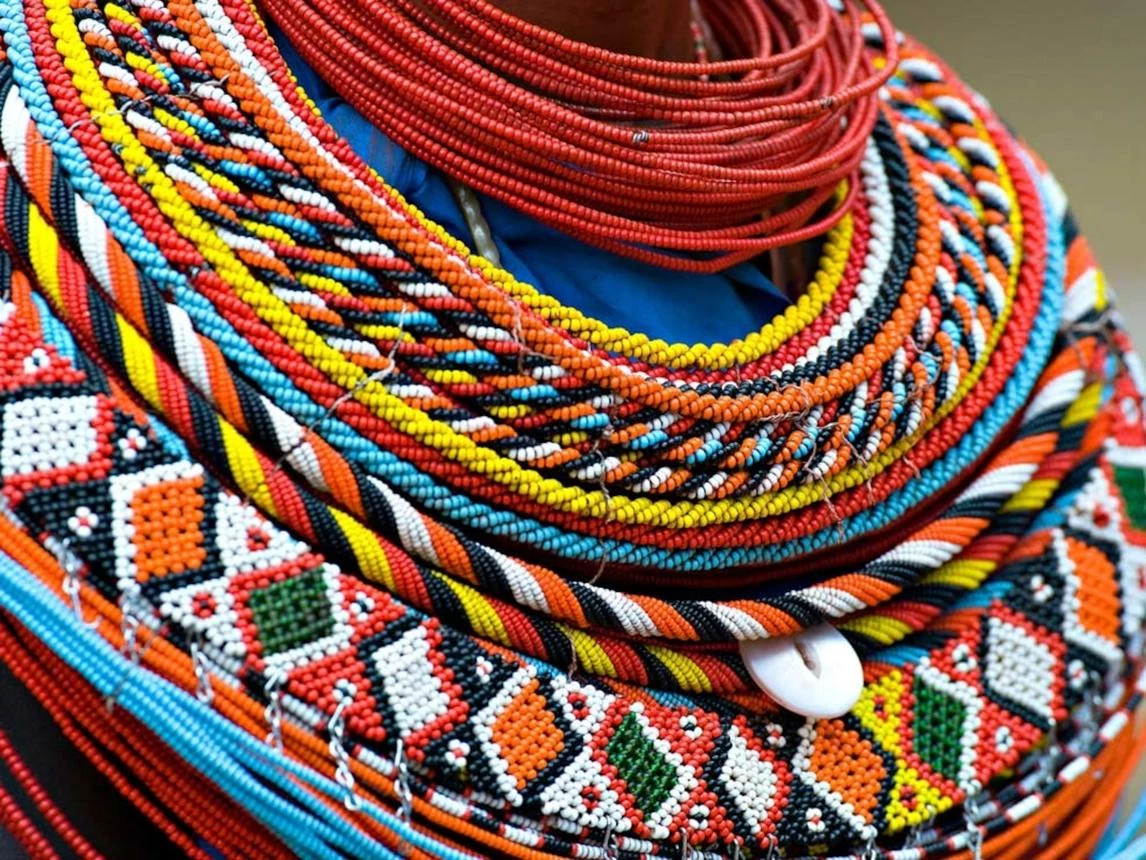
African beadwork
Traditional craftsmanship recognised in fashion and cultural exhibitions.
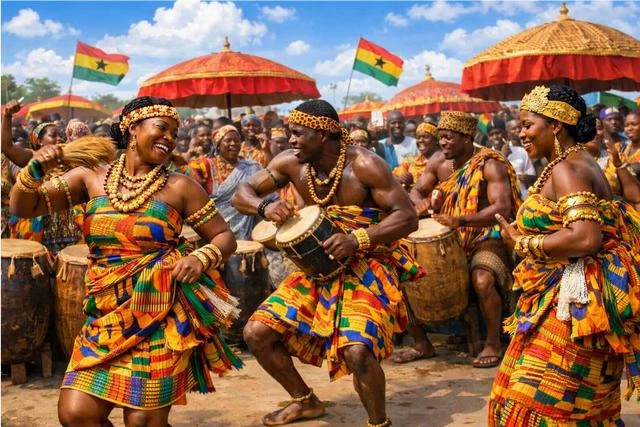
Music and dance
African rhythms and performance styles influence global culture.
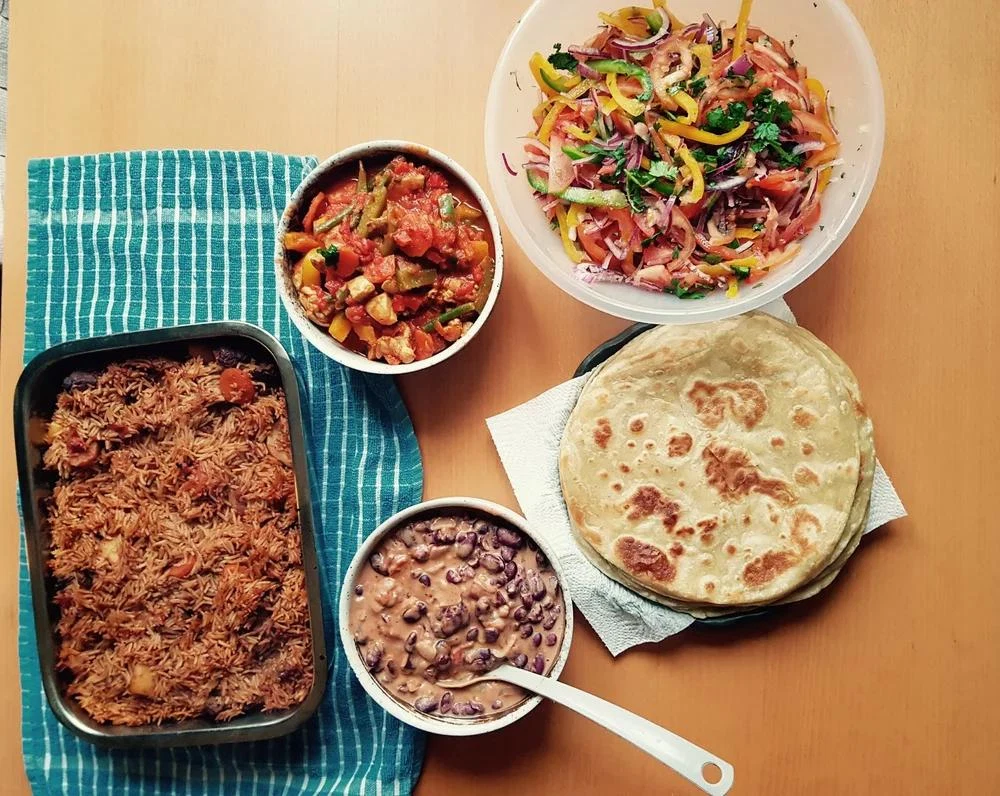
Food culture
Regional foods are shared through travel, migration and restaurants.
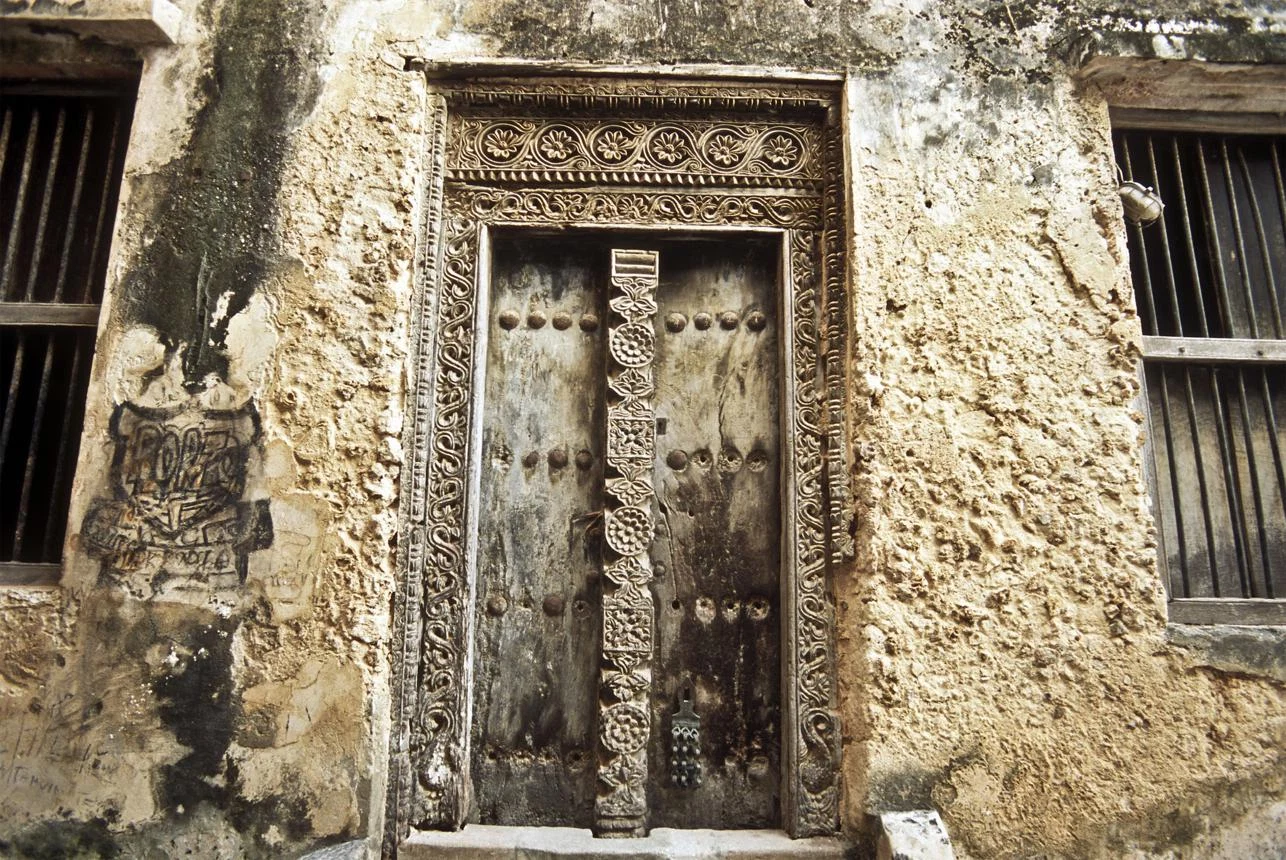
Architecture
Historical designs communicate shared heritage and cultural exchange.
6. Factors promoting cultural globalisation
Technology: Digital communication allows cultural ideas to spread quickly.
Migration: People bring languages, customs and traditions to new places.
Trade: Goods and services carry cultural influences.
Tourism: Visitors encounter local practices and share experiences.
Education: International learning programmes promote cultural exchange.
Media: Films, books, music and social platforms introduce audiences to different cultures.
7. Positive effects of cultural globalisation
- Encourages cultural exchange.
- Supports learning about other societies.
- Provides international markets for creative work.
- Promotes tourism.
- Can increase understanding between communities.
- Supports cooperation and global citizenship.
8. Negative effects and challenges
- Decline in some local languages.
- Loss of certain traditional practices.
- Commercial misuse of cultural expressions.
- Cultural stereotypes.
- Unequal economic benefits.
- Pressure to abandon local identities.
9. Meaning of global citizenship
Global citizenship refers to recognising that people are connected across countries and share responsibilities concerning human dignity, peace and the environment.
10. African cultural values that can promote a common humanity
Values associated with communal responsibility, hospitality, compassion, respect and mutual assistance can contribute to peaceful international relationships.
One widely discussed African ethical concept is Ubuntu, often associated with interconnected humanity and communal responsibility. Its interpretation varies across African traditions.
11. Ways of preserving culture in a globalised world
- Teach indigenous languages.
- Record oral traditions.
- Preserve historical sites.
- Support local artists.
- Protect community cultural knowledge.
- Organise cultural festivals.
- Encourage respectful cultural exchange.
- Promote accurate representation of communities.
12. Promoting healthy cultural relationships
Healthy cultural relationships require respect, equality, dialogue, tolerance, avoidance of stereotypes and willingness to learn from others.
Activity 5.4: Research one Kenyan cultural practice that has gained international recognition. Explain its origin, importance, how it has spread and ways to preserve it.
GRADE 9 SOCIAL STUDIES REVISION
Summary of the 18 Sub-strands
|
Strand |
Sub-strands |
Main learning areas |
|---|---|---|
|
Social Studies and Career Development |
2 |
Pathway choices and pre-career support systems |
|
Community Service Learning |
1 |
Identifying community problems, planning, implementation and reporting |
|
People and Relationships |
6 |
Early humans, indigenous knowledge, poverty, population, conflict resolution and healthy relationships |
|
Natural and Historic Built Environments |
5 |
Topographical maps, tectonic processes, river projects, conservation and heritage |
|
Political Developments and Governance |
4 |
Constitution, civic engagement, human rights and cultural globalisation |
|
Total |
18 |
Important Terms to Remember
|
Term |
Meaning |
|---|---|
|
Pathway |
Broad senior school learning field |
|
Mentorship |
Guidance provided by a more experienced person |
|
Community Service Learning |
Applying learning to community needs |
|
Stone Age |
Prehistoric period characterised by extensive use of stone tools |
|
Indigenous knowledge |
Community knowledge developed and transmitted across generations |
|
Poverty |
Deprivation of resources needed for an acceptable standard of living |
|
Population structure |
Composition of a population by characteristics such as age and sex |
|
Conflict resolution |
Finding constructive ways to settle disagreements |
|
Empathy |
Understanding another person's feelings or experiences |
|
Contour line |
Line joining points of equal elevation |
|
Faulting |
Fracturing and displacement of rocks |
|
Continental drift |
Historical theory of continental movement |
|
Plate tectonics |
Scientific theory explaining movement of lithospheric plates |
|
Multi-purpose river project |
Water project serving multiple functions |
|
Environmental conservation |
Responsible protection and management of the environment |
|
World Heritage Site |
UNESCO-listed property of Outstanding Universal Value |
|
Constitution |
Fundamental legal framework of a country |
|
Civic engagement |
Participation in community and governance affairs |
|
Bill of Rights |
Constitutional protections of rights and freedoms |
|
Cultural globalisation |
Spread and interaction of cultures across borders |
Interactive Revision Quiz
Social Studies Knowledge Check
15 questions • 15 marks
0/15 answered
1. Which senior school pathway includes humanities, languages and business studies?
A. STEM
B. Social Sciences
C. Arts and Sports Science
D. Technical training only
2. What is the main purpose of Community Service Learning?
A. Competing between schools
B. Solving community needs through learning and service
C. Replacing classroom instruction
D. Earning money for every learner
3. Which tool is associated with the Early Stone Age?
A. Steam engine
B. Iron plough
C. Stone hand axe
D. Computer
4. Which is an example of indigenous knowledge?
A. Community seed-selection practices
B. Satellite television
C. Modern traffic lights
D. Computer software
5. What is one possible effect of overgrazing?
A. Improved soil everywhere
B. Land degradation
C. Elimination of erosion
D. Automatic forest growth
6. What does a wide base on a population pyramid generally indicate?
A. Large share of children
B. No migration
C. Only older people
D. Zero population growth
7. Which behaviour demonstrates emotional intelligence during a conflict?
A. Threatening another person
B. Listening calmly and managing anger
C. Spreading rumours
D. Seeking revenge
8. What do closely spaced contour lines indicate?
A. Flat land
B. Steep slope
C. No elevation
D. A lake in every case
9. Which geological process commonly forms rift valleys?
A. Faulting
B. Evaporation
C. Condensation
D. Deposition alone
10. Which Kenyan river is associated with the Seven Forks hydropower system?
A. Nzoia
B. Yala
C. Tana
D. Ewaso Ng'iro North
11. Which site is located in Mombasa and recognised by UNESCO?
A. Great Zimbabwe
B. Fort Jesus
C. Robben Island
D. Timbuktu
12. When was Kenya's current Constitution promulgated?
A. 12 December 1963
B. 27 August 2010
C. 4 August 2005
D. 1 June 1964
13. Which Article of Kenya's Constitution protects equality and freedom from discrimination?
A. Article 27
B. Article 53
C. Article 118
D. Article 256
14. Which is an individual civic engagement activity?
A. Peacefully submitting a petition
B. Destroying public property
C. Intimidating voters
D. Sharing deliberate misinformation
15. What does cultural globalisation involve?
A. Isolation of all societies
B. Spread and exchange of cultures across borders
C. Elimination of all local languages
D. Prohibition of international travel
Mark my answers Reset
Suggested End-of-Term Assessment
|
Section |
Assessment area |
Marks |
|---|---|---|
|
A |
Social Studies and Career Development |
15 |
|
B |
Community Service Learning |
10 |
|
C |
People and Relationships |
25 |
|
D |
Natural and Historic Built Environments |
30 |
|
E |
Political Developments and Governance |
20 |
|
Total |
100 |
Suggested CBC Practical Projects
- Career exploration: Prepare a career portfolio showing a preferred pathway, possible track, personal strengths and future career requirements.
- Community service: Organise a teacher-supervised clean-up, recycling or environmental conservation project.
- History and archaeology: Construct models of selected prehistoric tools using safe classroom materials.
- Indigenous knowledge: Document a traditional practice used in the community and compare it with a modern approach.
- Population studies: Construct and interpret population pyramids using official data.
- Geography: Draw a simple topographical cross-section and identify physical and human features.
- Environmental conservation: Conduct an environmental audit of the school compound and propose improvements.
- Governance: Hold a mock election or classroom public participation forum.
- Cultural heritage: Research a Kenyan heritage site and suggest suitable conservation measures.
Expected Learning Outcomes
By the end of Grade 9 Social Studies, learners should be able to make informed senior school pathway choices, plan community service activities, explain major developments in human societies, interpret population information and geographical maps, describe the role of natural resources in development, practise peaceful relationships, understand constitutional principles, protect human rights and appreciate African cultural heritage.