
Suggested Number of Lessons: 20
Specific Learning Outcomes
By the end of this sub-strand, the learner should be able to:
- Explain the properties of common materials used in aircraft construction.
- Describe the functions of aircraft tools used in aircraft construction.
- Describe the safety precautions observed when using aircraft tools in workshop practice.
- Create a model of a heavier-than-air aircraft.
- Maintain tools used in aircraft construction.
- Appreciate the use of tools and materials in aircraft construction.
2.2.1 Introduction to Aircraft Tools and Materials
Aircraft materials are substances used to manufacture, construct, assemble and repair aircraft components.
Aircraft tools are instruments and equipment used to perform operations such as measuring, marking, cutting, shaping, holding, fastening and assembling aircraft materials.
Aircraft construction requires materials with suitable properties and tools that can perform specific operations accurately.
For example, aluminium alloys are used in many aircraft structures because they combine relatively low weight with useful mechanical strength.
Aircraft tools must be used correctly because poor workmanship may result in damaged components, incorrect dimensions or unsafe structures.
Importance of Tools and Materials in Aircraft Construction
- Enable the manufacture of aircraft components.
- Allow accurate measurement and marking of materials.
- Facilitate cutting and shaping of aircraft parts.
- Support assembly and joining of components.
- Improve accuracy and quality of workmanship.
- Support maintenance and repair activities.
- Help reduce material wastage when used correctly.
- Promote efficiency in workshop operations.
- Support the development of aircraft models and prototypes.
- Enable the production of strong, lightweight aircraft structures.
2.2.2 Classification of Aircraft Construction Materials
Aircraft construction materials are broadly classified into:
- Metallic materials.
- Non-metallic materials.
Aircraft Construction Materials
Classification by material type
Metals
- Aluminium alloys
- Steel alloys
- Titanium alloys
- Magnesium alloys
- Copper alloys
Non-metals
- Composite materials
- Plastics
- Rubber
- Glass
- Wood
- Fabrics
A. Metallic Materials
Metallic materials are materials containing metals or metal alloys.
They are used in aircraft construction because many provide useful strength, stiffness, durability and resistance to mechanical loads.
1. Aluminium and Aluminium Alloys
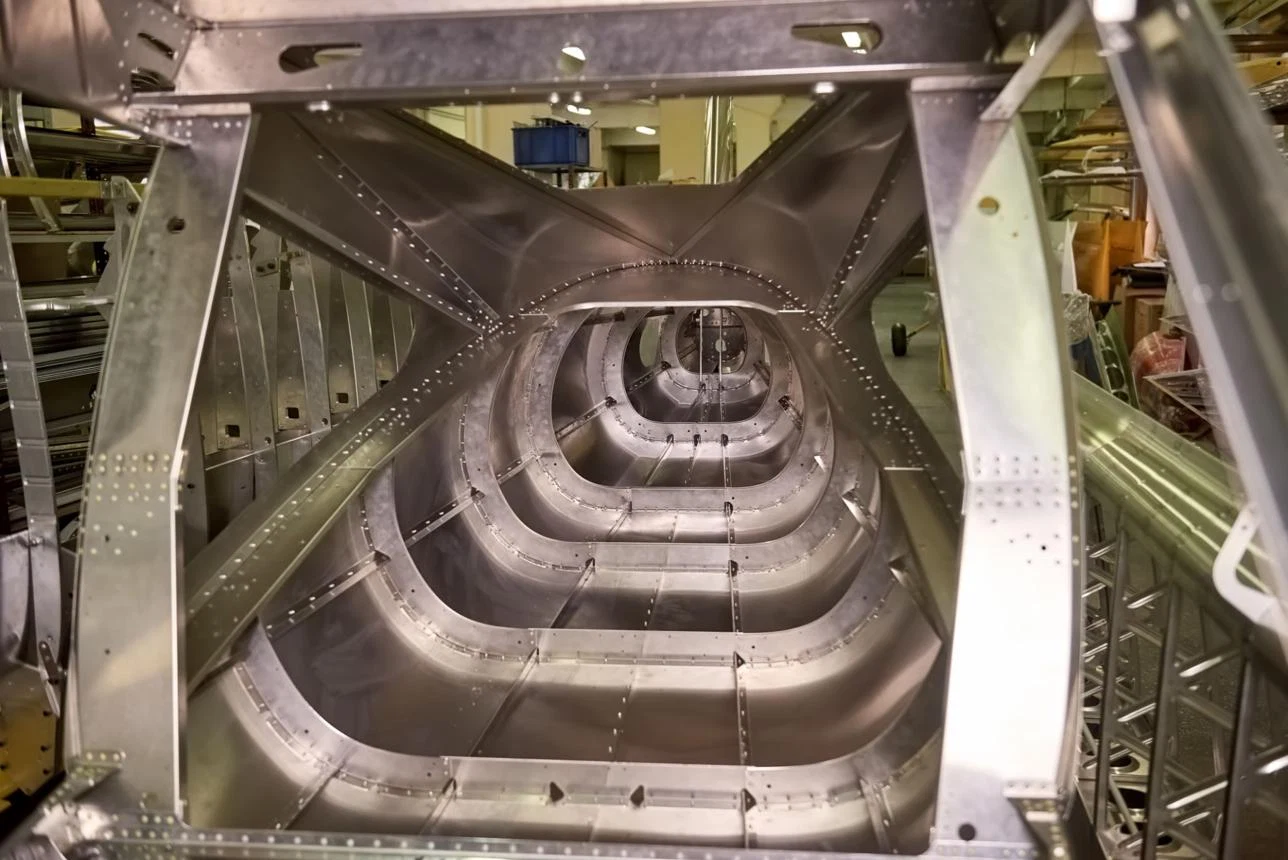 Aluminium is a relatively lightweight metal used extensively in aircraft construction.
An alloy is a material made by combining a metal with one or more other elements to obtain desirable properties.
Aluminium alloys are used in aircraft because they can provide better strength than pure aluminium while maintaining relatively low density.
Properties of Aluminium Alloys
- Relatively low density.
- Good strength-to-weight ratio in suitable alloys.
- Good workability and formability.
- Good thermal conductivity.
- Good electrical conductivity.
- Useful corrosion resistance, depending on alloy and treatment.
- Can be manufactured into sheets, plates and structural shapes.
Uses
- Aircraft skins.
- Wing structures.
- Fuselage components.
- Structural frames.
- Riveted assemblies.
- Some aircraft fittings.
2. Steel and Steel Alloys
Steel is an alloy mainly consisting of iron and carbon, sometimes with other elements added to improve particular properties.
Properties
- High strength in suitable grades.
- Good toughness.
- High stiffness.
- Useful wear resistance.
- Greater density than aluminium.
- Some steels require protection against corrosion.
Uses
- Landing gear components.
- Engine components.
- Fasteners.
- Structural fittings.
- Shafts and mechanical components.
3. Titanium and Titanium Alloys
Titanium is a metal used in aircraft construction where high strength, relatively low density and resistance to demanding conditions are required.
Properties
- High strength-to-weight ratio.
- Good corrosion resistance.
- Good performance at elevated temperatures in suitable applications.
- Lower density than steel.
- More difficult and expensive to process than many common metals.
Uses
- Aircraft engine components.
- Structural fittings.
- High-strength fasteners.
- Components exposed to elevated temperatures.
- Selected airframe structures.
4. Magnesium Alloys
Magnesium is a very lightweight structural metal.
Its alloys may be used in carefully selected aircraft applications.
Properties
- Very low density.
- Good machinability in suitable conditions.
- Useful strength-to-weight characteristics in certain alloys.
- Susceptibility to corrosion without suitable protection.
- Fire hazards associated with some forms, particularly fine chips and dust.
Uses
- Certain housings.
- Gearbox components.
- Selected lightweight aircraft parts.
Safety Note: Magnesium machining and fire response require specialised safety procedures.
5. Copper and Copper Alloys
Copper is a metal with high electrical and thermal conductivity.
Properties
- Excellent electrical conductivity.
- Good thermal conductivity.
- Good ductility.
- Useful corrosion resistance in many environments.
- Relatively high density.
Uses
- Electrical wiring.
- Electrical connectors.
- Certain tubing and fittings.
- Electrical system components.
B. Non-Metallic Materials
Non-metallic materials do not have the typical characteristics of metals.
They are important in aircraft construction because they may provide low weight, insulation, flexibility, transparency and corrosion resistance.
1. Composite Materials
A composite material is made by combining two or more distinct materials to produce useful combined properties.
Aircraft composites commonly contain strong reinforcing fibres embedded in a polymer matrix.
 Examples
- Carbon-fibre-reinforced polymer.
- Glass-fibre-reinforced polymer.
- Aramid-fibre composites.
Properties
- High strength-to-weight ratio in suitable designs.
- Good corrosion resistance.
- Ability to form complex shapes.
- Good fatigue performance in many applications.
- Direction-dependent mechanical properties.
- Possible susceptibility to impact damage and delamination.
Uses
- Aircraft wings.
- Fuselage sections.
- Fairings.
- Interior panels.
- Control surfaces.
- Selected rotor blades.
2. Plastics
Plastics are materials made from polymers that can be formed into different shapes.
Properties
- Generally low density.
- Easy to mould into various shapes.
- Can provide electrical insulation.
- Corrosion resistance in suitable environments.
- Properties vary considerably with the type of plastic.
Uses
- Interior panels.
- Equipment housings.
- Covers.
- Transparent components made from suitable specialised polymers.
3. Rubber
Rubber is an elastic material that can deform under force and recover much of its original shape.
Properties
- Elasticity.
- Flexibility.
- Vibration absorption.
- Useful sealing characteristics.
- Resistance to certain environmental conditions depending on formulation.
Uses
- Aircraft tyres.
- Seals.
- Gaskets.
- Vibration isolators.
- Flexible components.
4. Glass
Glass is a hard, generally brittle material that can be transparent.
Specialised glass products may be used in aviation where appropriate.
Uses
- Selected windows.
- Instrument covers.
- Optical equipment.
- Fibre reinforcement in composites.
5. Wood
Wood is a natural material formerly used extensively in aircraft construction and still found in some light aircraft and models.
Properties
- Relatively lightweight.
- Easy to shape using suitable tools.
- Can provide useful structural properties when selected and processed correctly.
- Affected by moisture and environmental conditions.
- Requires suitable preservation and inspection.
Uses
- Selected light-aircraft structures.
- Aircraft models.
- Training projects.
- Certain specialist aircraft components.
6. Fabrics
Aircraft fabrics are flexible textile materials used in selected aircraft structures.
Historically, natural fabrics were common. Modern fabric-covered aircraft frequently use suitable synthetic materials.
Uses
- Covering certain lightweight aircraft structures.
- Model-aircraft construction.
- Specialist aviation applications.
2.2.3 Physical Properties of Aircraft Materials
Physical properties are characteristics of materials that can be observed or measured without changing their chemical composition.
Important physical properties include density, thermal conductivity, electrical conductivity, melting temperature, thermal expansion and corrosion behaviour.
A. Density
Density is the mass of a substance per unit volume.
Where:
- = density.
- = mass.
- = volume.
The SI unit of density is kilograms per cubic metre (kg/m³).
Example
A metal block has a mass of 540 g and a volume of 200 cm³.
Calculate its density.
Answer: 2.7 g/cm³.
Importance in Aircraft Construction
Low-density materials can help reduce aircraft structural weight, provided they also meet strength, stiffness and durability requirements.
B. Thermal Conductivity
Thermal conductivity is the ability of a material to conduct heat.
Metals such as copper and aluminium generally conduct heat well.
Materials such as many plastics and certain composites have lower thermal conductivity.
Importance: It influences heat transfer in aircraft components and the selection of insulating materials.
C. Electrical Conductivity
Electrical conductivity is the ability of a material to conduct electric current.
Metals such as copper and aluminium conduct electricity.
Many plastics and rubber materials act as electrical insulators.
Importance: It is considered when selecting electrical conductors, connectors and insulating materials.
D. Melting Temperature
Melting temperature is the temperature at which a solid changes into a liquid under specified conditions.
Aircraft components exposed to high temperatures require materials suited to those operating conditions.
E. Thermal Expansion
Thermal expansion is the change in the dimensions of a material caused by a change in temperature.
Most materials expand when heated and contract when cooled, although the amount varies.
Aircraft designers consider thermal expansion because aircraft experience different temperatures during operation.
F. Corrosion Resistance
Corrosion resistance is the ability of a material to resist deterioration caused by chemical or electrochemical reactions with its environment.
Corrosion may weaken aircraft components and reduce their service life.
Protection methods include suitable coatings, material selection and preventive maintenance.
2.2.4 Mechanical Properties of Aircraft Materials
Mechanical properties describe how materials respond to applied forces and loads.
A. Strength
Strength is the ability of a material to withstand an applied load without unacceptable failure.
Aircraft materials must have adequate strength for their intended use.
B. Hardness
Hardness is the resistance of a material to indentation, scratching or local surface deformation.
Hard materials are useful for components exposed to surface wear.
C. Toughness
Toughness is the ability of a material to absorb energy and resist fracture.
Tough materials may withstand impacts without breaking easily.
D. Elasticity
Elasticity is the ability of a material to return to its original dimensions after the load is removed, provided its elastic limit has not been exceeded.
E. Plasticity
Plasticity is the ability of a material to undergo permanent deformation without immediately fracturing.
F. Ductility
Ductility is the ability of a material to undergo significant plastic deformation under tension before fracture.
A ductile material can often be drawn into wire.
G. Malleability
Malleability is the ability of a material to undergo plastic deformation under compressive forces.
Malleable metals can be shaped into sheets.
H. Brittleness
Brittleness is the tendency of a material to fracture with little plastic deformation.
Glass is a common example of a brittle material.
I. Stiffness
Stiffness is the resistance of a material or component to elastic deformation under load.
Aircraft structures must have suitable stiffness to maintain their intended shapes under operating loads.
J. Fatigue Resistance
Fatigue resistance is the ability of a material or component to withstand repeated or fluctuating loads.
Aircraft structures experience repeated loading during take-off, landing, manoeuvring and flight.
2.2.5 Summary of Mechanical Properties
|
Property |
Meaning |
Importance |
|---|---|---|
|
Strength |
Resistance to failure under load |
Supporting structural loads |
|
Hardness |
Resistance to surface indentation |
Reducing surface damage |
|
Toughness |
Ability to absorb energy before fracture |
Resisting impact |
|
Elasticity |
Recovery after elastic deformation |
Maintaining component function |
|
Plasticity |
Ability to deform permanently |
Manufacturing and shaping |
|
Ductility |
Ability to deform under tension |
Forming wires and parts |
|
Malleability |
Ability to deform under compression |
Forming metal sheets |
|
Brittleness |
Tendency to fracture with little deformation |
Important when assessing damage risk |
|
Stiffness |
Resistance to elastic deformation |
Maintaining structural shape |
|
Fatigue resistance |
Resistance to damage under repeated loads |
Improving structural durability |
2.2.6 Factors Considered When Selecting Aircraft Materials
The selection of aircraft construction materials depends on several factors.
- Weight: Materials should provide acceptable performance without excessive mass.
- Strength: The material must withstand the intended loads.
- Stiffness: The component must resist excessive deformation.
- Corrosion resistance: Materials should withstand the operating environment.
- Temperature resistance: Materials must perform within specified temperature ranges.
- Fatigue performance: Materials should withstand repeated loading.
- Availability: Materials should be obtainable when needed.
- Cost: Material and manufacturing expenses should be considered.
- Manufacturability: Materials should be suitable for the intended production process.
- Maintainability: Materials should allow appropriate inspection, repair or replacement.
2.2.7 Classification of Aircraft Construction Tools
Aircraft construction tools may be classified according to their power source and functions.
According to Power Source
- Non-powered tools.
- Powered tools.
According to Function
- Measuring tools.
- Marking tools.
- Cutting tools.
- Striking tools.
- Holding tools.
A. Non-Powered Tools
Non-powered tools are operated primarily using human effort.
Examples include rulers, scribers, hacksaws, files, hammers, spanners and hand pliers.
Advantages
- Generally simple to operate.
- Suitable for small tasks.
- Often relatively inexpensive.
- May be used where electrical power is unavailable.
- Usually easier to transport.
Limitations
- Can require more physical effort.
- Some tasks take longer.
- May be unsuitable for heavy or repetitive operations.
- Accuracy depends greatly on the tool, method and operator.
B. Powered Tools
Powered tools use an external power source such as electricity or compressed air.
Examples include electric drills, powered screwdrivers, pneumatic drills, grinders and powered cutting machines.
Advantages
- Can reduce physical effort.
- Increase productivity.
- Support repetitive tasks.
- Can achieve accurate results when correctly selected and operated.
- Perform some tasks that are difficult using hand tools.
Limitations
- May be expensive.
- Require suitable power sources.
- Need regular inspection and maintenance.
- Can cause serious injuries if misused.
- Require appropriate training and protection.
2.2.8 Measuring Tools
Measuring tools are used to determine dimensions such as length, width, thickness, diameter and angle.
Accurate measurements are important because aircraft components must be manufactured to specified dimensions.
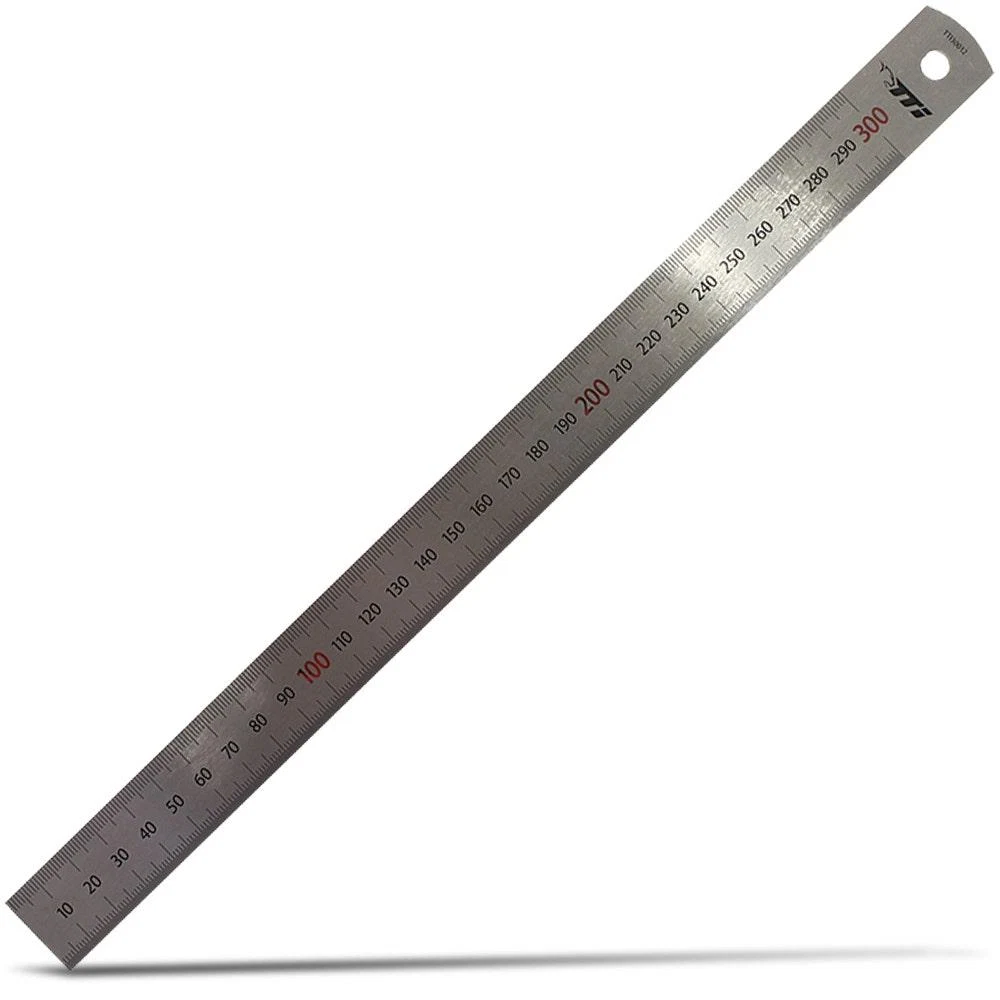 Steel rule
Used for general linear measurement.
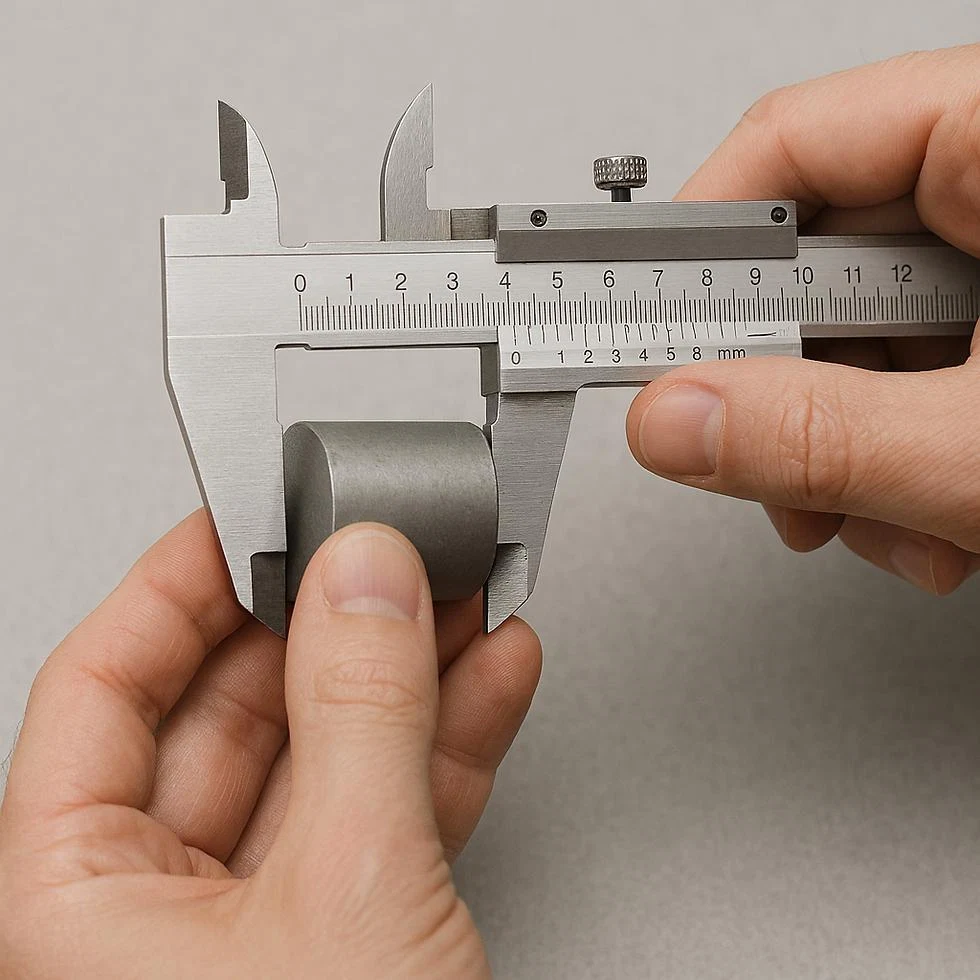
4種常見游標卡尺量測手法|20年品保品管經驗分享|典亮/辰光事業|台中CNC金屬、塑膠加工與3D列代工推薦
Vernier caliper
Measures external dimensions, internal dimensions and depth.
 Micrometer
Measures small external dimensions accurately.
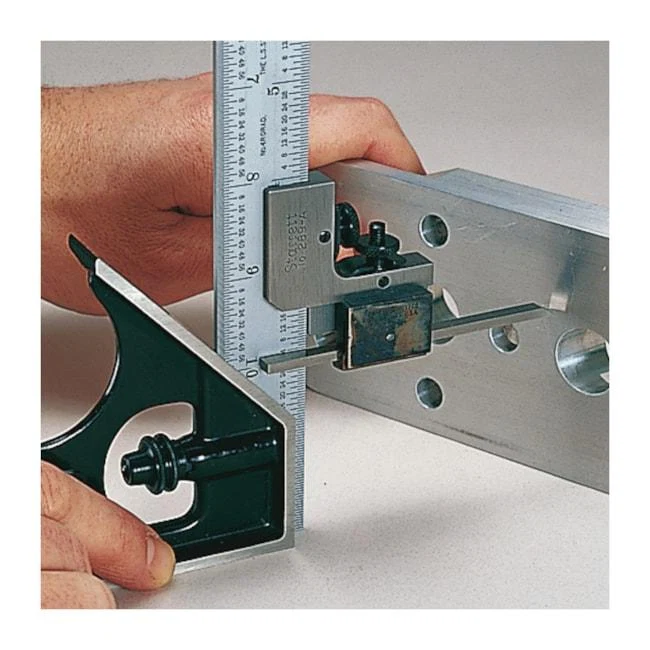 Combination square
Used for checking and marking angles and dimensions.
Uses of Measuring Tools
- Measuring material dimensions.
- Checking component thickness.
- Measuring hole diameters.
- Checking component fit.
- Verifying measurements against drawings.
- Supporting accurate workshop fabrication.
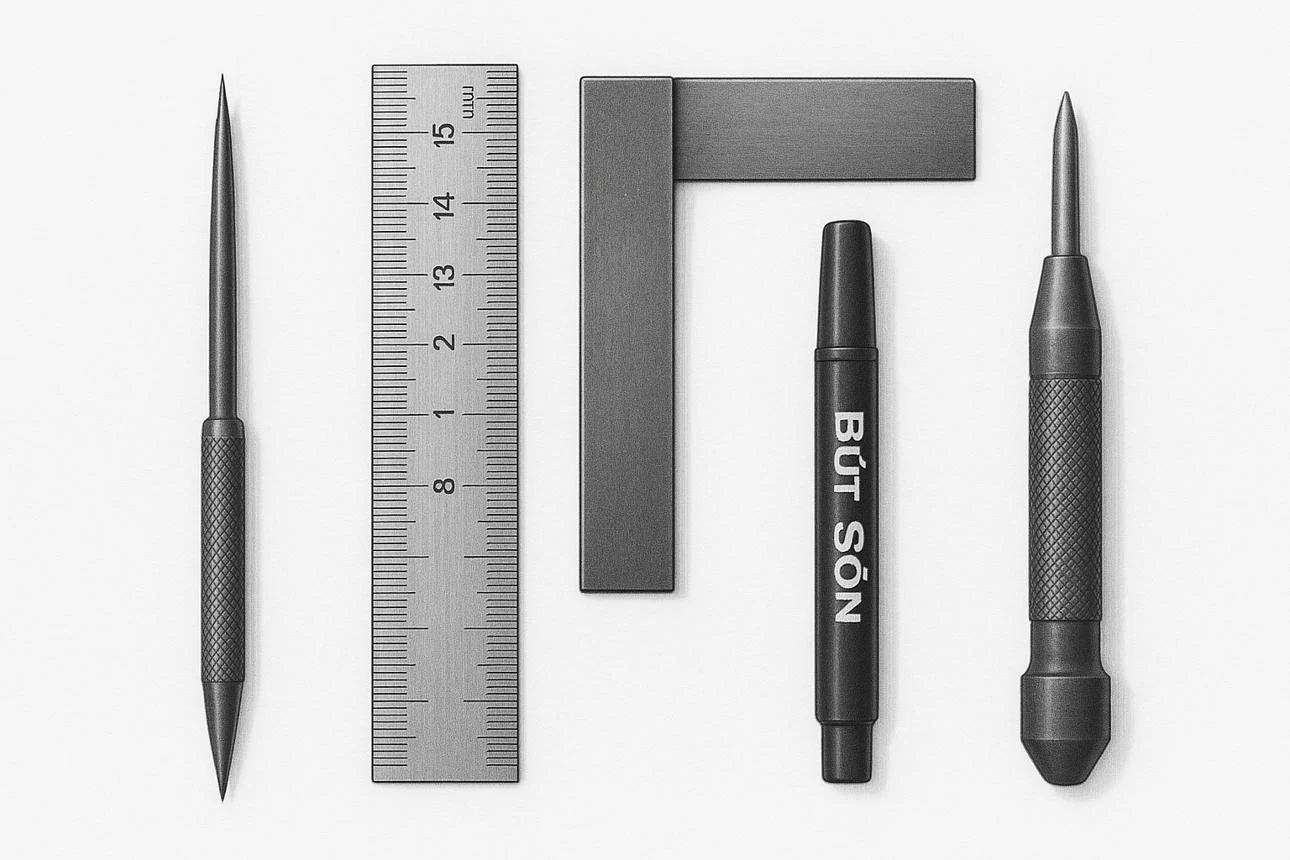
2.2.9 Marking Tools
Marking tools are used to indicate positions, lines, centres and shapes on workpieces before cutting or shaping.
Examples
1. Scriber: Produces fine lines on suitable metal surfaces.
2. Centre Punch: Produces an indentation to indicate where a hole should be drilled.
3. Engineer's Square: Used to mark or check right angles.
4. Dividers: Used to mark arcs, circles and transfer distances.
5. Marking Gauge: Used for marking parallel lines, particularly in woodworking.
 Importance of Marking Tools
- Improve accuracy.
- Guide cutting and drilling.
- Reduce material wastage.
- Support correct component dimensions.
- Make workshop operations easier to organise.
2.2.10 Cutting Tools
Cutting tools are used to separate materials or remove unwanted portions.
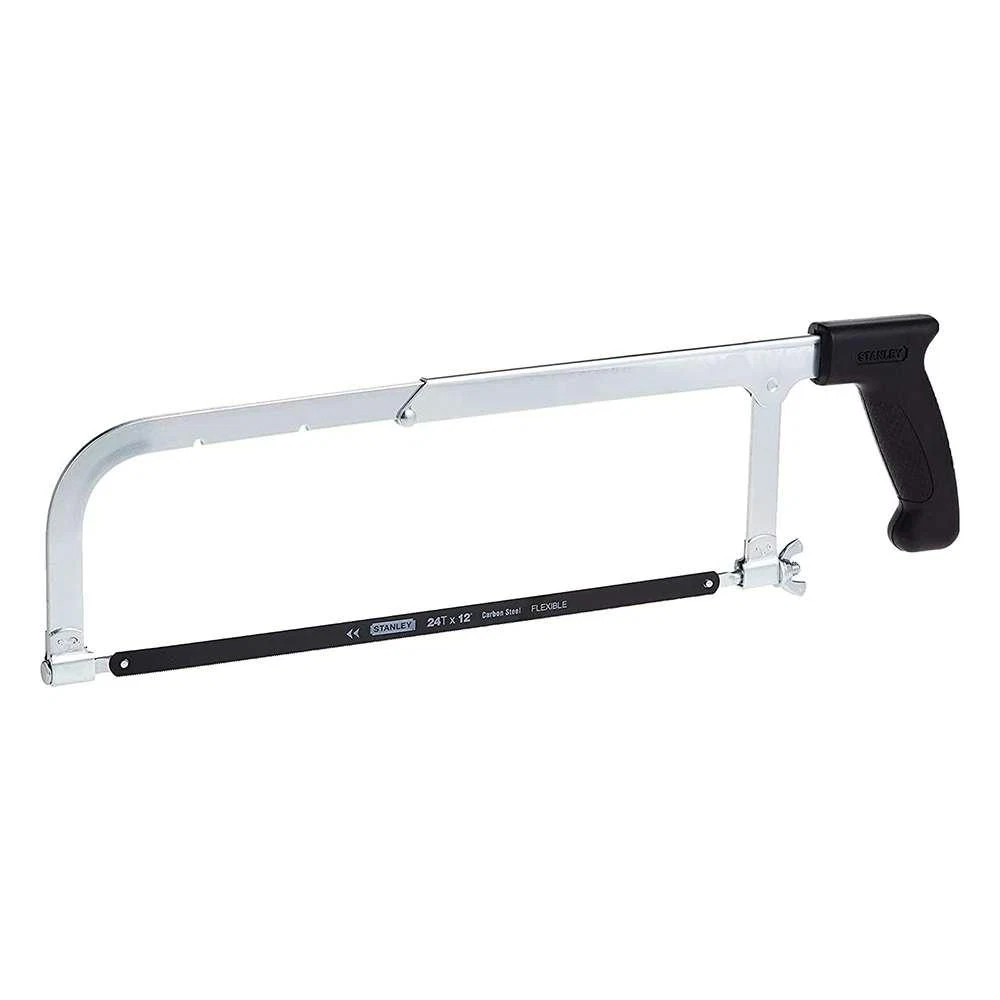 Hacksaw
Used to cut suitable metal sections.
 Tin snips
Used to cut suitable thin metal sheets.
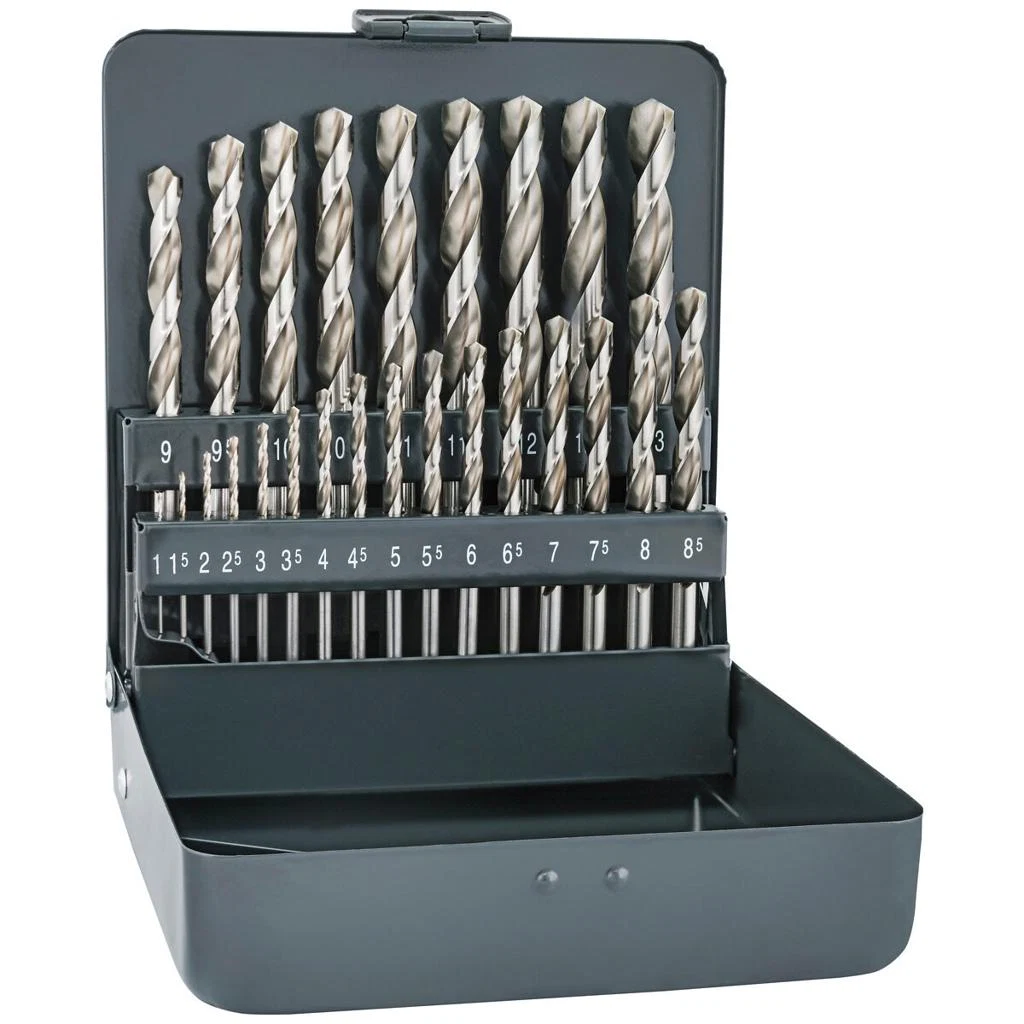 Drill bit
Used to produce holes when operated with suitable drilling equipment.
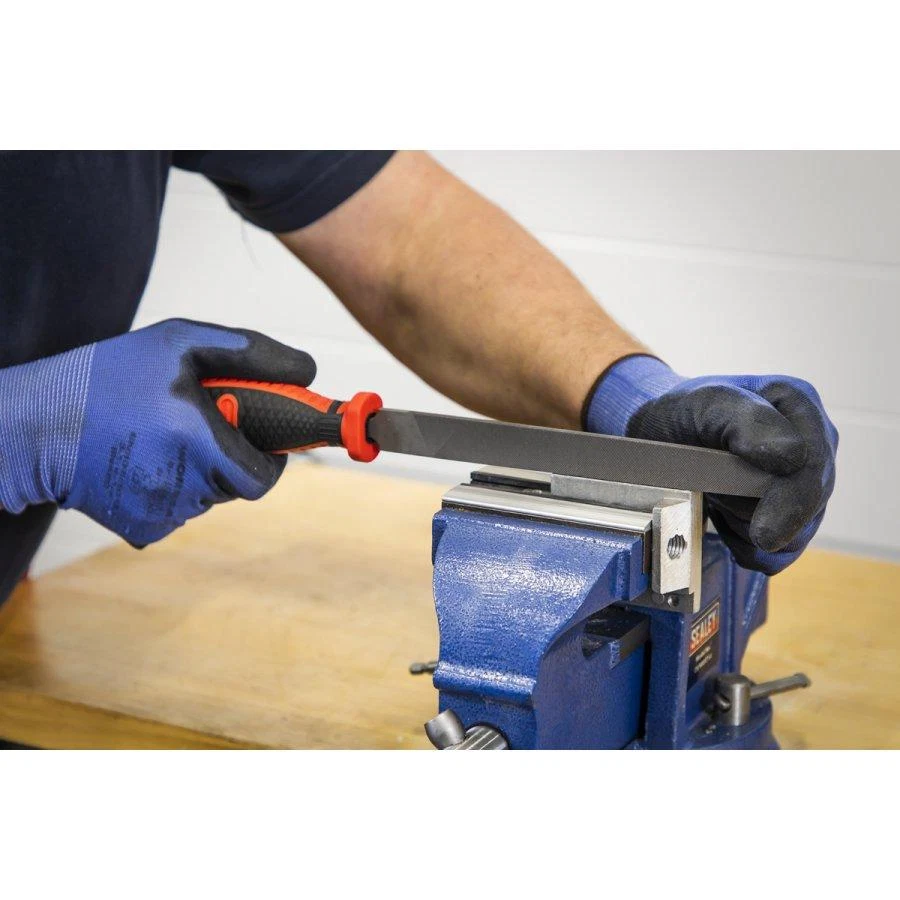 File
Used to remove small amounts of material and finish surfaces.
Safety Precautions When Using Cutting Tools
- Wear appropriate eye protection.
- Secure the workpiece.
- Use the correct tool for the material.
- Inspect the cutting tool before use.
- Keep hands away from cutting edges.
- Avoid excessive force.
- Remove chips and sharp waste safely.
- Store tools properly after use.
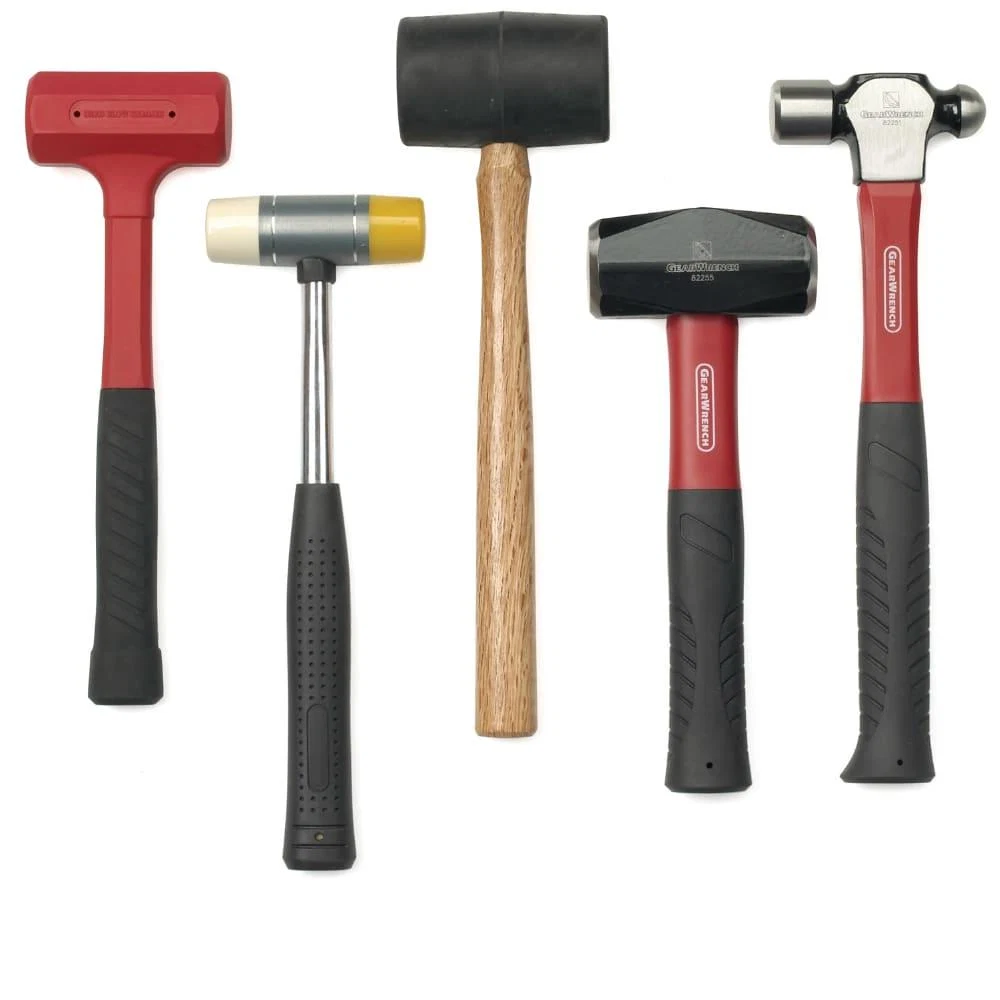
2.2.11 Striking Tools
Striking tools are used to apply an impact force to a workpiece or another tool.
Examples
- Ball-peen hammer.
- Soft-faced mallet.
- Rubber mallet.
- Dead-blow hammer.
 Functions
- Driving suitable fasteners.
- Shaping metal in authorised workshop tasks.
- Positioning components.
- Assisting with assembly.
- Performing controlled striking operations.
Precautions
- Use the correct hammer or mallet.
- Inspect the head and handle.
- Wear eye protection.
- Avoid striking hardened surfaces using unsuitable tools.
- Keep fingers away from impact points.
- Never use damaged striking tools.
2.2.12 Holding Tools
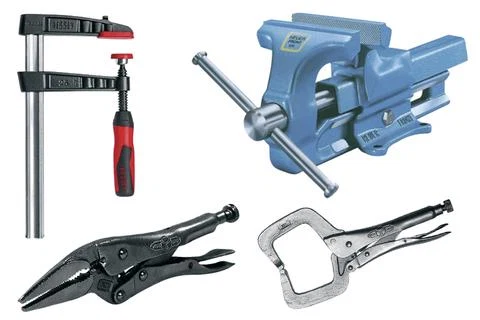
Holding tools are used to grip, support or secure materials during workshop operations.
Examples include:
1. Bench Vice: Holds workpieces during cutting, filing and other operations.
2. Pliers: Hold, grip, bend or manipulate suitable objects.
3. G-Clamp: Temporarily secures materials together or to a work surface.
4. Locking Pliers: Grip components using an adjustable locking mechanism.
5. Drill Vice: Secures suitable workpieces during drilling.
Importance of Holding Tools
- Keep workpieces stable.
- Improve accuracy.
- Reduce unexpected movement.
- Support safe cutting and drilling.
- Assist during assembly.
- Reduce the need to hold materials directly by hand.
2.2.13 General Workshop Safety Precautions
Tools and materials should only be used when the learner understands their intended use and the relevant safety requirements.
Before Using Tools
- Obtain permission and instructions.
- Inspect tools for damage.
- Select the correct tool.
- Wear appropriate PPE.
- Clear the working area.
- Secure the material.
- Check that electrical equipment is safe and suitable.
During Tool Use
- Maintain concentration.
- Use tools according to instructions.
- Keep hands away from moving parts.
- Do not distract others.
- Avoid excessive force.
- Maintain a stable working position.
- Report unusual noise or equipment behaviour.
- Stop work when an unsafe condition develops.
After Tool Use
- Switch off equipment safely.
- Disconnect or isolate equipment where required.
- Clean tools using approved methods.
- Check for damage.
- Return tools to designated storage.
- Dispose of waste safely.
- Clean the working area.
2.2.14 Care and Maintenance of Aircraft Tools
Tool maintenance refers to activities undertaken to keep tools in good working condition.
Proper maintenance extends tool life, improves performance and promotes workshop safety.
A. Cleaning
Tools should be cleaned after use to remove dirt, dust, grease, moisture and other contaminants.
Suitable cleaning materials should be used according to tool instructions.
B. Lubrication
Moving parts may require lubrication to reduce friction and wear.
Only suitable lubricants should be used.
C. Correct Storage
Tools should be stored in appropriate cabinets, racks or toolboxes.
Sharp tools should be protected against accidental contact.
D. Inspection
Regular inspection helps identify worn, damaged or defective tools.
Damaged tools should be removed from service until appropriately repaired or replaced.
E. Calibration
Some measuring tools require calibration to confirm that their measurements remain within acceptable limits.
Calibration should be undertaken using approved methods.
F. Protection Against Corrosion
Metal tools should be protected against moisture and other environmental conditions that may cause corrosion.
G. Correct Handling
Tools should be used only for their intended functions and within their operating limits.
2.2.15 Effects of Poor Tool Maintenance
- Inaccurate measurements.
- Poor-quality workmanship.
- Increased risk of injuries.
- Reduced tool life.
- Damage to materials.
- Increased repair and replacement costs.
- Delays in workshop operations.
- Reduced efficiency.
- Unexpected tool failure.
- Loss of reliability.
2.2.16 Practical Activity: Investigating Physical Properties of Materials
Objective: To compare the density and selected observable properties of common construction materials.
Materials
- Small samples of aluminium, steel, plastic and wood.
- Measuring balance.
- Ruler.
- Measuring cylinder where appropriate.
- Water.
- Recording sheet.
Procedure
- Identify each sample.
- Measure and record its mass.
- Measure its dimensions.
- Calculate the volume of samples with regular shapes.
- Calculate density using mass divided by volume.
- Observe surface appearance and other visible characteristics.
- Record the findings in a table.
- Compare the samples.
Results Table
|
Material |
Mass (g) |
Volume (cm³) |
Density (g/cm³) |
|---|---|---|---|
|
Aluminium sample |
To be measured |
To be measured |
To be calculated |
|
Steel sample |
To be measured |
To be measured |
To be calculated |
|
Plastic sample |
To be measured |
To be measured |
To be calculated |
|
Wood sample |
To be measured |
To be measured |
To be calculated |
Conclusion
Different materials have different densities and other physical characteristics. These differences influence their suitability for aircraft construction.
2.2.17 Practical Activity: Investigating Mechanical Properties
Objective: To compare the flexibility and deformation behaviour of sample materials.
Materials
- Thin strips of suitable plastic.
- Thin strips of soft metal.
- Rubber strips.
- Ruler.
- Small weights.
- Suitable clamps.
Procedure
- Observe the materials.
- Secure one end of each sample.
- Apply a small, controlled load to the free end.
- Observe the deformation.
- Remove the load.
- Check whether the material returns to its original position.
- Record the observations.
- Discuss the differences.
Safety: Use small loads under teacher supervision. Do not deliberately fracture samples or test unknown aircraft components.
Expected Observations
Some materials return to their original shape after loading, while others may retain permanent deformation if their elastic limit is exceeded.
2.2.18 Practical Activity: Tool Identification and Maintenance
Objective: To identify common workshop tools and demonstrate appropriate basic maintenance.
Materials
- Approved measuring tools.
- Marking tools.
- Cutting tools.
- Holding tools.
- Cleaning cloths.
- Suitable storage facilities.
Procedure
- Observe the tools provided.
- Identify each tool by name.
- Group the tools according to function.
- Explain the use of each tool.
- Inspect the tools for visible damage.
- Clean the tools using approved methods.
- Return them to their correct storage locations.
- Explain why tool care is important.
Revision Exercise 2.2
- Define aircraft construction materials.
- Differentiate between metallic and non-metallic materials.
- State five examples of metallic materials used in aviation.
- Explain six properties of aluminium alloys.
- Describe four uses of titanium alloys.
- State five uses of non-metallic materials in aircraft.
- Define a composite material.
- Distinguish between physical and mechanical properties.
- Explain the meaning of density.
- Calculate the density of a material with a mass of 810 g and volume of 300 cm³.
- Define strength, toughness and hardness.
- Differentiate between ductility and malleability.
- Explain why fatigue resistance is important in aviation.
- State ten factors considered when selecting aircraft materials.
- Differentiate between powered and non-powered tools.
- Identify five measuring tools and state their functions.
- Explain the functions of marking tools.
- Give four examples of cutting tools.
- State eight workshop safety precautions.
- Explain seven methods of caring for workshop tools.
- Describe an experiment for determining the density of a material.
- Explain the consequences of poor tool maintenance.