
Suggested duration: 12 lessons
3.1.1 Meaning of Nutrition in Animals
Nutrition is the process by which living organisms obtain and utilise nutrients necessary for energy production, growth, repair and maintenance.
Animals are heterotrophic organisms. They obtain organic nutrients by feeding on plants, other animals or organic materials.
Different animals have developed specialised feeding structures suited to their diets and feeding methods.
Importance of Nutrition
- Provides energy for movement and other life processes.
- Supplies materials for growth and development.
- Supports repair and replacement of worn-out tissues.
- Provides nutrients for reproduction.
- Supports the production of enzymes, hormones and other biological substances.
- Helps maintain normal body functions.
3.1.2 Feeding Modes in Animals
Animals exhibit different feeding modes depending on the type of food consumed and how it is obtained.
|
Feeding mode |
Description |
Examples |
|---|---|---|
|
Herbivory |
Feeding mainly on plant materials |
Cow, grasshopper |
|
Carnivory |
Feeding mainly on other animals |
Lion, eagle |
|
Omnivory |
Feeding on both plant and animal materials |
Human, crow |
|
Nectar feeding |
Obtaining nectar from flowers |
Butterfly, sunbird |
|
Blood feeding |
Obtaining blood from other animals |
Female mosquito, tsetse fly |
|
Filter feeding |
Removing suspended food particles from water |
Some whales, certain aquatic invertebrates |
The curriculum particularly emphasises how the mouthparts of insects and the beaks of birds are adapted to their feeding methods.
3.1.3 Mouthparts of Insects
Insects possess mouthparts modified for different feeding activities.
The basic insect mouthparts include the labrum, mandibles, maxillae, labium and hypopharynx, although these structures may be highly modified or reduced in different insect groups.
Main Types of Insect Mouthparts
- Biting and chewing.
- Piercing and sucking.
- Siphoning.
- Cutting or lacerating and sucking.
A. Biting and Chewing Mouthparts
These are found in insects such as grasshoppers, locusts and cockroaches.
They are adapted for biting, cutting, crushing and chewing solid food.
Main Parts
- Labrum: Forms the upper lip and helps hold food.
- Mandibles: Strong jaws used to bite and crush food.
- Maxillae: Help manipulate food and may bear sensory palps.
- Labium: Forms the lower lip and helps retain food.
- Hypopharynx: A tongue-like structure associated with manipulation of food and saliva.
Adaptations
- Strong, hardened mandibles cut and crush food.
- Movable maxillae help position food.
- Palps assist in sensing and handling food.
- The mouthparts can process relatively solid food before swallowing.
Example: A grasshopper uses its mandibles to bite and chew leaves.
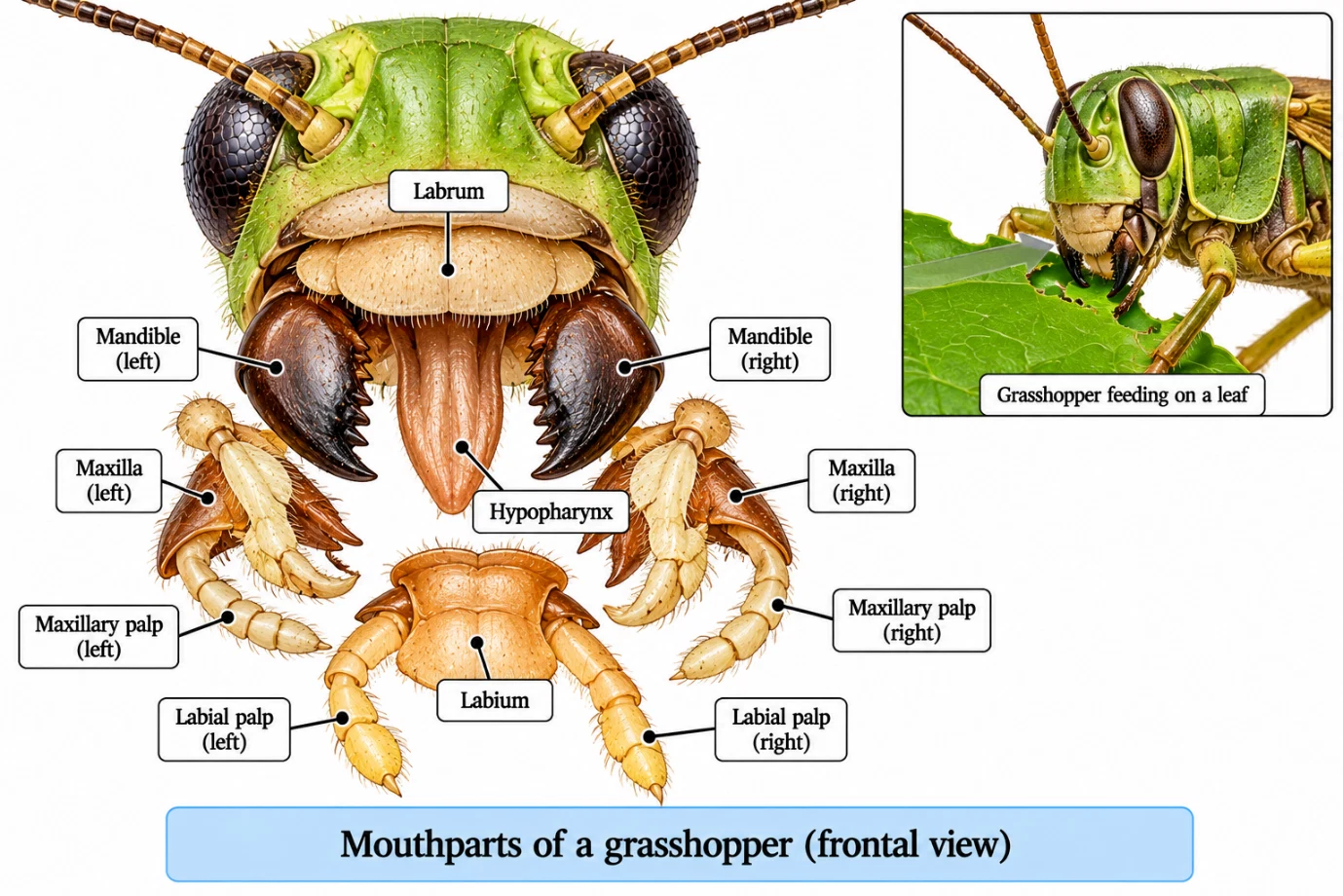
Figure 27: Biting and chewing mouthparts of a grasshopper.
B. Piercing and Sucking Mouthparts
These are found in mosquitoes and several other blood-feeding or plant-feeding insects.
They are adapted to penetrate tissues and withdraw fluids.
Adaptations of a Female Mosquito
- Elongated piercing structures penetrate the host's skin.
- A food canal allows blood to be drawn into the insect.
- A salivary canal delivers saliva during feeding.
- The labium acts as a protective sheath and bends away as the piercing structures enter the skin.
- Sensory structures help the mosquito locate a suitable feeding site.
Female mosquitoes of many species require blood meals for egg development. Male mosquitoes generally feed on nectar and other plant sugars.
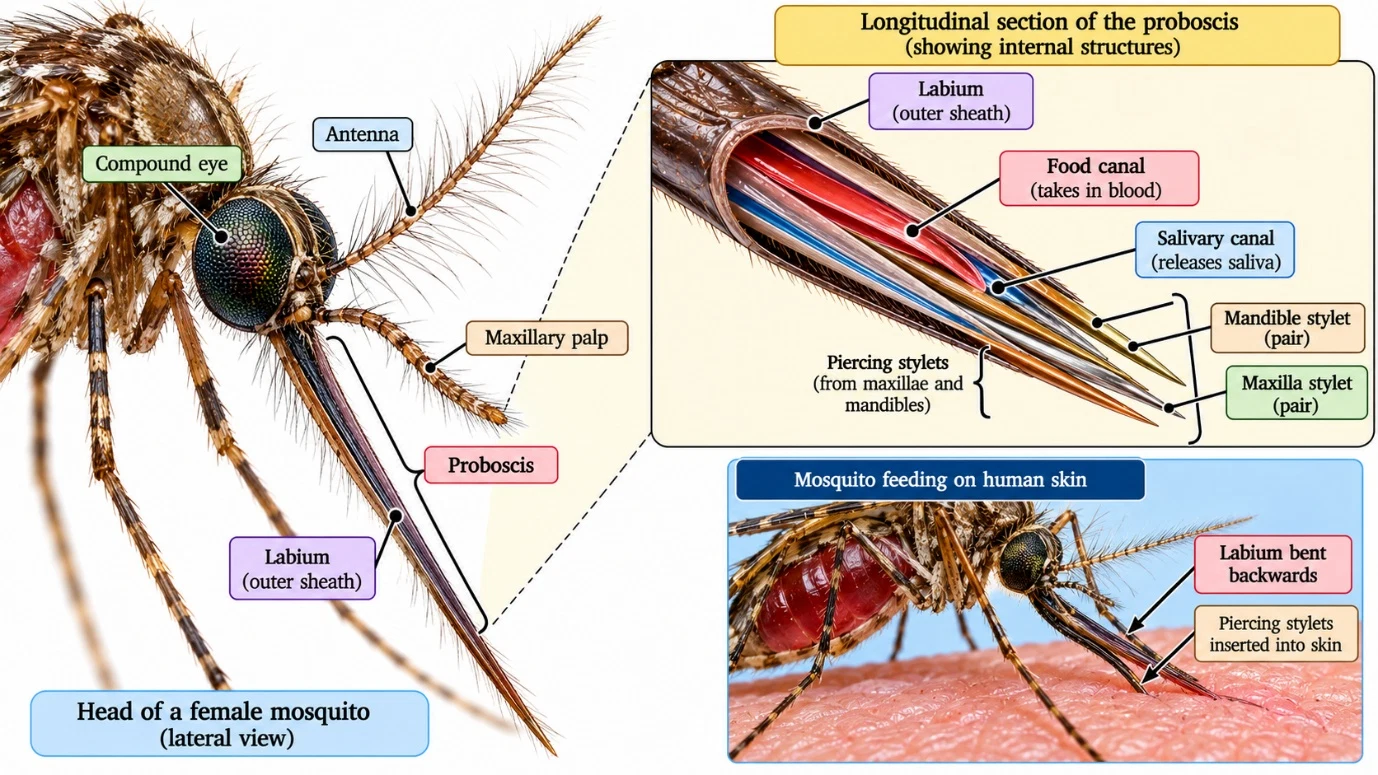
Figure 28: Adaptations of mosquito mouthparts for piercing and sucking.
C. Siphoning Mouthparts
These are common in adult butterflies and moths.
The mouthparts are adapted for taking up liquid food, particularly nectar.
Adaptations
- A long, tubular proboscis reaches nectar in flowers.
- The proboscis is formed mainly from modified maxillary structures.
- It can coil when not in use.
- The food canal allows liquid food to be drawn towards the mouth.
- Sensory structures assist in locating food.
Example: A butterfly uncoils its proboscis to feed on nectar from a flower.
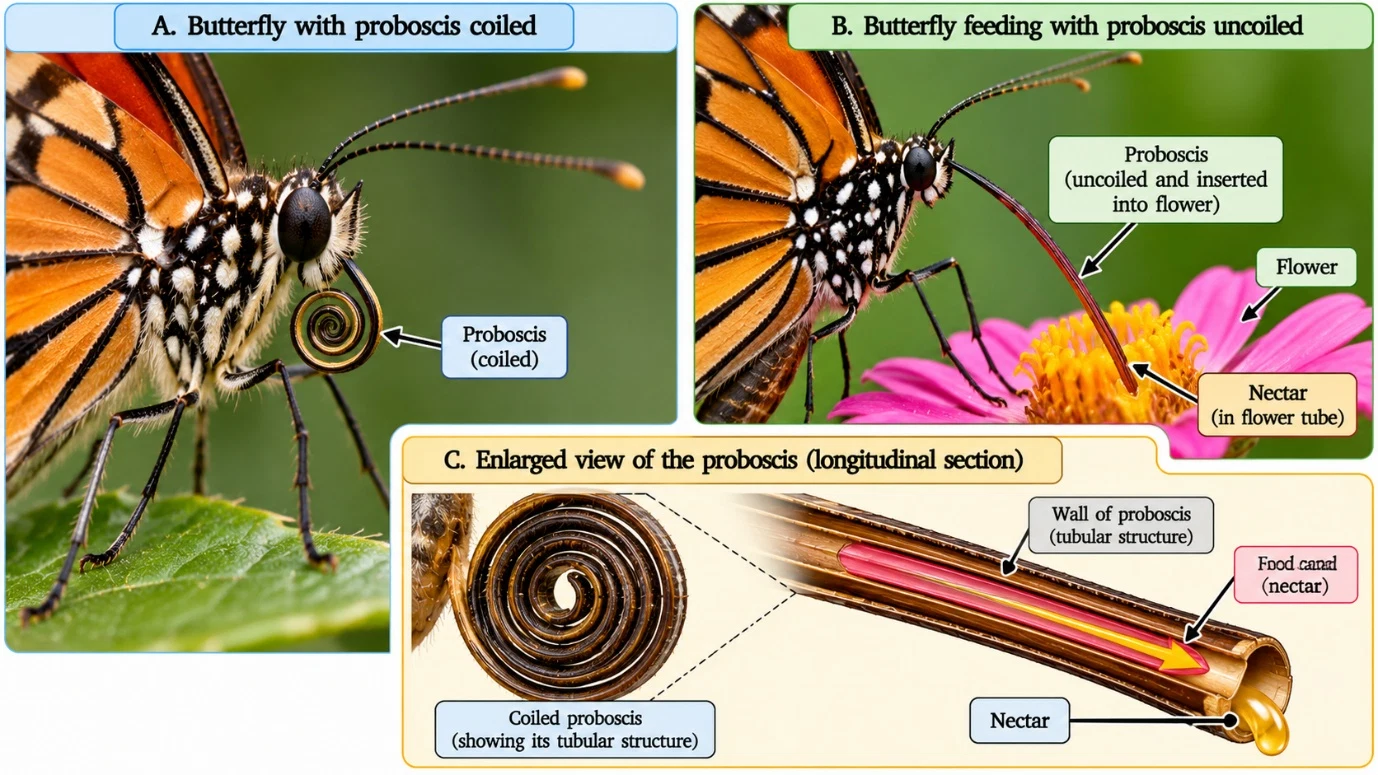
Figure 29: Siphoning mouthparts of a butterfly.
D. Cutting and Sucking Mouthparts
Certain blood-feeding flies have mouthparts adapted to cut or lacerate skin and take up blood.
The tsetse fly has a specialised piercing and sucking proboscis that penetrates skin and withdraws blood. It is sometimes grouped with cutting or blood-feeding mouthpart types in school-level classifications.
Adaptations
- A strong, pointed proboscis penetrates the host's skin.
- Specialised structures help obtain blood.
- A food canal transports blood into the digestive system.
- Saliva helps facilitate blood feeding.
Example: Tsetse flies feed on vertebrate blood and may transmit African trypanosomiasis.
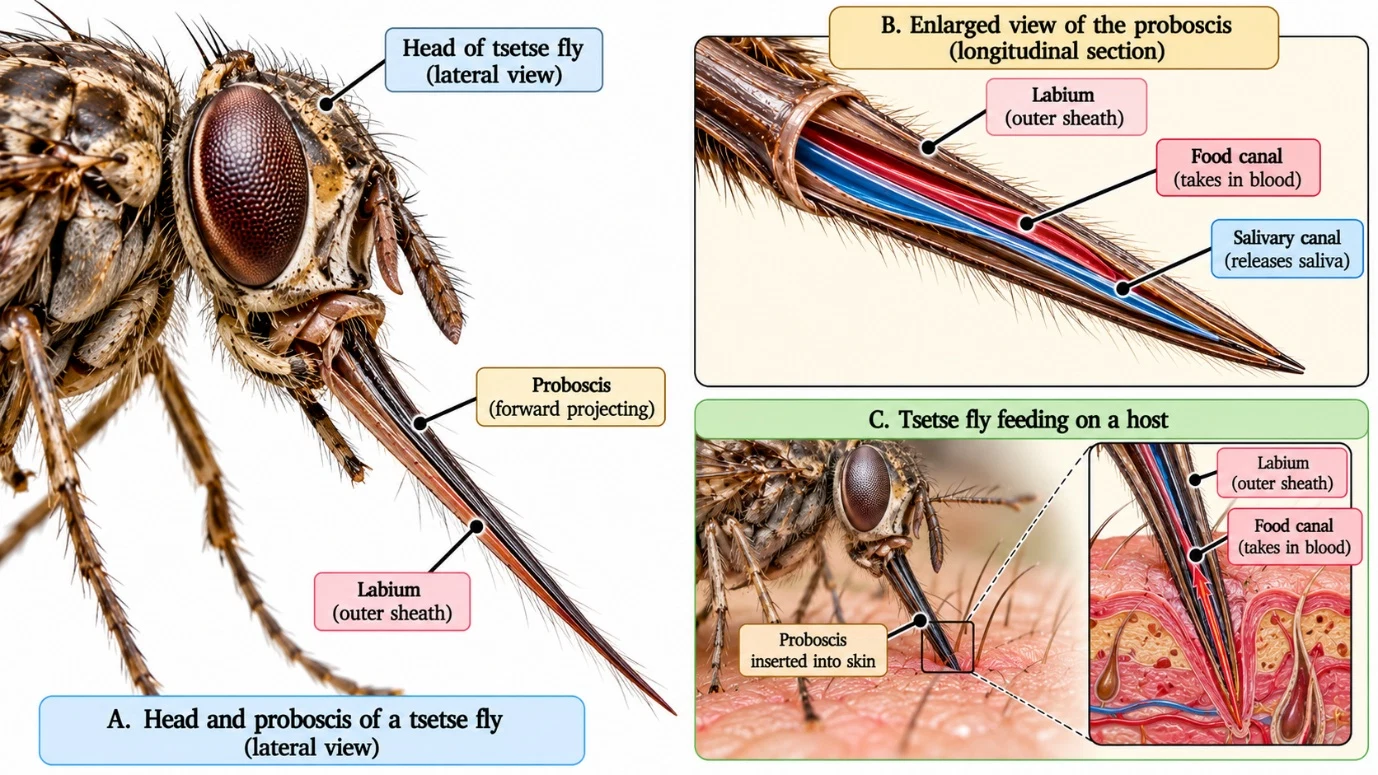
Figure 30: Blood-feeding adaptations of the tsetse fly.
Comparison of Insect Mouthparts
|
Insect |
Mouthpart type |
Main adaptation |
Food |
|---|---|---|---|
|
Grasshopper |
Biting and chewing |
Strong mandibles |
Leaves |
|
Cockroach |
Biting and chewing |
Well-developed jaws |
Various solid foods |
|
Female mosquito |
Piercing and sucking |
Piercing stylets and food canal |
Blood; also plant sugars |
|
Butterfly |
Siphoning |
Long coiled proboscis |
Nectar |
|
Tsetse fly |
Piercing and sucking |
Strong blood-feeding proboscis |
Blood |
3.1.4 Beaks of Birds
A bird's beak is a specialised feeding structure made of jaws covered by a keratinised sheath.
Bird beaks differ in shape, length, strength and curvature depending on the bird's diet and feeding behaviour.
A. Seed-Eating Birds
Examples include finches, sparrows and some weaverbirds.
Adaptations:
- Short, strong beaks.
- Conical shape.
- Powerful biting action.
- Ability to crack seeds and grains.
B. Flesh-Eating Birds
Examples include eagles, hawks and vultures.
Adaptations:
- Strong, hooked upper beak.
- Sharp tip for tearing flesh.
- Robust structure suited to handling animal tissue.
C. Insect-Eating Birds
Examples include swallows and some warblers.
Adaptations:
- Narrow or pointed beaks for picking insects.
- In aerial insect feeders, a wide gape may help capture flying insects.
D. Fruit-Eating Birds
Examples include hornbills and some parrots.
Adaptations:
- Beaks suited to picking, manipulating or breaking fruits.
- Some species have strong curved beaks for opening tough fruits.
E. Wood-Chipping Birds
Example: Woodpecker.
Adaptations:
- Strong, chisel-like beak.
- Ability to peck wood.
- Specialised head and neck structures associated with repeated pecking.
F. Multipurpose Beaks
Example: Crow.
Adaptations:
- Relatively strong, versatile beak.
- Can handle a variety of foods.
- Suitable for an omnivorous feeding habit.
Comparison of Bird Beaks
|
Bird |
Beak characteristics |
Main feeding function |
|---|---|---|
|
Finch |
Short, conical and strong |
Cracking seeds |
|
Eagle |
Strong and hooked |
Tearing flesh |
|
Swallow |
Small beak with wide gape |
Catching insects |
|
Hornbill |
Large, elongated beak |
Handling fruits and other foods |
|
Woodpecker |
Strong and chisel-like |
Pecking wood to access food |
|
Crow |
Strong and versatile |
Feeding on varied materials |
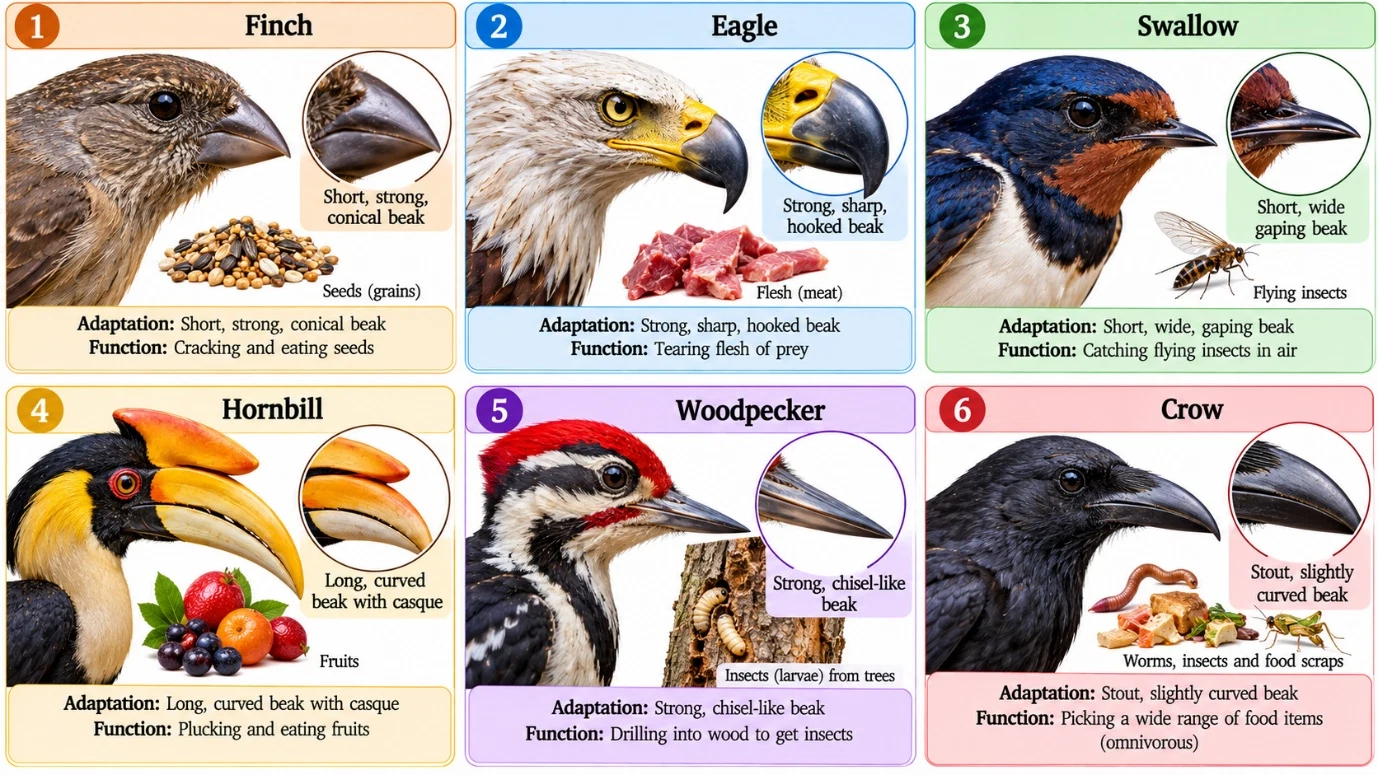
Figure 31: Different bird beaks and their adaptations to feeding.
3.1.5 Relationship Between Feeding Structures and Habitats
The feeding structures of animals are closely related to the food resources available in their habitats.
For example, birds that feed on seeds often possess strong beaks, while birds that catch flying insects may have wide gapes.
These adaptations contribute to how species obtain resources and occupy different ecological niches.
However, beak shape alone does not always determine diet. Many birds feed on several types of food.
Practical Activity: Observing Bird Feeding Habits
Aim: To relate the shape of bird beaks to feeding habits.
Materials: Notebook, binoculars where available, camera or illustrations, and a bird identification guide.
Procedure:
- Visit a safe area within the school compound.
- Observe birds without disturbing them.
- Record the birds' beak shapes.
- Identify the food being eaten where possible.
- Compare the feeding behaviour with the beak structure.
- Prepare a short illustrated report.
Sample Observation Table
|
Bird observed |
Beak description |
Feeding behaviour |
Possible adaptation |
|---|---|---|---|
|
Weaverbird |
Short and conical |
Picks and cracks seeds |
Strong seed handling |
|
Crow |
Strong and fairly straight |
Feeds on varied materials |
Multipurpose feeding |
|
Sunbird |
Long and slender |
Feeds at flowers |
Accessing nectar |
Practical Activity: Observing Insect Mouthparts
Using preserved specimens, photographs or prepared slides, observe the mouthparts of a grasshopper, cockroach, butterfly and mosquito.
Draw the mouthparts and explain how each structure relates to the insect's feeding method.
Avoid collecting or handling potentially disease-carrying insects such as mosquitoes and tsetse flies.
3.1.6 Competencies, Values and Contemporary Issues
Communication and Collaboration: Developed through group observation and discussion of insect and bird feeding structures.
Digital Literacy: Developed by studying photographs, animations and videos of animal feeding mechanisms.
Environmental Conservation: Learners protect biodiversity by avoiding unnecessary collection or destruction of organisms.
Responsibility: Learners handle specimens carefully and observe safety precautions.
Social Justice: Learners ensure equitable participation and sharing of materials during group activities.
3.1.7 Revision Questions
- Define nutrition.
- Explain why animals are described as heterotrophic organisms.
- Name four types of insect mouthparts.
- Describe the biting and chewing mouthparts of a grasshopper.
- Explain four adaptations of mosquito mouthparts.
- Describe how a butterfly obtains nectar.
- Explain how tsetse fly mouthparts are adapted to blood feeding.
- Compare biting and chewing mouthparts with siphoning mouthparts.
- Explain the relationship between beak structure and feeding habits.
- Describe three adaptations of an eagle's beak.
- Explain how a woodpecker's beak is adapted to feeding.
- Describe a practical investigation of bird feeding habits.