
1. Introduction to soil pollution
Soil is one of the most important natural resources in agriculture. It provides support, water and nutrients required for plant growth.
However, human activities can introduce harmful substances into the soil. These substances reduce soil quality and interfere with agricultural production.
Soil pollution is the contamination of soil by harmful substances that negatively affect its natural condition, fertility and ability to support living organisms.
The harmful substances that contaminate soil are called soil pollutants.
Examples include:
- Plastic materials.
- Excess artificial fertilizers.
- Agricultural chemicals.
- Contaminated household wastewater.
- Used chemical containers.
- Industrial waste.
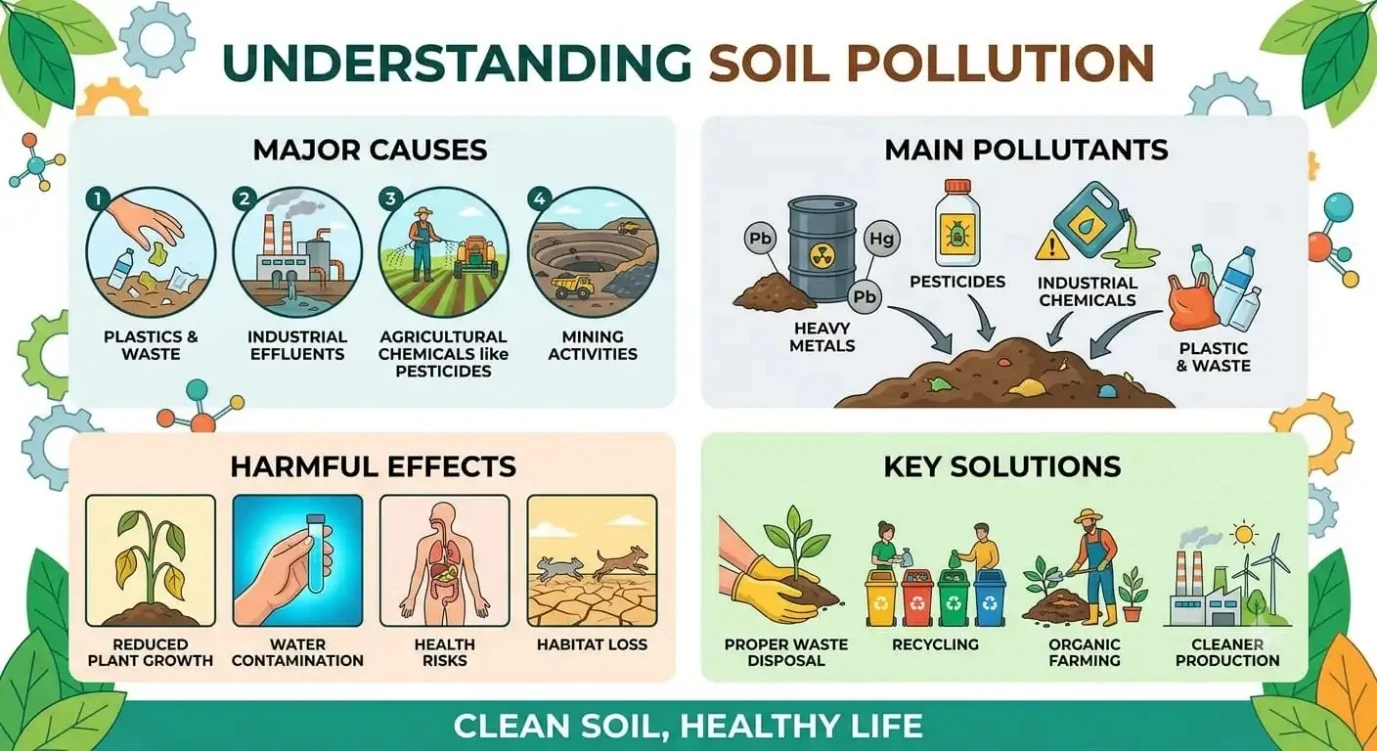
Examples of activities and materials that cause soil pollution.
2. Causes of soil pollution in gardening
The KICD curriculum identifies four important causes of soil pollution in gardening: wastewater, excessive use of artificial fertilizers, agricultural chemicals and plastic waste.
A. Improper disposal of household wastewater
Wastewater is water that has already been used for domestic activities.
Examples include:
- Water used for washing clothes.
- Water used for cleaning utensils.
- Water from bathing and showering.
- Water from cleaning household floors.
- Water containing detergents and cleaning chemicals.
How wastewater causes soil pollution
- Detergents may introduce harmful chemicals into the soil.
- Some cleaning products interfere with the natural organisms found in soil.
- Contaminated water may carry harmful substances into nearby gardens.
- Excess wastewater may cause waterlogging, reducing air available to plant roots.
- Polluted wastewater may introduce disease-causing organisms into the environment.
Example:
A household that regularly pours detergent-containing wastewater into a vegetable garden may gradually affect the soil and the health of the plants.
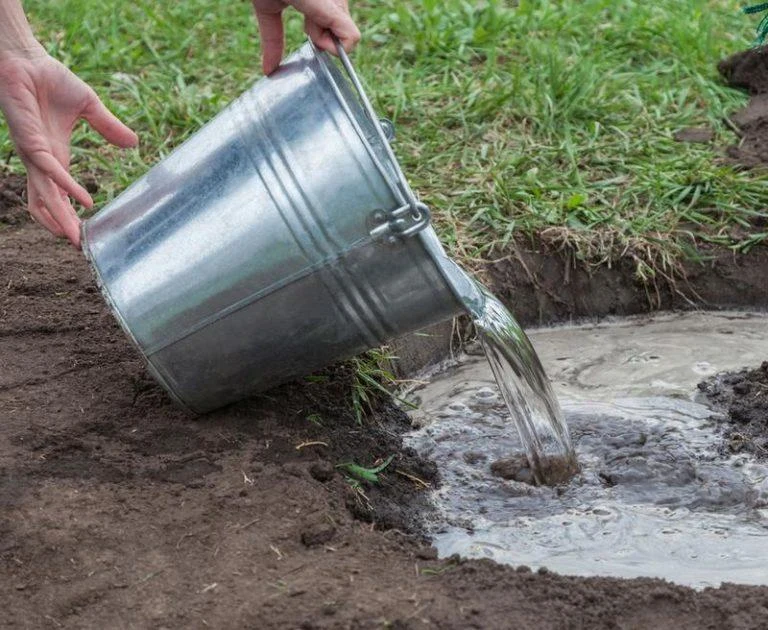
Improper disposal of household wastewater can contaminate garden soil.
Ways of controlling wastewater pollution
- Dispose of wastewater through appropriate drainage systems.
- Avoid pouring detergents and harmful chemicals directly into gardens.
- Maintain proper drainage around the home.
- Do not allow contaminated water to flow into farms or water sources.
- Reuse household water only where it is safe and permitted.
B. Excessive use of artificial fertilizers
Artificial fertilizers are manufactured substances added to soil to provide nutrients needed by growing crops.
Examples include:
- DAP fertilizer.
- CAN fertilizer.
- NPK fertilizer.
- Urea fertilizer.
Fertilizers supply nutrients such as nitrogen, phosphorus and potassium.
However, applying more fertilizer than crops require can damage the soil.
How excessive fertilizer use causes soil pollution
- Excess nutrients may accumulate in the soil.
- Some fertilizers increase soil acidity when repeatedly applied.
- Rainwater can carry excess nutrients into rivers and other water sources.
- Excess fertilizer may interfere with the natural balance of soil organisms.
- Some contaminated or poorly manufactured fertilizers may introduce harmful substances.
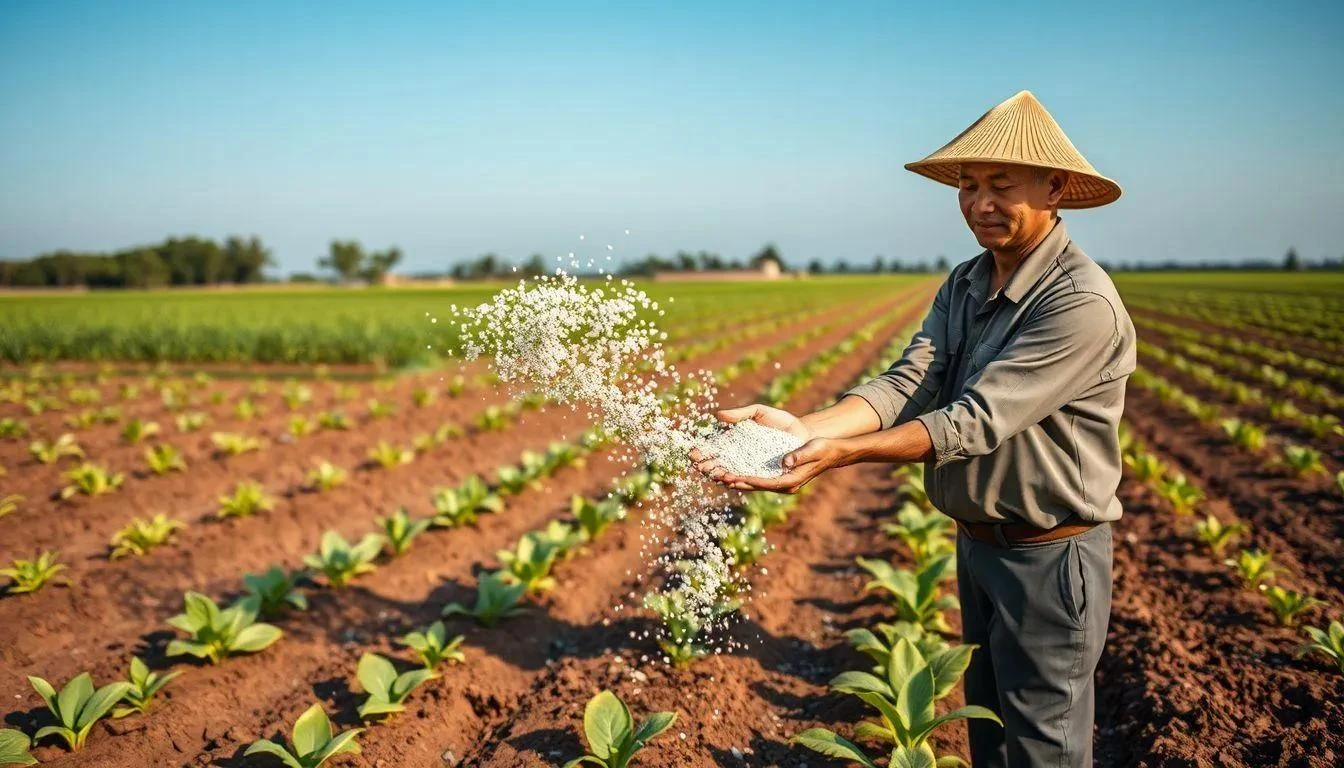
Artificial fertilizers should be applied in the correct amounts.
Ways of controlling fertilizer pollution
- Apply fertilizers according to recommended rates.
- Follow instructions provided by agricultural experts.
- Avoid applying fertilizers immediately before heavy rainfall.
- Store fertilizers in dry and secure places.
- Avoid spilling fertilizers around the farm.
- Use well-prepared compost and suitable organic manure where appropriate.
- Avoid mixing different fertilizers without proper guidance.
C. Improper use of agricultural chemicals
Agricultural chemicals are substances used to control pests, diseases and weeds affecting crops.
Examples include:
|
Type of chemical |
Main function |
|---|---|
|
Insecticides |
Control harmful insects |
|
Herbicides |
Control unwanted weeds |
|
Fungicides |
Control fungal diseases |
|
Nematicides |
Control harmful nematodes |
Agricultural chemicals are useful when correctly selected and applied. However, improper handling can contaminate soil and water.
How agricultural chemicals cause soil pollution
- Applying excessive chemicals leaves harmful residues in the soil.
- Spraying chemicals carelessly may contaminate nearby land.
- Spilling chemicals during mixing introduces pollutants into the soil.
- Throwing used chemical containers into gardens can release harmful residues.
- Washing chemical equipment directly on the ground can contaminate the surrounding soil.
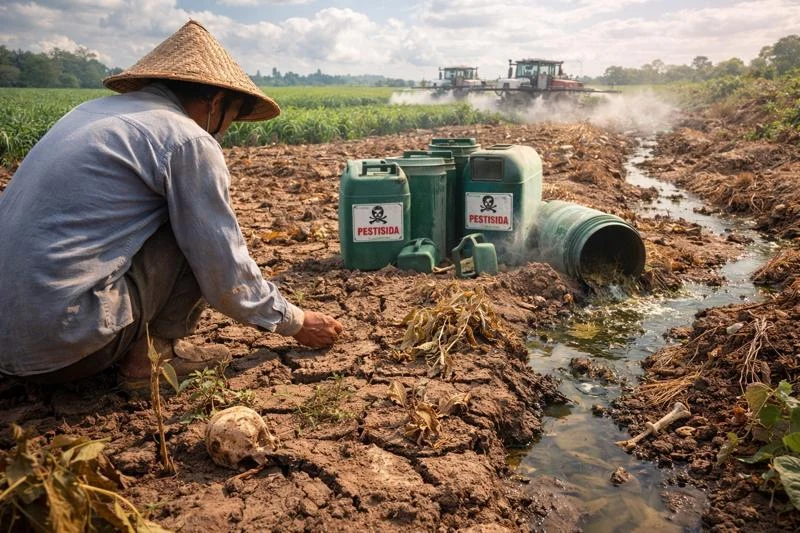
Agricultural chemicals must be handled carefully to prevent soil contamination.
Ways of controlling pollution from agricultural chemicals
- Use only approved agricultural chemicals.
- Read and follow instructions on chemical labels.
- Apply the correct type and recommended amount.
- Wear appropriate protective clothing when handling chemicals.
- Store chemicals away from food, children and animals.
- Never reuse empty pesticide containers for household purposes.
- Never burn or bury used chemical containers.
- Follow the recommended collection and disposal procedures for chemical containers.
- Clean spraying equipment in an approved place, away from water sources.
D. Improper disposal of plastic waste
Plastic waste refers to discarded plastic materials that are no longer being used.
Examples include:
- Plastic bottles.
- Plastic bags.
- Plastic containers.
- Packaging materials.
- Broken plastic pipes.
- Plastic wrappers.
Most plastics do not decompose easily. They can remain in the environment for many years.
How plastic waste causes soil pollution
- Plastic materials cover the soil surface and interfere with normal soil activities.
- Plastic pieces may prevent water from reaching some parts of the soil.
- Plastics may interfere with the movement of air and water in the soil.
- Some plastics break into tiny pieces called microplastics.
- Animals may swallow plastic materials and become injured.
- Burning plastics releases harmful substances into the environment.
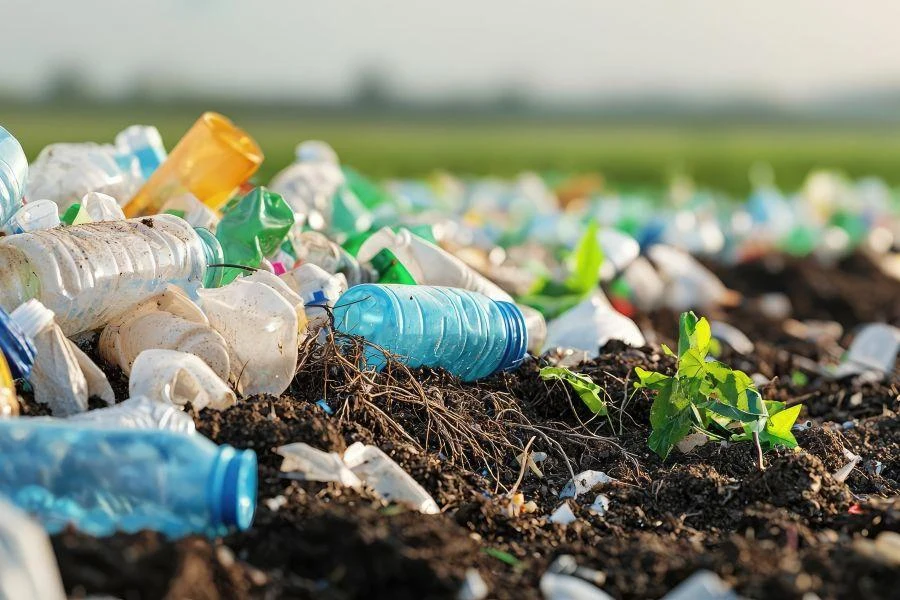
Plastic waste dumped on agricultural land.
Ways of controlling plastic pollution
- Collect plastic waste and place it in appropriate waste bins.
- Separate plastic materials from biodegradable waste.
- Reuse suitable plastic materials safely.
- Take recyclable plastics to appropriate recycling centres.
- Avoid careless dumping of plastics.
- Create awareness about proper waste disposal.
- Participate in community clean-up activities.
3. Effects of soil pollution
Soil pollution affects agricultural production and the environment in several ways.
1. Reduced soil fertility
Some pollutants interfere with soil organisms and natural nutrient processes. This reduces the soil's ability to support healthy crops.
2. Poor crop growth
Polluted soil may contain substances that damage plant roots and interfere with nutrient absorption.
3. Reduced agricultural production
Crops growing in contaminated soil may produce poor yields.
4. Contamination of water sources
Pollutants may be carried by rainwater into rivers, streams and underground water.
5. Harm to soil organisms
Earthworms and beneficial microorganisms may be affected by harmful chemicals.
6. Health problems
People and animals may be exposed to harmful substances through contaminated food, water or direct contact.
7. Environmental degradation
Improper waste disposal makes the environment unattractive and unsafe.
Soil contaminants can enter plants and move through the food chain, affecting animals and people.
4. Methods of controlling soil pollution in the home environment
Soil pollution can be prevented through responsible household and farming practices.
|
Method |
Explanation |
|---|---|
|
Proper waste disposal |
Dispose of household waste in designated places. |
|
Waste separation |
Separate biodegradable waste from plastics and other materials. |
|
Composting |
Convert suitable organic waste into compost manure. |
|
Correct fertilizer application |
Use recommended quantities of fertilizers. |
|
Safe chemical handling |
Store, apply and dispose of farm chemicals correctly. |
|
Proper wastewater disposal |
Use appropriate drainage and wastewater management systems. |
|
Recycling |
Send suitable waste materials for recycling. |
|
Environmental education |
Teach community members about soil pollution prevention. |
5. Safe disposal of household waste
Household waste should be separated according to its nature.
The main categories include:
A. Biodegradable waste
This is waste that can decompose naturally through the action of microorganisms.
Examples:
- Vegetable peels.
- Fruit remains.
- Dry leaves.
- Grass clippings.
- Food remains suitable for composting.
Some biodegradable materials can be used to prepare compost manure.
B. Non-biodegradable waste
This is waste that does not decompose easily through natural processes.
Examples:
- Plastic bottles.
- Glass.
- Metal cans.
- Some synthetic packaging materials.
Suitable materials should be reused or recycled where possible.
C. Hazardous waste
This is waste that may harm people, animals or the environment.
Examples:
- Used pesticide containers.
- Batteries.
- Certain chemical residues.
- Some cleaning chemicals.
Hazardous waste should be handled and disposed of through appropriate procedures.
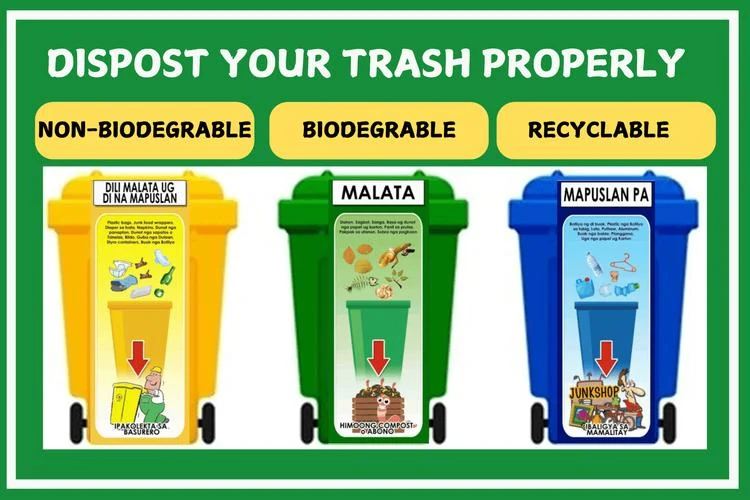
Separating household waste helps prevent environmental pollution.
6. Importance of controlling soil pollution
- It maintains soil fertility.
- It promotes healthy crop growth.
- It protects human and animal health.
- It conserves beneficial soil organisms.
- It protects rivers and other water sources.
- It promotes safe food production.
- It creates a clean and attractive home environment.
- It supports sustainable agriculture.
7. Practical activity: Controlling soil pollution
Activity: Identifying and controlling soil pollutants
Materials:
- A notebook.
- Pen.
- Gloves.
- Waste collection containers.
- Samples or pictures of common waste materials.
Procedure:
- Visit the school garden or home compound with your teacher's permission.
- Observe materials that may cause soil pollution.
- Identify any plastic waste, chemical containers or improperly disposed wastewater.
- Record the pollutants observed.
- Discuss how each pollutant can be controlled.
- Collect safe litter using gloves and suitable tools.
- Dispose of the collected waste appropriately.
- Prepare an awareness message about soil pollution prevention.
Important safety precaution: Learners should never touch unknown chemicals, pesticide containers, broken glass or hazardous waste.
8. Key inquiry question
How can household practices cause soil pollution?
Household practices cause soil pollution through careless disposal of wastewater, plastics, chemical containers and other harmful substances. Excessive use of fertilizers and agricultural chemicals also contributes to soil pollution.
9. Revision questions and answers
Q1. What is soil pollution?
Soil pollution is the contamination of soil by harmful substances that affect its natural condition and fertility.
Q2. Identify four causes of soil pollution in gardening.
- Improper disposal of wastewater.
- Excessive use of artificial fertilizers.
- Improper use of agricultural chemicals.
- Plastic waste.
Q3. State four ways of controlling soil pollution.
- Proper waste disposal.
- Correct application of fertilizers.
- Safe handling of agricultural chemicals.
- Recycling plastic materials.
Q4. Why should farmers avoid excessive application of fertilizers?
It may cause nutrient accumulation, soil acidity and contamination of nearby water sources.
Q5. Explain two ways plastic waste affects agricultural land.
It interferes with the movement of water and air in the soil. It may also break into small plastic particles that remain in the environment.
Q6. Give three examples of agricultural chemicals.
Insecticides, herbicides and fungicides.
Q7. Why should used pesticide containers not be reused?
They may contain harmful chemical residues that can contaminate food, water and other materials.