
1. Introduction
Food provides nutrients needed for growth, energy and good health.
Vegetables are important foods because they supply vitamins and minerals required by the body.
However, some nutrients can be lost during food handling, preparation, cooking and storage.
Food nutrient conservation refers to the methods used to prevent unnecessary loss of nutrients during food handling, preparation, cooking and storage.
The KICD curriculum emphasizes conserving vitamins and minerals in vegetables through appropriate washing, peeling, cutting, cooking time and covering.
2. Important nutrients found in vegetables
A. Vitamins
Vitamins are nutrients needed in small amounts to maintain good health and support normal body functions.
Examples include:
Vitamin A
- Supports good eyesight.
- Helps maintain healthy skin.
- Supports the immune system.
Sources include carrots, pumpkin and dark green leafy vegetables.
Vitamin C
- Helps the body repair tissues.
- Supports wound healing.
- Helps the body absorb iron from plant foods.
- Supports the immune system.
Sources include tomatoes, cabbage, green peppers and leafy vegetables.
Folate (Vitamin B9)
- Supports the formation of healthy blood cells.
- Supports normal growth and development.
Sources include spinach, sukuma wiki and other green leafy vegetables.
B. Minerals
Minerals are natural nutrients needed for proper body functioning.
Examples include:
|
Mineral |
Importance |
Food sources |
|---|---|---|
|
Iron |
Helps in the formation of haemoglobin |
Spinach and other leafy vegetables |
|
Calcium |
Supports strong bones and teeth |
Kale and other green vegetables |
|
Potassium |
Supports normal muscle and nerve function |
Potatoes and leafy vegetables |
|
Magnesium |
Supports muscle and nerve function |
Green leafy vegetables |
3. How nutrients are lost during food preparation
Nutrients may be lost through several activities.
A. Excessive washing
Washing vegetables for too long or soaking cut vegetables may cause some water-soluble vitamins and minerals to dissolve into the water.
B. Excessive peeling
Some vegetables have valuable nutrients close to or within their outer layers.
Removing thick layers during peeling may lead to nutrient loss.
C. Cutting vegetables into very small pieces
Small pieces expose a larger surface area to air and water. This can increase the loss of some nutrients.
D. Excessive cooking
Cooking vegetables for too long may destroy heat-sensitive vitamins such as vitamin C.
E. Pouring away cooking water
Some vitamins and minerals dissolve into cooking water. Throwing this water away may result in nutrient loss.
F. Leaving prepared vegetables exposed
Leaving cut vegetables exposed to air, heat and light for long periods may reduce the amount of some vitamins.
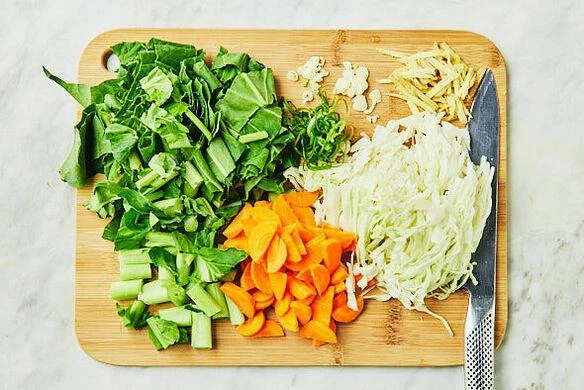
Fresh vegetables provide important vitamins and minerals.
4. Ways of conserving vitamins and minerals in vegetables
A. Washing vegetables correctly
Vegetables should be washed before cutting or peeling them.
Correct procedure
- Select fresh vegetables.
- Remove damaged or rotten parts.
- Wash the vegetables using clean running water.
- Remove visible soil and dirt.
- Drain excess water.
- Prepare the vegetables for cooking.
Why wash vegetables before cutting?
- It removes soil and dirt.
- It reduces the amount of nutrients lost through water.
- It promotes food hygiene.
- It reduces contamination during preparation.
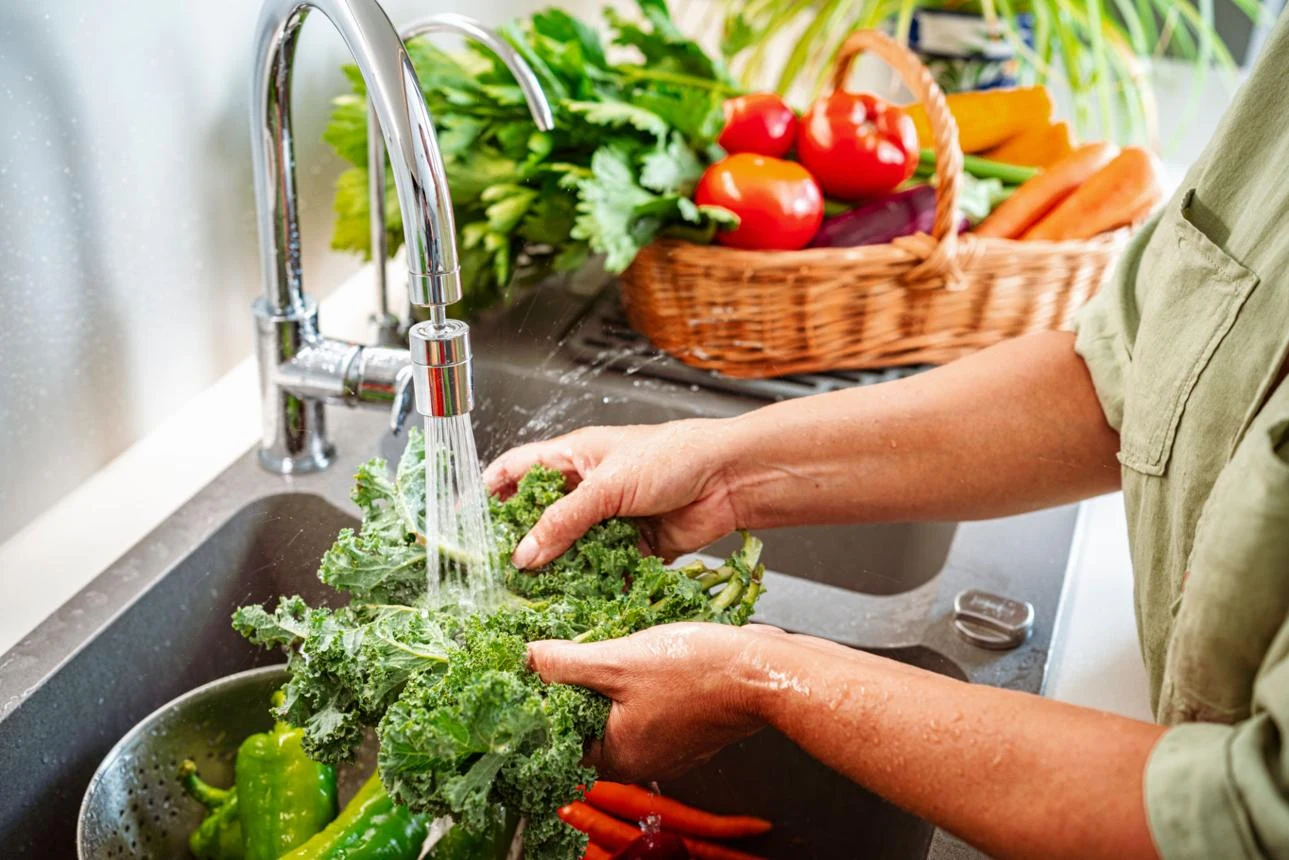
Washing vegetables before cutting helps conserve nutrients.
B. Peeling vegetables carefully
Peeling is the removal of the outer skin of vegetables.
Some vegetables have edible skins that contain fibre and nutrients.
Examples include:
- Carrots.
- Potatoes.
- Pumpkins.
- Sweet potatoes.
Methods of conserving nutrients during peeling
- Wash vegetables before peeling.
- Peel only when necessary.
- Use a suitable vegetable peeler.
- Remove only a thin layer of skin.
- Avoid peeling vegetables too early before cooking.
Where the skin is suitable for eating, vegetables can be scrubbed clean instead of peeled.
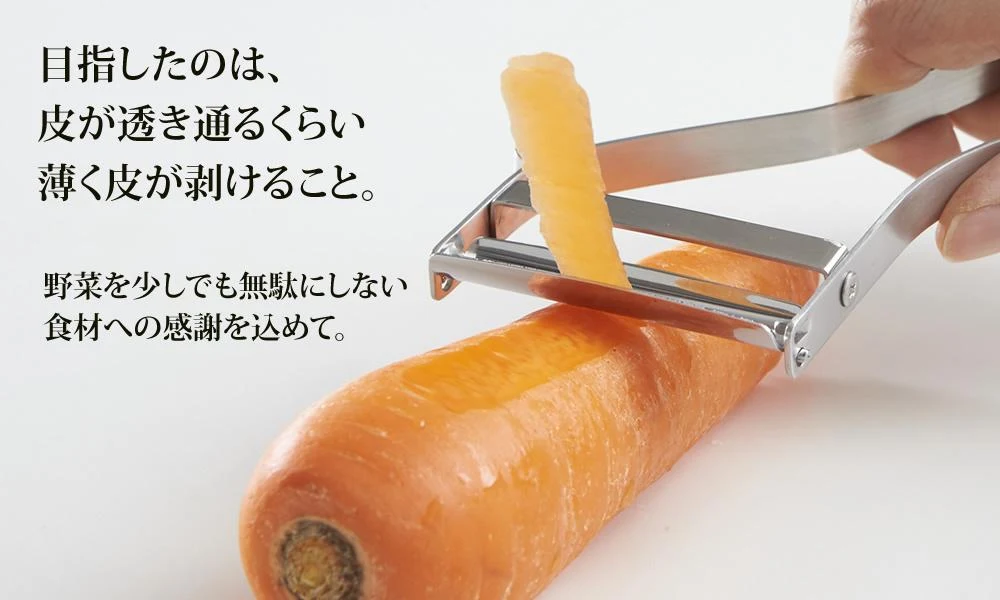
Thin peeling helps reduce the loss of nutrients.
C. Cutting vegetables into suitable sizes
Cutting is the process of dividing vegetables into smaller pieces using a knife or other suitable tool.
Vegetables should be cut into reasonably large pieces where appropriate.
Ways of conserving nutrients during cutting
- Wash vegetables before cutting.
- Use a clean and sharp knife.
- Cut vegetables into reasonably large pieces.
- Avoid cutting vegetables too early.
- Cook vegetables soon after cutting.
- Avoid exposing cut vegetables to air for long periods.
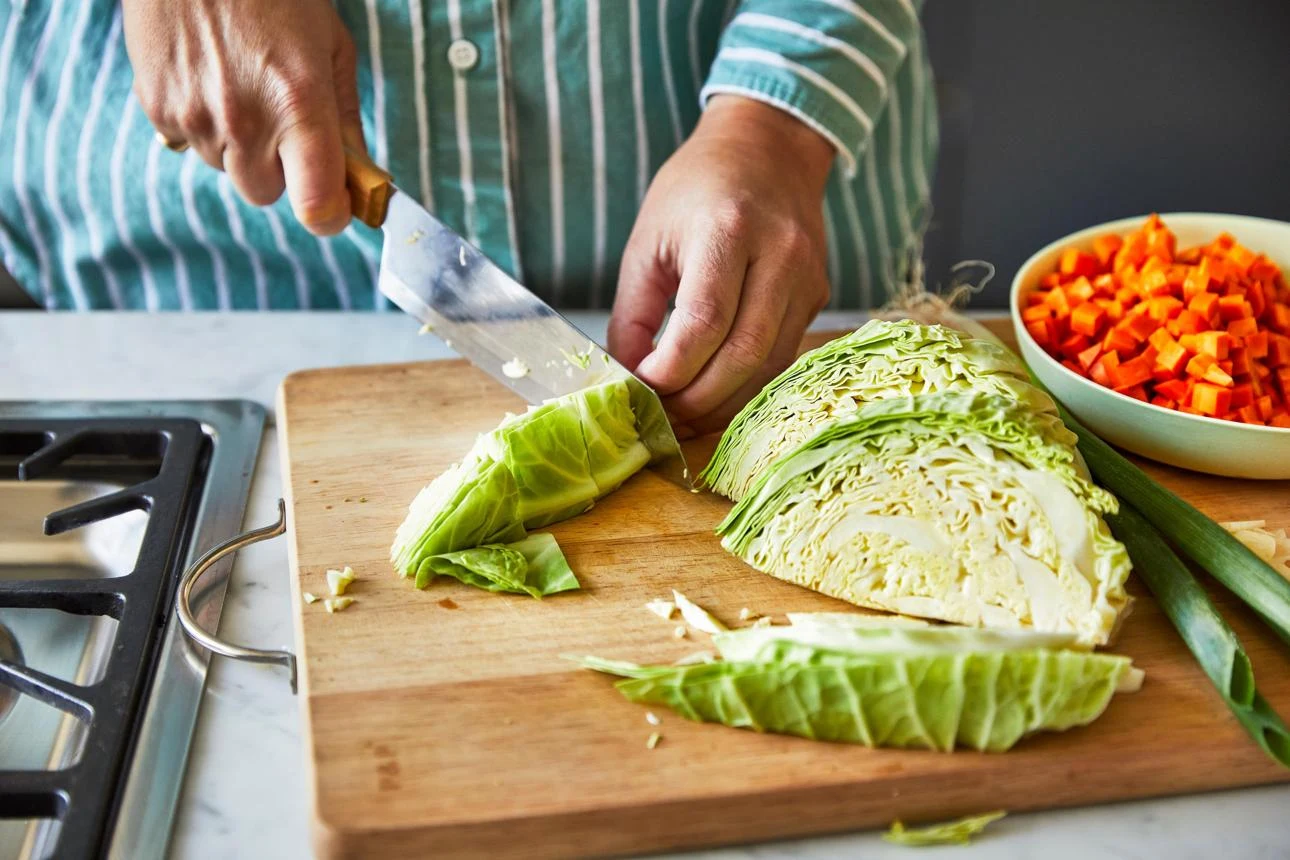
Vegetables being prepared into suitable pieces for cooking.
D. Controlling cooking time
Cooking time refers to the period food is exposed to heat during preparation.
Some vitamins are sensitive to heat. Cooking vegetables for too long may reduce their nutritional value.
Ways of conserving nutrients through cooking time
- Prepare vegetables before heating the cooking water.
- Avoid cooking vegetables for unnecessarily long periods.
- Use the cooking method appropriate for the vegetable.
- Cook until the vegetables are sufficiently tender.
- Serve soon after cooking.
Why should vegetables not be overcooked?
- It reduces the loss of heat-sensitive vitamins.
- It helps retain natural colour.
- It helps preserve texture.
- It makes vegetables more appealing.
E. Covering vegetables during cooking
Covering means placing a lid over a cooking pot.
Covering the pot helps retain heat and steam, allowing vegetables to cook efficiently.
Importance of covering vegetables
- It reduces unnecessary heat loss.
- It helps vegetables cook faster.
- It reduces prolonged exposure to heat.
- It helps retain moisture.
- It may reduce the loss of some nutrients.
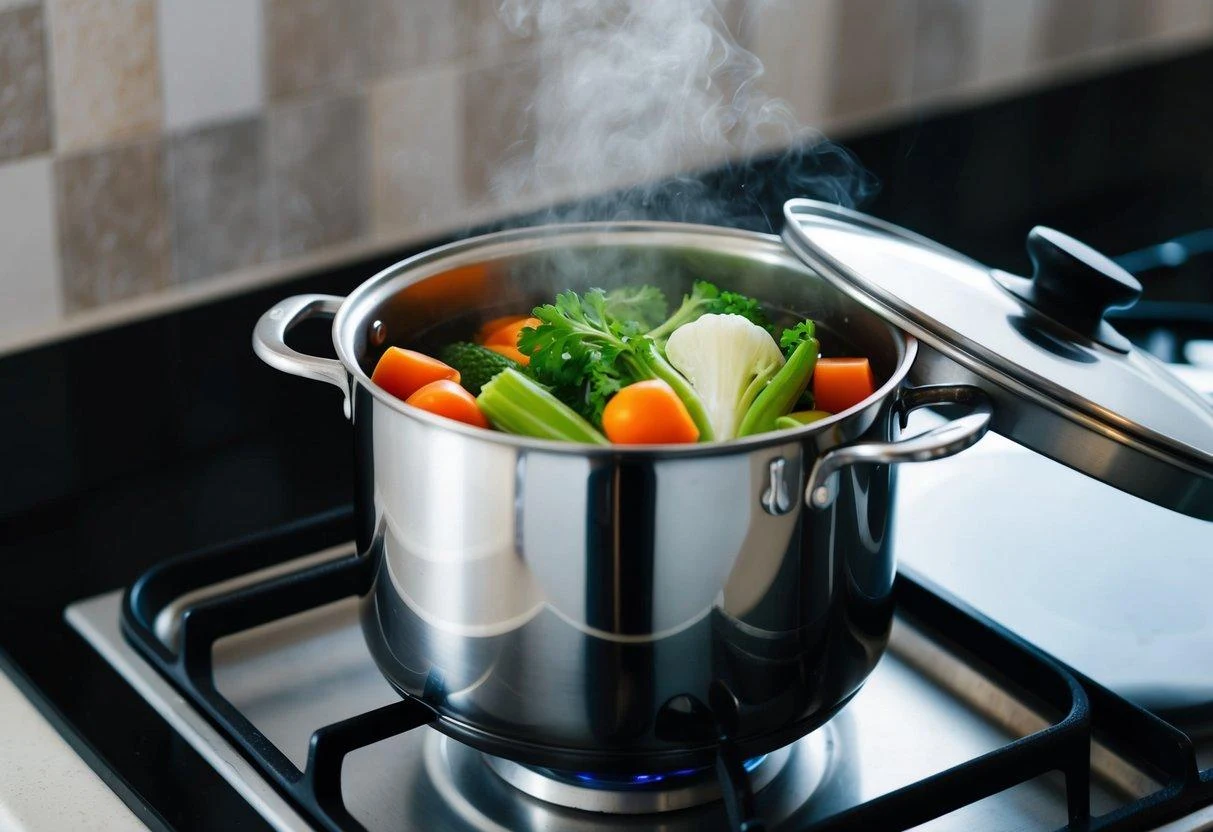
Covering the cooking pot helps vegetables cook efficiently.
F. Using little water when cooking vegetables
Some nutrients dissolve in water during cooking.
Using excessive water may lead to nutrient loss when the cooking water is discarded.
Ways of reducing this loss include:
- Use only the amount of water needed.
- Steam vegetables where appropriate.
- Avoid unnecessary boiling.
- Use the cooking liquid in soups or sauces when suitable.
G. Proper storage of vegetables
Vegetables should be stored correctly before preparation.
Good storage practices include:
- Store vegetables in clean containers.
- Keep suitable vegetables in a cool place or refrigerator.
- Protect vegetables from direct sunlight.
- Avoid storing damaged vegetables with fresh ones.
- Avoid unnecessary cutting before storage.
- Use vegetables while they are still fresh.
5. Methods of cooking that help conserve nutrients
A. Steaming
Steaming is a method of cooking food using hot steam produced by boiling water.
The vegetables are placed above the boiling water without being completely submerged.
Procedure for steaming vegetables
- Select fresh vegetables.
- Wash them using clean water.
- Cut them into suitable pieces.
- Put a small amount of water in a cooking pot.
- Place the vegetables in a steaming basket.
- Cover the pot.
- Allow the steam to cook the vegetables.
- Remove them when sufficiently cooked.
- Serve immediately.
Advantages of steaming
- It uses little water.
- It helps retain water-soluble nutrients.
- It maintains the natural colour of vegetables.
- It helps preserve the texture of vegetables.
- It requires relatively little cooking water.
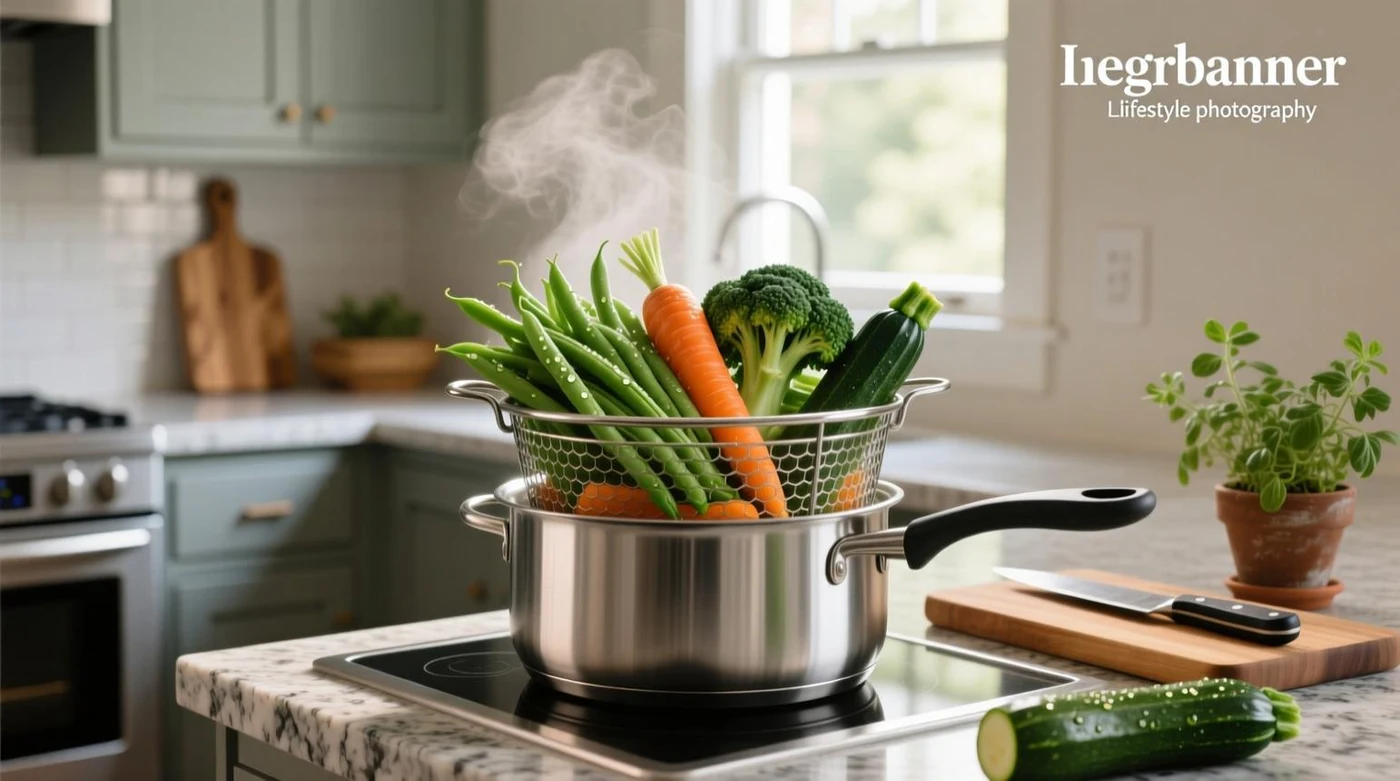
Steaming vegetables using hot water vapour.
B. Boiling
Boiling is a method of cooking food by placing it in water heated to its boiling point.
Procedure
- Wash and prepare the vegetables.
- Put a suitable amount of water in a cooking pot.
- Heat the water until it boils.
- Add the vegetables.
- Cover the pot.
- Cook for the required time.
- Remove the vegetables when sufficiently cooked.
- Use the cooking water in suitable food preparations where possible.
Advantages
- It is a simple method of cooking.
- It softens vegetables.
- It helps make some foods easier to digest.
- It can reduce some harmful microorganisms.
Disadvantage
Some water-soluble vitamins and minerals may dissolve into the water and be lost if the water is discarded.
C. Stewing
Stewing involves cooking food slowly in a small amount of liquid.
Advantages
- It allows different ingredients to cook together.
- The cooking liquid can be consumed with the food.
- It can reduce nutrient loss when the liquid is retained.
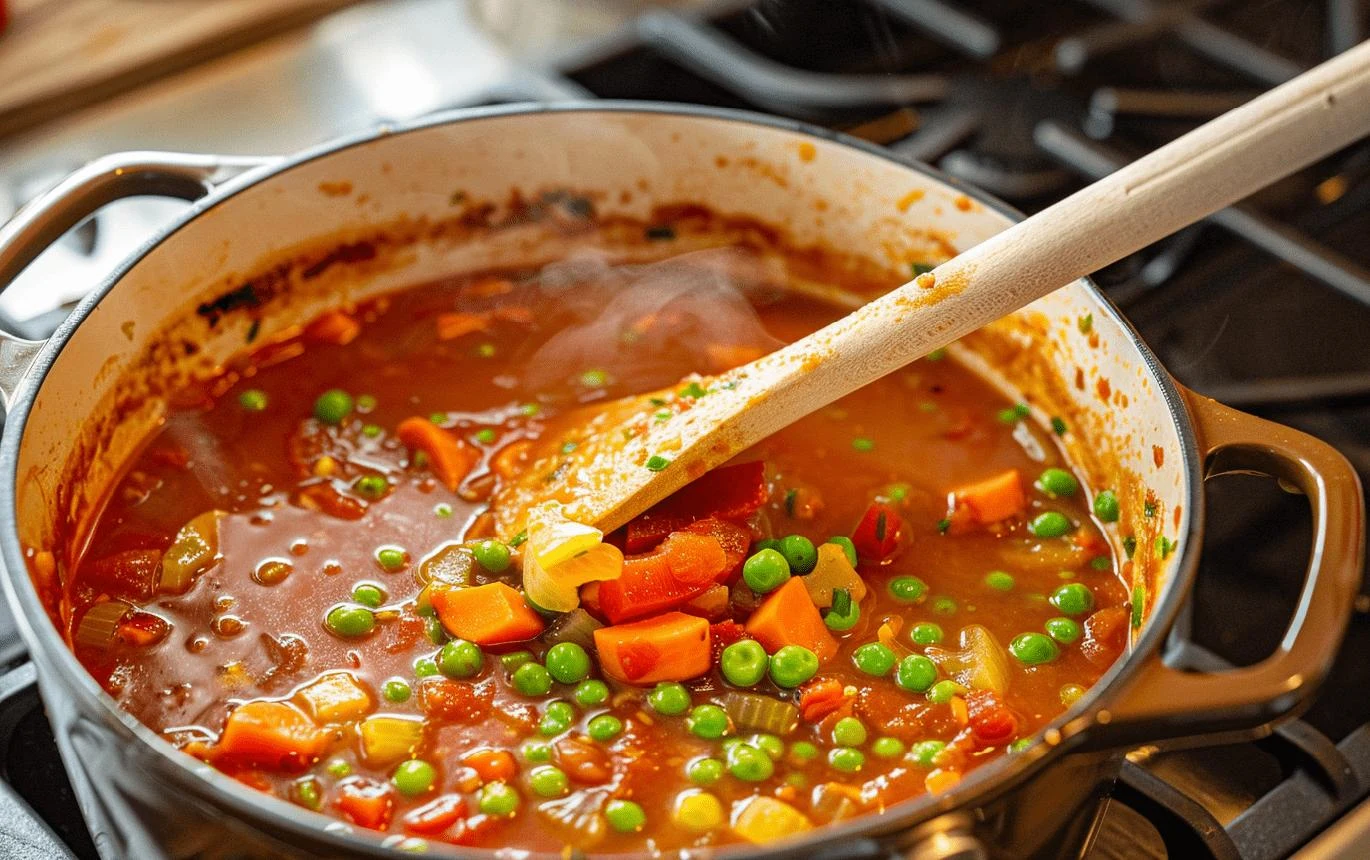
Vegetables prepared through stewing.
6. Difference between vitamins and minerals during cooking
|
Vitamins |
Minerals |
|---|---|
|
Some vitamins are easily destroyed by heat. |
Minerals are generally not destroyed by normal cooking heat. |
|
Some dissolve in cooking water. |
Some dissolve in cooking water. |
|
Vitamin C is sensitive to heat and water. |
Potassium may dissolve into cooking water. |
|
Short cooking times help preserve some vitamins. |
Retaining cooking water helps conserve dissolved minerals. |
Important: Minerals are not destroyed by cooking in the same way that heat-sensitive vitamins can be. However, minerals may be lost when cooking water is poured away.
7. Importance of conserving food nutrients
- It helps maintain the nutritional value of food.
- It supports good health.
- It prevents unnecessary food nutrient losses.
- It promotes healthy growth and development.
- It helps the body obtain essential vitamins and minerals.
- It encourages proper food preparation practices.
- It promotes healthy eating habits within households.
8. Practical activity: Conserving nutrients in vegetables
Activity: Preparing vegetables while conserving nutrients
Materials:
- Fresh vegetables.
- Clean water.
- Chopping board.
- Knife.
- Cooking pot.
- Cooking lid.
- Steaming basket where available.
Procedure:
- Select fresh vegetables.
- Wash them before cutting.
- Remove only unwanted parts.
- Cut them into reasonably large pieces.
- Put a small amount of water in the cooking pot.
- Steam or cook the vegetables for the required time.
- Cover the pot during cooking.
- Avoid overcooking.
- Serve the vegetables immediately.
- Discuss how the preparation methods helped conserve nutrients.
Safety precautions
- Use knives carefully.
- Avoid touching hot cooking equipment.
- Use suitable protective clothing.
- Work under adult supervision.
- Wash hands before handling food.
9. Key inquiry question
How do we conserve vitamins and minerals in vegetables?
We conserve vitamins and minerals by washing vegetables before cutting, peeling thinly, cutting into large pieces, reducing cooking time, using little water and covering the cooking pot.
10. Revision questions and answers
Q1. What is food nutrient conservation?
It is the prevention of unnecessary nutrient loss during food handling, preparation, cooking and storage.
Q2. Name two vitamins found in vegetables.
Vitamin A and vitamin C.
Q3. Give three minerals found in vegetables.
Iron, calcium and potassium.
Q4. Why should vegetables be washed before cutting?
To remove dirt and reduce nutrient losses through water.
Q5. Why should vegetables not be overcooked?
Excessive cooking may destroy heat-sensitive vitamins.
Q6. State four methods of conserving nutrients in vegetables.
- Washing before cutting.
- Peeling thinly.
- Cutting into large pieces.
- Cooking for a short time.
Q7. Why is steaming suitable for cooking vegetables?
It uses little water and helps preserve water-soluble nutrients.
Q8. Why should cooking water sometimes be retained?
It may contain vitamins and minerals that have dissolved from the vegetables.