
1. Introduction
Trees are important natural resources that support environmental conservation and agricultural production.
A tree is a perennial woody plant with a main stem called a trunk, branches and leaves.
Trees grow for many years and provide several environmental, social and economic benefits.
Growing trees involves planting and caring for trees until they become established.
Tree planting can take place in:
- Homes.
- Schools.
- Farms.
- Roadsides.
- Community land.
- Forest areas.
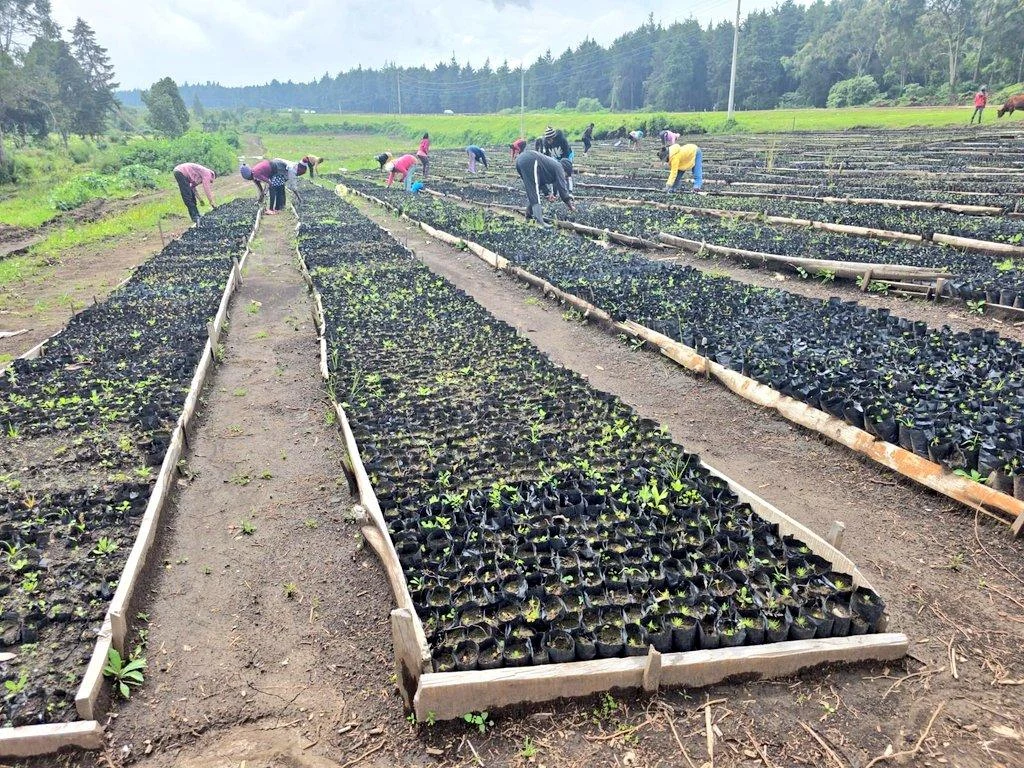
Tree seedlings growing in a nursery before transplanting.
2. Importance of trees in conserving the environment
A. Preventing soil erosion
Tree roots hold soil particles together.
They help prevent soil from being washed away by rainwater or carried away by wind.
Trees are particularly useful on slopes and exposed land.
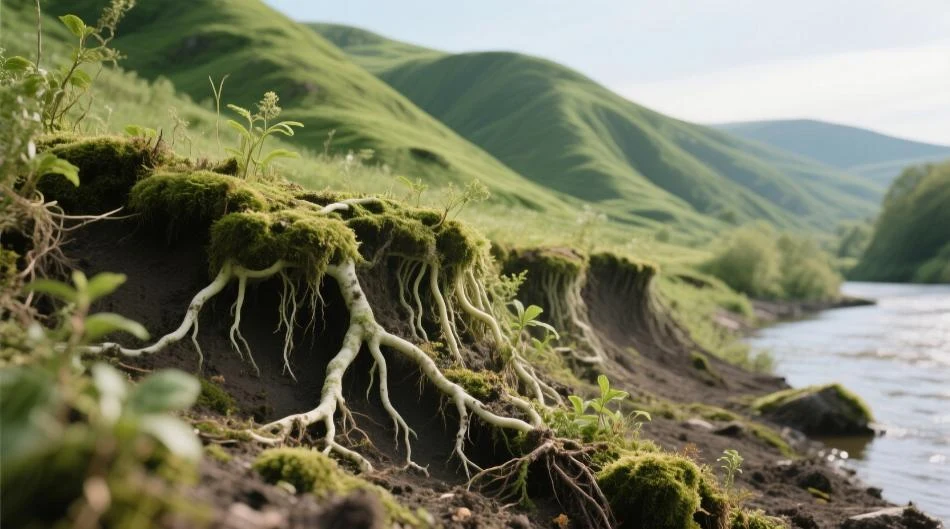
Tree roots help hold soil particles together.
B. Improving air quality
Trees absorb carbon dioxide during photosynthesis and release oxygen.
They also help trap some dust particles and improve the quality of the surrounding environment.
C. Providing shade
Trees provide shade to people, animals and crops that require protection from excessive sunlight.
Shade trees also help make school compounds and homes more comfortable.
D. Conserving water
Tree roots help improve soil structure and allow water to infiltrate the ground.
Leaves and branches also reduce the direct impact of rainfall on exposed soil.
Trees can therefore contribute to water conservation.
E. Providing habitats for wildlife
Trees provide shelter, nesting places and food for different organisms.
Examples include:
- Birds.
- Insects.
- Squirrels.
- Monkeys.
- Other small animals.
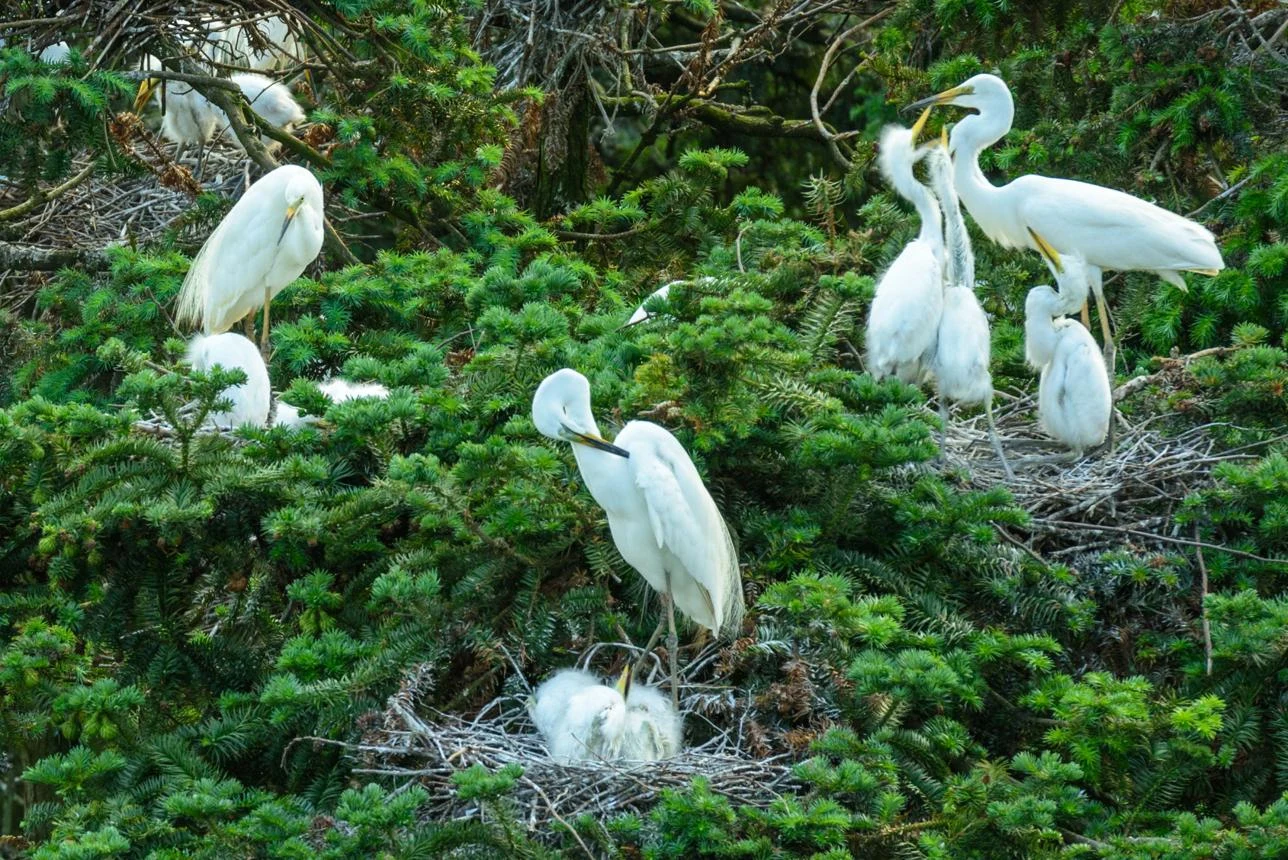
Trees provide shelter and habitats for wildlife.
F. Reducing the effects of strong winds
Trees planted in rows can act as windbreaks.
They reduce wind speed and protect crops, buildings and livestock from strong winds.
G. Providing food
Some trees produce fruits that are eaten by people and animals.
Examples include:
- Mango trees.
- Avocado trees.
- Orange trees.
- Guava trees.
- Lemon trees.
H. Providing useful materials
Trees provide products used in homes and industries.
Examples include:
- Timber.
- Firewood.
- Poles.
- Paper-making materials.
- Traditional medicinal products from certain species.
These resources should be harvested sustainably.
I. Supporting climate regulation
Trees absorb and store carbon as they grow.
They also provide shade and help moderate temperatures in their surroundings.
3. Types of trees that can be planted
A. Indigenous trees
Indigenous trees are trees that naturally occur in a particular geographical area.
Examples found in Kenya include:
- African olive.
- Croton.
- Mukau.
- Meru oak.
- African pencil cedar.
They are important because they support local biodiversity.
B. Fruit trees
Fruit trees are trees grown mainly for producing edible fruits.
Examples:
- Mango.
- Avocado.
- Orange.
- Lemon.
- Guava.
C. Agroforestry trees
These are trees grown together with crops or livestock as part of a farming system.
Examples include suitable species of Grevillea and other locally recommended trees.
They can provide shade, fuelwood, fodder, poles and other benefits.
D. Ornamental trees
These are trees planted mainly to improve the appearance of an environment.
They are commonly planted in:
- School compounds.
- Parks.
- Homes.
- Public spaces.
4. Methods of growing trees
Trees can be established using different planting materials.
A. Growing trees from seeds
A seed is a reproductive structure from which a new plant can develop.
Procedure
- Select healthy seeds from a suitable tree.
- Prepare a suitable nursery bed or container.
- Fill the container with suitable soil.
- Plant the seeds at the recommended depth.
- Water gently.
- Protect the seeds from animals and excessive sunlight.
- Continue watering when necessary.
- Allow the seedlings to develop.
- Transplant healthy seedlings when they are ready.
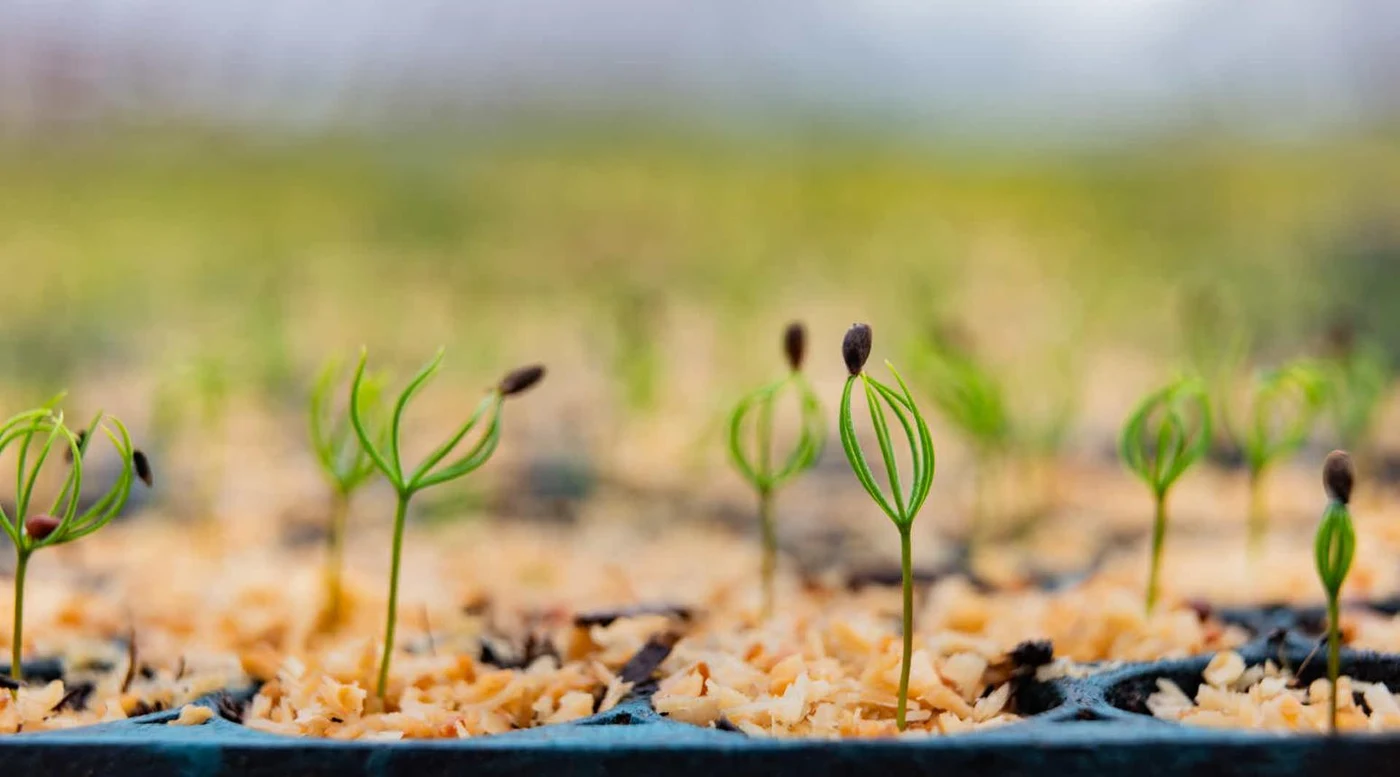
Tree seedlings developing from seeds in a nursery.
B. Growing trees using seedlings
A seedling is a young plant that has developed from a seed.
Seedlings may be purchased or raised in a nursery before being planted in their permanent positions.
Procedure for planting a tree seedling
- Select a healthy seedling of a suitable tree species.
- Choose a suitable planting site.
- Dig a hole large enough to accommodate the roots.
- Carefully remove the seedling from its container or polythene sleeve.
- Place the seedling upright in the hole.
- Ensure that the root collar is approximately level with the surrounding ground.
- Fill the hole with suitable soil.
- Firm the soil gently around the roots.
- Water the seedling.
- Apply suitable mulch around the planting area without covering the stem.
- Protect the seedling from animals and damage.
- Continue caring for the seedling.
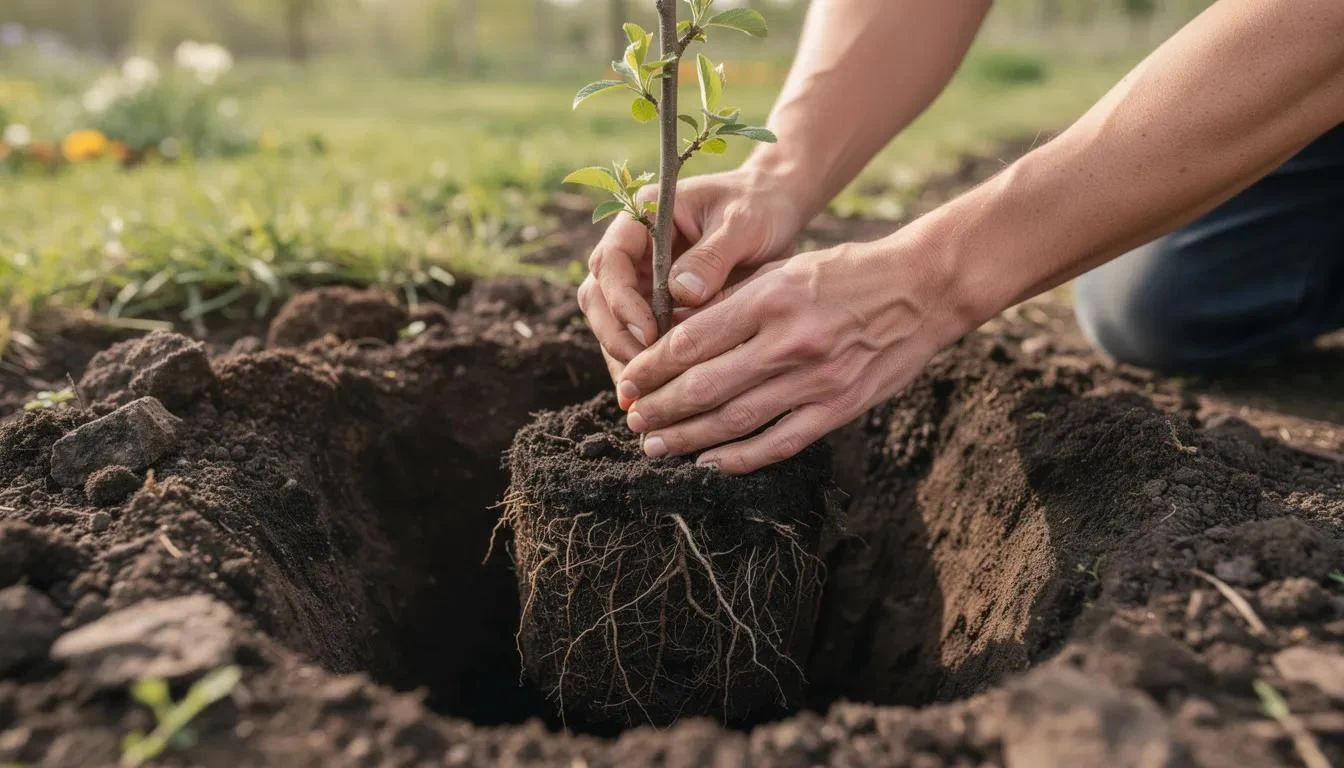
Planting a young tree seedling in a prepared hole.
Illustrated planting procedure: Step-by-step tree planting using a dibble bar.
C. Growing trees using cuttings
A cutting is a part of a plant that is removed and planted to produce a new plant.
Some tree species can grow from stem cuttings.
Procedure
- Select a healthy parent plant.
- Obtain a suitable stem cutting using a clean tool.
- Remove unnecessary lower leaves where appropriate.
- Prepare a suitable planting medium.
- Insert the cutting into the prepared soil.
- Water gently.
- Protect the cutting from excessive sunlight and drying.
- Monitor its development.
- Transplant it when it has developed sufficient roots.
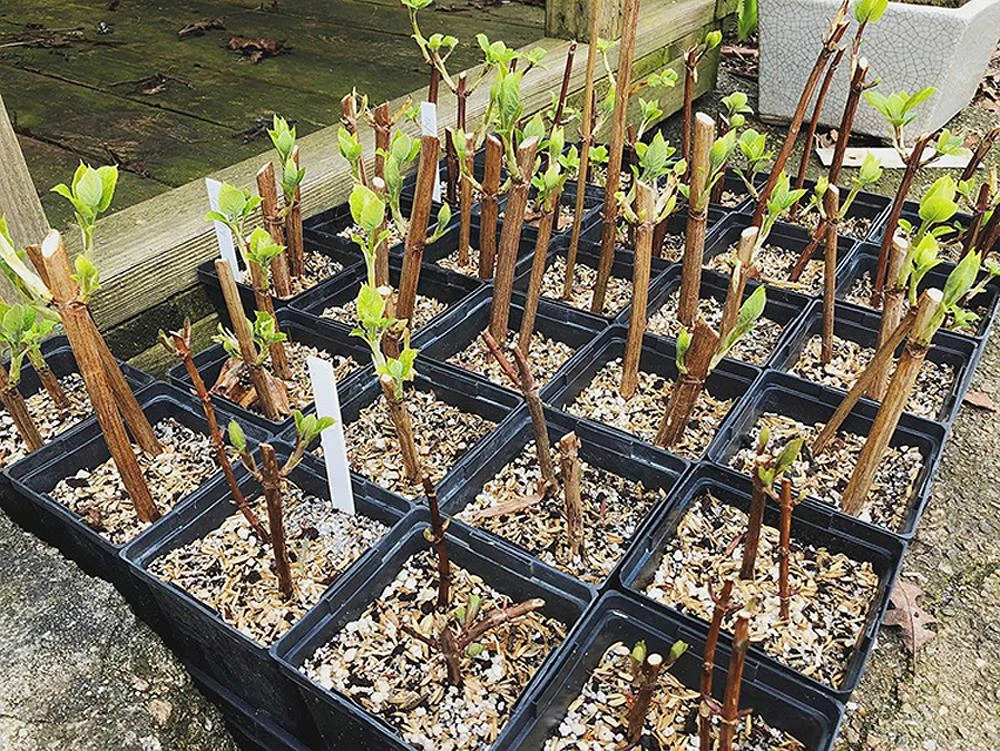
Growing new plants from stem cuttings.
5. Factors to consider when selecting trees for planting
1. Climate
Select tree species that can grow under the local rainfall and temperature conditions.
2. Soil type
Different trees grow well in different soil conditions.
3. Purpose of planting
Select trees according to their intended use, such as fruit production, shade or environmental conservation.
4. Availability of space
Some trees grow very large and require sufficient space for their roots and branches.
5. Water availability
Consider whether sufficient water is available during the establishment period.
6. Local suitability
Choose species recommended for the local environment. Avoid introducing invasive tree species.
6. Caring for planted trees
Planting alone does not guarantee successful tree growth. Seedlings require regular attention.
Important care practices include:
- Watering: Provide water when necessary, especially during dry periods.
- Weeding: Remove weeds that compete with seedlings.
- Mulching: Apply suitable mulch to conserve soil moisture.
- Protection: Protect seedlings from livestock and physical damage.
- Replacement: Replace seedlings that die.
- Pest management: Monitor and manage pests and diseases appropriately.
- Monitoring: Observe growth and identify problems early.
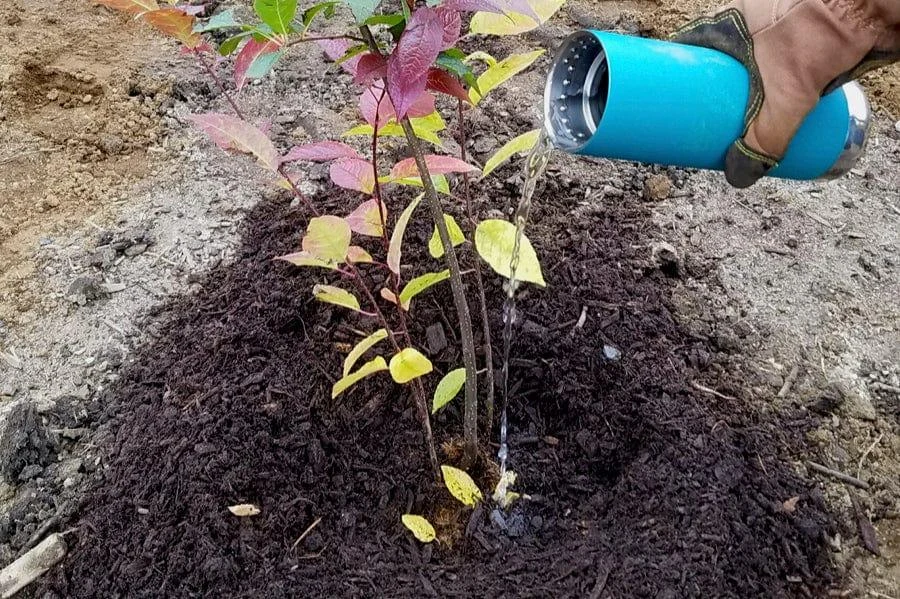
Proper care helps young trees become established.
7. Challenges affecting tree growth
- Prolonged drought.
- Attacks by pests and diseases.
- Destruction by livestock.
- Poor soil conditions.
- Inadequate watering.
- Poor planting methods.
- Competition from weeds.
- Damage by people or machinery.
8. Practical activity: Planting a tree
Activity: Planting and caring for a tree seedling
Materials:
- Tree seedling.
- Jembe or spade.
- Watering can.
- Water.
- Suitable mulch.
- Protective materials where necessary.
Procedure:
- Select a suitable tree species.
- Identify an appropriate planting site.
- Prepare the planting hole.
- Remove the seedling carefully from its container.
- Place the seedling in the hole.
- Cover the roots with soil.
- Firm the soil gently.
- Water the seedling.
- Apply suitable mulch.
- Protect the seedling.
- Monitor its growth regularly.

Learners participating in a tree-planting activity.
9. Importance of adopting tree planting
Adopting tree planting means making tree growing a regular environmental conservation practice.
It helps communities to:
- Increase tree cover.
- Protect soil and water resources.
- Improve the appearance of the environment.
- Support biodiversity.
- Reduce the effects of climate change.
- Provide useful tree products.
- Encourage environmental responsibility among learners.
10. Key inquiry question
How can growing trees conserve the environment?
Growing trees conserves the environment by preventing soil erosion, improving air quality, providing habitats, reducing wind speed, supporting water infiltration and storing carbon.
11. Revision questions and answers
Q1. What is a tree?
A tree is a perennial woody plant with a main stem, branches and leaves.
Q2. State five ways trees conserve the environment.
- Preventing soil erosion.
- Improving air quality.
- Providing habitats for wildlife.
- Reducing wind speed.
- Supporting water conservation.
Q3. Identify three methods of growing trees.
- Using seeds.
- Using seedlings.
- Using cuttings.
Q4. What is a seedling?
A seedling is a young plant that has developed from a seed.
Q5. Why should trees be watered after planting?
Water supports root establishment and helps the seedling survive.
Q6. Give four examples of fruit trees.
Mango, avocado, orange and guava.
Q7. State four ways of caring for young trees.
Watering, weeding, mulching and protecting seedlings from animals.