
1. Introduction
Domestic animals are animals kept by people for different purposes. They may provide food, security, companionship and income.
Examples include:
- Cattle.
- Goats.
- Sheep.
- Rabbits.
- Poultry.
- Dogs.
- Cats.
- Donkeys.
Animals require proper care to remain healthy and productive.
One important aspect of animal care is maintaining hygiene in their living environments.
Animal hygiene refers to practices that maintain cleanliness and prevent the spread of diseases among domestic animals.
Good animal hygiene involves:
- Keeping animal houses clean.
- Cleaning feeders.
- Cleaning waterers.
- Providing clean drinking water.
- Keeping animals clean.
- Maintaining proper ventilation.
- Cleaning animal structures.
- Proper disposal of animal waste.
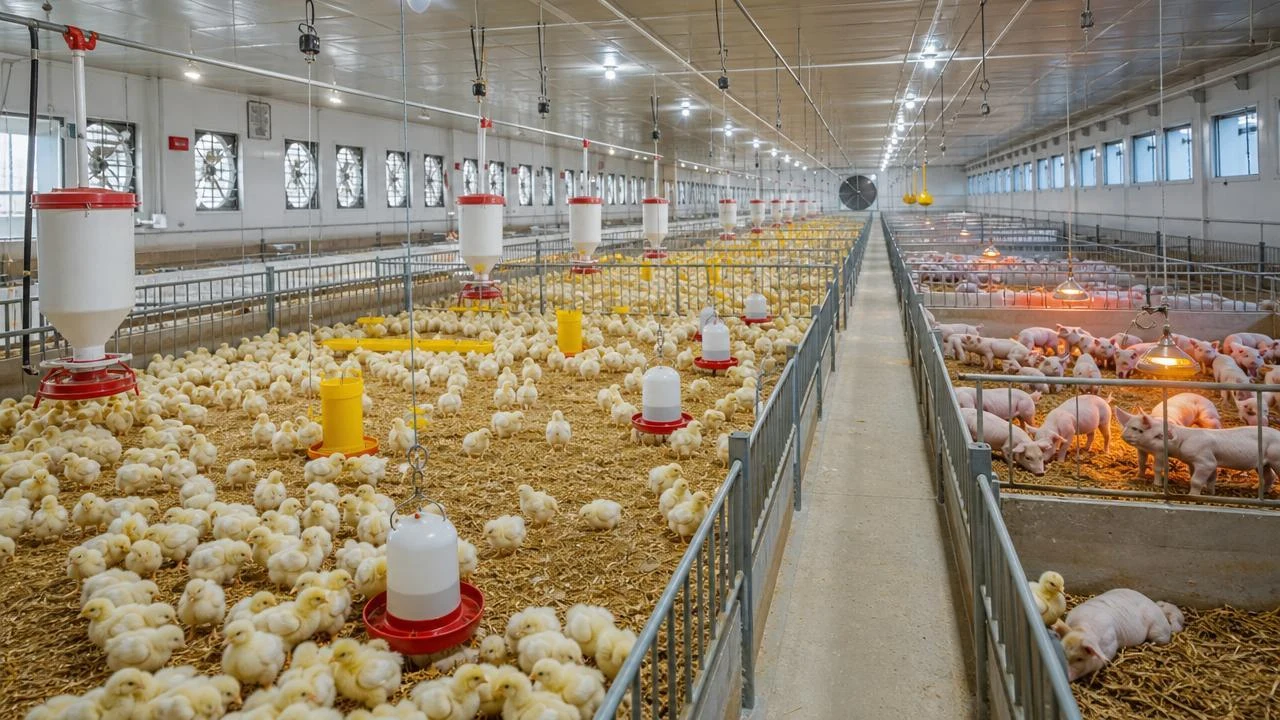
Clean and well-maintained animal housing.
2. Importance of hygiene when rearing domestic animals
A. Preventing diseases
Dirty animal houses may encourage the multiplication of disease-causing microorganisms.
Regular cleaning reduces the accumulation of dirt, manure and contaminated materials.
B. Promoting healthy animal growth
Animals kept in clean environments are more likely to remain healthy.
They can feed, drink and rest comfortably.
C. Improving animal productivity
Healthy animals are better able to produce milk, eggs, meat and other products.
D. Preventing bad smells
Accumulated animal waste produces unpleasant smells.
Regular cleaning helps maintain a fresh environment.
E. Controlling pests
Dirty animal houses may attract flies, rodents and other pests.
Cleaning helps reduce places where these pests feed and multiply.
F. Protecting human health
Some diseases can spread between animals and humans. Such diseases are called zoonotic diseases.
Maintaining animal hygiene helps reduce the risk of disease transmission.
G. Improving animal comfort
Clean bedding, adequate ventilation and sufficient space help animals live comfortably.
H. Maintaining a clean environment
Proper animal waste management prevents pollution of surrounding land and water sources.
3. Hygiene practices in rearing domestic animals
The curriculum emphasizes three important areas:
- Cleaning feeders and waterers.
- Maintaining clean and well-ventilated animal houses.
- Keeping animals clean.
A. Cleaning animal feeders
A feeder is a container or structure used to provide food to animals.
Examples include:
- Chicken feeders.
- Cattle feeding troughs.
- Rabbit feeders.
- Dog feeding bowls.
- Goat feeding troughs.
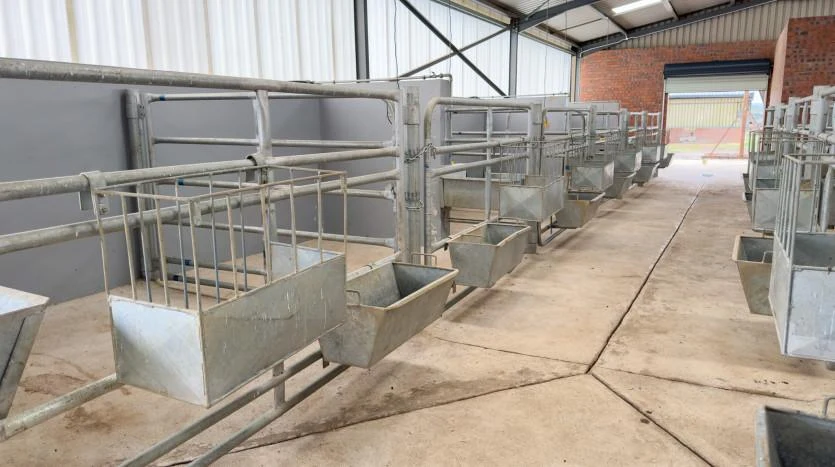
Different types of animal feeders.
Importance of cleaning feeders
- It removes leftover food.
- It prevents the accumulation of dirt.
- It reduces contamination of animal feeds.
- It discourages pests.
- It helps maintain animal health.
- It prevents unpleasant smells.
Procedure for cleaning animal feeders
- Remove the remaining animal feeds.
- Empty the feeder completely.
- Remove visible dirt and other unwanted materials.
- Wash the feeder using clean water and an appropriate cleaning agent.
- Scrub areas with stubborn dirt.
- Rinse thoroughly where required.
- Allow the feeder to dry.
- Return it to its proper position.
- Put fresh animal feeds into the feeder.
Precautions
- Use suitable cleaning materials.
- Avoid leaving detergent residues.
- Do not use contaminated water.
- Ensure feeders are dry before adding feeds where appropriate.
- Use animal-safe cleaning and disinfection products.
B. Cleaning animal waterers
A waterer is a container or structure used to provide drinking water to animals.
Examples include:
- Chicken drinkers.
- Rabbit water bottles.
- Cattle drinking troughs.
- Dog water bowls.
- Goat water containers.
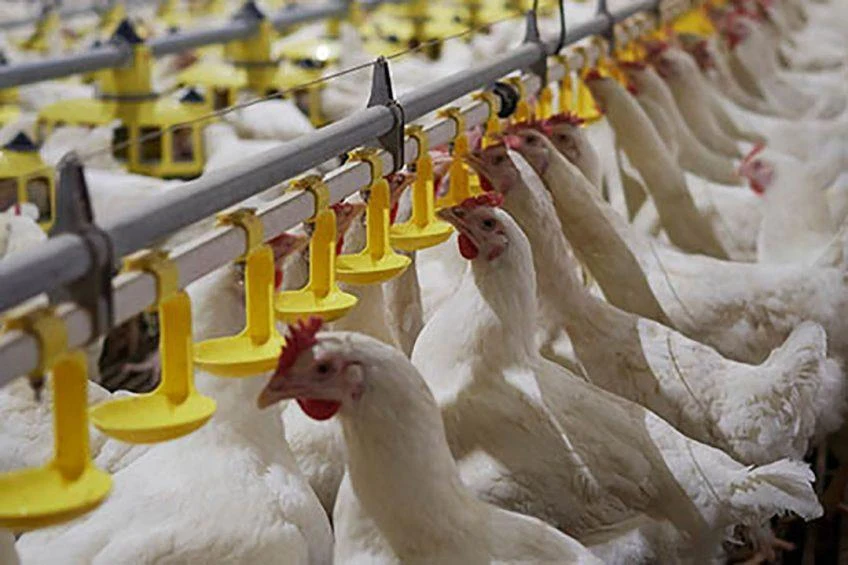
Clean drinking-water containers for domestic animals.
Importance of cleaning waterers
- It prevents contamination of drinking water.
- It reduces the accumulation of algae and dirt.
- It helps prevent the spread of diseases.
- It encourages animals to drink clean water.
- It maintains animal health.
- It prevents unpleasant smells.
Procedure for cleaning animal waterers
- Empty the remaining water.
- Remove visible dirt and debris.
- Scrub the container using a suitable brush.
- Wash using clean water and an appropriate cleaning agent.
- Rinse thoroughly.
- Disinfect when necessary using an approved animal-safe product.
- Allow the container to dry where appropriate.
- Refill it with clean drinking water.
- Return it to the animal house.
Important: Drinking water should be available regularly. Cleaning should not leave animals without water for unnecessarily long periods.
C. Keeping animal houses clean
An animal house is a structure constructed to provide shelter for domestic animals.
Examples include:
- Poultry houses.
- Cattle sheds.
- Goat houses.
- Rabbit hutches.
- Kennels.
- Sheep pens.
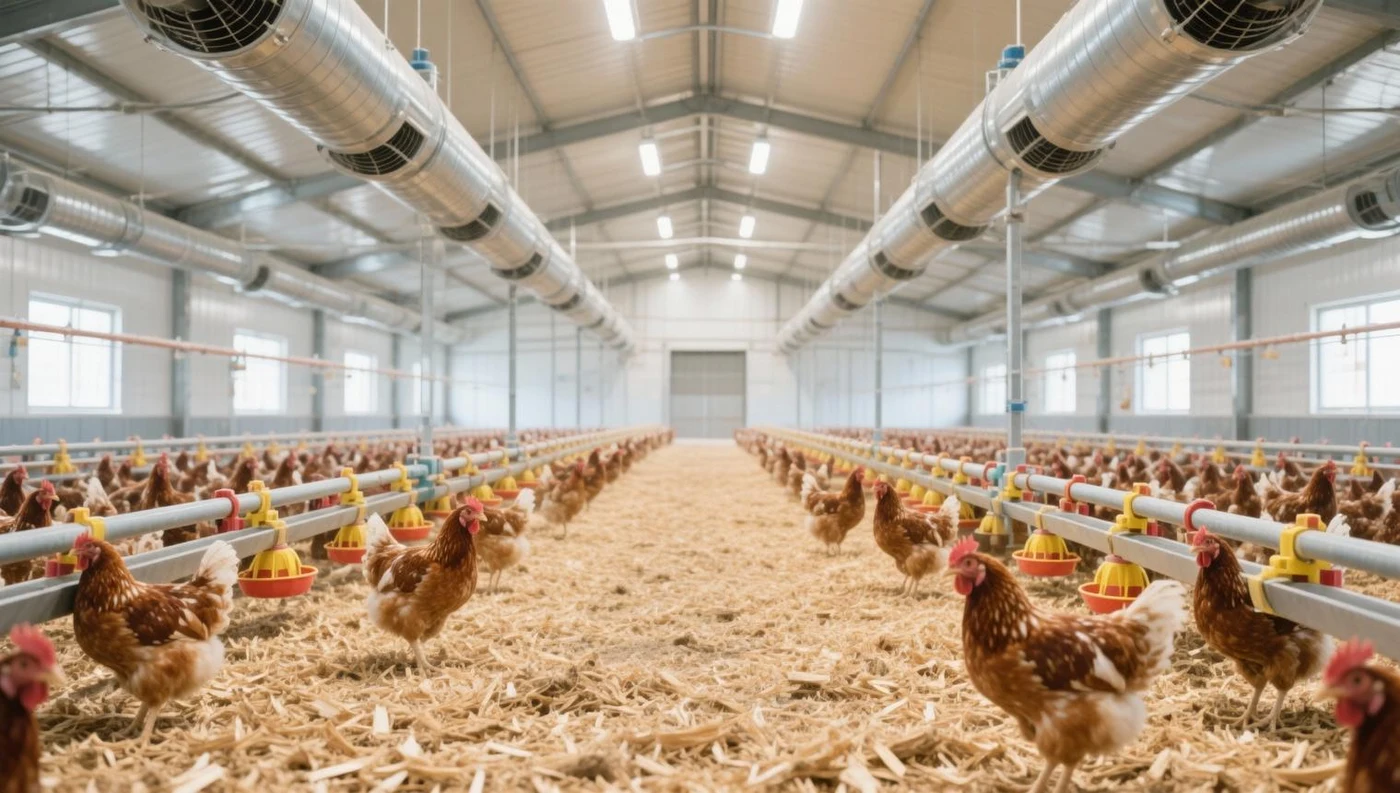
A clean and properly maintained poultry house.
Importance of cleaning animal houses
- It removes accumulated manure.
- It reduces disease-causing microorganisms.
- It controls unpleasant smells.
- It discourages pests.
- It improves animal comfort.
- It maintains a healthy environment.
- It reduces contamination of feeds and drinking water.
Procedure for cleaning an animal house
- Move animals to a safe temporary area where necessary.
- Remove feeding and drinking equipment.
- Remove dirty bedding and accumulated manure.
- Sweep or scrape the floor.
- Clean walls and other surfaces.
- Wash suitable surfaces using appropriate cleaning materials.
- Rinse where necessary.
- Disinfect using an approved product when required.
- Allow the structure to dry.
- Replace bedding with clean and dry materials.
- Return the feeding and drinking equipment.
- Return animals when the structure is safe and ready.
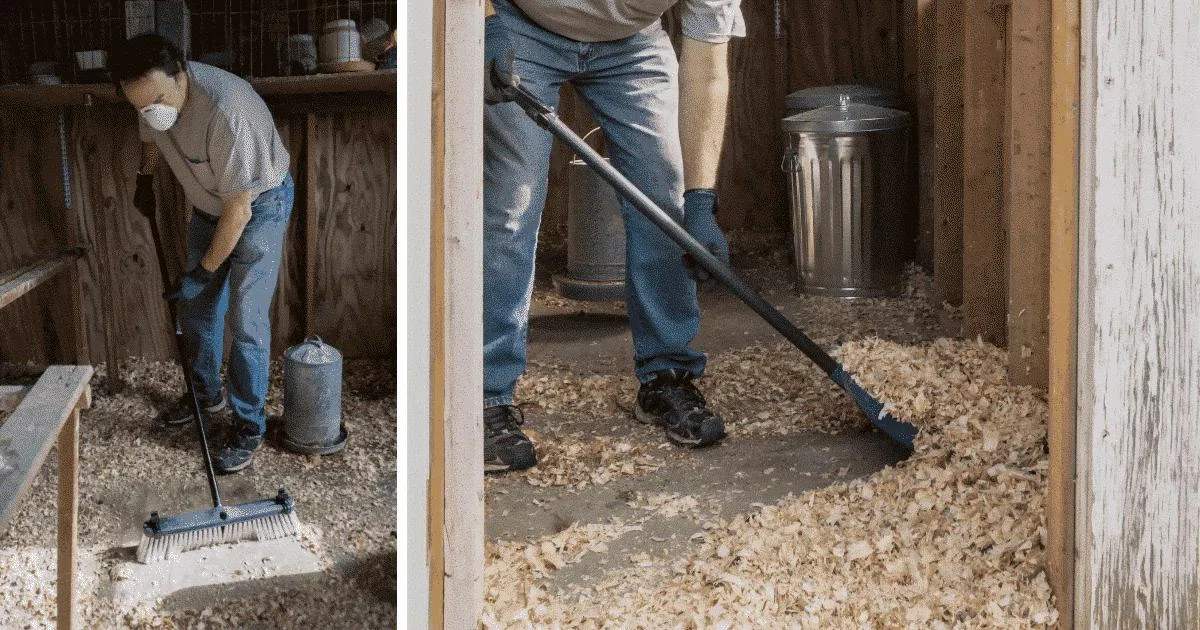
Removing dirty bedding and waste from an animal house.
D. Maintaining proper ventilation
Ventilation refers to the movement of fresh air into and out of an enclosed space.
Animal houses should have adequate ventilation to provide fresh air and remove excess moisture, heat and harmful gases.
Importance of ventilation
- It provides fresh air.
- It reduces excessive moisture.
- It helps control bad smells.
- It reduces heat accumulation.
- It improves animal comfort.
- It helps maintain a healthy living environment.
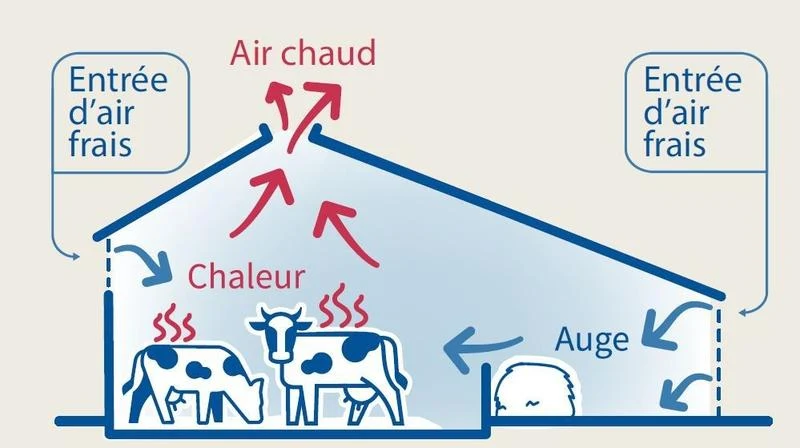
Ventilation openings allowing fresh air into an animal house.
Ways of improving ventilation
- Provide suitable windows and ventilation openings.
- Avoid overcrowding animals.
- Keep ventilation openings free from obstruction.
- Maintain appropriate spacing between structures.
- Repair damaged ventilation openings.
- Avoid excessive accumulation of bedding and waste.
E. Keeping domestic animals clean
Animals should be kept clean to prevent dirt and parasites from accumulating on their bodies.
Different animals require different cleaning methods.
Examples include:
- Bathing dogs.
- Grooming cats.
- Cleaning the coats of livestock.
- Cleaning the feet of some livestock.
- Maintaining clean feathers in poultry through proper housing and care.
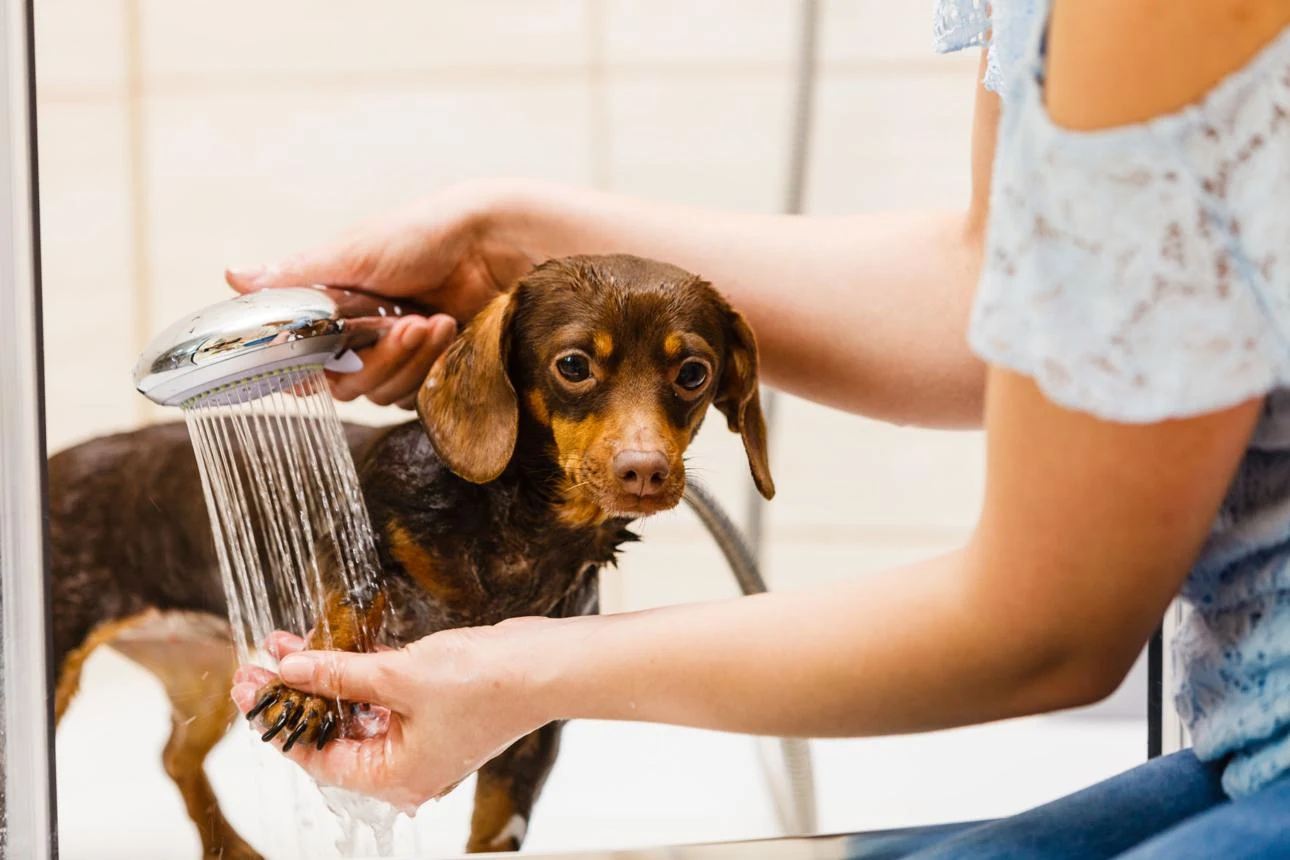
Bathing a domestic dog as part of animal hygiene.
Importance of keeping animals clean
- It reduces dirt accumulation.
- It helps identify wounds and skin problems.
- It improves animal comfort.
- It supports good animal health.
- It helps control external parasites when combined with appropriate treatment.
- It improves the appearance of domestic animals.
Ways of keeping animals clean
- Provide clean and dry housing.
- Groom animals where appropriate.
- Clean dirty body parts using suitable methods.
- Provide clean bedding.
- Inspect animals regularly.
- Seek veterinary assistance when animals have skin conditions or wounds.
- Use animal-safe cleaning products.
4. Hygiene practices for different domestic animals
|
Animal |
Important hygiene practices |
|---|---|
|
Poultry |
Clean feeders, drinkers, litter and poultry houses. |
|
Cattle |
Clean sheds, feeding troughs and drinking troughs. |
|
Goats |
Keep shelters dry and remove accumulated manure. |
|
Sheep |
Maintain clean housing and inspect the fleece and skin. |
|
Rabbits |
Clean hutches, feeders and water bottles. |
|
Dogs |
Provide clean bedding, grooming and suitable bathing. |
|
Cats |
Maintain clean sleeping areas, litter trays and feeding bowls. |
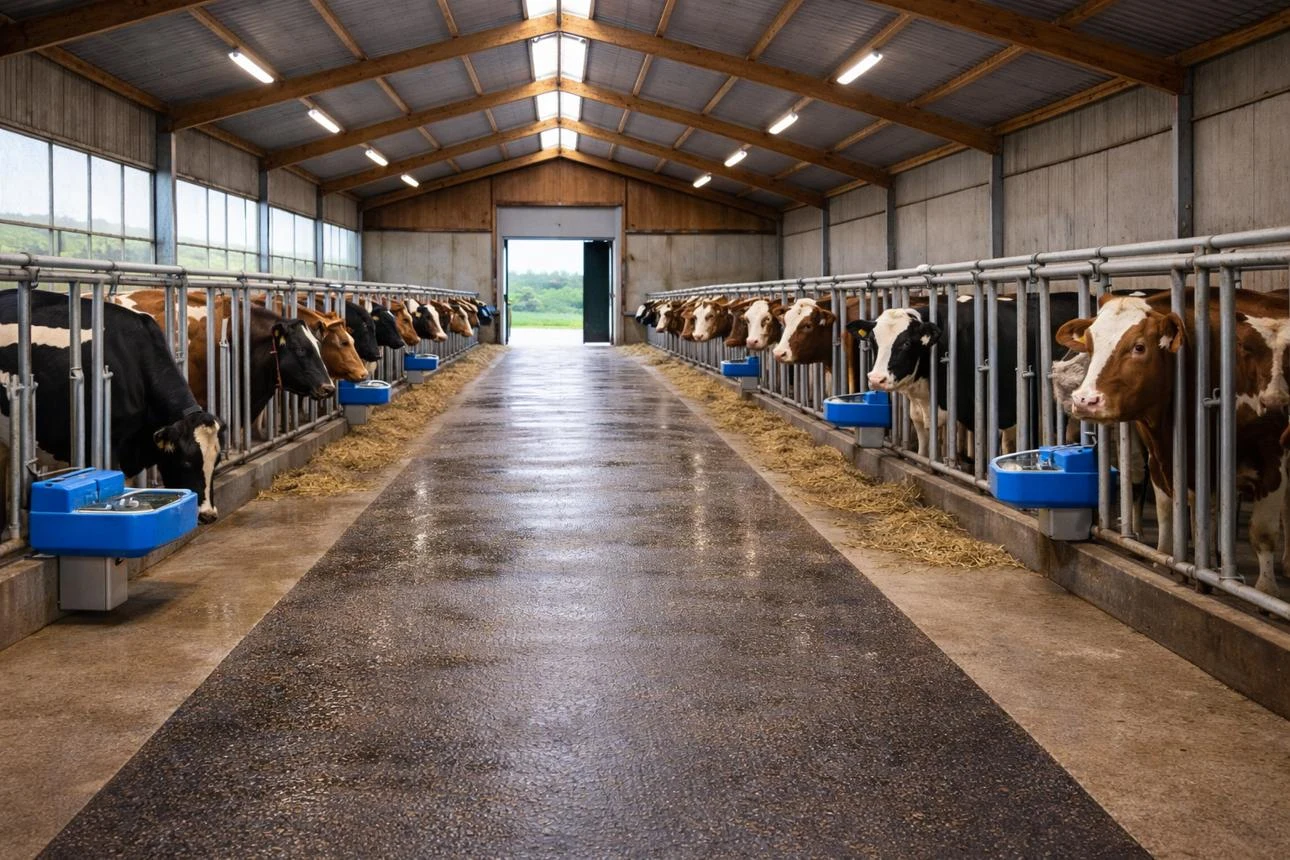
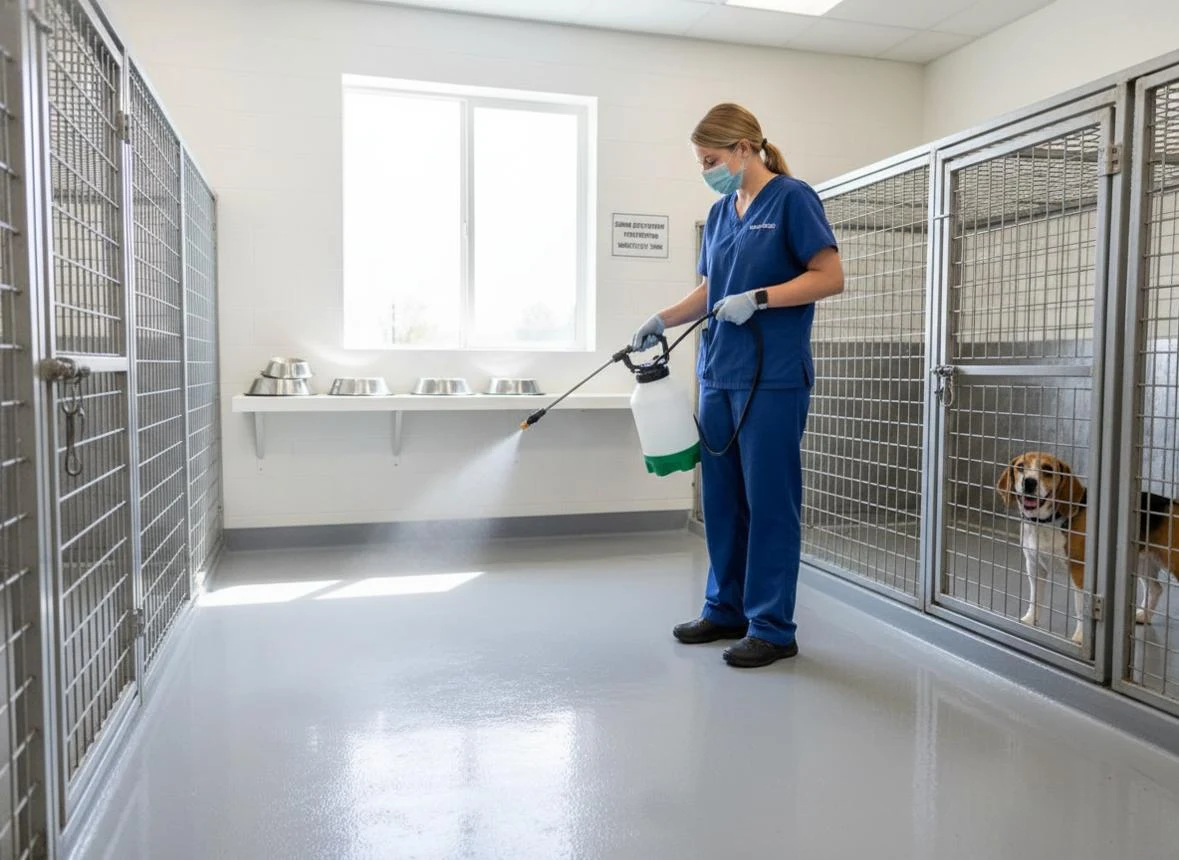
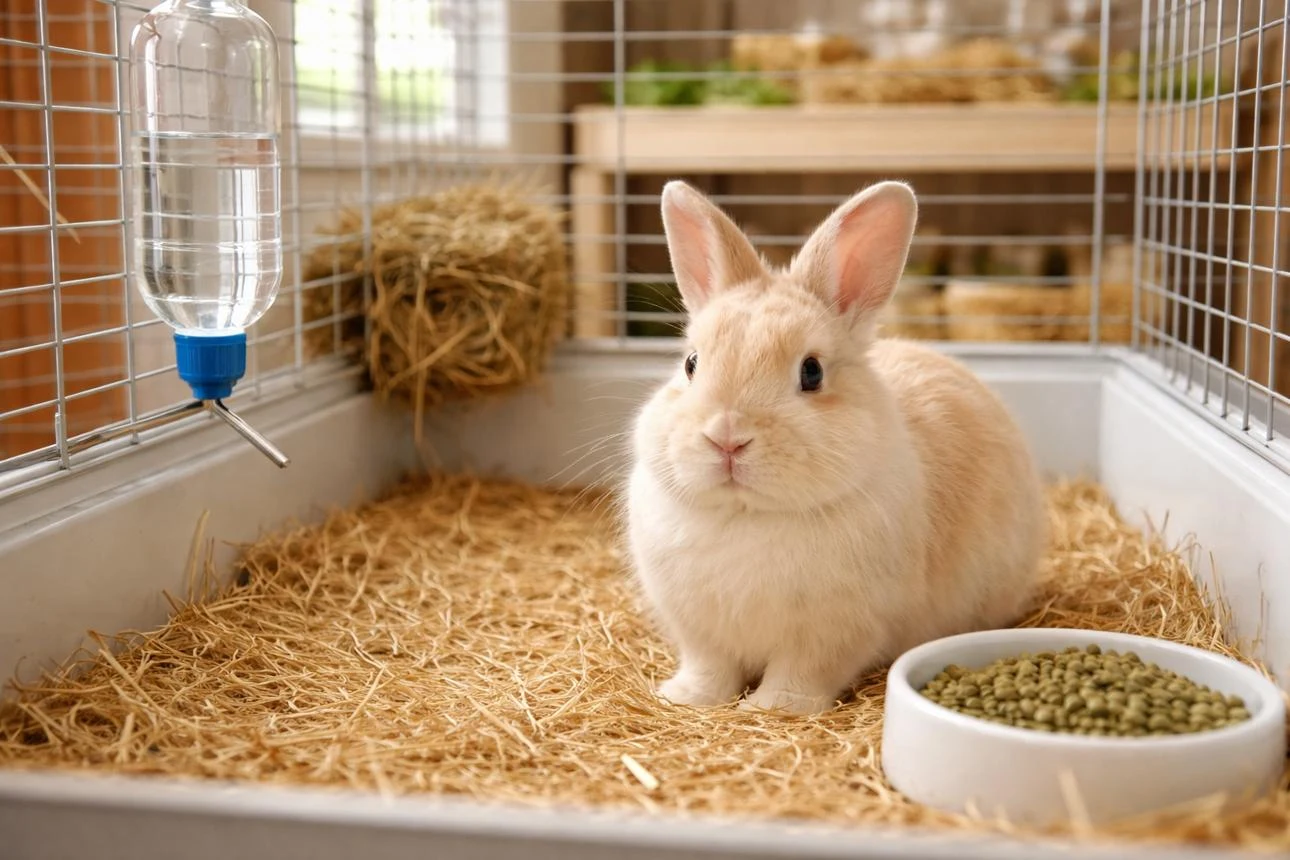
Examples of hygienic housing for different domestic animals.
5. Tools and materials used in animal hygiene
|
Tool or material |
Function |
|---|---|
|
Broom |
Sweeping animal houses |
|
Spade |
Removing accumulated manure |
|
Scrubbing brush |
Cleaning feeders and waterers |
|
Bucket |
Carrying water |
|
Water hose |
Washing suitable surfaces |
|
Gloves |
Protecting hands |
|
Protective boots |
Protecting feet |
|
Approved disinfectant |
Reducing harmful microorganisms |
|
Wheelbarrow |
Transporting manure and waste |
|
Clean bedding |
Providing a dry resting area |
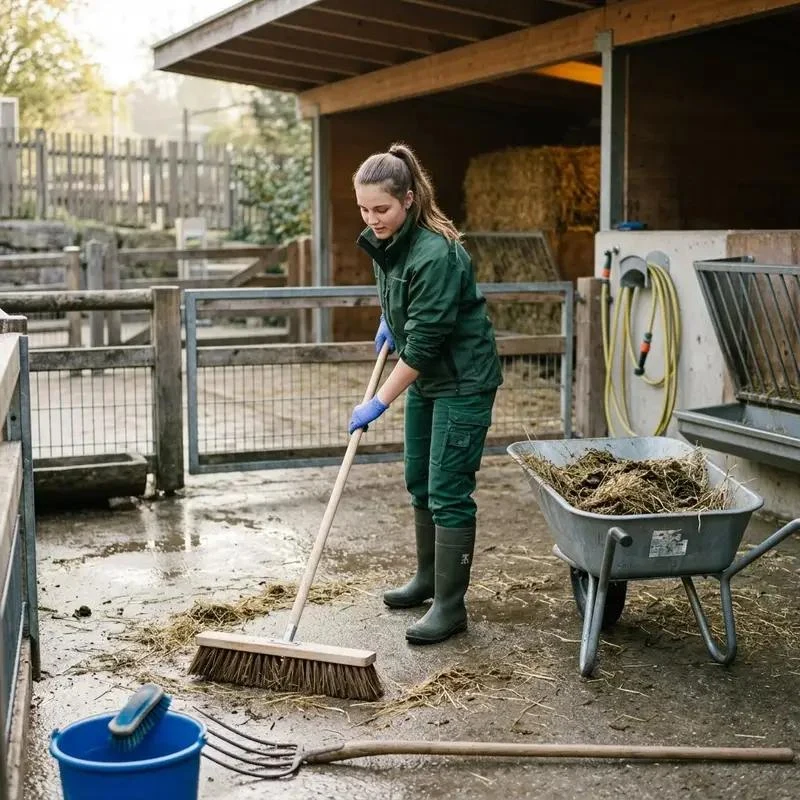
Common equipment used in cleaning animal structures.
6. Proper disposal of animal waste
Animal waste includes manure, dirty bedding and other unwanted materials from animal houses.
Poor disposal may cause environmental pollution and encourage pests.
Methods of managing animal waste
- Collect manure regularly.
- Separate suitable manure from non-biodegradable waste.
- Compost animal manure where appropriate.
- Store manure in a designated place.
- Avoid dumping waste into rivers and streams.
- Prevent waste from contaminating animal drinking water.
- Follow appropriate procedures when disposing of contaminated bedding.
Importance of proper waste disposal
- It reduces environmental pollution.
- It controls unpleasant smells.
- It discourages flies and rodents.
- It protects water sources.
- It provides manure for crop production after suitable treatment.
7. Safety precautions during animal hygiene activities
- Wear gloves and protective boots.
- Wash hands after cleaning animal structures.
- Avoid direct contact with animal waste.
- Use disinfectants according to their labels.
- Never mix different cleaning chemicals.
- Keep cleaning chemicals away from animal feeds.
- Ensure adequate ventilation during cleaning.
- Seek adult or veterinary assistance when handling sick animals.
- Dispose of contaminated materials appropriately.
8. Practical activity: Maintaining hygiene in rearing animals
Activity: Cleaning feeders, waterers and animal structures
Materials:
- Broom.
- Scrubbing brush.
- Bucket.
- Clean water.
- Gloves.
- Protective boots.
- Suitable cleaning materials.
Procedure:
- Visit an animal-rearing area with the teacher's permission.
- Observe the condition of the feeders and waterers.
- Identify areas that require cleaning.
- Remove leftover feeds and dirty water.
- Clean the feeders and waterers.
- Remove accumulated waste from the animal house.
- Sweep and wash suitable surfaces.
- Allow the area to dry.
- Arrange the feeding and drinking equipment properly.
- Discuss the importance of maintaining cleanliness.
9. Key inquiry question
How can we maintain hygiene while rearing animals?
We maintain animal hygiene by cleaning feeders and waterers, keeping animal houses clean and well ventilated, providing clean bedding, managing animal waste and keeping animals clean.
10. Revision questions and answers
Q1. What is animal hygiene?
It refers to practices that maintain cleanliness and prevent the spread of diseases among domestic animals.
Q2. Give five examples of domestic animals.
Cattle, goats, sheep, rabbits and poultry.
Q3. State four reasons for cleaning animal feeders.
- Removing leftover feeds.
- Preventing contamination.
- Controlling pests.
- Promoting animal health.
Q4. Why should animal waterers be cleaned regularly?
To prevent contamination of drinking water and reduce the spread of diseases.
Q5. State four characteristics of a hygienic animal house.
- Clean floors.
- Proper ventilation.
- Dry bedding.
- Proper waste disposal.
Q6. Give three examples of tools used in cleaning animal structures.
Broom, spade and scrubbing brush.
Q7. Explain three benefits of proper animal waste disposal.
It reduces pollution, controls unpleasant smells and discourages pests.
Q8. Why is ventilation important in animal houses?
It allows fresh air to enter and removes excess moisture, heat and harmful gases.