
1. Introduction to Beadwork
Beadwork is a traditional craft that involves making decorative objects using beads and other materials.
It is an important indigenous craft in many Kenyan communities.
Beads are arranged and joined using strings or other suitable materials to produce jewellery and decorative items.
Beadwork is used for cultural expression, personal decoration, ceremonies and identification.
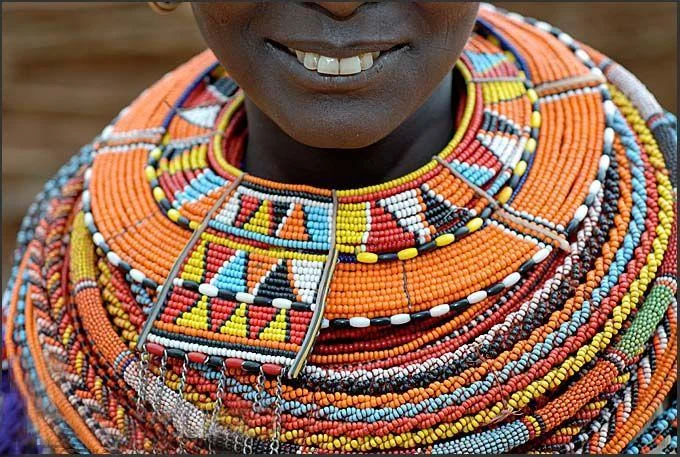
Beadwork is used for personal decoration and cultural expression.
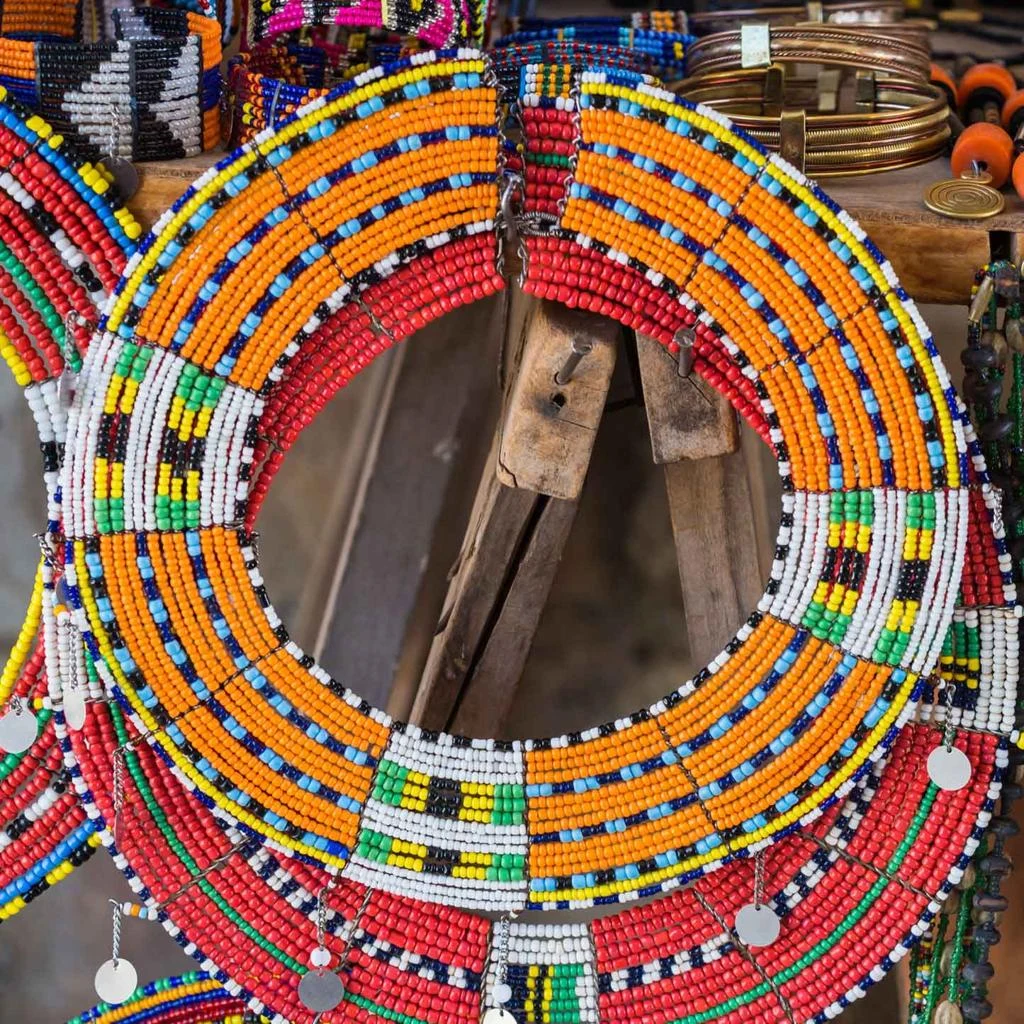
Beaded ornaments demonstrate traditional patterns and craftsmanship.
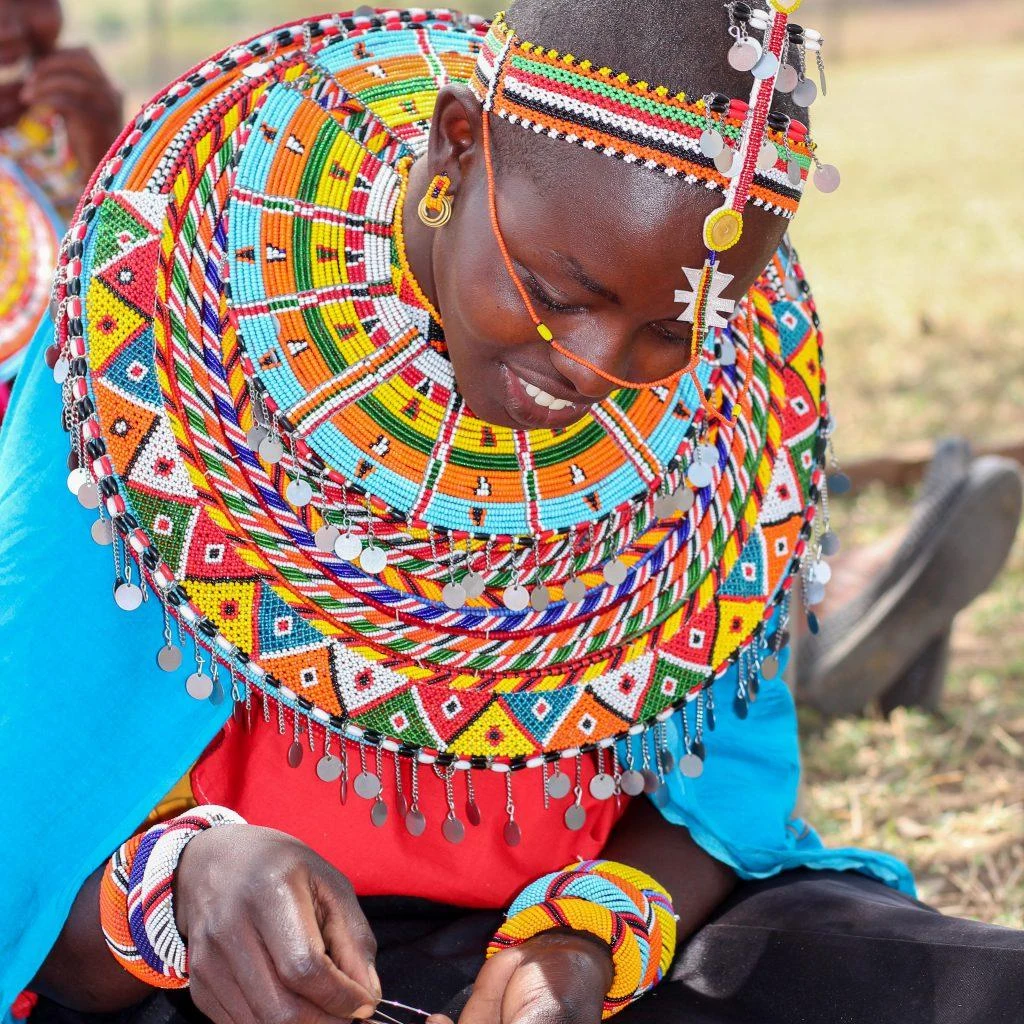
Beadwork can be worn as jewellery and as a sign of cultural identity.
2. Importance of Beadwork in Kenyan Communities
- Preserves cultural traditions.
- Provides personal decoration.
- Communicates cultural identity.
- Produces jewellery for ceremonies.
- Creates employment opportunities.
- Generates income.
- Promotes creativity.
- Supports tourism.
- Provides gifts during special occasions.
- Preserves indigenous craftsmanship.
3. Functions of Jewellery in Kenyan Communities
Jewellery refers to decorative items worn on different parts of the body.
Examples include necklaces, bracelets, earrings and anklets.
Jewellery serves several functions.
A. Decoration
Jewellery makes the wearer look attractive.
B. Cultural identity
Certain types of jewellery help identify a person's cultural community.
C. Social status
In some communities, jewellery may communicate social position or achievements.
D. Ceremonial purposes
Jewellery is worn during weddings, initiation ceremonies and other cultural events.
E. Personal expression
People use jewellery to express their preferences, creativity and identity.
F. Economic purposes
Jewellery can be sold to generate income.
4. Types of Beads
The curriculum identifies five types of beads:
- Plastic beads.
- Clay beads.
- Shell beads.
- Bone beads.
- Wooden beads.
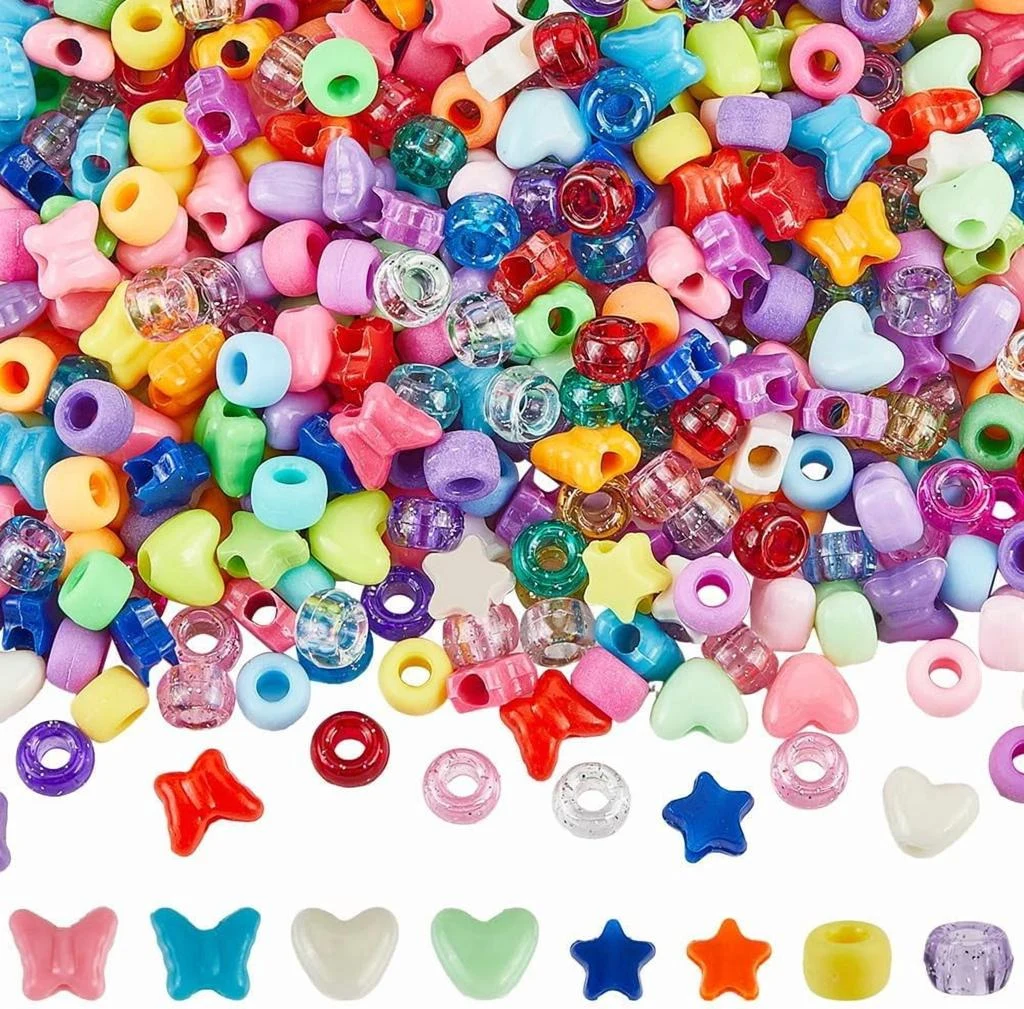
Plastic beads are available in many colours, shapes and sizes.
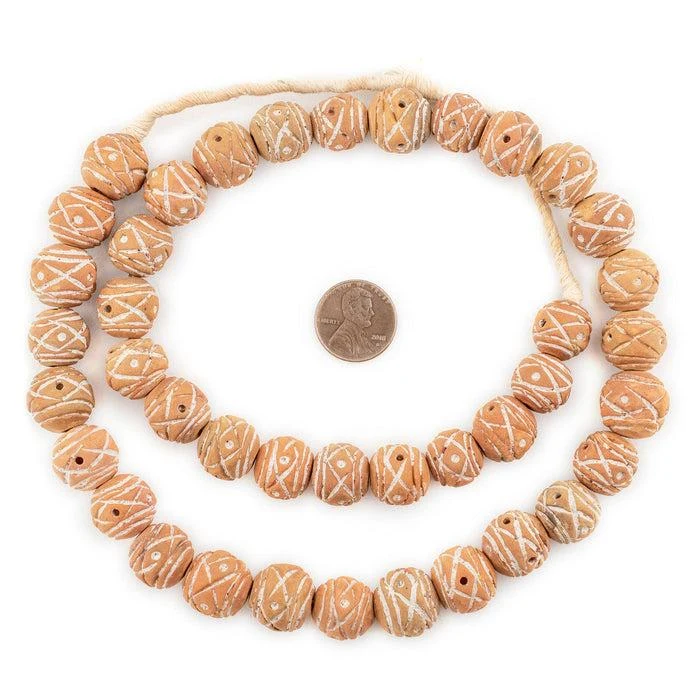
Clay beads provide another material for making jewellery.
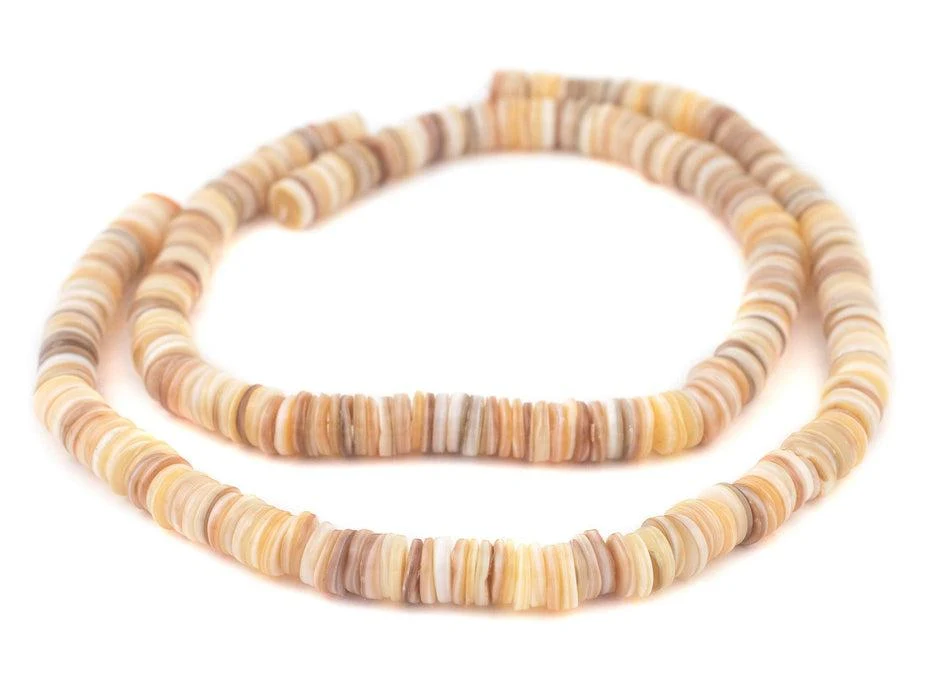
Wooden beads offer a natural option for decorative craftwork.
A. Plastic Beads
These are beads made from plastic materials.
Characteristics
- Available in many colors.
- Come in different shapes and sizes.
- Lightweight.
- Easy to arrange.
- Available in many craft shops.
B. Clay Beads
These are beads made by shaping and hardening clay.
Characteristics
- Can be made in different shapes.
- Can be decorated using paint.
- May have different surface textures.
- Can be produced using locally available clay.
C. Shell Beads
These are beads made from shells.
Characteristics
- Have natural patterns.
- May have different colors.
- Can be polished.
- Are used for making decorative jewellery.
D. Bone Beads
These are beads made from suitably processed animal bones.
Characteristics
- May have natural patterns.
- Can be shaped into different forms.
- Can be polished.
- Are used in traditional crafts.
Only legally and ethically sourced materials should be used.
E. Wooden Beads
These are beads made from wood.
Characteristics
- Lightweight.
- Can be painted.
- Can be polished.
- Available in different sizes and shapes.
- Can be made from suitable locally available wood.
5. Materials and Tools Used in Beadwork
Materials
- Beads.
- Strings.
- Fishing line.
- Thread.
- Locally available decorative materials.
Tools
- Scissors.
- Needles.
- Rulers.
- Containers for sorting beads.
- Pliers where appropriate.
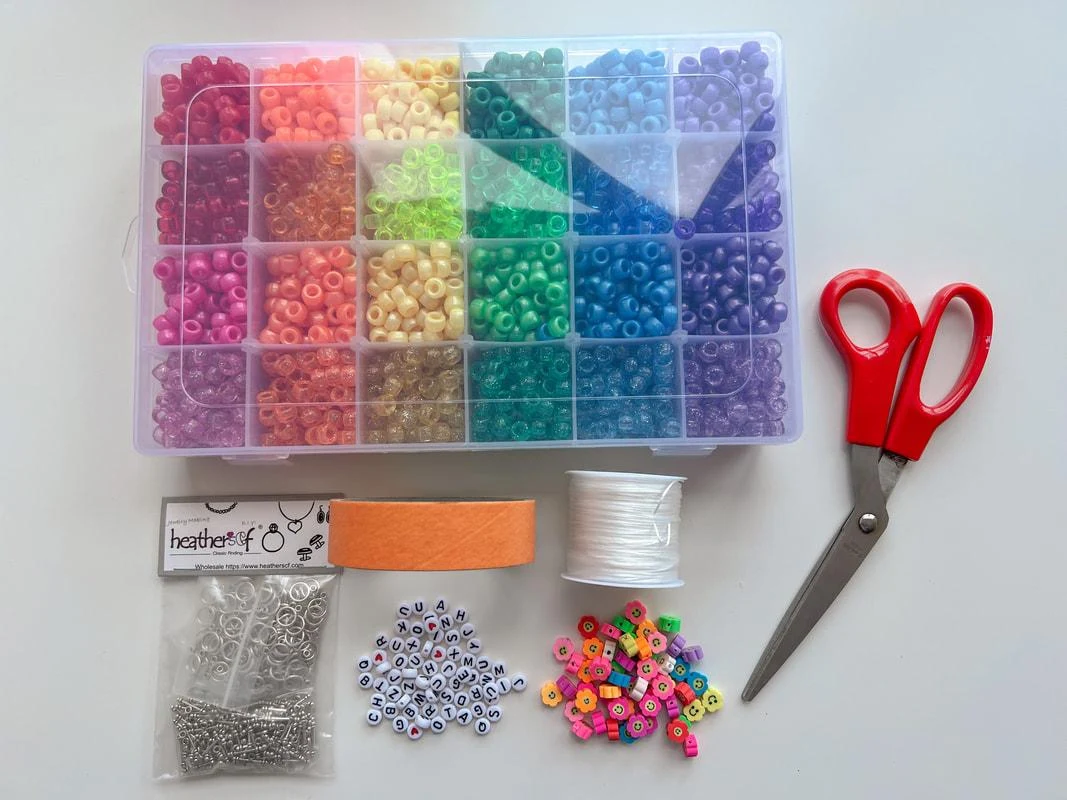
Beadwork projects require suitable materials and tools.
6. Selecting Beads for a Project
Before making jewellery, learners should consider:
- Size of the beads.
- Shape of the beads.
- Color of the beads.
- Strength of the string.
- Intended purpose of the jewellery.
- Pattern to be created.
- Availability of materials.
7. Beadwork Techniques
The curriculum emphasizes two techniques:
- One-way technique.
- Criss-cross technique.
A. One-Way Technique
The one-way technique involves arranging and threading beads along a single direction using a continuous strand.
The beads are arranged in a selected sequence to create a pattern.
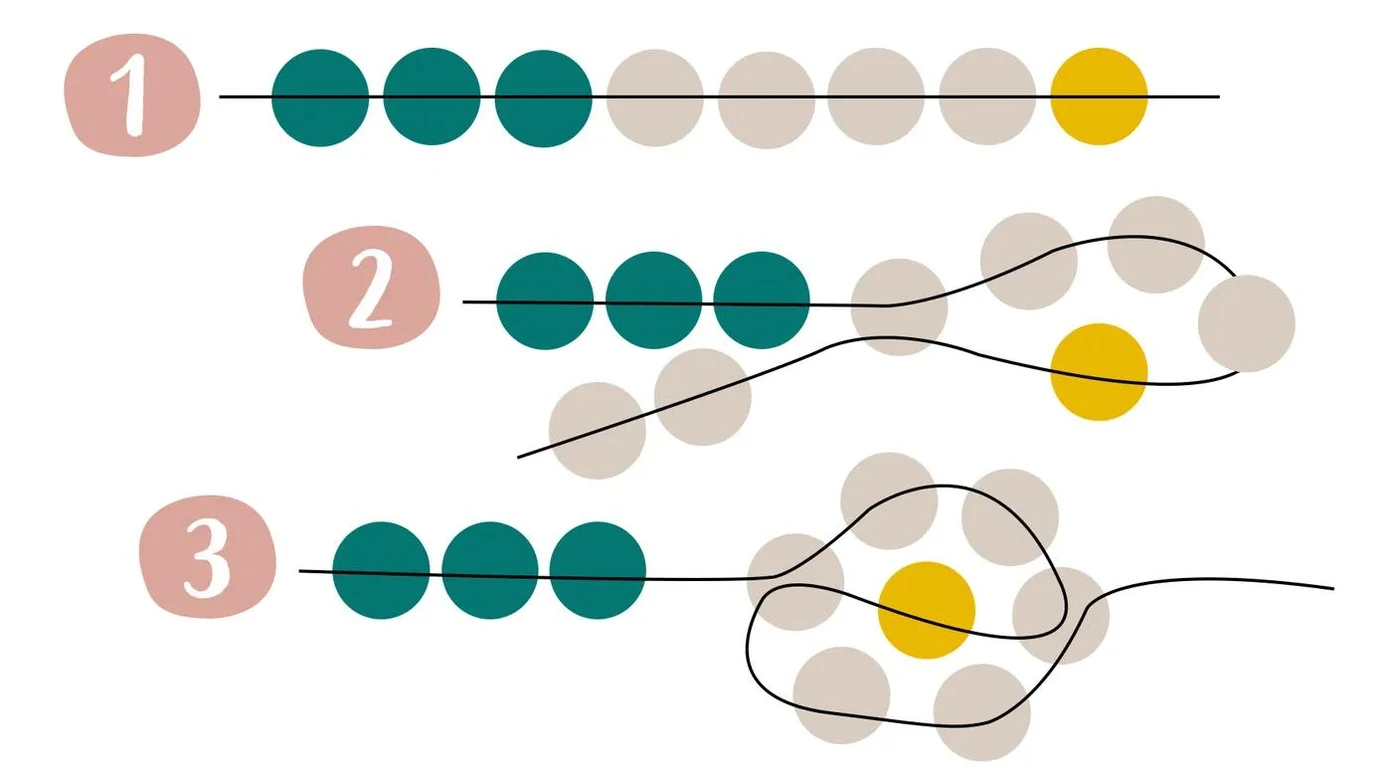
The one-way technique arranges beads along a single strand.
Steps
- Select suitable beads.
- Cut a suitable length of string.
- Arrange the beads according to the desired pattern.
- Thread the beads onto the string.
- Continue until the desired length is achieved.
- Secure the ends firmly.
- Inspect the finished jewellery.
B. Criss-Cross Technique
The criss-cross technique involves passing two ends of a string through beads in opposite directions to create an interlocking pattern.
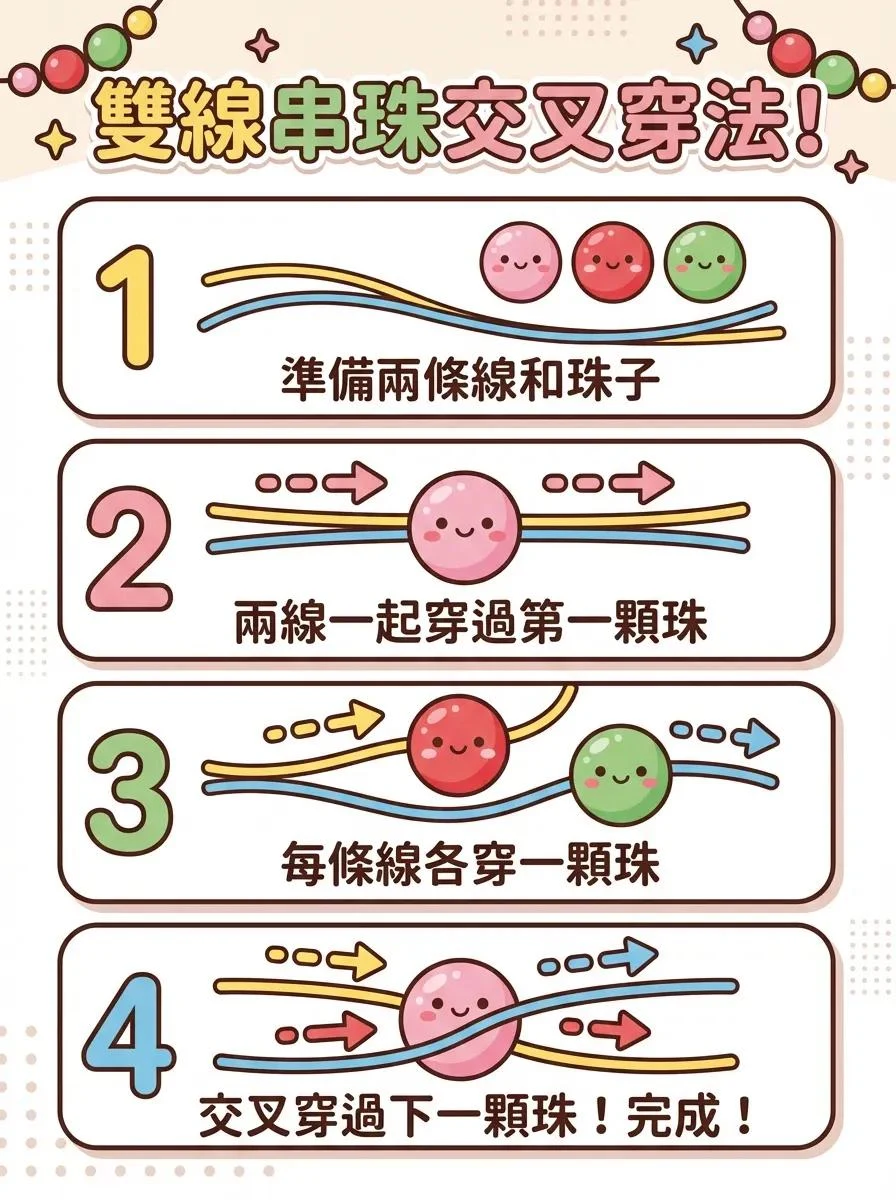
The criss-cross technique passes two ends of a string through beads in opposite directions.
Steps
- Select suitable beads.
- Cut an appropriate length of string.
- Arrange the beads.
- Insert one end of the string through a bead from one direction.
- Pass the opposite end through the same bead from the other direction.
- Pull both ends gently to secure the arrangement.
- Continue adding beads using the same method.
- Finish and secure the jewellery.
8. Making a Beaded Bracelet Inspired by Patriotism
Patriotism is the love, loyalty and commitment that a person shows towards their country.
The curriculum requires learners to make beaded jewellery inspired by patriotism for Kenya.
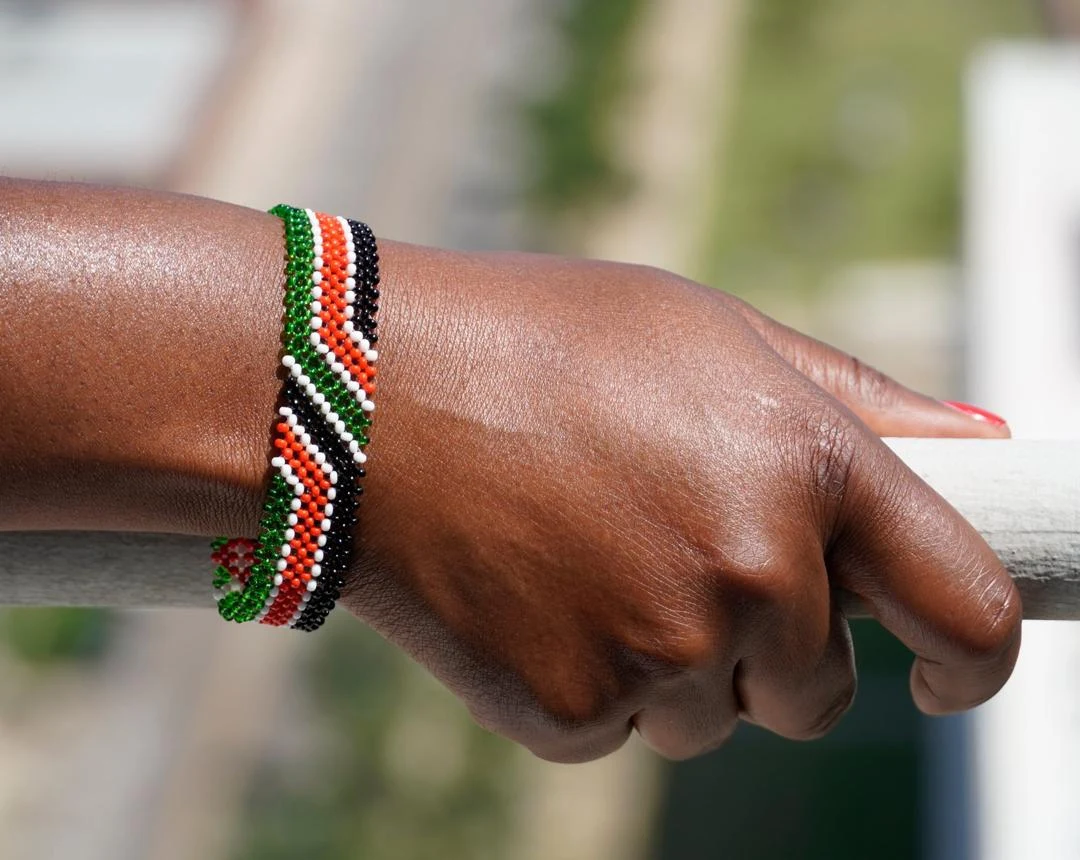
A beaded bracelet can express patriotism through the use of national colours.
Materials required
- Red beads.
- Black beads.
- Green beads.
- White beads.
- String or fishing line.
- Scissors.
- Ruler.
- Needle where necessary.
9. Steps in Making a Patriotic Beaded Bracelet
- Identify the Kenyan national flag colors.
- Collect suitable beads in the required colors.
- Sort the beads according to color and size.
- Decide on the bracelet pattern.
- Measure the string according to the intended wrist size.
- Thread the beads using the one-way or criss-cross technique.
- Arrange the colors to create an attractive pattern.
- Secure the ends of the string.
- Check that the bracelet is strong and properly finished.
- Display the completed bracelet.
10. Meaning of Patriotism
Patriotism is the feeling of love, loyalty and commitment towards one's country.
It involves respecting national symbols, supporting community development and promoting unity.
Ways learners demonstrate patriotism
- Respecting the national flag.
- Singing the national anthem.
- Protecting public property.
- Respecting national values.
- Promoting peace and unity.
- Participating in community activities.
11. Performing a Patriotic Song While Wearing Beaded Jewellery
Learners can perform a Kenyan patriotic song while wearing their completed beaded jewellery.
Steps
- Select a suitable patriotic song.
- Understand the message of the song.
- Practise the melody and rhythm.
- Wear the completed beaded jewellery.
- Apply appropriate voice projection.
- Maintain voice balance during group singing.
- Use suitable gestures and movements.
- Perform before an audience.
12. Care and Maintenance of Beaded Jewellery
- Store jewellery in a clean container.
- Avoid excessive pulling of strings.
- Keep jewellery away from damaging chemicals.
- Clean suitable beads gently.
- Repair broken strings when necessary.
- Avoid exposing delicate materials to excessive moisture.
Summary
- Beadwork is an indigenous craft involving beads and strings.
- Jewellery serves decorative, cultural, ceremonial and economic functions.
- The five bead types include plastic, clay, shell, bone and wooden beads.
- One-way and criss-cross techniques are used in making beaded jewellery.
- Learners make a patriotic bracelet inspired by Kenya.
- Beadwork helps preserve cultural identity and develop creativity.
Revision Questions
- Define beadwork.
- State six importance of beadwork in Kenyan communities.
- Explain four functions of jewellery.
- Identify five types of beads.
- State four characteristics of plastic beads.
- Identify five materials used in beadwork.
- Explain the one-way beadwork technique.
- Describe the criss-cross technique.
- What is patriotism?
- Describe the steps involved in making a patriotic beaded bracelet.
- Explain how beadwork contributes to cultural preservation.