
1. Introduction to Swimming
Swimming is a physical activity that involves moving through water using coordinated movements of the arms, legs and body.
It is an important life skill that promotes physical fitness and water safety.
Swimming can be performed for recreation, competition, exercise and survival.
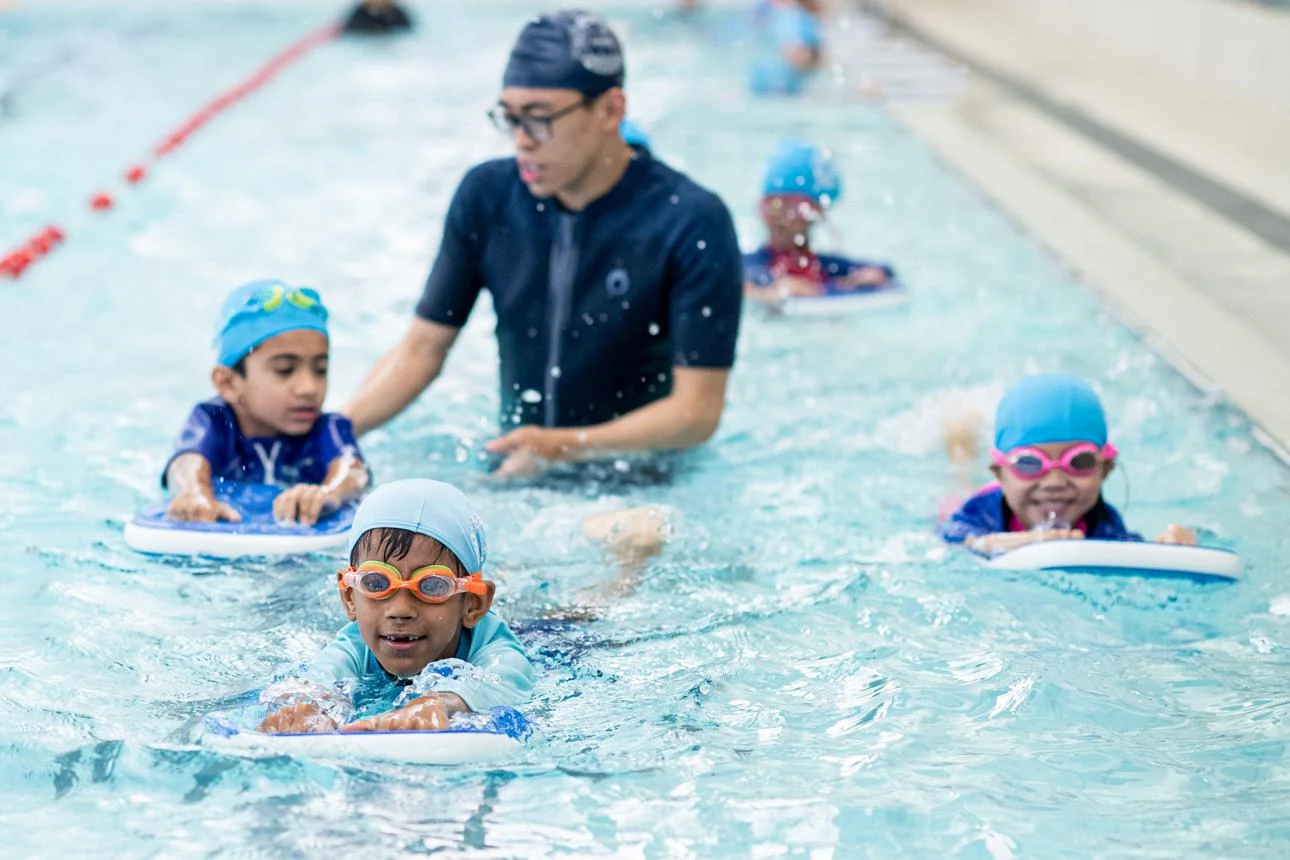
Swimming instruction should take place under appropriate supervision.
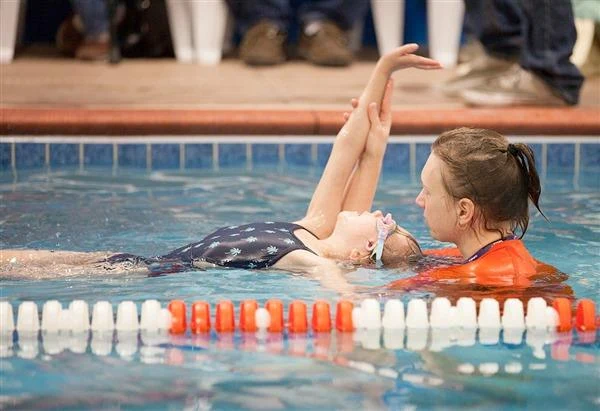
Swimming develops water confidence and physical fitness.
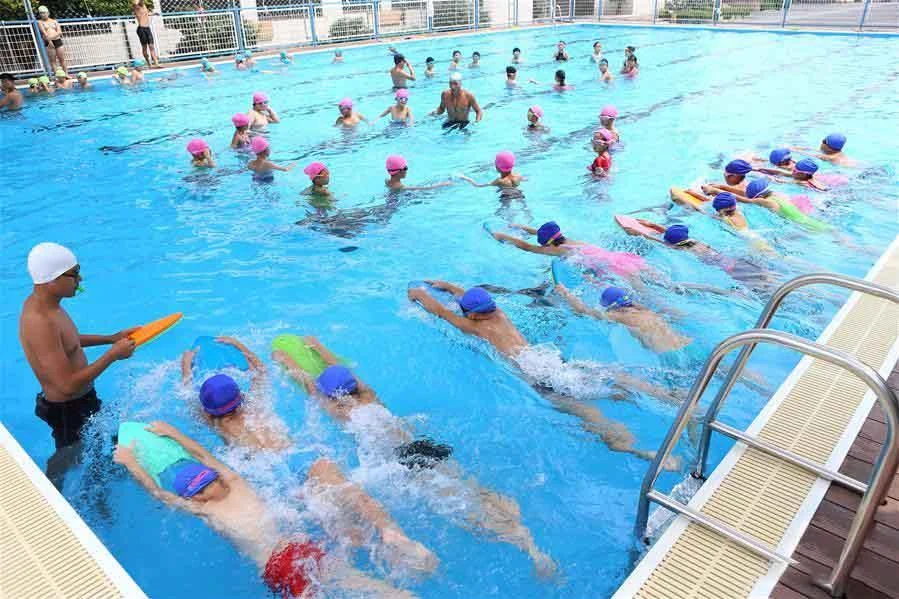
Learners practise swimming in a pool with suitable supervision.
2. Importance of Swimming
- Improves physical fitness.
- Develops muscular strength.
- Improves coordination.
- Develops endurance.
- Promotes relaxation.
- Improves body control.
- Provides recreation.
- Develops water safety awareness.
- Can help prevent drowning when combined with appropriate water-safety knowledge.
3. Water Entry in Swimming
Water entry refers to the method used by a swimmer to enter a swimming pool or other suitable water body.
The curriculum emphasizes two water-entry techniques:
- Pencil dive.
- Crouch dive.
4. Pencil Dive
A pencil dive is a water-entry technique in which the swimmer enters the water in a straight, upright body position with the feet pointing downwards.
The body resembles a straight pencil.
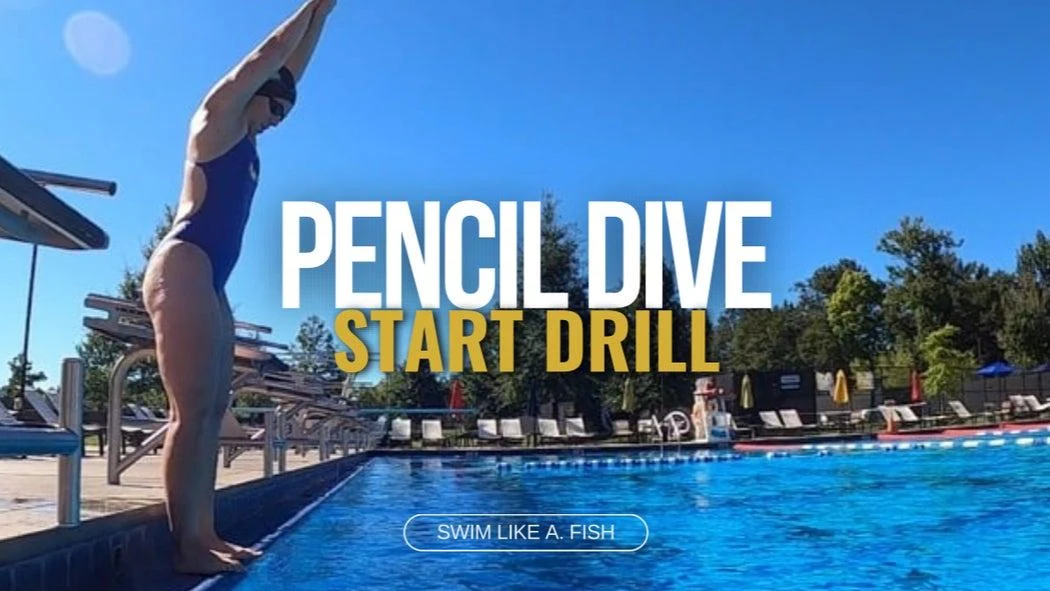
A pencil dive uses a straight, controlled body position for water entry.
Steps in performing a pencil dive
- Stand upright at a suitable entry point.
- Keep the body straight.
- Position the feet together.
- Keep the arms close to the body or extended in a suitable controlled position.
- Look forward.
- Enter the water feet first while maintaining a straight body position.
- Maintain control as the body enters the water.
Importance of pencil diving
- Develops water-entry skills.
- Improves body control.
- Builds confidence in water.
- Helps learners practise controlled entry.
5. Crouch Dive
A crouch dive is a water-entry technique in which a swimmer starts in a crouched position before pushing forward into the water.
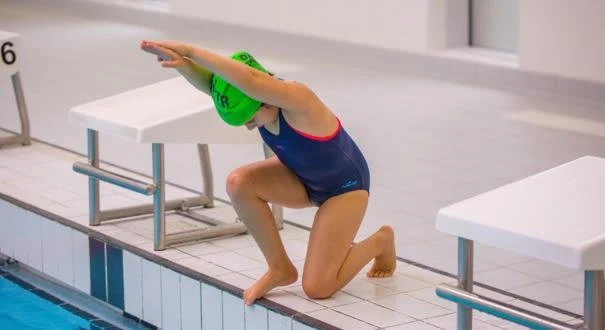
A crouch dive begins with the swimmer in a crouched position.
Steps in performing a crouch dive
- Stand at the pool edge.
- Bend the knees and lower the body.
- Position the feet securely.
- Lean forward carefully.
- Extend the arms in the direction of entry.
- Push off using the legs.
- Enter the water in a controlled position.
- Maintain a streamlined body position.
6. Differences Between Pencil Dive and Crouch Dive
|
Pencil dive |
Crouch dive |
|---|---|
|
Involves an upright body position |
Begins in a crouched position |
|
Usually involves feet-first entry |
Involves a forward, hands-first entry |
|
Body remains straight |
Body moves forward from a crouched starting position |
|
Develops controlled vertical entry |
Develops controlled forward entry |
7. Introduction to Backstroke
Backstroke is a swimming style performed while lying on the back with the face above the water.
The swimmer moves through the water using alternating arm movements and flutter kicks.
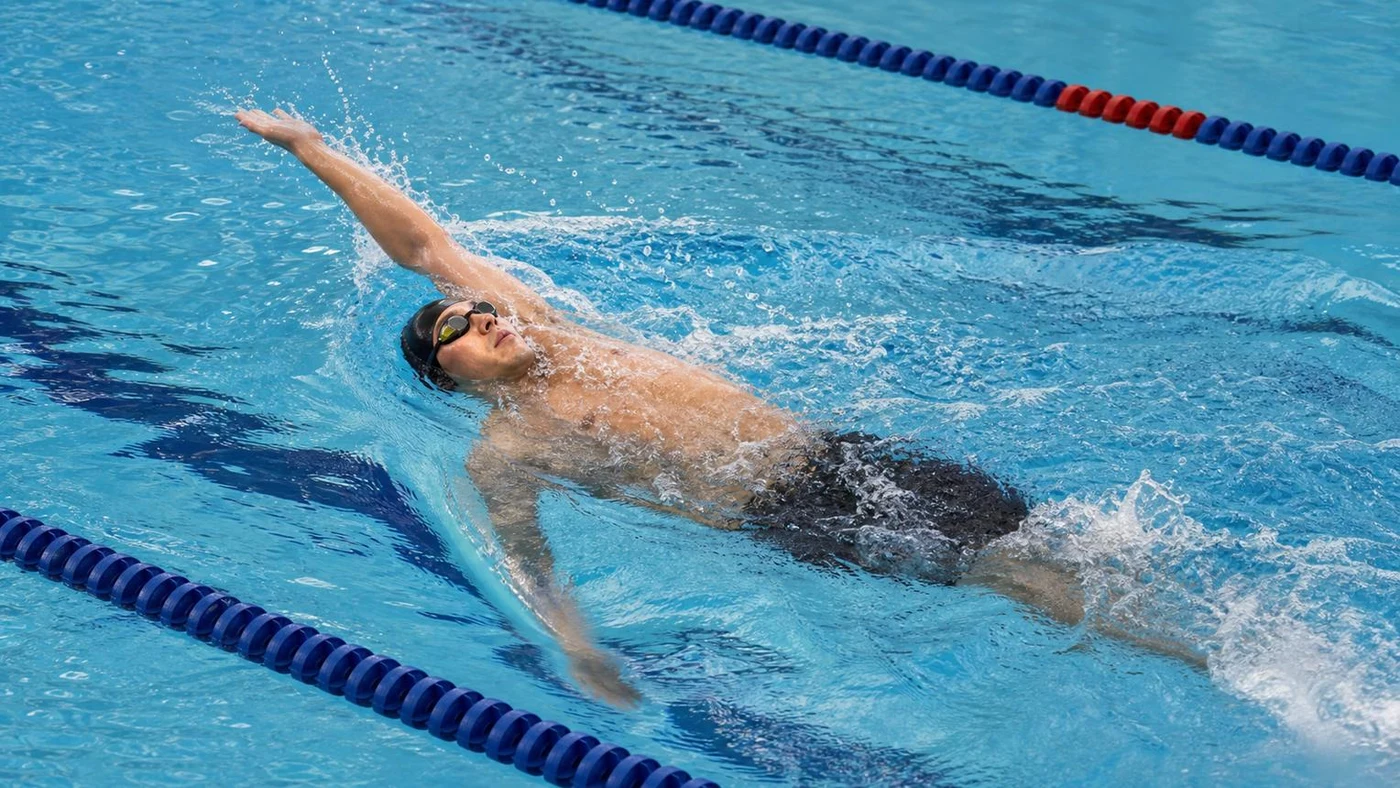
Backstroke is performed while lying on the back and moving through the water.
8. Basic Skills in Backstroke
The curriculum emphasizes three main skills:
- Flutter kicks.
- Arm action.
- Breathing.
A. Body Position
The swimmer lies on the back with the body extended horizontally in the water.
The head remains in a comfortable position, with the face above the water.
The body should remain as streamlined as possible.
B. Flutter Kicks
Flutter kicks involve alternating up-and-down movements of the legs.
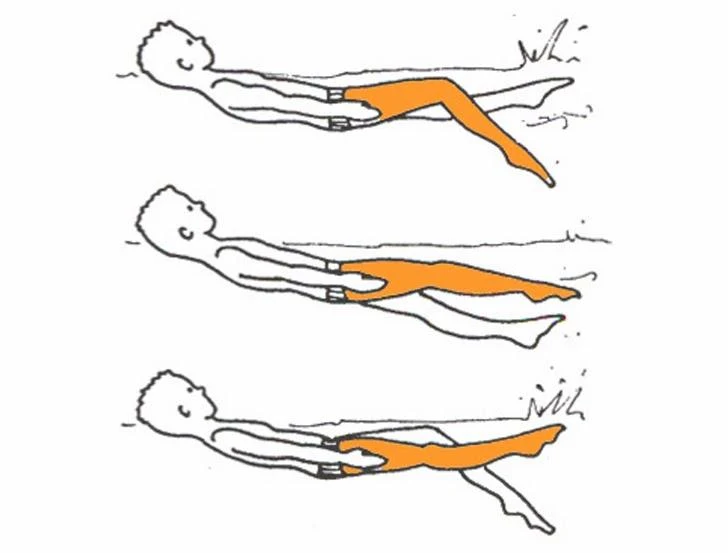
Flutter kicks use alternating leg movements to help propel the swimmer.
Steps
- Lie on the back in the water.
- Keep the legs extended.
- Begin alternating movements of the legs.
- Keep the knees slightly relaxed.
- Point the toes naturally.
- Maintain a steady kicking rhythm.
Importance
- Provides forward movement.
- Helps maintain body position.
- Supports balance in water.
- Improves leg coordination.
C. Arm Action
Backstroke uses alternating arm movements.
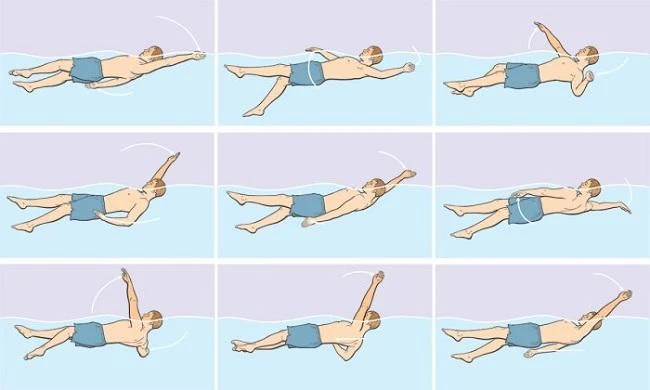
Backstroke arm and body movements work together to create forward movement.
Steps
- Extend one arm above the shoulder.
- Move it backwards into the water.
- Pull the water to propel the body forward.
- Recover the arm above the water.
- Repeat the movement using the opposite arm.
- Maintain alternating movements.
D. Breathing
Breathing is important because it supplies oxygen to the body during swimming.
In backstroke, the swimmer's face remains above the water, allowing breathing without turning the head sideways.
Good breathing practices
- Breathe naturally and regularly.
- Avoid holding the breath unnecessarily.
- Maintain a relaxed body position.
- Coordinate breathing with swimming movements.
9. Coordination in Backstroke
Effective backstroke requires coordination of the arms, legs and breathing.
The swimmer should maintain a steady rhythm while moving through the water.
The following actions should work together:
- Alternating arm movements.
- Flutter kicks.
- Proper body position.
- Regular breathing.
10. Safety Precautions During Swimming
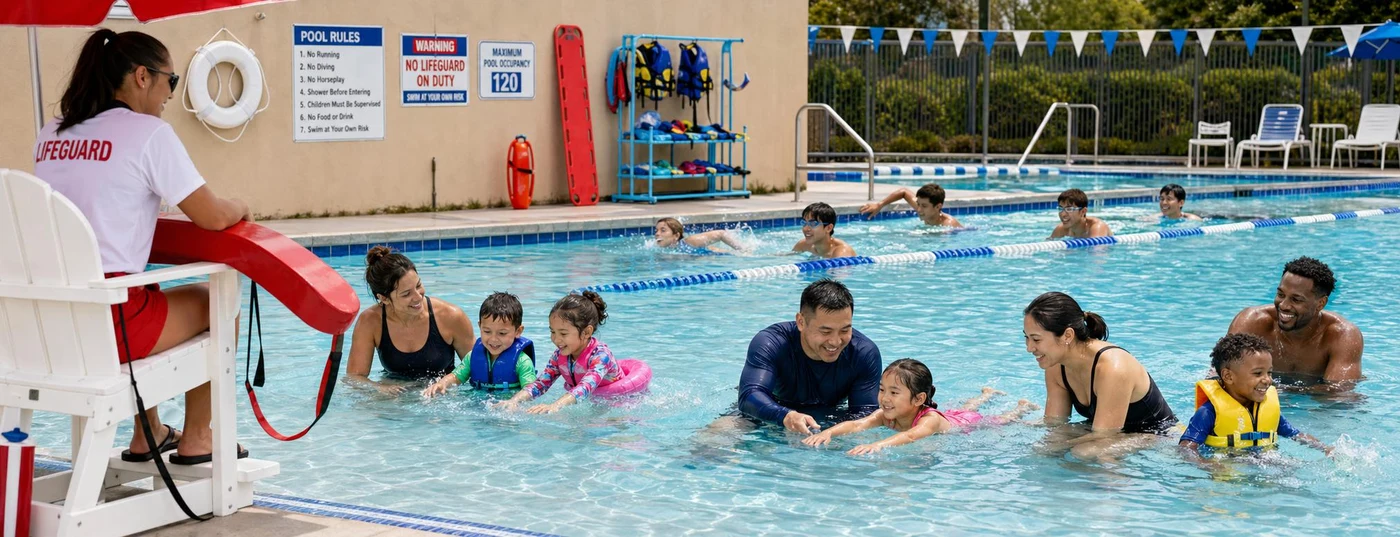
A supervised swimming lesson helps learners develop skills and confidence.
- Swim only in approved swimming areas.
- Follow the instructor's directions.
- Never swim alone.
- Avoid diving into shallow water.
- Do not push other swimmers.
- Avoid running around the swimming pool.
- Use appropriate swimming equipment.
- Do not enter water when instructed not to.
- Avoid swimming during dangerous weather conditions.
- Ensure that a qualified instructor or lifeguard is present.
- Stop swimming when tired or unwell.
- Learn emergency procedures.
Important: Pencil dives and crouch dives should only be taught in water of suitable depth, after the instructor has checked the pool conditions. Learners should never practise head-first entry in shallow water.
Summary
- Swimming involves moving through water using coordinated body movements.
- Pencil dive and crouch dive are water-entry techniques.
- Backstroke is performed while lying on the back.
- Backstroke involves flutter kicks, arm action and breathing.
- Swimming develops fitness, coordination and endurance.
- Water safety must always be observed.
Revision Questions
- Define swimming.
- State five benefits of swimming.
- What is water entry?
- Describe how to perform a pencil dive.
- Explain the steps involved in performing a crouch dive.
- Differentiate between pencil dive and crouch dive.
- Define backstroke.
- Explain the importance of flutter kicks.
- Describe the arm action in backstroke.
- State five safety precautions during swimming.