
1. Introduction
Javelin and sculpture combines sporting activities with visual art.
Learners develop skills in carving and decorating a javelin implement while also learning the techniques used in javelin throwing.
Sculpture helps learners develop creativity and craftsmanship.
Javelin throwing develops physical fitness, coordination, strength and accuracy.
The curriculum emphasizes carving, decorating and performing the five phases of javelin throwing.
2. Meaning of Javelin
A javelin is a long, slender implement designed for throwing over a distance.
It is used in the athletics field event known as javelin throw.
A standard competition javelin has a pointed metal head, a shaft and a grip.
3. Appearance of a Javelin
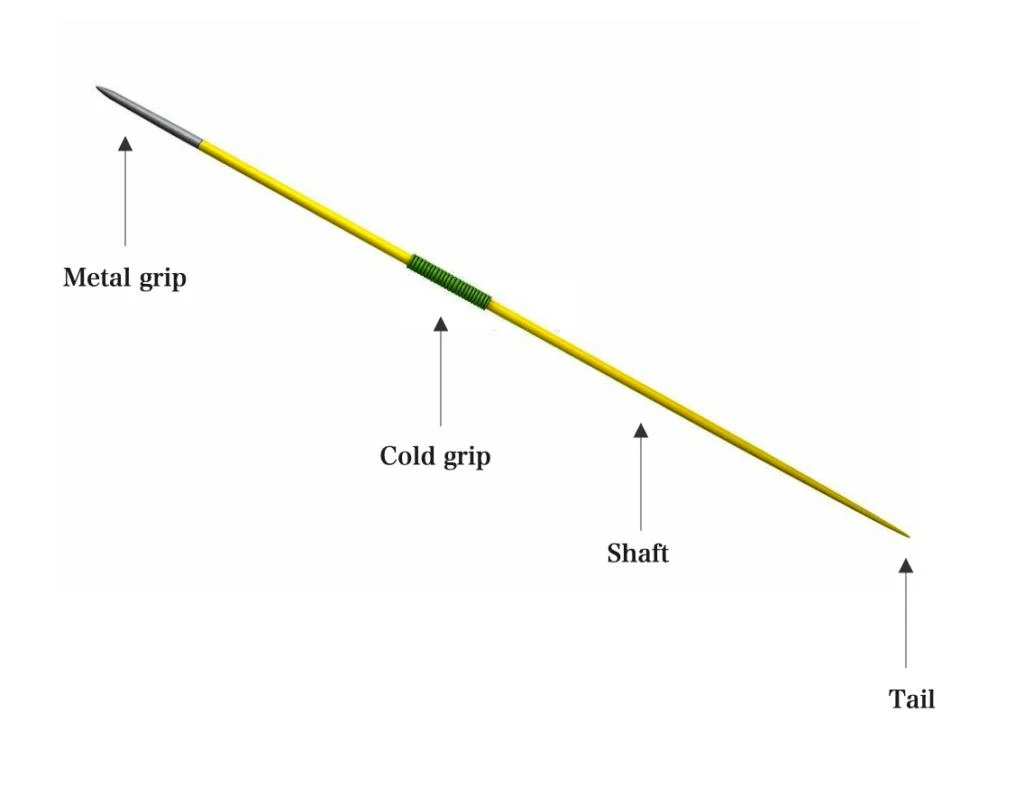
A javelin has a pointed head, a shaft and a grip.
A javelin has the following general features:
A. Pointed head
The pointed head is the front part of the javelin.
It helps the implement enter the ground during landing.
B. Shaft
The shaft is the long main body of the javelin.
It is designed to provide the required shape and balance.
C. Grip
The grip is the section held by the athlete during throwing.
It provides a secure holding position.
D. Tail
The tail is the rear section of the javelin.
It contributes to the overall shape and balance.
4. Materials Used in Making a Practice Javelin
Suitable materials depend on the type of implement being produced.
Examples include:
- Wood.
- Suitable lightweight carving materials.
- Sandpaper.
- Paint.
- Natural decorative materials.
- Suitable adhesives where required.
The material selected should be suitable for the intended activity and safe to handle.
5. Meaning of Sculpture
Sculpture is an art of creating three-dimensional objects by shaping, carving, modelling or assembling materials.
A sculpture can be viewed from different directions because it has length, width and depth.
6. Materials Used in Sculpture
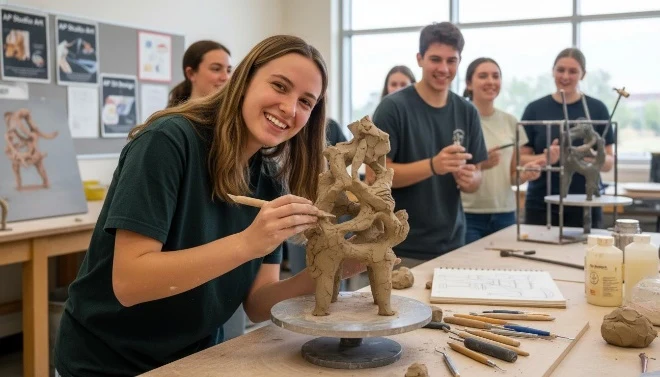
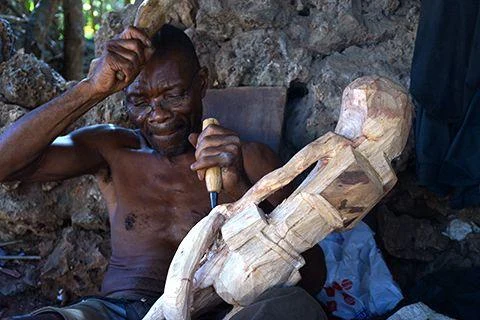
Sculpture can be created using different materials and forms.
A. Wood
Wood is used for carving different objects and decorative artworks.
B. Clay
Clay is a soft material that can be shaped into different forms.
C. Stone
Stone can be carved to produce durable sculptures.
D. Metal
Metal can be shaped or assembled to produce sculptures.
E. Soapstone
Soapstone is a relatively soft stone that can be carved into decorative objects.
7. Tools Used in Carving
- Carving knives.
- Chisels.
- Gouges.
- Files.
- Sandpaper.
- Measuring tools.
- Pencils for marking designs.
8. Meaning of Carving
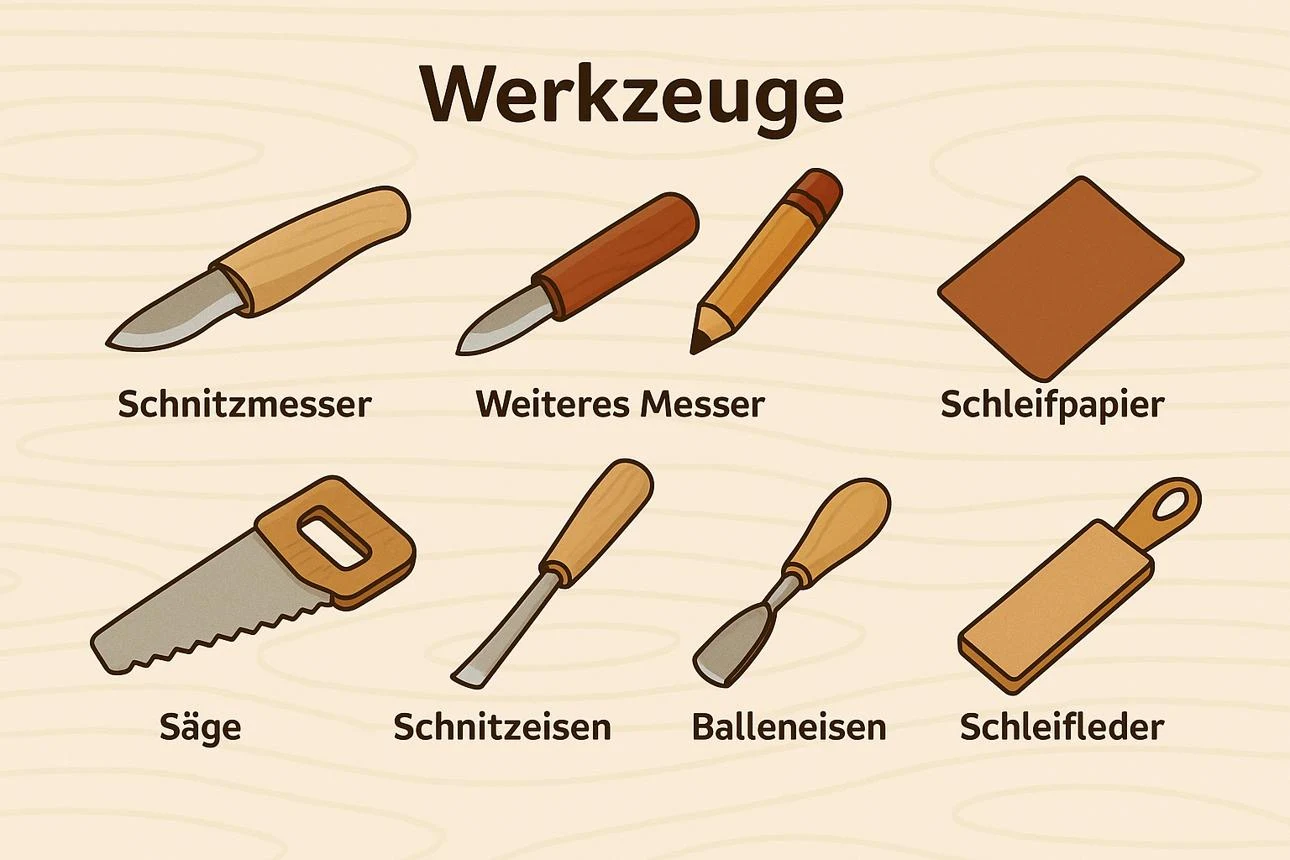
Carving tools help remove material and shape a sculpture.
Carving is a sculptural technique that involves removing unwanted material from a solid object to produce a desired shape.
The artist gradually removes material until the required form is achieved.
9. Steps in Carving a Javelin
Step 1: Select suitable material
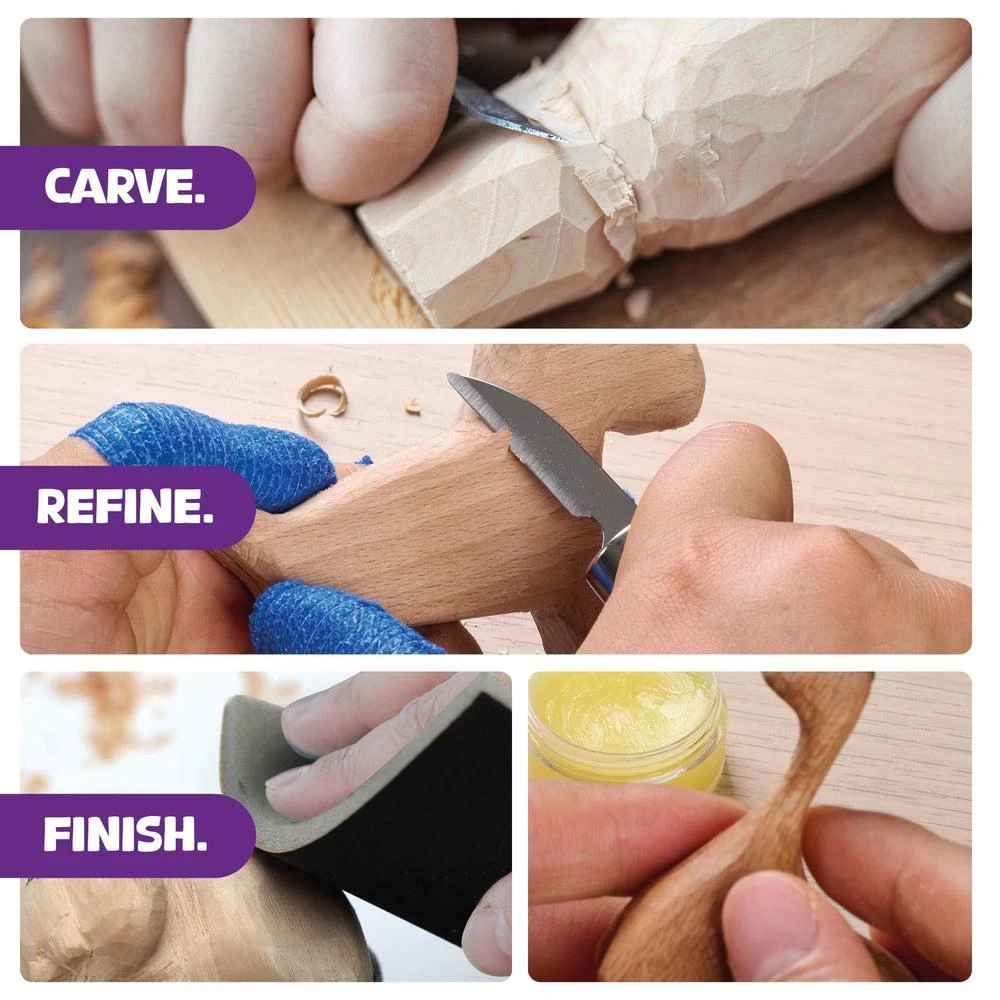
Carving involves gradually shaping material to achieve the intended form.
Choose material that is appropriate for making the intended practice implement.
Step 2: Prepare the material
Clean the material and remove unwanted parts.
Step 3: Sketch the design
Draw the outline of the javelin on the material.
Step 4: Carve the shape
Remove unwanted material carefully to achieve the required shape.
Step 5: Refine the shape
Smooth the surface and improve the overall appearance.
Step 6: Sand the surface
Use sandpaper to remove rough areas and make the surface smooth.
Step 7: Decorate the javelin
Apply suitable patterns and decorative techniques.
Step 8: Finish the implement
Inspect the final product and ensure that it is properly finished.
10. Techniques Used in Decorating a Javelin
The curriculum identifies different decorative and finishing techniques.
A. Sanding
Sanding involves rubbing the surface using sandpaper to make it smooth.
B. Texturing
Texturing involves creating different surface patterns to improve the appearance of an object.
C. Smoking
Smoking involves exposing suitable materials to smoke to create a decorative surface effect. This should only be undertaken with appropriate supervision and safe materials.
D. Engraving
Engraving involves making decorative marks or patterns on a surface.
E. Painting
Painting involves applying colors to the surface to create decorative patterns.
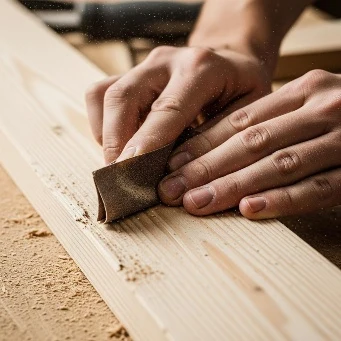
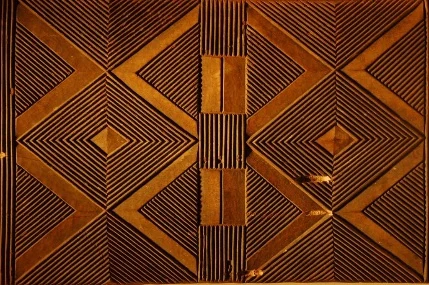
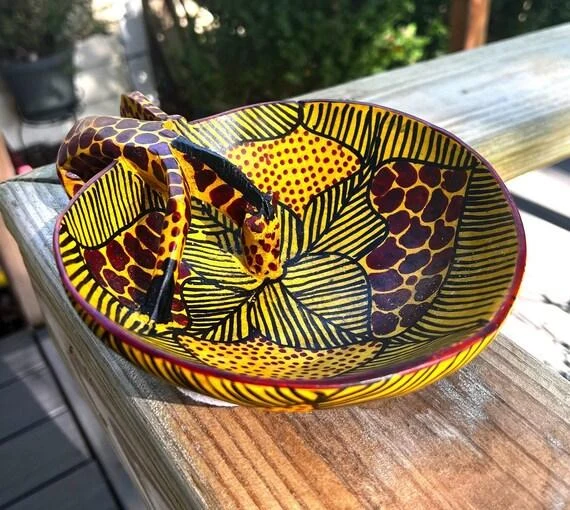
Examples of carving and decorative craftwork show how materials can be shaped and finished.
11. Safety Precautions When Carving
- Use appropriate carving tools.
- Work under teacher supervision.
- Keep fingers away from sharp cutting edges.
- Cut away from the body.
- Work on a stable surface.
- Wear suitable protective equipment.
- Keep tools properly arranged.
- Do not play with carving tools.
- Clean the working area after the activity.
- Store tools safely after use.
12. Javelin Throwing
Javelin throwing is an athletics event in which an athlete throws a javelin as far as possible into a designated landing sector.
The athlete must follow specific throwing techniques to achieve an effective throw.
13. Five Phases of Javelin Throwing
The five phases are:
- Carry.
- Approach run.
- Crossover.
- Release.
- Follow-through.
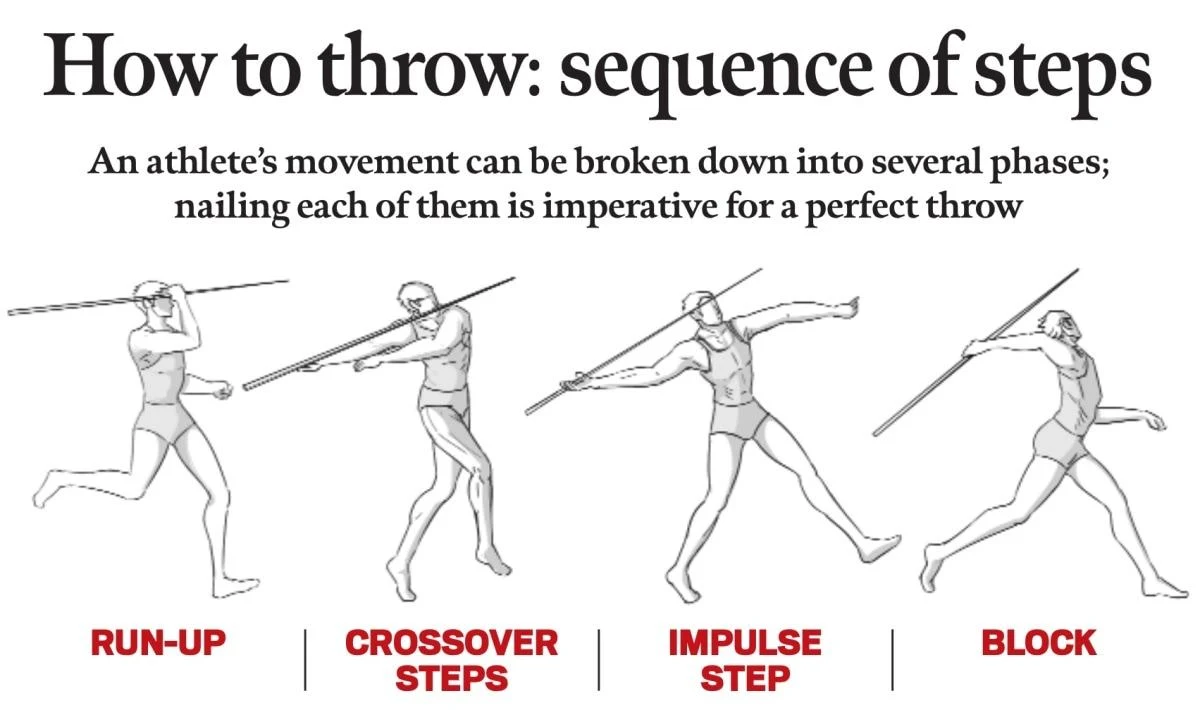
The javelin throw is performed through a sequence of coordinated phases.
A. Carry
The carry phase involves holding the javelin correctly while preparing to throw.
The athlete maintains control of the implement during movement.
B. Approach Run
This is the running phase where the athlete moves forward to build momentum before throwing.
The athlete maintains balance and control.
C. Crossover
The crossover phase involves coordinated steps that prepare the body for the throwing action.
The athlete positions the body appropriately for the release.
D. Release
The release phase occurs when the athlete throws the javelin into the air.
The throwing arm moves forward to propel the implement.
E. Follow-through
Follow-through occurs immediately after releasing the javelin.
The athlete maintains balance and controls body movement after the throw.
14. Safety Precautions During Javelin Throwing
v
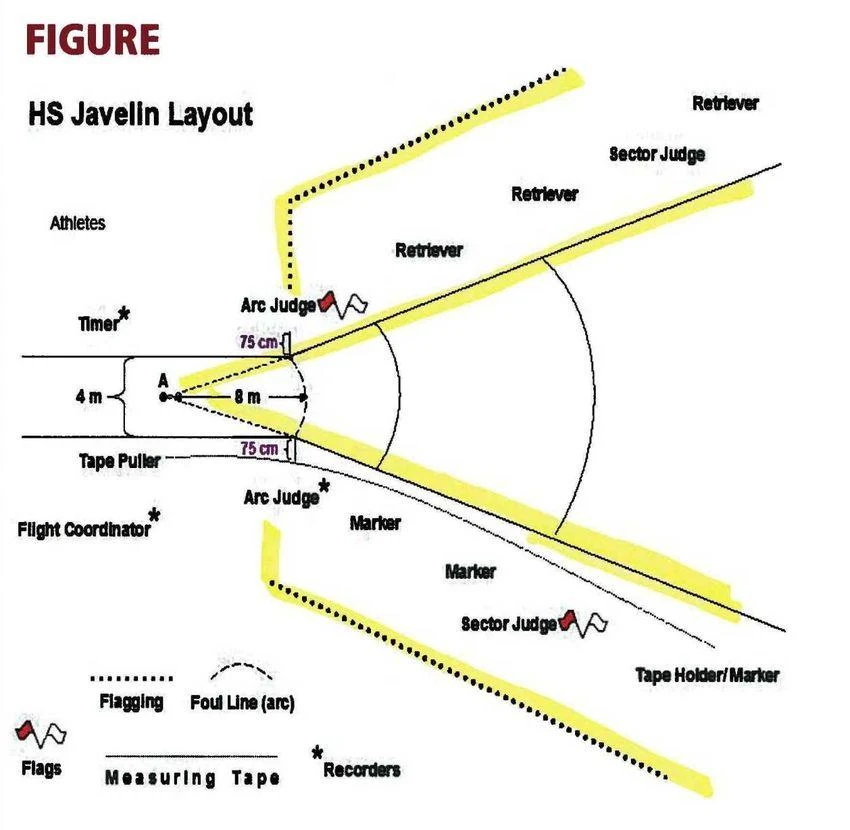
The javelin layout helps learners understand the implement and throwing area.
- Throw only when instructed.
- Ensure the throwing area is clear.
- Never stand in front of a person preparing to throw.
- Retrieve javelins only when the teacher gives permission.
- Carry javelins with the pointed end facing down.
- Never point a javelin at another person.
- Use suitable equipment.
- Follow the teacher's instructions.
- Avoid unnecessary movements in the throwing area.
- Maintain a safe distance from other learners.
15. How Javelin Throwing Enhances Physical Fitness
- Develops muscular strength.
- Improves coordination.
- Develops balance.
- Improves body control.
- Develops flexibility.
- Improves concentration.
- Develops movement accuracy.
16. Appreciation of Artwork and Sporting Effort
Learners should appreciate their own work and the efforts of others.
This can be achieved by:
- Giving positive feedback.
- Recognizing creativity.
- Respecting different artistic abilities.
- Following sporting rules.
- Encouraging fellow participants.
- Appreciating improvement in performance.
Summary
- Javelin is an implement used in an athletics throwing event.
- Sculpture involves creating three-dimensional objects.
- Carving is a technique used to remove unwanted material.
- Sanding, texturing, smoking, engraving and painting can be used for decoration.
- Javelin throwing has five phases.
- Safety is important during carving and throwing.
Revision Questions
- Define javelin.
- Identify the main parts of a javelin.
- What is sculpture?
- State five materials used in sculpture.
- Identify five tools used in carving.
- Describe the steps involved in carving a javelin.
- Explain four techniques used to decorate a javelin.
- Identify the five phases of javelin throwing.
- Describe the approach run and crossover phases.
- State six safety precautions during javelin throwing.
- Explain four ways javelin throwing improves physical fitness.