
1. Introduction to Handball
Handball is a team sport in which players use their hands to pass, dribble and shoot a ball towards the opponent's goal.
The main aim is to score more goals than the opposing team.
Players need coordination, speed, strength, teamwork and concentration to perform effectively.
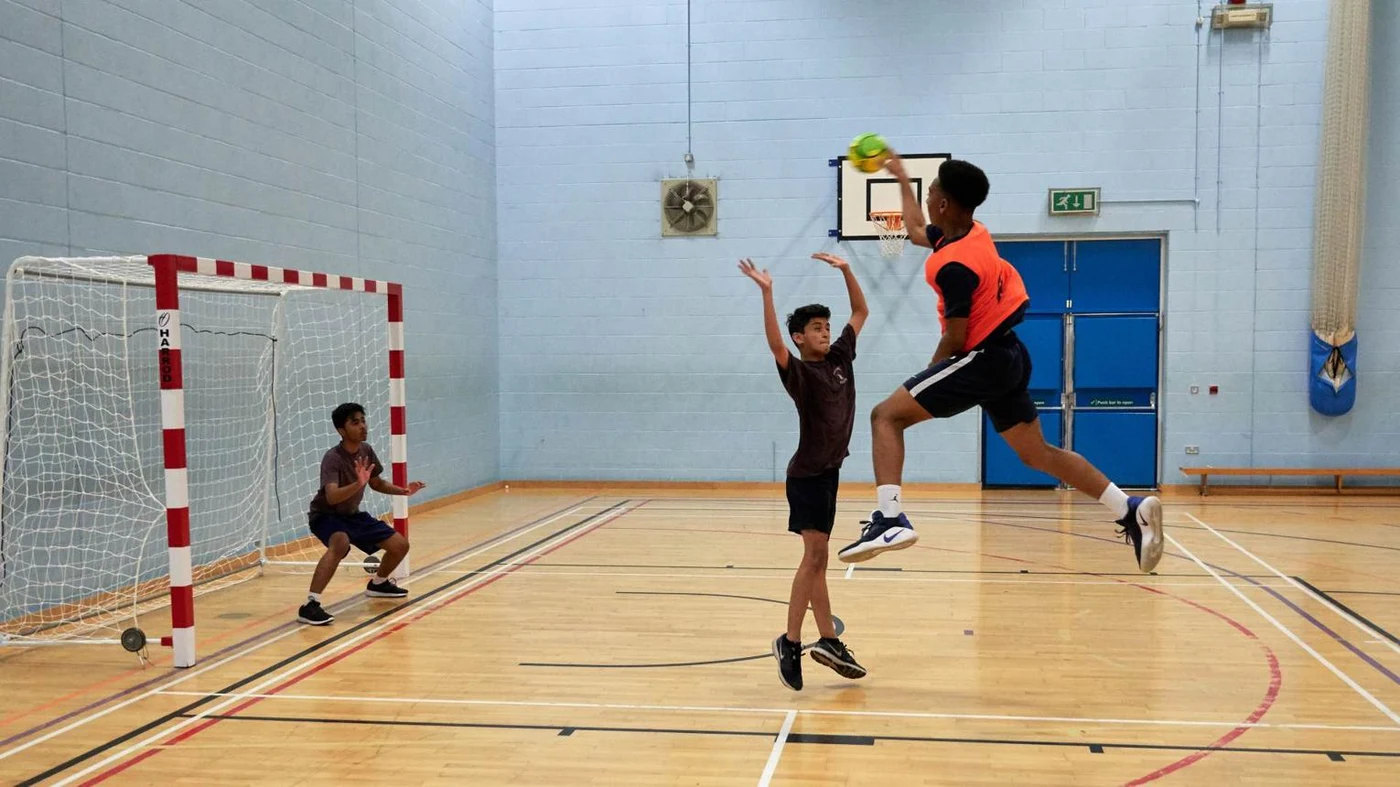
Handball players use the court and goal during the game.
2. Equipment Used in Handball
A. Handball
A handball is a rounded ball designed for gripping, passing, dribbling and shooting.
B. Goalposts
Goalposts are structures placed at each end of the playing area.
Players attempt to score by throwing the ball into the opponent's goal.
C. Sportswear
Players wear suitable sports clothing that allows free movement.
D. Sports shoes
Sports shoes provide grip and support during movement.
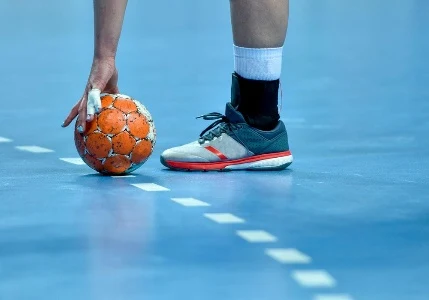
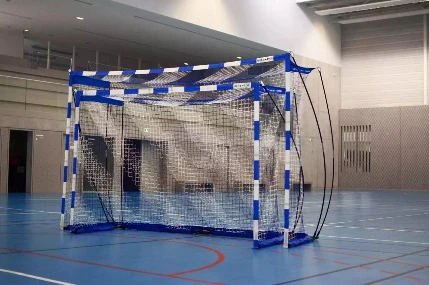
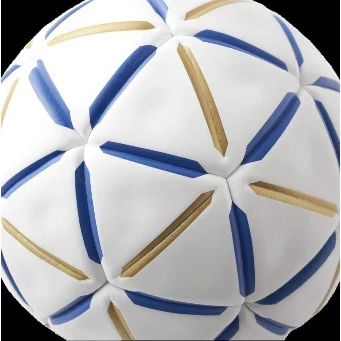
Handball equipment includes the ball, goal and suitable footwear.
3. Basic Skills in Handball
The curriculum emphasizes three main skills:
- Passing.
- Dribbling.
- Shooting.
4. Passing in Handball
Passing is the skill of throwing the ball to another player on the same team.
It helps players maintain possession and create scoring opportunities.
The three types of passes covered in this sub-strand are:
- Side pass.
- Jump pass.
- Flick pass.
A. Side Pass
A side pass involves passing the ball to another player using a sideways throwing action.
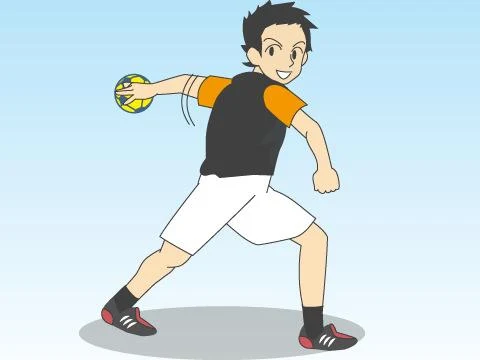
The side pass moves the ball to a teammate using a sideways throwing action.
Steps in performing a side pass
- Hold the ball firmly.
- Position the body appropriately.
- Turn slightly towards the intended receiver.
- Move the throwing arm sideways.
- Release the ball towards the teammate.
- Follow through with the throwing arm.
Importance of side passing
- Helps move the ball between players.
- Maintains possession.
- Creates opportunities for attack.
- Improves teamwork.
B. Jump Pass
A jump pass is performed when a player jumps and passes the ball to a teammate while in the air.
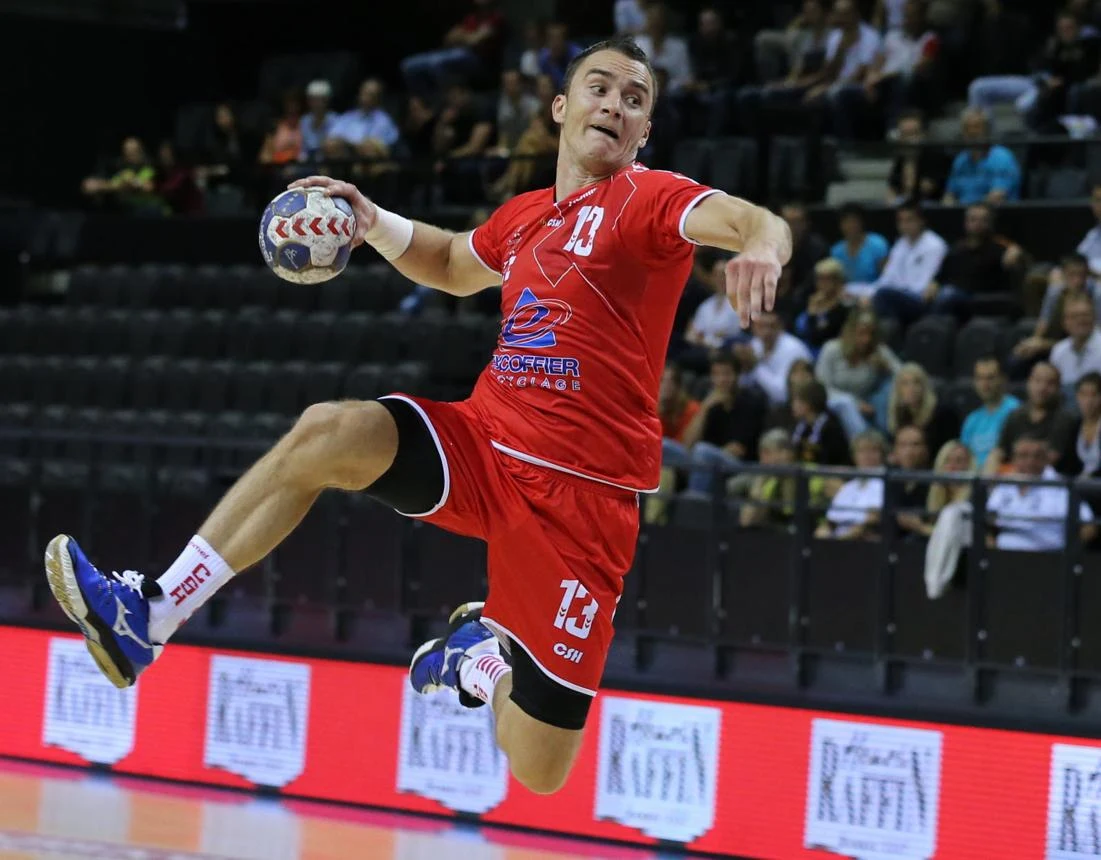
The jump pass is performed while the player is in the air.
Steps in performing a jump pass
- Hold the ball firmly.
- Identify the intended receiver.
- Move towards the appropriate position.
- Jump upwards.
- Pass the ball while airborne.
- Land safely and maintain balance.
Importance of jump passing
- Helps pass the ball over defenders.
- Creates attacking opportunities.
- Improves coordination.
- Develops body control.
C. Flick Pass
A flick pass is a short and quick pass made using a rapid movement of the wrist and fingers.
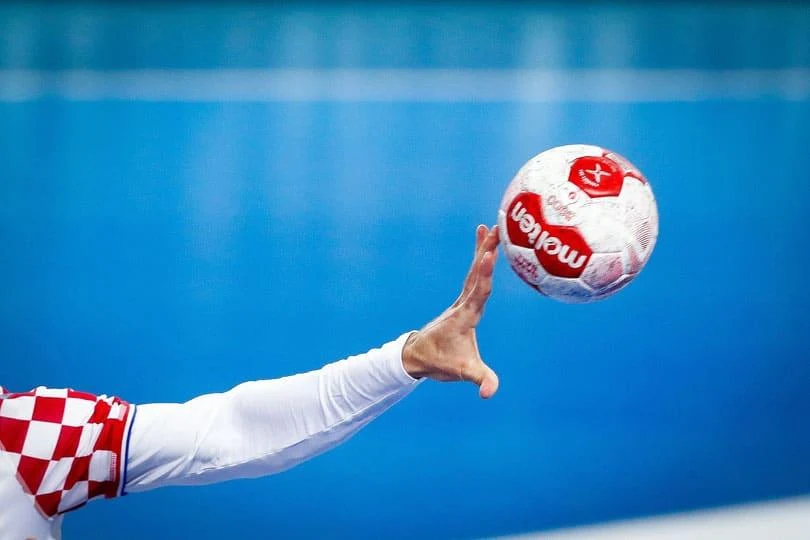
The flick pass uses a quick movement of the wrist and fingers.
Steps in performing a flick pass
- Hold the ball securely.
- Position the throwing hand correctly.
- Identify the receiver.
- Use a quick wrist movement.
- Release the ball towards the receiver.
- Maintain body balance.
Importance of flick passing
- Allows quick ball movement.
- Helps players pass through small spaces.
- Improves passing accuracy.
- Supports teamwork.
5. Dribbling in Handball
Dribbling is the skill of repeatedly bouncing the ball on the ground using one hand while moving.
It allows a player to move with the ball while maintaining control.
The curriculum covers two types:
- High dribbling.
- Low dribbling.
A. High Dribbling
High dribbling involves bouncing the ball at a relatively higher level while moving.
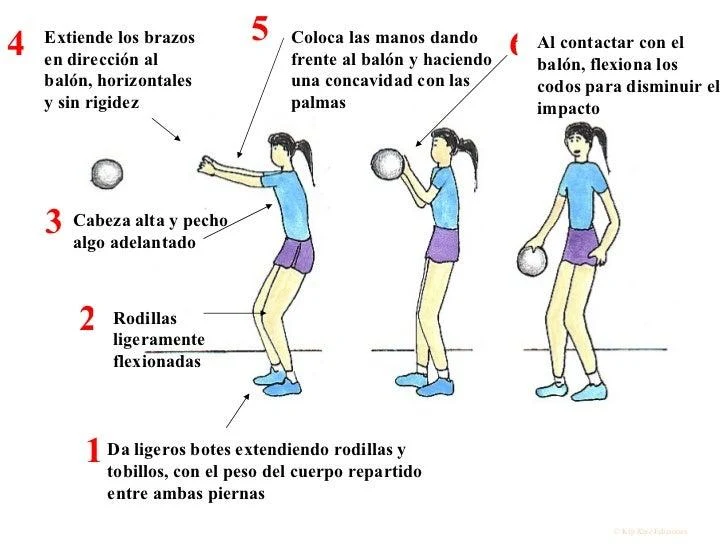
High dribbling allows a player to move while bouncing the ball at a higher level.
Steps
- Hold the ball in one hand.
- Stand upright.
- Push the ball downwards using the fingers.
- Allow it to bounce back.
- Maintain control as you move.
- Keep your eyes aware of the playing area.
Uses of high dribbling
- Moving quickly across open spaces.
- Advancing towards the opponent's goal.
- Maintaining control while moving.
B. Low Dribbling
Low dribbling involves bouncing the ball close to the ground.
It is useful when a player needs to maintain close control.
v
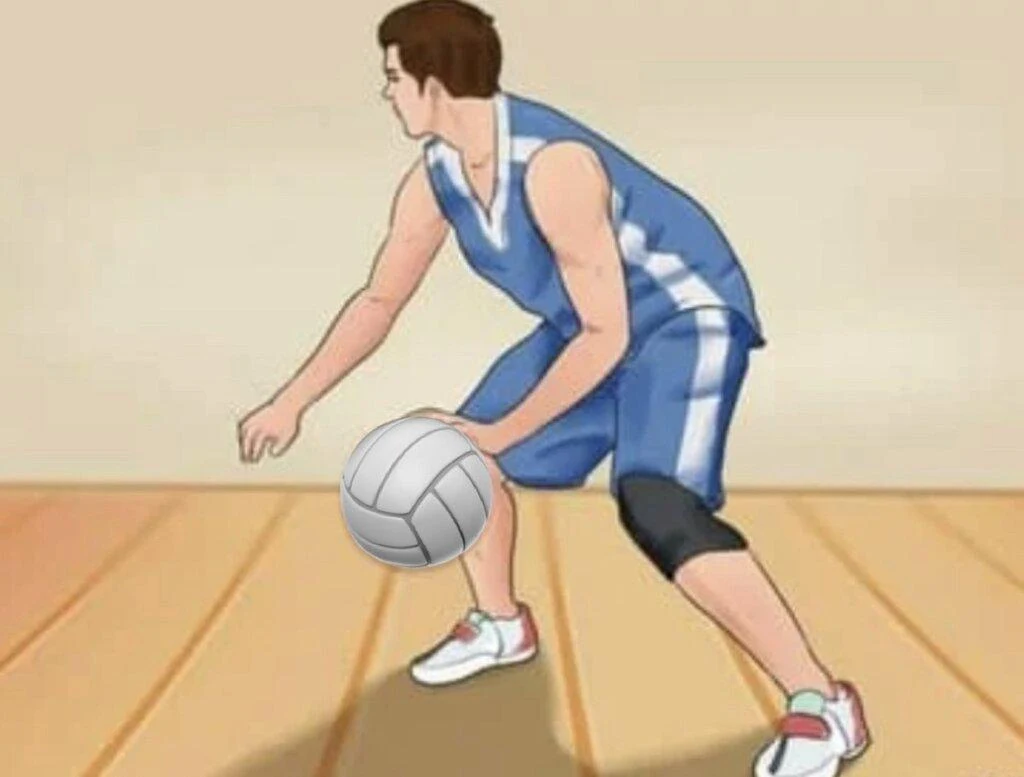
Low dribbling keeps the ball close to the ground for better control.
Steps
- Bend the knees slightly.
- Lower the body.
- Keep the ball close to the ground.
- Push the ball gently using the fingers.
- Maintain control.
- Protect the ball from opponents.
Uses of low dribbling
- Maintaining close ball control.
- Moving in crowded spaces.
- Protecting the ball from opponents.
6. Differences Between High and Low Dribbling
|
High dribbling |
Low dribbling |
|---|---|
|
Ball is bounced at a higher level |
Ball is bounced close to the ground |
|
Body remains relatively upright |
Body is lowered |
|
Useful when moving through open spaces |
Useful when protecting the ball |
|
Allows quicker movement |
Provides close control |
7. Shooting in Handball
Shooting is the action of throwing the ball towards the opponent's goal to score.
The curriculum emphasizes the jump shot.
Jump Shot
A jump shot is a shooting technique in which a player jumps into the air and releases the ball towards the goal.
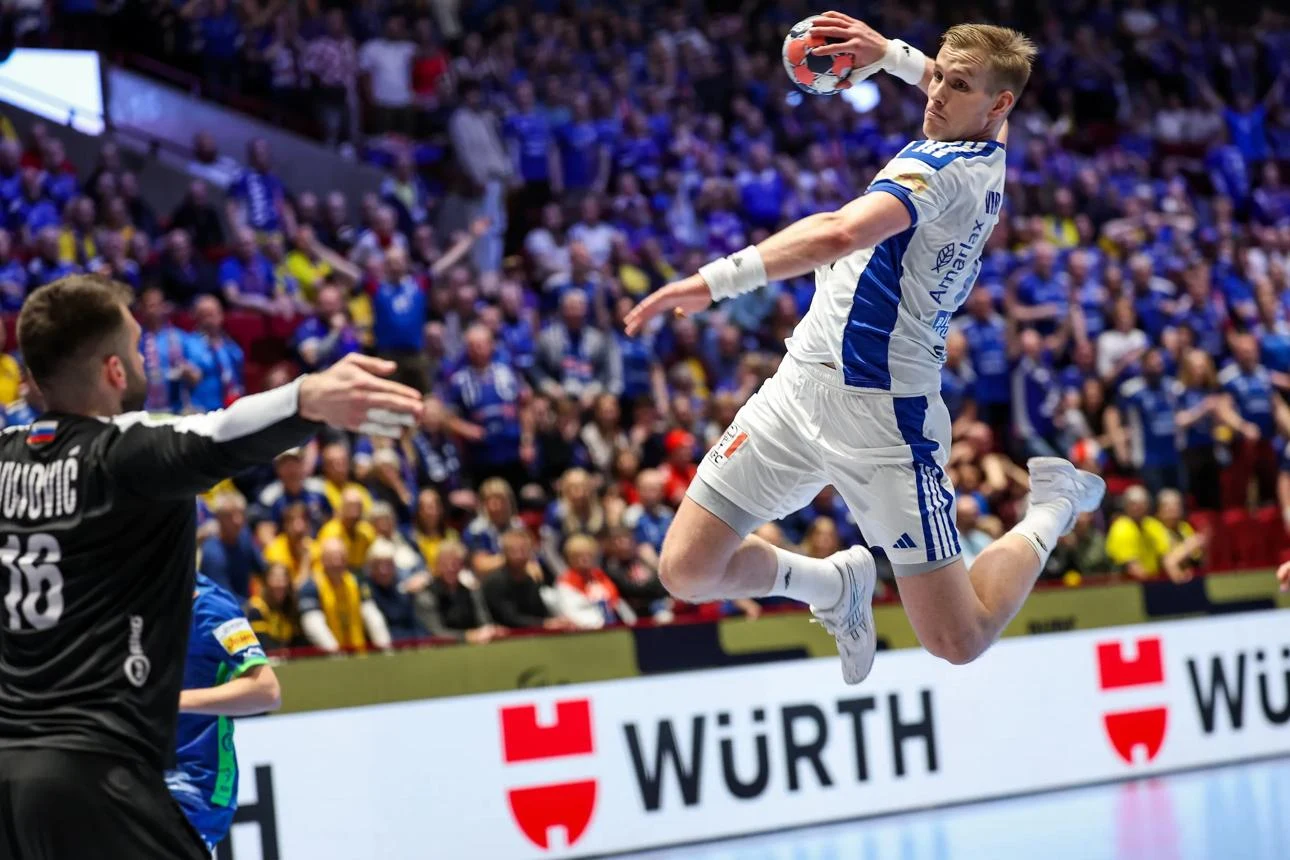
A jump shot releases the ball towards the goal while the player is airborne.
Steps in performing a jump shot
- Hold the ball firmly.
- Move towards the shooting position.
- Prepare to jump.
- Push off the ground.
- Raise the throwing arm.
- Aim towards the goal.
- Release the ball while airborne.
- Land safely and regain balance.
Importance of the jump shot
- Helps players score goals.
- Allows players to shoot over defenders.
- Develops coordination.
- Improves jumping ability.
- Develops strength and accuracy.
8. Importance of Passing, Dribbling and Shooting
|
Skill |
Importance |
|---|---|
|
Passing |
Helps teammates share the ball |
|
Dribbling |
Helps players move with the ball |
|
Shooting |
Enables players to score goals |
9. Safety Precautions During Handball
- Warm up before playing.
- Wear suitable sportswear.
- Use appropriate sports shoes.
- Inspect the playing surface.
- Avoid pushing other players.
- Follow the rules of the game.
- Avoid dangerous contact.
- Maintain enough playing space.
- Drink adequate water.
- Cool down after the activity.
10. How Handball Promotes Physical Fitness
- Improves muscular strength.
- Develops coordination.
- Improves speed.
- Develops agility.
- Improves endurance.
- Promotes teamwork.
- Improves concentration.
- Develops confidence.
11. Values Developed Through Handball
- Teamwork: Players cooperate to achieve a common goal.
- Respect: Players respect opponents and officials.
- Discipline: Players follow the rules.
- Responsibility: Players perform their assigned roles.
- Fairness: Players compete honestly.
- Perseverance: Players continue improving their skills.
Summary
- Handball is a team sport played using the hands.
- The main skills are passing, dribbling and shooting.
- Passing includes side pass, jump pass and flick pass.
- Dribbling includes high and low dribbling.
- The curriculum emphasizes the jump shot.
- Handball promotes physical fitness and teamwork.
- Safety should be observed during training and competition.
Revision Questions
- Define handball.
- Identify four pieces of equipment used in handball.
- What is passing?
- Describe the steps involved in performing a side pass.
- Explain how a jump pass is performed.
- What is a flick pass?
- Differentiate between high and low dribbling.
- Explain the steps involved in performing a jump shot.
- State five safety precautions during handball.
- Explain five benefits of playing handball.