
1. Introduction to Storytelling
Storytelling is the art of communicating events, experiences or imaginary situations through spoken or performed stories.
Stories may be based on real events, traditional beliefs, personal experiences or imagination.
Storytelling is an important way of preserving culture, educating people and entertaining audiences.
In African communities, storytelling has traditionally been used to pass knowledge, values, customs and wisdom from one generation to another.
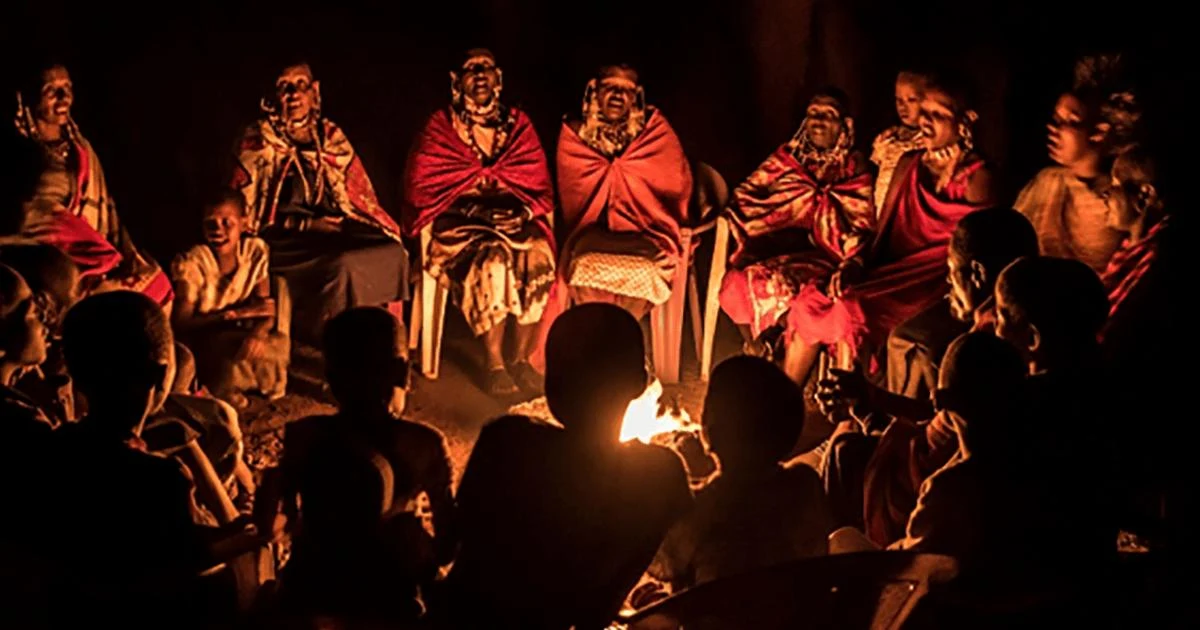
Traditional performance can preserve community stories, values and identity.
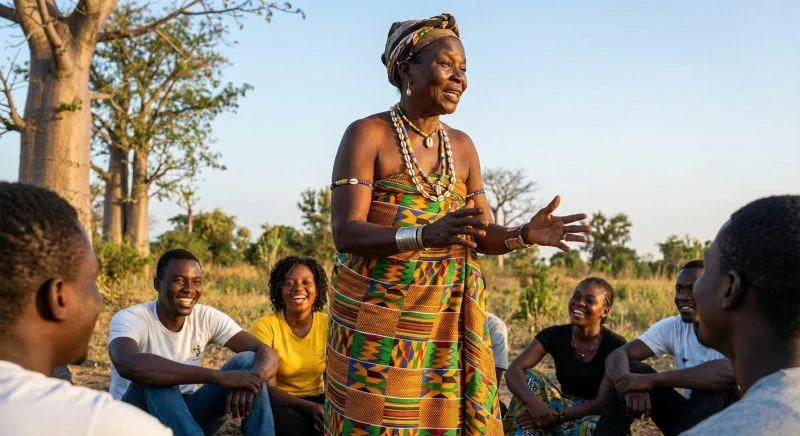
Oral storytelling and performance help pass cultural knowledge between generations.
Children listening to a story demonstrate the role of an audience in storytelling.
2. Importance of Storytelling
- Preserves cultural traditions.
- Educates children and adults.
- Communicates moral lessons.
- Develops speaking and listening skills.
- Promotes creativity and imagination.
- Provides entertainment.
- Encourages interaction between performers and audiences.
- Helps people understand social issues.
3. Storytelling Techniques
Storytelling techniques are methods used by a storyteller to make a story interesting, clear and enjoyable.
The curriculum identifies the following techniques:
A. Use of Voice
A storyteller uses the voice to communicate different emotions and actions.
The voice can be adjusted according to the events in the story.
Ways of using the voice
- Speaking loudly to emphasize important events.
- Speaking softly to create suspense.
- Changing the voice when presenting different characters.
- Using pauses to create interest.
- Speaking clearly so that the audience understands the story.
B. Use of Body Movements
Body movements involve using gestures, facial expressions and physical actions to support storytelling.
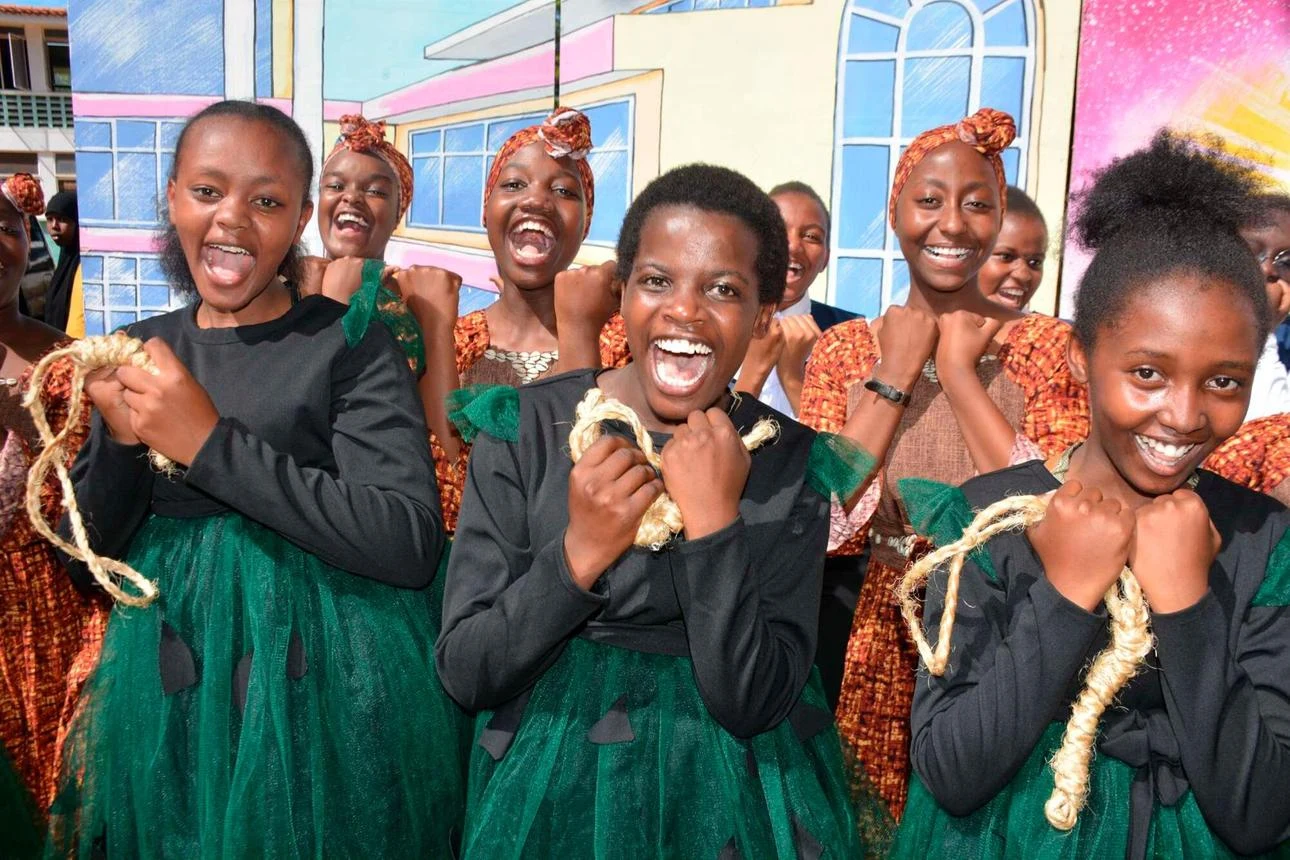
Gestures and body movements support meaning during a storytelling performance.
Examples include:
- Raising hands to show excitement.
- Shaking the head to show disagreement.
- Smiling to show happiness.
- Walking to demonstrate movement.
- Bending to show fear or weakness.
Body movements make storytelling more expressive.
C. Use of Songs
Songs can be included in a story to make it more entertaining and memorable.
They may be used to introduce characters, communicate messages or emphasize important events.
D. Audience Involvement
Audience involvement means allowing listeners to participate in the storytelling process.
Examples
- Asking questions.
- Allowing the audience to repeat certain words.
- Inviting listeners to sing along.
- Asking the audience to predict what happens next.
- Encouraging the audience to respond to characters.
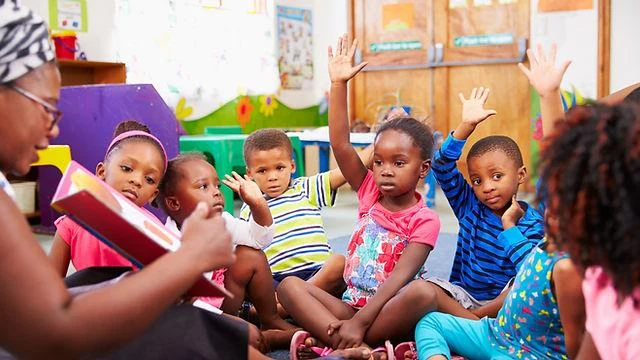
Audience participation can make a storytelling session more engaging.
E. Use of Props
Props are objects used by performers to support storytelling.
Examples include:
- Sticks.
- Baskets.
- Chairs.
- Containers.
- Toy animals.
- Walking sticks.
Props help the audience understand the actions and events in a story.
F. Use of Costumes
Costumes are special clothes worn by performers to represent different characters.
For example, a storyteller may wear traditional clothing when presenting a story about a historical community.
Costumes help identify characters and make performances more interesting.
4. Storyline
A storyline is the sequence of events that make up a story.
The curriculum identifies three main stages:
- Beginning.
- Middle.
- End.
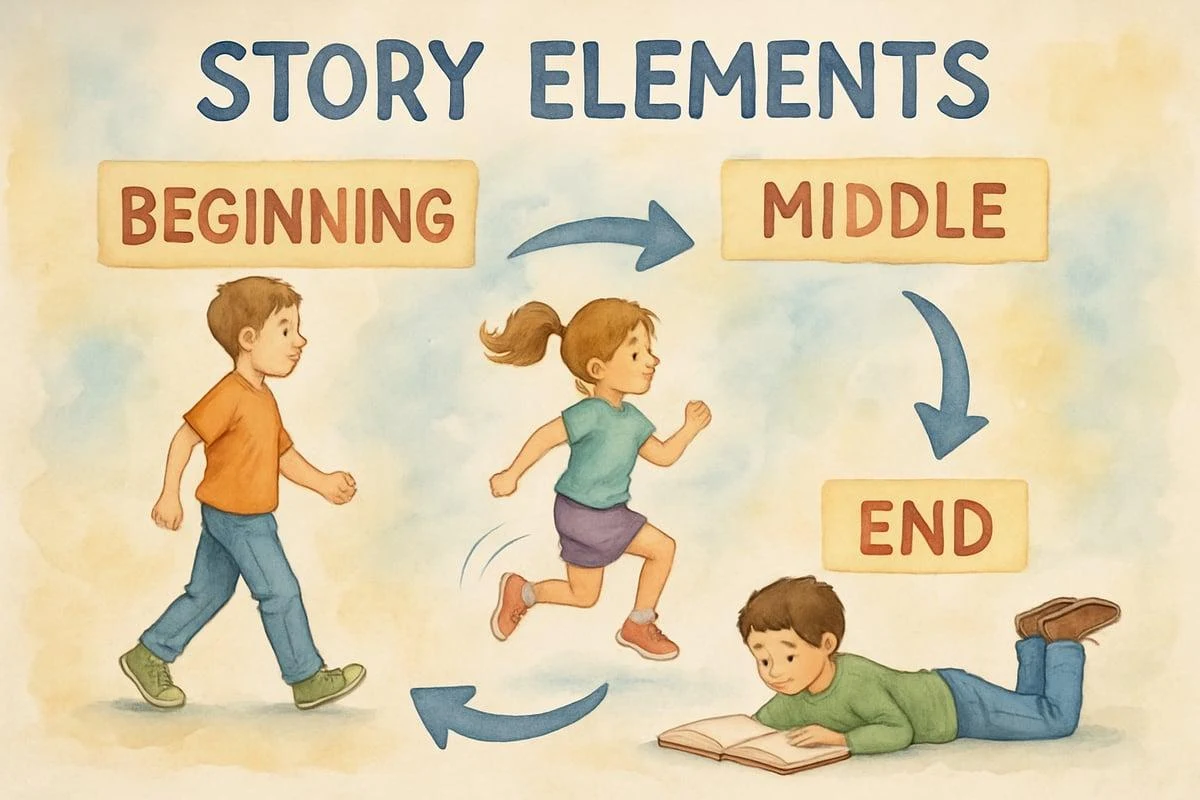
Stories are organized into a beginning, middle and end.
A. Beginning
The beginning introduces the story.
It identifies the characters, setting and situation.
Example:
A young boy named Kamau lived in a village near a forest.
B. Middle
The middle explains the main events and challenges experienced by the characters.
Example:
One day, Kamau noticed that people were cutting down trees near the river.
He decided to organize his friends to protect the forest.
C. End
The ending explains how the events are concluded.
Example:
The community joined the children in planting trees and protecting the river.
5. Composing a Story
Story composition involves creating and organizing ideas into a meaningful sequence of events.
A good story should communicate a clear message and maintain the audience's interest.
Steps in composing a story
- Identify the issue or subject.
- Choose the main characters.
- Decide where and when the story takes place.
- Develop the main events.
- Organize the events into a beginning, middle and end.
- Identify the message or lesson.
- Review the story for clarity.
- Practise presenting the story.
6. Issues That Can Be Addressed Through Storytelling
Learners can compose stories about issues affecting society.
Examples include:
- Environmental pollution.
- Drug and substance abuse.
- Bullying.
- Corruption.
- Child protection.
- Peace and unity.
- Gender equality.
- Road safety.
- Responsible use of social media.
- School attendance.
7. Qualities of a Good Story
- Has an interesting beginning.
- Contains well-developed characters.
- Has a clear setting.
- Has an organized storyline.
- Communicates a meaningful message.
- Has a logical ending.
- Uses appropriate language.
- Maintains audience interest.
8. Meaning of Animation
Animation is the process of creating the illusion of movement by displaying a sequence of still images or drawings.
Each image shows a small change in the position or appearance of an object.
When the images are viewed rapidly in sequence, they appear to move.
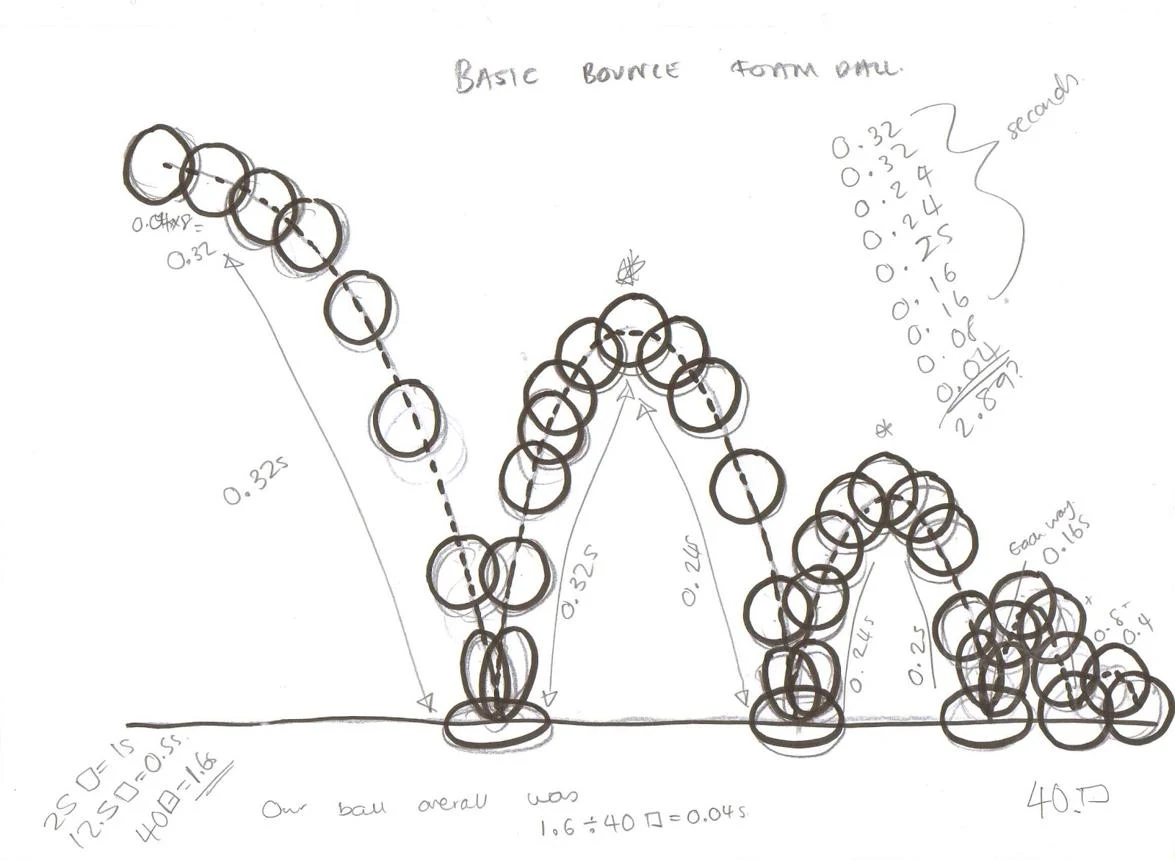
Animation uses successive images to create the illusion of movement.
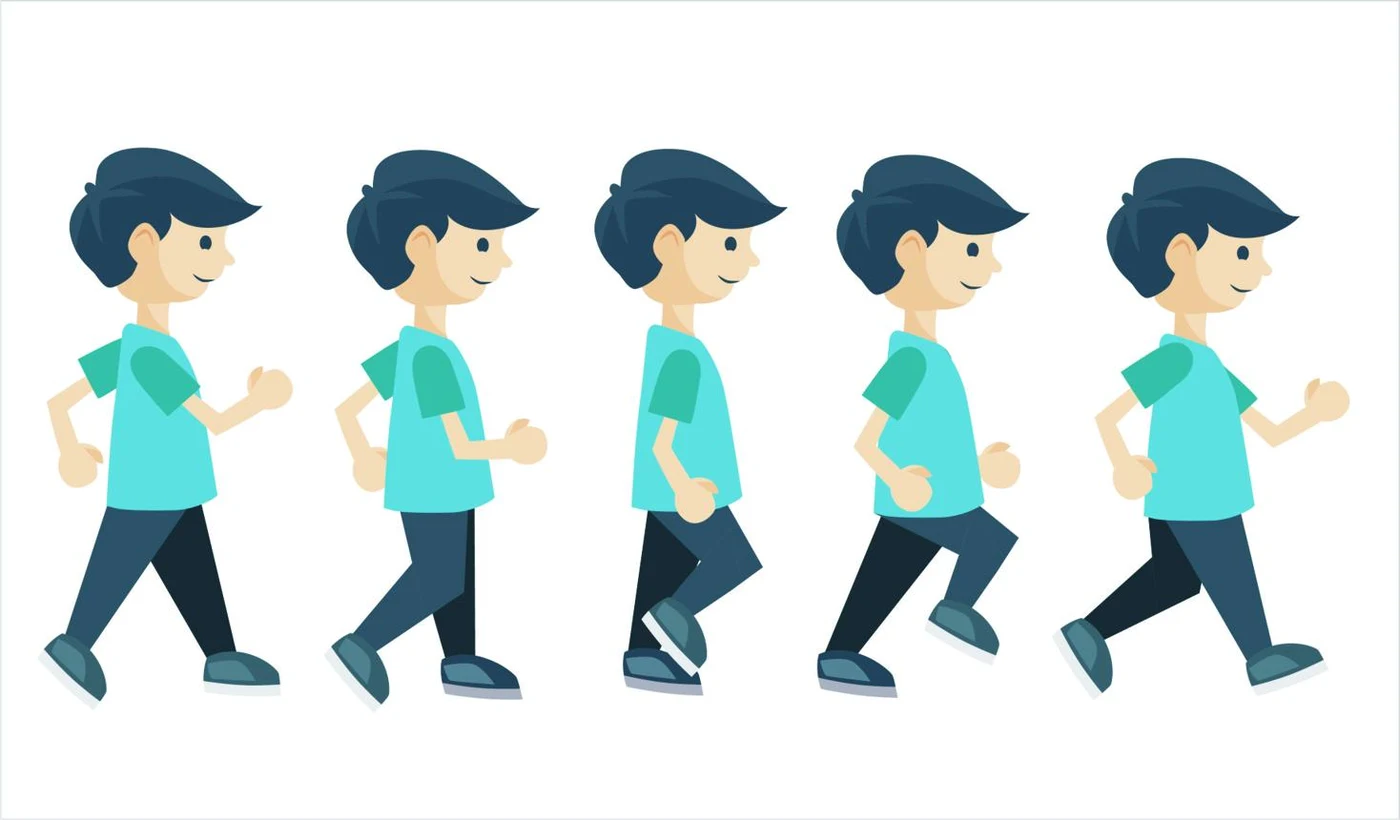
A character's movement can be shown through a sequence of drawings.
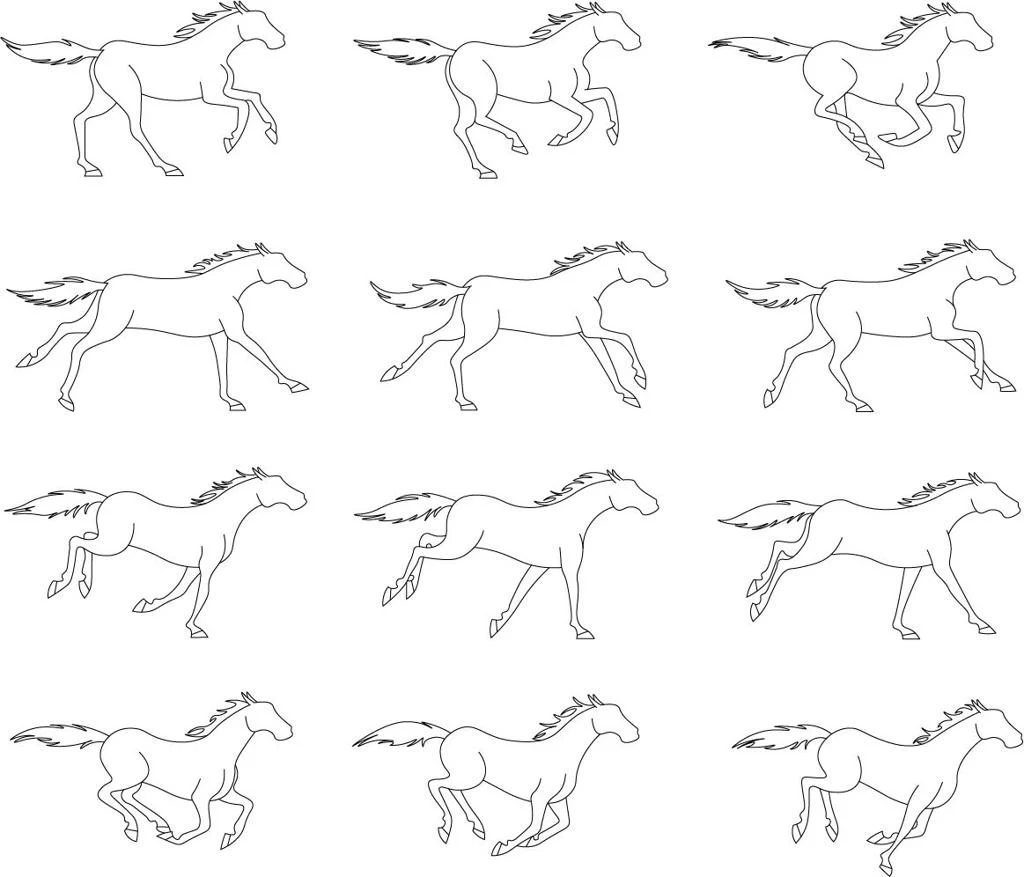
Repeated drawings show gradual changes in position and movement.
9. Types of Animation
Some common types of animation include:
A. Traditional hand-drawn animation
This involves drawing individual pictures that show small changes in movement.
B. Computer animation
This involves using computer software to create moving images.
C. Stop-motion animation
This involves photographing physical objects in slightly different positions and combining the photographs to create movement.
D. Flipbook animation
This involves drawing a sequence of images on separate pages and flipping the pages quickly to create the appearance of movement.
10. Flipbook Animation
A flipbook is a small book containing a sequence of pictures that show gradual changes in movement.
When the pages are flipped quickly, the pictures appear to move.
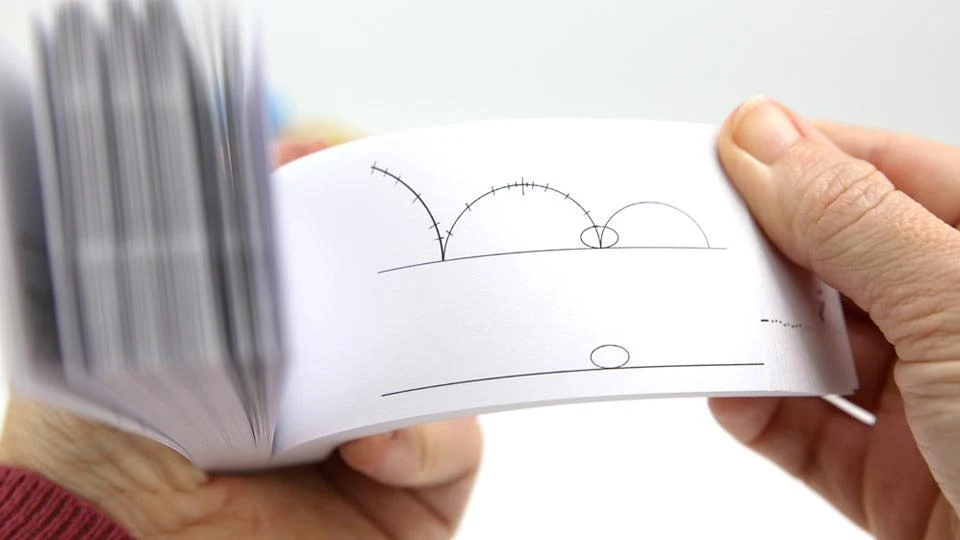
A flipbook uses pages of drawings that appear to move when flipped.
Example:
A learner draws a ball in different positions on successive pages.
When the pages are flipped quickly, the ball appears to bounce.
11. Materials Required for Making a Flipbook
- Small sheets of paper.
- Pencil.
- Eraser.
- Colored pencils.
- Stapler or binding materials.
- Ruler.
- Markers.
12. Qualities of a Good Flipbook
The following qualities are important:
A. Proper sequencing of images
Images should follow a logical order to show continuous movement.
B. Consistent positioning
The main object should remain in a similar position on successive pages, except for the changes needed to show movement.
C. Gradual changes
The drawings should show small changes between successive pages.
D. Creativity
The flipbook should communicate an interesting idea or storyline.
E. Good craftsmanship
Pages should be neatly arranged and properly bound.
F. Suitable flipping speed
The pages should be flipped at a suitable speed to create the illusion of movement.
13. Steps in Creating a Flipbook Animation
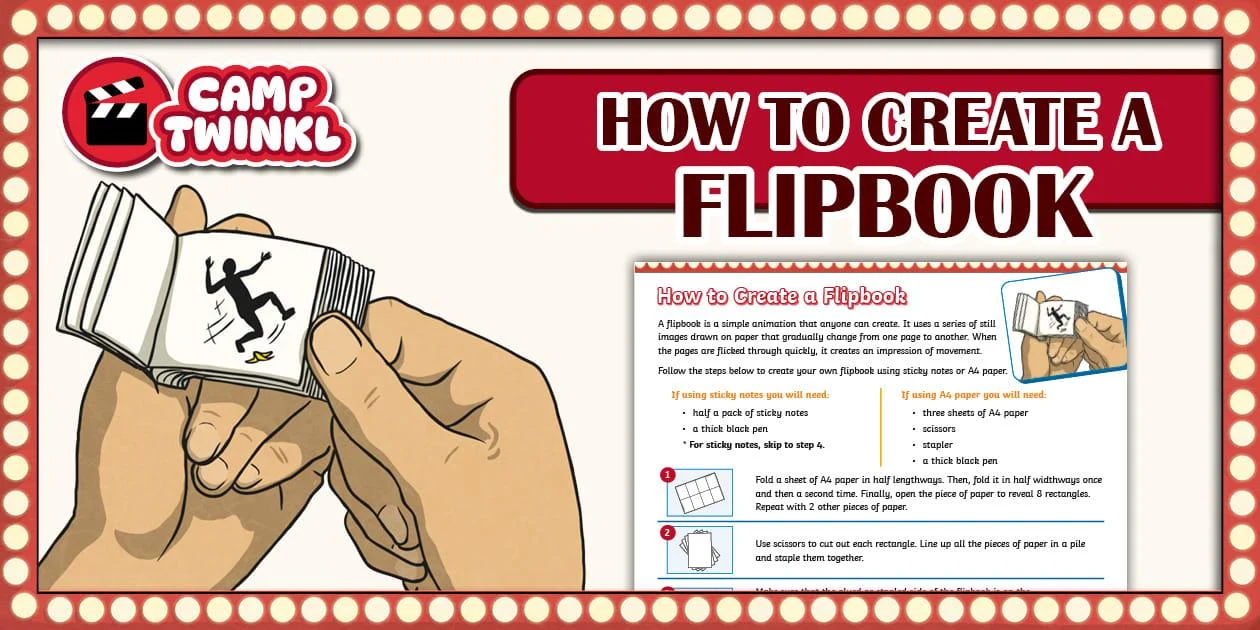
The stages of making a flipbook help learners create a simple animation.
- Select an idea for the animation.
- Collect the required materials.
- Arrange the papers in a small booklet.
- Decide on the object or character to animate.
- Draw the first image on the first page.
- Draw the next image with a small change in position.
- Continue drawing the sequence on successive pages.
- Ensure the images are arranged in the correct order.
- Bind the pages together using a suitable method.
- Flip the pages quickly to observe the movement.
- Make corrections where necessary.
- Present the completed flipbook.
14. Performing a Story Before an Audience
A story can be presented through spoken narration, acting or a combination of both.
The curriculum requires learners to compose and perform a story lasting approximately 3 to 5 minutes.
Steps in preparing for a storytelling performance
- Select a relevant social issue.
- Compose the storyline.
- Identify the characters.
- Prepare costumes and props.
- Practise the use of voice.
- Practise body movements.
- Prepare songs where necessary.
- Rehearse the performance.
- Present the story to the audience.
- Receive and use feedback.
15. Importance of Storytelling and Animation
- Develops creativity.
- Improves communication skills.
- Preserves cultural knowledge.
- Promotes imagination.
- Helps communicate social messages.
- Develops drawing skills.
- Encourages teamwork.
- Provides entertainment.
Summary
- Storytelling involves communicating events through spoken or performed stories.
- Storytelling techniques include voice, body movements, songs, audience involvement, props and costumes.
- A storyline has a beginning, middle and end.
- Animation creates the illusion of movement.
- A flipbook uses successive drawings to show movement.
- A good flipbook has properly sequenced images and good craftsmanship.
- Learners should be able to compose and perform a 3 to 5-minute story.
Revision Questions
- Define storytelling.
- State five importance of storytelling.
- Identify six storytelling techniques.
- Explain how voice can be used during storytelling.
- Differentiate between props and costumes.
- Identify the three stages of a storyline.
- What is animation?
- Define flipbook animation.
- State five qualities of a good flipbook.
- Identify six materials used to make a flipbook.
- Describe the steps involved in creating a flipbook.
- Explain how storytelling can communicate social issues.