
1. Introduction to Football
Football is a team sport in which players use their feet and other permitted body parts to control and move a ball towards the opponent's goal.
The main aim is to score more goals than the opposing team.
Football develops physical fitness, teamwork, discipline, coordination and sportsmanship.
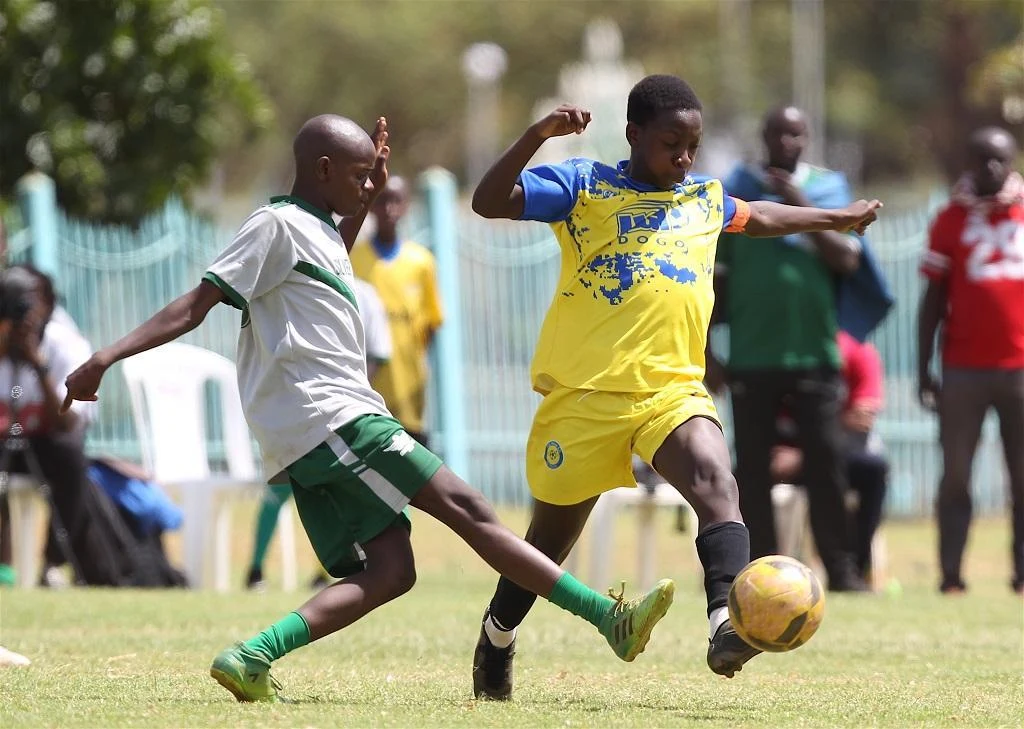
Football is a team game that develops skill, fitness and cooperation.
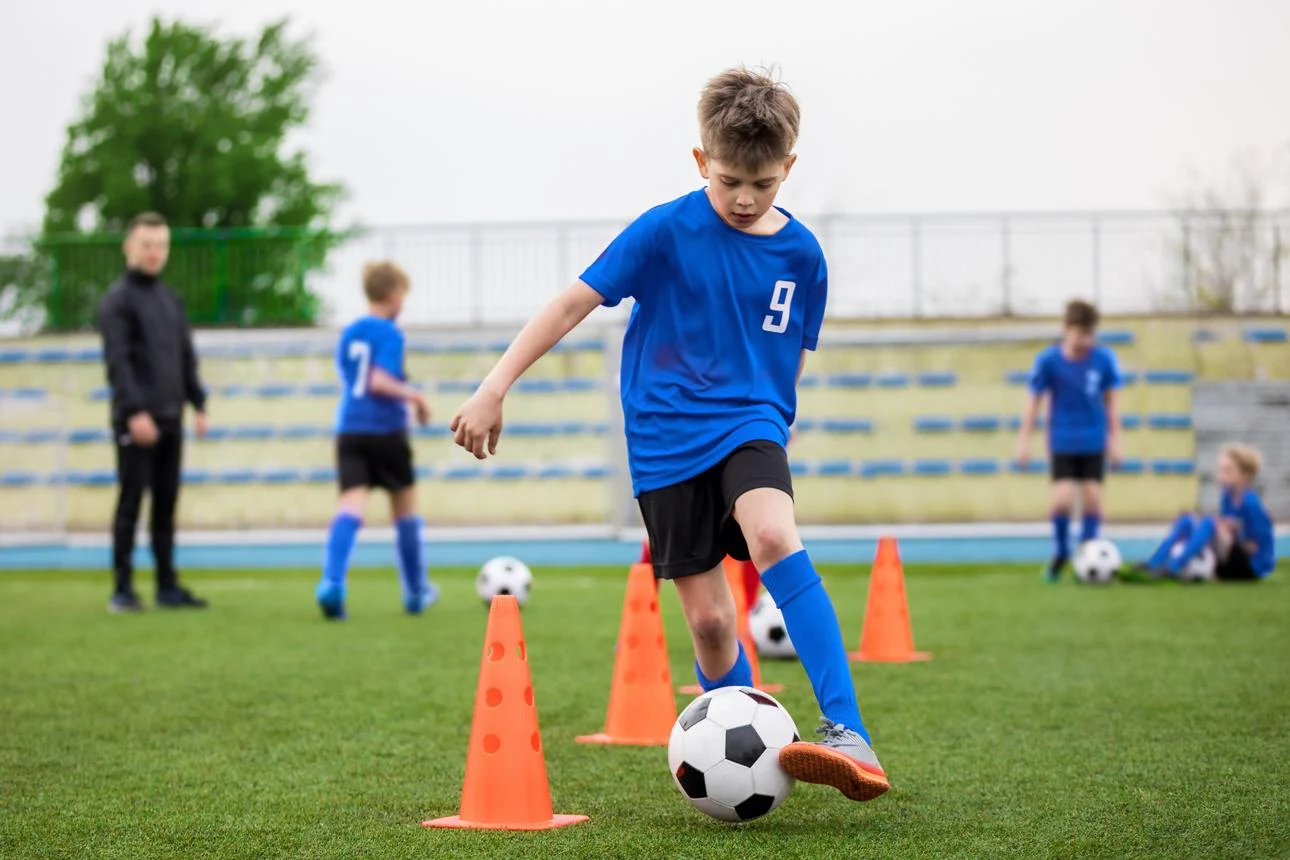
Training cones can be used to organize football practice activities.
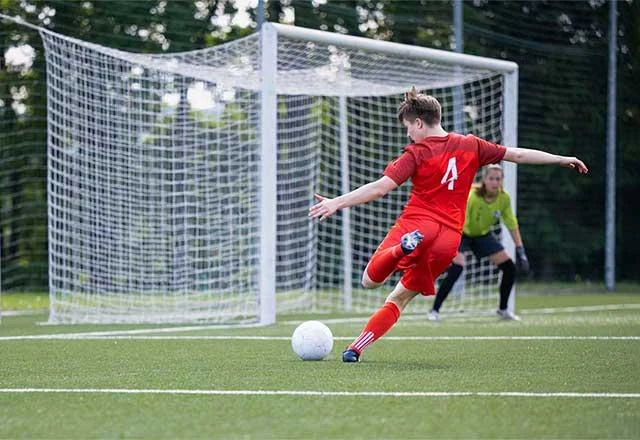
The goalkeeper protects the goal during a football match.
2. Equipment Used in Football
- Football: A round ball used during the game.
- Goalposts: Structures placed at both ends of the playing field.
- Football boots: Shoes designed to provide grip when playing.
- Shin guards: Protective equipment worn to protect the lower legs.
- Sportswear: Clothing worn by players during the game.
- Whistle: Used by the referee to control the game.
3. Basic Skills in Football
The curriculum emphasizes three main football skills:
- Trapping.
- Dribbling.
- Shooting.
4. Trapping in Football
Trapping is the skill of controlling a moving ball using different parts of the body.
It helps players stop the ball and maintain possession.
The curriculum identifies three methods of trapping:
- Foot trapping.
- Thigh trapping.
- Chest trapping.
A. Foot Trapping
Foot trapping involves using the foot to stop or control a moving ball.
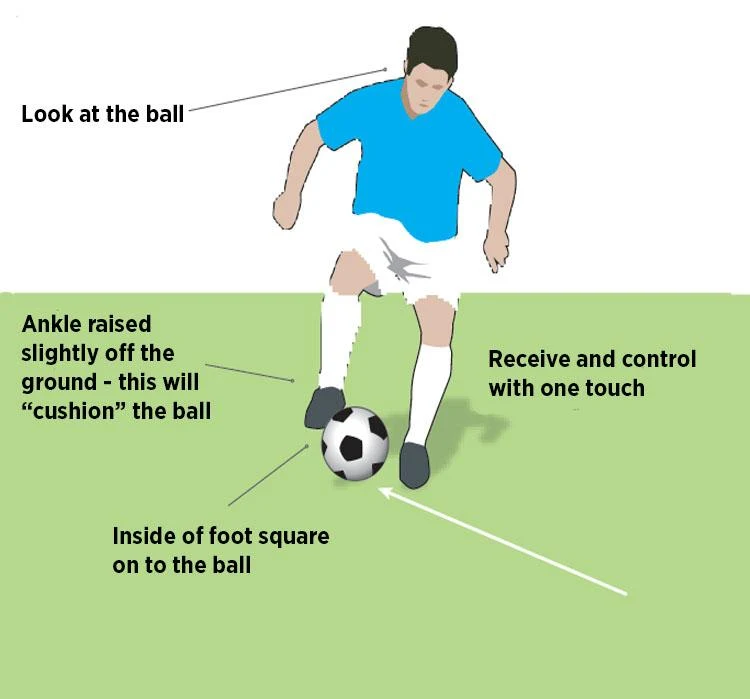
Foot trapping stops or controls a moving ball.
Steps in performing foot trapping
- Observe the direction of the approaching ball.
- Position the body in the path of the ball.
- Raise the foot slightly to receive the ball.
- Relax the foot as the ball makes contact.
- Bring the foot down gently to control the ball.
- Maintain balance and prepare for the next action.
Importance of foot trapping
- Helps players control the ball.
- Maintains possession.
- Makes passing easier.
- Prepares players for dribbling and shooting.
B. Thigh Trapping
Thigh trapping involves using the thigh to control a ball approaching through the air.
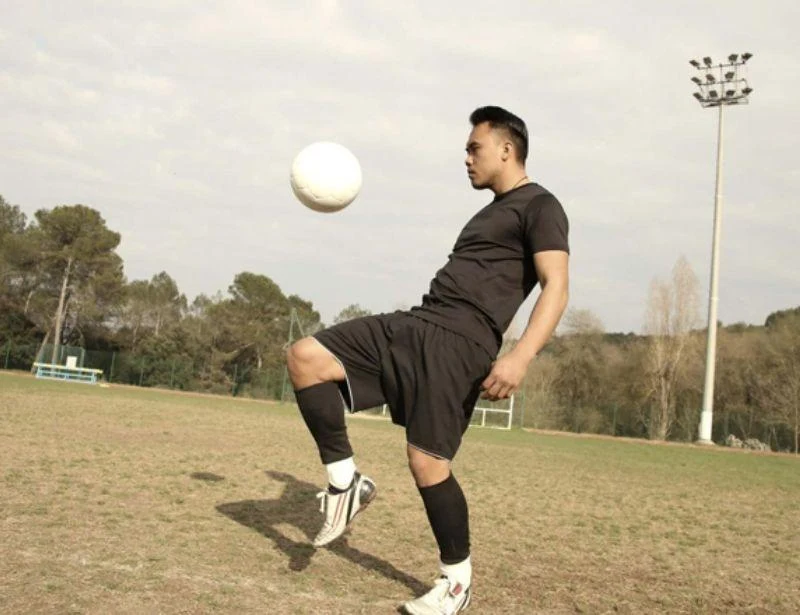
Thigh trapping helps control a ball approaching through the air.
Steps in performing thigh trapping
- Observe the approaching ball.
- Position the body appropriately.
- Raise the thigh towards the ball.
- Relax the thigh as the ball makes contact.
- Lower the thigh gently to bring the ball under control.
- Prepare to pass or dribble.
Importance of thigh trapping
- Helps control high balls.
- Maintains possession.
- Prepares players for other football skills.
- Improves coordination.
C. Chest Trapping
Chest trapping involves using the chest to control a ball approaching through the air.

Chest trapping uses the chest to bring an airborne ball under control.
Steps in performing chest trapping
- Observe the direction of the ball.
- Position the body in its path.
- Slightly lean backwards.
- Use the chest to receive the ball.
- Relax the chest as the ball makes contact.
- Allow the ball to drop in front of the body.
- Control the ball using the feet.
Importance of chest trapping
- Helps control high balls.
- Makes it easier to receive long passes.
- Improves ball control.
- Prepares players for passing and shooting.
5. Dribbling in Football
Dribbling is the skill of moving with the ball while maintaining control using the feet.
It allows players to advance towards the opponent's goal and move past defenders.
The curriculum emphasizes two methods:
A. Inside-of-the-foot dribbling
This involves controlling and moving the ball using the inner surface of the foot.
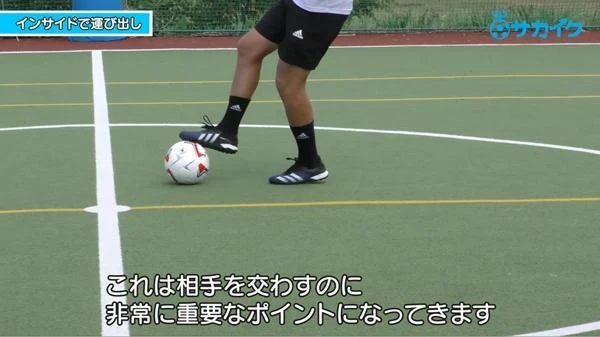
Inside-of-the-foot dribbling keeps the ball under close control.
Steps
- Keep the ball close to the body.
- Use the inside part of the foot to touch the ball.
- Push the ball gently in the intended direction.
- Move forward while maintaining control.
- Keep the eyes on the playing area.
B. Outside-of-the-foot dribbling
This involves using the outer surface of the foot to move and control the ball.
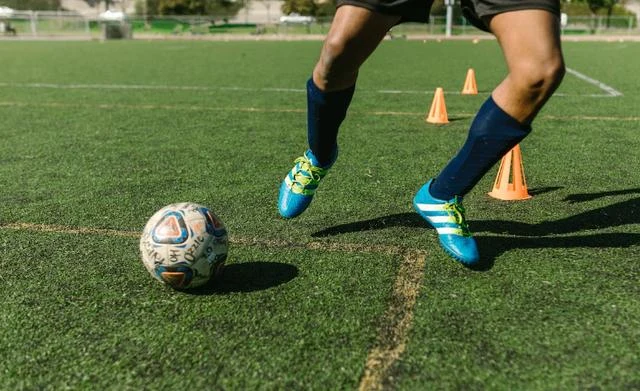
Outside-of-the-foot dribbling changes the direction of the ball.
Steps
- Position the body appropriately.
- Keep the ball close to the feet.
- Use the outside part of the foot to touch the ball.
- Push the ball forward or sideways.
- Maintain balance while moving.
- Change direction when necessary.
6. Importance of Dribbling
- Helps players move past opponents.
- Maintains possession.
- Creates opportunities for scoring.
- Improves coordination.
- Develops agility.
- Improves ball control.
7. Shooting in Football
Shooting is the skill of kicking the ball towards the opponent's goal with the intention of scoring.
The curriculum emphasizes two shooting techniques:
- Low drive.
- Placed shot.
A. Low Drive
A low drive is a powerful shot in which the ball travels close to the ground towards the goal.
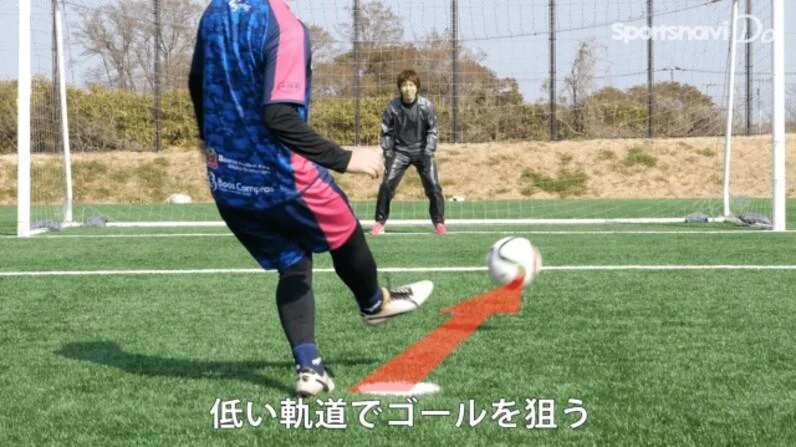
A low drive is a powerful shot that travels close to the ground.
Steps in performing a low drive
- Observe the position of the goalkeeper.
- Approach the ball.
- Place the non-kicking foot beside the ball.
- Swing the kicking leg backwards.
- Strike the ball firmly using the appropriate part of the foot.
- Keep the body balanced.
- Follow through towards the target.
Importance of a low drive
- Produces a powerful shot.
- Makes it difficult for the goalkeeper to react.
- Helps players score from suitable positions.
B. Placed Shot
A placed shot is a controlled and accurately directed shot aimed at a particular part of the goal.
It emphasizes accuracy and direction.
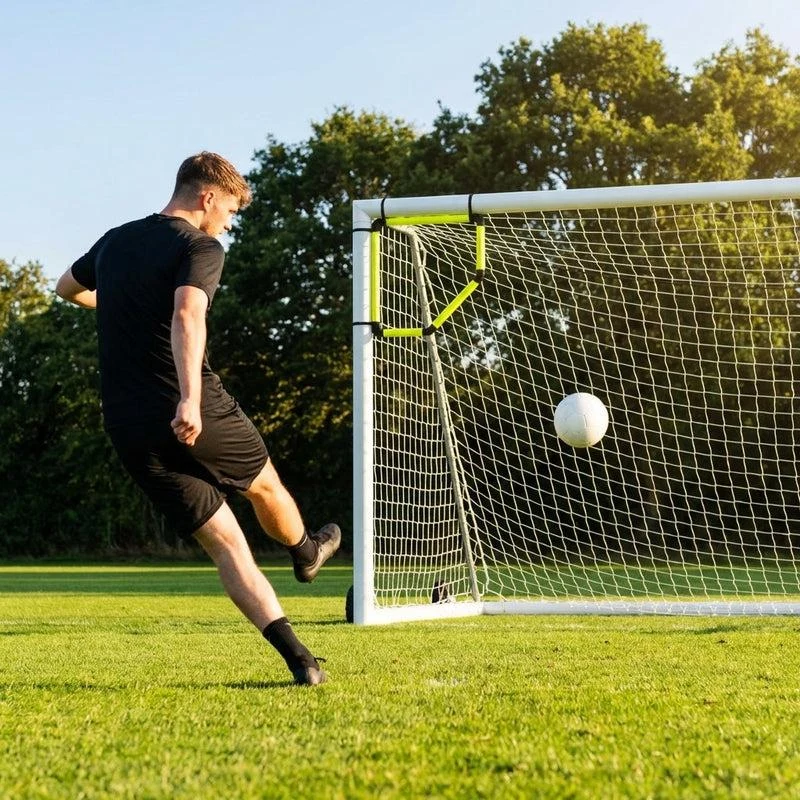
A placed shot directs the ball accurately towards a chosen target.
Steps in performing a placed shot
- Identify the target area.
- Approach the ball carefully.
- Place the supporting foot beside the ball.
- Use the inside of the foot to strike the ball.
- Direct the ball towards the selected target.
- Maintain body balance.
- Follow through smoothly.
Importance of a placed shot
- Improves shooting accuracy.
- Helps players target open spaces.
- Develops control and concentration.
8. Differences Between Low Drive and Placed Shot
|
Low drive |
Placed shot |
|---|---|
|
Emphasizes power |
Emphasizes accuracy |
|
Ball travels close to the ground |
Ball is directed towards a selected target |
|
Uses a firm striking action |
Uses a controlled striking action |
|
Suitable for powerful shooting |
Suitable for accurate finishing |
9. Introduction to Crayon Etching
Crayon etching is an art technique in which a colored crayon surface is covered with a dark layer and then scratched to reveal the colors underneath.
It produces attractive lines, patterns and pictures.
The curriculum connects crayon etching with football by requiring learners to create pictorial compositions inspired by football activities.
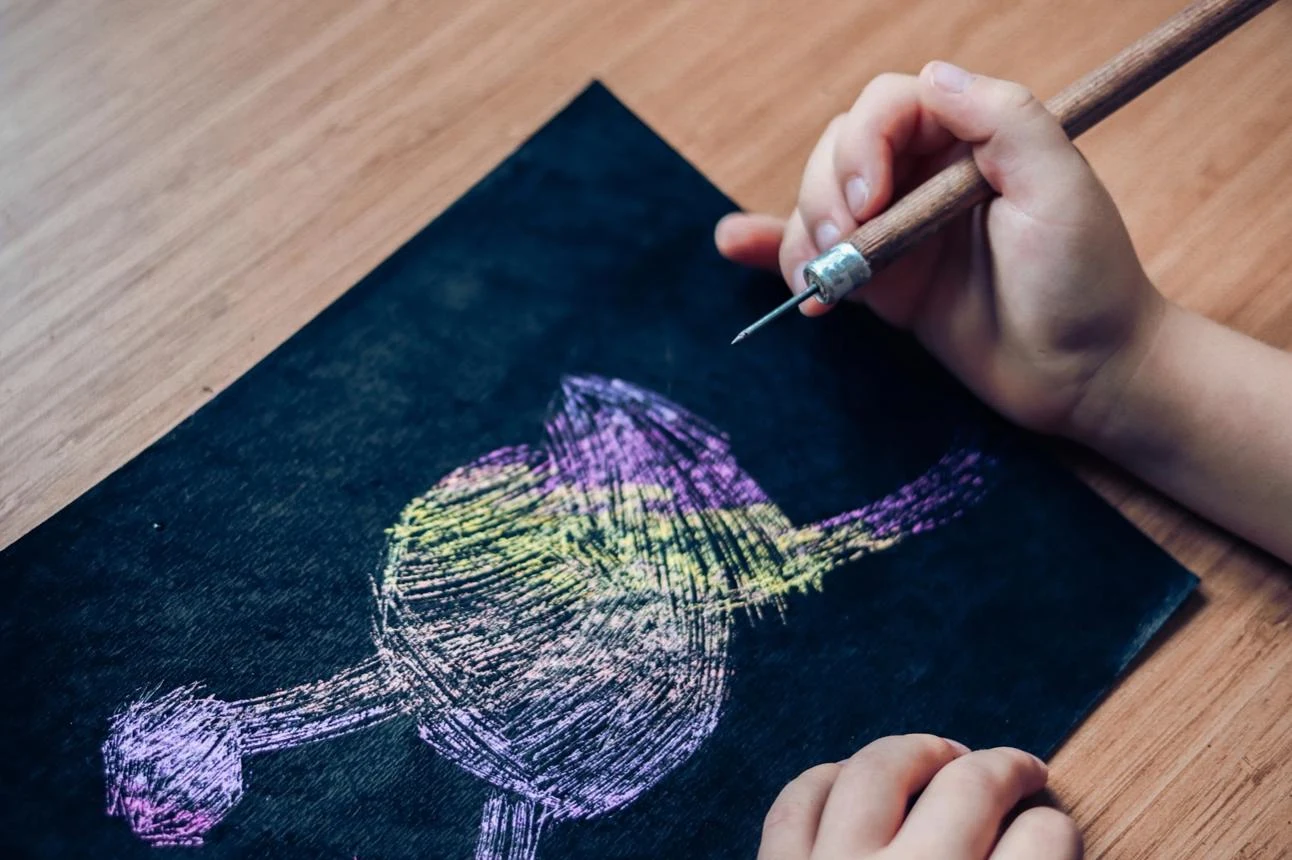
Crayon etching combines colour, drawing and surface design.
10. Materials Used in Crayon Etching
- Crayons.
- Drawing paper.
- Black paint or suitable black drawing medium.
- Pencil.
- Scratching tool.
- Brushes.
- Wax.
- Suitable pigment.
- Moulds for preparing improvised crayons.
11. Making Improvised Crayons
Learners can prepare crayons using locally available materials.
Procedure
- Collect suitable wax materials.
- Melt the wax carefully under adult supervision.
- Add suitable pigments to produce different colors.
- Mix the wax and pigment thoroughly.
- Pour the mixture into suitable moulds.
- Allow the mixture to cool and harden.
- Remove the crayons from the moulds.
- Cut or shape them to suitable sizes.
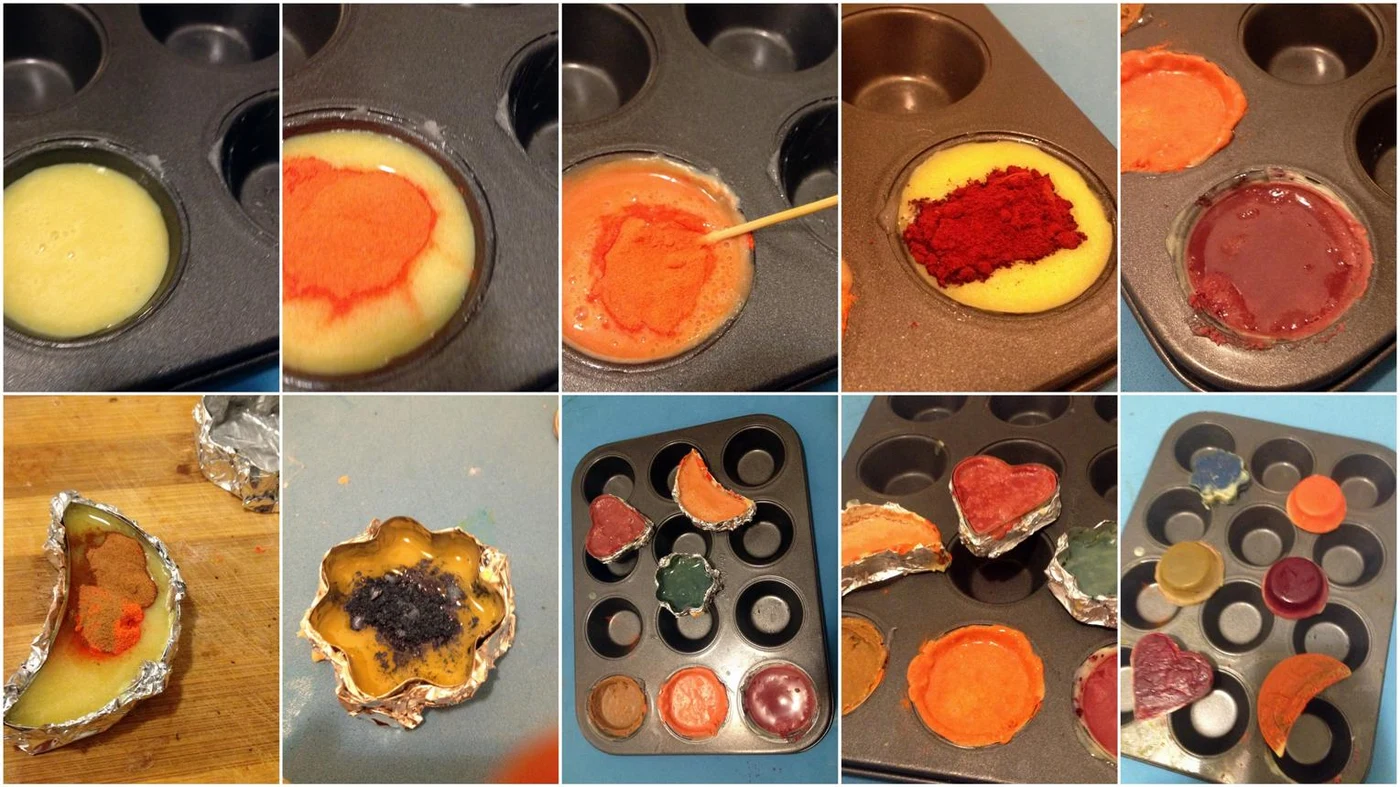
Crayons can be melted and prepared into suitable shapes under teacher supervision.
Safety precautions
- Melting wax should be supervised by the teacher.
- Avoid direct contact with hot wax.
- Use suitable protective equipment.
- Keep hot materials away from children.
- Allow crayons to cool completely before handling.
12. Steps in Creating a Crayon-Etched Picture
- Prepare the drawing paper.
- Apply crayons to fill the paper using different colors and patterns.
- Ensure the surface has sufficient crayon coverage.
- Apply a suitable black medium over the colored surface.
- Allow the black layer to dry where necessary.
- Draw or trace a football-related image on the surface.
- Scratch creatively within the outlined image.
- Reveal the colored crayon layer underneath.
- Refine the image by adding details.
- Display the completed artwork.
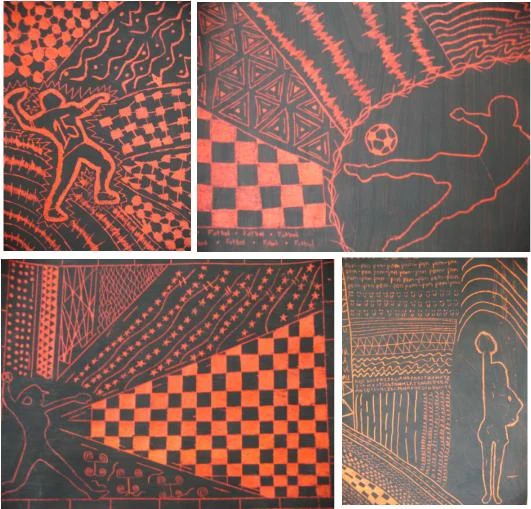
A step-by-step sequence shows how to develop a crayon etching composition.
13. Importance of Football
- Improves physical fitness.
- Develops teamwork.
- Promotes discipline.
- Builds confidence.
- Develops leadership skills.
- Promotes friendship.
- Provides entertainment.
- Encourages respect for rules.
14. Safety Precautions During Football
- Warm up before playing.
- Wear appropriate football boots.
- Use shin guards.
- Inspect the playing field.
- Avoid dangerous tackles.
- Respect other players.
- Follow the rules of the game.
- Drink enough water.
- Cool down after playing.
Summary
- Football is a team sport.
- Trapping involves controlling the ball using the foot, thigh or chest.
- Dribbling uses the inside or outside of the foot.
- Shooting techniques include low drive and placed shot.
- Crayon etching involves scratching a dark surface to reveal colored crayons underneath.
- Football develops fitness, teamwork and discipline.
Revision Questions
- Define football.
- Identify six pieces of football equipment.
- Explain the three methods of trapping.
- Differentiate between inside-of-the-foot and outside-of-the-foot dribbling.
- Define shooting in football.
- Explain how to perform a low drive.
- Differentiate between a low drive and a placed shot.
- Define crayon etching.
- Identify five materials used in crayon etching.
- Describe the process of making improvised crayons.
- Explain the steps involved in creating a crayon-etched picture.
- State five safety precautions during football.