
1. Introduction to Kenyan Folk Songs
A folk song is a traditional song associated with a particular community and passed from one generation to another.
Kenyan folk songs reflect the culture, beliefs, customs, experiences and activities of different communities.
They are used during celebrations, ceremonies, work, worship and other important occasions.
Folk songs form an important part of Kenya's cultural heritage.
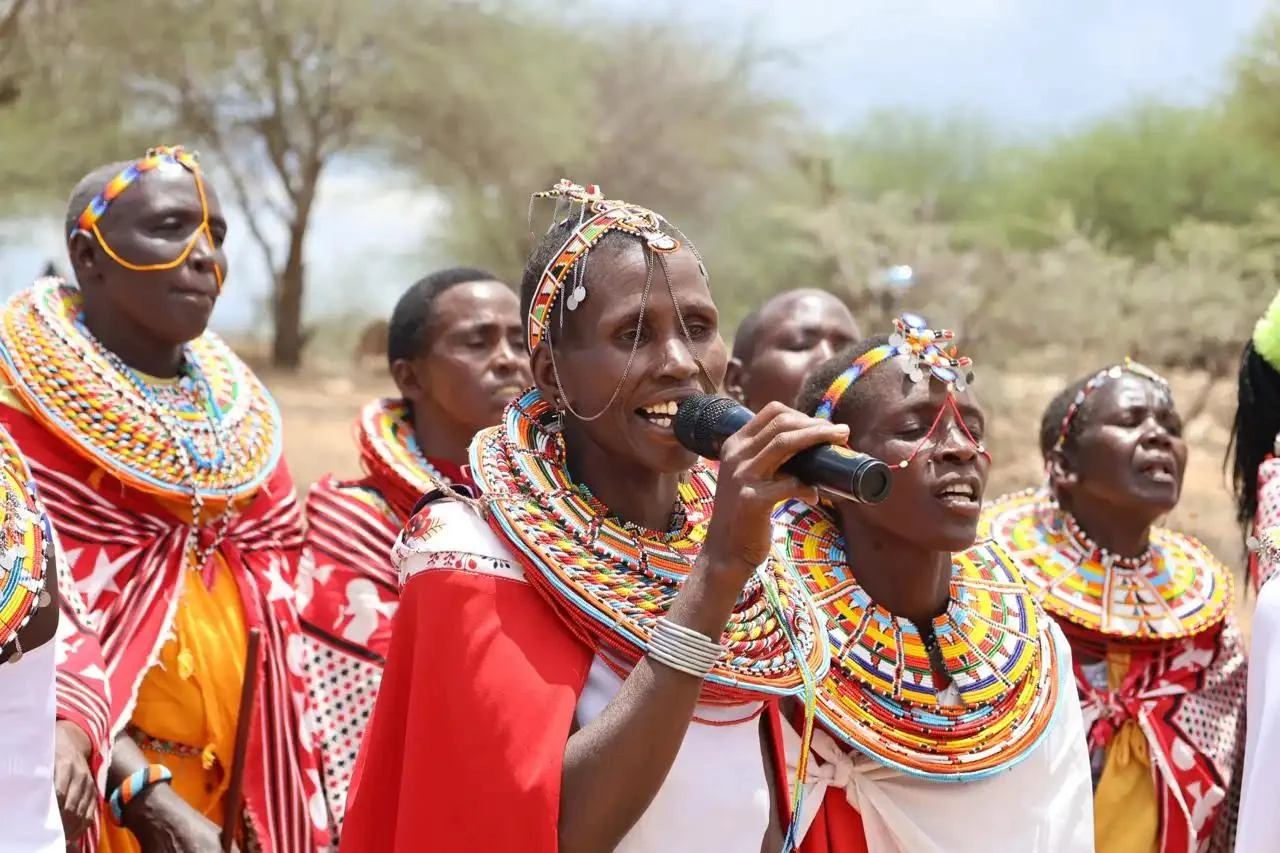
Kenyan folk songs are performed in different community settings.
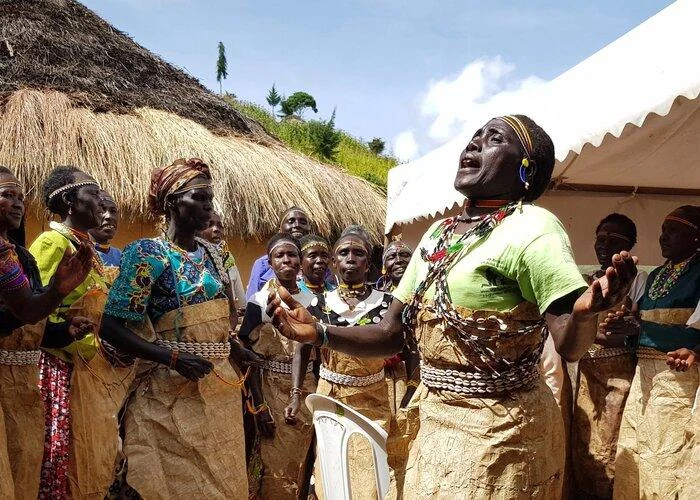
Folk songs may accompany ceremonies, celebrations and community activities.
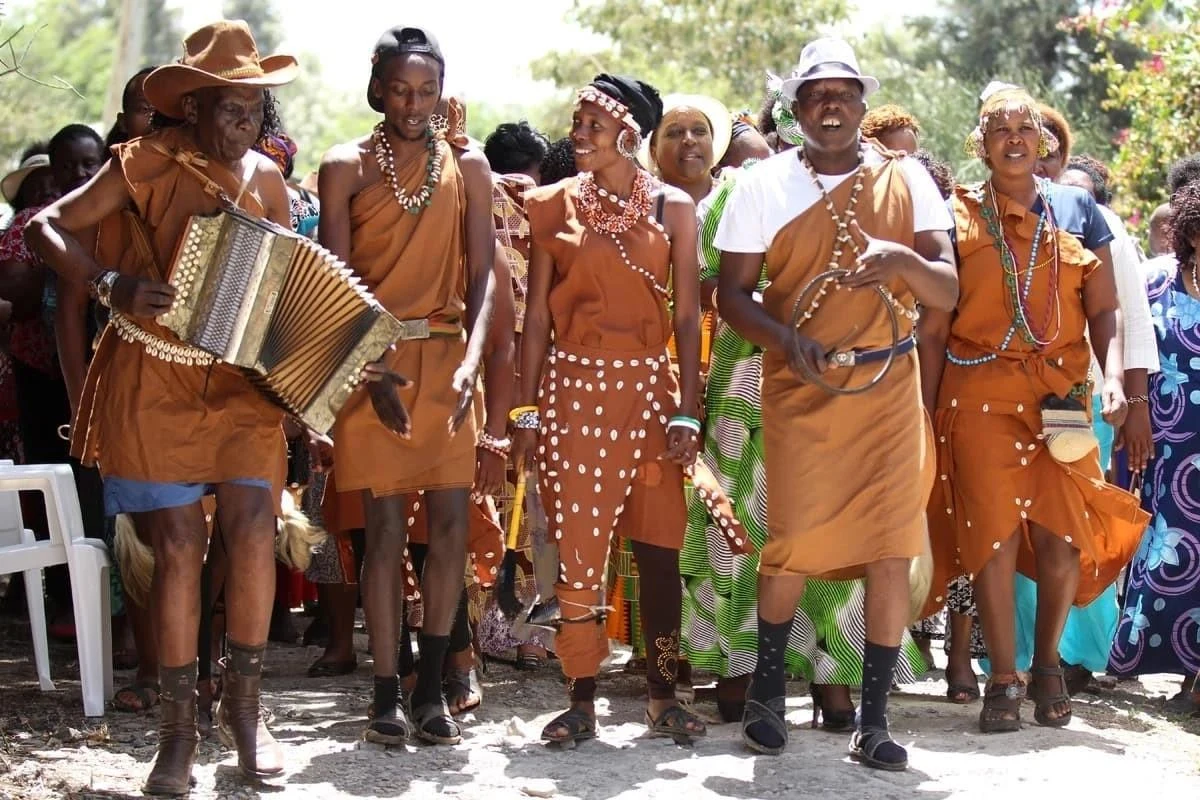
Music and dance help communities preserve their cultural heritage.
2. Importance of Kenyan Folk Songs
- Preserve cultural traditions.
- Teach moral values.
- Communicate community messages.
- Provide entertainment.
- Promote unity.
- Educate younger generations.
- Celebrate important occasions.
- Preserve indigenous languages.
- Encourage cooperation.
- Promote cultural identity.
3. Classification of Kenyan Folk Songs
The curriculum identifies three main ways of classifying Kenyan folk songs:
- Community of origin.
- Occasion.
- Gender.
A. Classification According to Community of Origin
Kenyan folk songs can be classified according to the community from which they originate.
Different Kenyan communities have their own traditional songs reflecting their customs and ways of life.
Examples include folk songs from:
- Kikuyu community.
- Luo community.
- Kalenjin community.
- Luhya community.
- Kamba community.
- Maasai community.
- Mijikenda community.
- Kisii community.
- Somali community.
- Turkana community.
Each community has distinct cultural expressions, languages and musical traditions.
B. Classification According to Occasion
Folk songs may be classified according to the events or activities during which they are performed.
Examples include:
1. Wedding songs
These are performed during marriage celebrations.
They may express happiness, unity and blessings for the couple.
2. Work songs
These are performed during activities such as farming, fishing and other communal tasks.
They help workers maintain a steady working rhythm.
3. Initiation songs
These are associated with traditional initiation ceremonies.
They may communicate teachings about responsibility, cultural identity and adulthood.
4. Burial songs
These are performed during funeral ceremonies to express sorrow, comfort families and honor the deceased.
5. Praise songs
These are performed to appreciate individuals who have demonstrated good qualities or achievements.
6. Celebration songs
These are performed during important community events and festivals.
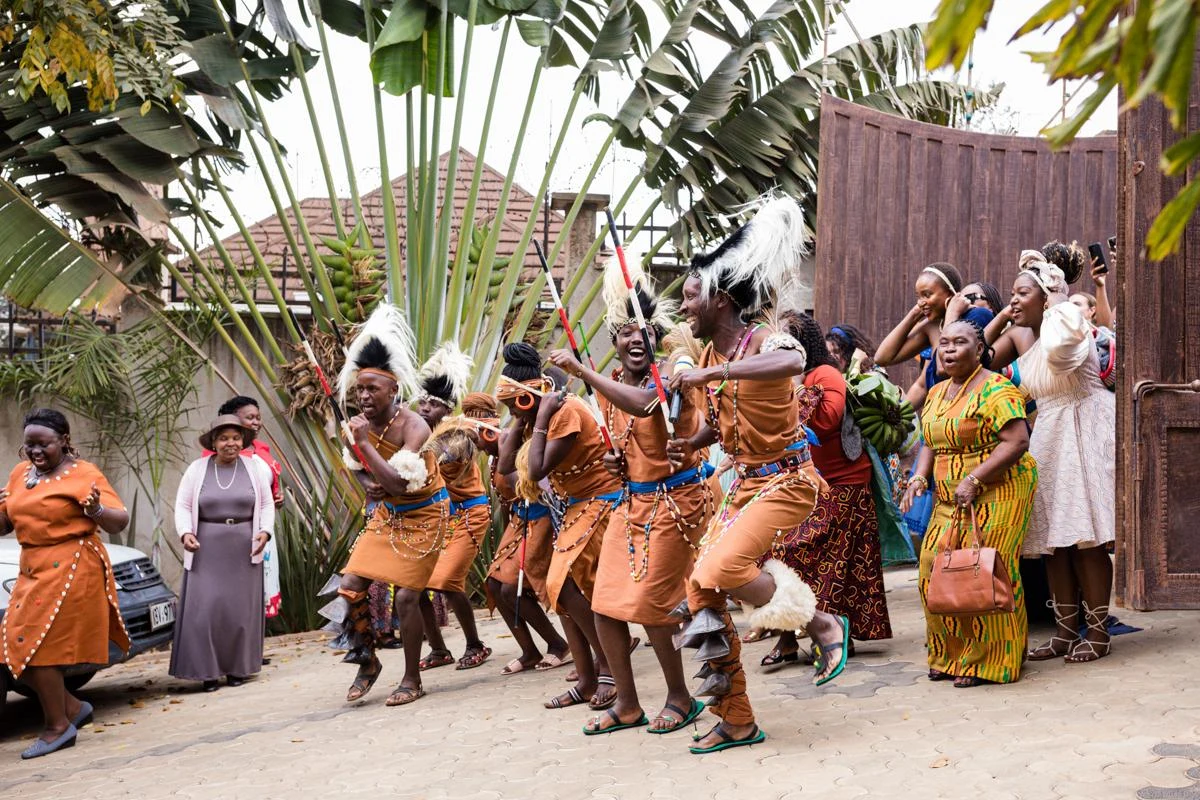
Traditional performances can reflect the roles and practices of different community groups.
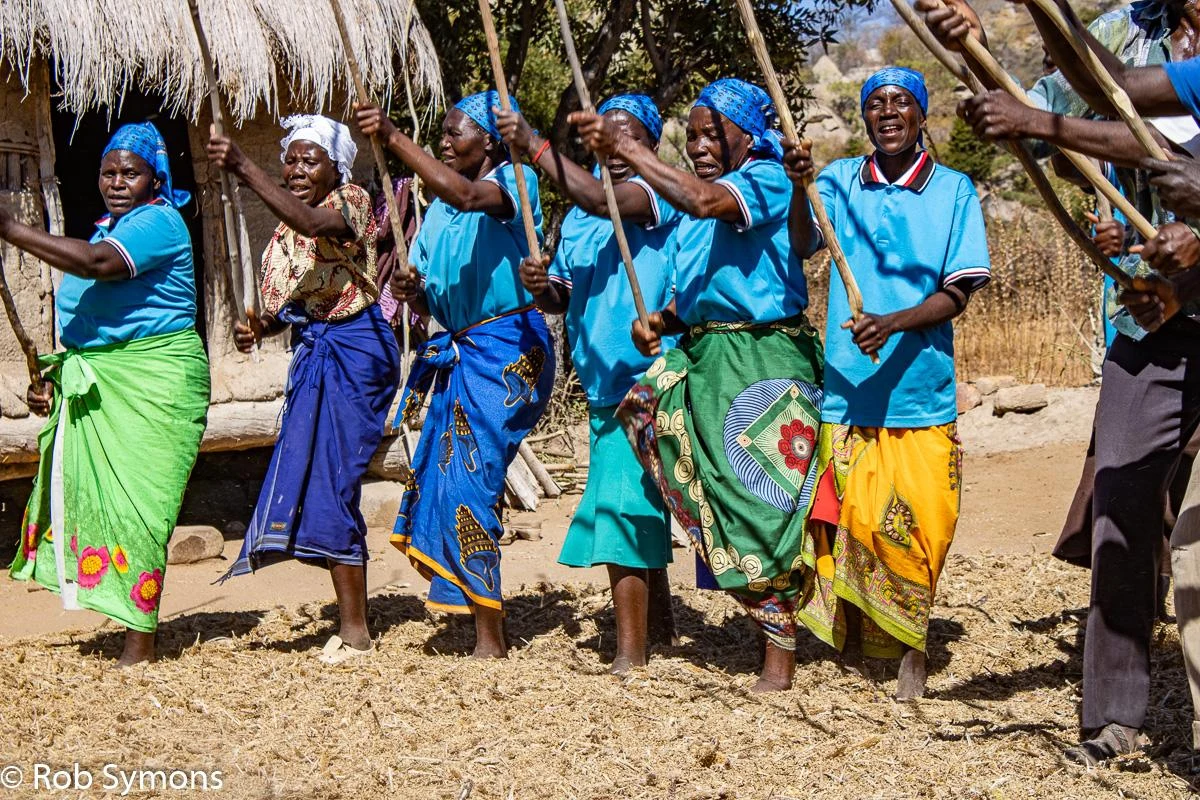
Decorative patterns and body adornment can be part of cultural expression.
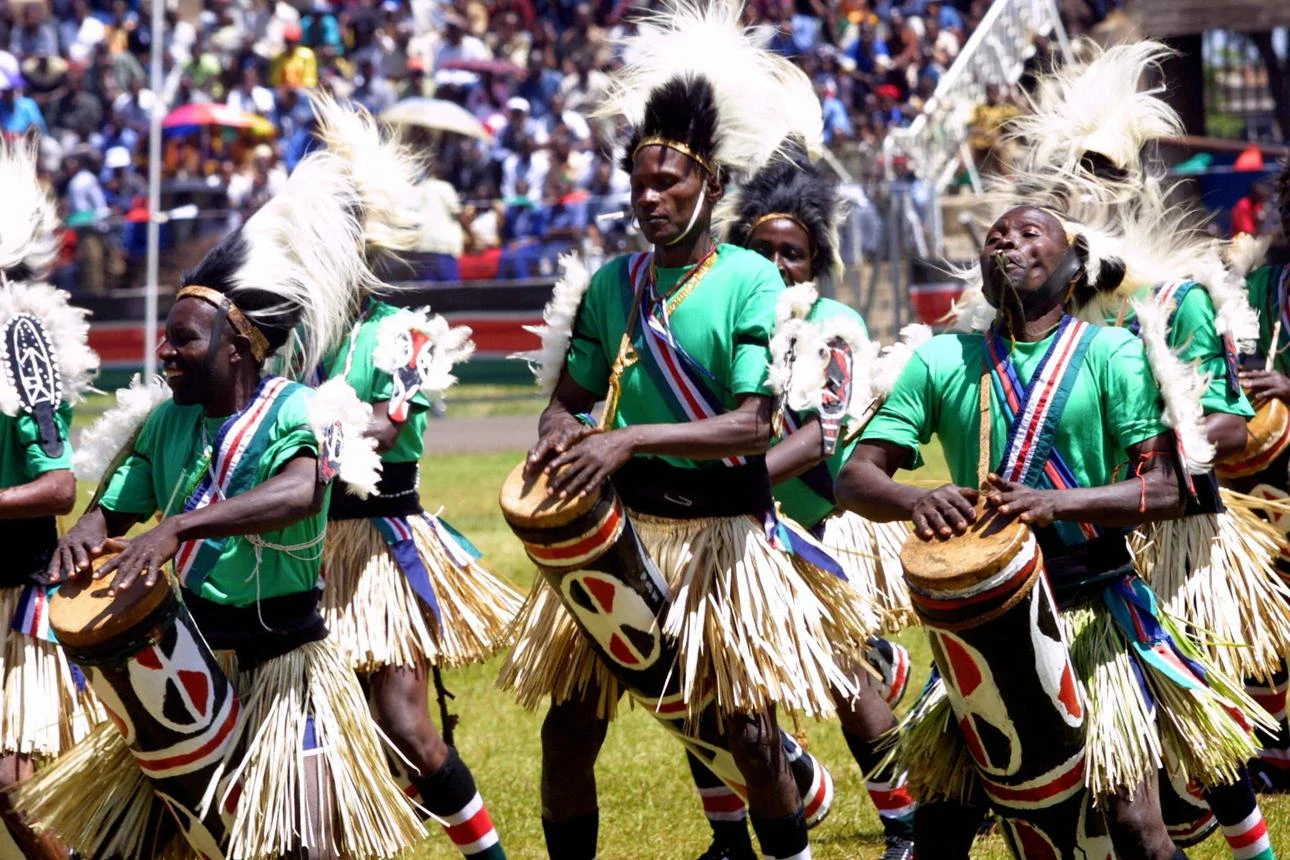
A Kenyan community performance demonstrates song, costume and movement.
C. Classification According to Gender
Some folk songs are associated with particular gender groups.
Examples include:
- Songs traditionally performed by men.
- Songs traditionally performed by women.
- Songs performed jointly by men and women.
The classification depends on the cultural traditions of the community.
4. Techniques Used in Performing Kenyan Folk Songs
A folk song should be performed using appropriate techniques to communicate its message effectively.
The curriculum identifies the following performance techniques.
A. Voice Projection
Voice projection is the ability to produce a clear and sufficiently strong voice that can be heard by the audience.
It helps singers communicate effectively.
Ways of improving voice projection
- Stand upright.
- Breathe properly.
- Open the mouth appropriately when singing.
- Pronounce words clearly.
- Avoid unnecessary shouting.
- Practise singing regularly.
B. Voice Balance
Voice balance refers to the appropriate combination of voices during a group performance.
No individual voice should unnecessarily overpower the others.
Importance
- Produces harmonious singing.
- Improves the quality of group performance.
- Promotes cooperation.
- Makes the song more enjoyable.
C. Phrasing
Phrasing refers to dividing a song into meaningful musical sections.
It helps singers organize words and musical ideas.
Proper phrasing ensures that the message of the song is communicated clearly.
D. Tempo
Tempo refers to the speed at which a song is performed.
A folk song can be performed slowly, moderately or quickly depending on its purpose.
For example, a celebration song may be performed at a lively speed.
E. Tone
Tone refers to the quality or character of the sound produced by a singer.
A good tone should be clear and appropriate for the song.
F. Dynamics
Dynamics refer to the loudness or softness of a musical performance.
Singers may use different levels of loudness to communicate emotions.
For example, a song may begin softly and become louder during an exciting section.
G. Expression and Interpretation
Expression involves communicating feelings and emotions through singing.
Interpretation involves understanding the meaning of the song and presenting it appropriately.
Singers should understand the message before performing.
H. Gestures and Movement
Gestures are movements of the hands, arms and other body parts used to communicate ideas.
Movement involves coordinated physical actions that accompany singing.
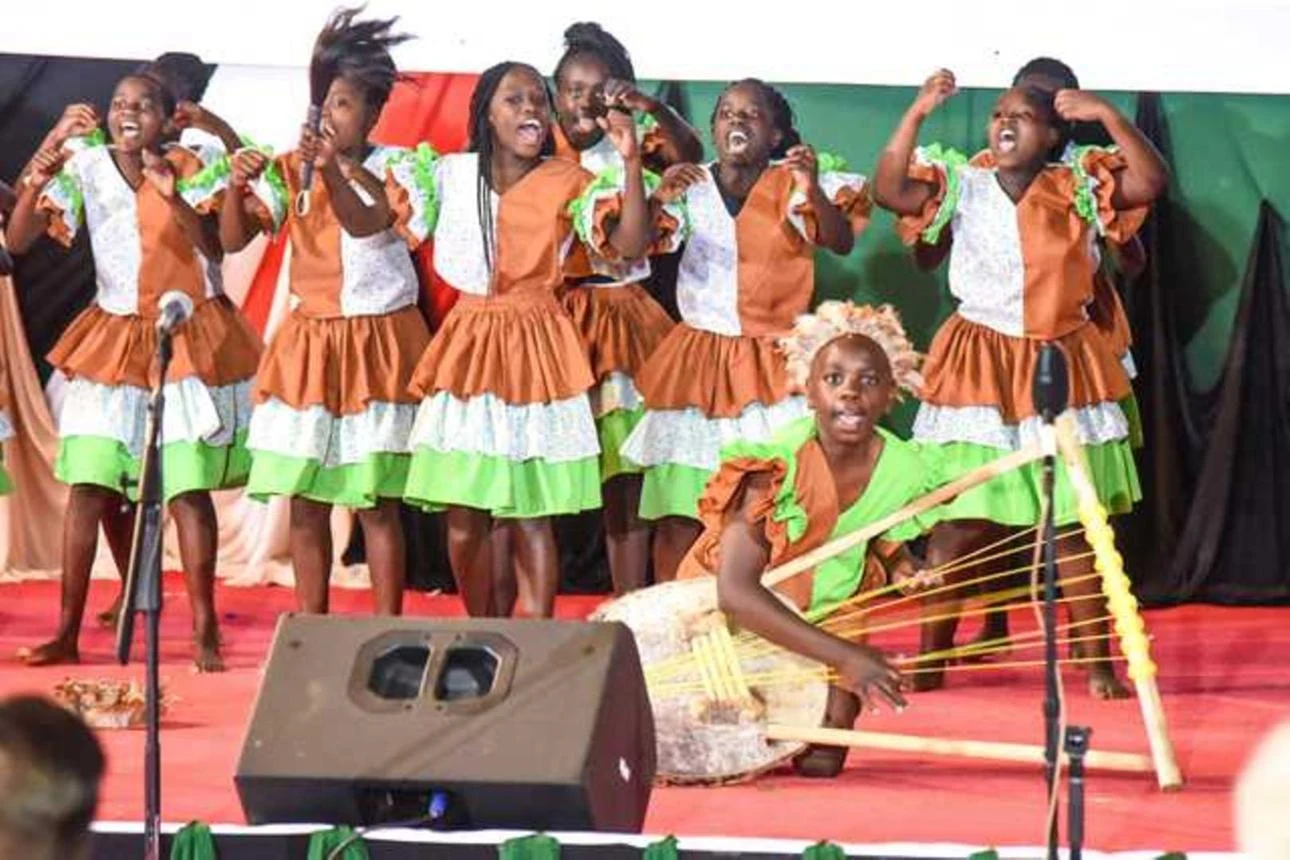
Gestures and body movement communicate meaning during song and dance.
Examples include:
- Clapping hands.
- Stamping feet.
- Moving arms.
- Dancing.
- Swaying the body.
I. Intensity
Intensity refers to the strength or energy with which a song is performed.
A performance may be energetic or gentle depending on its purpose.
J. Mood
Mood refers to the feeling or emotional atmosphere created by a song.
Examples include:
- Happiness.
- Sadness.
- Excitement.
- Calmness.
- Celebration.
- Sorrow.
K. Idiom and Authenticity
Idiom refers to the characteristic language, expressions and musical style associated with a particular community or tradition.
Authenticity means presenting a folk song in a way that respects its original cultural identity and traditional characteristics.
Performers should preserve the important cultural features of the songs they present.
5. Preparing to Perform a Kenyan Folk Song
Steps
- Select a folk song from a Kenyan community.
- Identify its community of origin.
- Establish the occasion for which it is performed.
- Understand its message.
- Identify the appropriate performance style.
- Practise voice projection and balance.
- Practise the correct tempo and phrasing.
- Include suitable gestures and movements.
- Wear appropriate costumes where necessary.
- Perform the song before an audience.
6. Appreciation of Kenyan Folk Songs
Learners should appreciate folk songs by:
- Respecting different cultural traditions.
- Learning songs from different communities.
- Participating in cultural performances.
- Preserving indigenous languages.
- Appreciating traditional musical instruments.
- Respecting the original meaning of songs.
Summary
- Folk songs are traditional songs associated with particular communities.
- Kenyan folk songs can be classified by community of origin, occasion and gender.
- Folk songs preserve cultural identity.
- Performance techniques include voice projection, voice balance, phrasing, tempo, tone, dynamics, expression, gestures, intensity, mood, idiom and authenticity.
- Learners should appreciate folk songs as a means of cultural preservation.
Revision Questions
- Define a folk song.
- State six importance of Kenyan folk songs.
- Identify the three ways of classifying Kenyan folk songs.
- Explain how folk songs are classified according to occasion.
- Differentiate between work songs and wedding songs.
- Define voice projection.
- Explain the importance of voice balance.
- What is phrasing in music?
- Differentiate between tempo and dynamics.
- Explain expression and interpretation.
- What is meant by idiom and authenticity?
- Describe the steps involved in preparing a Kenyan folk song for performance.