
Introduction
A monster narrative is a story involving a monster, ogre or other frightening imaginary creature.
Monster narratives are common in oral literature and written fiction. They often communicate lessons about human behaviour, dangers, fears and societal problems.
In this sub-strand, learners explore monster narratives, identify characters and explain their traits.
A. Meaning of a monster
A monster is an imaginary or unusual creature that is often described as frightening, dangerous or powerful.
Monsters may have unusual physical features and extraordinary abilities.
An ogre is a fictional giant or frightening creature commonly portrayed in traditional stories.
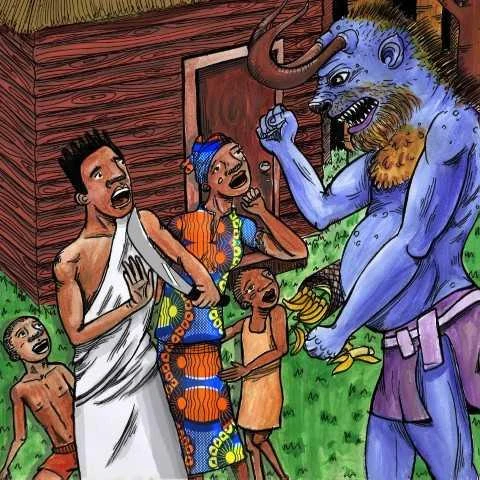
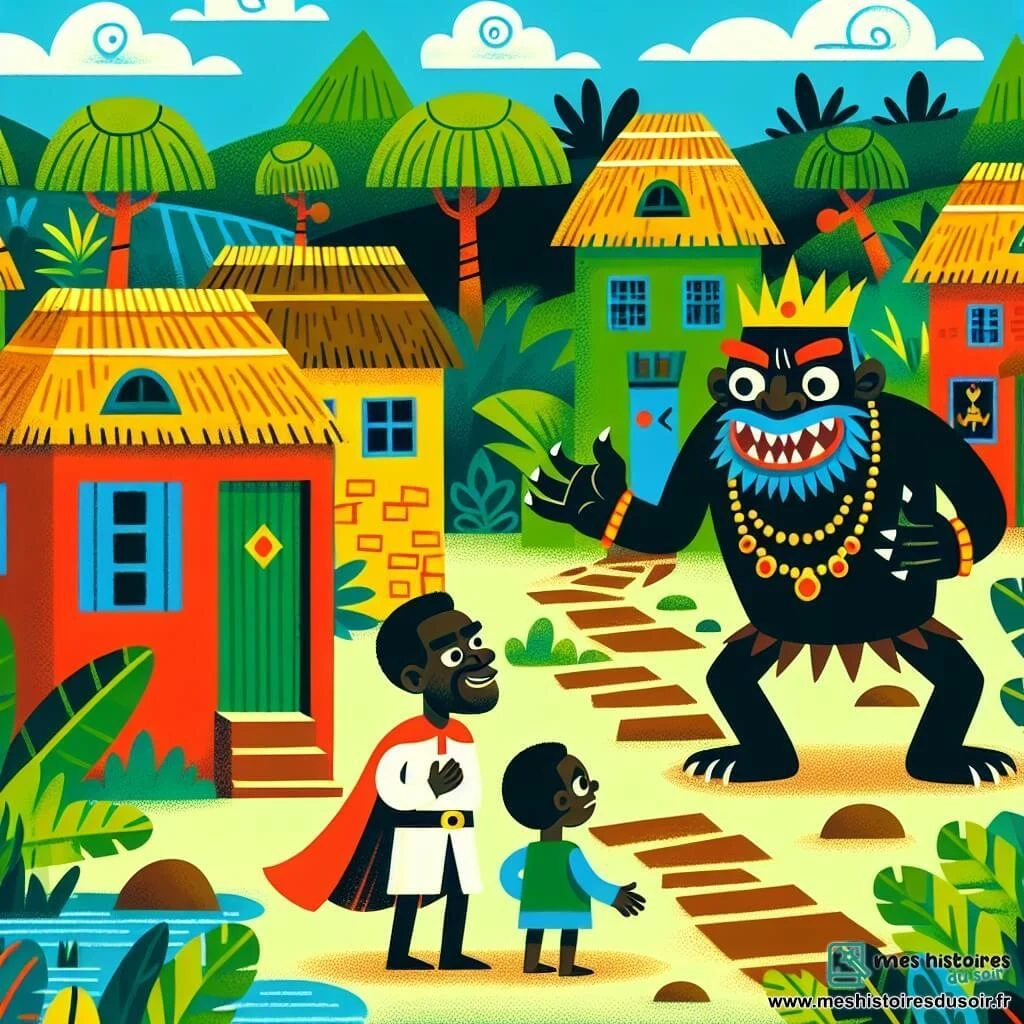
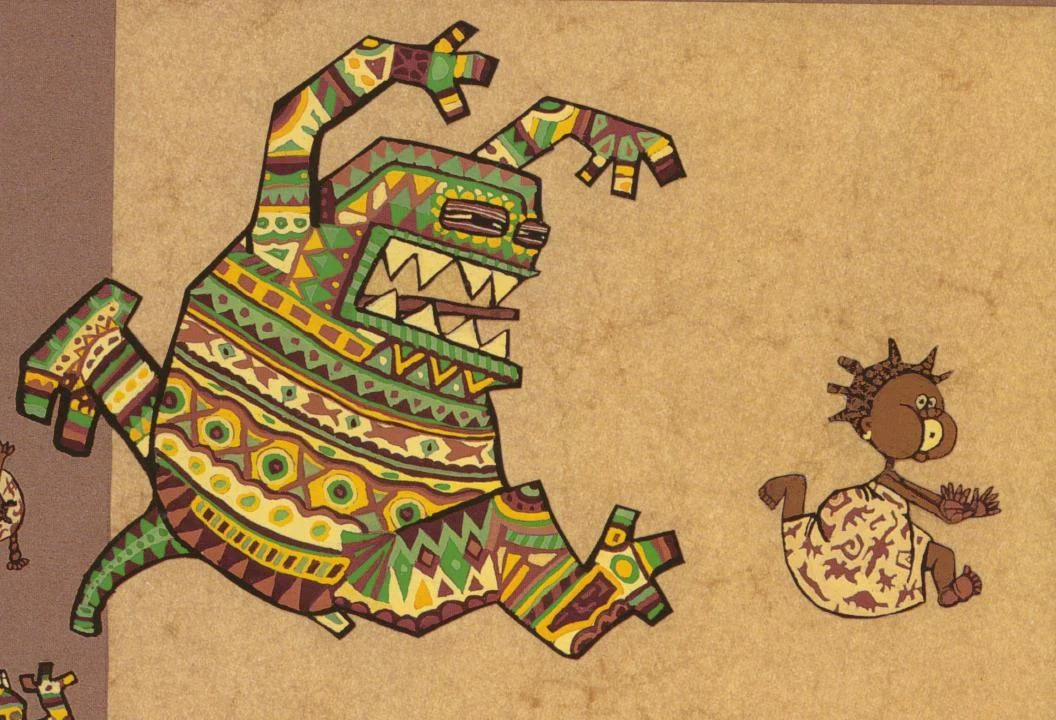
Illustrations of imaginary creatures show the kinds of monsters and ogres that may appear in traditional and fictional narratives.
B. Characteristics of monsters and ogres in narratives
Depending on the story, a monster may:
- Have an unusual appearance.
- Be physically powerful.
- Frighten other characters.
- Live in an isolated or mysterious place.
- Threaten people or animals.
- Possess unusual abilities.
- Display greed, cruelty or selfishness.
- Be defeated through intelligence, courage or cooperation.
These characteristics vary according to the particular narrative.
C. Characters in monster narratives
Characters are the individuals or creatures involved in a story.
Common characters include:
1. The monster or ogre
This is often the central frightening creature in the narrative.
2. The hero or heroine
This is a character who faces challenges and may help others overcome danger.
3. Supporting characters
These are other individuals who contribute to the development of the story.
D. Character traits
Character traits are qualities that describe the behaviour or personality of a character.
Examples include:
|
Character trait |
Meaning |
|---|---|
|
Brave |
Willing to face danger. |
|
Greedy |
Always wanting more than one needs. |
|
Cruel |
Deliberately causing pain or suffering. |
|
Kind |
Caring about others. |
|
Clever |
Able to think and solve problems. |
|
Selfish |
Thinking mainly about oneself. |
|
Honest |
Telling the truth. |
|
Deceitful |
Intentionally misleading others. |
E. What monsters may represent
In literature, monsters can sometimes represent deeper issues in society.
For example:
- Fear and insecurity.
- Greed and selfishness.
- Dangerous behaviour.
- Oppression and injustice.
- Ignorance and harmful beliefs.
The meaning depends on the particular story and how the characters behave.
F. Lessons from monster narratives
Monster narratives can communicate several important lessons.
- Courage helps people face difficulties.
- Greed can lead to serious problems.
- Cooperation makes it easier to overcome challenges.
- Intelligence can be more useful than physical strength.
- People should avoid dangerous situations.
- Dishonesty can destroy relationships.
- People should seek help when facing danger.
G. Relating monster narratives to real life
A frightening creature in a story may represent a real-life problem.
For example, a monster that threatens a village may represent a danger affecting a community.
A story in which people work together to defeat a monster may teach the importance of cooperation when addressing community problems.
H. Health education lessons
The curriculum also encourages learners to identify health education lessons from monster narratives.
Possible lessons include:
- Avoiding dangerous situations.
- Seeking help from trusted adults.
- Maintaining personal safety.
- Making responsible decisions.
- Avoiding harmful behaviours.
- Supporting people facing difficulties.
The exact lesson should be connected to the story being studied.
I. Collecting narratives from the community
Learners can collect monster narratives from:
- Parents.
- Grandparents.
- Community elders.
- Teachers.
- Storytellers.
- Other knowledgeable community members.
Procedure
- Identify a suitable resource person.
- Explain the purpose of collecting the narrative.
- Ask permission to record or write the story.
- Listen carefully.
- Record the main events and characters.
- Write the narrative in an organised manner.
- Confirm unclear details with the storyteller.
- Acknowledge the source.
- Compile the narratives into an anthology.
J. Cultural sensitivity when collecting narratives
Different Kenyan communities have different traditions and storytelling practices.
Learners should:
- Respect community beliefs.
- Avoid mocking traditional stories.
- Ask permission before recording.
- Avoid changing the intended meaning.
- Acknowledge the people who share the narratives.
K. Reader's theatre
Reader's theatre is a performance in which learners read assigned parts of a story aloud to an audience.
It emphasises expression, voice, character interpretation and understanding of the text.
Steps in conducting reader's theatre
- Select a suitable monster narrative.
- Identify the characters.
- Allocate speaking roles.
- Read the story carefully.
- Practise pronunciation and expression.
- Rehearse the performance.
- Present the narrative.
- Evaluate the performance.
L. Importance of monster narratives
- Preserve oral literature.
- Develop imagination.
- Communicate moral lessons.
- Improve reading and speaking skills.
- Promote cultural understanding.
- Encourage critical thinking.
- Provide entertainment.
Summary
Monster narratives are stories involving frightening or imaginary creatures. Through reading and discussing these stories, learners identify characters, understand character traits, interpret messages and relate lessons to real-life situations.