
4.2.1 Meaning of Magnetism
Magnetism is a physical phenomenon associated with the force of attraction or repulsion produced by magnets and magnetic materials.
Magnetism enables certain materials to attract or repel one another.
It is applied in many devices used in homes, schools, industries and transport systems.
4.2.2 Meaning of a Magnet
A magnet is an object or material that produces a magnetic field and can attract magnetic materials such as iron.
Magnets have two main poles:
- North pole.
- South pole.
4.2.3 Types of Magnets
Magnets can be made in different shapes depending on their intended use.
Common shapes include:
1. Bar Magnet
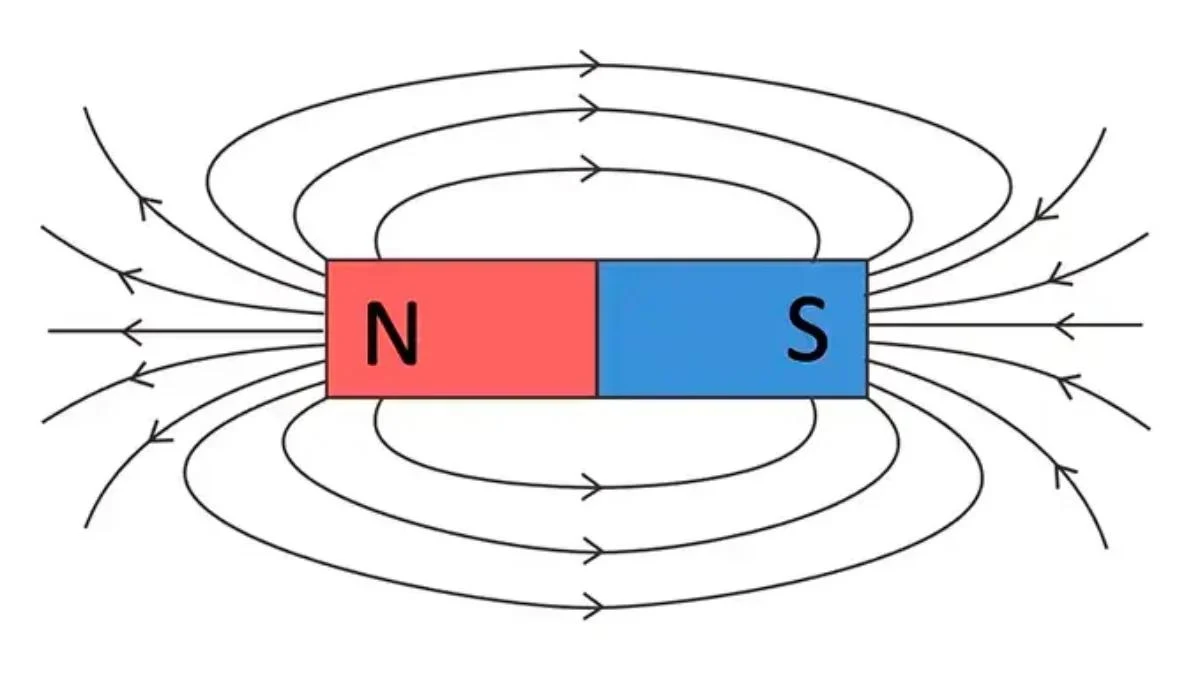
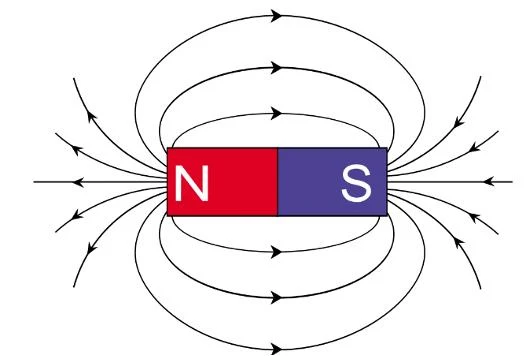
A bar magnet is a straight, rectangular magnet with a north pole at one end and a south pole at the other.
2. Horseshoe Magnet
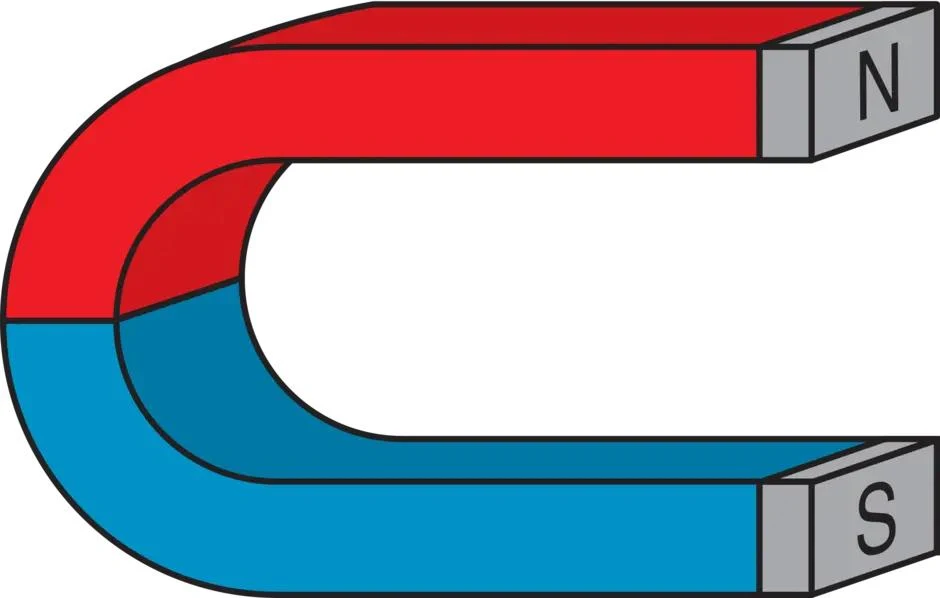
A horseshoe magnet is a magnet shaped like the letter U.
Its two poles are close to each other.
3. Ring Magnet
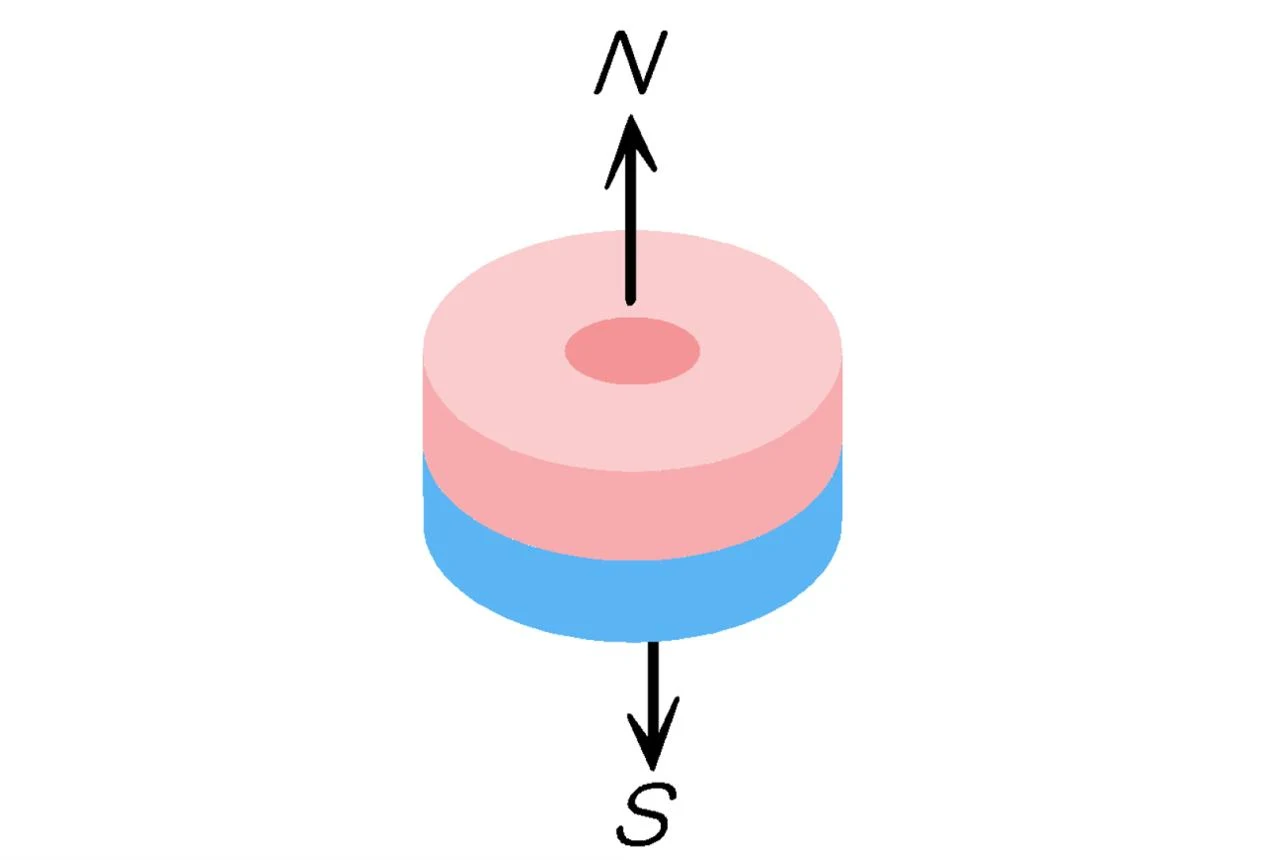
A ring magnet is a circular magnet with a hole in the middle.
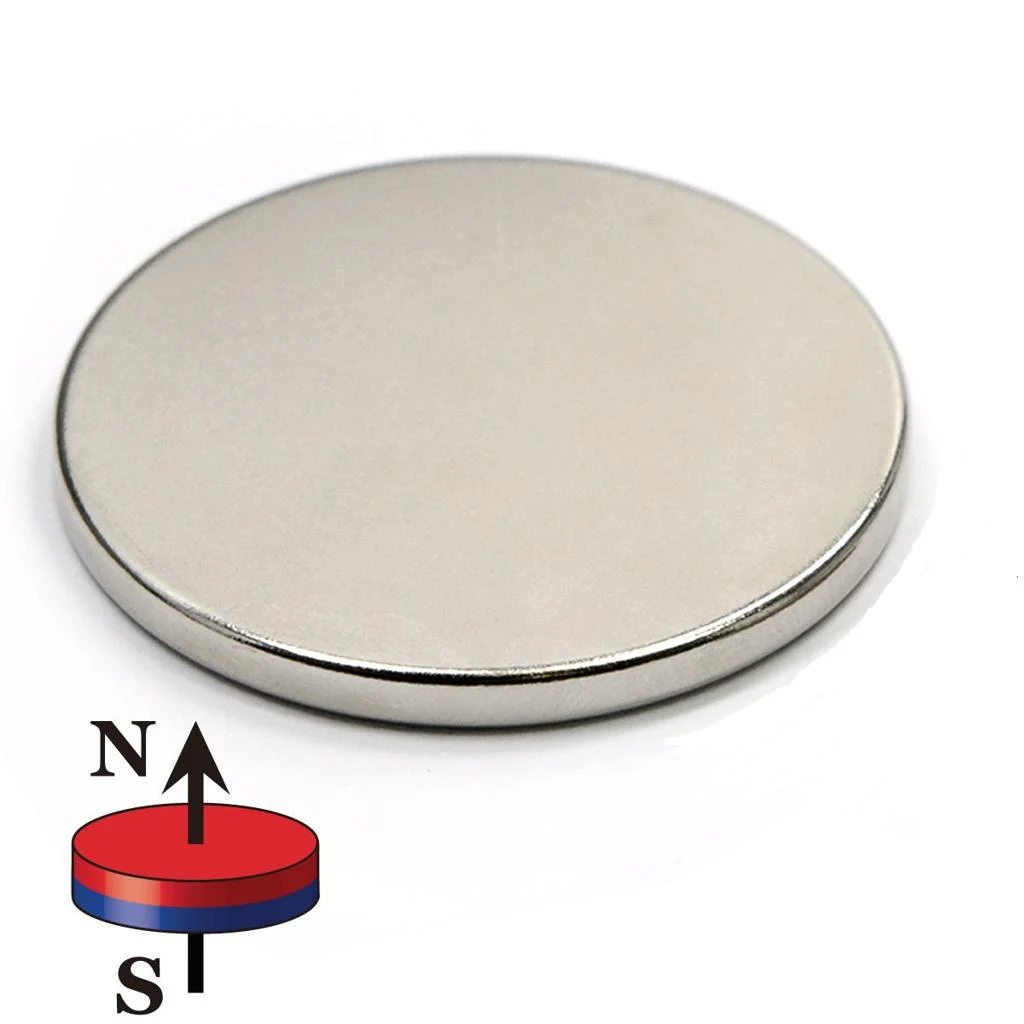
4. Disc Magnet
A disc magnet is a flat, circular magnet.
4.2.4 Properties of Magnets
Magnets have several important properties.
The Grade 7 curriculum identifies attractive and repulsive properties, directional properties, poles and magnetic strength.
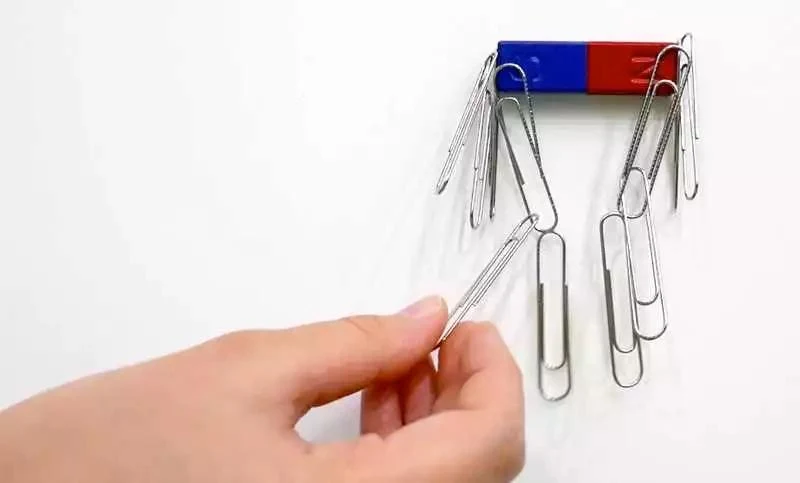
1. Magnets Attract Magnetic Materials
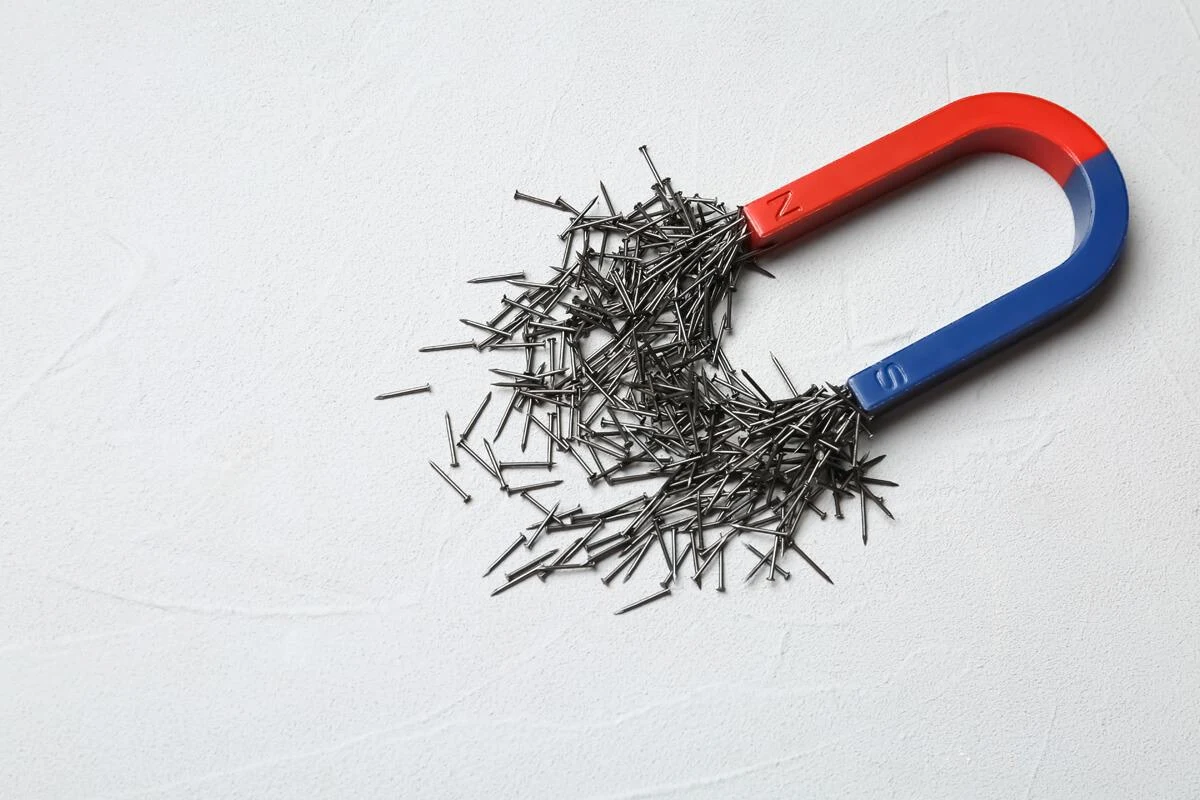
A magnet attracts certain materials, particularly those containing iron, nickel or cobalt.
Examples include:
- Iron nails.
- Steel objects.
- Iron filings.
- Some metal tools.
2. Magnets Have Two Poles
Every ordinary bar magnet has two poles:
- North pole.
- South pole.
The poles are usually found at opposite ends of the magnet.
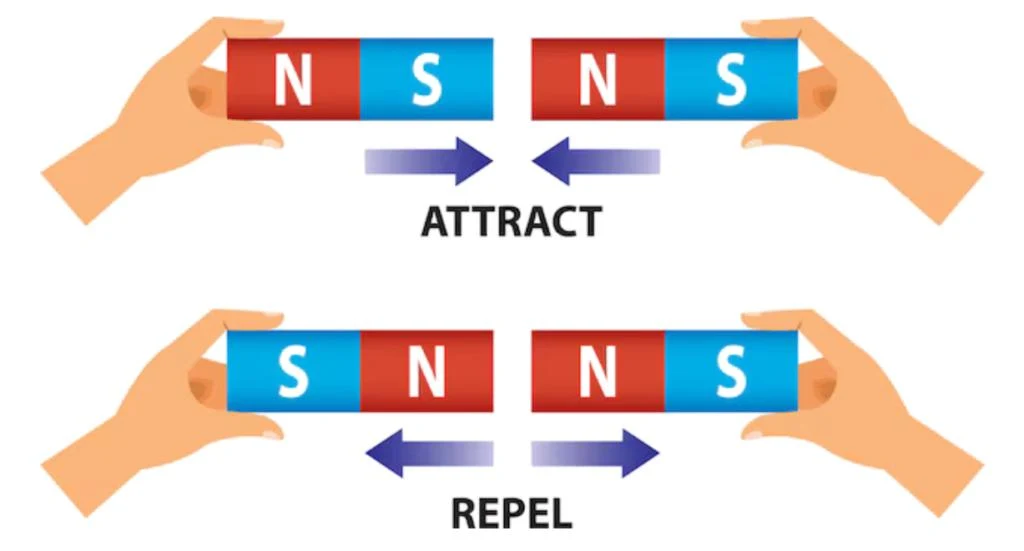
3. Like Poles Repel Each Other
When two north poles or two south poles are brought close together, they repel each other.
Repulsion means pushing away.
Examples:
- North pole and north pole repel.
- South pole and south pole repel.
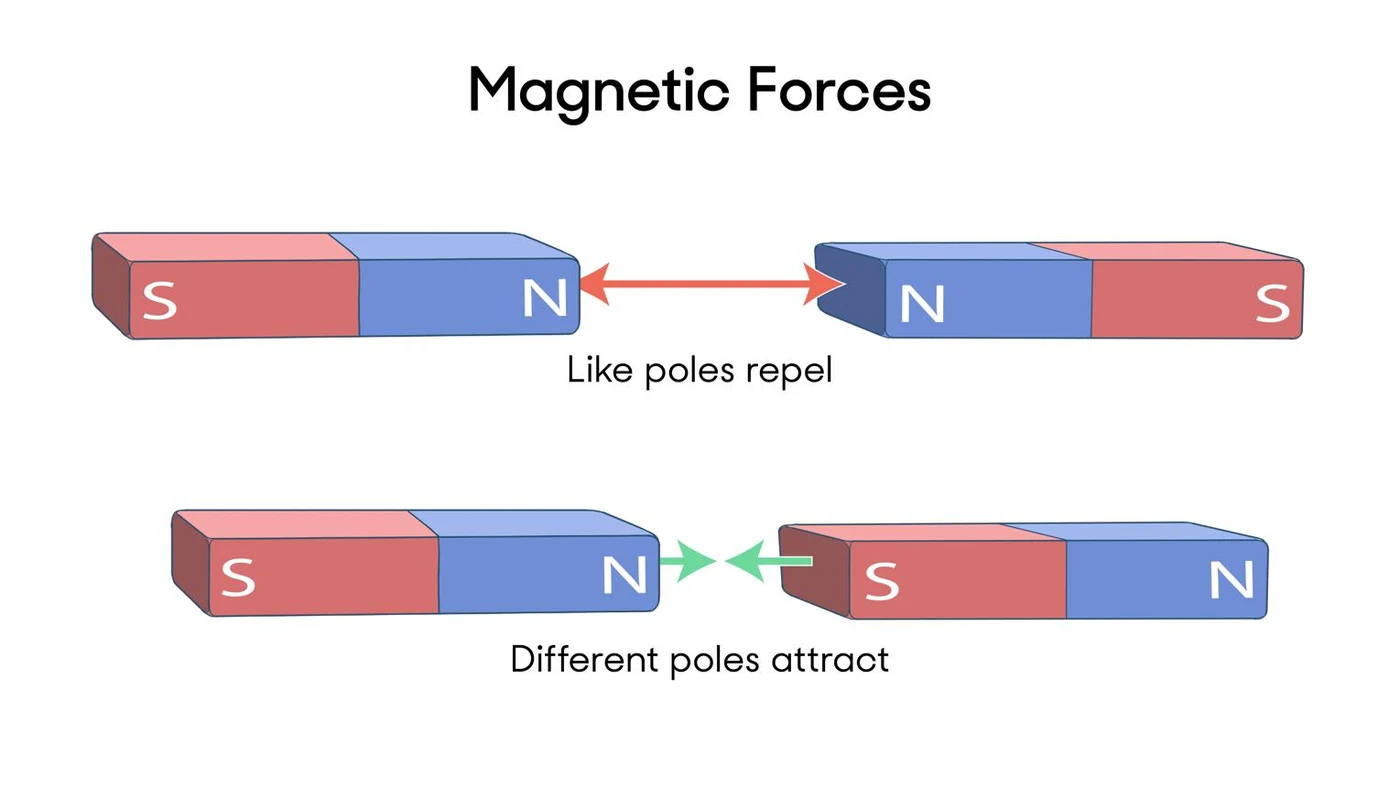
4. Unlike Poles Attract Each Other
When a north pole and a south pole are brought close together, they attract each other.
Attraction means pulling towards one another.
Examples:
- North pole and south pole attract.
- South pole and north pole attract.
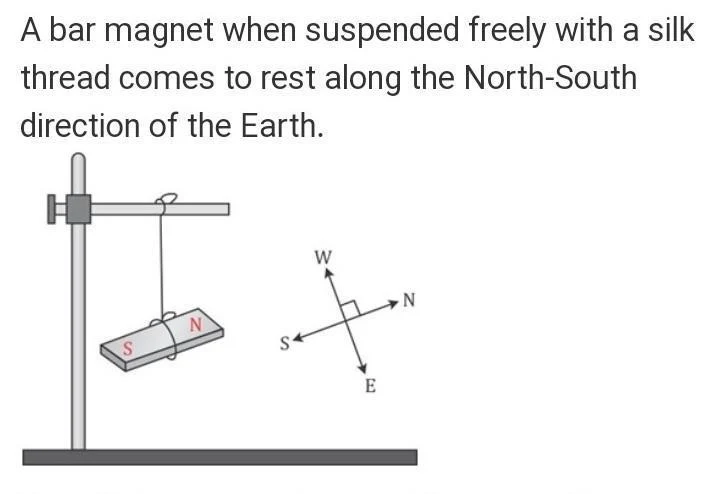
5. Magnets Have Directional Properties
When a freely suspended magnet is allowed to come to rest, it generally aligns itself in a north-south direction.
This property is used in magnetic compasses.
6. Magnetic Strength Is Greatest at the Poles
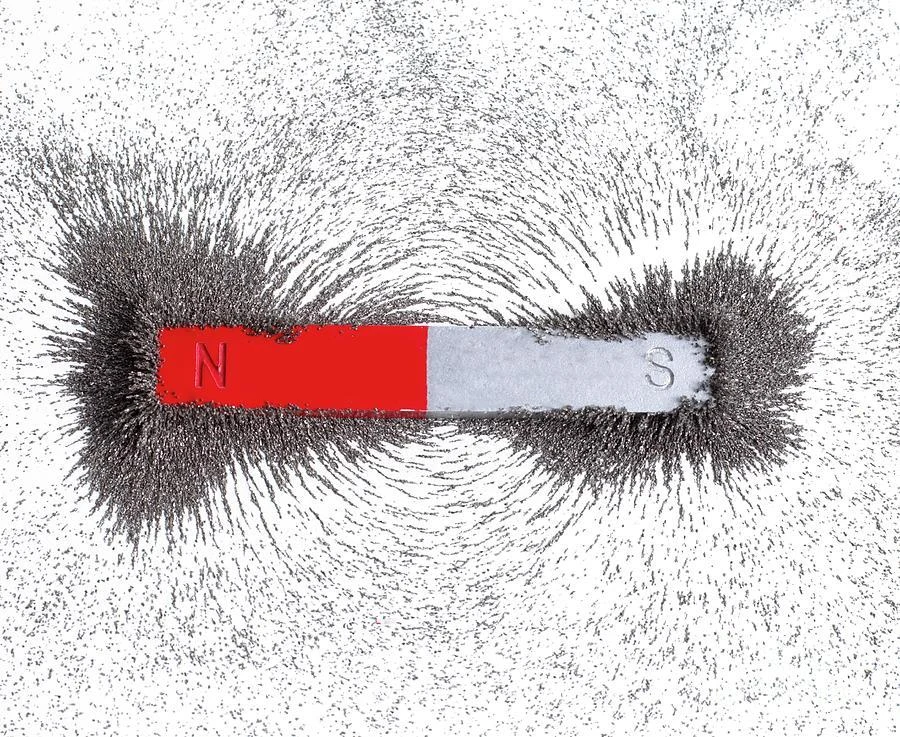
The magnetic effect of a bar magnet is strongest near its two poles.
This can be demonstrated by placing iron filings around a bar magnet.
More iron filings gather around the pole regions.
4.2.5 Basic Law of Magnetism
The basic law of magnetism states that:
- Like magnetic poles repel each other.
- Unlike magnetic poles attract each other.
This law explains how two magnets interact when brought close together.
|
Magnetic poles |
Result |
|---|---|
|
North and North |
Repulsion |
|
South and South |
Repulsion |
|
North and South |
Attraction |
|
South and North |
Attraction |
4.2.6 Magnetic and Non-Magnetic Materials
Materials can be classified according to whether they are attracted by a magnet.
There are two main groups:
- Magnetic materials.
- Non-magnetic materials.
A. Magnetic Materials
Magnetic materials are substances that are attracted by magnets.
Examples include:
- Iron.
- Steel.
- Nickel.
- Cobalt.
B. Non-Magnetic Materials
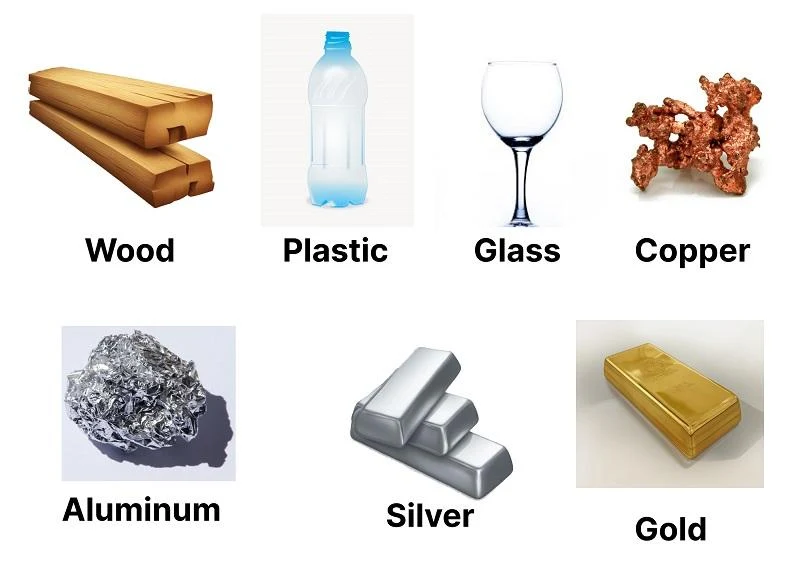
Non-magnetic materials are substances that are not noticeably attracted by an ordinary magnet.
Examples include:
- Wood.
- Plastic.
- Glass.
- Rubber.
- Paper.
- Copper.
- Aluminium.
4.2.7 Differences Between Magnetic and Non-Magnetic Materials
|
Magnetic materials |
Non-magnetic materials |
|---|---|
|
Are attracted by magnets |
Are not noticeably attracted by ordinary magnets |
|
Include iron and steel |
Include wood and plastic |
|
Can be separated using magnetic methods |
Cannot be separated by ordinary magnetic attraction |
|
Contain materials with suitable magnetic properties |
Do not show significant attraction to ordinary magnets |
4.2.8 Practical Activity: Classifying Materials as Magnetic or Non-Magnetic
Aim: To investigate which materials are attracted by a magnet.
Materials required
- A bar magnet.
- Iron nail.
- Steel paper clip.
- Piece of wood.
- Plastic ruler.
- Rubber.
- Glass object.
- Piece of paper.
- Copper object.
Procedure
- Collect all the materials.
- Place the materials separately on a table.
- Bring the magnet close to each material.
- Observe whether the material is attracted.
- Record the observations in a table.
- Classify the materials as magnetic or non-magnetic.
Expected observations
|
Material |
Observation |
Classification |
|---|---|---|
|
Iron nail |
Attracted |
Magnetic |
|
Steel paper clip |
Attracted |
Magnetic |
|
Wood |
Not attracted |
Non-magnetic |
|
Plastic ruler |
Not attracted |
Non-magnetic |
|
Rubber |
Not attracted |
Non-magnetic |
|
Glass |
Not attracted |
Non-magnetic |
|
Paper |
Not attracted |
Non-magnetic |
|
Copper object |
Not noticeably attracted |
Non-magnetic |
Conclusion
Different materials respond differently when brought near a magnet. Iron and steel are attracted to magnets, while materials such as wood, plastic, glass and rubber are not.
4.2.9 Practical Activity: Investigating Attraction and Repulsion Between Magnetic Poles
Aim: To demonstrate the attractive and repulsive properties of magnets.
Materials required
- Two bar magnets.
Procedure
- Take two bar magnets.
- Bring the north pole of the first magnet near the north pole of the second magnet.
- Observe what happens.
- Bring the south pole of the first magnet near the south pole of the second magnet.
- Observe what happens.
- Bring the north pole of one magnet near the south pole of the other magnet.
- Record the observations.
Expected observations
|
Magnets brought together |
Observation |
|---|---|
|
North and North |
Repel |
|
South and South |
Repel |
|
North and South |
Attract |
Conclusion
Like poles repel while unlike poles attract.
4.2.10 Magnetic Field
A magnetic field is the region around a magnet where magnetic forces can be experienced.
The magnetic field is strongest near the poles of a magnet.
Magnetic field lines are commonly used to represent the direction and pattern of a magnetic field.
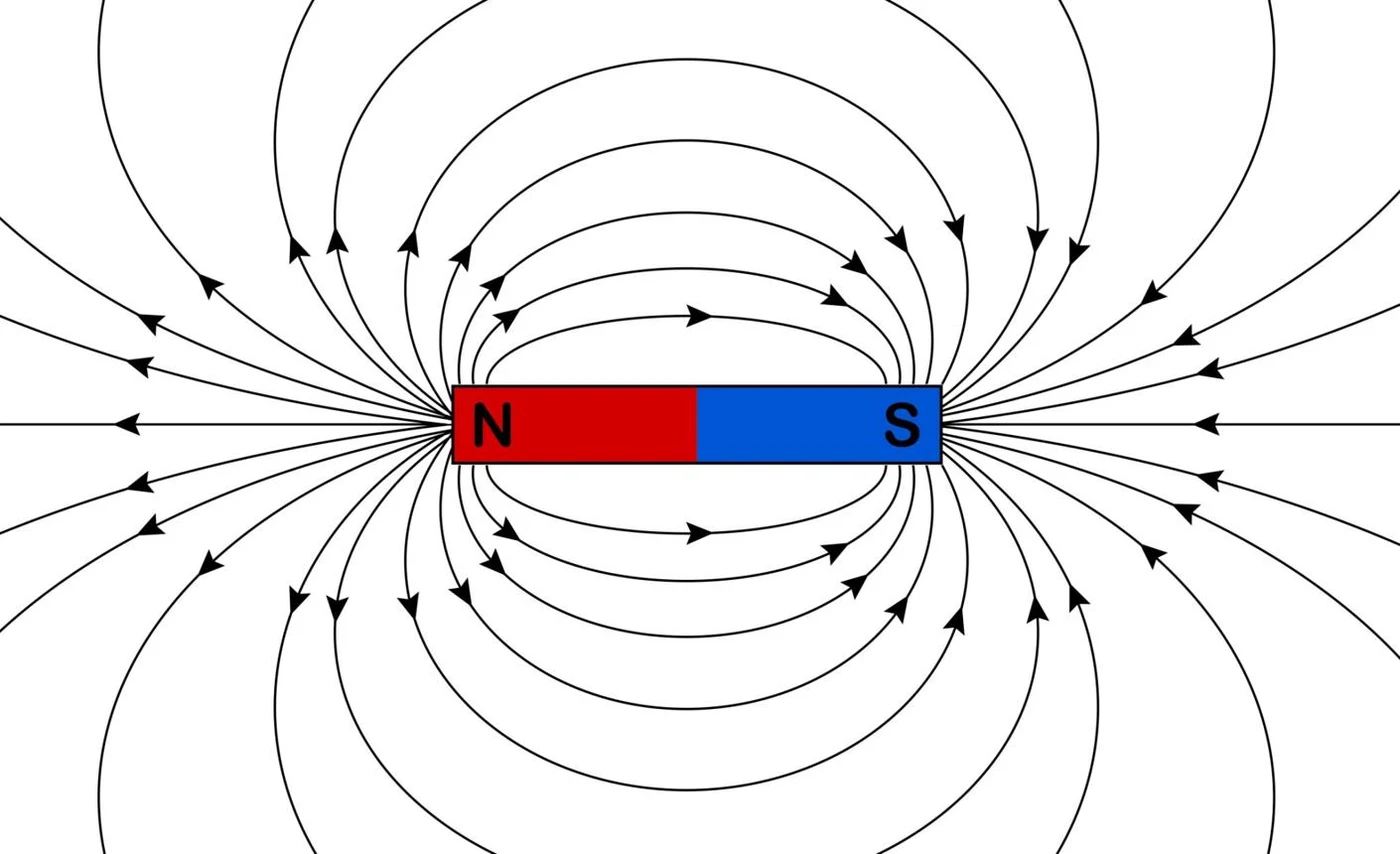
Important observations:
- Magnetic field lines are represented as curved lines.
- They are concentrated near the poles.
- Outside a magnet, they are conventionally shown moving from the north pole towards the south pole.
- Magnetic field lines do not cross one another.
4.2.11 Uses of Magnets in Daily Life
Magnets have many applications in homes, schools, industries and other places.
The Grade 7 curriculum identifies several important uses.
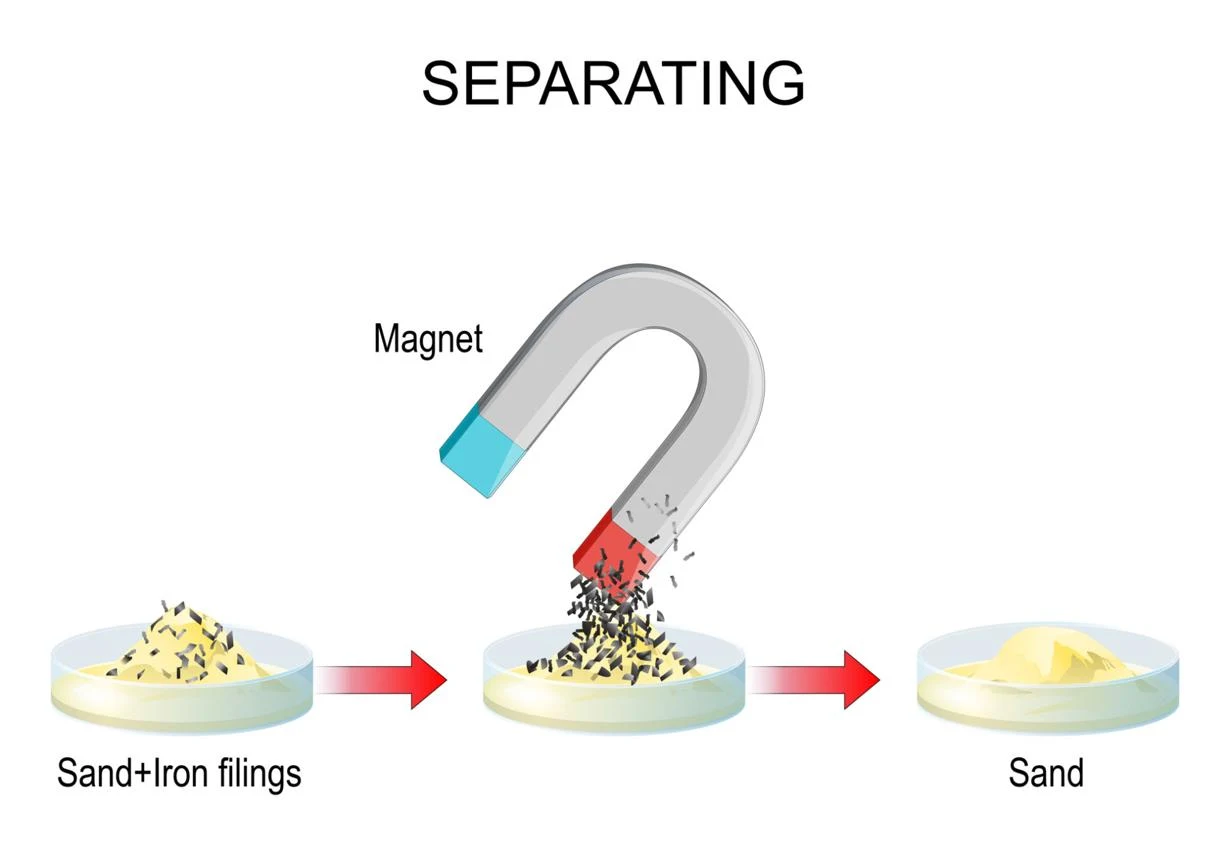
1. Separation of Mixtures
Magnets are used to separate magnetic materials from non-magnetic materials.
For example, a magnet can be used to separate iron filings from sand.
2. Radios
Some radio components use magnets to help produce sound.
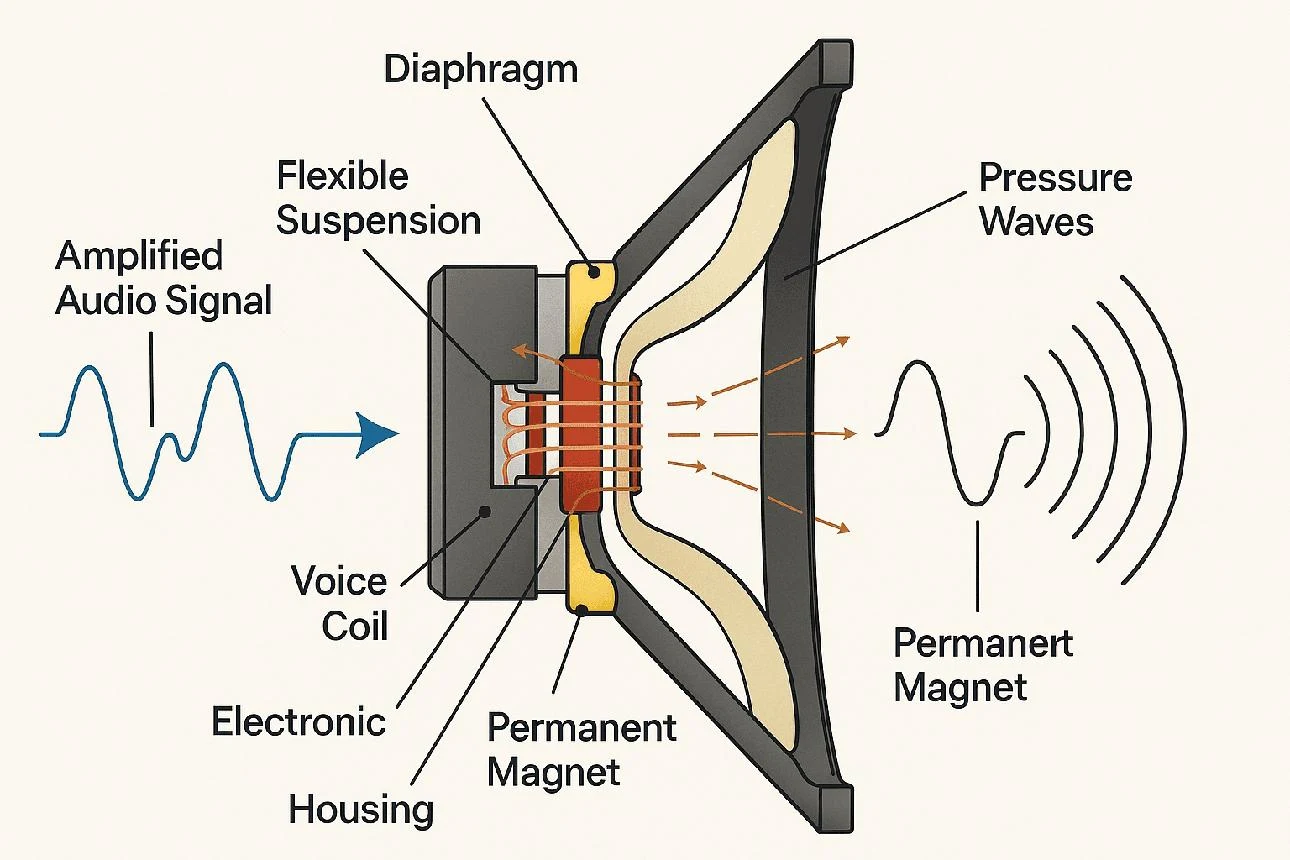
3. Speakers
Speakers contain magnets that interact with electric currents in coils to produce sound vibrations.
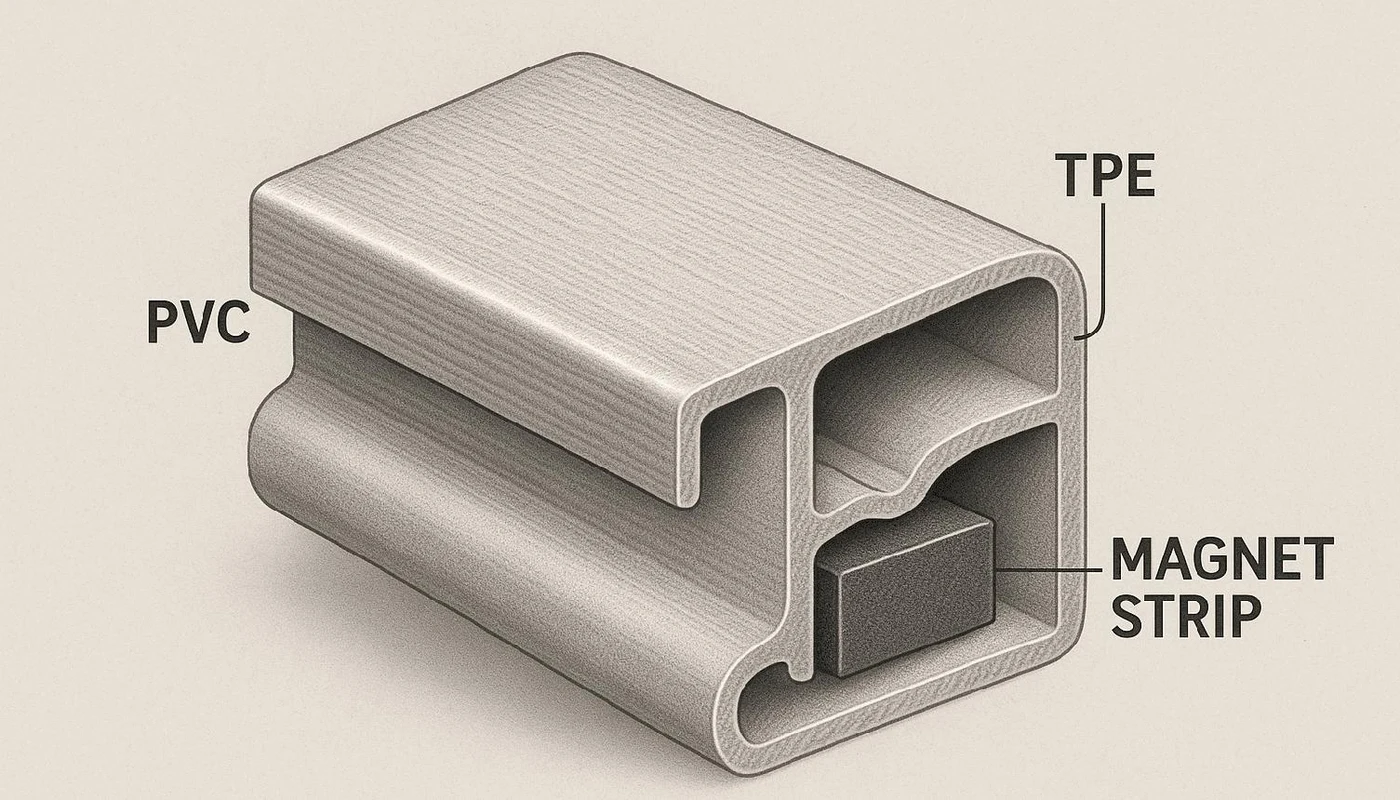
4. Refrigerator Doors
Magnets are used in refrigerator door seals to help the doors remain closed.
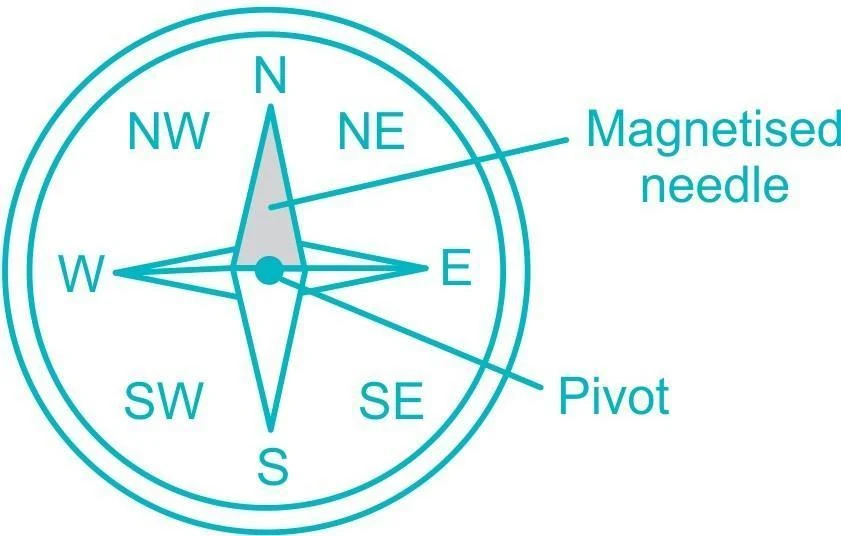
5. Magnetic Compass
A magnetic compass contains a freely rotating magnetic needle that aligns approximately in the north-south direction.
It is used for navigation and finding directions.
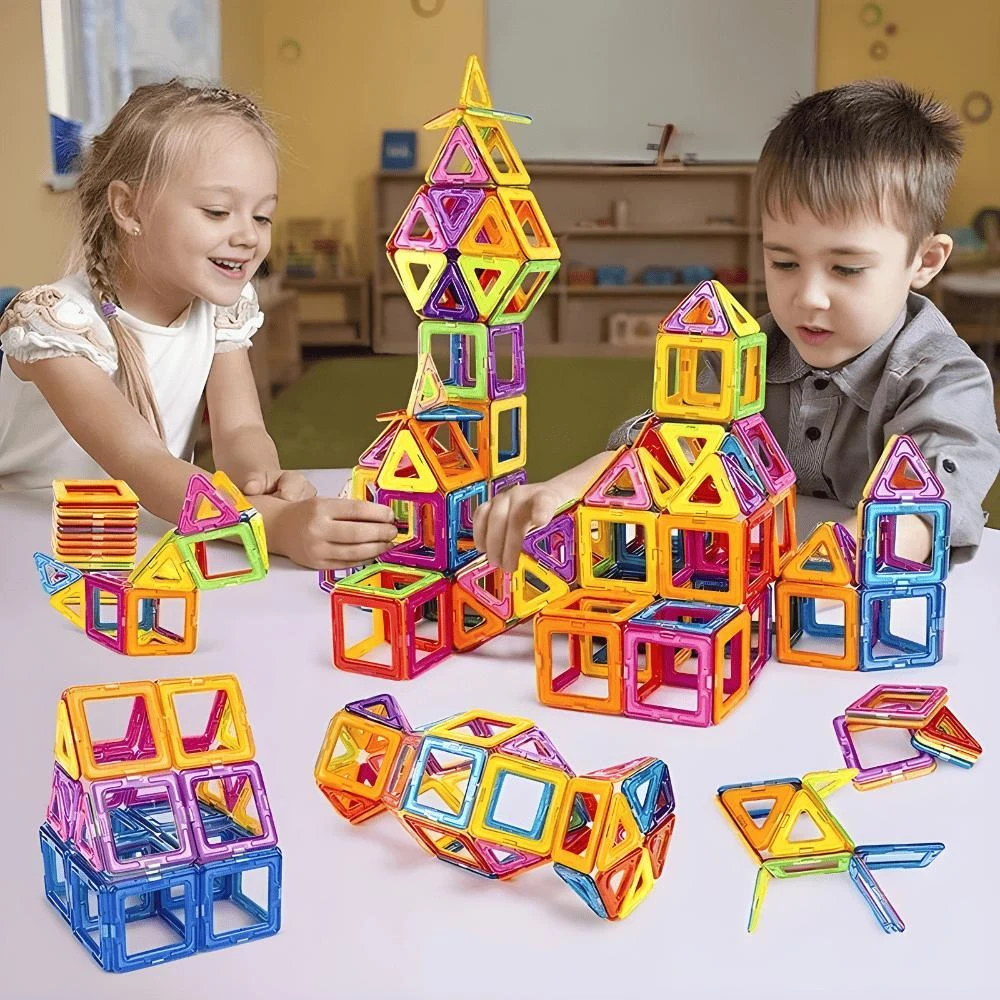
6. Toys
Magnets are used in some toys to produce attractive and repulsive effects.
Examples include:
- Magnetic building toys.
- Magnetic fishing toys.
- Magnetic puzzles.
- Toys that demonstrate magnetic attraction and repulsion.
4.2.12 Other Applications of Magnets
Magnets are also used in:
- Electric motors.
- Generators.
- Magnetic door catches.
- Computer equipment.
- Magnetic locks.
- Some medical equipment.
- Industrial magnetic separators.
4.2.13 Care and Maintenance of Magnets
Magnets should be handled carefully to maintain their magnetic properties.
The following precautions should be observed:
- Avoid dropping magnets repeatedly.
- Do not expose magnets to excessive heat.
- Store magnets properly.
- Keep magnets away from sensitive electronic devices where necessary.
- Avoid hitting magnets against hard surfaces.
- Keep small magnets away from young children because they can be dangerous if swallowed.
4.2.14 Importance of Learning About Magnetism
- Helps learners understand magnetic forces.
- Promotes scientific investigation.
- Explains how compasses work.
- Helps learners understand the operation of speakers.
- Explains the use of magnets in household appliances.
- Supports the development of electrical and electronic technology.
- Helps in separating magnetic materials from mixtures.
Key inquiry question
How are magnets used in daily life?
Curriculum alignment: KICD Grade 7 Integrated Science, Strand 4.0, sub-strand 4.2.
GENERAL REVISION
A. Important Definitions
|
Term |
Meaning |
|---|---|
|
Reproduction |
Process through which living things produce offspring |
|
Adolescence |
Stage between childhood and adulthood |
|
Puberty |
Period when the body develops towards sexual maturity |
|
Sperm |
Male reproductive cell |
|
Ovum |
Female reproductive cell |
|
Testis |
Organ that produces sperm cells |
|
Ovary |
Organ that produces ova |
|
Uterus |
Organ in which a baby develops during pregnancy |
|
Fertilisation |
Joining of a sperm cell and an ovum |
|
Excretion |
Removal of metabolic waste products |
|
Excretory system |
Organs responsible for removing metabolic wastes |
|
Kidney |
Organ that filters blood and produces urine |
|
Ureter |
Tube that carries urine from a kidney to the bladder |
|
Urinary bladder |
Organ that stores urine |
|
Urethra |
Tube that carries urine outside the body |
|
Epidermis |
Outer layer of the skin |
|
Dermis |
Layer beneath the epidermis |
|
Sweat gland |
Structure that produces sweat |
|
Electricity |
Form of energy associated with electric charges |
|
Electric current |
Rate of flow of electric charge |
|
Electrical circuit |
Complete path through which electric current flows |
|
Series circuit |
Circuit with one path for current |
|
Parallel circuit |
Circuit with separate branches |
|
Magnet |
Object that produces a magnetic field |
|
Magnetism |
Phenomenon associated with magnetic attraction and repulsion |
|
Magnetic material |
Material attracted by a magnet |
|
Non-magnetic material |
Material not noticeably attracted by an ordinary magnet |
B. Important Comparisons
1. Male and Female Reproductive Systems
|
Male |
Female |
|---|---|
|
Produces sperm cells |
Produces ova |
|
Has testes |
Has ovaries |
|
Has a penis |
Has a vagina |
|
Urethra carries urine and semen at different times |
Urethra is separate from the reproductive tract |
2. Excretory Organs and Their Waste Products
|
Organ |
Waste removed |
|---|---|
|
Kidneys |
Excess water and salts in urine |
|
Skin |
Excess water and salts in sweat |
|
Lungs |
Carbon dioxide |
3. Series and Parallel Circuits
|
Series |
Parallel |
|---|---|
|
One path for current |
Multiple paths for current |
|
Components connected along one path |
Components connected in separate branches |
|
Failure of one component can interrupt the whole circuit |
Other branches can continue working |
4. Magnetic and Non-Magnetic Materials
|
Magnetic |
Non-magnetic |
|---|---|
|
Iron |
Wood |
|
Steel |
Plastic |
|
Nickel |
Glass |
|
Cobalt |
Rubber |
C. Quick Revision Questions and Answers
1. What is reproduction?
The process through which living organisms produce offspring.
2. Name three parts of the male reproductive system.
Penis, testis and urethra.
3. Name five parts of the female reproductive system.
Vagina, cervix, uterus, oviduct and ovaries.
4. Where are sperm cells produced?
In the testes.
5. Where does fertilisation usually take place?
In the oviduct.
6. What is adolescence?
The stage between childhood and adulthood.
7. What is puberty?
The period when the body undergoes changes leading to sexual maturity.
8. Name two physical changes in boys during adolescence.
Deepening of the voice and growth of facial hair.
9. Name two physical changes in girls during adolescence.
Breast development and the beginning of menstruation.
10. What is excretion?
The removal of metabolic waste products from the body.
11. Name three organs involved in excretion.
Kidneys, skin and lungs.
12. Which waste product is removed by the lungs?
Carbon dioxide.
13. Which waste products are removed through sweat?
Excess water and salts.
14. What is the function of the ureters?
They carry urine from the kidneys to the urinary bladder.
15. What is the function of the urinary bladder?
It stores urine temporarily.
16. What is the function of sweat glands?
They produce sweat.
17. Name two sources of electricity.
Solar energy and hydroelectric power.
18. What is an electrical circuit?
A complete path through which electric current flows.
19. What happens when a switch is opened?
The circuit is broken and current stops flowing.
20. What is the difference between a series and a parallel circuit?
A series circuit has one path for current, while a parallel circuit has more than one path.
21. What is a magnet?
An object that produces a magnetic field and attracts magnetic materials.
22. Name the two poles of a magnet.
North and South.
23. What happens when like poles are brought together?
They repel.
24. What happens when unlike poles are brought together?
They attract.
25. Name four magnetic materials.
Iron, steel, nickel and cobalt.
26. Give three uses of magnets.
In magnetic compasses, speakers and refrigerator doors.