
The KICD Grade 7 curriculum identifies two selected chapters of the Qur'an for study:
- Surah Ad-Dhuha (Qur'an 93:1–11).
- Surah Al-Balad (Qur'an 90:1–20).
Learners are expected to read the Surahs correctly, understand their meanings, identify their lessons and apply their teachings in daily life.
1.2.1 Meaning of Surah
A Surah is a chapter of the Holy Qur'an.
The Qur'an contains 114 Surahs, each consisting of verses called Ayahs.
The Surahs differ in length and cover different aspects of Islamic teachings.
1.2.2 Surah Ad-Dhuha
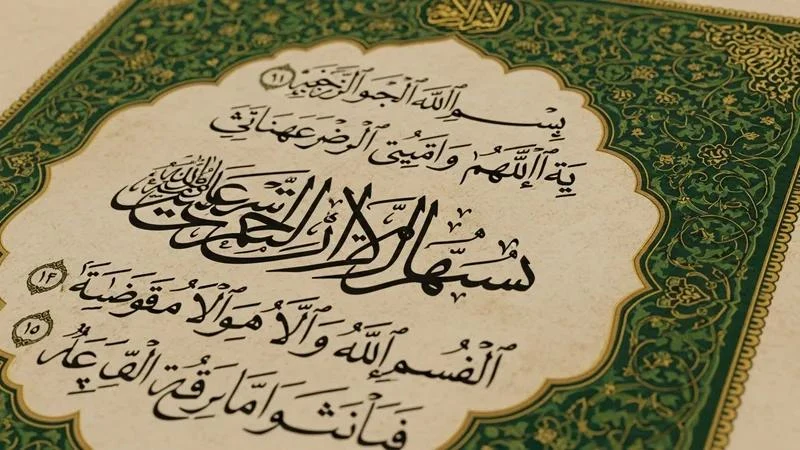
Introduction to Surah Ad-Dhuha
Surah Ad-Dhuha is the 93rd chapter of the Holy Qur'an.
It contains 11 verses.
The word Ad-Dhuha refers to the morning brightness or forenoon.
The Surah was revealed in Makkah.
It provides comfort and reassurance to Prophet Muhammad (S.A.W.) and reminds Muslims of Allah's kindness, mercy and blessings.
1.2.3 Main Teachings of Surah Ad-Dhuha
Verse 1: Allah swears by the morning brightness.
The Surah begins with an oath by the morning brightness.
This reminds Muslims of the beauty and significance of Allah's creation.
Verse 2: Allah swears by the night when it becomes still.
The verse refers to the night when darkness settles.
It reminds human beings of the signs of Allah in nature.
Verse 3: Allah has not abandoned Prophet Muhammad (S.A.W.).
This verse reassures the Prophet that Allah had neither forsaken nor become displeased with him.
It teaches Muslims that difficulties do not necessarily mean that Allah has abandoned them.
Verse 4: The Hereafter is better than the present life.
The verse reminds Muslims that the rewards of the Hereafter are greater and everlasting.
It encourages believers to work towards pleasing Allah.
Verse 5: Allah will grant the Prophet until he is satisfied.
This verse reassures the Prophet of Allah's favour and blessings.
It encourages Muslims to remain hopeful and trust Allah.
Verse 6: Allah reminds the Prophet that He found him an orphan and gave him shelter.
This verse reminds the Prophet of Allah's protection during his childhood.
It teaches Muslims to appreciate Allah's blessings.
Verse 7: Allah guided the Prophet.
The verse reminds Muslims that Allah provides guidance to those He wills.
Verse 8: Allah found the Prophet in need and enriched him.
This verse reminds believers that Allah is the provider of blessings.
It teaches gratitude and trust in Allah.
Verse 9: Do not oppress the orphan.
The verse instructs Muslims to treat orphans with kindness and fairness.
Verse 10: Do not harshly turn away a person who asks for help.
Muslims are encouraged to respond kindly to people who request assistance or guidance.
Verse 11: Speak about the blessings of Allah.
The final verse encourages Muslims to acknowledge and appreciate Allah's blessings.
1.2.4 Summary of the Teachings of Surah Ad-Dhuha
The main teachings include:
- Allah is merciful and compassionate.
- Allah does not abandon His faithful servants.
- Muslims should remain hopeful during difficult situations.
- The Hereafter is better than the temporary life of this world.
- Muslims should appreciate Allah's blessings.
- Orphans should be treated with kindness.
- Needy people should not be treated harshly.
- Muslims should assist people who need help.
- Muslims should express gratitude to Allah.
- Believers should trust Allah in all circumstances.
1.2.5 Application of Surah Ad-Dhuha in Daily Life
Muslims can practise the teachings of Surah Ad-Dhuha in different ways.
|
Teaching |
Application in daily life |
|---|---|
|
Trust in Allah |
Remain hopeful during difficult times |
|
Kindness to orphans |
Support and protect orphaned children |
|
Respect for needy people |
Treat people seeking assistance with dignity |
|
Gratitude |
Thank Allah for blessings |
|
Compassion |
Help people experiencing difficulties |
|
Faith |
Remain committed to worship |
|
Appreciation |
Avoid taking blessings for granted |
Example:
A learner notices that a classmate has lost a parent and is struggling financially.
Instead of laughing at the learner, the classmate offers friendship, encouragement and appropriate assistance.
This demonstrates the teaching of Surah Ad-Dhuha about kindness towards orphans and needy people.
1.2.6 Lessons Learnt from Surah Ad-Dhuha
- Never lose hope in Allah's mercy.
- Be patient when experiencing difficulties.
- Appreciate the blessings received from Allah.
- Respect and support orphans.
- Treat needy people with kindness.
- Avoid arrogance.
- Help those who ask for assistance.
- Trust Allah's wisdom.
- Remember the importance of the Hereafter.
- Express gratitude for Allah's favours.
1.2.7 Surah Al-Balad
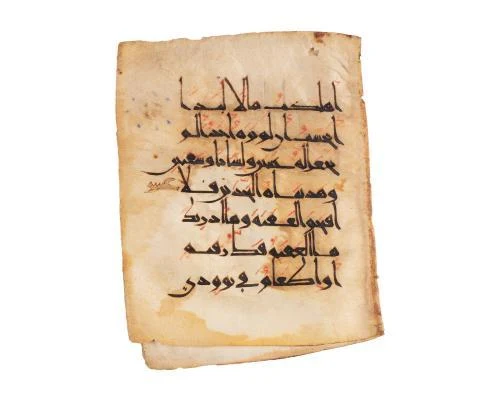
Introduction to Surah Al-Balad
Surah Al-Balad is the 90th chapter of the Holy Qur'an.
It contains 20 verses and was revealed in Makkah.
The word Al-Balad means the city. In this Surah, it refers to the sacred city of Makkah.
The Surah discusses human struggles, responsibility, compassion, faith and the importance of helping people in need.
It teaches Muslims that the path to righteousness requires sacrifice, patience and kindness towards others.
1.2.8 Main Teachings of Surah Al-Balad
Verses 1–2: The Sacred City of Makkah
Allah swears by the sacred city of Makkah and refers to Prophet Muhammad (S.A.W.) in relation to the city.
These verses demonstrate the significance of Makkah in Islam.
Lesson: Muslims should appreciate the sacred places associated with their religion.
Verse 3: The Parent and the Child
The verse refers to the parent and the child.
It reminds human beings of the importance of family relationships and the process of human creation.
Lesson: Muslims should respect parents and appreciate the blessing of family.
Verses 4–7: Human Beings Experience Difficulties
These verses explain that human beings were created in a state of hardship and struggle.
They also warn against arrogance and the belief that wealth gives a person unlimited power.
Some people boast about their wealth and believe that nobody can overcome them.
Lessons:
- Life involves challenges.
- Wealth should not make people arrogant.
- Human beings are accountable to Allah.
- People should use their blessings responsibly.
Verses 8–10: Allah Has Given Human Beings Important Abilities
Allah reminds human beings of the blessings of sight, speech and guidance.
The verses mention the eyes, the tongue and the lips.
They also explain that Allah has shown human beings the two paths: the path of righteousness and the path of wrongdoing.
Lessons:
- Human beings should appreciate their physical abilities.
- People should use their abilities responsibly.
- Muslims should choose the path of righteousness.
- Human beings are responsible for their decisions.
Verses 11–16: The Steep Path
The Surah introduces the difficult path of righteousness, described as Al-Aqabah.
It explains that this path involves acts of kindness and sacrifice.
Examples include:
- Freeing a person from slavery.
- Feeding people during times of hunger.
- Helping an orphan who is a relative.
- Supporting a poor person experiencing severe hardship.
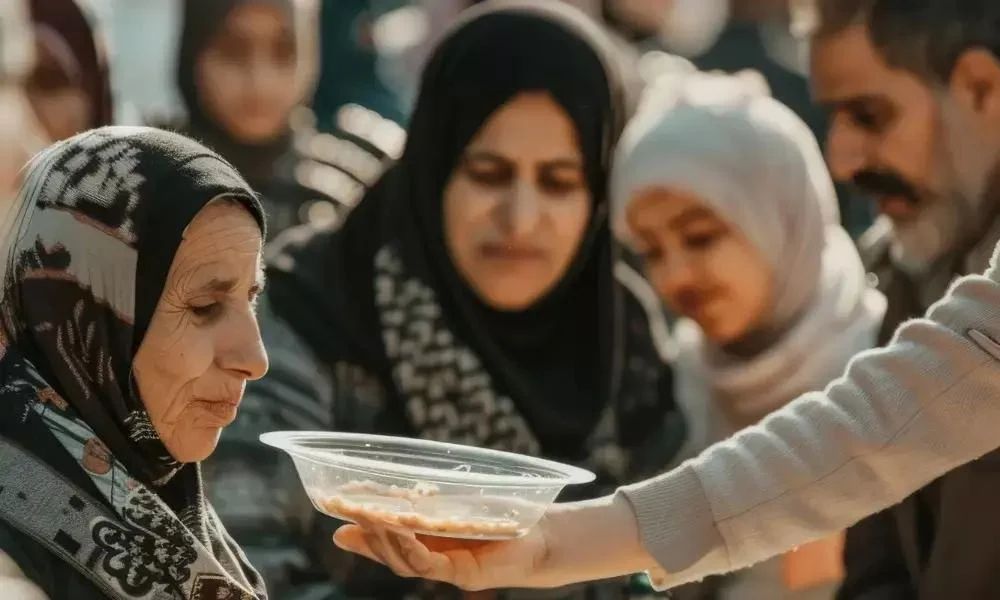
These verses teach Muslims that true righteousness involves helping others, especially vulnerable members of society.
Lessons:
- Muslims should support needy people.
- Helping orphans is an important responsibility.
- Feeding hungry people is a good deed.
- Wealth should be used to benefit society.
- Good deeds require commitment and sacrifice.
Verses 17–18: Faith, Patience and Compassion
These verses explain that those who follow the right path believe in Allah and encourage one another to practise patience and compassion.
They are described as companions of the right.
Lessons:
- Faith should be accompanied by good actions.
- Muslims should encourage one another to be patient.
- Compassion should be demonstrated through actions.
- Believers should support one another in doing good.
Verses 19–20: Consequences of Rejecting Allah's Signs
The final verses explain the consequences awaiting those who reject Allah's signs.
They describe the companions of the left and the punishment of the Hereafter.
These verses remind Muslims that human beings are accountable for their actions.
Lessons:
- People should obey Allah's guidance.
- Muslims should avoid wrongdoing.
- Every person should prepare for the Hereafter.
- Faith and righteous actions are important.
1.2.9 Summary of the Teachings of Surah Al-Balad
|
Verses |
Main teaching |
|---|---|
|
1–2 |
Importance of the sacred city of Makkah |
|
3 |
Human creation and family relationships |
|
4–7 |
Human struggles and responsibility |
|
8–10 |
Blessings of sight, speech and guidance |
|
11–16 |
Helping orphans, feeding the hungry and freeing people from slavery |
|
17–18 |
Faith, patience and compassion |
|
19–20 |
Accountability and consequences in the Hereafter |
1.2.10 Lessons Learnt from Surah Al-Balad
- Life involves challenges that require patience.
- Wealth should not make people arrogant.
- Human beings should appreciate Allah's blessings.
- People should use their abilities responsibly.
- Muslims should choose the path of righteousness.
- Helping needy people is an important Islamic teaching.
- Orphans should be protected and supported.
- Hungry people should be assisted.
- Faith should be accompanied by good actions.
- Muslims should encourage one another to practise patience.
- Compassion is an important moral value.
- People should remember that they are accountable to Allah.
1.2.11 Application of Surah Al-Balad in Daily Life
Muslims can apply the teachings of this Surah through practical actions.
|
Teaching |
Application |
|---|---|
|
Patience |
Remaining calm when facing difficulties |
|
Charity |
Donating food and other useful items |
|
Helping orphans |
Supporting children who have lost parents |
|
Feeding the hungry |
Sharing food with needy families |
|
Humility |
Avoiding pride and arrogance |
|
Faith |
Worshipping Allah sincerely |
|
Compassion |
Showing concern for people experiencing hardship |
|
Responsibility |
Using personal abilities and resources properly |
|
Good speech |
Using the tongue to speak truthfully and kindly |
|
Social support |
Encouraging others to do good |
Example of application
A Muslim learner notices that another learner has no food during lunchtime.
The learner shares some food with the classmate instead of ignoring the situation.
This demonstrates compassion and generosity, which are among the important lessons of Surah Al-Balad.
1.2.12 Differences Between Surah Ad-Dhuha and Surah Al-Balad
|
Surah Ad-Dhuha |
Surah Al-Balad |
|---|---|
|
It is the 93rd Surah |
It is the 90th Surah |
|
Contains 11 verses |
Contains 20 verses |
|
Emphasises Allah's mercy and blessings |
Emphasises human struggles and responsibilities |
|
Teaches kindness towards orphans and needy people |
Teaches helping the hungry, orphans and vulnerable people |
|
Encourages gratitude and hope |
Encourages patience, faith and compassion |
|
Reminds Muslims not to lose hope in Allah |
Reminds Muslims to work towards righteousness |
1.2.13 Importance of Studying the Selected Surahs
- Helps Muslims understand the teachings of the Qur'an.
- Promotes correct Qur'an recitation.
- Encourages good moral behaviour.
- Teaches compassion towards needy people.
- Strengthens faith in Allah.
- Encourages gratitude and patience.
- Helps Muslims understand their responsibilities towards society.
- Provides guidance on applying Islamic teachings in daily life.